Ardoukoba
Ardoukoba, Djibouti
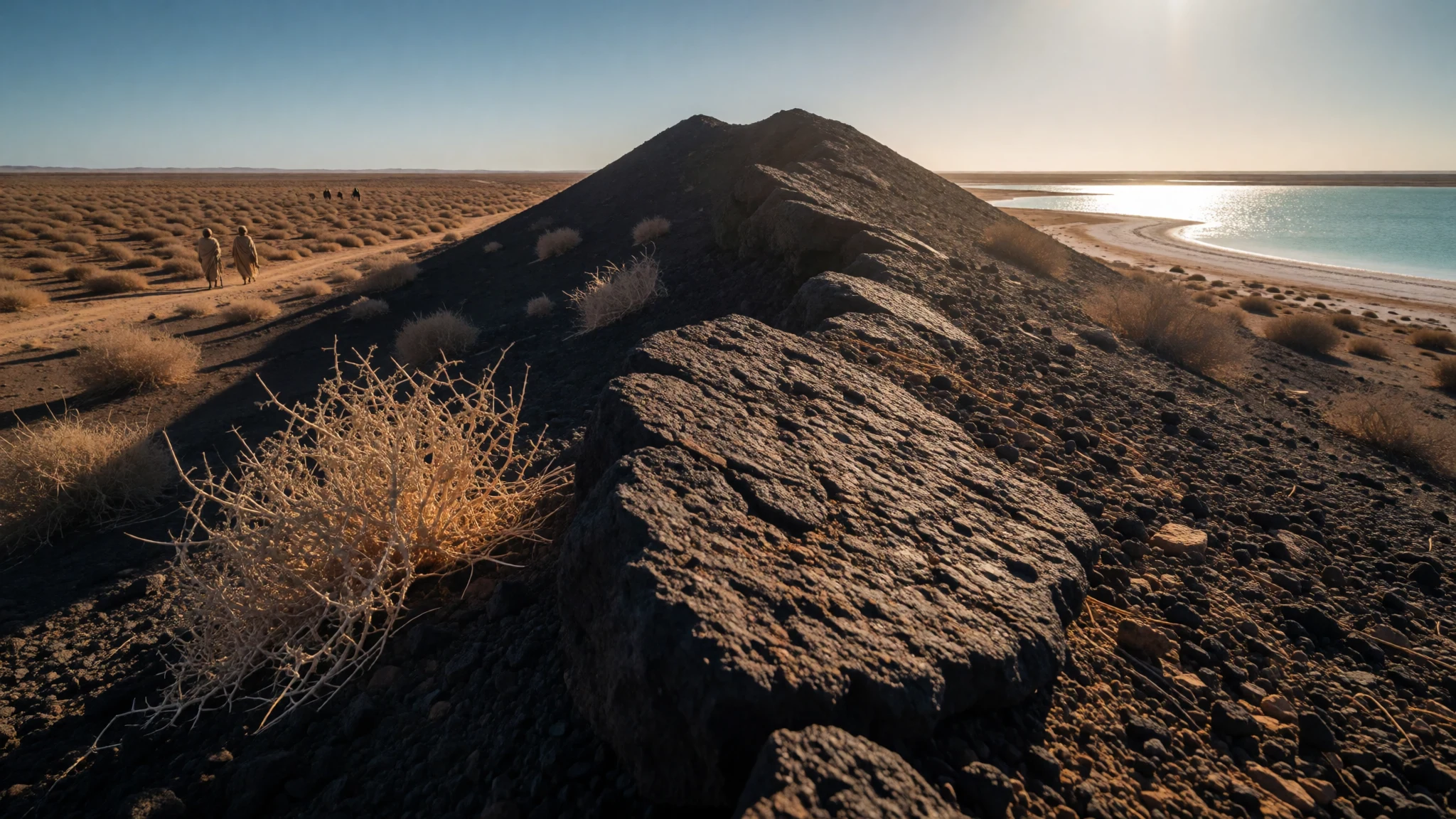
Ardoukoba is a young fissure volcano in Djibouti, where the African plates pull apart beside a salt lake far below sea level.
The place
Ardoukoba is a low volcano on the coast of Djibouti, about 100 km from Djibouti City, with its summit at 298 metres. It is not a classic cone. It is a fissure volcano, built from a line of cracks in the ground and a small group of slag cones rather than one tall peak. Its black basaltic rock sits on the floor of a rift that runs north-west from the Red Sea. This is the Asal rift, part of the great fault system where the Danakil block to the north-east and the Afar depression to the south-west are slowly drawing apart. The rift is about 17 km across and about 800 metres deep, and the landscape reads like a geology lesson: dark lava, pale salt, bare ridges and very little shade.
Close by are Lake Assal, a salt lake well below sea level, and Ghoubbet-el-Kharab, a narrow inlet of the sea. Together they make a stark triangle of black rock, white salt and blue water. Djibouti's government has put a proposal to UNESCO to recognise the Lake Assal zone, Ardoukoba included, as a World Heritage Site. That is a proposal only, not a listing.
The climate is the thing to plan around. Djibouti is hot, humid and dry, and summer is punishing. The capital gets a steady sea breeze, but the rift floor is more exposed. From October to April it is cooler, with occasional rain. Few people live here, there is no visitor centre to rely on, and the usual way in is by hired vehicle from the capital, over roads that truck traffic to Ethiopia has battered. The reward is a day of dust, black rock and enormous skies rather than a manicured park.
Its story
Ardoukoba made its name in a single week. Ardoukoba is a striking volcanic rift zone in Djibouti, known for its dramatic black lava fields and stark desert scenery. In November 1978, the volcano woke up for the first initial eruption in roughly three millennia within this specific section of the rift, and it has stayed quiet ever since. Visiting means navigating harsh desert heat and remote terrain, so you will need a 4x4 and a local guide. It is a thrilling stop for travellers who love raw geology, but go prepared with plenty of water and sturdy boots. Within a day before it opened, hundreds of small earthquakes shook the ground a few kilometres away, towards Ghoubbet-el-Kharab, and a burst of volcanic gas followed. Then a crack about 500 metres long split the surface. Fluid basalt poured from three points and quickly piled up three slag cones. Two lava flows spread across the rift floor, one heading for Lake Assal and the other for the gulf.
The eruption was fast and then it faded. Lava output was strongest in the first days and dropped sharply by about the fifth or sixth day. After that, one cone, called Gira-le-Koma, stayed active. It held a small lake of lava for several more days before the whole eruption ended after about a week. In total, roughly twelve million cubic metres of runny basalt came out. Geologists call it a Hawaiian-style eruption, the gentle, fountaining kind, and a textbook case of a red volcano fed by a rift: magma rising because the crust is being stretched.
That stretching is the deeper story. The Afar region is one of the few places where a continental rift can be seen at work on land, with the Nubian and Somali plates moving apart. Ardoukoba is a brief, vivid sign of that slow process. The lava is still bare and sharp, and little has grown on it, so the 1978 event looks recent in a way few volcanic sites do.
What to see
- Ardoukoba's cones and fissure — Asal rift, near Ghoubbet-el-Kharab
The 1978 eruption left a line of dark slag cones along a crack in the rift floor, with hardened lava spreading around them. The rock is still bare, black and rough underfoot. Walking the cones shows how a rift builds itself, and Lake Assal glints in the background on a clear day. Go early, before the heat builds.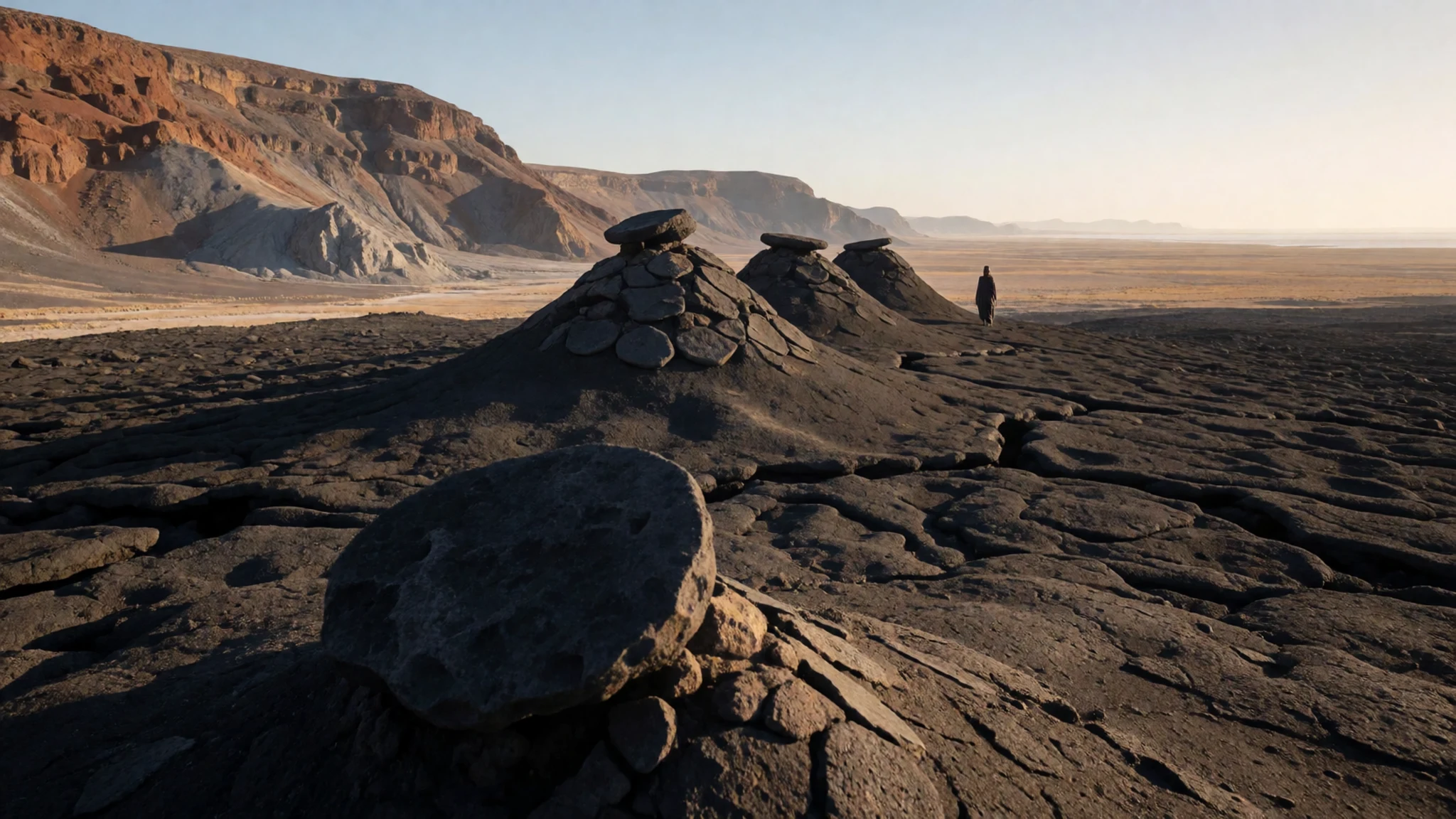
- Lake Assal — Asal rift, west of the volcano
Lake Assal is a salt lake lying far below sea level, close to the volcano. White crusts of salt rim water that shifts from turquoise to green, and the contrast with the black lava is why most people come. The shore is hot and glaring with little shade, and the road from the capital passes some striking views of the sea.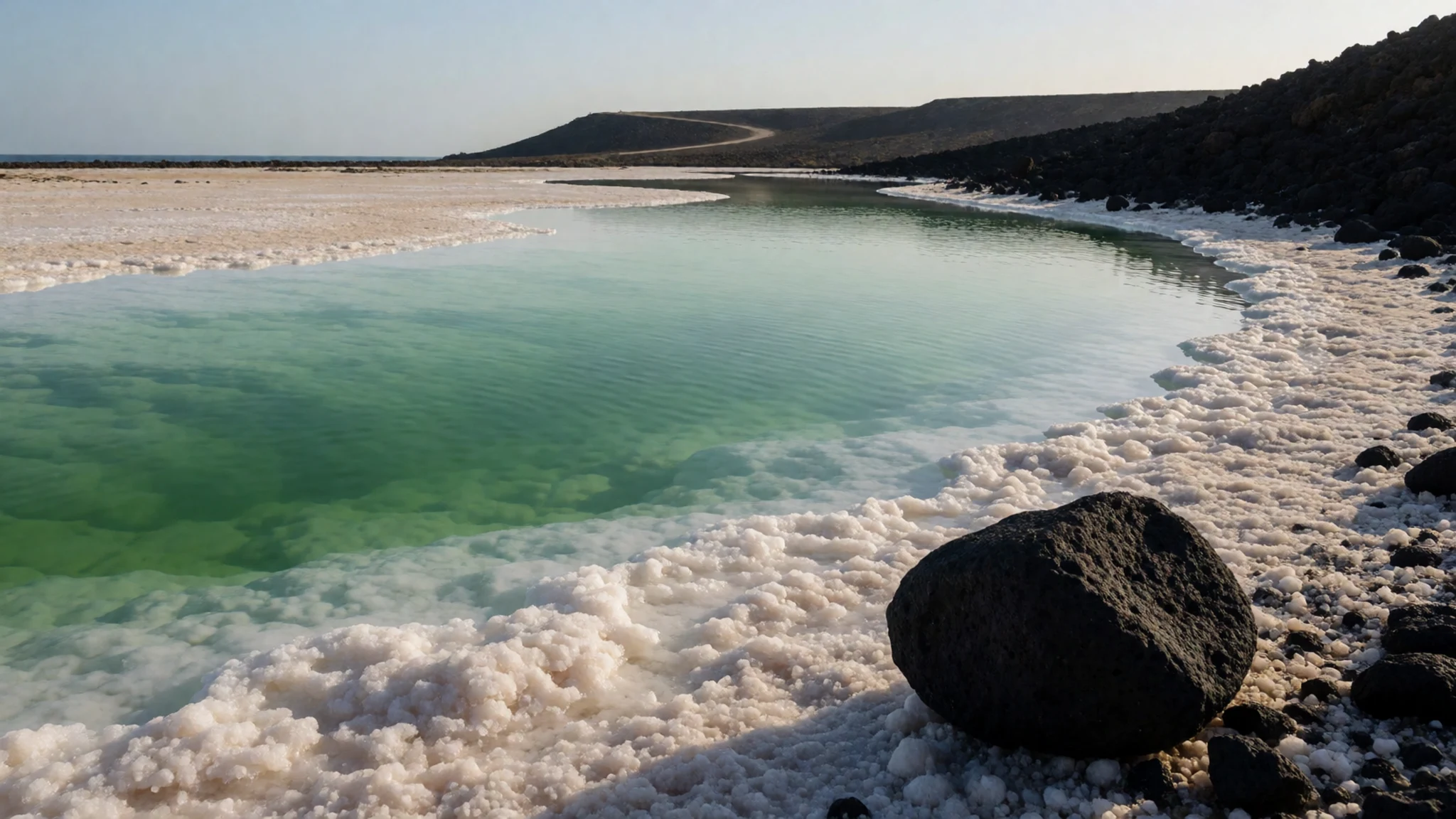
- Ghoubbet-el-Kharab — Gulf coast beside the rift
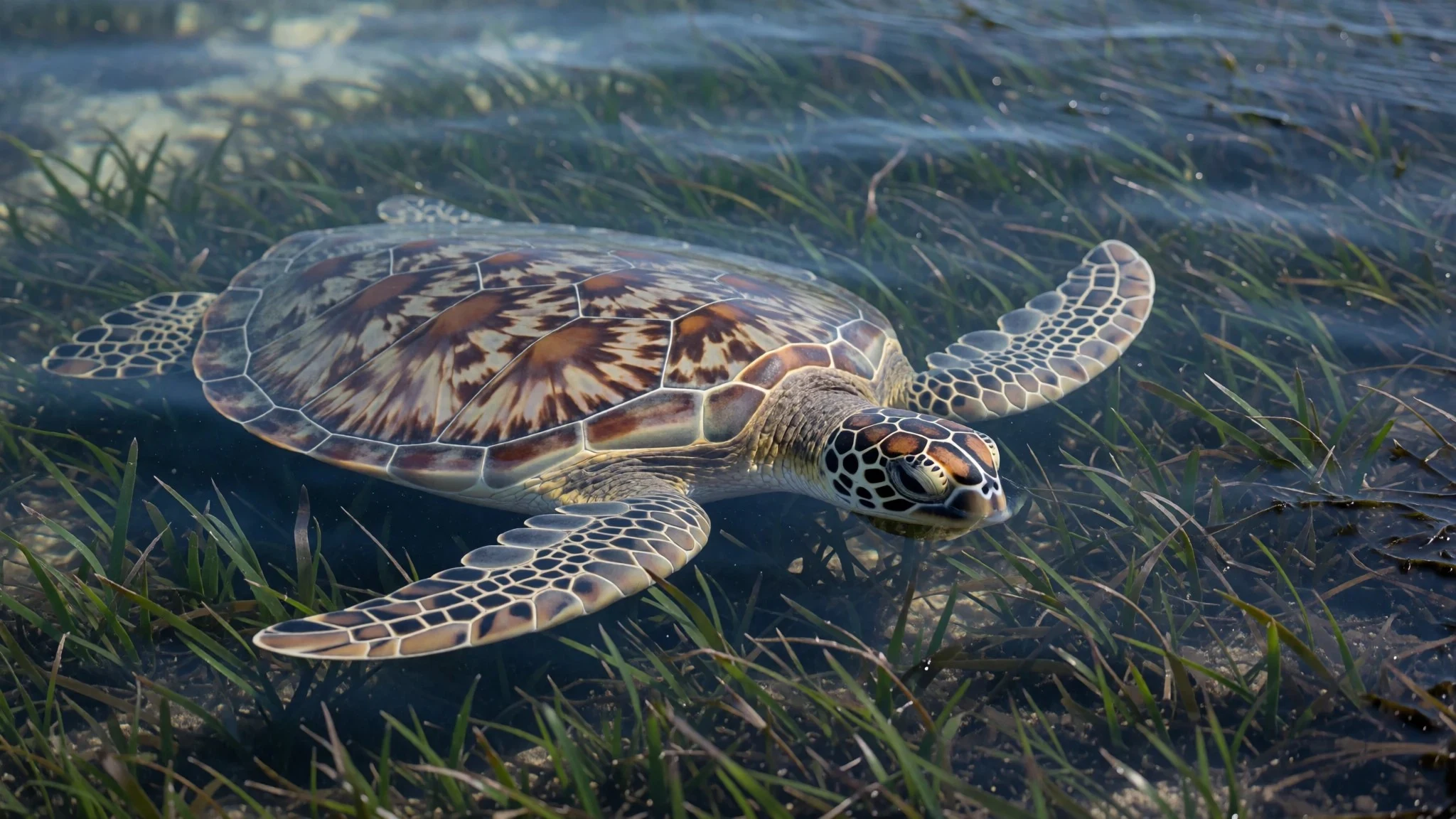
Ghoubbet-el-Kharab is a narrow inlet of the sea right beside the rift, and some of the 1978 lava ran towards it. Sea kayaking here is a quiet way to see the shoreline, and paddlers sometimes spot sea turtles or whale sharks. Book through a local operator, as conditions and wildlife vary through the year.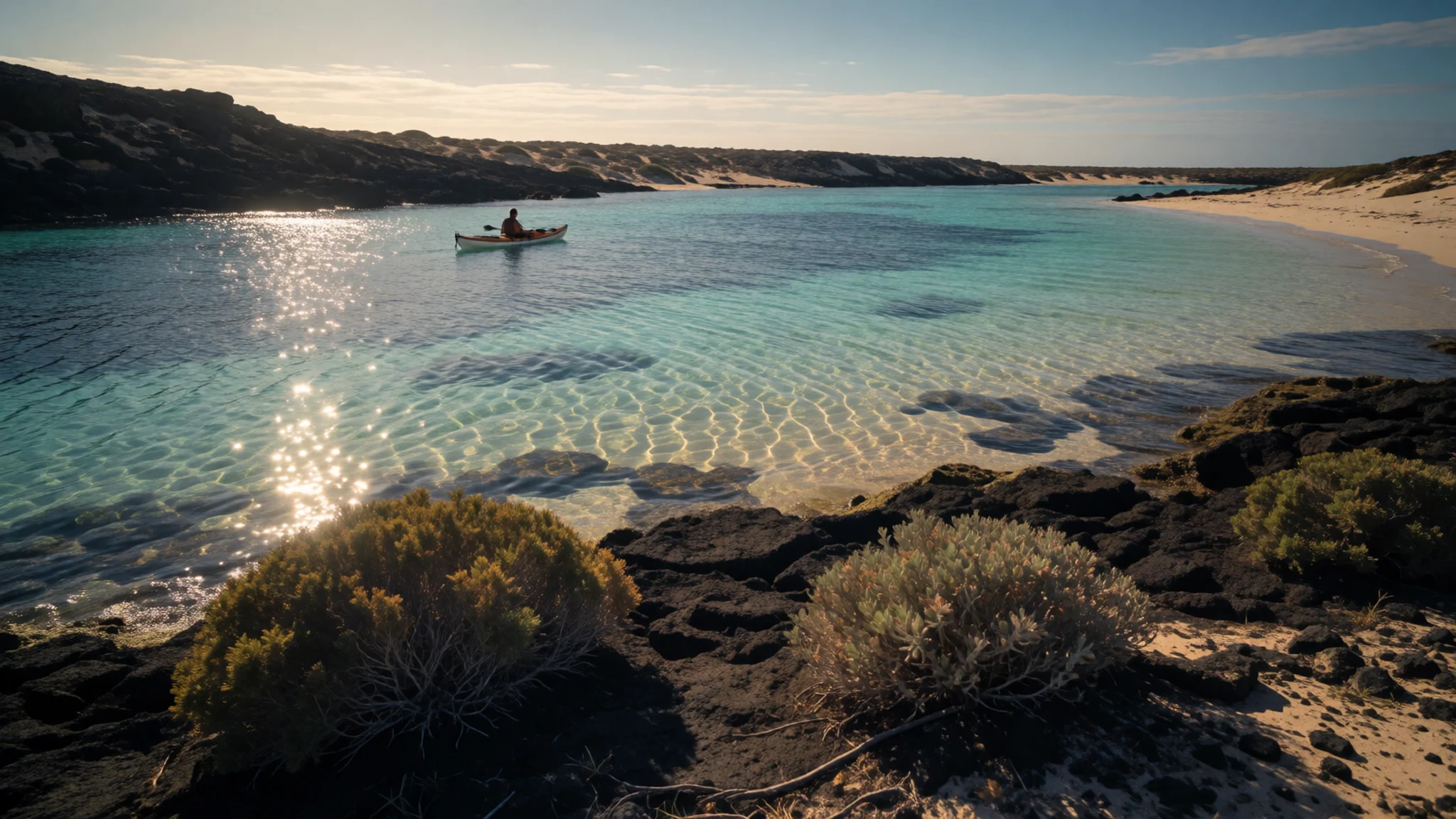
- Lake Abbe — Western Djibouti, near the Ethiopian border
Lake Abbe lies far to the west, a long journey from Ardoukoba and worth a night rather than a day. Limestone chimneys, some as tall as 50 metres, rise from a flat, steamy plain, and the scene is often called lunar. A story that Planet of the Apes was filmed here is not true, but the setting explains why people repeat it.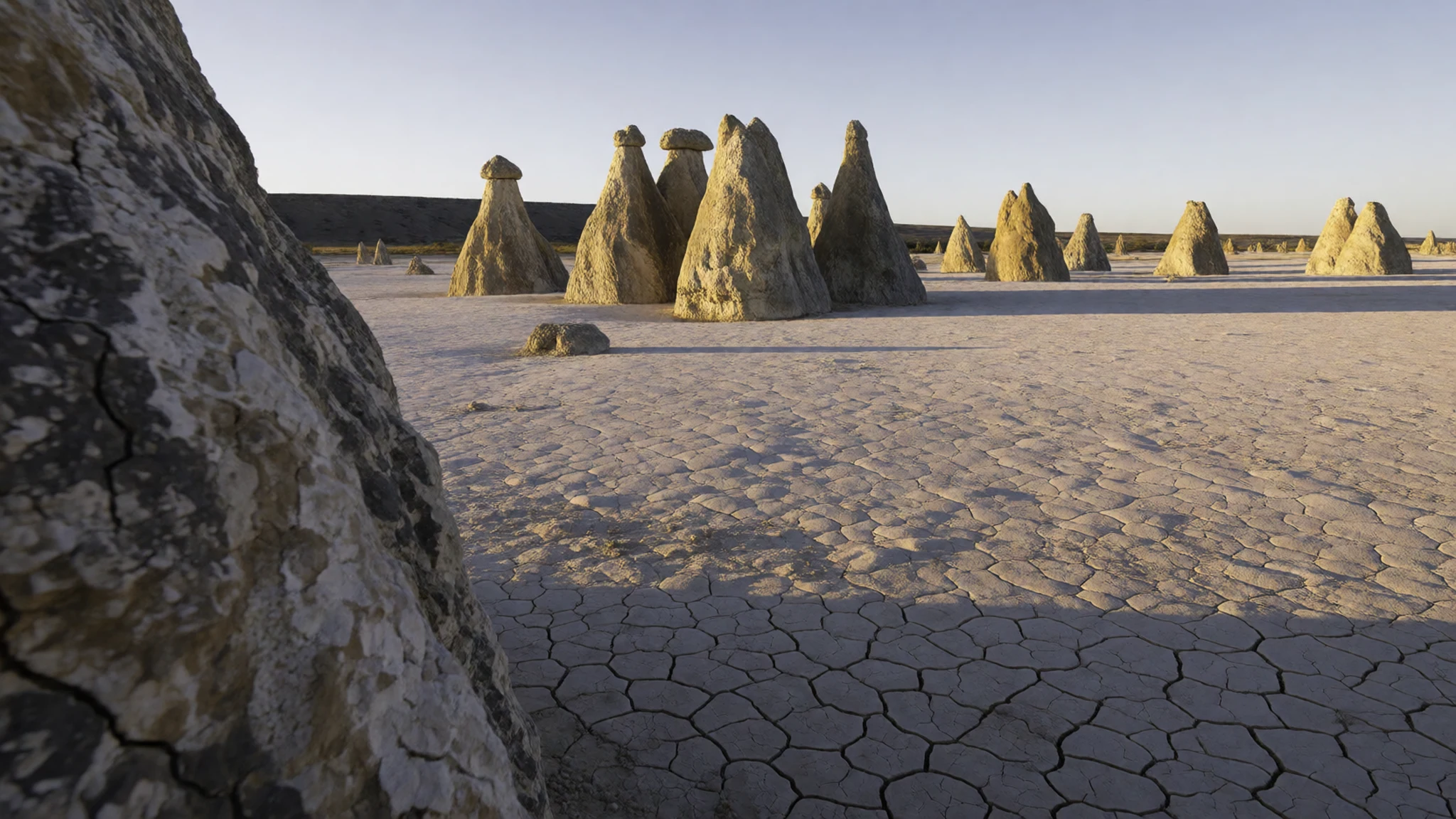
- Gulf of Tadjoura reefs and whale sharks — Tadjoura and the northern gulf coast
Despite the dry land, the coast has reefs good for snorkelling and diving. Whale shark sightings depend on season: the chances are reported at around 70–80 per cent from November to January and close to zero in the warmer months. Ask operators about recent sightings, because no outing is guaranteed.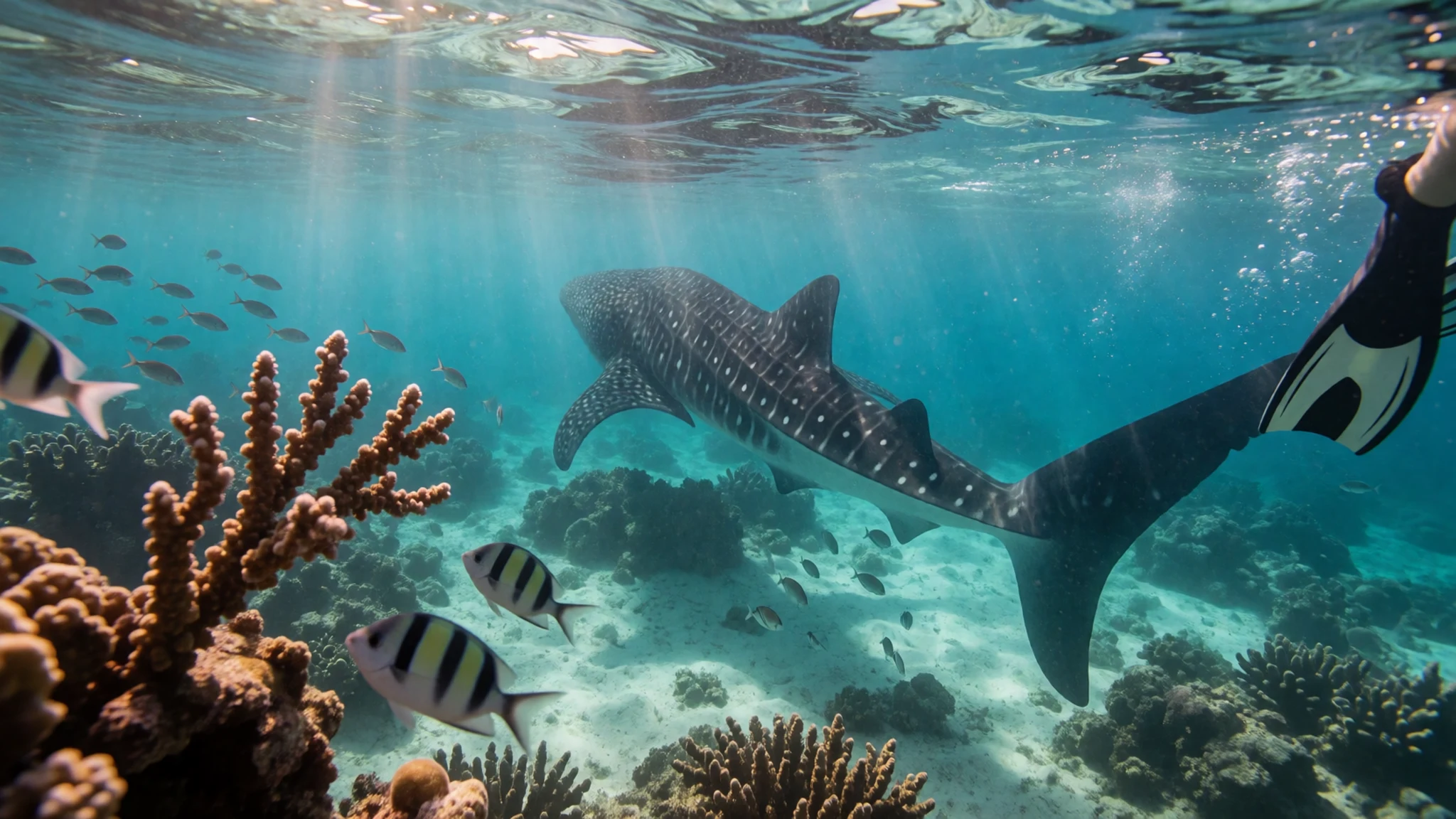
Culture
Ardoukoba lies in Djibouti, a Muslim country where Afar and Somali communities share the land, and the rift area sits on the Afar side of that story: pastoral, tough and hospitable. Daily life follows the heat. Work and travel start at dawn, the middle of the day is slow, and evenings bring people out to talk over tea. French and Arabic are widely used alongside Somali and Afar, so a greeting in any of them goes down well. Religion shapes the week, with Friday the main day of prayer, and during Ramadan eating or drinking in public in daylight is best avoided. Afternoon qat-chewing gatherings are common in the towns, though visitors are not expected to join.
Hospitality matters. Being offered tea or water is a courtesy, and refusing it outright can seem curt, so accept a sip and thank your host. Casual clothes are fine, but modest ones are expected, and shorts are generally kept for beaches, sport and the grounds of tourist lodgings. Public attitudes to LGBTQ+ people are not accepting, and Djibouti is generally considered unsafe for LGBTQ+ travellers, so discretion is wise. The rift is also a working landscape for herders and salt workers, so it is best treated as someone's home rather than an empty stage. Ask before photographing people, and keep shoulders and knees covered away from the beach.
What to wear
Ardoukoba is remote, so clothing in the surrounding communities is shaped by heat and distance. Traditionally, Somali women in Djibouti wear the dirac, a light, often boldly printed cotton or voile dress worn over a slip, with a shawl or headscarf (shash) when going out. Afar men have long worn a wrapped waist cloth, the futa, with a shirt or a shawl over the shoulders, and Somali men wear a similar wrapped cloth called a macawiis. Cotton dominates because it breathes. Weddings and Eid bring out the brightest fabrics and gold jewellery.
Day to day in Djibouti City, many men wear shirts and trousers, and many women wear long skirts or dresses with a headscarf. Younger people mix in jeans, trainers and football shirts. In the countryside, practical wraps and head cloths against sun and dust are common.
For a visitor, the priorities are heat, sun and rough ground. Loose, long-sleeved cotton or linen shirts and long trousers or skirts protect skin and match local modesty. A wide-brimmed hat or light scarf helps, and sunglasses are essential. Wear closed shoes with grippy soles, because the lava is sharp and can cut thin soles. Keep swimwear for beaches and boats, and carry a light layer for the cooler months and for breezy sea crossings.
What to eat
- Skoudehkaris — Local eateries in Djibouti City's older districts
Spiced rice cooked with lamb or goat, usually fragrant with cumin, cardamom and cinnamon. It is the dish most often served at family gatherings and is filling after a long day on rough roads. Portions are generous and often shared from a large plate.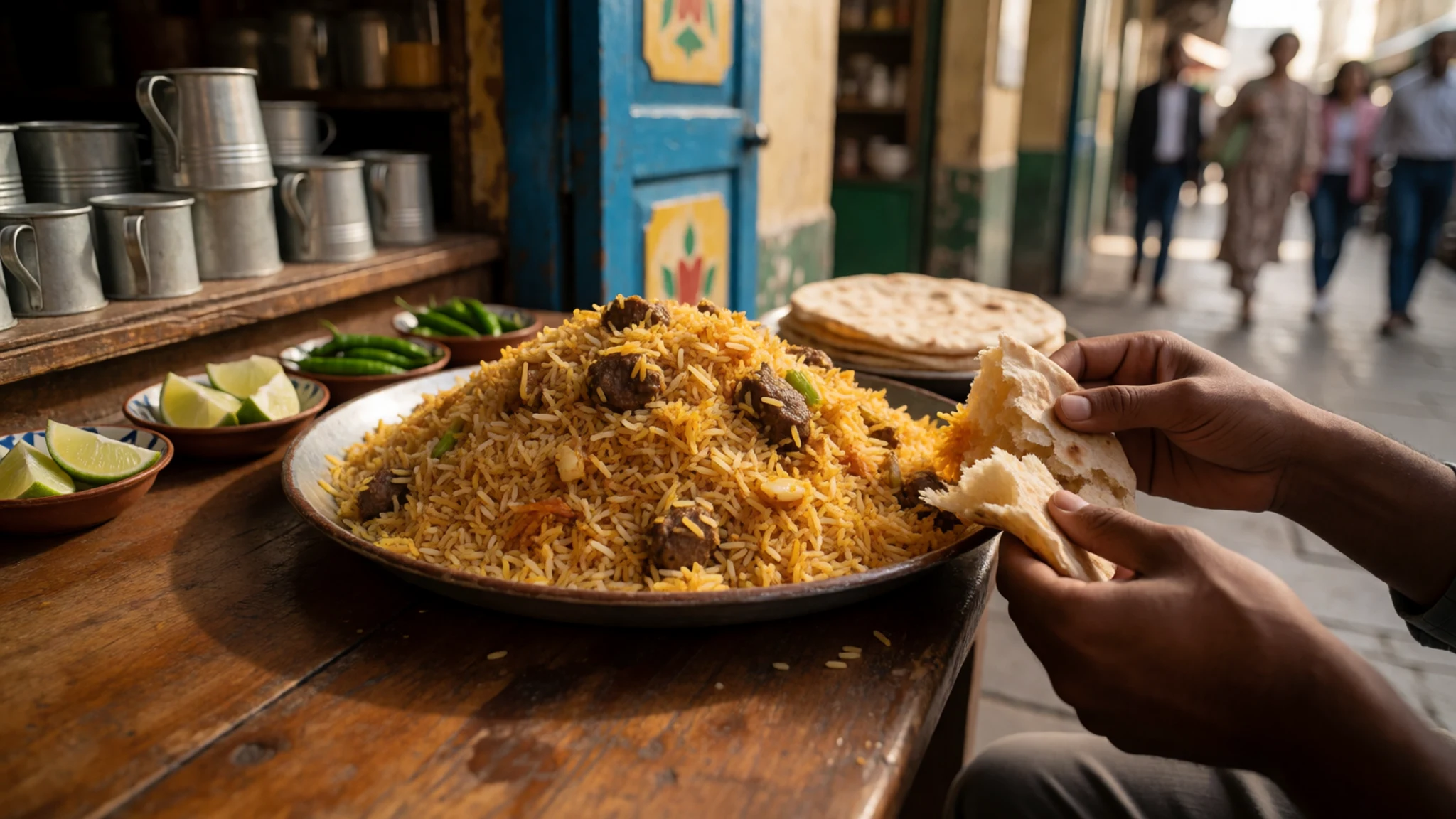
- Fahfah — Simple local restaurants and canteens in the capital
A spicy meat soup, often goat, with chilli, lime and herbs, eaten with bread. It is hearty and hot in both senses, and locals often take it at lunch. Ask for the chilli on the side if the heat worries you.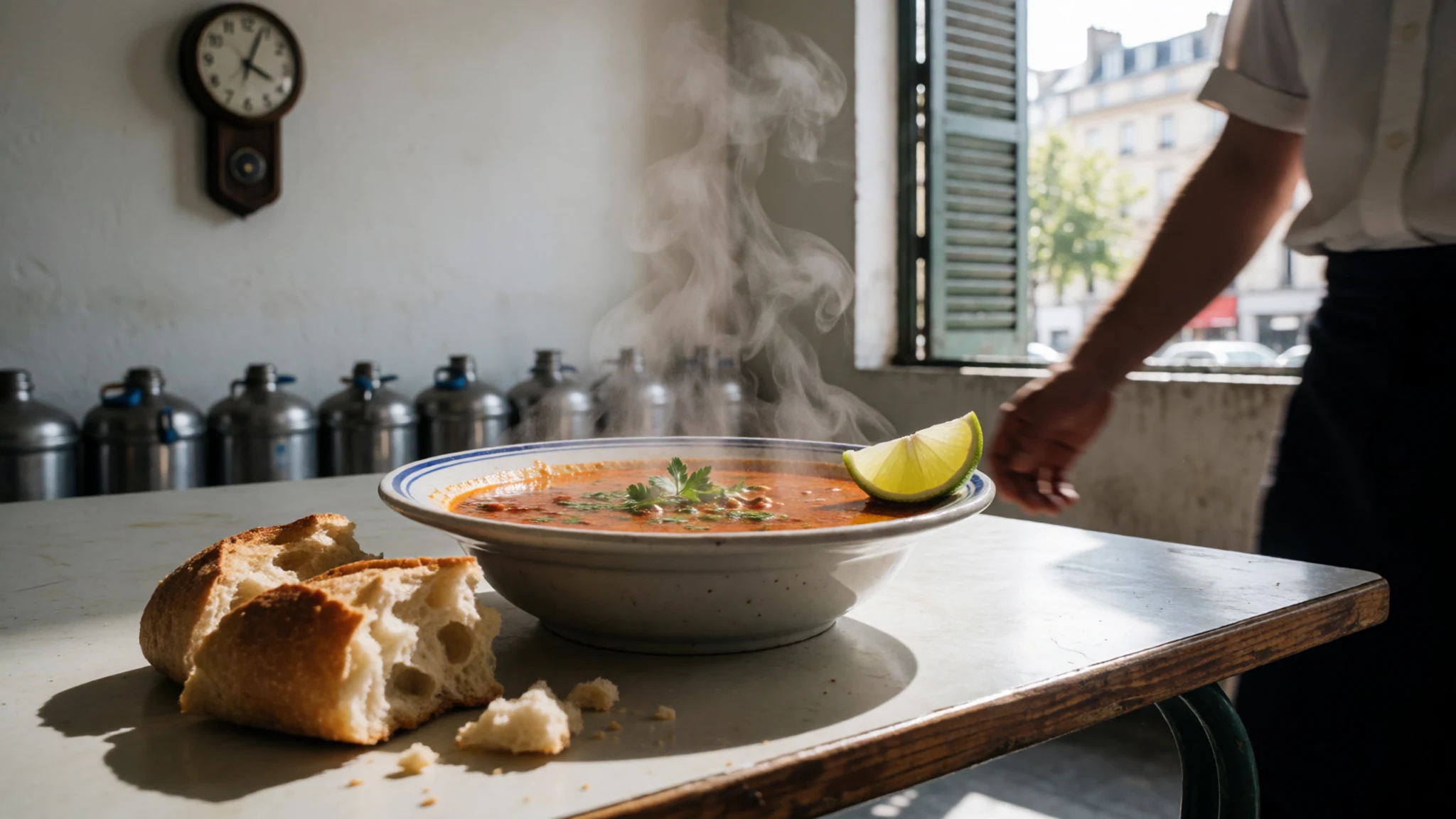
- Lahoh — Breakfast stalls and tea houses
A spongy, many-holed pancake, similar to canjeero, eaten in the morning with honey, ghee or a spiced sauce. It soaks up sweet tea well and is cheap and quick, which makes it a good start before an early drive to the rift. - Grilled fish — Seafood restaurants near the port and coast
Fish from the Gulf is cooked over charcoal or in a hot oven and served whole with bread or rice and a sharp sauce. It is the dish that makes the most of the coastline, and it tastes best when the catch is fresh that day. - Injera with stews — Ethiopian community eateries in the capital
A sour, soft flatbread used to scoop up spiced lentil, vegetable or meat stews. Djibouti's Ethiopian community runs several eateries serving a wide range of dishes, often cheaper than Western-style food, and a good option for vegetarians. - Spiced tea (shaah) — Tea stalls and roadside stops
Sweet black or milky tea, often flavoured with cardamom, cloves or cinnamon, served in small glasses. It is the social drink of Djibouti, offered to guests and shared at every break, and it is a welcome stop on long drives.
Plan it
Best time. November to February, when the heat eases; the cooler season runs from October to April, with occasional rain. November to January is also the best window for whale sharks. Summer is very hot and humid, and the rift floor has little shade.
How long. 2–3
Getting there. Fly into Djibouti-Ambouli International Airport at Djibouti City, then hire a four-wheel-drive with a local driver for the rough road to the rift, about 100 km from the capital. Allow a full day for the round trip, and add time for Lake Abbe if you go west.
Budget. mid
Tips
- Arrange a vehicle and driver through a local operator, and check current security advice first, as banditry is a risk outside the capital
- Carry extra water and fuel on any trip off the main roads
- Start at dawn to reach the rift before the worst heat, and wear sturdy closed shoes for the sharp lava
- Check visa rules and fees on the official Djibouti government site well before travel, as arrangements change
- Ask local operators about whale shark conditions and sea state before booking any water trip
Etiquette
- Cover shoulders and knees away from beaches, and keep shorts for the coast or sport
- Ask before photographing people, especially women
- Accept offered tea or water politely, and avoid eating or drinking openly in daylight during Ramadan
Nearby
Sources
- Wikidata Q639993 (CC0)
- Wikipedia: Ardoukoba (rev 1368602966) (CC BY-SA 4.0)
- Wikivoyage: Djibouti (rev 5423263) (CC BY-SA 4.0)
- Photo: Ardoukoba (Rolfcosar) (CC BY 3.0)
- Photo: Physical location map of Djibouti (Carport) (CC BY 3.0)
- Photo: Ardoukoba crater, Dec 2015 (Albert Backer) (CC BY-SA 4.0)
- Photo: Ardoukoba-Spalte (Rolfcosar) (CC BY 3.0)
- Photo: Ardoukoba volcano, Djibouti (Public domain)
- Photo: The Ardoukôba (Asal) Rift (NASA) (Public domain)
- Photo: Lac Assal (Rolfcosar) (CC BY 3.0)
- Photo: Lake Assal NASA (Public domain)


Wildlife
- Whale shark (animal)
The whale shark is a gentle giant, the biggest fish alive, which drifts along slowly and strains its food from the water. Around Ardoukoba it is a seasonal visitor. From November to January your chances are put at 70 to 80 per cent, but in the warmer months you are very unlikely to meet one. Go with a local guide, keep a respectful distance, stay calm and quiet in the water, and never offer it food.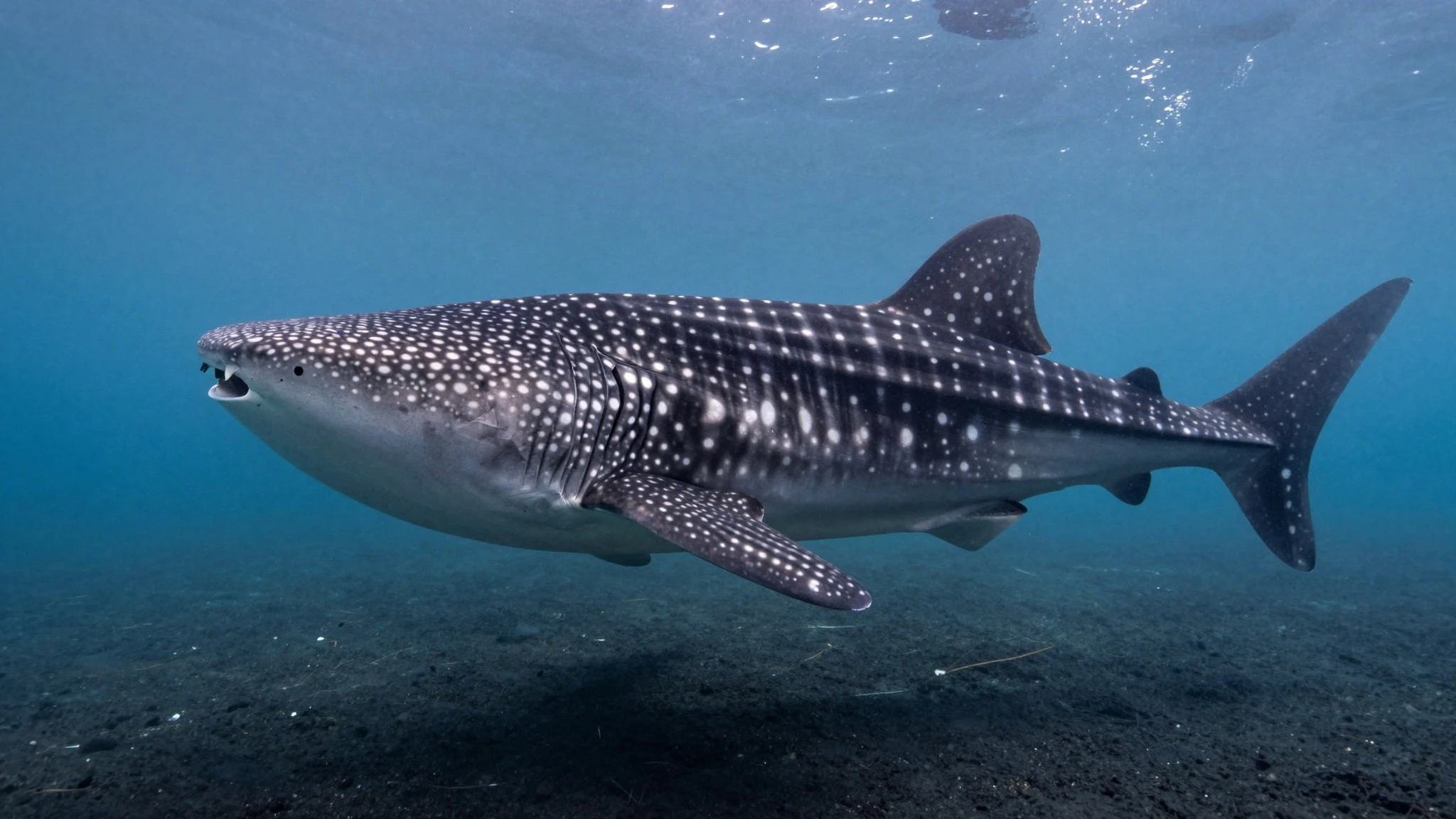
- Sea turtle (animal)
The green sea turtle is a big, peaceful swimmer that grazes on seagrass. Its name comes from the green fat under its shell, not from the shell itself, which is olive to black. Along the Ardoukoba coast, paddlers in sea kayaks sometimes glimpse one. Glide slowly and quietly, keep well back, ask your guide where to look, and never feed it.