Ghoubbet al-Kharab
Ghoubbet al-Kharab, Djibouti
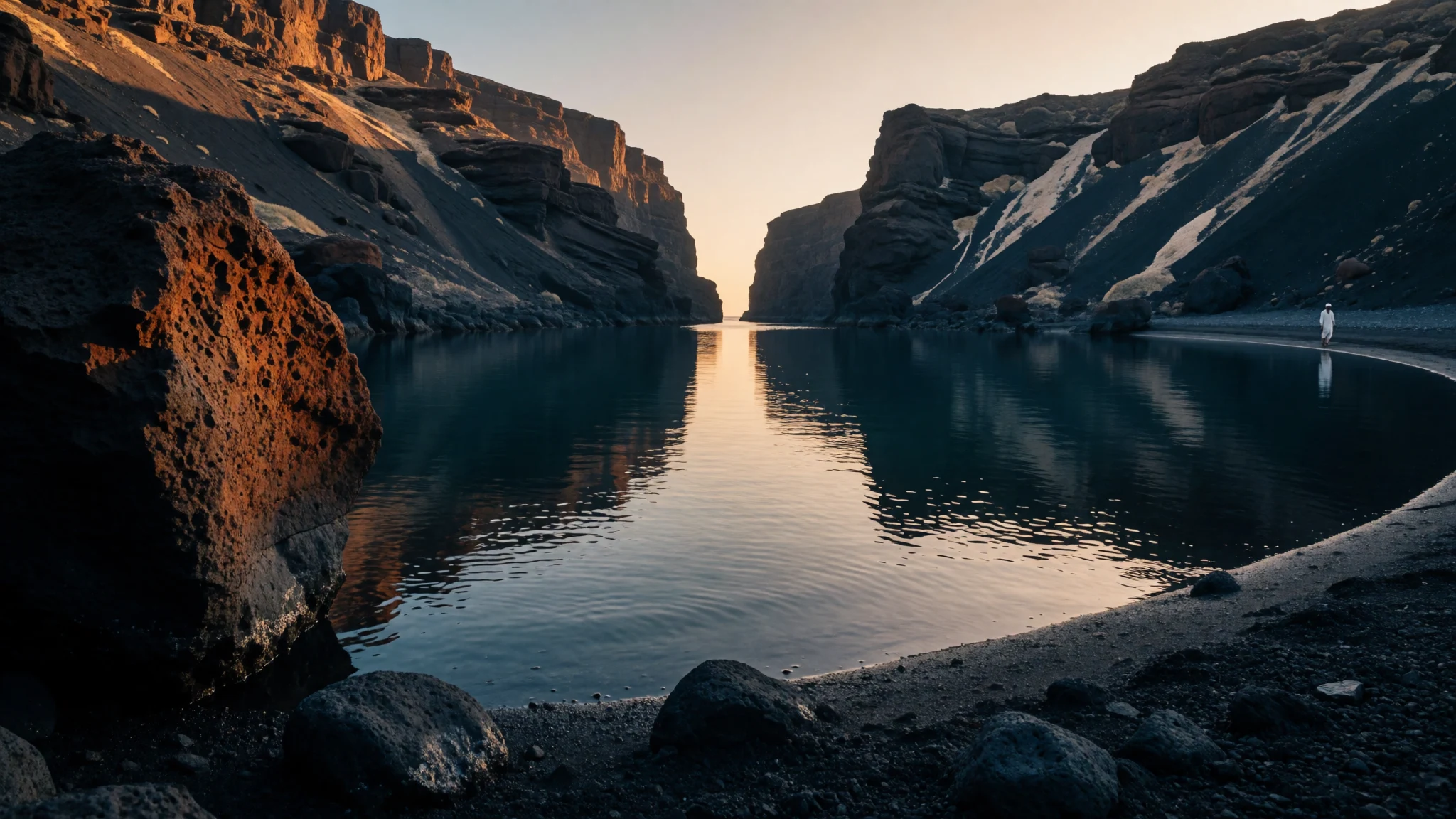
Ghoubbet al-Kharab is a deep volcanic bay in Djibouti, where black rock, cliffs and strong currents show two continental plates pulling apart.
The place
Ghoubbet al-Kharab is a deep, almost enclosed bay on the coast of Djibouti, opening onto the Gulf of Tadjoura through a narrow channel with a long reputation for violent currents. Its Arabic name is usually translated as the Gulf of the Demons, and the first sight of dark water ringed by bare cliffs explains the choice. Mountains and cliffs rise around the bay to about 600 metres, and on the inland side the Ardoukôba volcano forms a barrier between it and Lake Assal. The basin plunges to roughly 200 metres, which is a lot of depth for water so tightly hemmed in. This is a place where the African and Arabian plates are drifting apart, so the shore is black volcanic rock, not sand. Tides, wind and the squeezed outlet together can lift or drop the surface by as much as a metre. At the far western end sit two volcanic islands known as the Devil's Islands. The climate is very hot, humid and dry, and summer is punishing, although sea air takes a little of the edge off the heat in Djibouti city. The cooler season, roughly October to April, is the sensible time to come; rain is infrequent, but cyclones from the Indian Ocean can trigger flash floods. The people of the country are mainly Somali, mostly of the Issa clan, and Afar. Many families were traditionally nomadic herders, but most of the population now lives in towns, over half of it in the capital.
Its story
Ghoubbet al-Kharab owes its story to rock and water more than to any single event. The bay lies on a seam where the Arabian and African plates are slowly stretching away from each other, and the volcano that divides it from the salt lake inland is a product of that tearing. Sailors approaching the inlet from the Gulf of Tadjoura had to contend with fast, dangerous currents, and the name the place carries, the Gulf of the Demons, sounds like a warning passed from one crew to the next. Once through the channel, the water is deep and sheltered, and the strong flow feeds plenty of fish and sharks. That abundance drew scientists as well as divers: Captain Cousteau came to study the region in the late twentieth century, and dive guides still point visitors to the formation called the Crack and to the reef at Ras Eiro. Beyond the bay, the wider story is one of position. Djibouti sits beside the sea route towards the Suez Canal, a major shipping lane, and that location has made a small, dry country matter to international trade. The bay itself has stayed quiet. It has no grand monument, only scale: cliffs, black lava, a deep blue basin and the knowledge that the ground underfoot is being pulled apart. Anyone arriving should expect an effort of logistics, and a reward of silence.
What to see
- The bay shore — Shore of Ghoubbet al-Kharab
Standing at the water's edge, the bay shows its character at once: a dark, nearly enclosed basin ringed by bare cliffs, with the narrow channel to the gulf as its only outlet. Light changes the mood hour by hour, flat and metallic at noon, copper at dusk. Bring shade and water, as there is almost no infrastructure.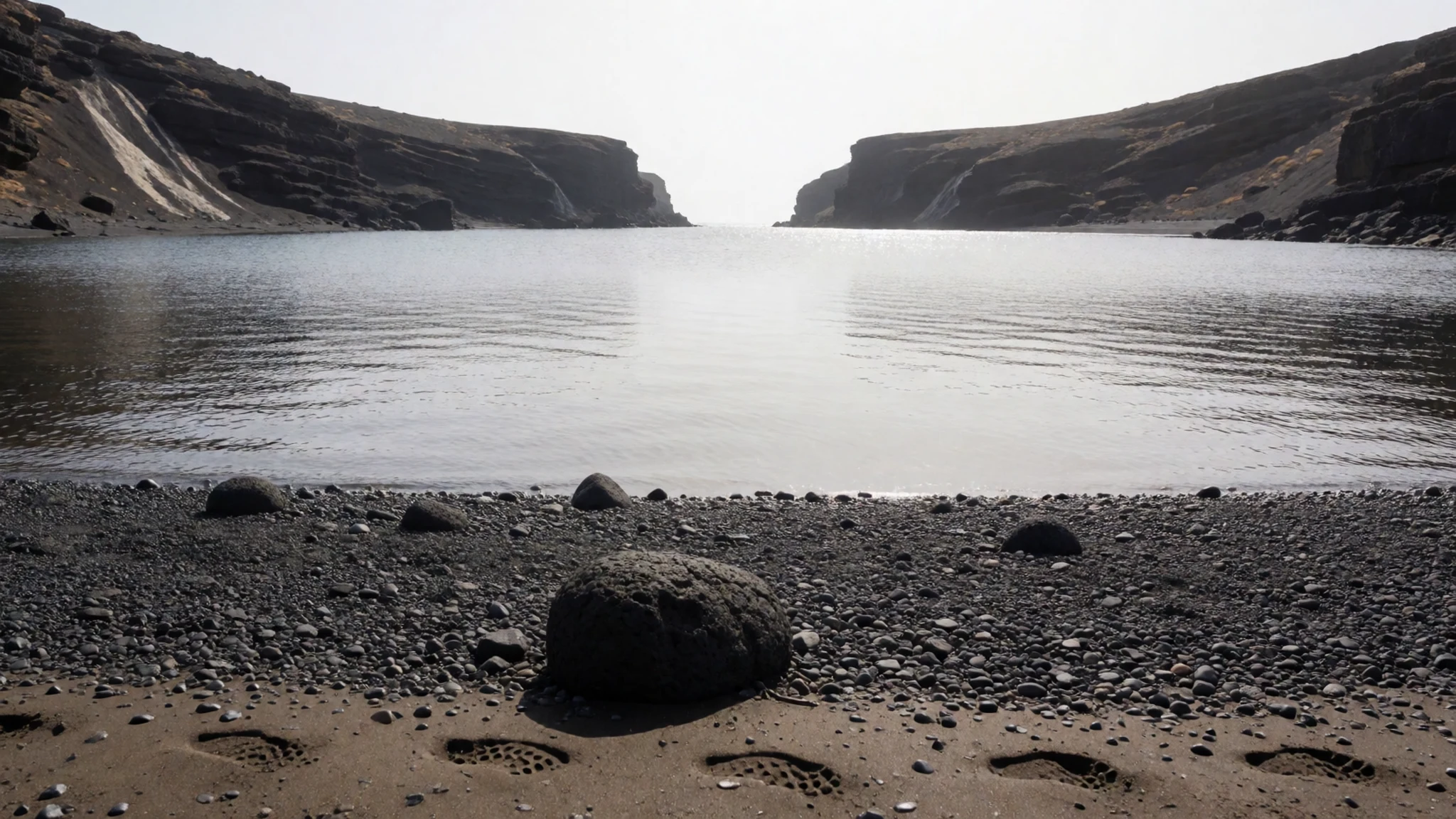
- The Devil's Islands — Western end of the bay
The two volcanic islets at the western end of the bay are best treated as a view rather than a destination. They are black, bare and sharp against the water, and they make the volcanic origin of the whole basin easy to grasp. A local guide or boat operator is the sensible way to get closer; ask about sea conditions first.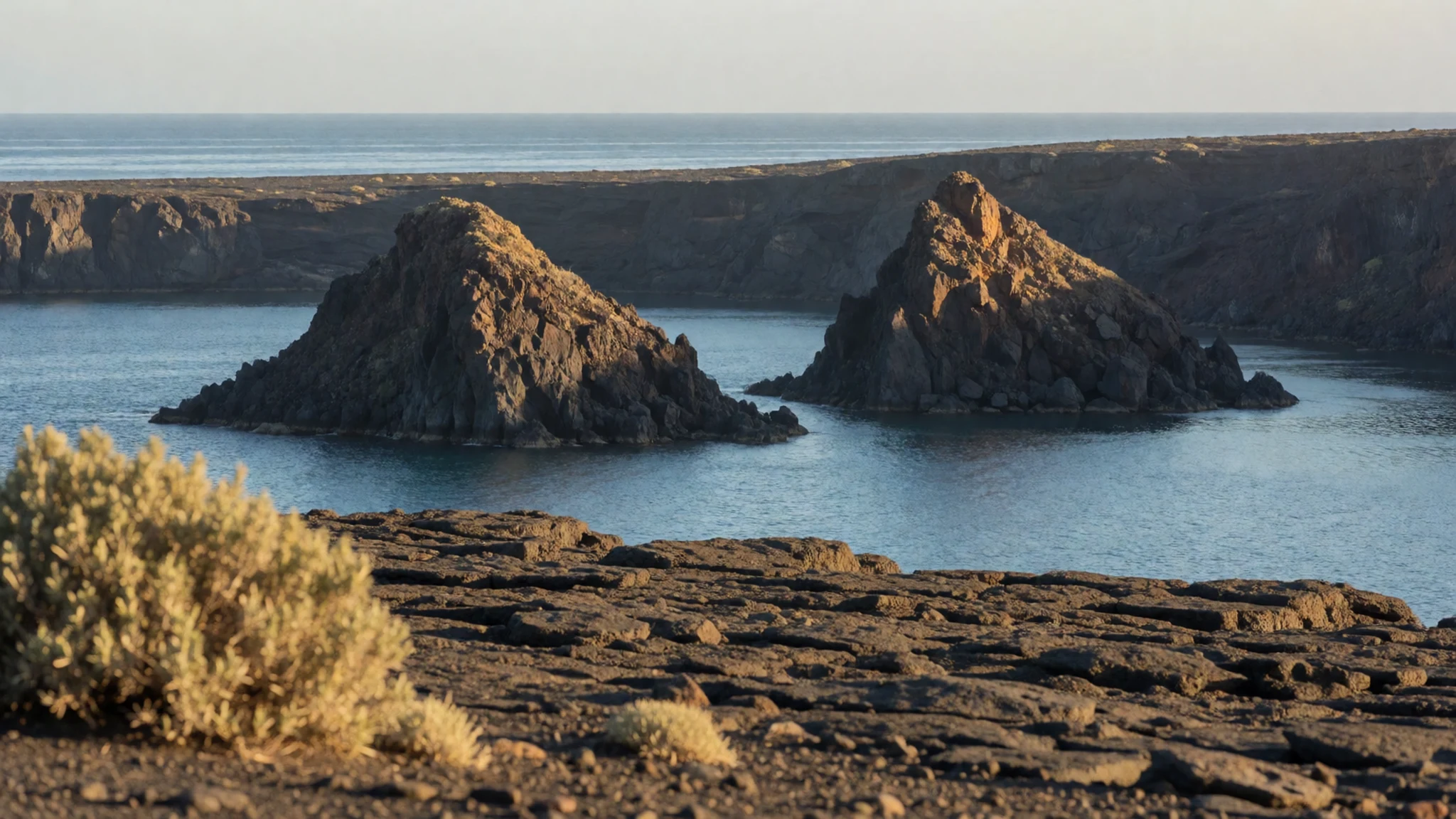
- Ardoukôba volcano and the rift — Between the bay and Lake Assal
The Ardoukôba volcano forms the ridge that separates the bay from Lake Assal. The ground around it is dark, broken lava and cinder, and it is a good place to read the rift in the landscape, where two plates part. Wear sturdy closed shoes, since the surface is sharp and offers no shade.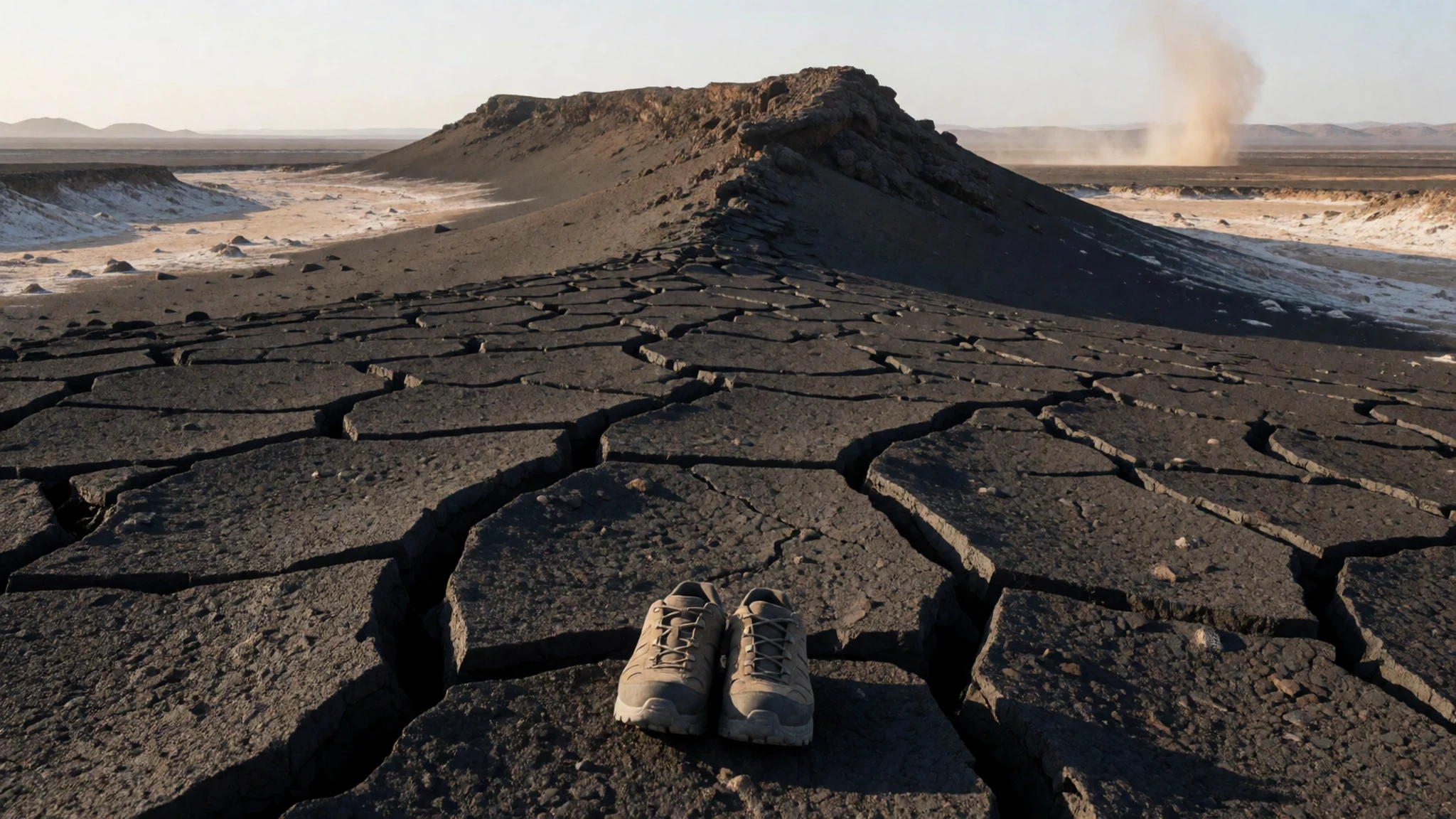
- Lake Assal — Inland from the bay
Lake Assal lies just inland, about 150 metres below sea level, a white salt crust around turquoise water. Reaching it means hiring a car with a driver or travelling with someone local, and roads outside the capital are rough from heavy truck traffic. Expect glare, strong heat and long drives, and start early.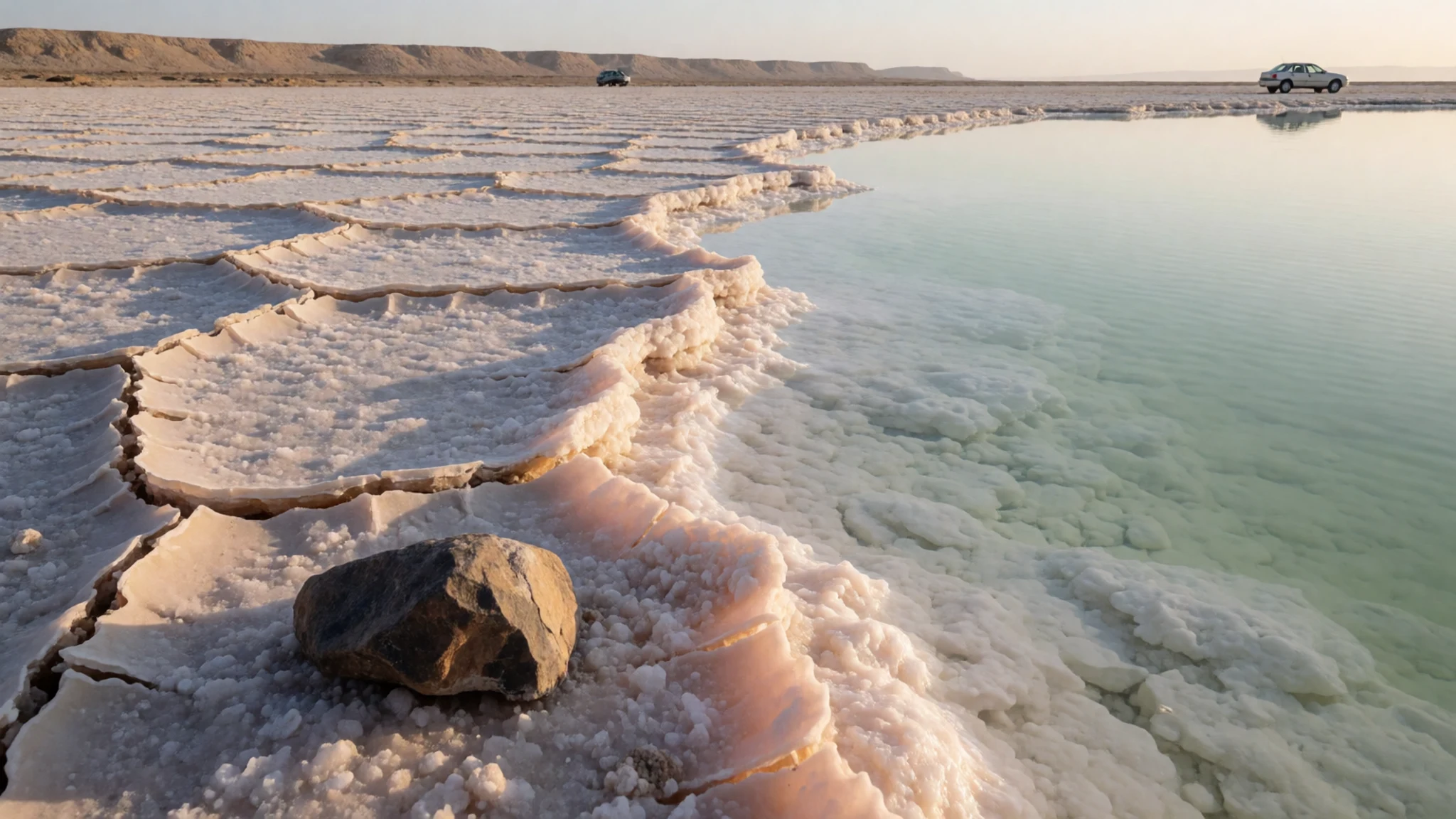
- Diving the Crack and Ras Eiro — Gulf of Tadjoura and the bay
Divers come for the rock formation called the Crack and for the reef at Ras Eiro. Currents are strong in the gulf, so this is for experienced divers going out with a local operator. Cousteau's team worked in these waters, and the fish life, sharks included, is the reason people still follow.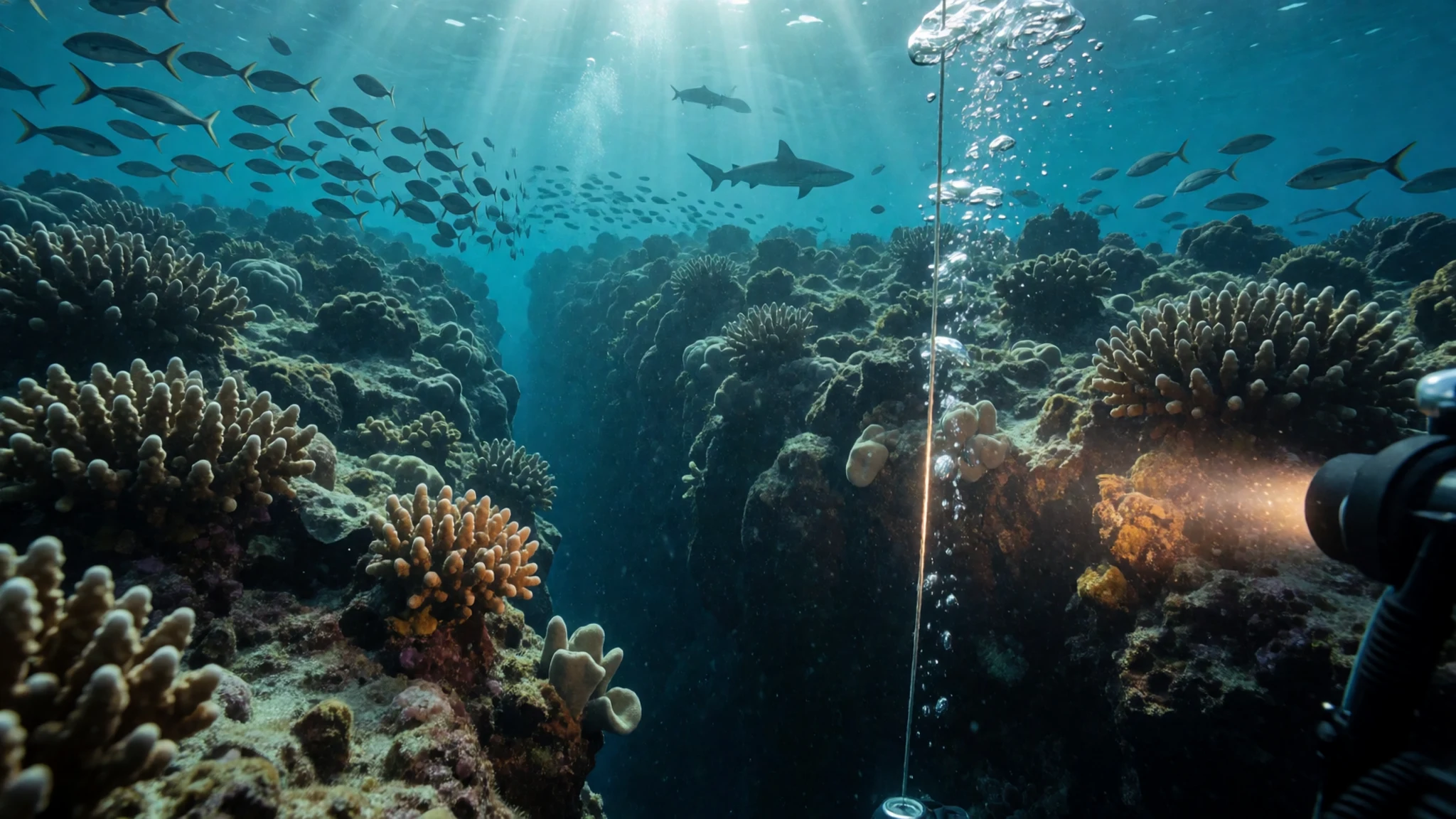
- Whale sharks and sea kayaking — Gulf of Tadjoura
Operators on the Gulf of Tadjoura run snorkelling and diving trips for whale sharks, with the best chances in the cooler months from November to January and almost none in the hot season. Sea kayaking is a quieter way to look for turtles. Book through a licensed operator in Djibouti city.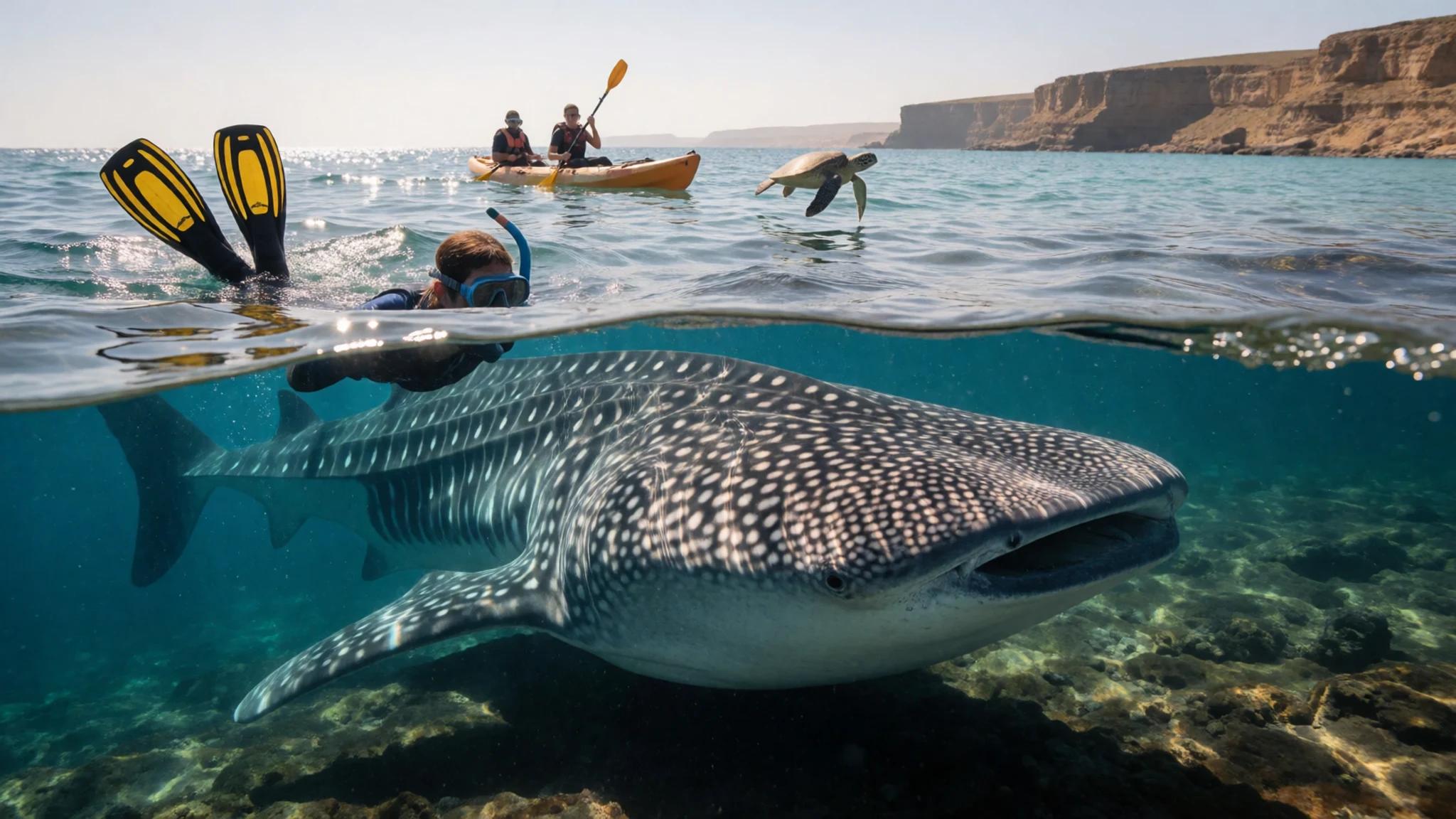
Culture
Ghoubbet al-Kharab sits in a country where Islam shapes daily life, and a visit goes better with that in mind. The communities around the bay and across Djibouti are mainly Somali, largely Issa, and Afar, two Cushitic-speaking peoples with long pastoral traditions. Herding families have historically moved with the seasons in search of water and grazing, and although many people now live in towns, ideas of hospitality, kinship and clan still count for a great deal. Tea and coffee are offered as gestures of welcome and are worth accepting. Friday is the main day of prayer, and the call to prayer marks the rhythm of the day in Djibouti city. Casual clothes are widely accepted, but visitors are expected to observe local codes of behaviour. Same-sex relationships are not accepted by most people, and the country is generally regarded as unsafe for LGBTQ+ travellers, so discretion matters. In the countryside, where heat, distance and sparse services make every journey a shared problem, people often help strangers, and a polite greeting before asking for directions goes a long way. Cover your shoulders and knees away from beaches and resorts, and ask permission before photographing anyone.
What to wear
Fashion around Ghoubbet al-Kharab blends Somali and Afar traditions with the practical needs of a very hot coast. Traditional Somali women's dress centres on the dirac, a light, often sheer cotton or voile gown worn over a slip, with a headscarf or shawl for outings and for prayer; men wear the macawis, a wrapped waist cloth in cotton, often with a shirt and sometimes a small embroidered cap. Afar dress is similarly wrapped and suited to herding life, with cotton cloths for both sexes, and women commonly cover their hair. These garments are worn daily in rural areas and dressed up for weddings and religious holidays. In Djibouti city, everyday clothing is a mix: trousers and shirts for office work, light long dresses, scarves and traditional wraps beside football shirts and trainers. For a visitor, think sun first, then modesty. Loose long-sleeved cotton or linen keeps skin covered and cool, shorts are not generally appropriate outside beaches, resorts and sport, and a wide-brimmed hat, sunglasses and high-factor sunscreen are essential. Closed shoes with good grip suit the sharp volcanic ground, and sandals or water shoes are useful on the shore. Women may want a light scarf for mosques and villages.
What to eat
- Skoudehkaris — Neighbourhood eateries in Djibouti city, especially at lunchtime
Spiced rice cooked with lamb or goat, usually with onion, tomato and warming spices, and often served with a banana on the side. It is a staple of family meals and celebrations, filling and fragrant, and suits a long day of travel.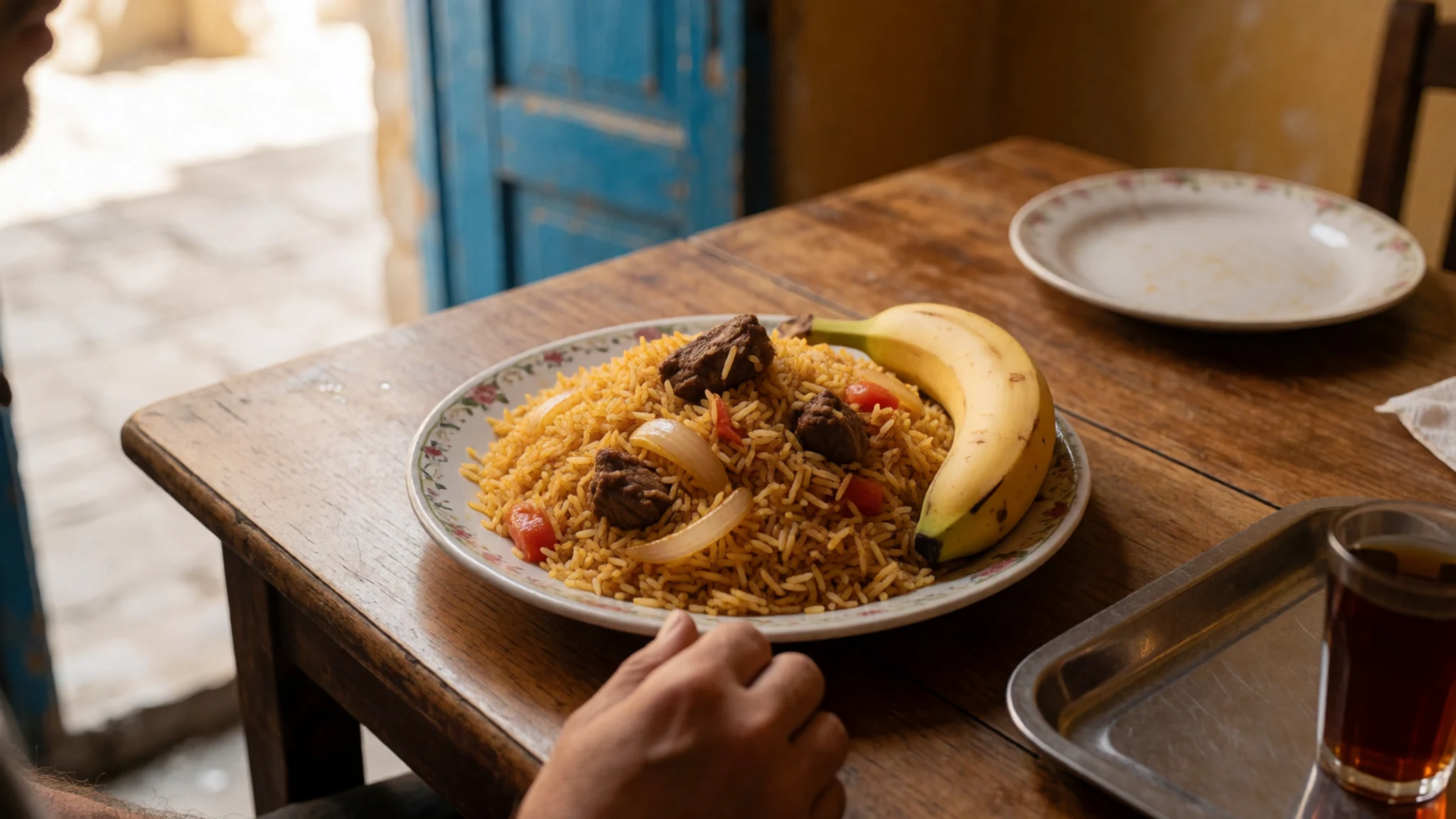
- Fahfah — Local Somali eateries in Djibouti city
A spicy meat soup, slow-cooked with chilli and herbs until the meat falls apart, and eaten with flatbread for dipping. It is hearty rather than delicate, and many people like it on cooler mornings and evenings.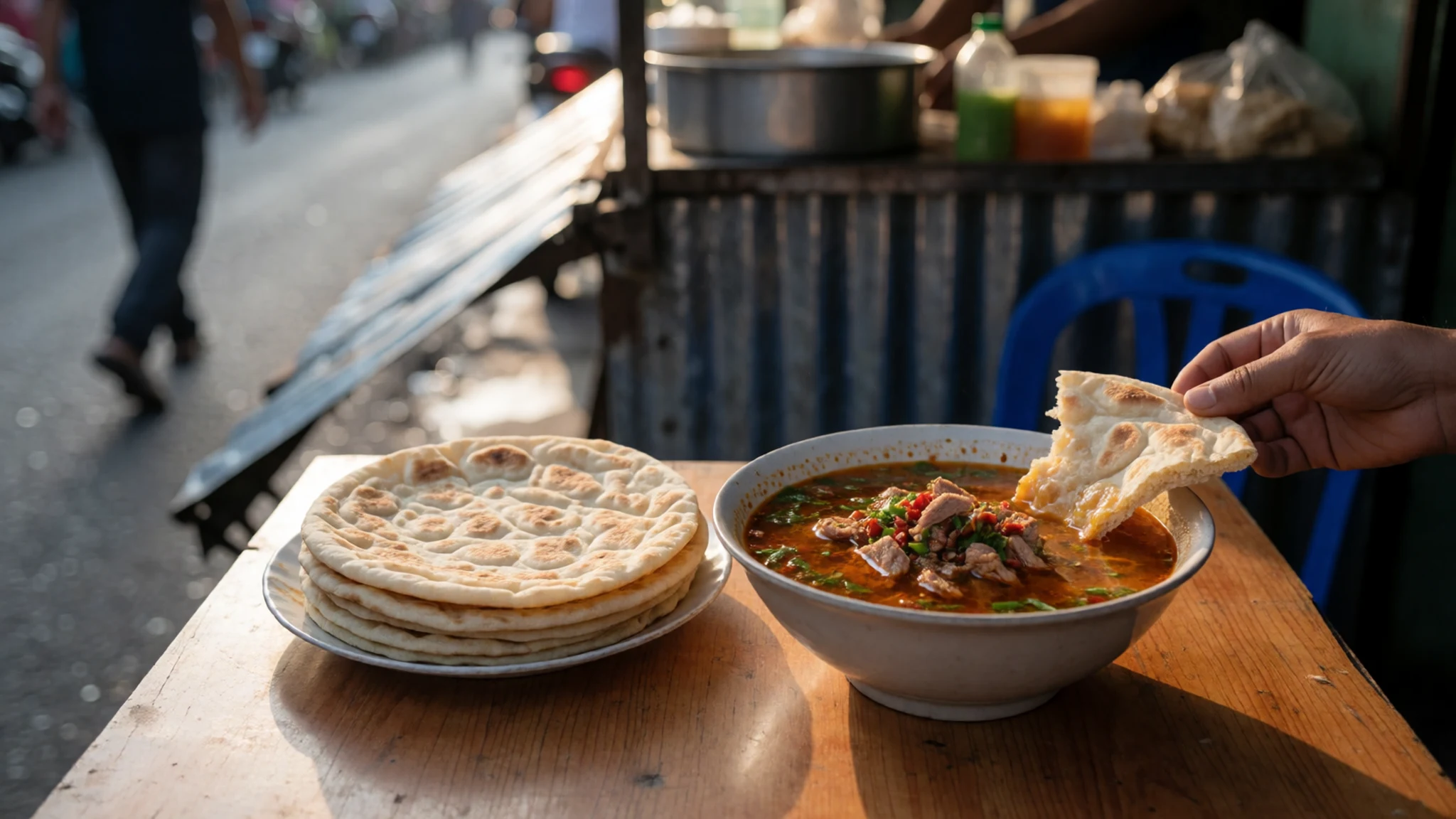
- Grilled fish — Waterfront eateries in Djibouti city and fishing villages on the Gulf of Tadjoura
Fish from the Red Sea and the gulf, grilled whole with lime, garlic and spice and served with rice or bread. On a coast where the marine life is the main attraction, this is the freshest and simplest meal to look for. - Injera with wot — Ethiopian community eateries in Djibouti city
Ethiopian-style sourdough flatbread with spiced stews of meat or lentils, eaten by hand from a shared platter. Ethiopian cooking is part of everyday eating in Djibouti, and local dishes tend to be cheaper than imported Western food. - Lahoh — Bakeries and morning tea stalls in Djibouti city
A soft, spongy pancake, similar to canjeero, eaten at breakfast with honey, ghee or a savoury stew. It pairs naturally with sweet tea and is an easy way to start a day before the heat builds. - Spiced tea — Tea houses and street stalls throughout Djibouti city
Black tea brewed with milk and sweet spices such as cardamom, cinnamon and ginger, served in small glasses. Being offered a glass is a sign of welcome, and it is a pleasant counterweight to the dry heat.
Plan it
Best time. November to February is the most comfortable, as the cooler season runs roughly from October to April and the whale shark season is November to January. Summer is very hot and humid, and cyclones from the Indian Ocean can bring flash floods.
How long. 2–3
Getting there. Fly to Djibouti city, the usual entry point, then arrange a four-wheel-drive vehicle with a local driver for the road to the bay and Lake Assal. Road conditions outside the capital are poor, and traffic drives on the right.
Budget. mid
Tips
- Check visa rules with the National Tourism Office of Djibouti or your embassy before booking, as e-visa processing can be slow
- Hire a local driver and a sturdy four-wheel-drive vehicle, and carry extra water and fuel on any journey off the main roads
- Outside the capital there is some risk of crime, so avoid travelling after dark and keep valuables out of sight
- Start excursions at dawn to avoid the worst heat and to have shade and time for the long return drive
- Book diving, snorkelling and whale shark trips with licensed operators in Djibouti city, and check current prices and availability directly
Etiquette
- Dress modestly away from beaches and resorts, covering shoulders and knees
- Ask before photographing people, especially women, and never photograph officials or military sites
- Accept tea or coffee when offered, and greet people politely before asking for help
Nearby
Sources
- Wikidata Q3104976 (CC0)
- Wikipedia: Ghoubbet-el-Kharab (CC BY-SA 4.0)
- Wikivoyage: Djibouti (CC BY-SA 4.0)
- Djibouti relief location map — Carport (CC BY 3.0)

Wildlife
- Whale shark (animal)
The whale shark is the biggest fish in the world, a gentle giant that drifts along and strains tiny food from the water instead of hunting. Trips set out on the Gulf of Tadjoura, and the time to look is between November and January, when the weather is cooler. In the hot season, sightings are almost unknown. Go with a reputable operator, follow your guide, slip into the water quietly, keep a respectful distance, and never touch or feed it.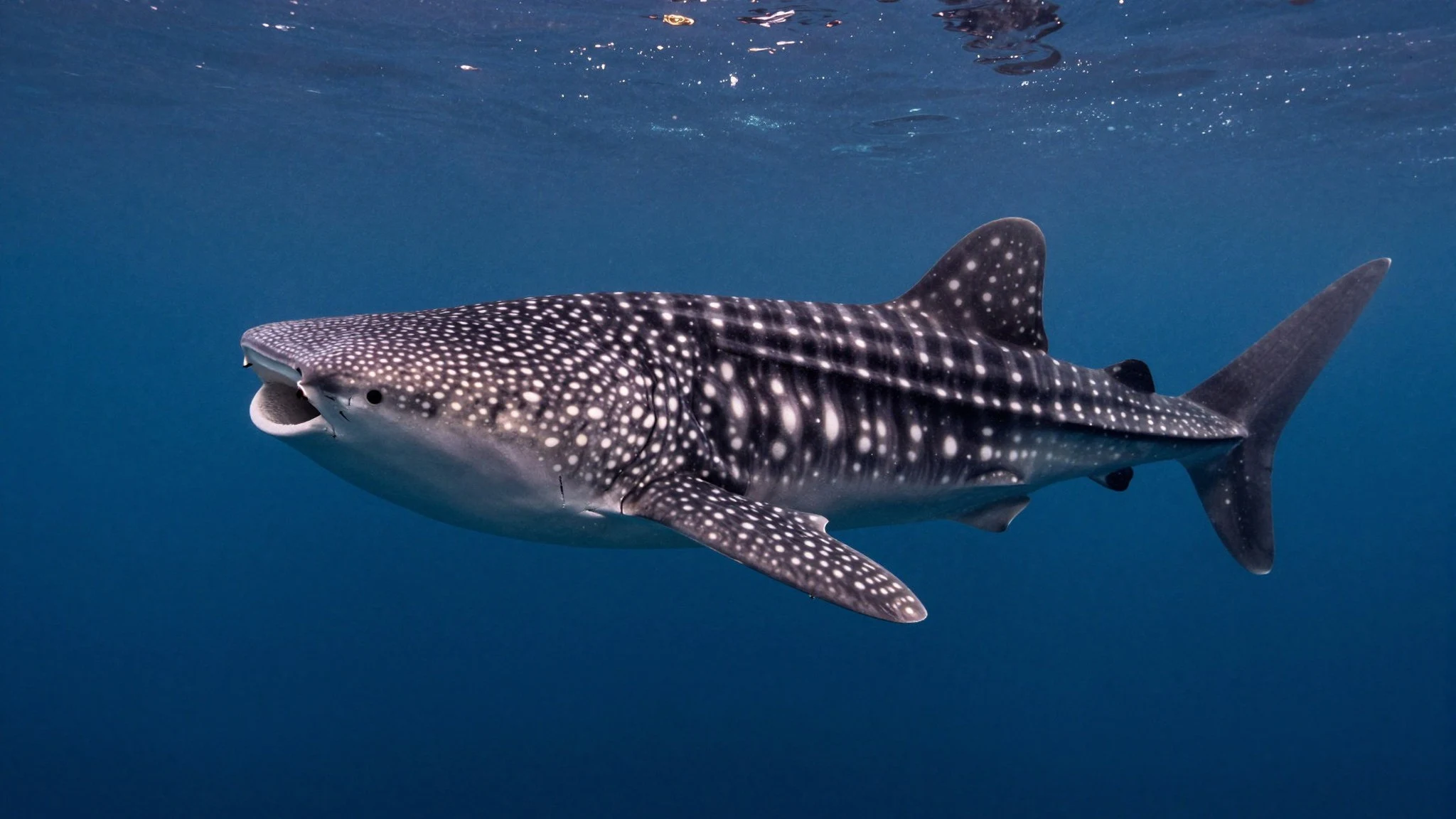
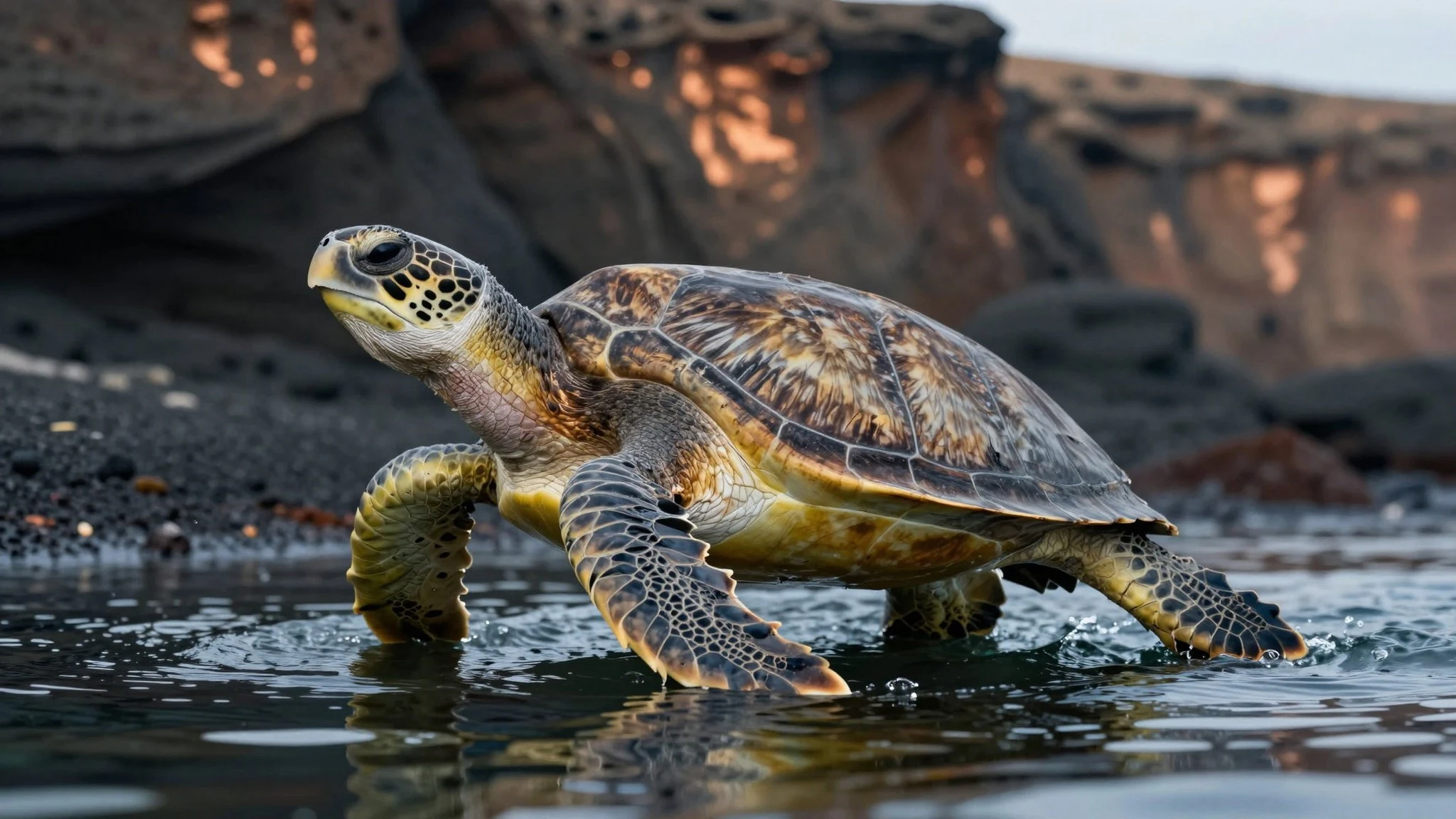
- Green sea turtle (animal)
The green sea turtle is a large, peaceful sea reptile, named for the green fat beneath its shell, which comes from eating nothing but seagrass. Its shell itself is olive to black. It lives in warm seas, the Indian Ocean among them. A sea kayak is a calm, quiet way to look for one. Glide gently, keep well back, let it surface and breathe undisturbed, go with a guide, and never feed it.