Fogo Island
Fogo Island, Canada
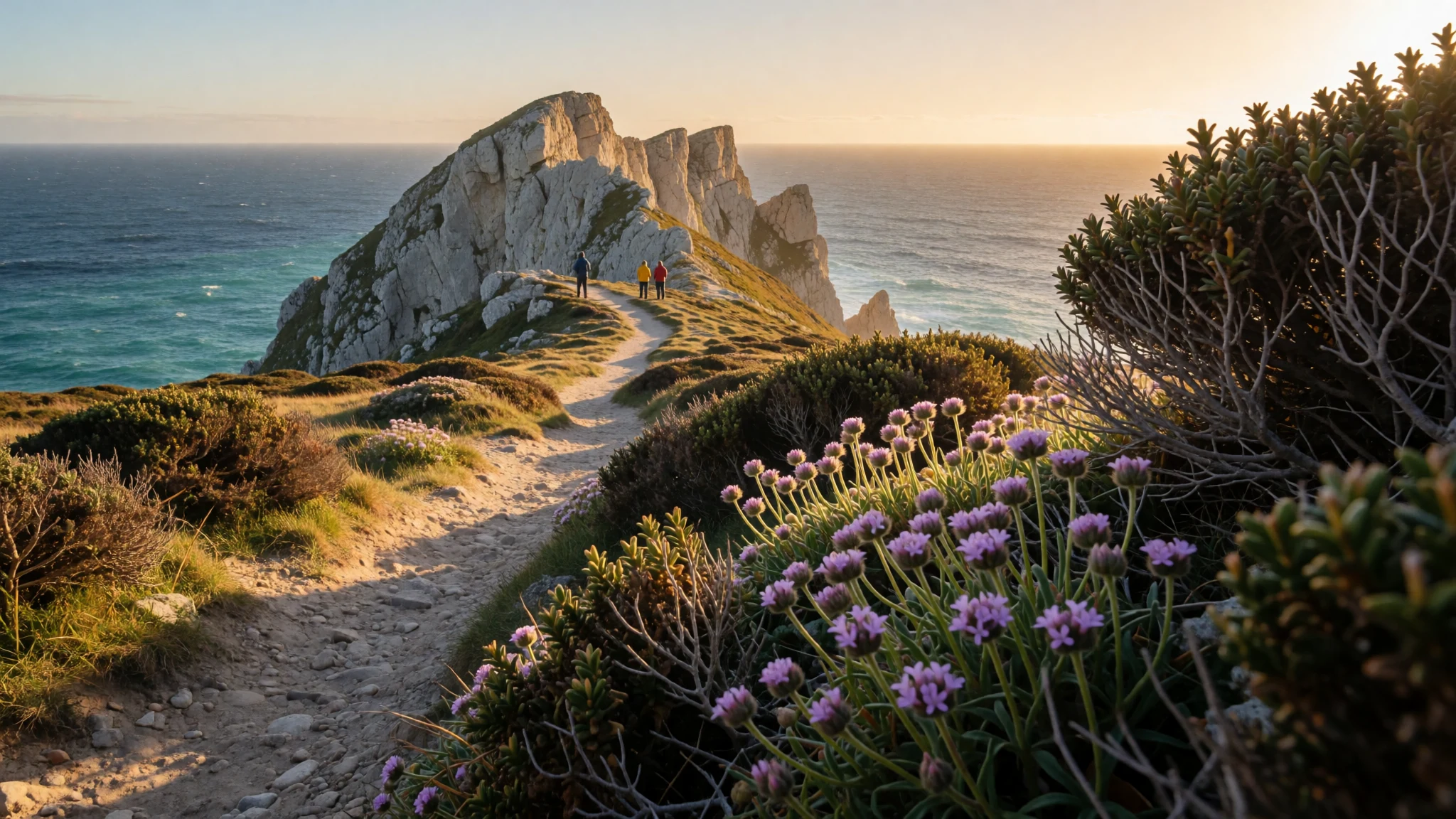
Fogo Island is a rocky outport island off Newfoundland, where icebergs drift past fishing villages and local history is kept alive in small museums.
The place
Fogo Island sits off the northeast coast of Newfoundland, across Hamilton Sound from Musgrave Harbour and just east of the Change Islands. It is the largest of the province's offshore islands, yet it holds only about two and a half thousand people, spread through a string of small fishing communities. Since the island became a single town in 2011, the old villages of Fogo, Tilting, Seldom, Joe Batt's Arm, Barr'd Islands and Shoal Bay have shared one municipal government, though each keeps its own character and its own harbour.
The landscape is open and treeless in places, all bare rock, bog, low scrub and long horizons. Houses are painted in strong colours and perch right at the water's edge, with wooden fishing stages and sheds on stilts below them. The island ends in ocean: past the northeastern shore there is nothing but sea, which is why a visit here feels like reaching the end of a road, which in a literal sense it is.
The Labrador Current carries Arctic pack ice and icebergs down this coast, so the water is cold even in summer and the weather turns quickly. Summers are cool, fog is common, and rain and snow fall through much of the year. People here descend largely from settlers from the west of England and from Ireland, and the accents, music and humour still show it. Fishing remains the economic backbone, joined now by walking, art residencies and small-scale tourism.
Its story
Fogo Island's recorded story begins with the Beothuk, who moved across the island for many centuries, hunting seals, taking salmon and sailing out to distant seabird islands for eggs and feathers. Contact with European fishermen brought conflict, and the Beothuk were gone as a people by the late 1820s, a loss that still weighs on Newfoundland's memory.
French crews fished these waters seasonally from the sixteenth century, but permanent settlement came in the eighteenth century, first at Fogo Harbour and Tilting Harbour. The coast was officially reserved for the French, yet English and Irish families settled anyway, and the island soon became part of a mercantile fishing network run from West Country ports such as Poole in Dorset. Seals, timber, furs, salmon and cod all drew people, but dried salt cod became the mainstay.
The twentieth century tested the island's survival. Government plans to move islanders to larger centres met stiff local resistance and were defeated. Later, when the inshore fishery faltered, a Memorial University field worker and a film-maker from the National Film Board of Canada recorded islanders talking about their own problems on film and screened the results back to the community. That method became known as the Fogo Process and has been copied around the world.
The closure of the northern cod fishery wiped out livelihoods across rural Newfoundland. Fogo Island weathered it better than many outports, shifting towards crab and lobster, and a fish-packing plant still runs in the town of Fogo.
What to see
- Marconi Wireless Interpretation Centre — Fogo, above the harbour
Set on a hill above the town of Fogo, this small centre explains how the island figured in early radio and telegraph communication. The real draw is the outlook, which takes in the harbour, the rooftops and the open Atlantic beyond. Opening times vary by season, so check locally before climbing up.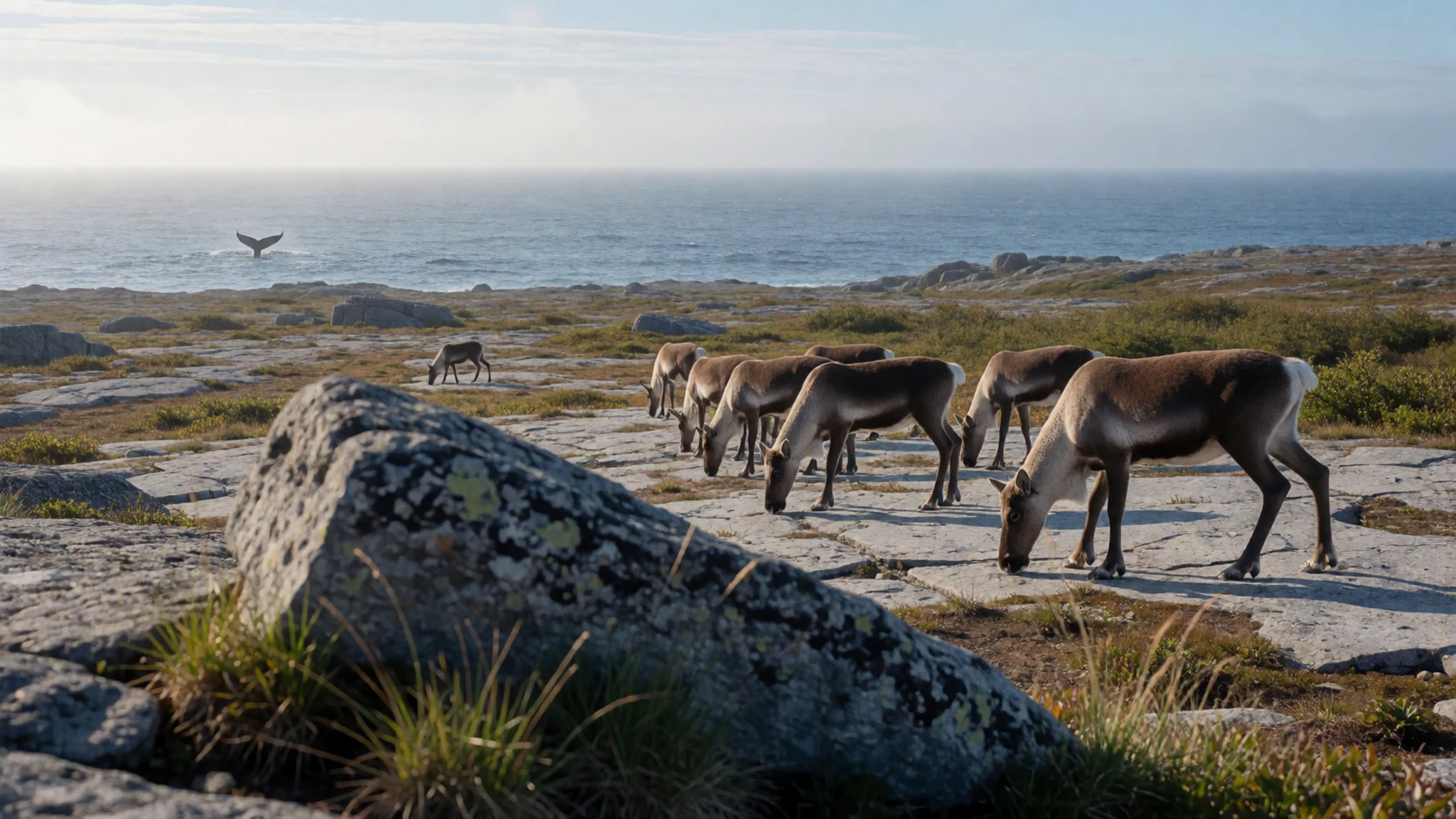
- Bleak House Museum — Fogo
Once the home of a powerful merchant family, this house shows how different life was for the merchants who controlled the fish trade and the fishing families who depended on them. Rooms and furnishings make that gap in wealth and status easy to read without much explanation.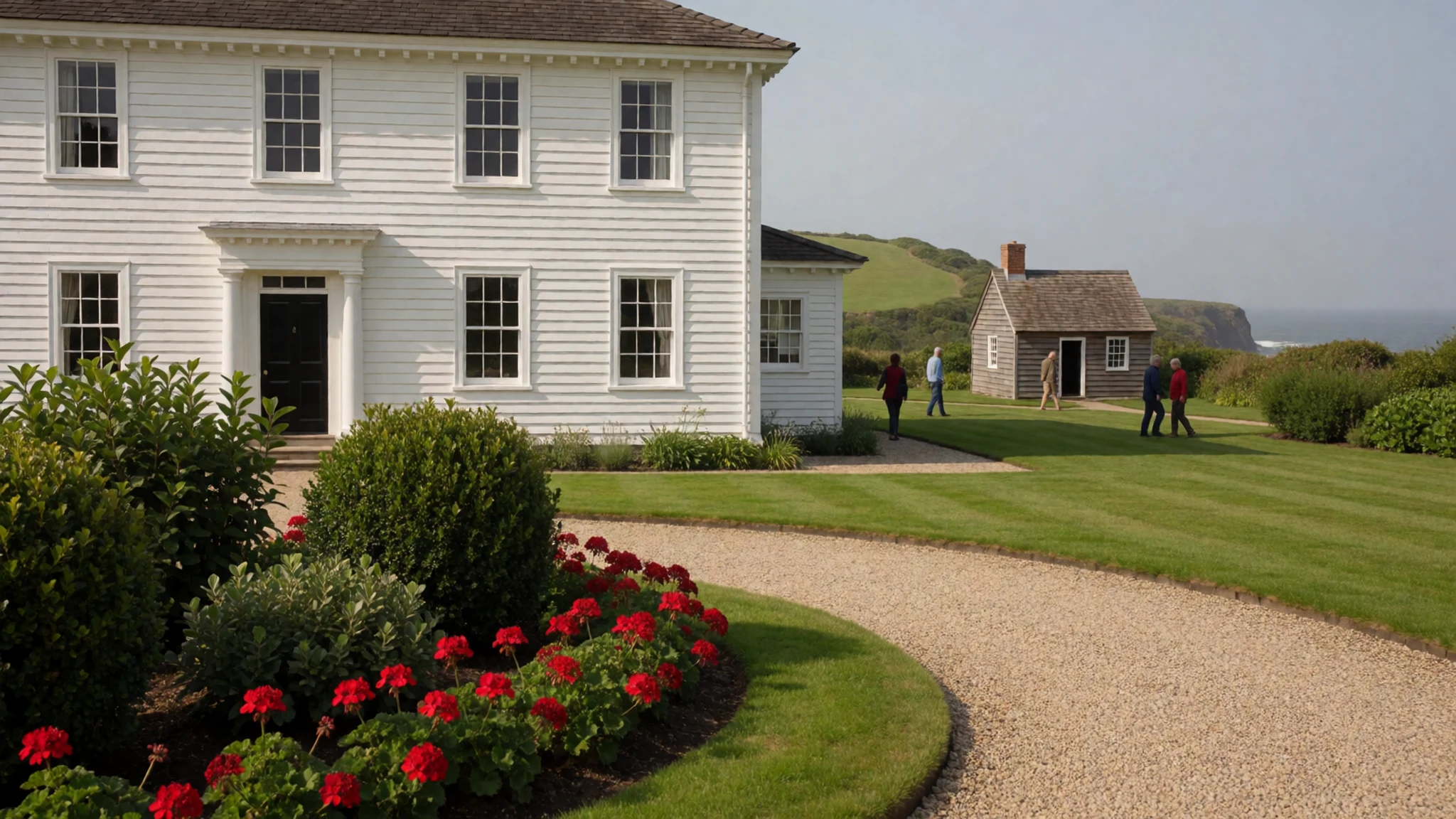
- Brett House Museum — Tilting
A carefully preserved merchant's house with its outbuildings, recognised as a registered heritage structure by the province's heritage foundation. It gives a good sense of how a trading premises worked, with dwelling, stores and working buildings sitting together on the same plot beside the water.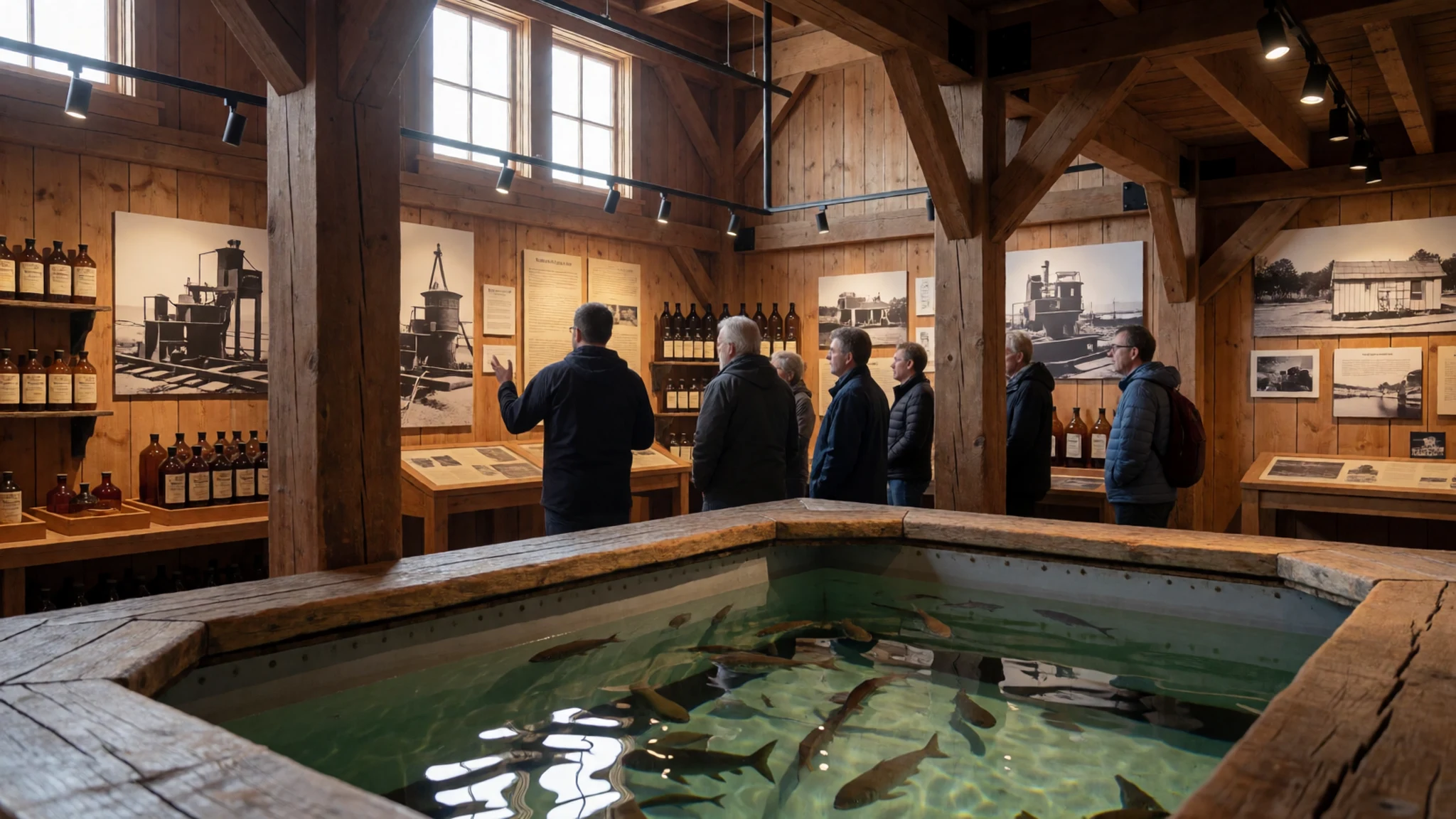
- Marine Interpretation Centre — Southern Fogo Island
Housed in a restored fishermen's union trading building, this museum covers the cod liver oil industry, the distant Funk Island seabird colony, the Fogo Process and the fishing co-operative. A touch tank holds local sea creatures, which makes it a good stop for families and anyone curious about the cold waters offshore.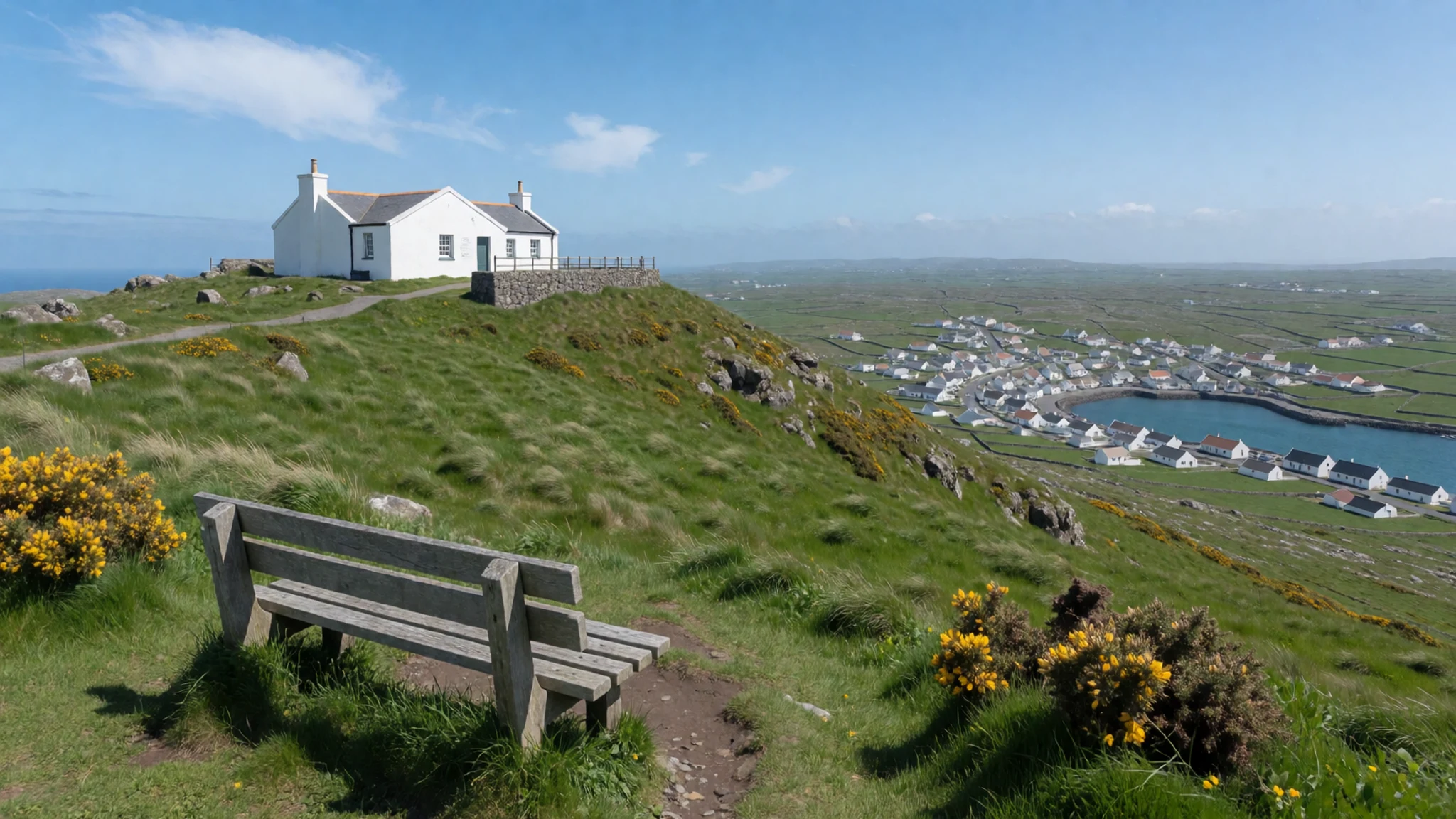
- Fogo Island walking trails — Island-wide, with Brimstone Head near Fogo
The island has a network of footpaths over rock and barren ground, leading to Brimstone Head, Fogo Head, Lion's Den and several resettled villages whose houses are long gone. Paths can be wet and exposed, and fog rolls in fast, so carry a map or download one beforehand.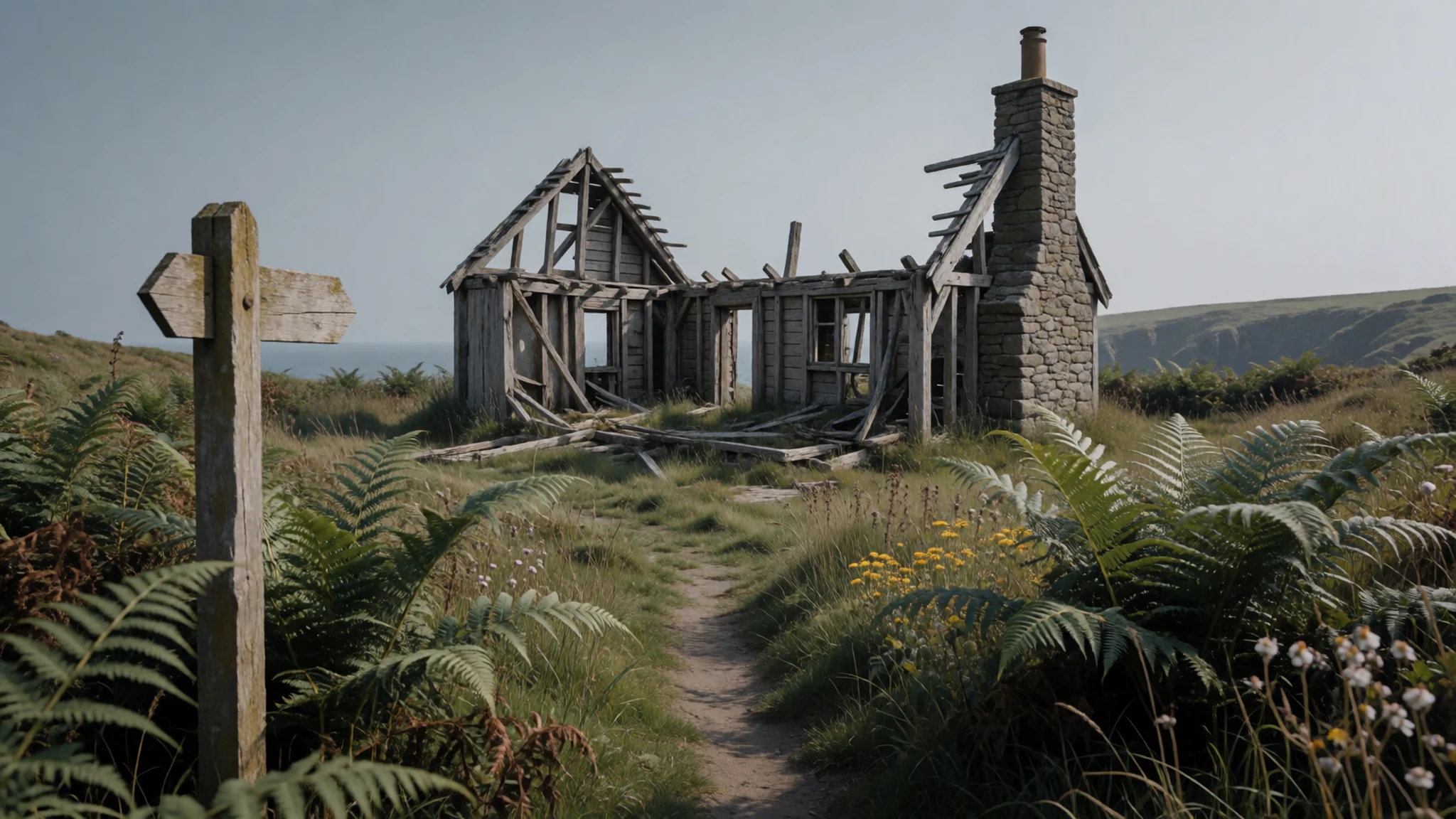
Culture
Fogo Island's culture grew out of isolation and the sea. Families from England's West Country and from Ireland made a living from cod for generations, and that shared dependence produced strong community ties, a dry, teasing humour and a habit of looking after neighbours. Speech here is distinctly Newfoundland English, with its own rhythm and vocabulary, and visitors are often asked where they are from within minutes of arriving.
Storytelling and music remain central. Kitchen parties, where neighbours gather with fiddles, accordions and songs, are still part of island life, and the Brimstone Head Folk Festival in early August draws musicians and listeners from far afield. Craft traditions such as quilting, jam-making and knitting continue in small workshops and homes, and several are open to visitors.
Art has a growing presence too. Fogo Island Arts has hosted residencies in a series of studios on the island since 2008, bringing contemporary artists into a place that might otherwise seem very remote. Some locals welcome the attention and the jobs it brings, while others worry about change in tiny communities, and both views are worth listening to.
The island also carries sadder memories: the loss of the cod fishery, the near-resettlement of whole villages and the vanished Beothuk. Museums handle these themes thoughtfully, and it helps to approach them with curiosity rather than assumptions.
Always ask before photographing people, their homes or their fishing stages, and treat private property and boats as off limits unless you have been invited closer.
What to wear
Fogo Island's traditional working dress was shaped by cold, wet fishing. Men and women wore heavy wool: hand-knitted jumpers, mittens, caps and thick socks, with oilskin coats and sou'westers over the top when at sea or on the stages, and rubber boots or sealskin footwear on the shore. Textiles were practical and made at home. Knitting, rug hooking and quilting turned scraps and spare wool into warm goods, and quilts are still made and sold on the island today, often with patterns handed down within families.
Nowadays people dress for the weather first. Expect fleeces, waterproof jackets, jeans, work boots and woollen hats, with a smarter outfit kept for church, concerts or festival nights. There is no formal dress code in daily life, and visitors blend in easily with outdoor clothing in muted or bright colours alike.
For a visit, bring layers even in high summer, as wind off the water can feel sharp and fog brings damp. A windproof, waterproof jacket is essential, along with a warm hat and gloves outside the warmest months. Sturdy waterproof walking boots will suit the rocky, boggy trails far better than trainers. If you plan to attend a church service or a memorial, modest, tidy clothing is appropriate, though shorts and trousers are common in everyday settings. Sunglasses and sun cream are worth packing too, because open ground and sea glare can be stronger than the cool air suggests.
What to eat
- Fish and brewis — Community eateries and church or hall suppers across the island
A traditional Newfoundland dish of salt cod soaked and boiled with hardtack biscuit, usually served with crisp fried pork scraps. It is plain, salty and filling, and it is the kind of meal that fed fishing households. Ask at community eateries or at local suppers.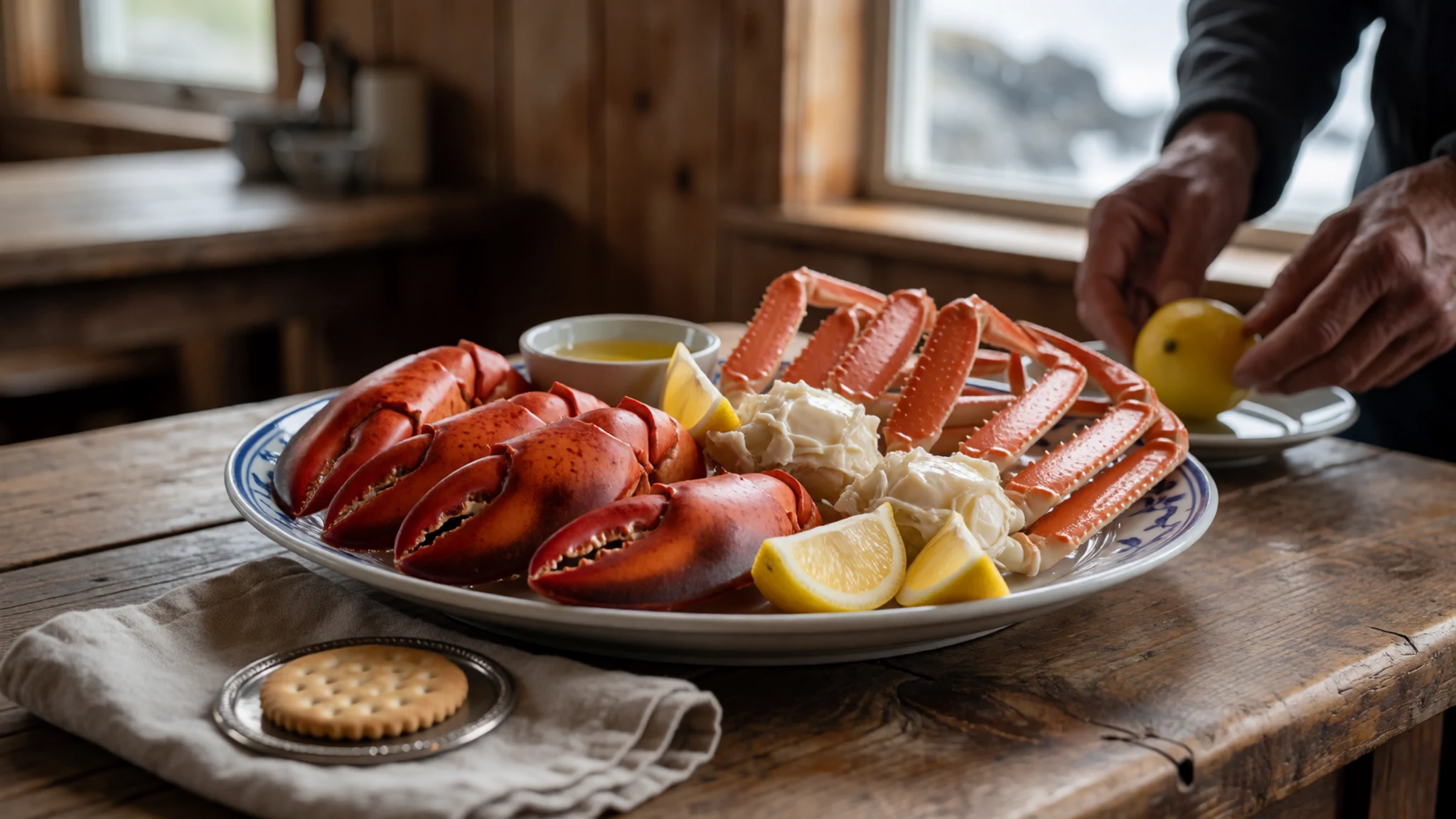
- Fresh cod — Small restaurants and cafés in Fogo and the larger communities
Cod was the reason people settled here, and it still appears fried, baked or in chowder when available. Fresh fish tastes quite different from the salted kind. What is on offer depends on the season and regulations, so ask what came in locally.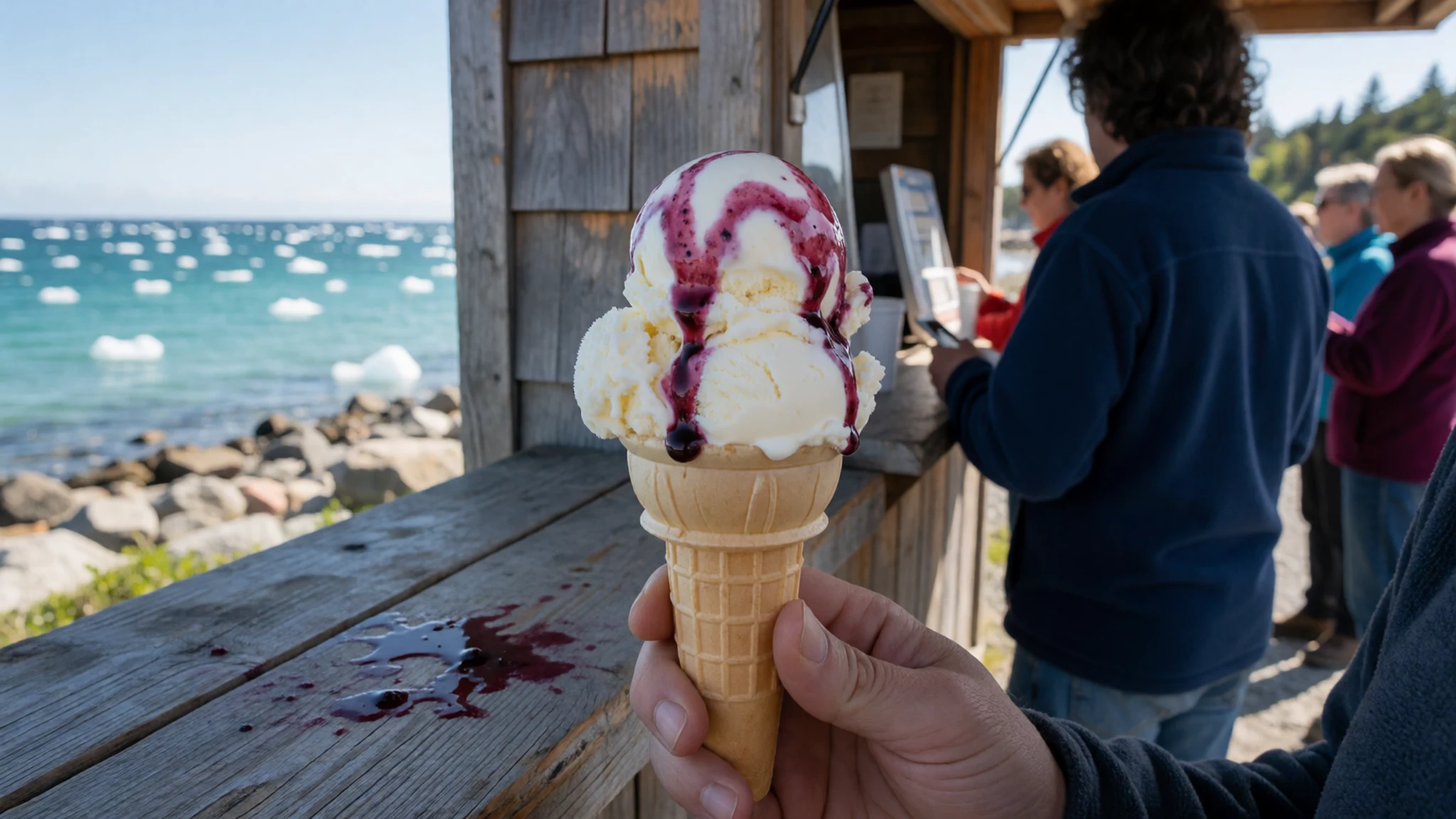
- Snow crab and lobster — Harbour-side eateries and seafood stops near the fish plant in Fogo
Crab and lobster have largely replaced cod as the main catch, and both appear on island menus when in season, either simply boiled or in sandwiches and chowders. Seasons are short, so availability varies through the year. - Toutons — Bed-and-breakfast tables and local breakfast spots
Fried bread dough, golden outside and soft within, traditionally eaten at breakfast with molasses or butter. They are a staple of Newfoundland home cooking and a cheap, warming start before a day on the trails. - Berry jams — Craft shops and small home workshops, including those selling quilts and jams
Wild partridgeberry, bakeapple and other berries are picked from the barrens and boiled into jams and preserves. They are tart and slightly floral, and make a portable, easy souvenir that supports small local makers. - Soft-serve and ice cream — Seasonal ice cream stands and shops in Fogo
Even in cool weather, ice cream stands do a steady trade, especially on the few warm days of summer. A cone eaten on a harbour wall while watching boats come in is a simple island ritual.
Plan it
Best time. July to September is the easiest window: it is the warmest part of the year, ferries and museums are most likely to be running, and the Brimstone Head Folk Festival falls in early August. Summers stay cool and foggy, autumn is warmer than spring, and winter brings deep snow and cold, so many visitor services close.
How long. 2–3
Getting there. Fly to Gander International Airport, then drive the scenic Road to the Isles route to Farewell and take the ferry to Fogo Island. Check the current ferry timetable and whether vehicle spaces need reserving. A car is far more useful than public transport once you are on the island.
Budget. mid
Tips
- Book accommodation well ahead for July and August, as the island has few beds and festival weekends fill quickly
- Carry waterproofs and warm layers even on sunny days, because fog and wind can arrive within minutes
- Fill the fuel tank and buy snacks before the ferry, as shops and services are limited in smaller communities
- Check opening times for museums and interpretation centres locally, as seasons and hours change
- Download offline maps before walking, since trails can be poorly signed and mobile signal is patchy
Etiquette
- Ask before photographing people, houses or fishing stages
- Stay on marked trails and leave gates and wildlife undisturbed
- Greet people you pass, as friendliness is expected in small communities
Nearby
Sources
- Wikidata Q1435159 (CC0)
- Wikipedia: Fogo Island, Newfoundland and Labrador (CC BY-SA 4.0)
- Wikivoyage: Fogo Island and Change Islands (CC BY-SA 4.0)
Wildlife
- Humpback whale (animal)
The humpback whale is a giant of the sea, with long flippers, a bumpy head and a habit of leaping clear of the waves. Males even sing long, winding songs. Nature lovers can hope to spot these whales around Fogo Island, with the Atlantic stretching out behind them. Keep a respectful distance, stay quiet, and think about joining a local guide who knows the water. Never try to lure or feed them; wild whales should always choose how close to come.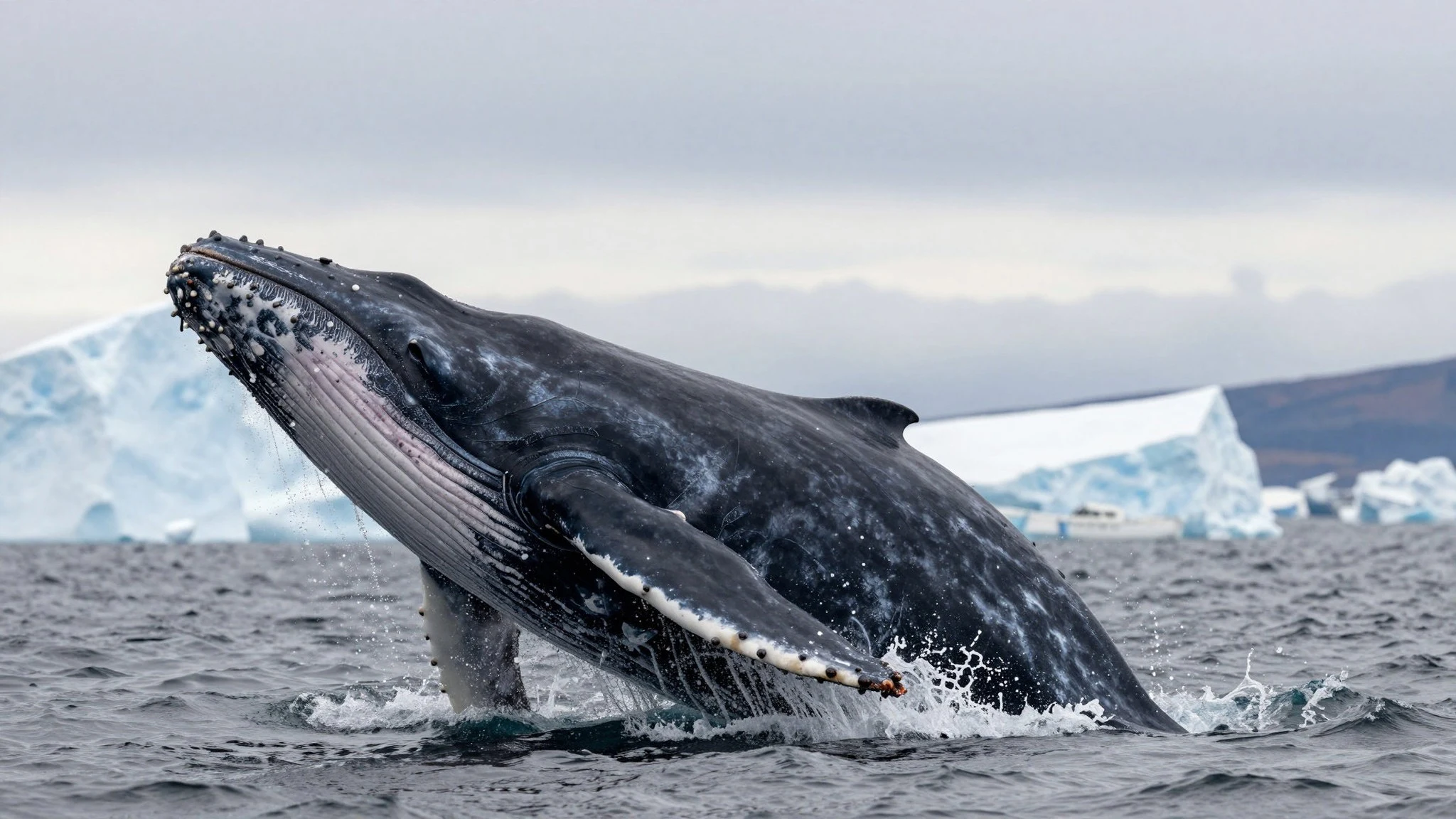
- Caribou (animal)
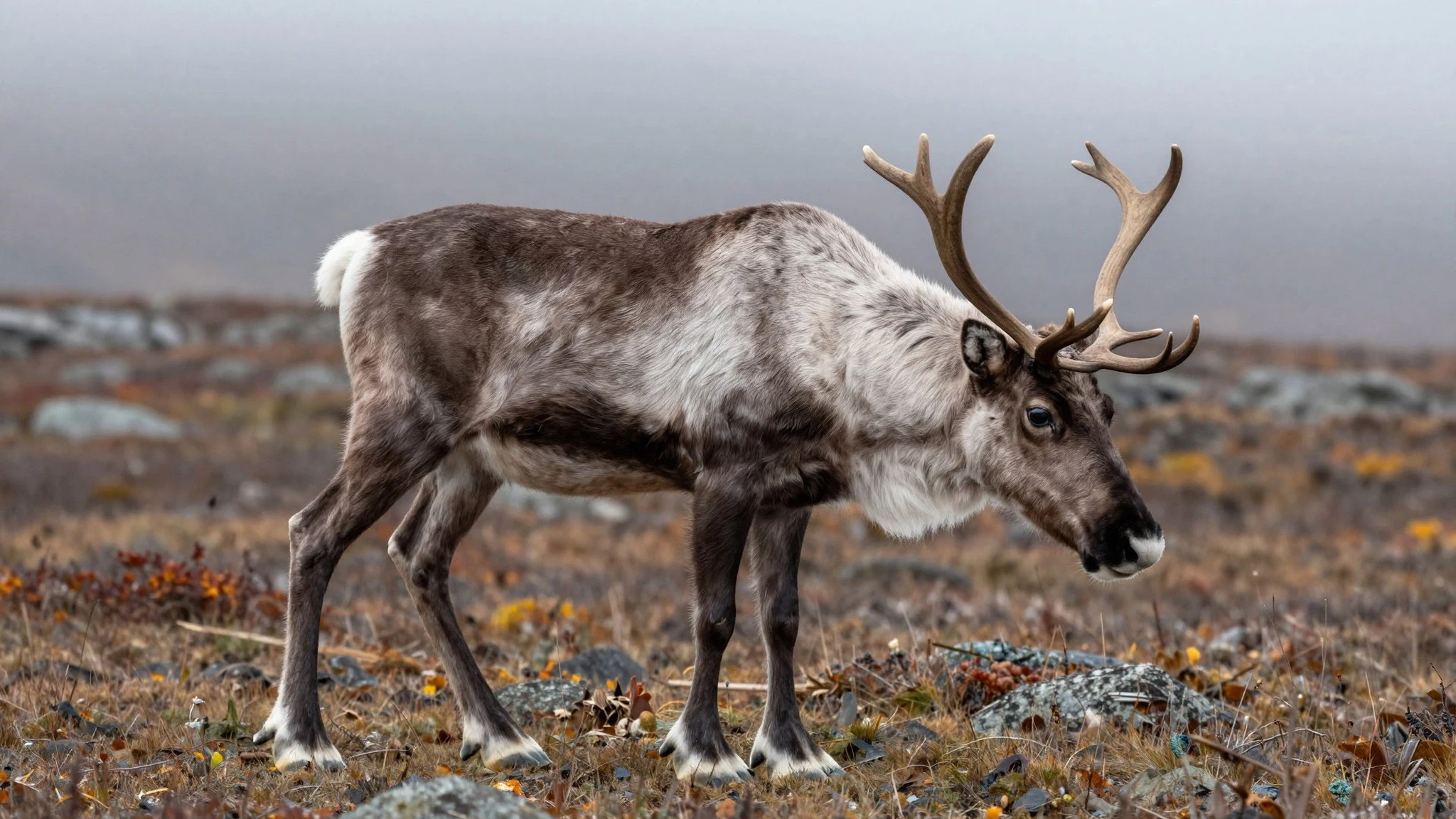
The caribou is a deer of the cold north, the very same animal that is called a reindeer in other parts of the world. Nature lovers can hope to see caribou on Fogo Island, adding to its wild charm. Watch from a good distance, move slowly and speak softly, and a local guide can help you find them calmly. Never offer food; wild caribou should stay wild.