Fairbanks
Fairbanks, United States
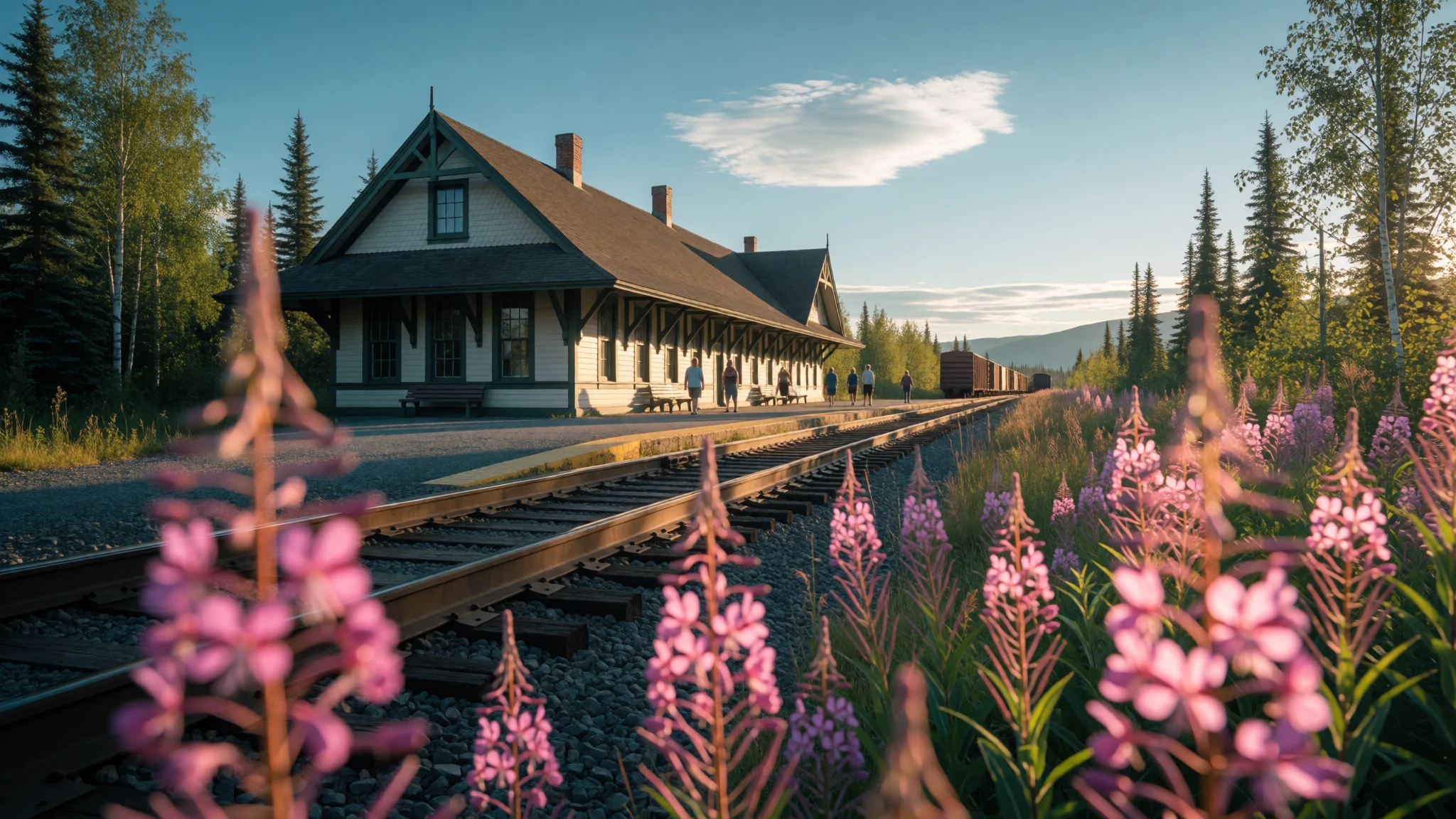
Fairbanks is an Interior Alaska river town where midsummer daylight, winter aurora and a gold-rush past make a quietly distinctive northern stop.
The place
Fairbanks is a small city in the interior of Alaska, home to about 32,500 people and sitting 137 metres above sea level. It lies well north of most places travellers think of as remote, with the Arctic Circle further on, and that position shapes everything about the town. In midsummer the sun barely drops below the horizon, and the place runs on daylight: gardens, festivals, fishing and long evening walks are packed into the warm months. In winter the pattern flips. Darkness settles in, the cold becomes serious, and visitors arrive for the northern lights, ice sculpture and snow sports. The city is a borough seat and a university town, so beyond the visitor trade it has a working feel, with students, researchers, pilots, military families from the nearby base and people who simply like space. Downtown is compact and low-rise, with a river setting, a few historic buildings and the Alaska Railroad depot. Most of the interesting things lie a short drive out, so a hire car, taxi or organised tour is part of any plan. Honest warnings: summer brings tour groups and plenty of mosquitoes, while winter brings short days and a cold that tests clothing, vehicles and patience. Fairbanks rewards people who choose a season on purpose and prepare for it, rather than treating it as a quick stop between bigger Alaskan names.
Its story
Fairbanks stands on land that Athabascan peoples have used and looked after for thousands of years, and Athabascan and other Alaska Native communities still shape its civic life. Excavations on the university grounds uncovered a camp roughly 3,500 years old, with older traces buried deeper, pointing to seasonal hunting and fishing. Sites near Fort Wainwright reach back beyond 10,000 years. Arrowheads from the university dig resembled finds in Asia, and they became early evidence that people crossed into North America by the Bering land bridge. The modern town began almost by accident. In August 1901 the trader E. T. Barnette was travelling upriver by steamboat towards Tanacross, where he hoped to open a trading post. His boat, the Lavelle Young, ran aground in shallow water, and he set up where he was instead. Gold turned up nearby soon after, miners poured in, and building took off. Residents voted to make Fairbanks a city in November 1903, with Barnette as its first mayor. The boom faded and the population fell around the First World War, then recovered during the Depression as the price of gold climbed. Defence work reshaped the town again. Ladd Field, begun in 1938 east of the centre and now called Fort Wainwright, made Fairbanks a staging point for military depots through the Second World War and the Cold War. Gold, soldiers and the university together built the town of today.
What to see
- Creamer's Field Wildlife Refuge — Northern Fairbanks, off College Road
Creamer's Field is a former dairy farm in the northern part of town, now a stopover for migrating birds including Canada geese and sandhill cranes. Spring and early autumn are the busy times. Trails cross the old fields and the forest edge. Insect repellent is essential in summer. - University of Alaska Museum of the North — University campus, west of the centre
This museum on the university campus gathers the natural history, Native cultures and later history of Alaska under one roof. Its northern lights displays make a sensible stop on a cloudy evening or a bitter winter day. Check the museum's own website for opening times before going. - Georgeson Botanical Garden — University grounds
Georgeson Botanical Garden shows what grows at this latitude, where summer days are very long and the growing season is short. Self-guided visits and group tours are both possible. Mid to late summer is the best time for flower and vegetable beds. Check ahead for current access. - Pioneer Park — Central Fairbanks
Pioneer Park is a town park that keeps reminders of the gold-rush years alive and is a gentle stop for families or anyone wanting a feel for the early settlement. Events and attractions inside change with the season, so check the city's official pages before planning around anything specific. - Ice Alaska and the World Ice Art Championships — Fairbanks, in the coldest weeks of the year
Ice Alaska organises the World Ice Art Championships, held each year around February or March. Sculptors carve large blocks of clear ice into figures and towers, which are lit after dark. Dress for standing still in serious cold, and check the schedule before travelling.
Culture
Fairbanks draws visitors in two quite different waves. Summer traffic is largely cruise passengers on package tours, who stay a night or more and visit a few set attractions. Winter visitors come for the northern lights, ice carving and cold-weather sport. The local calendar is full: the Midnight Sun Game around the June solstice, the Golden Days Parade in July, the World Eskimo Indian Olympics in July with its Alaska Native games, the Tanana Valley State Fair in July and August, and the World Ice Art Championships in February. Residents attend these too, so they are not staged only for tourists. Underneath the events is an Interior Alaska outlook shaped by distance and weather. People are practical, quick to help a stranded driver, and used to temperatures that would shut down other towns. Athabascan and other Alaska Native cultures are living ones, present at the university, in craft sales and at gatherings, rather than confined to museum cases. The gold-rush heritage is celebrated with a certain humour. Conversation with strangers comes easily, dress is casual, and plans are held loosely when snow or weather closes a road. Ask permission before photographing people, especially at Native cultural events, and keep a respectful distance from wildlife at Creamer's Field.
What to wear
Traditional dress around Fairbanks comes from Athabascan and other Alaska Native peoples and is built for the cold: tanned moosehide and caribou skin, fur trim on hoods and cuffs, and boots and mittens sewn to hold warmth. Beadwork and embroidery decorate jackets, moccasins and bags, with floral designs common in Athabascan work. These pieces appear at potlatches, dances, graduations and gatherings such as the July Olympic games, and many are handmade and treasured as family heirlooms. Everyday dress is practical: insulated boots, fleece, work jackets, wool hats and a good down coat in winter. Function matters more than labels, and the same outdoor kit goes to a restaurant and to the lake. Visitors should dress in layers. For winter, bring an insulated parka, thermal base layers, a hat that covers the ears, warm mittens rather than gloves, and boots rated for deep cold; many tour operators lend or rent cold-weather gear. In summer, light layers, a rain jacket, sturdy walking shoes, a sun hat and insect repellent or a head net cover most days. No dress codes apply at the main sights, though plain, respectful clothes suit Native cultural events.
What to eat
- Alaska salmon — Salmon bakes run for tour groups, or any local restaurant serving fish
Grilled or baked salmon is the dish most visitors want. Tour-group salmon bakes are busy and touristy but reliable, while local restaurants and fish counters often serve it simply with rice or potatoes. Ask what is wild-caught and in season. - Reindeer sausage — Summer food stalls and casual grills
Reindeer sausage is a smoky, slightly gamey Alaskan snack, usually grilled and served in a bun with onions. Look for it at summer stalls, festivals and informal grills around town. It is filling and an easy introduction to northern meat. - Sourdough pancakes — Breakfast cafés and diners
Sourdough is tied to the gold-rush image of the north, and pancakes made from a tangy starter turn up on breakfast menus in cafés and diners. They are hearty fuel before a cold day outdoors or a long drive. - Fresh-baked pastries and cinnamon rolls — Neighbourhood bakeries and café-bakeries
Small local bakeries, some beginning as home-style microbakeries, sell bread, cinnamon rolls and sandwiches. Some close in the off-season, so check before making a special trip. They suit a slow morning with coffee from a local roaster. - Tacos — Small taco counters and food-truck style stands
Fairbanks has a modest taco scene, with small counters serving short menus of a few fillings plus a changing special. It is cheap, quick, and a welcome change from heavier northern fare after a day outdoors.
Plan it
Best time. Late February to March suits aurora watching, ice art and snow, with days already lengthening; June and July bring near-constant daylight and the warmest weather but plenty of mosquitoes; late August returns dark skies for the northern lights. Deep winter is very cold with short days, so prepare carefully.
How long. 2–3
Getting there. Fairbanks International Airport (FAI) has flights from Anchorage and from several mainland US hubs, including Seattle and Chicago, plus seasonal flights from Germany. From the airport, take a taxi or hire car into the city. The Alaska Railroad has a depot in Fairbanks, so check its official site for current services, and drivers can arrive by road from Whitehorse in the Yukon.
Budget. high
Tips
- Book winter aurora tours and accommodation well ahead, as the cold-season visitor window is short
- Hire a car with proper winter tyres in cold months, since sights are spread out and public transport is limited
- In summer bring an eye mask for the late sunsets and strong insect repellent
- Check weather and road conditions before any long drive, and carry water, snacks and warm layers in the car
- Cards are widely used, but carry a little cash for small stalls and seasonal vendors
Etiquette
- Ask before photographing people, especially at Native cultural events
- Keep your distance from wildlife and stay on marked trails at Creamer's Field
- Respect private land and ask permission before stopping to watch the aurora on someone's property
Nearby
Sources
- Wikidata Q79638 (CC0)
- Wikipedia: Fairbanks, Alaska (rev 1383991152) (CC BY-SA 4.0)
- Wikivoyage: Fairbanks (rev 5401868) (CC BY-SA 4.0)
- Photo: Fairbanks, Alaska skyline — Quintin Soloviev (CC BY 4.0)
- Photo: Aerial view of Fairbanks, AK skyline — Quintin Soloviev (CC BY-SA 4.0)
- Photo: Main School — Durkeeco (CC BY 3.0)
- Photo: Constitution Hall — Durkeeco (CC BY 3.0)
- Photo: Mary Lee Davis House — Durkeeco (CC BY 3.0)
- Photo: Fairbanks in settembre all'imbrunire — Enrico Blasutto (CC BY-SA 4.0)
- Photo: Downtown Fairbanks, Alaska — FairbanksMike (CC BY 2.5)
- Photo: Taxicabs lined up in Fairbanks, Alaska — RadioKAOS (CC BY 3.0)


Wildlife
- Sandhill crane (animal)
Picture a big, stately bird on stilt-like legs, standing at the water's edge: that is the sandhill crane. Your best chance in Fairbanks is Creamer's Field, a former dairy farm in the town's north, now a resting place for travelling birds. Watch from a respectful distance and speak softly, so they stay relaxed. A local guide can help you read their behaviour. Please never offer them food, as wild cranes should stay wild.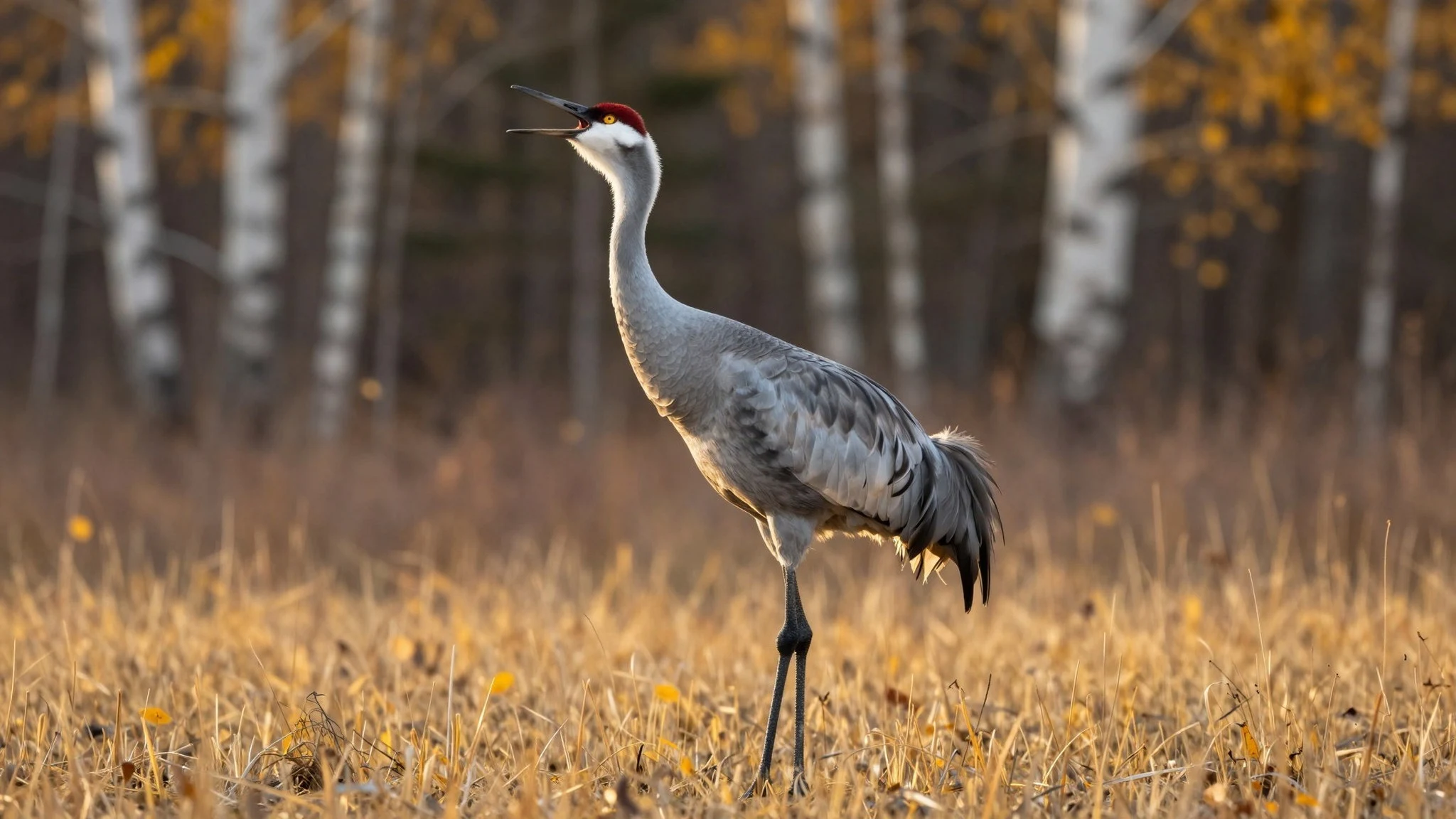
- Sandhill crane (bird)
Picture a big, stately bird on stilt-like legs, standing at the water's edge: that is the sandhill crane. Your best chance in Fairbanks is Creamer's Field, a former dairy farm in the town's north, now a resting place for travelling birds. Watch from a respectful distance and speak softly, so they stay relaxed. A local guide can help you read their behaviour. Please never offer them food, as wild cranes should stay wild.