Cuyahoga Valley National Park
Cuyahoga Valley National Park, United States
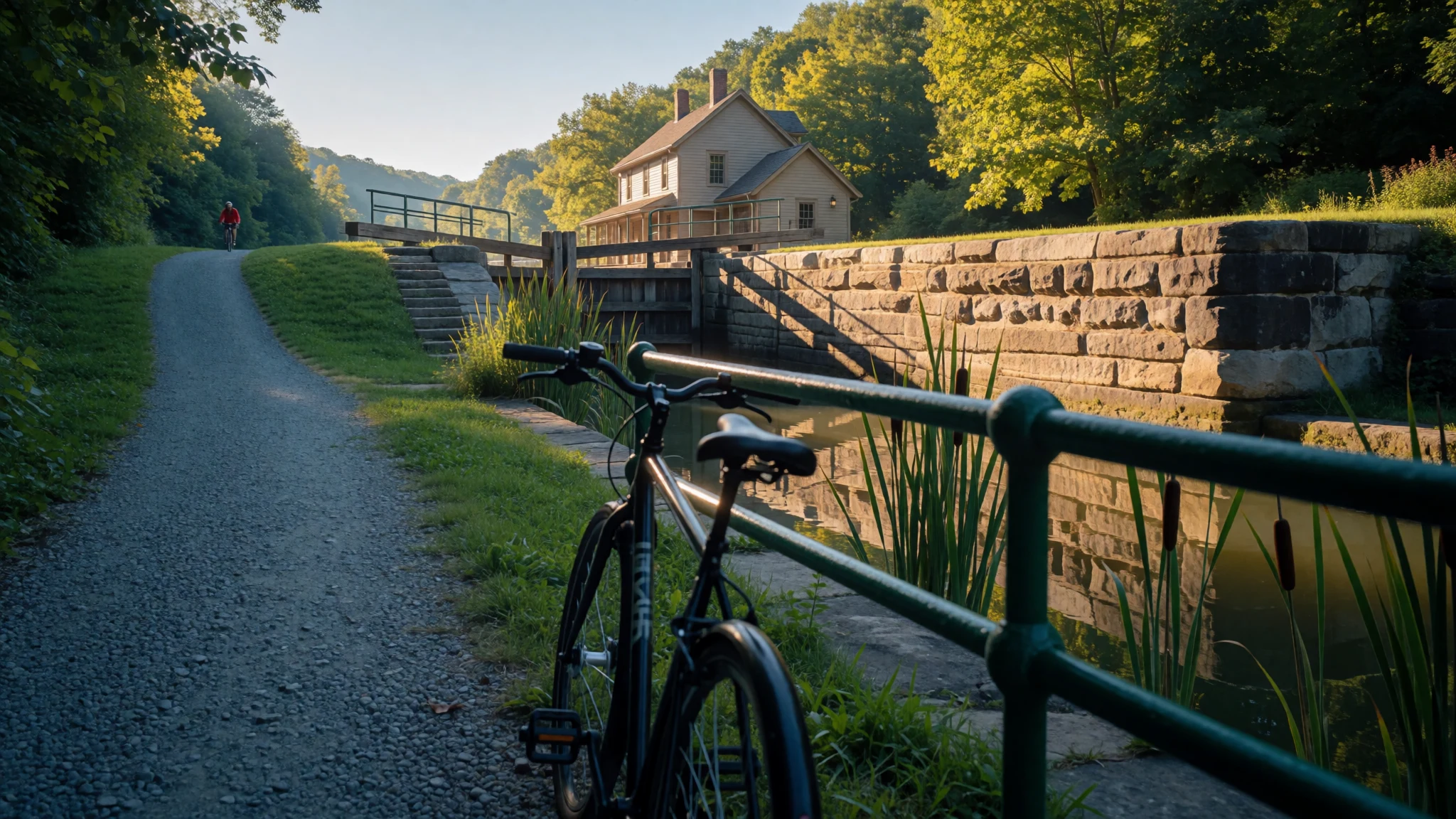
Cuyahoga Valley National Park threads woodland, waterfalls and an old canal towpath between two big Ohio cities.
The place
Cuyahoga Valley National Park sits in Northeast Ohio, along the Cuyahoga River between Cleveland and Akron. It is not wilderness in the Yellowstone sense. Roads, a railroad, power lines, small towns and farms all run through it, and the park exists partly to hold that working landscape together rather than wall it off. The National Park Service runs the core, but county and metropolitan parks, businesses and private attractions share the same boundaries, so a day here often moves between different managers without much sign of it.
That patchwork explains the crowds. Cleveland and Akron are close, and in 2023 the park drew nearly 2.9 million visitors, which made it the twelfth-most visited national park in the country. Most people come for short outings: a walk to a waterfall, a cycle along the canal towpath, an afternoon in a canal village. Summer and autumn weekends are busy at the best-known spots, and weekday mornings are much calmer.
The park began as a national recreation area in 1974 and became a national park in 2000, the only one in the country to follow that path. It is also the only national park in Ohio. The climate is humid continental: warm to hot summers, cold winters, and plenty of green in between. There is lodging inside the park at Stanford House and the Inn at Brandywine Falls, but no restaurants or cafeterias, so food comes from the towns around it.
Its story
The story of Cuyahoga Valley National Park starts long before any canal. People of the Hopewell culture lived in the valley nearly two thousand years ago and built the Everett Mound near the village of Everett, inside today's park. Later, many nations lived in or crossed this country, among them the Wyandot, Iroquois, Ottawa, Ojibwe, Munsee, Potawatomi, Miami, Catawba and Shawnee. The Lenapé, who are also known as the Delaware Nation, are considered the ancestors of numerous Indigenous peoples across the upper Ohio River area.
Lenapé leaders, known as sachems, made decisions only after consulting elders who spoke for the people's expectations. The Lenapé traded over long distances and made pottery, stone tools, clothing and baskets. Land mattered to them for hunting grounds that supplied the fur trade, and for farming, which was their main source of food. Through the eighteenth and nineteenth centuries, wars, forced treaties and changes in law pushed the Lenapé west and south from homelands around New York, the lower Hudson Valley, Pennsylvania, New Jersey and Delaware. Their route ran through the Ohio and Cuyahoga valleys, and most now live in Oklahoma and Ontario. No Native nation holds federal recognition in Ohio today.
Settlers then reworked the valley with farms, mills, quarries and the Ohio & Erie Canal, whose locks and towpath still survive. The area was protected first as a recreation area in 1974 and then, in 2000, as a national park, with its industrial, rural and natural layers all left on show.
What to see
- Brandywine Falls — Northern part of the park, near Sagamore Hills
Brandywine Falls is the waterfall most visitors head for first in Cuyahoga Valley National Park. A short walk and a boardwalk lead to viewing platforms, where the water drops over a rock ledge into a wooded gorge. It fills up quickly on fine weekends, so go early or midweek. The frozen fall in winter is worth the cold.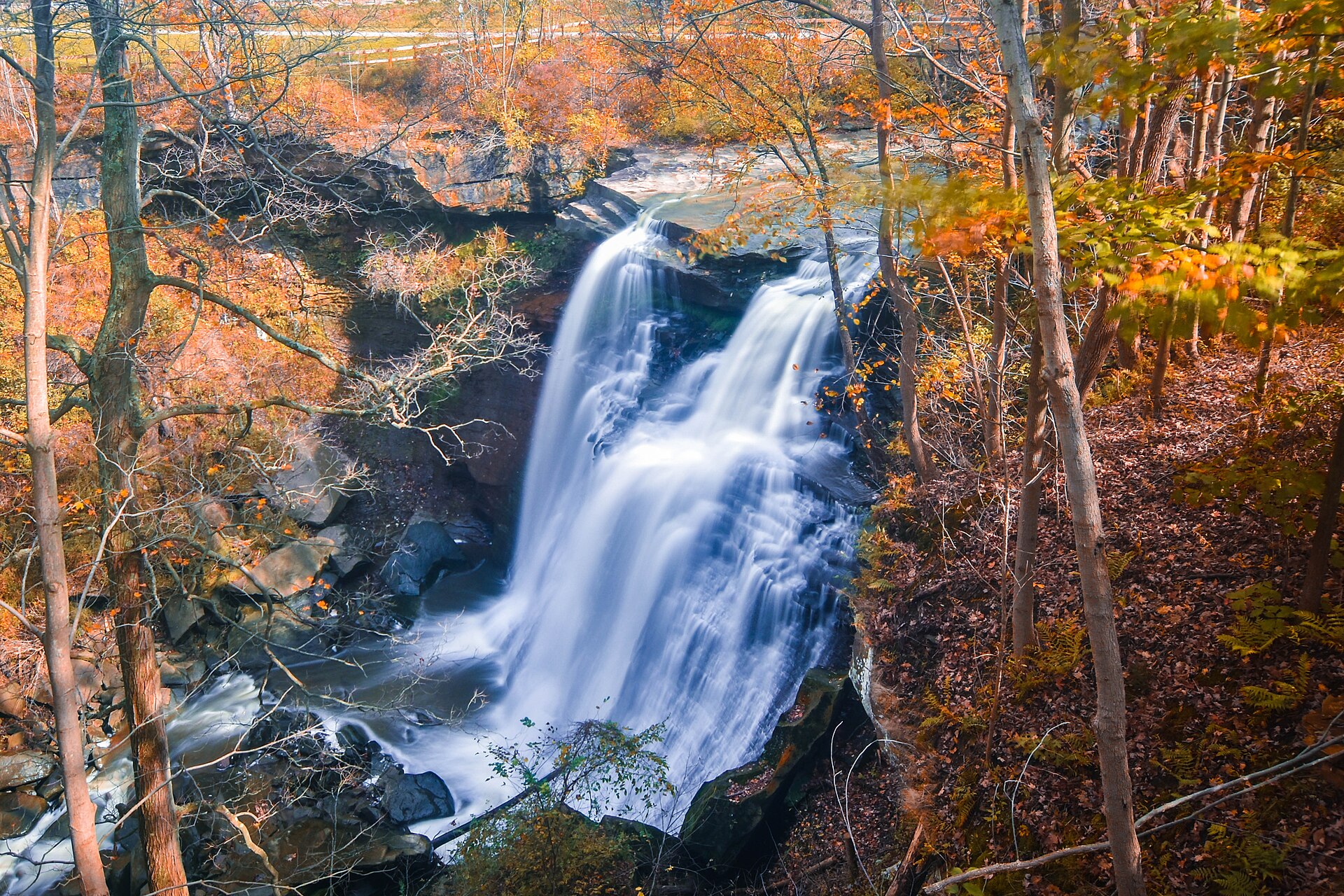
- Ohio & Erie Canal Towpath Trail — Valley floor, running through the length of the park
The Ohio & Erie Canal Towpath Trail follows the old canal route down the valley floor, flat and wide enough for walkers and cyclists to share. Along it sit former canal sites, farmland, wetland and woodland. Bring a bike or hire one in Peninsula, and pick a section rather than trying to do the whole trail in a day.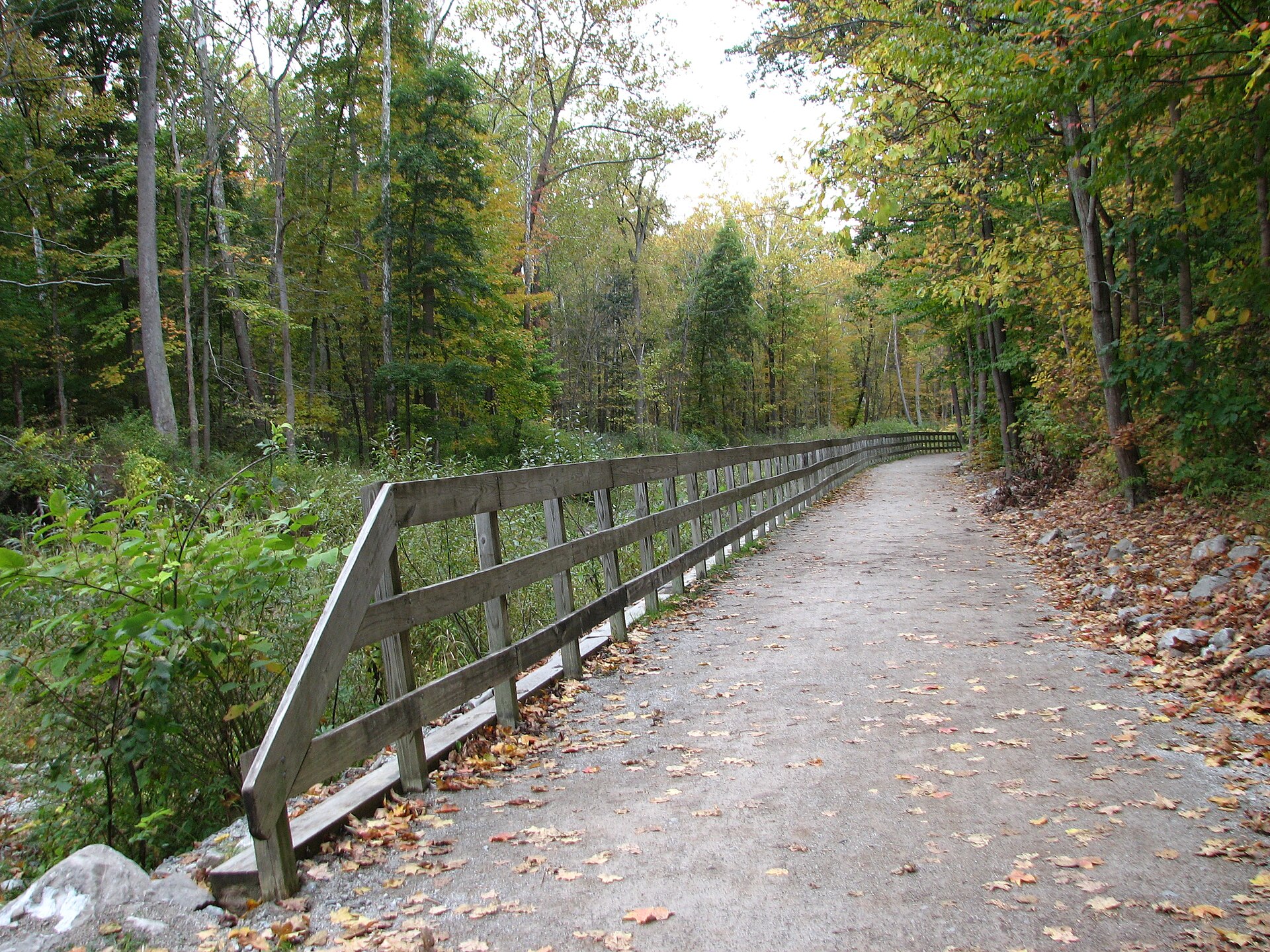
- Village of Peninsula — Central valley, on the Cuyahoga River
Peninsula is a historic canal village in the middle of the valley, now home to artists, galleries, shops, restaurants and a bike shop with rentals. Its nineteenth-century buildings make it a natural base for a day out, and it is one of the few places inside the park where a proper meal is possible. - Canal locks near Peninsula — Near Peninsula, beside the towpath
The restored stone locks of the Ohio & Erie Canal show how boats were once lifted and lowered along the valley. Several survive near Peninsula, some with a tavern house nearby. Interpretive signs explain the canal era, and the quiet chambers, now often green with moss, make a good stop on a towpath ride.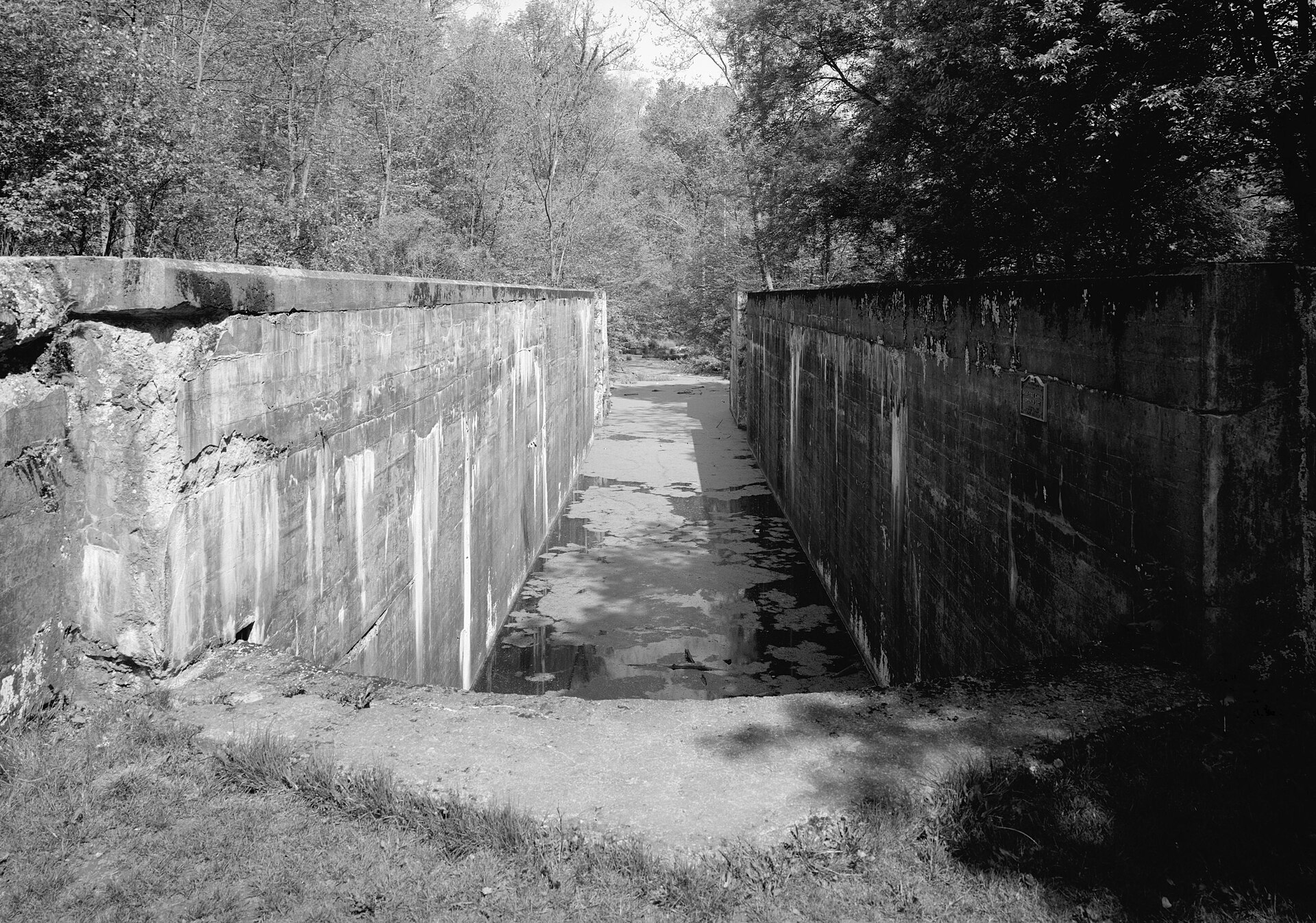
- Hale Farm and Village — Bath, southern part of the valley
Hale Farm and Village recreates a Western Reserve township of the mid-nineteenth century. Artisans demonstrate glassblowing, candle making, pottery and blacksmithing, which makes it a good rainy-day alternative to the trails. It is run separately from the park, so check its own website for access and programmes before travelling.
Culture
Cuyahoga Valley National Park carries several layers of culture at once. The oldest belongs to the Hopewell people and later to the Lenapé and other nations, whose presence is remembered mainly through interpretation rather than standing monuments. The next layer is the canal era, when boats hauled goods along the Ohio & Erie Canal and villages such as Peninsula grew around the locks. Today those villages hold galleries, bike shops and small restaurants, and the park treats them as neighbours rather than intrusions.
Outside the boundary, the Western Reserve towns such as Hudson and Medina have a New England look, a reminder of where many early settlers came from. Amish communities of substantial size live in Holmes County to the south and west and Geauga County to the north and east, and their farms, bakeries and roadside stands are part of the regional picture. Cleveland, Akron and Canton add industrial heritage and a deep stock of museums.
Because the park is a working landscape, ordinary life carries on around visitors. Trains pass, cyclists commute along the towpath, and farms operate at the edges. Respecting that shared space is the main unwritten rule here.
Keep to marked trails, give way to cyclists on the towpath, and ask before photographing any Amish family, or better still leave the camera down.
What to wear
Cuyahoga Valley National Park has no single national costume, so its fashion story comes in layers. The Lenapé and neighbouring nations made clothing, baskets and pottery as part of daily craft and trade, but their descendants now live mostly in Oklahoma and Ontario, so Indigenous dress is not something a visitor will see here day to day. Historic costume appears instead at Hale Farm and Village, where artisans working in mid-nineteenth-century style demonstrate glassblowing, pottery and blacksmithing. Amish families in nearby counties wear plain, simple clothes as an expression of their faith. It is a way of life rather than a costume, and it deserves respect.
What people wear now is practical outdoor clothing: trainers or walking boots, fleeces, rain jackets, caps, and cycling kit on the towpath. In village cafés and galleries casual is the rule, and nobody dresses up.
For a visitor, the climate is humid continental, with hot summers and properly cold winters. In summer wear light, breathable layers, a hat and insect repellent, and carry a rain shell. In winter add a warm coat, gloves and boots with good grip for ice and mud. Footwear matters most, because trails and the towpath turn muddy after rain and waterfall steps are slippery. There are no dress codes at the sights, and ordinary modest clothes are fine at Amish farm stands.
What to eat
- Picnic lunch — Picnic sites across the park, with supplies from nearby towns
Cuyahoga Valley National Park has no restaurants or cafeterias, so the classic meal is a picnic. Buy sandwiches, fruit and drinks in a nearby town, then eat at one of the many picnic sites. Drinking water is available throughout the park, so refill bottles rather than carrying extra. - Polish Boy sandwich — Casual takeaway counters and eateries in Cleveland
A Cleveland street-food favourite, the Polish Boy puts a kielbasa sausage in a bun with chips, coleslaw and barbecue sauce. It is messy, filling and cheap, a good reward after a long day on the towpath. - Pierogi — Eastern European eateries and bakeries in Cleveland
Pierogi are filled dumplings, usually stuffed with potato and cheese, and served boiled or fried with onions. Cleveland's Eastern European communities keep them on the menu, and they suit cold-weather visits especially well. - Amish-country baked goods — Farm stands and bakeries in Holmes and Geauga counties
Farm stands and bakeries in Amish country sell pies, breads, preserves and cheese. Stocking up on these makes a good picnic base. Opening days vary, and some stands close on Sundays, so check locally before driving out. - Local craft beer — Breweries and coffee houses in towns around the park
Breweries and coffee houses are plentiful in the towns around the park. A pint or a strong coffee is the usual way to end a day of walking, and many places serve simple pub food alongside.
Plan it
Best time. May–June and September–October are the most comfortable months, with green woodland in late spring and leaf colour in autumn. Summers are hot and humid, and winters are cold, though the waterfalls can look striking frozen.
How long. 1–2
Getting there. Fly to Cleveland Hopkins International Airport (CLE), a United Airlines hub, or to Akron-Canton Regional Airport (CAK), a drive from Cleveland. Amtrak's Lake Shore Limited reaches Cleveland in the early morning, but no train runs on to the park, so hire a car for the last leg. Interstates, the Ohio Turnpike and a state route lead to the valley, with park signs visible as you near it.
Budget. low
Tips
- Visit on a weekday or early in the morning, because the waterfall and towpath stops fill up on fine weekends.
- Bring a picnic and refill water bottles in the park, as there are no restaurants or cafeterias inside.
- Do not drink from streams or ponds; use the drinking water points instead.
- Check the official site, https://nps.gov/cuva, for opening details, trail closures and lodging.
- Book Stanford House or the Inn at Brandywine Falls well ahead if you want to stay inside the park.
Etiquette
- Do not swim, wade, canoe or kayak in the Cuyahoga River, which has navigational hazards and variable water quality.
- Keep right on the towpath and give way to cyclists and walkers coming the other way.
- Stay on marked trails and take all litter home.
Nearby
Sources
- Wikidata Q152820 (CC0)
- Wikipedia: Cuyahoga Valley National Park (rev 1373949806) (CC BY-SA 4.0)
- Wikivoyage: Cuyahoga Valley National Park (rev 5400703) (CC BY-SA 4.0)
- Photo: Cuyahoga Valley National Park, Ohio (Niagara66) (CC BY-SA 4.0)
- Photo: Relief location map of the USA (Uwe Dedering) (CC BY 3.0)
- Photo: Cuyahoga Valley map from the official brochure (U.S. National Park Service) (Public domain)
- Photo: Portage County 1826 (Public domain)
- Photo: Brandywine Falls (Erik Drost) (CC BY 2.5)
- Photo: Ohio and Erie Canal Towpath Trail Section (Kevin Payravi) (CC BY 3.0)
- Photo: Restored Lock & tavern house (Oydman) (CC BY 3.0)
- Photo: Lock 28 of the Ohio & Erie Canal (Jet Lowe) (Public domain)


