Charlottetown
Charlottetown, Canada
Charlottetown is a small, walkable island capital where Canada's founding story, Victorian streets, fresh oysters and harbour air all sit within a short stroll.
The place
Charlottetown is the capital of Prince Edward Island, and it feels more like a large town than a big city. About 38,809 people live within its limits, which makes it easy to cover on foot. The island's south shore holds a natural harbour where three rivers meet, and the city sits on the land beside it, narrowing to a point in the south between the North (Yorke) and Hillsborough (East) rivers. Beyond the harbour mouth lies the Northumberland Strait.
The centre follows a planned grid, laid out in the eighteenth century, with Queens Square at its heart. Around it stand brick and timber Victorian buildings, churches with tall spires, and small shops and eateries along the downtown lanes. Former industrial land along the waterfront has been turned into walking paths and parks, so the harbour is part of daily life rather than something behind fences. Cruise ships dock at a terminal opened in 2007, and on busy days in the warmer months the main streets fill with day-trippers.
The climate is humid continental, softened by the surrounding Gulf of St Lawrence. That means warm, pleasant summers, colourful autumns and winters that are cold and snowy. The city has a motto, Cunabula Foederis, meaning birthplace of confederation, and it wears that history lightly: it is more likely to appear on a plaque than a billboard. The pace is slow, people are chatty, and the sea is always close at hand. Charlottetown works best as a base for the wider island rather than as a place to rush through.
Its story
Charlottetown began as a French story before it became a British one. In 1720, settlers from the fortress at Louisbourg founded Port La Joye on the western side of the harbour, opposite where the city now stands. Michel Haché-Gallant led the venture, ferrying Acadian families across by sloop. Control of the island changed hands more than once during the wars of the period, and in one clash French forces beat a British garrison there.
In August 1758 a British fleet took the settlement and the rest of the island, and deported the French settlers it could find. Fort Amherst was built near the abandoned French site to guard the harbour entrance. In 1764 the surveyor Captain Samuel Holland of the Royal Engineers chose the present site as the county seat of Queens County, and a year later it became the colonial capital of what was then called St John's Island. The town took its name from Queen Charlotte.
It grew slowly and was incorporated as a city in 1855. Its larger place in history came in 1864, when politicians from Canada and the Maritime colonies met here to discuss a Maritime Union. The talks led instead to the union of the British North American colonies in 1867, the start of Canadian Confederation. The island itself stayed outside until 1873. That meeting is why the city calls itself the birthplace of Confederation, and why Province House, where the delegates gathered, draws so many visitors.
What to see
- Province House — Downtown, near Queens Square
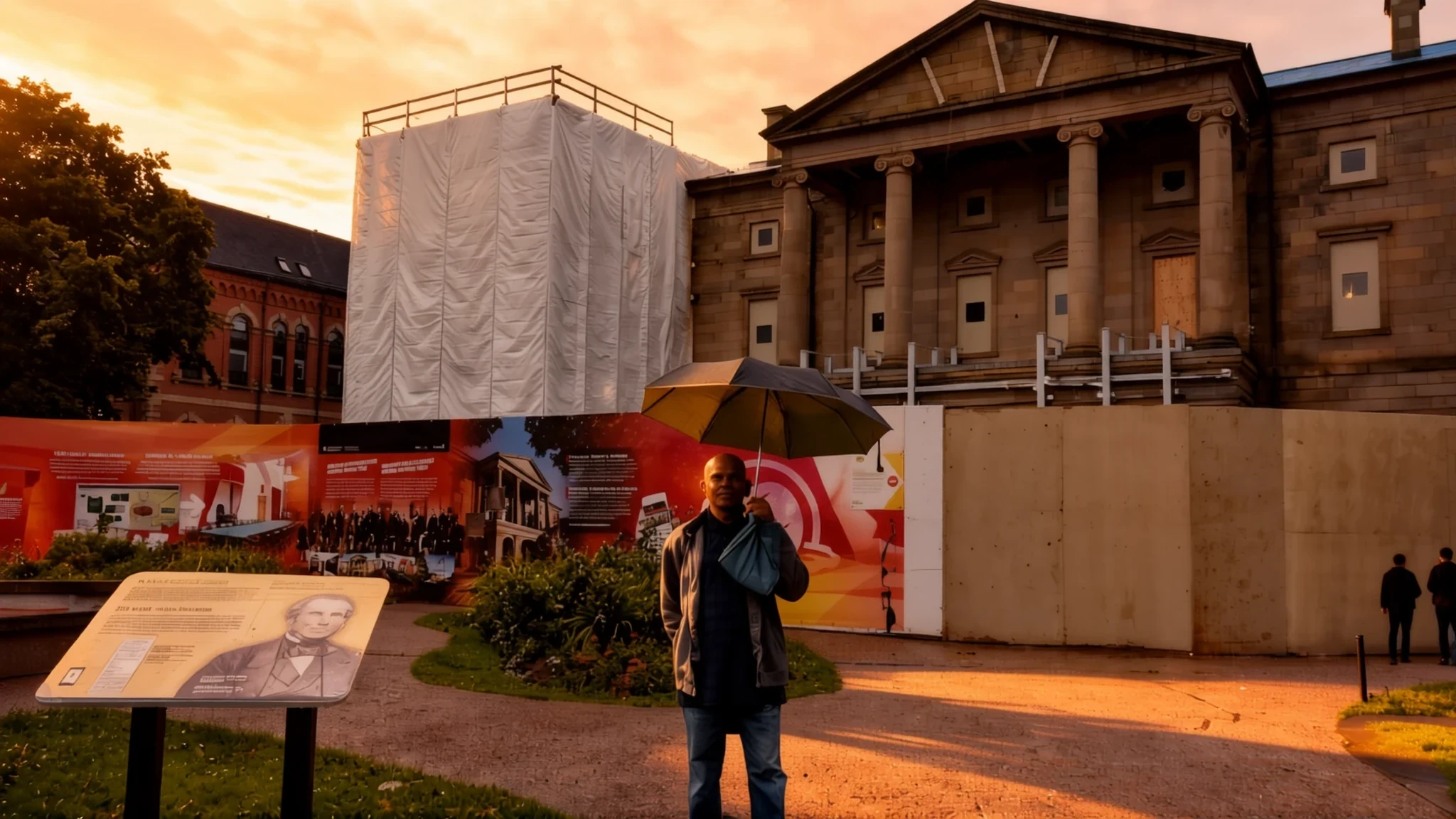
Province House is a National Historic Site and has housed the provincial legislature since 1847. It stands beside Queens Square and is tied to the 1864 conference. The building has been closed for renovation, with reopening expected in early 2026, so check the official site before planning around it.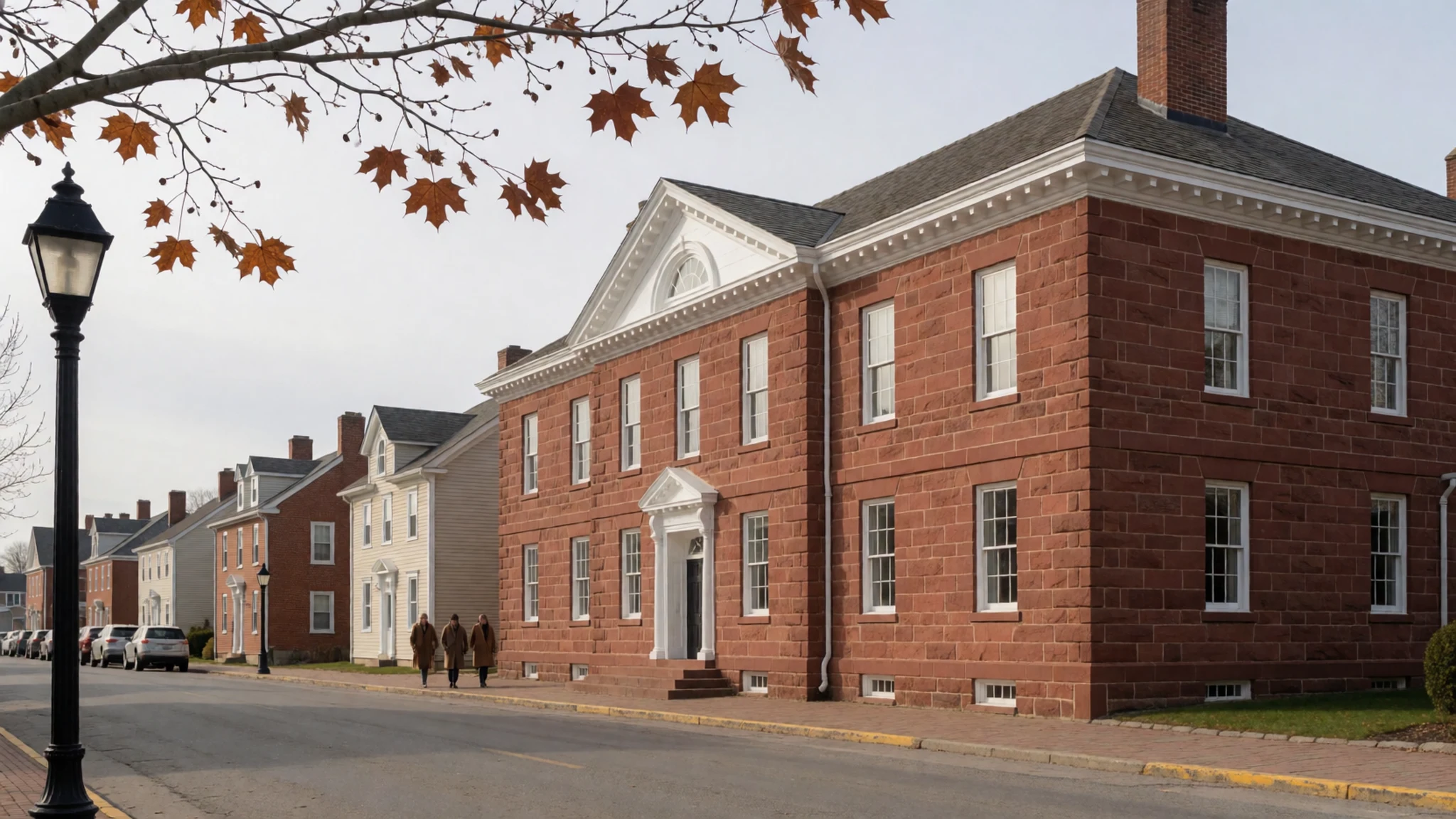
- St. Dunstan's Basilica — Downtown
St. Dunstan's Basilica is a large church whose spires rise above the low downtown rooftops and are visible from the harbour. Visitors are welcome between services, so it is best to time a visit around worship. Inside, take a quiet few minutes to look at the ceiling and windows.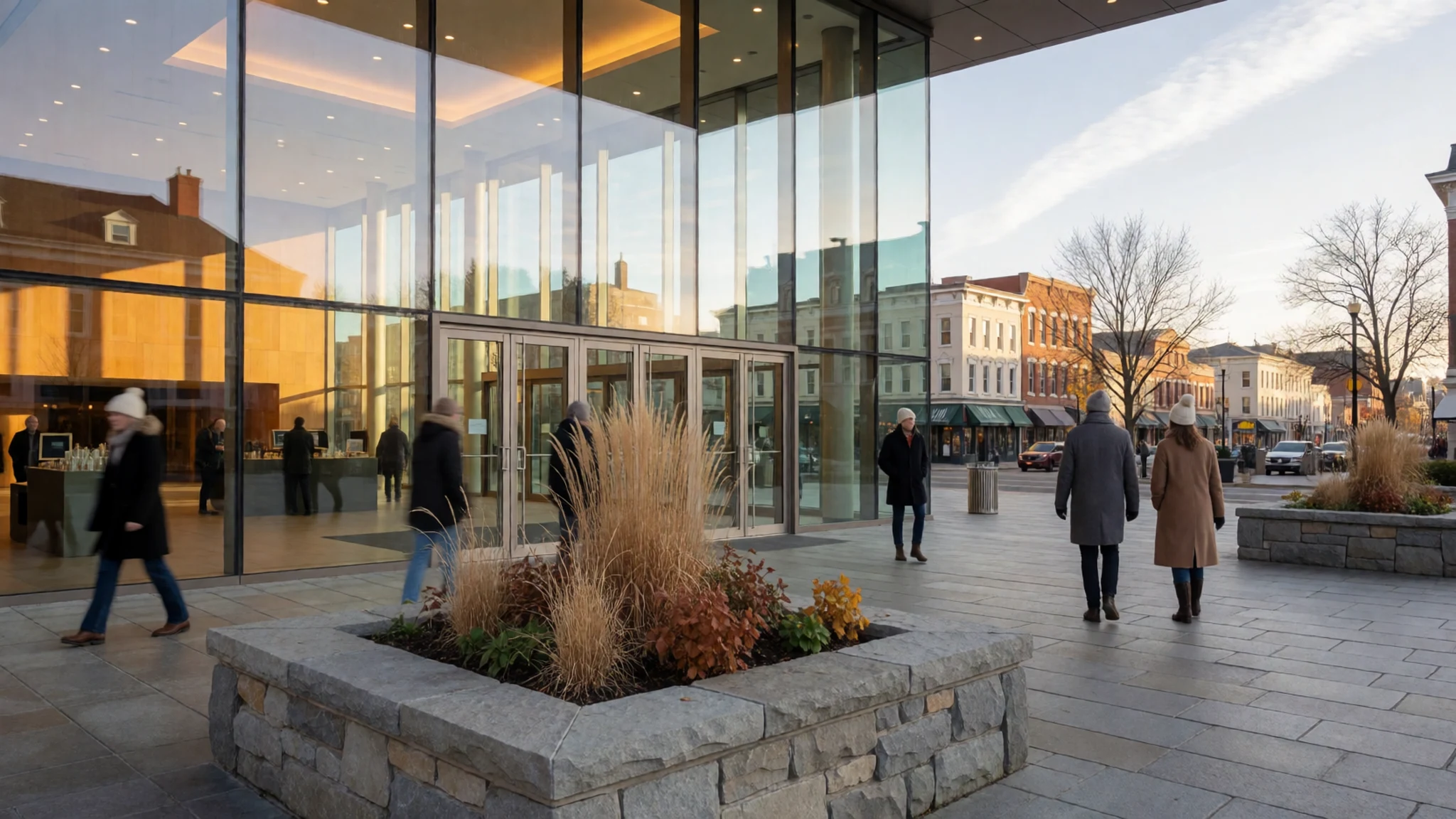
- Confederation Centre of the Arts — Downtown, beside Province House
The Confederation Centre of the Arts is open all year and presents Canadian visual and performing arts. It holds several theatres, an art gallery, a bistro and a gift shop. It is a sensible wet-day choice, and an evening show suits the quieter hours after the day-trippers leave.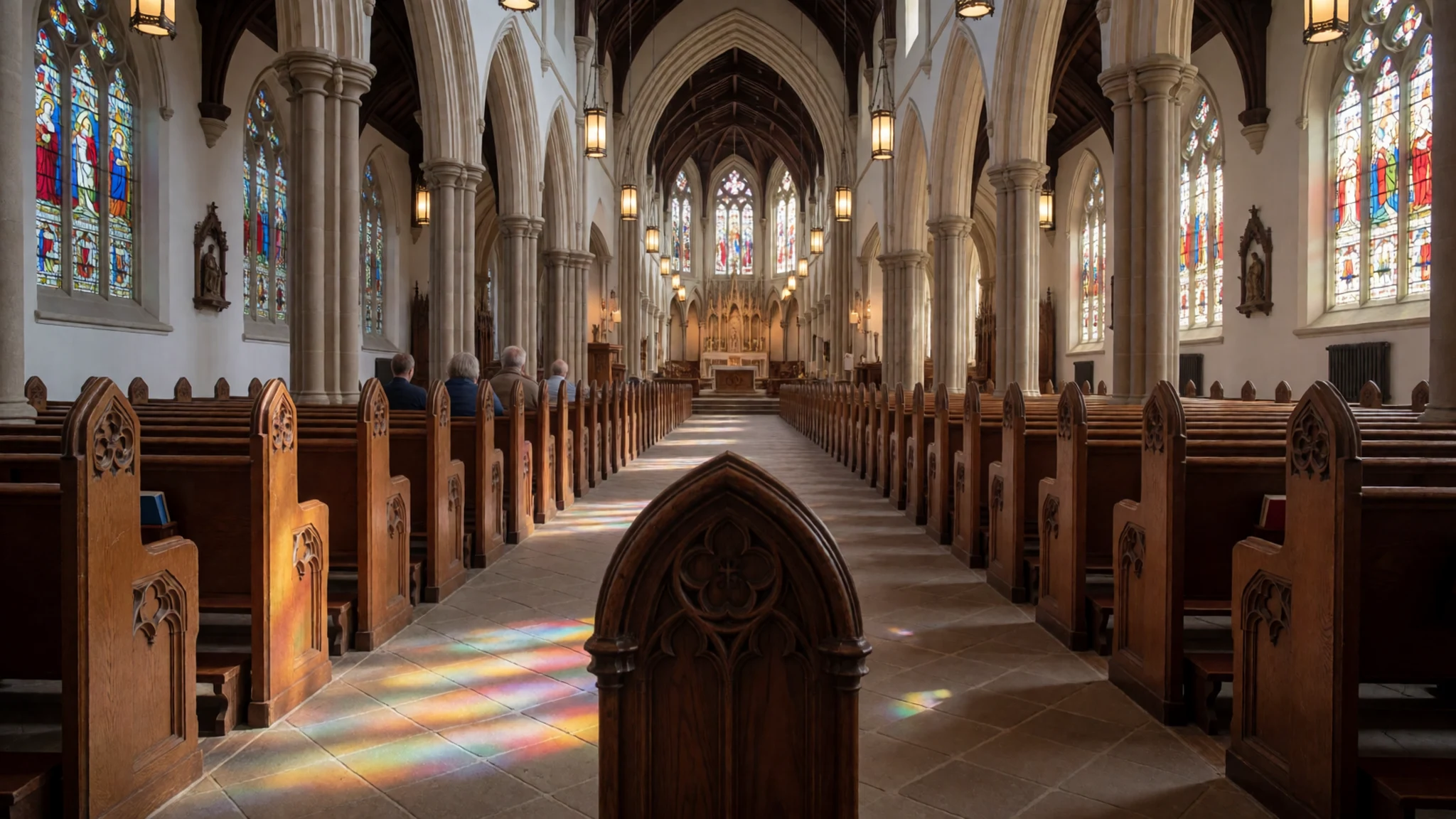
- Beaconsfield Historic House — West of the centre
Beaconsfield Historic House Museum was built in 1877 and counts among the island's finer residences. It is open year-round for tours, and the site also runs talks and special events in its Carriage House. It gives a clear picture of how the well-off lived in Victorian Charlottetown.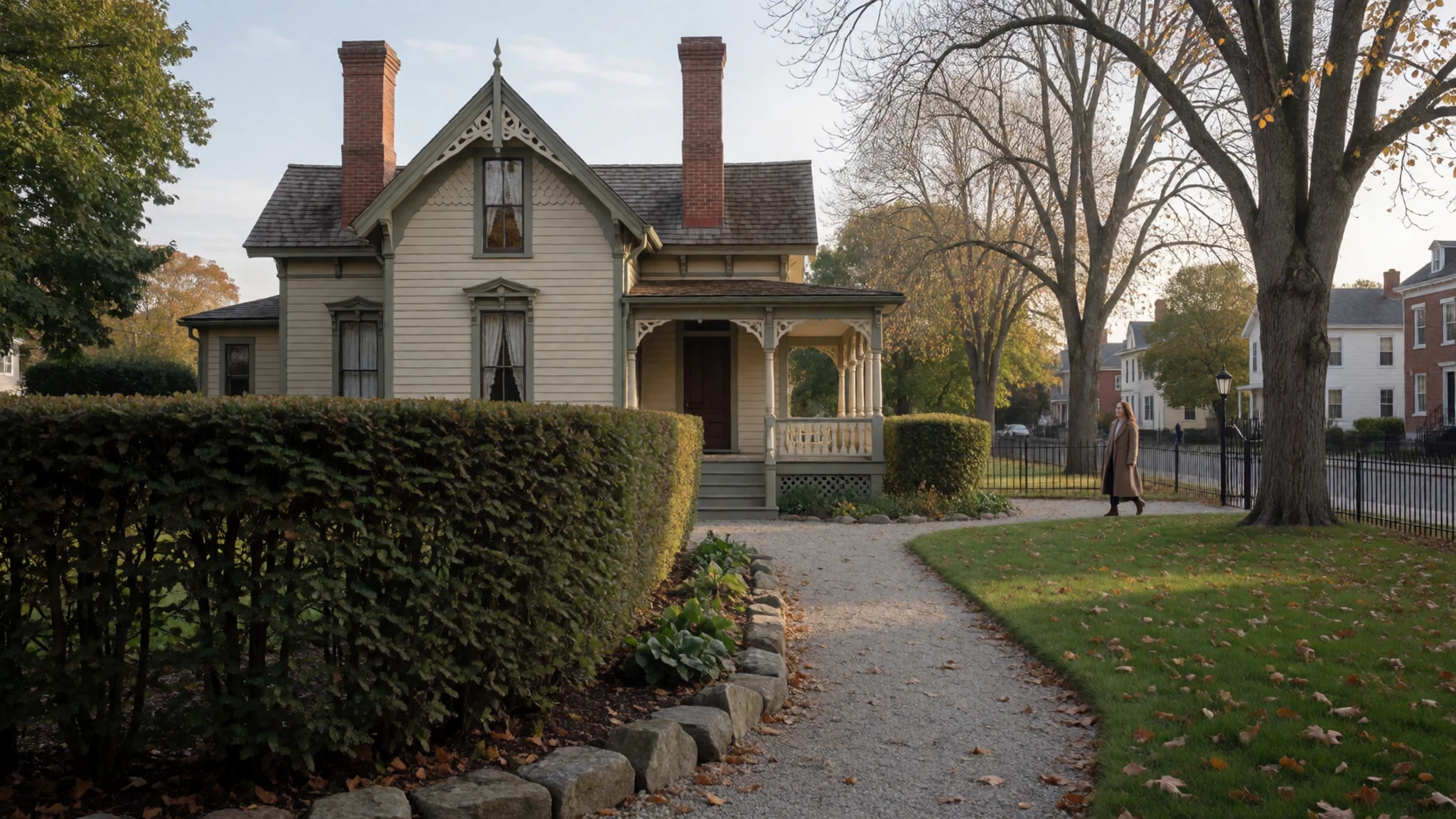
- Government House (Fanningbank) — Waterfront, west of downtown
Government House, known as Fanningbank, is the official residence of the island's lieutenant governor. It sits in grounds near the water on the western side of the city. Visitors mostly admire it from outside and the surrounding parkland, so treat it as a pleasant stop on a longer walk.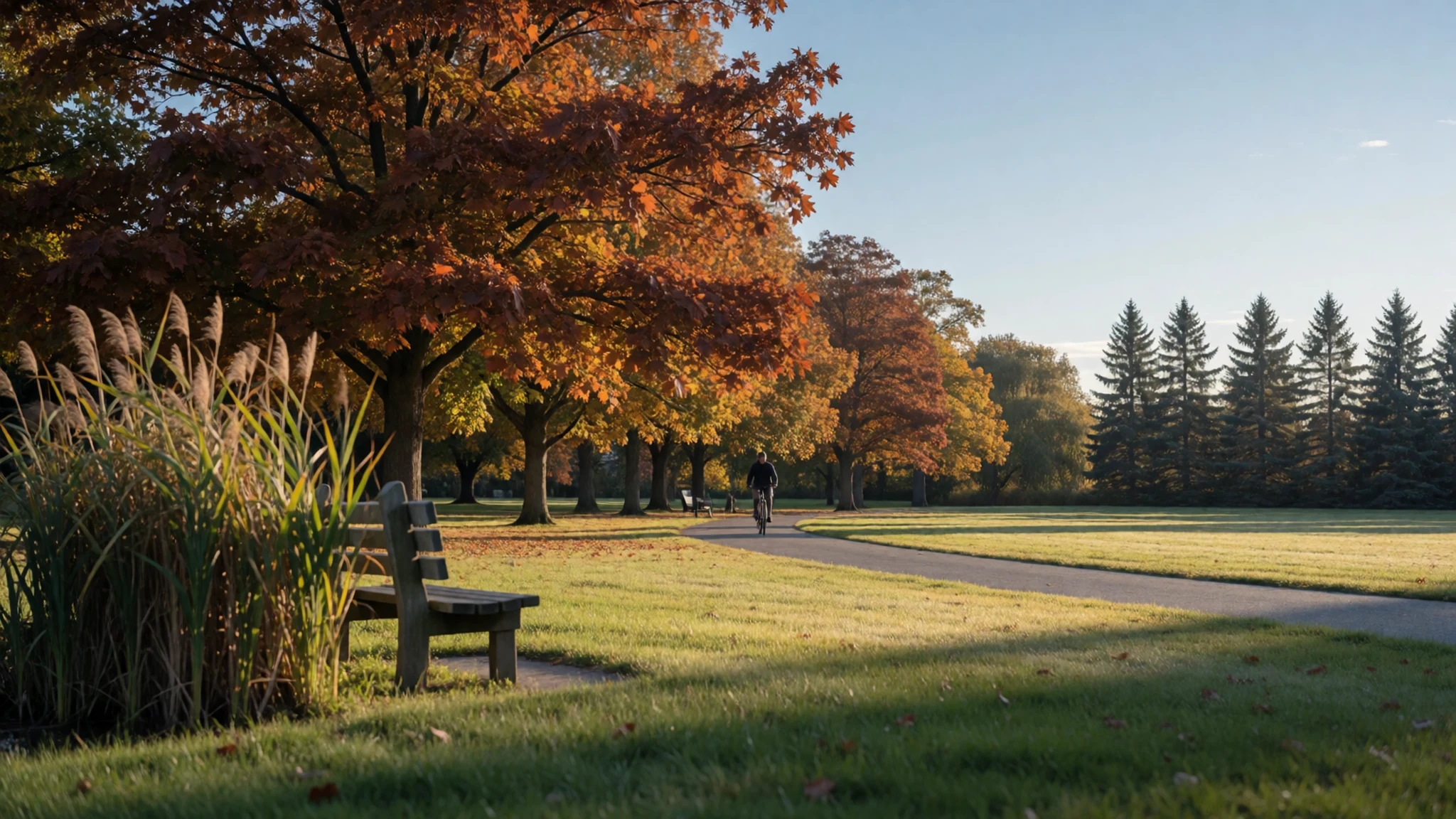
- Victoria Park — Waterfront, south-west of downtown
Victoria Park is one of the city's most popular green spaces, with paths running along the water at the edge of the old town. Locals walk, jog and picnic here, and it is a good place to finish a long day. It is easy to reach on foot from the centre.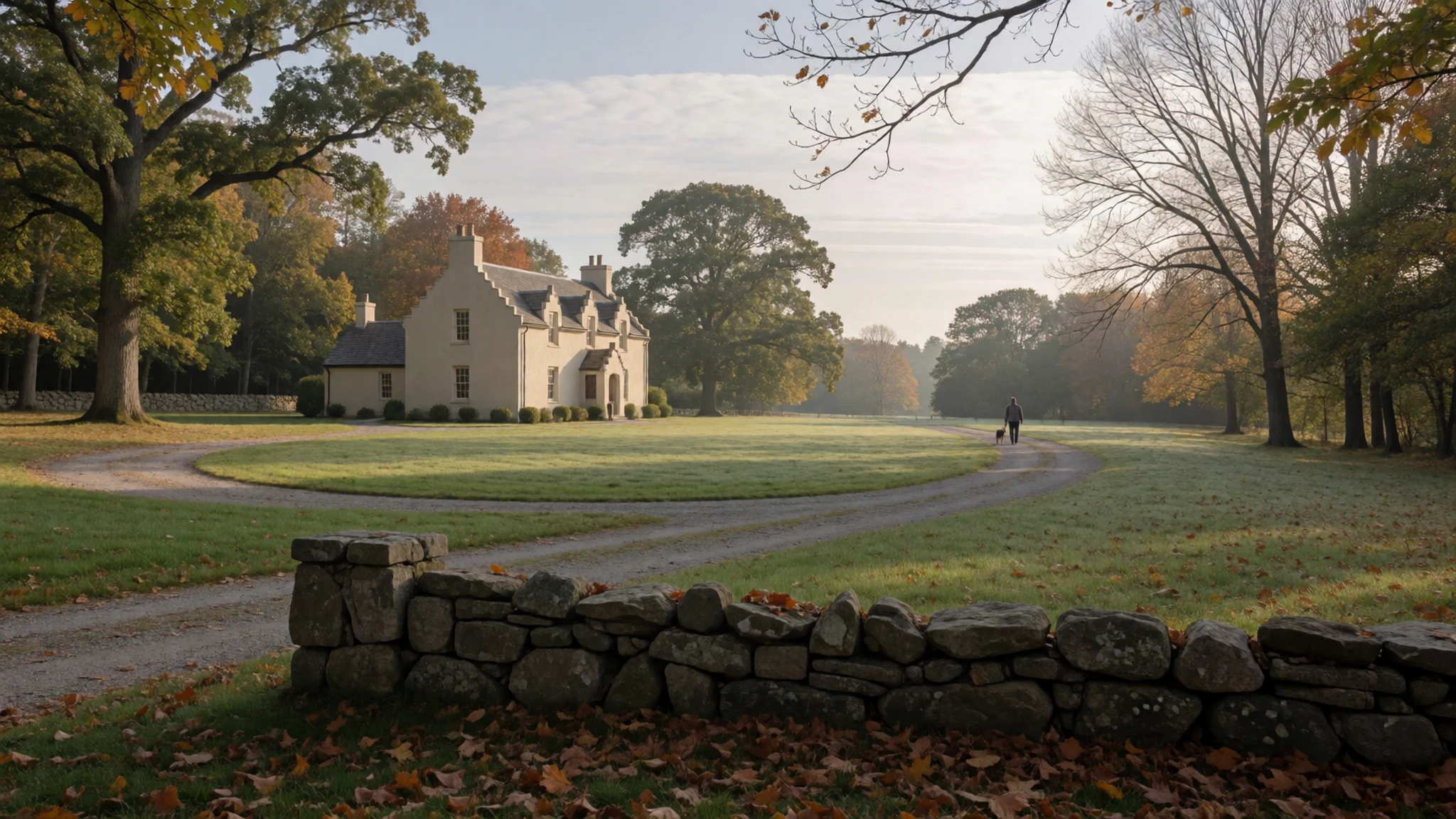
Culture
Charlottetown's culture is shaped by the island's mix of descendants of French, Irish, Scottish and English settlers, and by an old habit of gathering around music, church halls and the arts. The Confederation Centre is the main stage for theatre and visual art, and the city's identity is bound up with its role in the founding of Canada. Locals are happy to talk about it, usually in a dry, understated way.
The streetscape is a living part of that identity. The centre has been laid out with care, and many Victorian-era houses and public buildings survive, which locals take pride in. The waterfront redevelopment has added walking trails and parks on former industrial land, and these are used as everyday public space by residents rather than kept for visitors. Summer brings festivals, concerts and kitchen-party style music in pubs and halls, while winters turn quieter and more domestic. Sport matters too: the junior hockey team, the Charlottetown Islanders, draws loyal crowds in the colder months.
In daily life people are polite, informal and unhurried. Shops close earlier than in a big city, conversations start easily, and queues are respected. Visitors who take the time to chat with a shopkeeper or museum guide usually leave with the best recommendations. Wait your turn in queues, keep your voice low inside churches such as St. Dunstan's, and ask before photographing people.
What to wear
Charlottetown has no single regional costume that people wear today. Historically, island dress followed British and French colonial fashion, adapted to a farming and fishing life: wool coats and knitted jumpers, oilskins and rubber boots for the sea, and heavier tweeds and woollens for winter. Knitted wool, much of it from sheep farmed on the island, remains part of local textile habits, and hand-knitted socks, mittens and hats are common at craft stalls. Period dress now appears mainly at heritage events, in museum interpretation and on historic-site staff.
What people wear now is practical and casual. Jeans, fleeces, waterproof jackets and sturdy trainers or boots are normal on the street, with a slightly smarter layer for a theatre night or a dinner out. Locals dress for the weather first, and it changes quickly near the sea.
Visitors should pack in layers. Summers are warm but evenings by the harbour can be breezy and cool, so bring a light jacket and a rain shell. Comfortable walking shoes matter, since the downtown is best seen on foot and some paths run along the shore on uneven ground. In winter, bring a proper coat, hat, gloves and boots with grip for snow and ice. Churches and the basilica do not demand formal dress, but shoulders and knees covered is a courteous choice. Sunscreen and a hat are worth having on bright summer days by the water.
What to eat
- Fresh oysters — Oyster bars on the downtown waterfront
Charlottetown is known for oysters, and the waterfront has oyster bars serving them raw on the half shell. Order a dozen of the local varieties and ask staff what they are tasting like that day. Pair them with a cold local beer.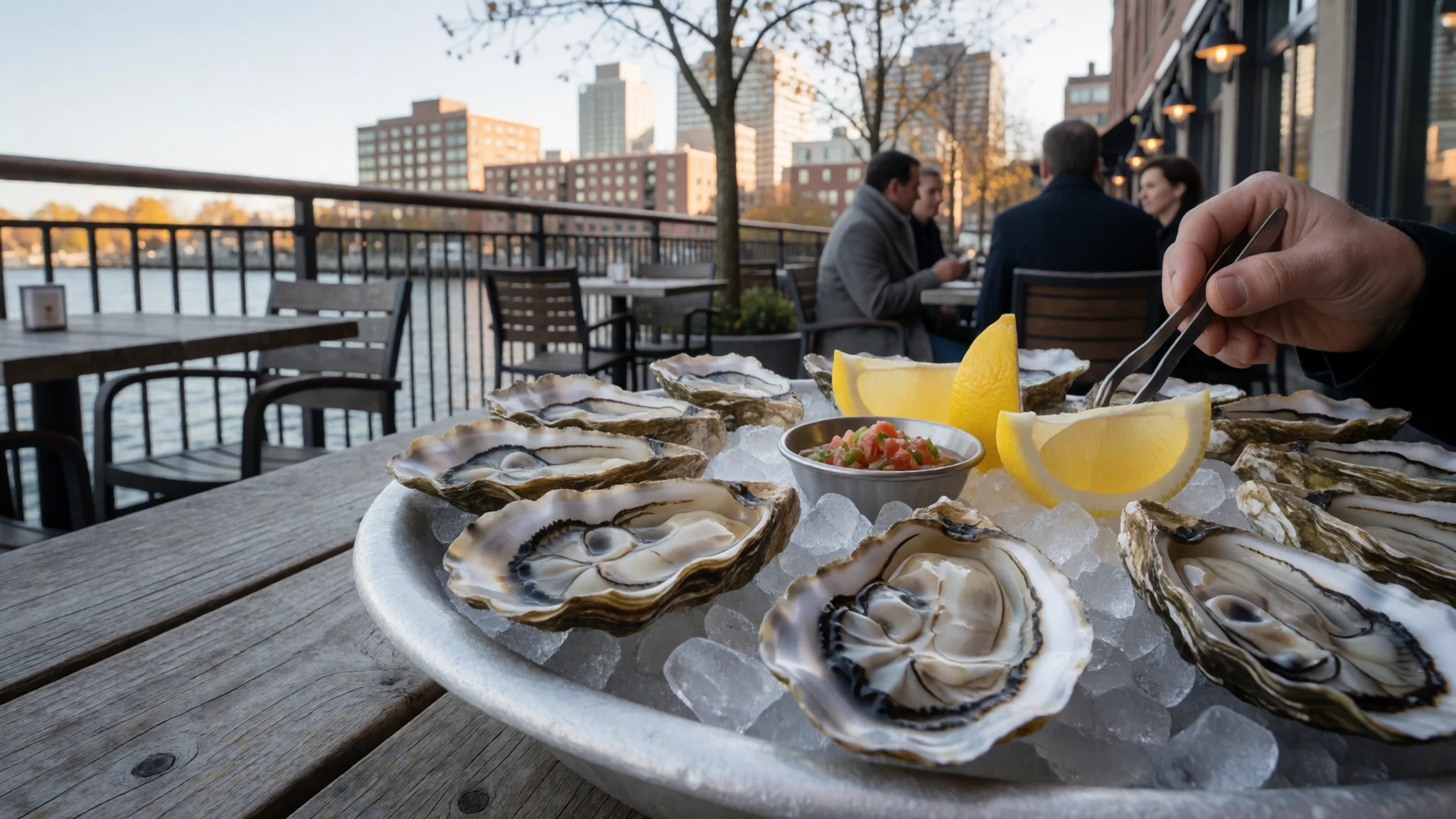
- Simple seafood meals — Small eateries near the harbour
Plain, well-cooked fish and shellfish are a staple here, from chowder to fried and steamed plates. Small harbourside eateries offer them at modest prices, away from the busiest tourist lanes. A seafood lunch is often the best-value meal of the day.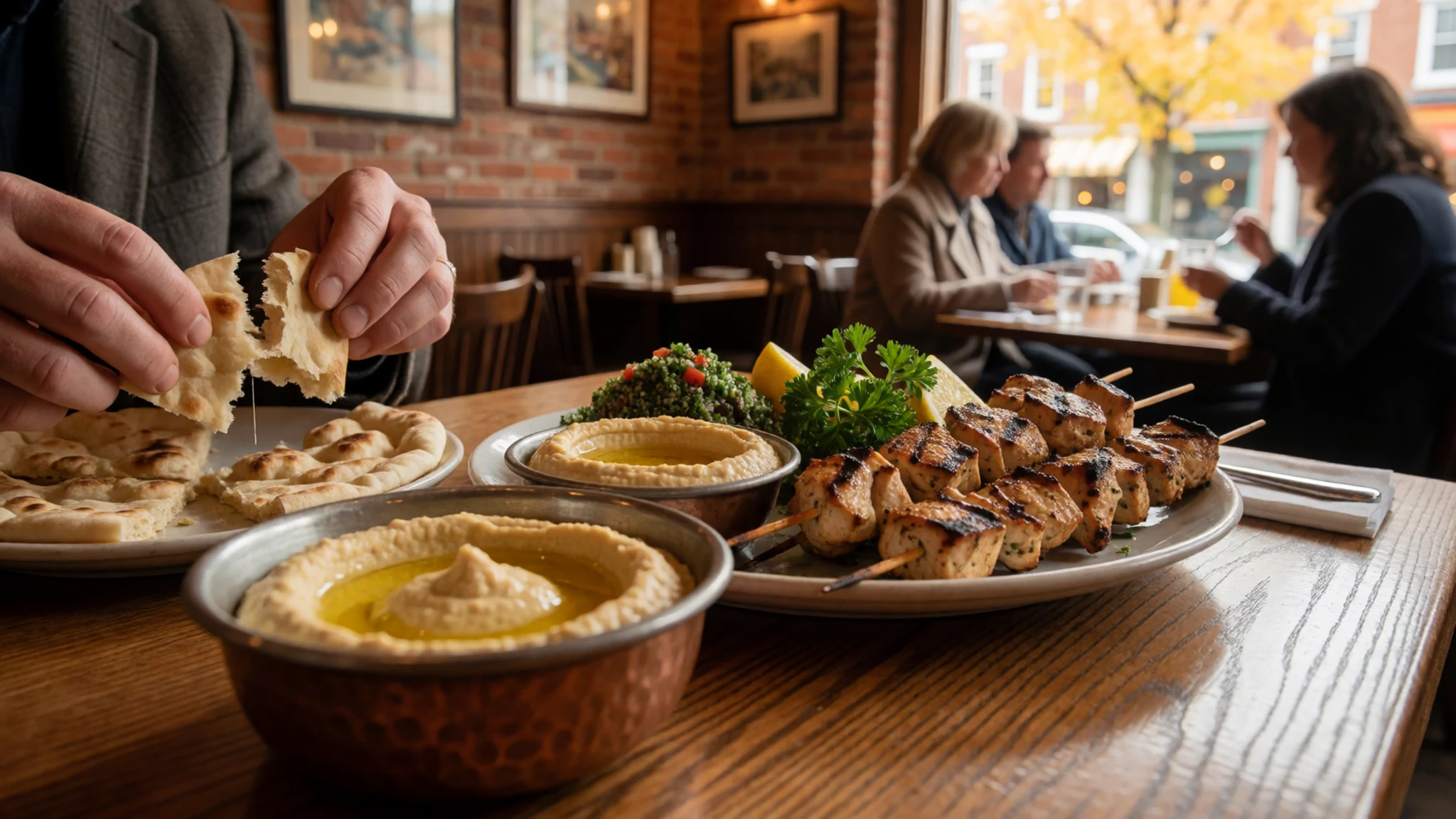
- Lebanese dishes — Downtown eateries
A long-running Lebanese eatery in the centre has won awards for its cooking and keeps prices reasonable. Expect familiar plates such as falafel, shawarma and salads, a welcome change after several seafood meals. - Dim sum and noodles — Downtown, near the centre
A small vegetarian place downtown serves dumplings, big bowls of noodles and vegetables, along with a choice of Asian teas. It is a cheap and filling option, and useful for travellers who do not eat meat or fish. - Craft beer — Brewpubs in the historic centre
A local brewery in the centre pours fresh beer on site, and its pub-style room is a relaxed spot for an evening. Ask for a tasting flight if you want to try several styles without committing to a full glass.
Plan it
Best time. June to September for warm weather, open-air events and full opening hours; July and August are busiest. September is calmer, and autumn colour follows. Winters are cold and snowy, and some seasonal attractions close.
How long. 2–3
Getting there. Fly into Charlottetown's airport, which has connections within Canada, or arrive by road via Highway 1, using either the Confederation Bridge or the ferry from Caribou, Nova Scotia. A bus route links Charlottetown with Borden and Amherst; Borden to Charlottetown takes 55 minutes. Check current schedules and fares online.
Budget. mid
Tips
- Book rooms early for July and August, as cruise days and festivals fill the centre
- Walk the downtown on foot; it is compact and easy to cover
- Check the official site for opening hours and Province House's reopening: https://charlottetown.ca/
- Carry a light rain jacket, as coastal weather changes quickly
- Hire a car for trips to the wider island beyond the city
Etiquette
- Wait your turn in queues and greet staff when entering shops
- Keep your voice low inside churches and at services
- Ask before photographing people
Nearby
Sources
- Wikidata Q2127 (CC0)
- Wikipedia: Charlottetown (rev 1383758600) (CC BY-SA 4.0)
- Wikivoyage: Charlottetown (rev 5397366) (CC BY-SA 4.0)
- Charlottetown-Stratford (aerial) 02, Martin Cathrae (CC BY-SA 2.0)
- Charlottetown, PEI skyline, Quintin Soloviev (CC BY 4.0)
- Province House, Share Bear (Public domain)
- Charlottetown City Hall, Rohit Sud (CC BY 3.0)
- Government House of Prince Edward Island (Fanningbank), Quintin Soloviev (CC BY 4.0)
- Eastlink Centre in 2022, Quintin Soloviev (CC BY 4.0)
- Queens Square, Charlottetown, rokker (CC BY 3.0)
- Seal of Charlottetown, PE, HaydenSoloviev (CC0 1.0)


