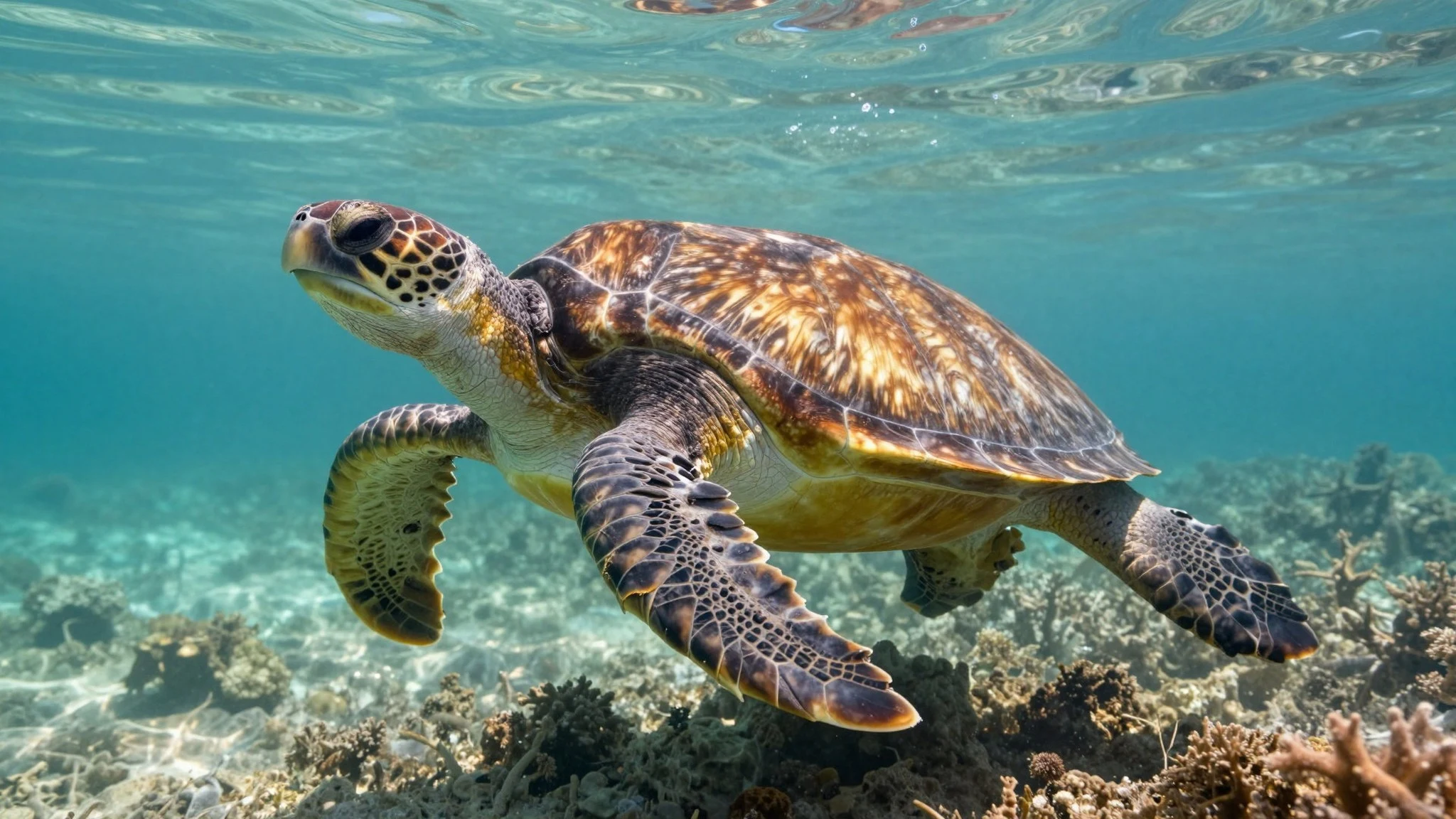
Caja de Muertos
Caja de Muertos, United States
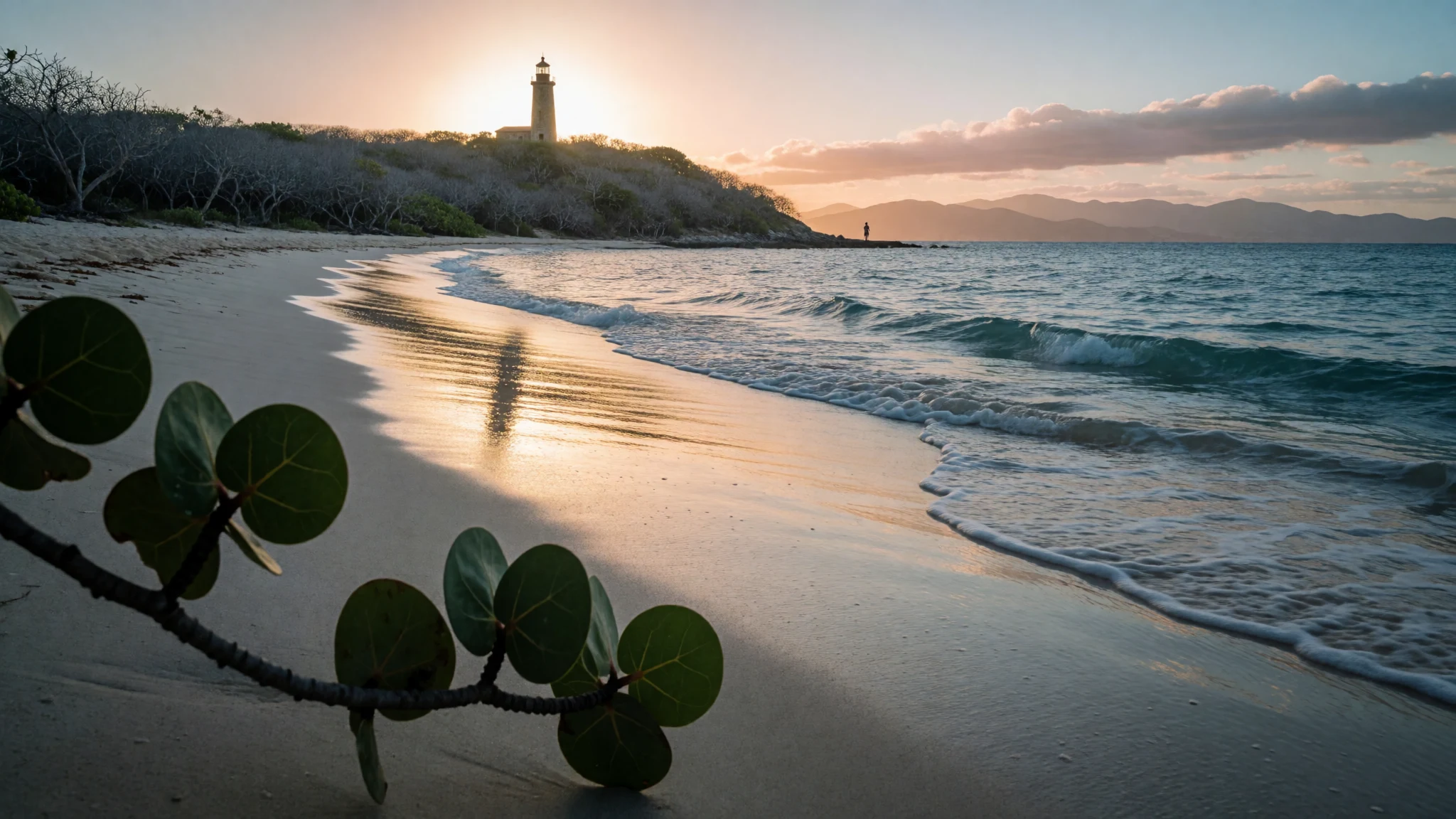
Caja de Muertos is an uninhabited island off Ponce where a short ferry ride buys reef snorkelling, dry-forest walks and pirate stories.
The place
Caja de Muertos sits in the Caribbean Sea south of Puerto Rico's main island, about 8.4 km offshore and part of the municipality of Ponce. Nobody lives there. The whole island and its surrounding water form a nature reserve, set aside for nesting turtles, dry forest and reefs, and it feels more like a quiet, scrubby ridge than a postcard palm island. The highest point reaches about 52 m, enough for views back to the mainland mountains and out to open sea. The name means 'Chest of the Dead'; English speakers have also called it Deadman's Chest or Coffin Island, and the profile of the island from the mainland is commonly said to resemble a body laid out. Almost everyone visits for the day. Ferries leave from the La Guancha boardwalk area of Ponce Playa, and the hours are spent on the beaches, in the water or on foot along the trails. Facilities are basic, so shade, water and food are things to plan around rather than expect. The sun is strong, the dry forest gives patchy cover, and weekends and holidays bring local families, so the beaches fill while weekdays are calmer. Ponce itself deserves a night or two: it is a laid-back southern city with a compact historic square and a good run of Art Deco buildings, far less hurried than San Juan. Caja de Muertos is one of seven islands counted as belonging to Ponce.
Its story
Caja de Muertos has drawn visitors for a very long time. Stone art left on the island shows that people were coming here across many centuries, and the Taíno made fishing trips from the mainland. When Spanish forces overcame the Taíno in the early sixteenth century, some tried to retreat to the island, but they were soon captured or killed. Around the turn of the seventeenth century the island became a hideout for pirates and mutineers. One story follows a group of English merchants who turned pirate, took a Portuguese ship loaded with gold, silver and gems, survived a mutiny among themselves and sheltered here on the way home. When they crossed to the mainland for supplies they were killed, apart from one man, who confessed that treasure lay hidden. The Spanish governor then took what was left and spent it on building projects. The island's present name appeared on a map in the middle of the nineteenth century, and Spain built a lighthouse here, finished before that century ended. The same period gave the island a quieter role as a refuge. Puerto Rican patriots who wanted independence from Spain hid here, among them Ramón Emeterio Betances and Segundo Ruiz Belvis, and freemasons met in secret while they were persecuted on the mainland. Walking the trails today, it is easy to see why the island suited people who needed to stay out of sight.
What to see
- Playa Larga — Caja de Muertos, south coast
Playa Larga is a protected beach, a long curve of pale sand backed by shrubby forest, with the mainland hills faint across the water. Because it is protected, visitors must use other landing areas, which are busiest at weekends. Walk along it away from the landing and the crowd thins quickly.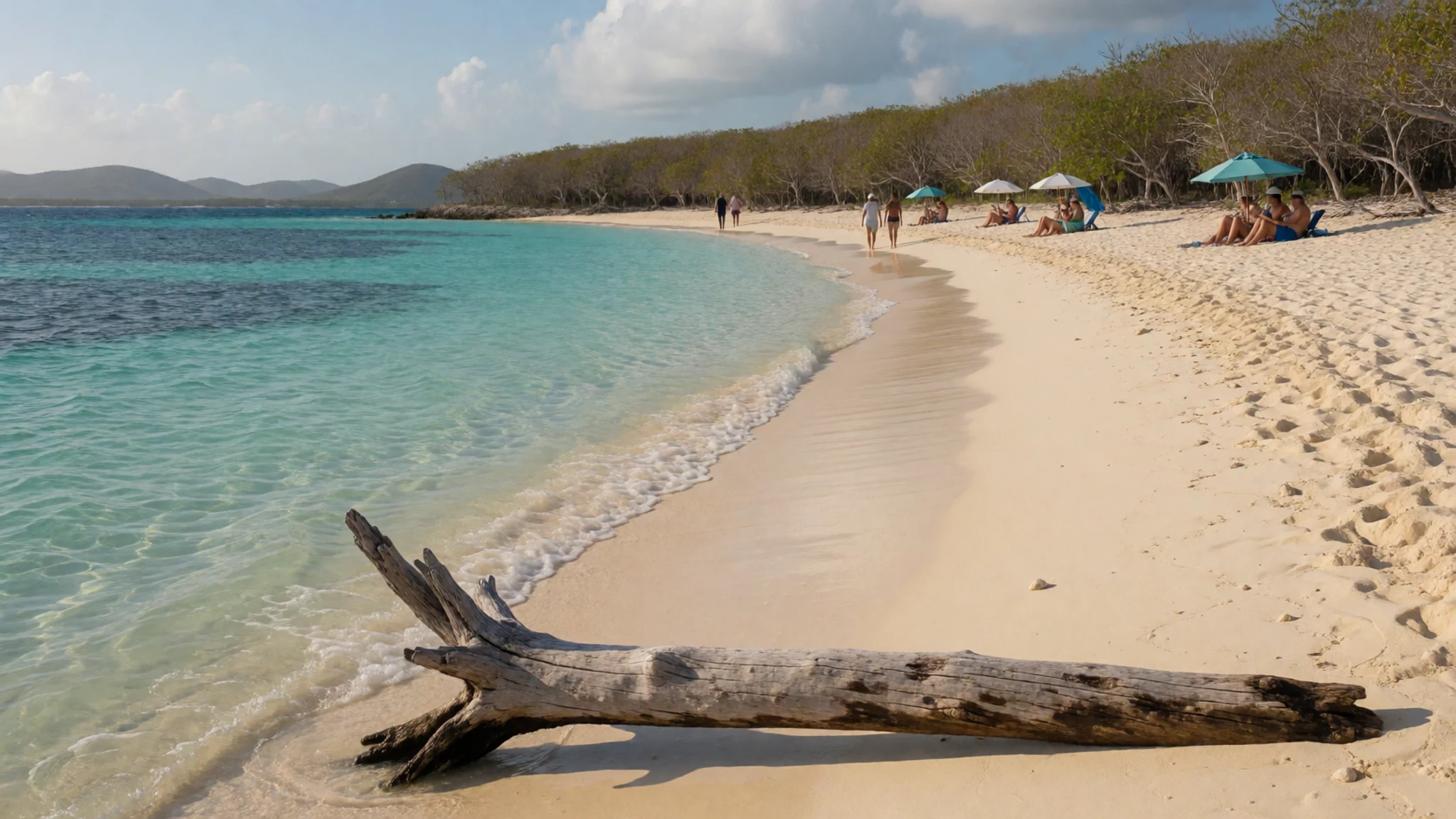
- The lighthouse trail — Caja de Muertos, island interior
A walking trail climbs through dry forest to the old Spanish lighthouse, built in the later nineteenth century. Expect cactus, lizards and little shade, so go early and carry water. The reward is a wide view over reef-edged water and, on clear days, the whole mainland coast.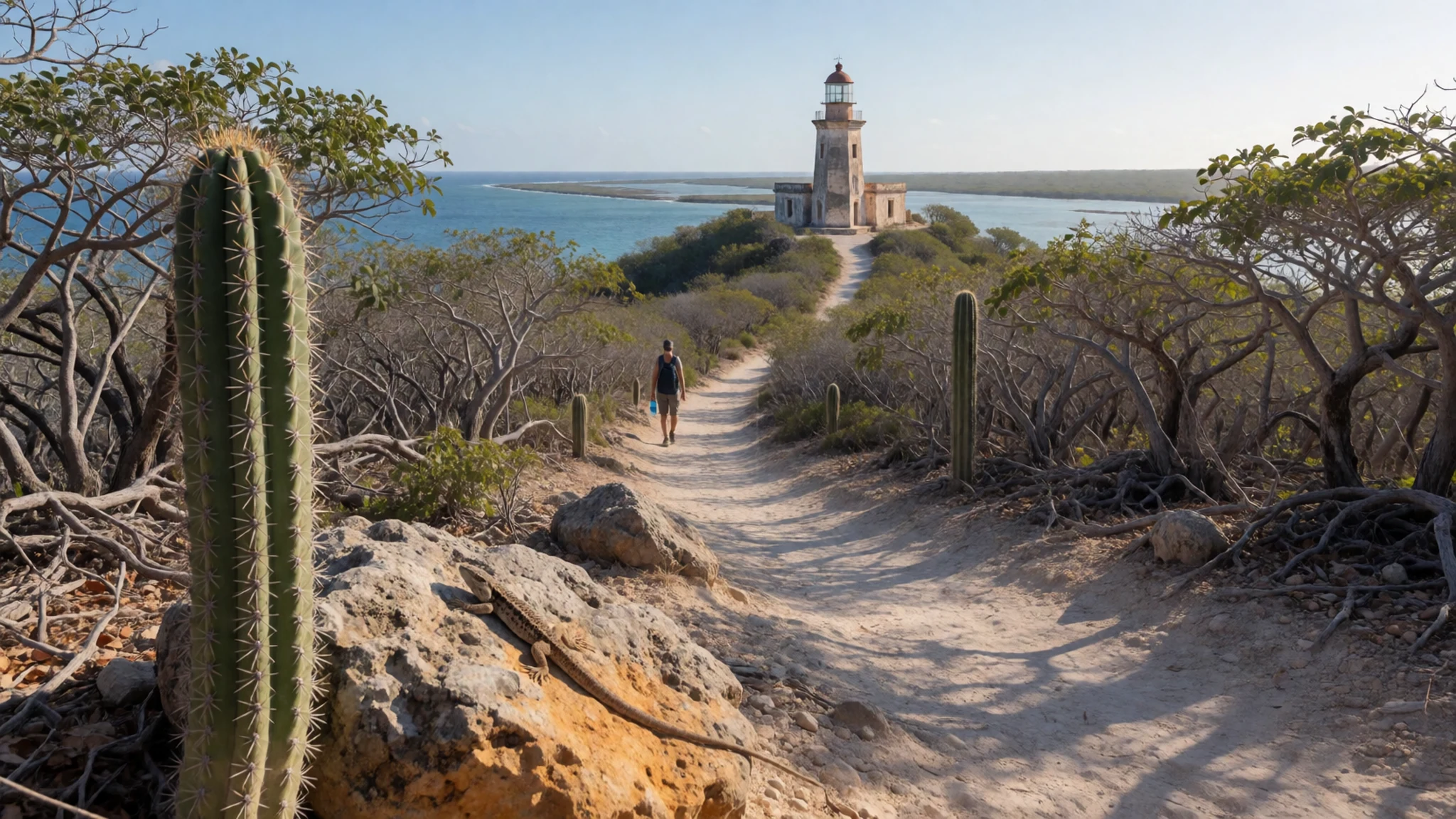
- Reef snorkelling — Waters around Caja de Muertos
The reefs around the island are the other reason for the ferry. Shallow water close to the beach suits beginners, and several Ponce operators run guided snorkelling trips with equipment provided. Go on a calm day, wear a rash vest, and keep fins well clear of coral and turtles.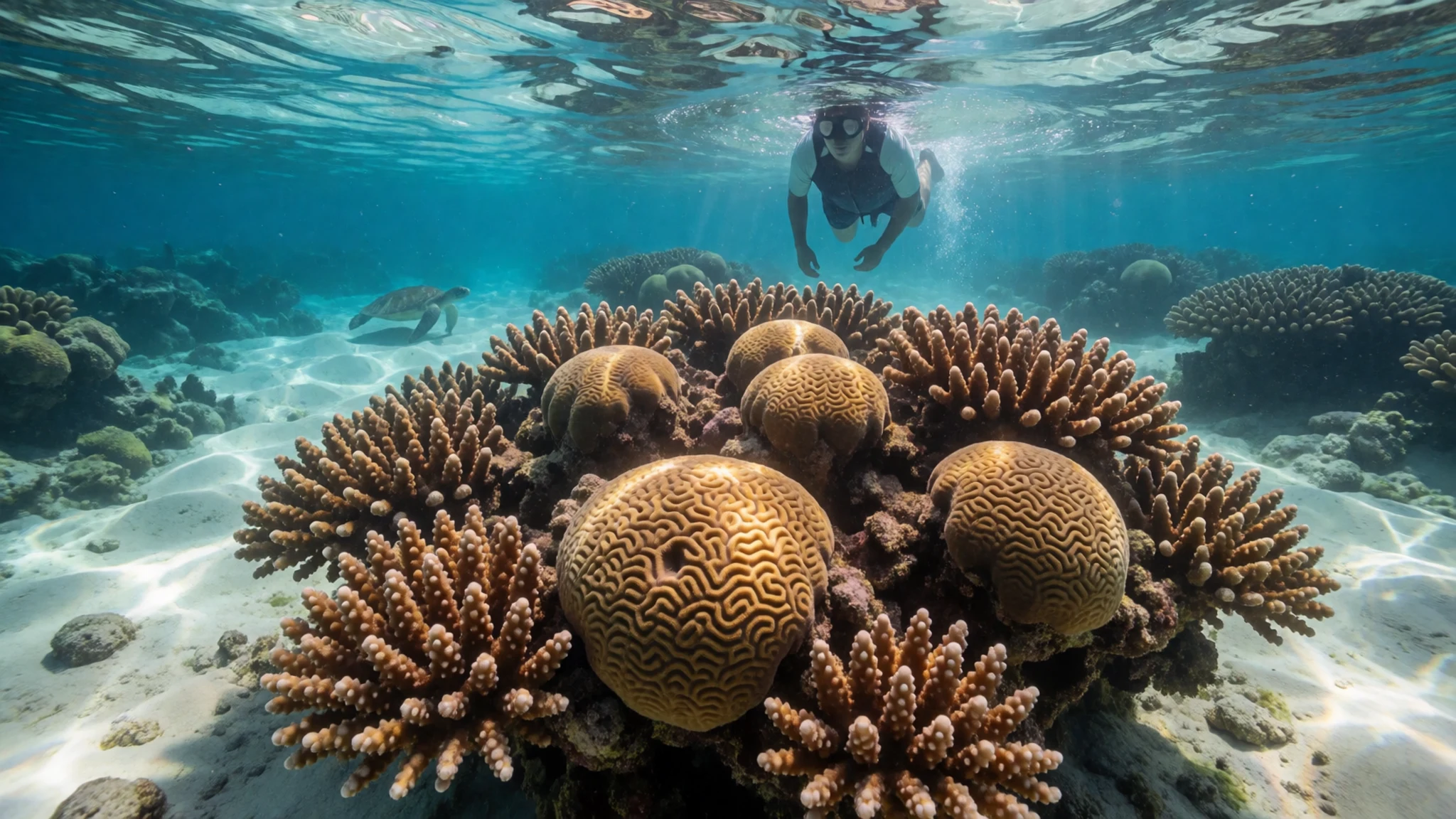
- Cerro de Punta viewpoint — Caja de Muertos, upland trails
From the island's higher ground, the mainland mountains rise in layers behind Ponce, and Cerro de Punta can be picked out among them on a clear morning. It is a good place to understand how close, yet how separate, the island is from the busy coast.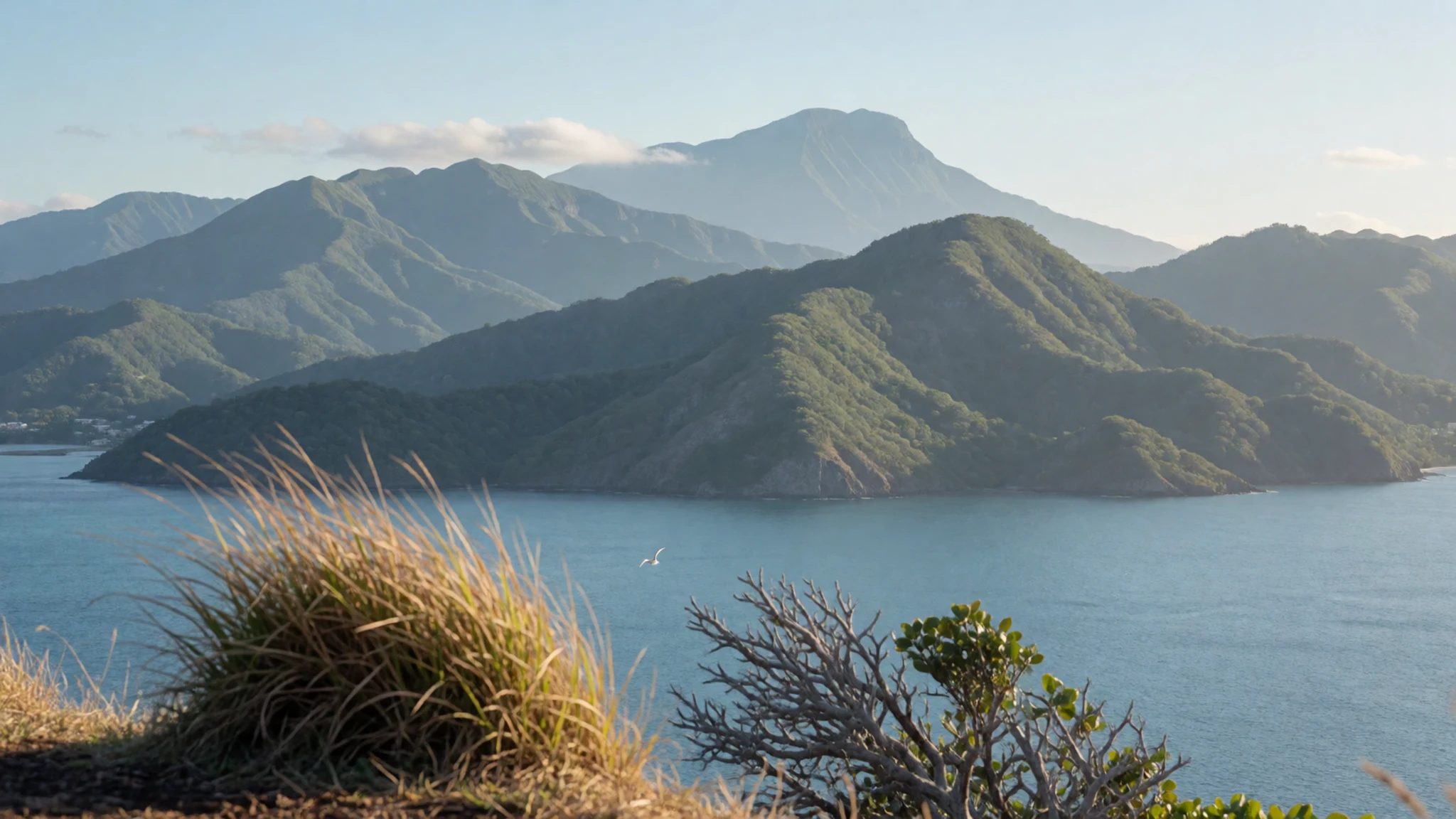
- La Guancha boardwalk and Ponce square — Ponce Playa and central Ponce
Most trips start at the La Guancha boardwalk in Ponce Playa, a breezy seafront strip for waiting, snacking and watching boats. Back in the city, Plaza las Delicias is ringed by the red-and-black striped Parque de Bombas, City Hall and the cathedral, all within an easy walk.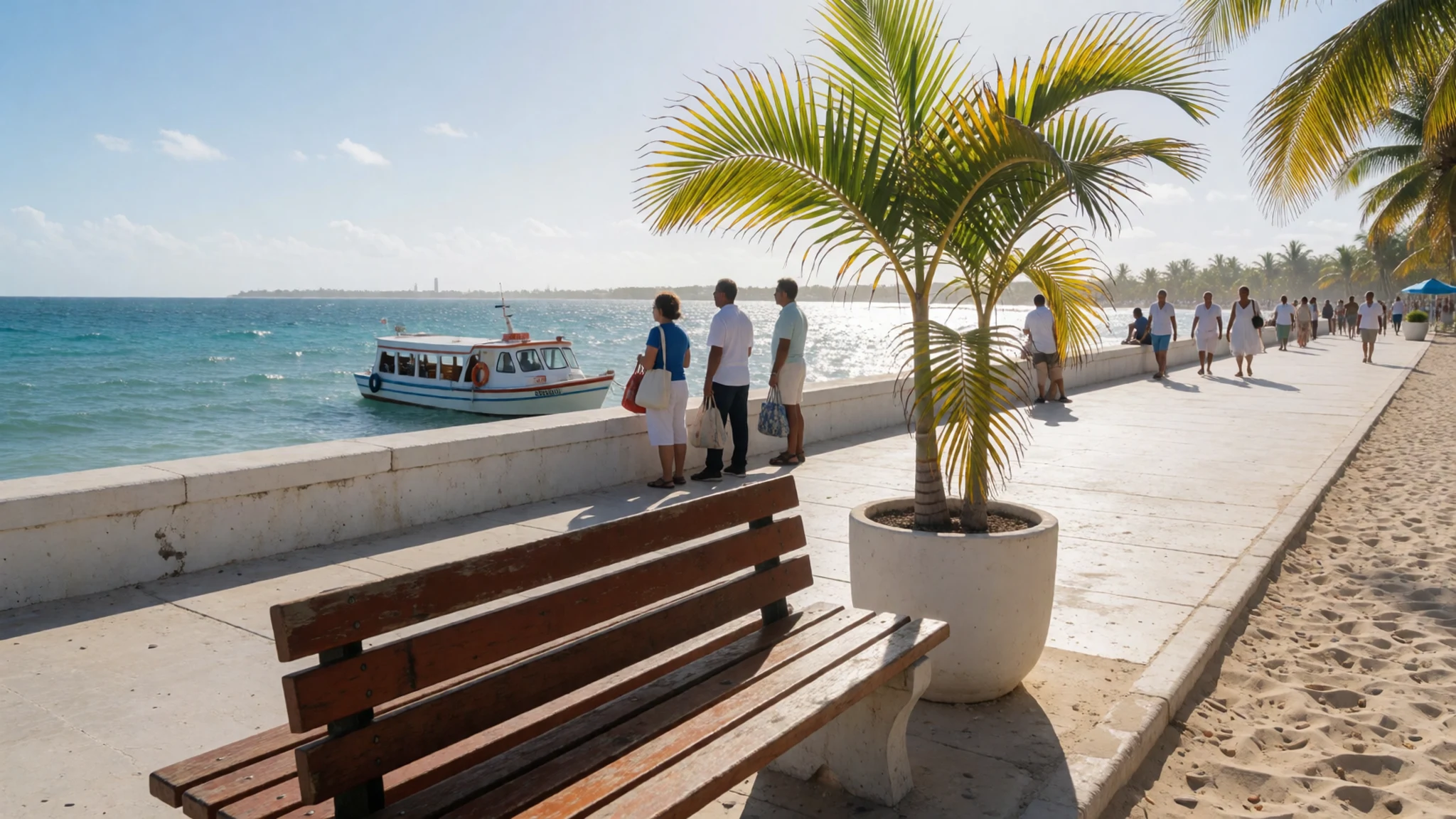
Culture
Caja de Muertos belongs to Ponce, and its culture is really that of southern Puerto Rico: Spanish-speaking, music-loving and proud of its city. Ponce sees itself as distinct from San Juan, with a slower pace and a strong sense of its own history, and the streets around the main square are where that shows. Weekend trips to the island are often family affairs, with coolers, folding chairs, music from small speakers and a long lunch in the shade. Taíno heritage lingers in place names and in the stone art found on the island, while Spanish colonial, African and later influences shape the music, food and religion of the coast. Ponce has a museum devoted to Puerto Rican music, open by arrangement, and live bomba, plena and salsa turn up in plazas and bars on festival days. The island's own story of pirates, patriots and secret meetings is told with some relish by local guides. Visitors who greet people with a friendly buenos días, try a little Spanish and accept that things run on island time are usually met with warmth. Please carry all your rubbish back to the mainland, keep to marked trails and never touch or disturb turtles or their nests.
What to wear
Caja de Muertos is a place for swimwear and sturdy sandals, but Puerto Rico has dress traditions that appear in Ponce on festival days. The best known is the guayabera, a loose cotton or linen shirt with pockets and pleats, worn at celebrations and smart-casual occasions. Rural, or jíbaro, tradition adds the straw pava hat, and dancers of bomba and plena wear full, ruffled cotton skirts in bright colours with headwraps. Mundillo, a bobbin lace, is the island's best-known textile craft. Day to day, locals dress for the heat: shorts, light cotton tops, flip-flops, caps and rash vests, with something cleaner for an evening in Ponce. Visitors heading to the island should bring a long-sleeved sun shirt or rash vest, a wide-brimmed hat, reef-safe sunscreen and water shoes or sturdy sandals. For the lighthouse trail and the dry forest, closed shoes with good grip are better, as the ground is rocky and dusty. Pack dry clothes for the ferry back, since boat spray and wet swimwear get cold in a breeze. In Ponce's cathedral and other churches, covered shoulders and knees are the polite choice.
What to eat
- Mofongo — Seafront eateries around La Guancha and Ponce Playa
Mofongo is fried green plantain mashed with garlic and oil, usually shaped into a mound and topped or stuffed with seafood, chicken or pork. It is filling, so it suits a late lunch after the ferry rather than a snack before it.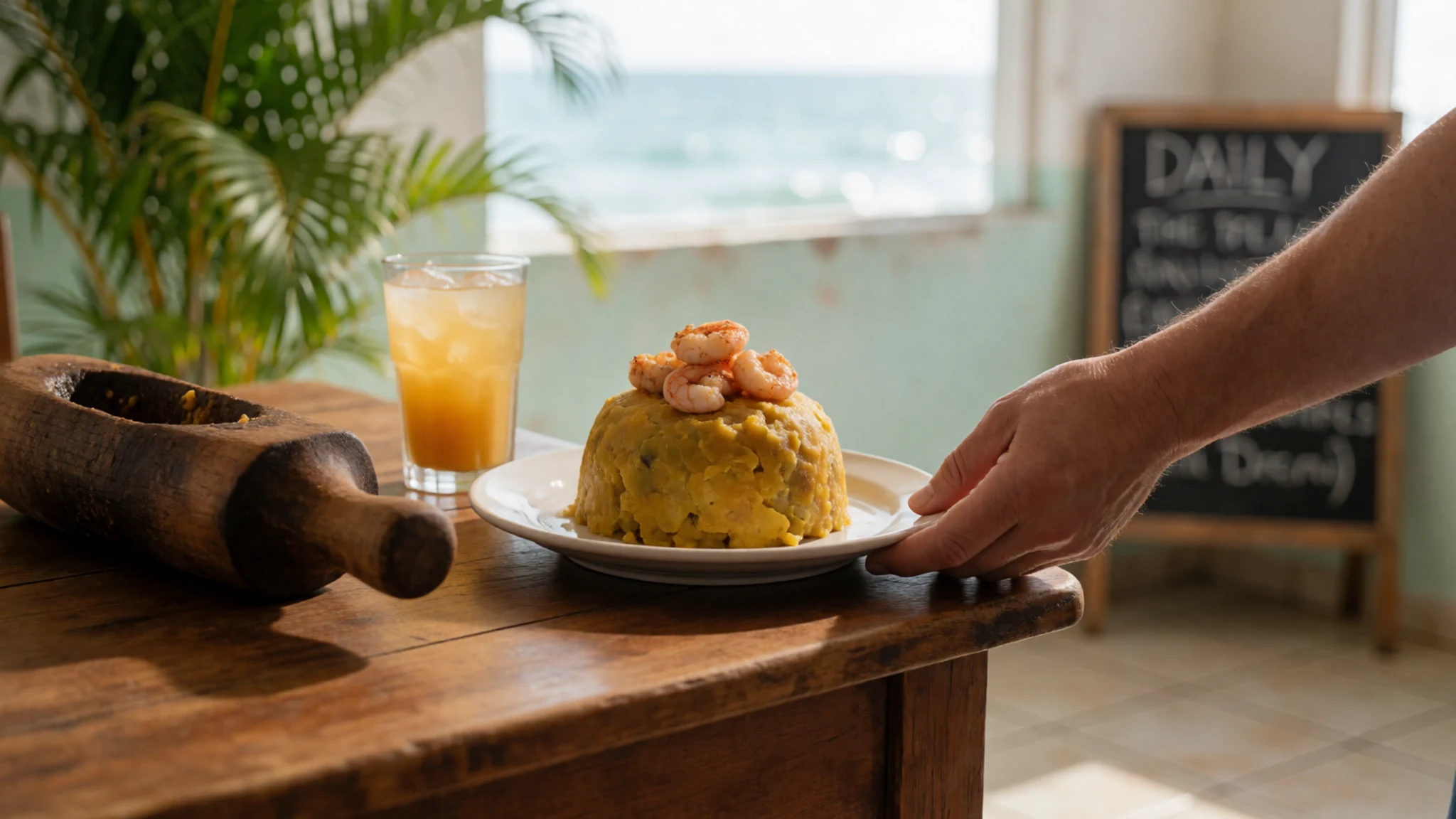
- Pescado frito with tostones — Fish restaurants along the Ponce waterfront
Whole fried fish with twice-fried plantain slices is the classic coastal plate in the south. The fish is crisp outside and soft within, and the tostones come with garlic sauce for dipping. Ask what was landed that day.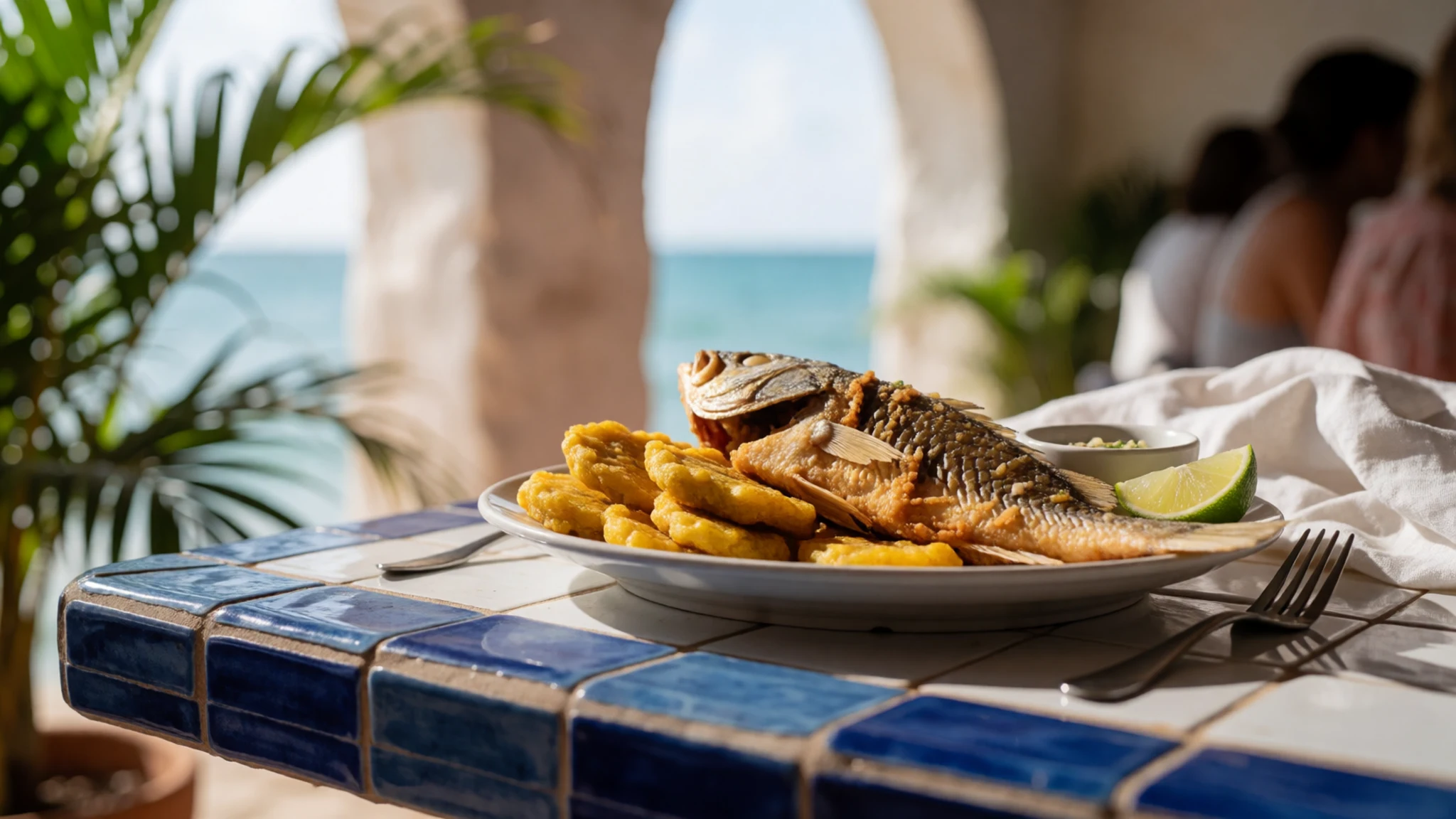
- Alcapurrias and pastelillos — Roadside kiosks and bakeries in and around Ponce
These fried snacks are easy to carry for a beach day. Alcapurrias are fritters of grated root vegetable and plantain with a meat filling; pastelillos are crisp turnovers with cheese, beef or seafood. Eat them the same day, before the heat gets to them. - Arroz con gandules — Family-run lunch counters and local restaurants in central Ponce
Rice cooked with pigeon peas, sofrito and pork is the everyday side dish of Puerto Rico, often served at family gatherings and holidays. It is savoury, lightly herbal and usually comes next to roast pork or chicken. - Hand-made ice cream — Ice-cream parlours around Plaza las Delicias
Ponce has a long habit of ice-cream parlours, with tropical flavours such as coconut, guava and passion fruit. A scoop in the shade of the main square is the usual reward after a hot day on the island.
Plan it
Best time. January to March is the driest stretch on the south coast, with sunshine, lighter swell and good snorkelling visibility. September is the hottest month, and hurricane season runs roughly June to November, when ferries can be cancelled at short notice.
How long. 2–3
Getting there. Fly to Mercedita Airport in Ponce, or to Luis Muñoz Marín International Airport in San Juan and drive south on the main expressway to Ponce, about an hour and a quarter. For the island, take the ferry from the La Guancha boardwalk area in Ponce Playa; check the current operator and timetable before you travel.
Budget. mid
Tips
- Book the ferry or a guided snorkelling trip ahead for weekends and holidays, and check the latest schedule locally.
- Go on a weekday if you can; the accessible beaches are far quieter than on Saturday and Sunday.
- Carry all the drinking water, food and shade you need, and take rubbish back with you.
- Walk the lighthouse trail early, before the heat peaks, and wear closed shoes with grip.
- Keep some cash for kiosks and small eateries in Ponce, though larger places take cards.
Etiquette
- Stay on marked trails and off dunes and vegetation.
- Do not touch, chase or crowd turtles, and keep clear of nesting areas.
- Take every piece of rubbish back to the mainland.
Nearby
Sources
- Wikidata Q82988 (CC0)
- Wikipedia — Caja de Muertos Island (CC BY-SA 4.0)
- Wikivoyage — Ponce (CC BY-SA 4.0)
- Photo: Isla Caja de Muertos, mirando hacia el Sureste — Tito Caraballo (CC BY-SA 2.0)
- Photo: Caja de Muertos from Schoenstatt Shrine Juana Díaz — Ligocsicnarf89 (CC BY 4.0)
- Photo: Topographic location map of Puerto Rico — GrandEscogriffe (CC BY-SA 4.0)
- Photo: Relief map of the Caribbean — Nzeemin (CC BY 3.0)
- Photo: Playa Larga, Caja de Muertos — Tito Caraballo (CC BY-SA 2.0)
- Photo: Cerro de Punta as seen from the Caja de Muertos — Roca Ruiz (CC BY-SA 2.0)
- Photo: Ponce - Caja de Muertos (postcard) — T. E. Phipps (Public domain)


Wildlife
- Hawksbill sea turtle (animal)
The hawksbill is a sea turtle in grave danger of vanishing, and the only living species in its own small group, found in warm tropical seas. At Caja de Muertos, the whole island and the water around it are protected as a reserve, partly for nesting turtles, so this is a good place to hope for one. The best season and hour are not recorded here, so ask locally. Keep well back, stay quiet, go with a guide, and never feed it.