Bruce Peninsula
Bruce Peninsula, Canada
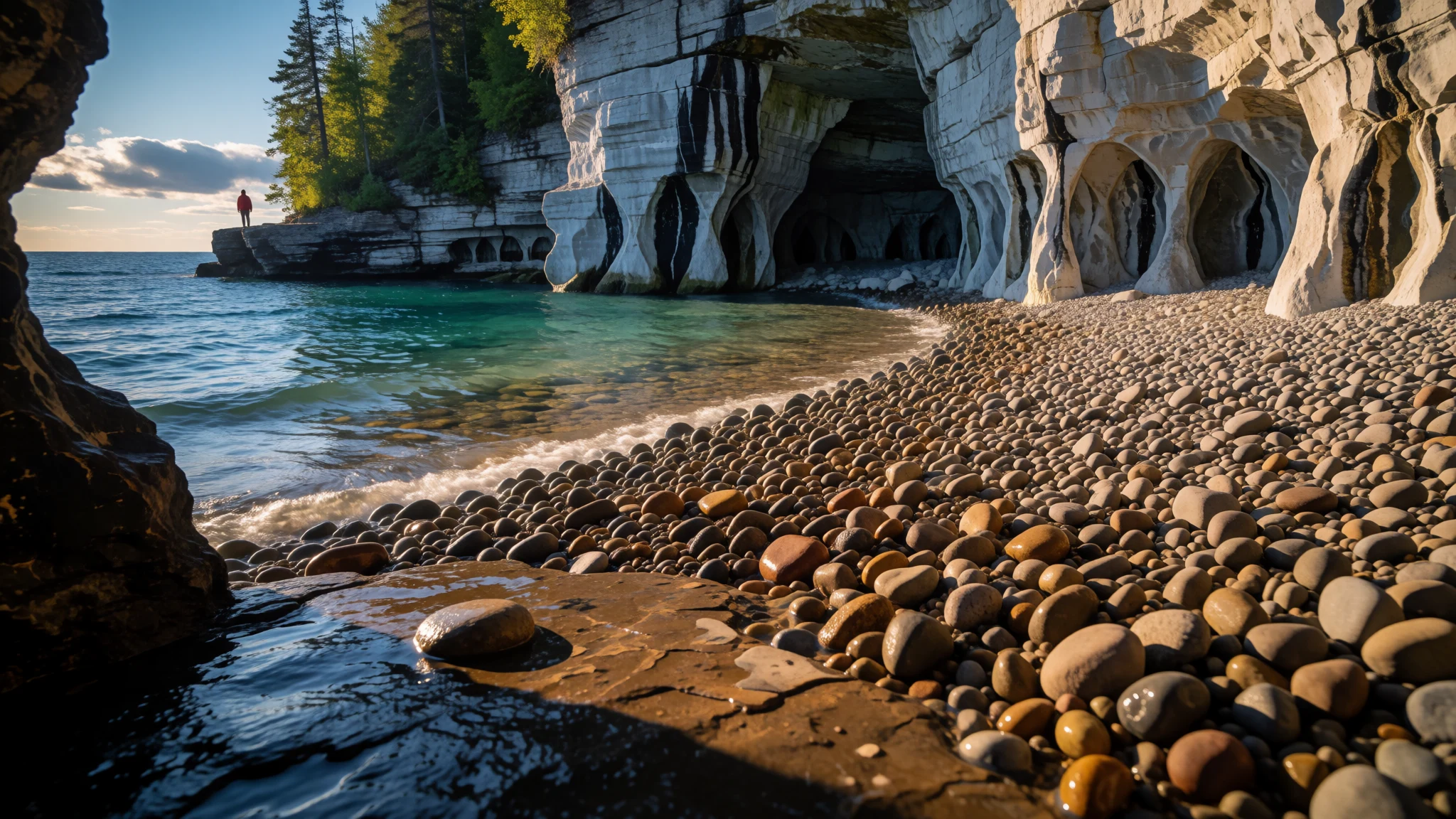
Bruce Peninsula National Park sets clear blue Georgian Bay water and rock cliffs at the tip of a long Ontario peninsula.
The place
Bruce Peninsula National Park sits at the northern end of the Bruce Peninsula in Ontario, where a long finger of land pushes into Lake Huron and separates it from Georgian Bay. The park covers 156 square kilometres and lies on the Niagara Escarpment, a ridge of old rock that arcs from western New York through Tobermory and the islands of northern Lake Huron, then round Lake Michigan through Wisconsin to end northwest of Chicago. On the peninsula the ridge runs down the middle of the land, and its exposed edge is what makes the cliffs along the Georgian Bay shore.
The terrain is more varied than a first look suggests. The shoreline alternates between cobblestone beaches, bare rock ledges and small coves where the water is clear enough to show every stone on the bottom. Inland there is a patchwork of forest, wetland and karst, the pitted rock landscape where water has carved hollows and caves. Trails run from easy strolls to hard scrambles over boulders, and the park connects to the long-distance Bruce Trail.
Wildlife includes black bear, many kinds of birds, wild orchids and the massasauga rattlesnake, a shy animal worth knowing about before anyone leaves the path. The park is open all year, though services are limited outside the main season. Tobermory, the village at the peninsula's tip, is the practical base and home to the visitor centre. The surrounding lakes soften the climate, so autumn lingers and spring arrives late. Many people come for a day; others camp beside Cyprus Lake and walk out to the shore each morning.
Its story
Bruce Peninsula National Park rests on rock with a very long history. About 400 million years ago this region lay under a shallow, warm sea full of corals, shellfish and other soft-bodied creatures, a scene comparable to a tropical reef today. As that sea shrank, the minerals left behind grew more concentrated, and over immense stretches of time the sediments hardened into the escarpment. Much later, ice and meltwater carved it into cliffs, caves and cobble shores.
Long before it was a park, the peninsula was home to Anishinaabe peoples, and their presence here is far older than any national boundary. Canada established the national park in 1987 with the stated aim of protecting the rock formations and the shoreline. Just offshore at Tobermory, a separate marine park, Fathom Five, protects the waters and islands, and the two are often visited together.
The park's remote location and low light pollution mean that the night sky stays properly dark. It is one of only a few places in southern Ontario where the Milky Way is easy to see. In 2011 the park featured in the National Parks Project, a film series in which pairs of filmmakers and musicians each took on a different park; the Bruce Peninsula film was directed by Daniel Cockburn.
Today the story is one of balance: very popular beaches and cliff paths on one side, fragile orchids and thin soils on the other. That is why access to the busiest spots is managed through reservations and limits, which change from year to year.
What to see
- The Grotto — Georgian Bay shore, near Cyprus Lake
A sea cave on the Georgian Bay shore where waves have hollowed the base of the cliff. Inside is a pool of bright blue water, lit through an opening to the bay. It is the park's best-known stop and gets crowded on summer days, so early mornings or shoulder-season weekdays are calmer. The rock is slippery when wet.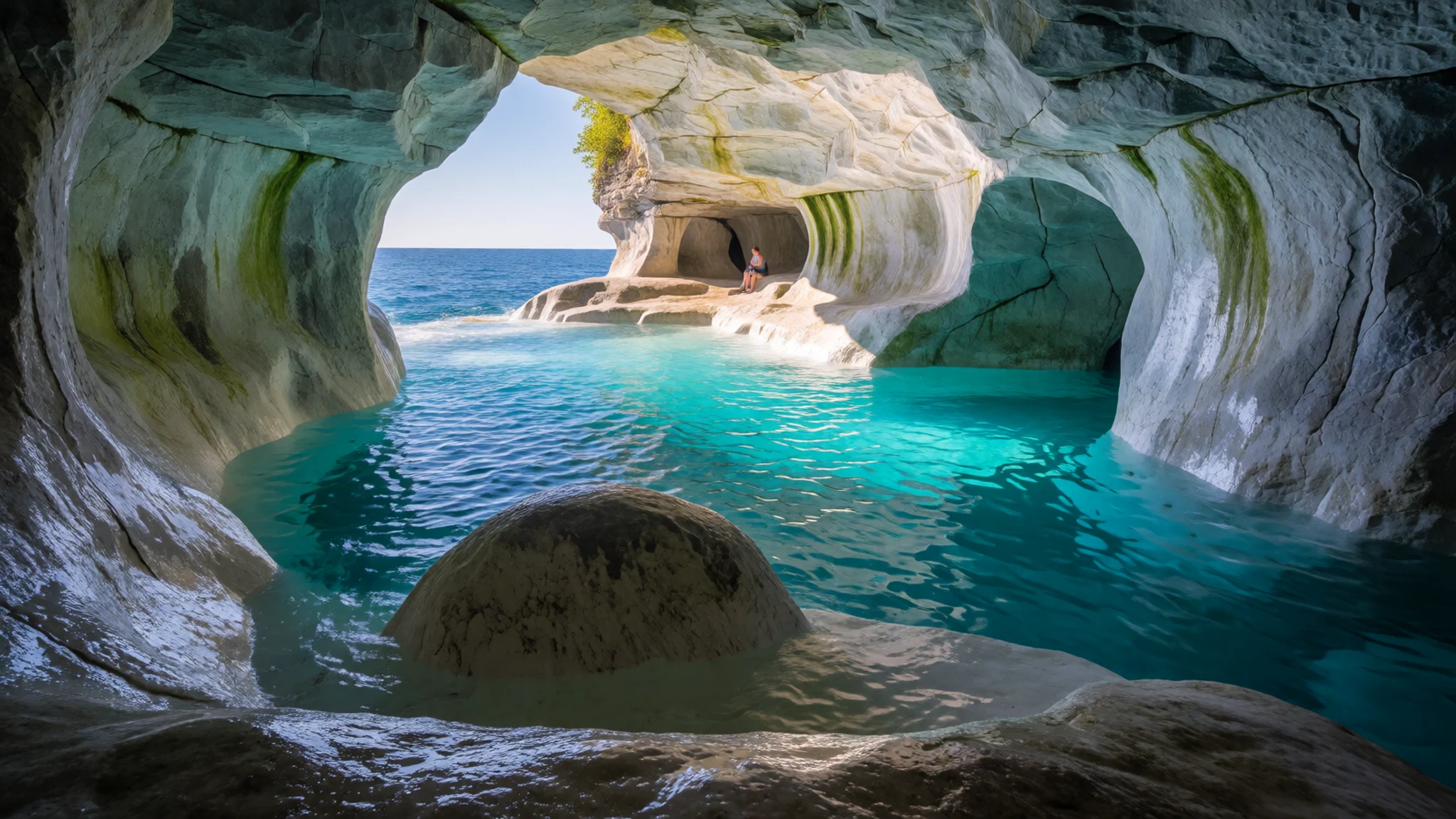
- Indian Head Cove — Georgian Bay shore, near the Grotto
A cobble beach beneath tall rock cliffs, reached on foot along the shoreline trail near the Grotto. The water is shallow, clear and cold, and the cove is usually quieter than its famous neighbour. Sturdy shoes matter more than swimwear here, because the stones are round, loose and uneven underfoot.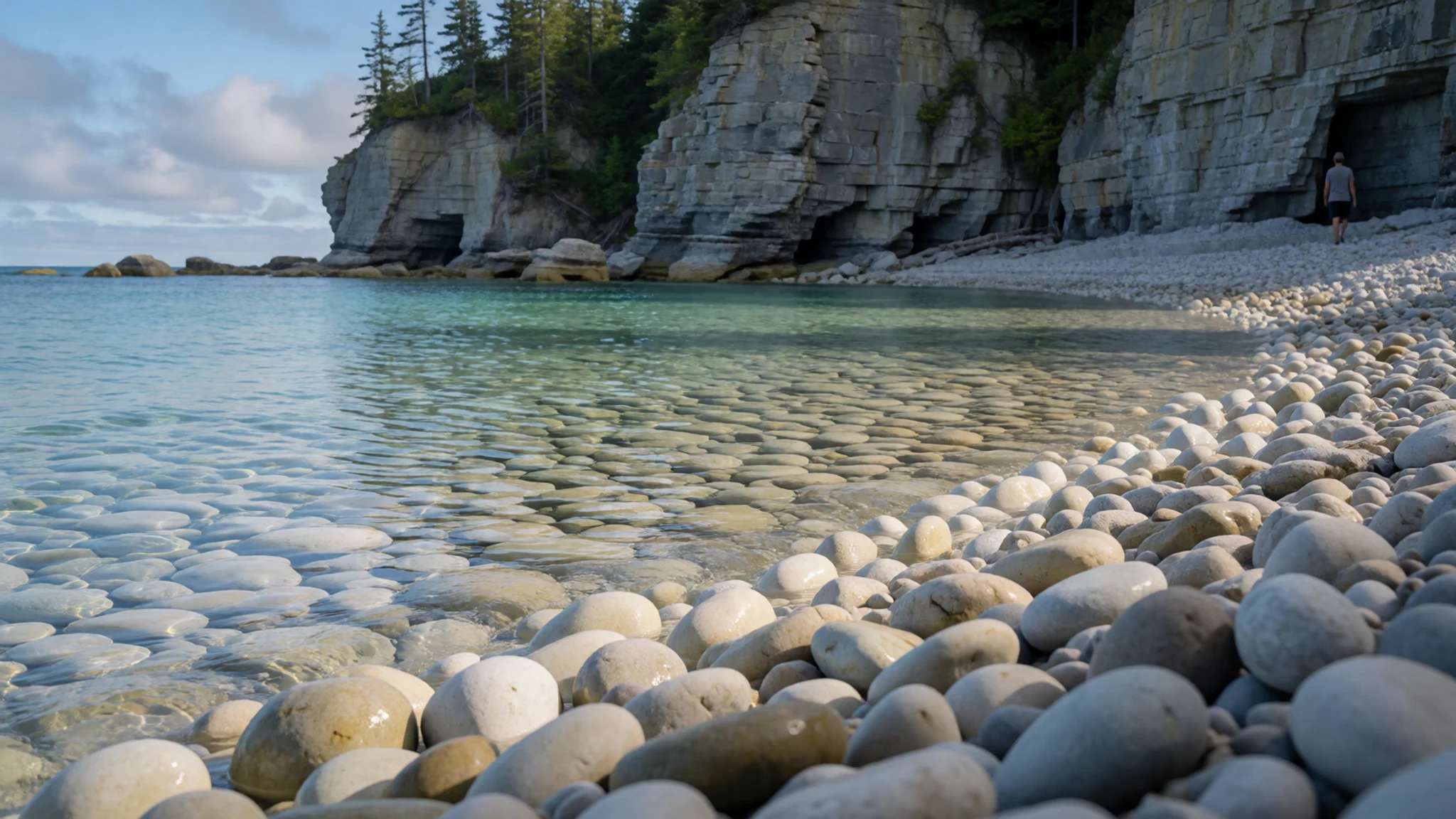
- Georgian Bay shoreline and Fathom Five views — Georgian Bay side of the park
Along the open shore, flat ledges of pale rock slope into water that shifts from green to deep blue. On clear days the low islands of Fathom Five National Marine Park show offshore. It is a good place to sit for an hour, watch the light change and eat lunch away from the busiest paths.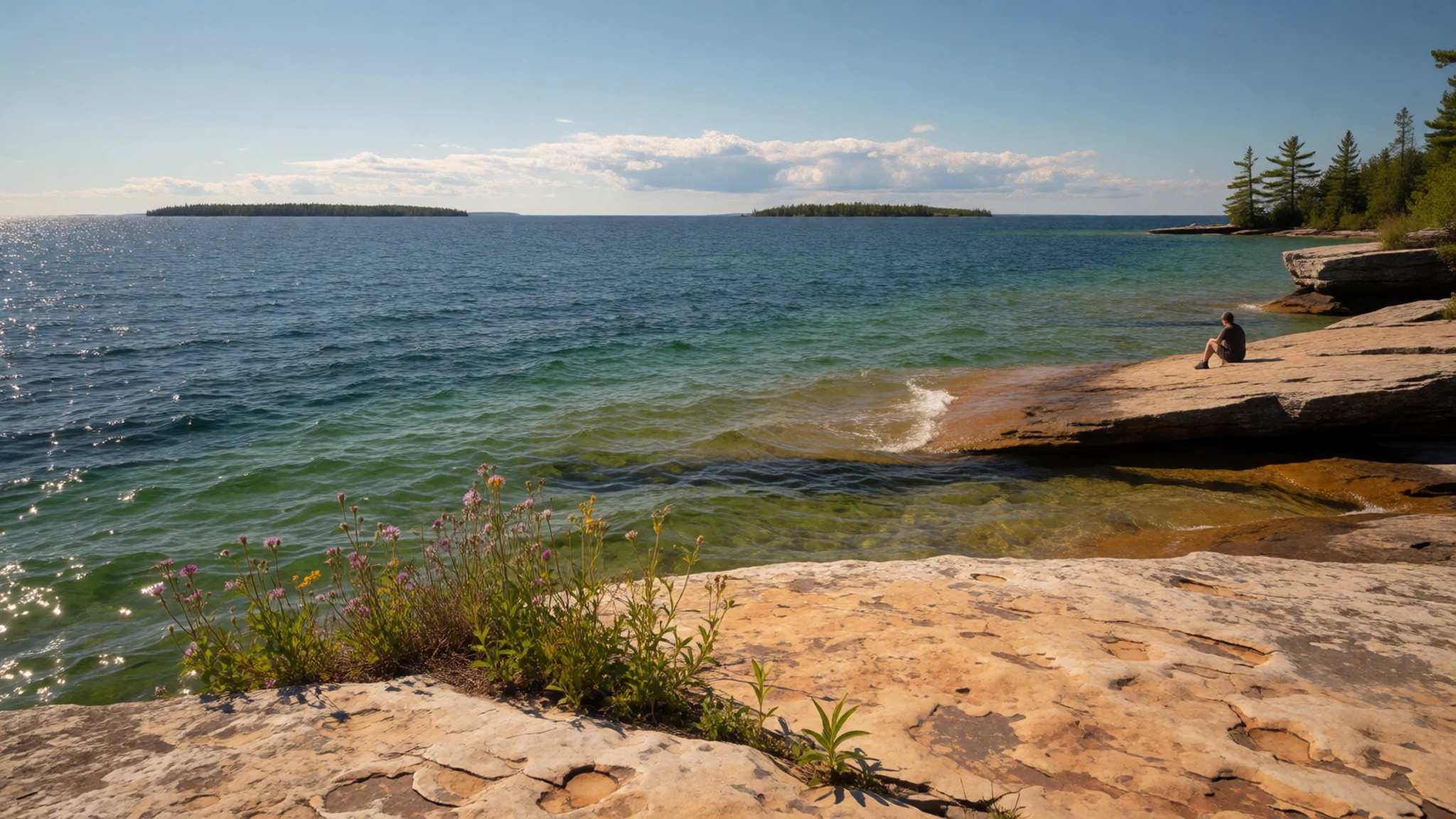
- Bruce Trail cliff paths — Escarpment shoreline trails
The park joins the Bruce Trail, which follows the escarpment edge for long distances. Short sections here run across rock ledges above the water, with views over the bay and cedar-lined overhangs. The footing is uneven, and the drops are real, so keep well back from edges and watch children closely.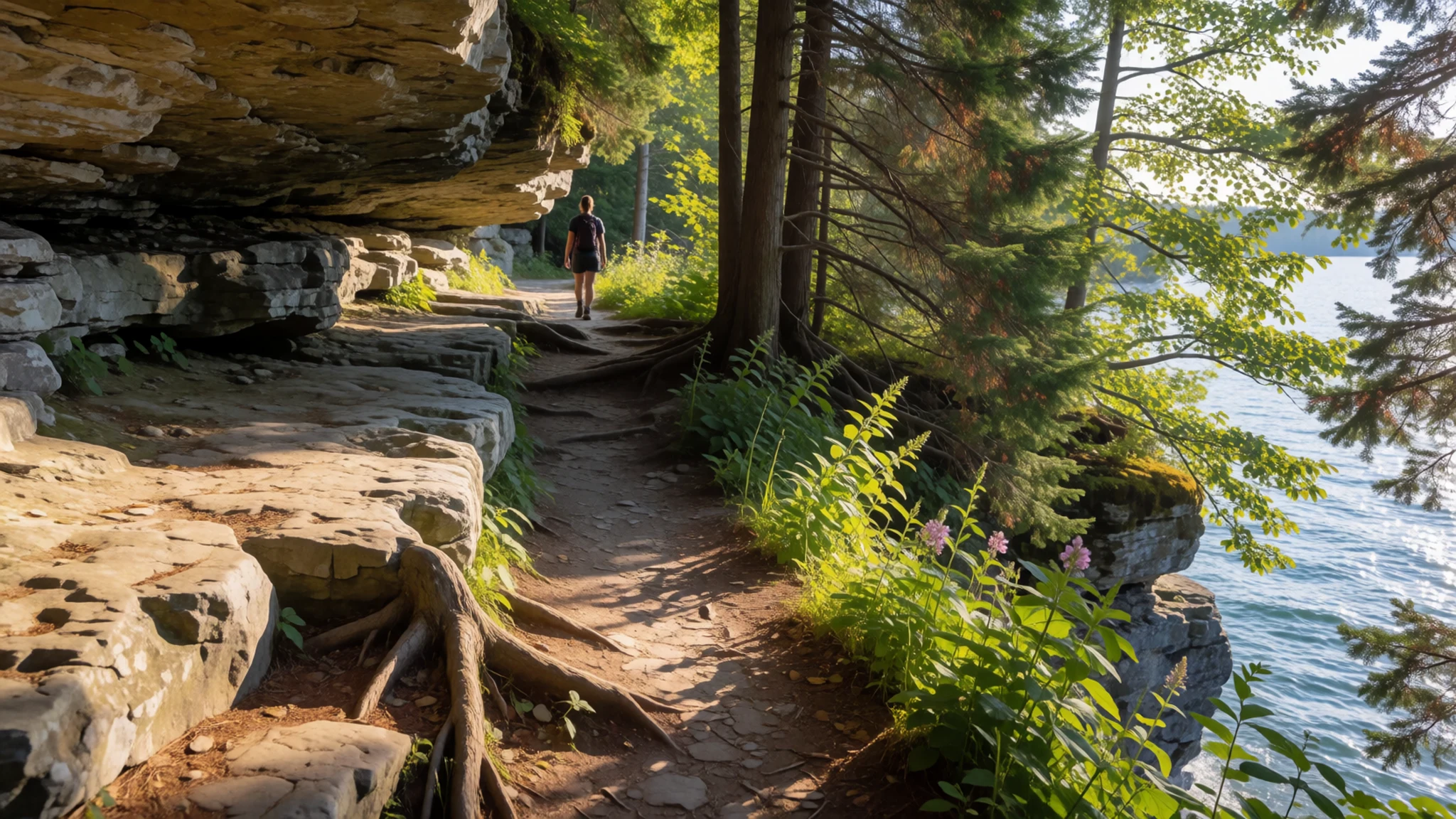
- Cyprus Lake — Cyprus Lake campground
The park's main camping area sits beside this clear inland lake, and it is the usual starting point for trails to the shore. Ten yurts stand along its edge, each furnished with beds and a woodstove, and they are popular enough that reservations are required. Swimming here is gentler than in the bay.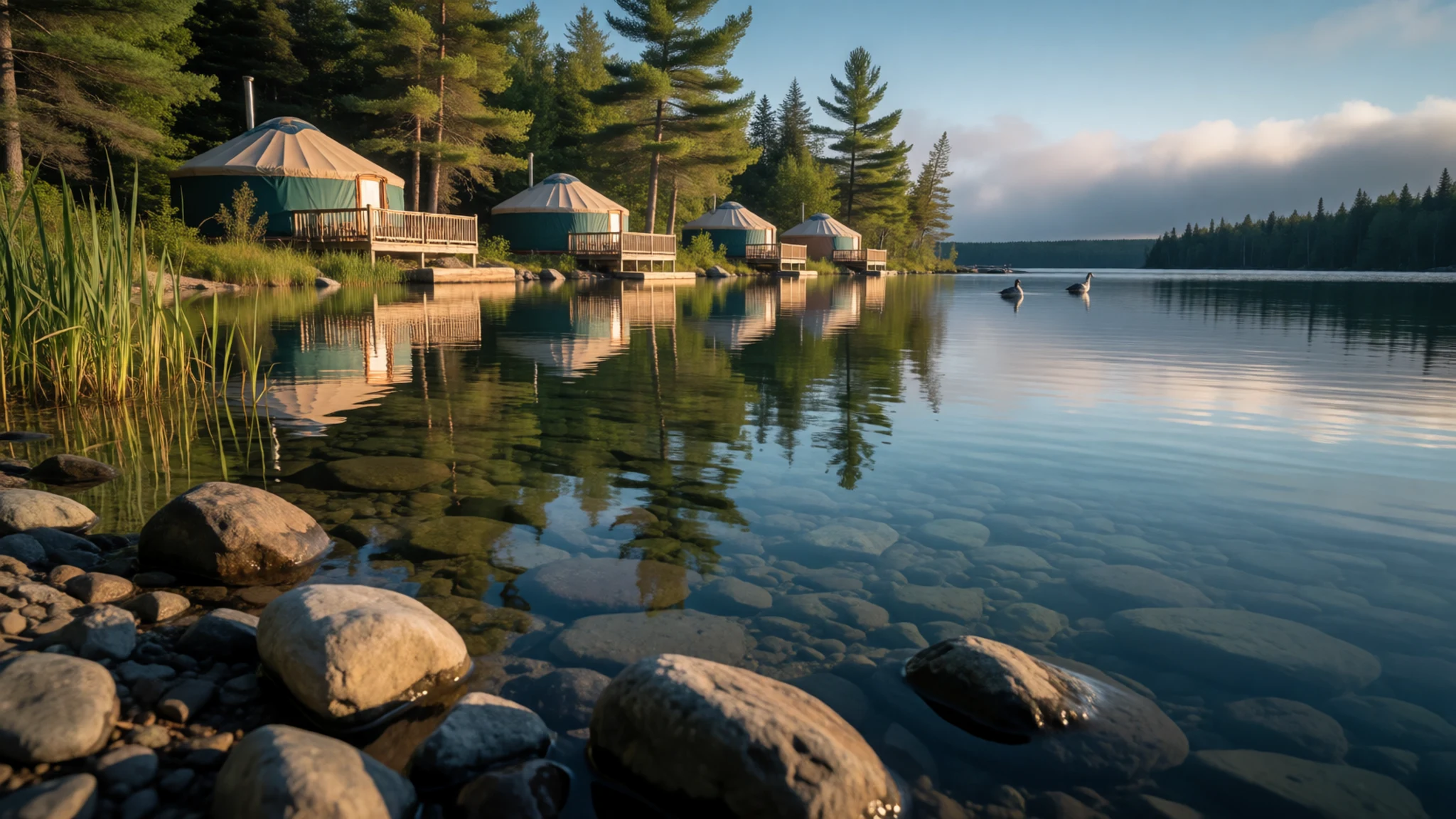
- Tobermory visitor centre and lookout tower — Tobermory
The visitor centre in Tobermory has exhibits, including a 3D display on Fathom Five, and a theatre showing the park film Life on the Edge. A 20 m lookout tower gives views over Georgian Bay, and trails lead to the water. Opening hours change by season, so check the official site.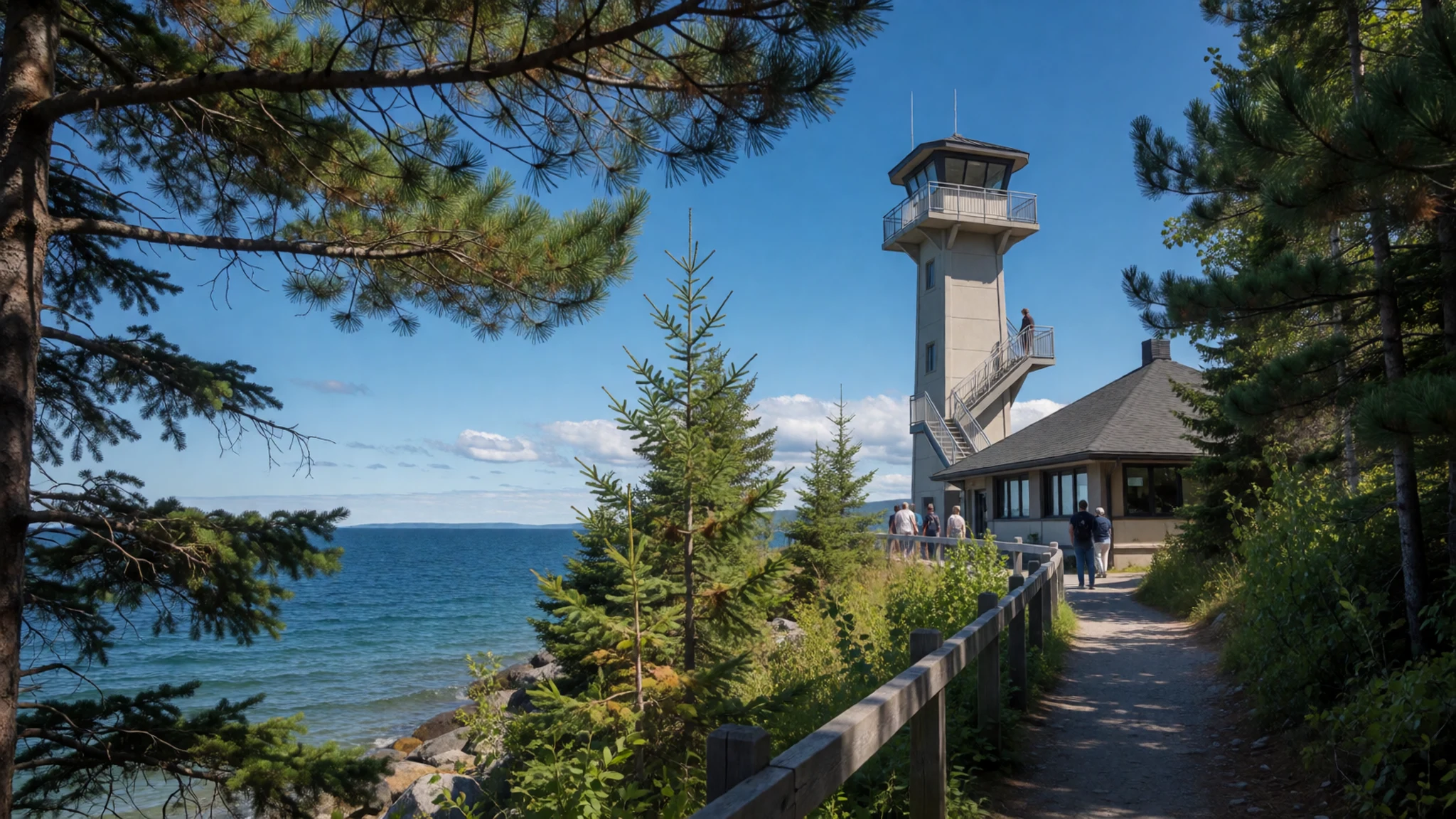
Culture
Bruce Peninsula National Park sits on land that Anishinaabe peoples have lived on and cared for over many generations, and Parks Canada increasingly presents the place with that in mind. Visitors who read the interpretive panels at the visitor centre will find the local story is as much about people and stewardship as about rocks and water.
The prevailing outdoor culture is practical and low-key. Hikers greet each other on the trail, day trippers share the beaches with campers, and the Bruce Trail itself is maintained largely by volunteers. Tobermory has a strong diving community because of the shipwrecks and clear water offshore, and boat operators and dive shops set the tone of the village in summer. Evenings are quiet; once the day boats stop, people gather at campfires, eateries and the harbour.
A few local habits are worth following. The night sky is very dark, so people use red or dimmed torches at night and keep campsite lights low. Wildlife is treated with distance: black bears are present, food is stored securely, and rattlesnakes are left alone and given room. Queues for popular spots, including the Grotto, form politely and are generally respected.
Stay on marked trails, keep back from the cliff edges, never pick the orchids, and carry all your rubbish out with you.
What to wear
Bruce Peninsula National Park lies in Anishinaabe territory, where traditional dress draws on hide, cloth and glass beads. Floral beadwork on moccasins, bags and clothing is a well-known Ojibwe tradition, and ribbon skirts and shirts, made of cotton with bands of coloured ribbon, are worn at ceremonies, powwows and community events rather than for everyday use. Visitors may see such dress at gatherings, and it is polite to ask before photographing it.
Everyday clothing in the area is outdoor and unfussy: fleece, waterproof jackets, hiking boots, flannel shirts, baseball caps and sandals with straps. In Tobermory, the harbour mixes divers in wetsuits, families in swimwear and anglers in waders, and nobody dresses up. There is no dress code at any site in the park.
For a visitor, footwear matters most. The shore is rock and loose cobble, and the limestone is slippery when wet, so choose shoes with grip and ankle support, and bring water shoes if swimming is planned. Layers suit the climate: summer is warm, but the bay water is cold and the breeze off it can be sharp, and spring and autumn can change from sunny to cold within a day. A hat, sun protection and insect repellent are sensible in summer. In winter, thermal layers, insulated boots and waterproofs are essential for snowshoeing and skiing. Modest dress is not required, but a dry towel and spare top for after swimming are useful.
What to eat
- Georgian Bay whitefish and chips — Harbourfront eateries in Tobermory
Freshwater whitefish, fried in a light batter and served with chips, is the standard meal after a day on the water. It is found at harbourfront eateries in Tobermory, where it is often cooked from locally caught fish when the season allows.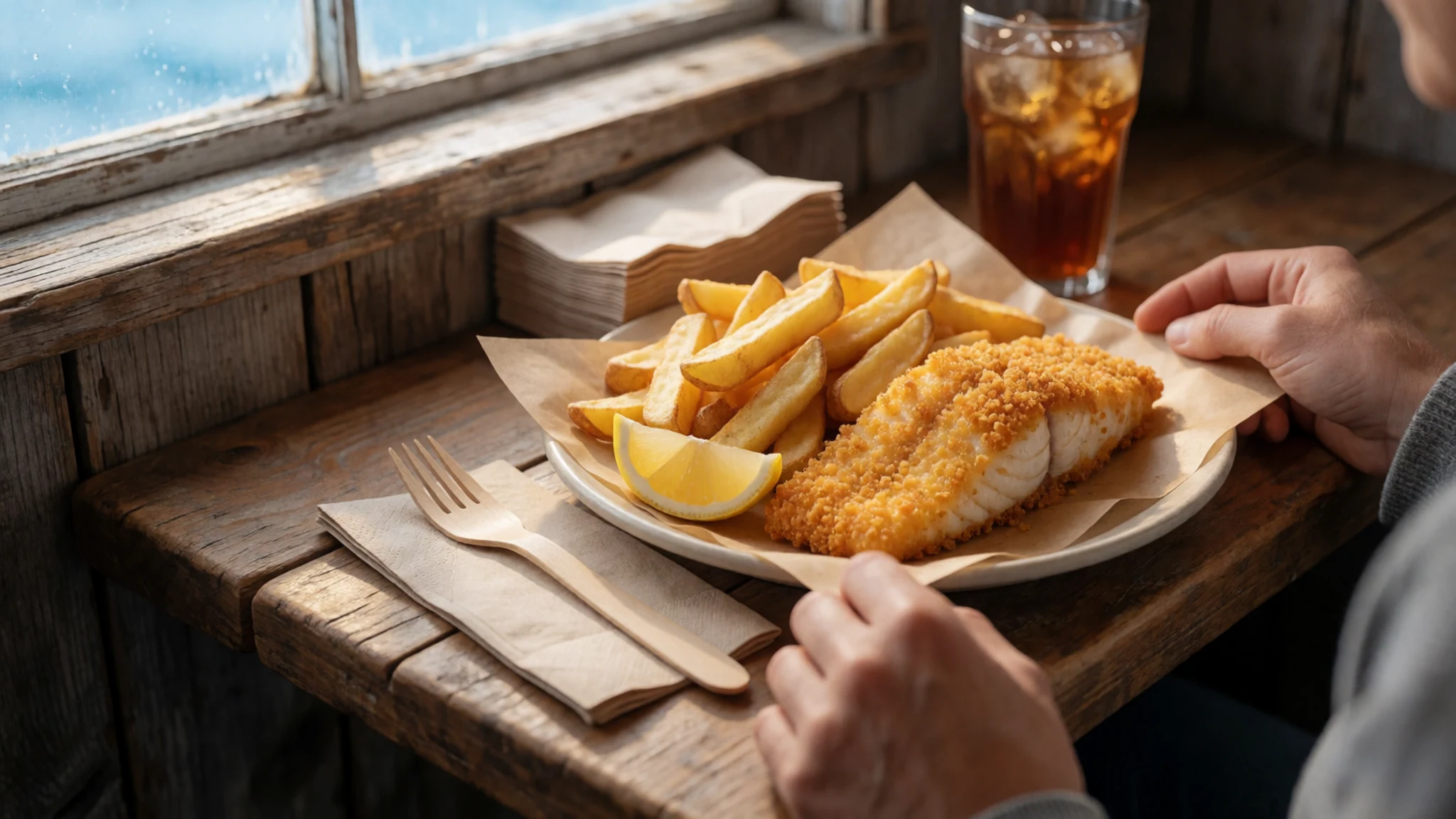
- Butter tarts — Village bakeries and roadside shops along Highway 6
A small pastry shell filled with a sticky mix of butter, sugar and egg, sometimes with raisins or pecans, is a classic Ontario treat. It travels well in a daypack, which is exactly why hikers buy it.
- Maple syrup products — Farm stands and village general stores
Maple syrup, maple sugar candy and maple butter come from the sugar bush season in late winter and early spring. Local jars make good gifts and are widely sold in small shops across the peninsula, usually under a regional label. - Fresh Ontario fruit and sweet corn — Roadside farm stands on the drive in
In summer, roadside stands sell peaches, berries and sweet corn grown in the surrounding farmland. They are cheap picnic food, best eaten the same day, and a good way to see the working countryside outside the park. - Campfire cooking and ice cream — Campsites, and ice cream shops in Tobermory
Many visitors cook over the fire at Cyprus Lake, with sausages, foil-wrapped vegetables and toasted marshmallows. After a hot hike, a cone from an ice cream shop is the other fixture, and queues build on warm afternoons.
Plan it
Best time. June to September for swimming and long daylight, although the bay water stays cold even in summer; July and August are the busiest. September and early October bring cooler air, thinner crowds and autumn colour. Summers average around 16.8 °C and winters around −6.7 °C, with about 900 mm of precipitation a year. Winter suits snowshoeing and cross-country skiing, but services are limited.
How long. 2–3
Getting there. Drive north from Toronto along Highway 6 to Tobermory; there is no rail service. Alternatively, the MS Chi-Cheemaun ferry runs from Manitoulin Island in spring, summer and autumn. Check the official site (https://www.pc.gc.ca/en/pn-np/on/bruce/index) for ferry and park access details.
Budget. mid
Tips
- Reserve parking, camping and yurts through Parks Canada well ahead for July and August
- Arrive early on summer mornings, because the Grotto area fills up first
- Bring food, water and a first-aid kit, because services in the park are limited, especially off-season
- Pack sturdy, grippy shoes for the rocks and cobbles, plus insect repellent
- Tune to 90.7 FM for the park's weather updates
Etiquette
- Keep to marked trails and well back from cliff edges
- Store food securely and give bears and snakes plenty of distance
- Keep lights low and noise down at night to protect the dark skies
Nearby
Sources
- Wikidata Q991459 (CC0)
- Wikipedia: Bruce Peninsula National Park (rev 1380956776) (CC BY-SA 4.0)
- Wikivoyage: Bruce Peninsula National Park (rev 5272497) (CC BY-SA 4.0)
- Photo: Cliffs at the Indian Head Cove, The Cosmonaut (CC BY-SA 2.5 ca)
- Photo: The Grotto, Brucegirl (CC BY 3.0)
- Photo: Physical location map of Ontario, NordNordWest (CC BY 3.0)
- Photo: The Bruce Peninsula National Park, The Grotto (Public domain)
- Photo: Inside the Grotto, VictoriardPC (CC BY-SA 4.0)
- Photo: A cliff on the Bruce Trail, Thrasher6670 (Public domain)
- Photo: Georgian Bay shore, Tango7174 (CC BY-SA 4.0)
- Photo: Georgian Bay shore and Fathom Five islands, Tango7174 (CC BY-SA 4.0)


Wildlife
- Black bear (animal)
The black bear is the smallest bear in North America, a woodland wanderer that eats almost anything, whatever the season offers. It is one of the Bruce Peninsula's wildlife, living mainly in forest but sometimes straying beyond the trees looking for a meal. Watch only from a good distance, keep quiet, and go with a guide if you can. Never feed a bear: those that find easy food near people may keep coming back.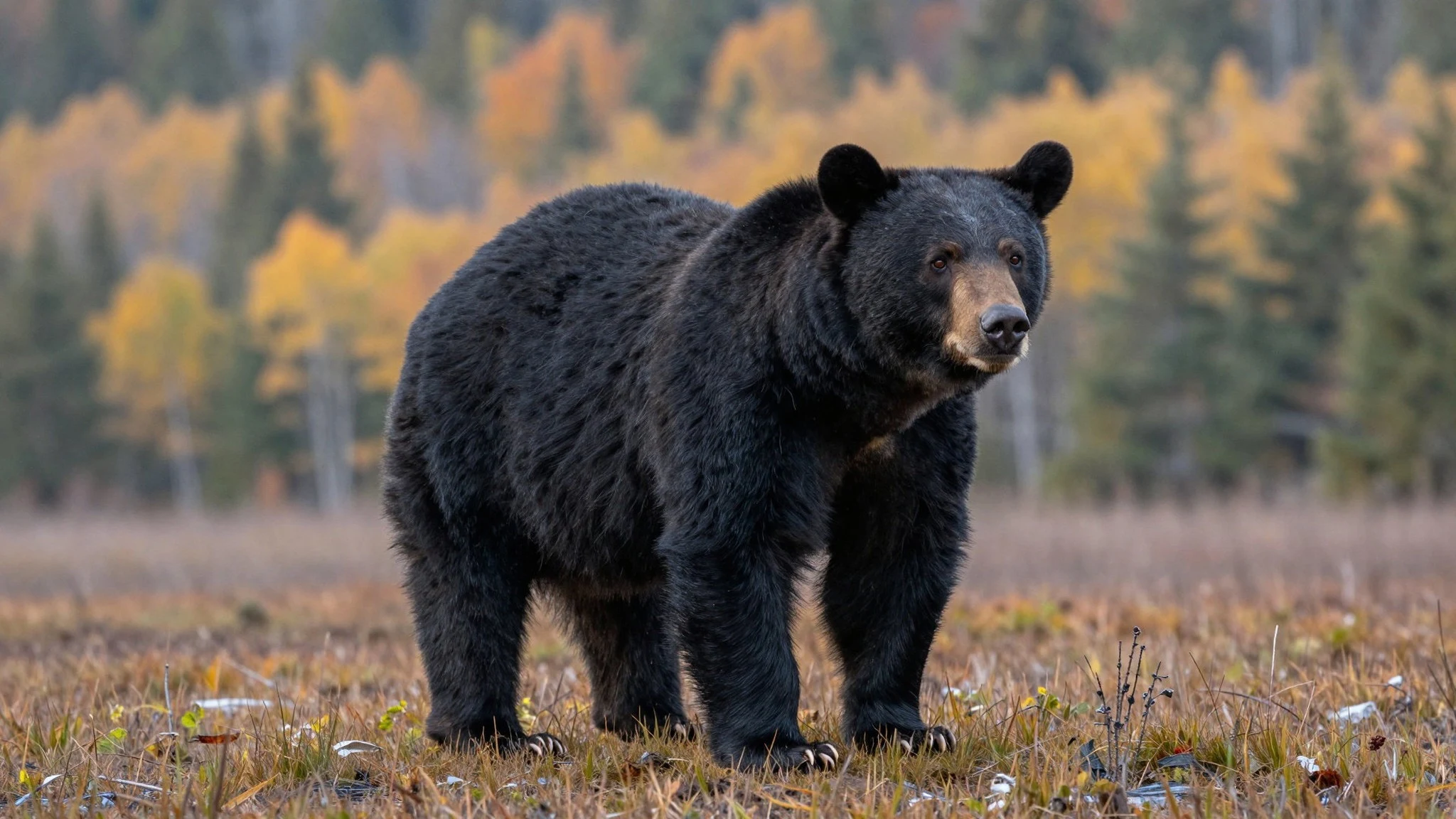
- Massasauga rattlesnake (animal)
The eastern massasauga is a shy rattlesnake, Ontario's sole venomous snake, so a child might remember it as the province's one snake with a venomous bite. It is among the Bruce Peninsula's wildlife, and a creature to learn about before you ever leave the path. Stay on the trail, look from a safe distance, move quietly, and ideally walk with a guide. Never touch it or try to feed it; leave it in peace.