Bioko
Bioko, Equatorial Guinea
Bioko is a volcanic rainforest island off Cameroon, with Spanish colonial streets in Malabo and turtle beaches in the far south.
The place
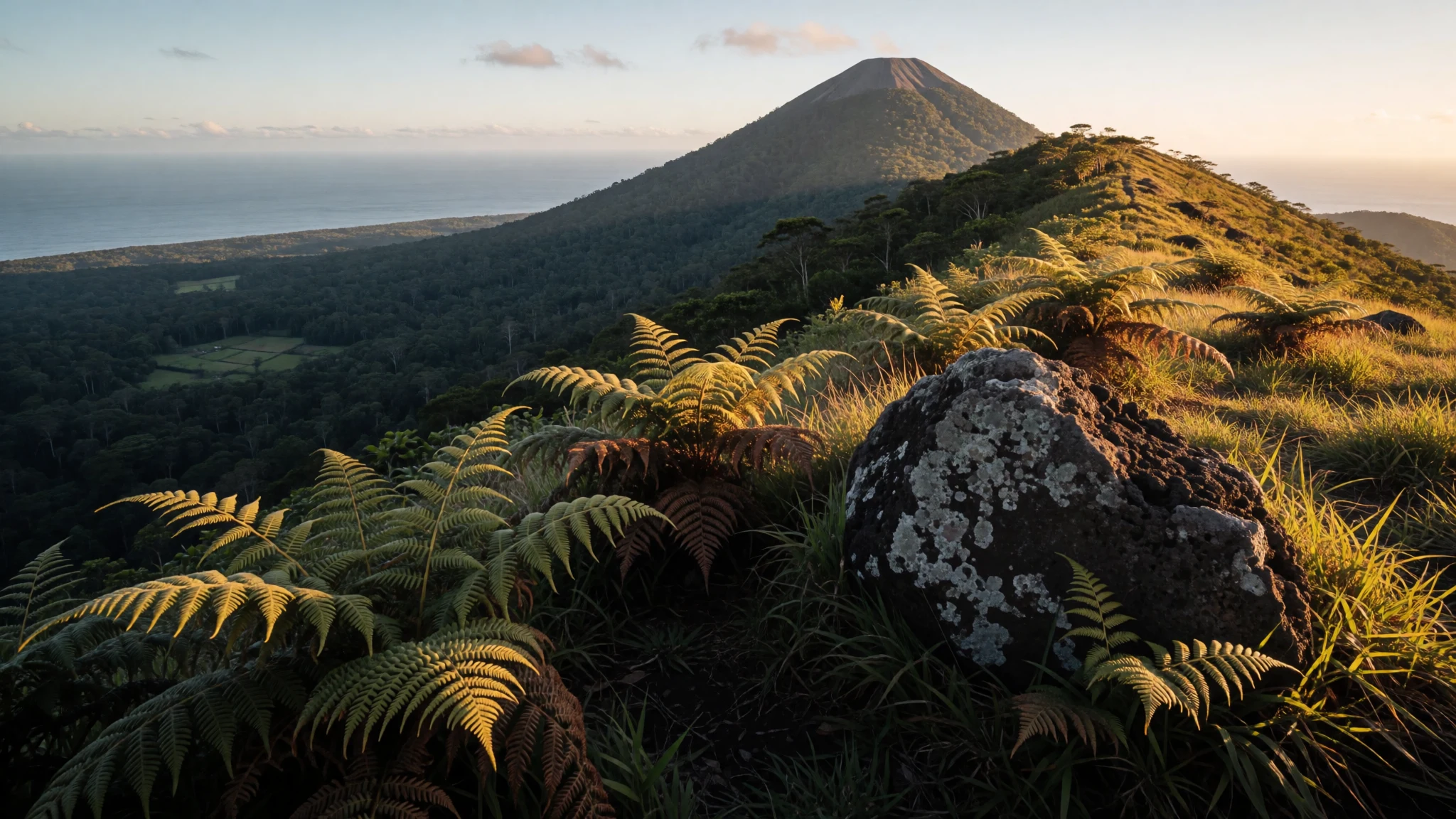
Bioko is the northern island of Equatorial Guinea, a volcanic landmass in the Gulf of Guinea, a short sea crossing from the coast of Cameroon and well apart from the mainland part of its own country. Malabo, on the north coast, is the former capital and the way in for almost every visitor. About 334,000 people live on the island, most of them in and around Malabo. Bioko is long and narrow, a ridge of old volcanoes under tropical rainforest, and its summit, Pico Basilé, reaches 3011 metres. That height shapes the weather. The north is moderately wet, while the far south, around Ureka, receives rainfall that ranks among the heaviest recorded on the continent, so the two ends of a small island can feel like different climates. The sea between Bioko and Cameroon is shallow, and the island was joined to the mainland during the Pleistocene. That explains why its forests hold mainland-type wildlife rather than the thin fauna of a truly oceanic island. A road loop connects the main towns of Malabo, Luba, Baney and Riaba, but much of the interior and the south is rough going with few facilities. Bioko is not a conventional beach holiday. It suits people who enjoy rainforest, colonial streets and long, unhurried journeys, and who accept that costs run high and paperwork moves slowly. The island rewards patience, a good raincoat and a flexible plan.
Its story
Bioko had people long before any European ship appeared. Bantu-speaking settlers from the mainland arrived many centuries earlier and became the Bubi, who still speak a Bantu language and whose name for the island is Ëtulá a Ëri. In 1472 the Portuguese navigator Fernão do Pó sighted it and called it Formosa Flora, a name meaning beautiful flower. By 1494 it carried his own name, Fernando Pó, as a Portuguese claim. Portugal put sugar plantations on the island, and for a short while its sugar reached European markets even though the quality was poor. The Dutch then set up trading bases without Portuguese consent and used the island for the slave trade across the Gulf of Guinea, and the Portuguese answered with a rival slaving company of their own. As enslavement grew, Bubi clans left the exposed coast and moved into the safer interior, where chiefs began building the core of a kingdom. Molambo is remembered among those leaders. In 1778, under the Treaty of El Pardo, Portugal handed Fernando Po, Annobón and the Río Muni coast to Spain in exchange for land in the Americas, and those territories later became modern Equatorial Guinea. Spain sent an expedition under the Conde de Argelejos, which stayed only a few months. Spanish colonial architecture in Malabo is the visible legacy of the long period that followed.
What to see
- Old town of Malabo — Malabo, north coast
Malabo's historic quarter is the easiest place to read the island's Spanish past, with colonial-style buildings, a Catholic church and a view over the harbour. Walk it in the cooler early morning, carry a copy of your passport, and ask before photographing anything official.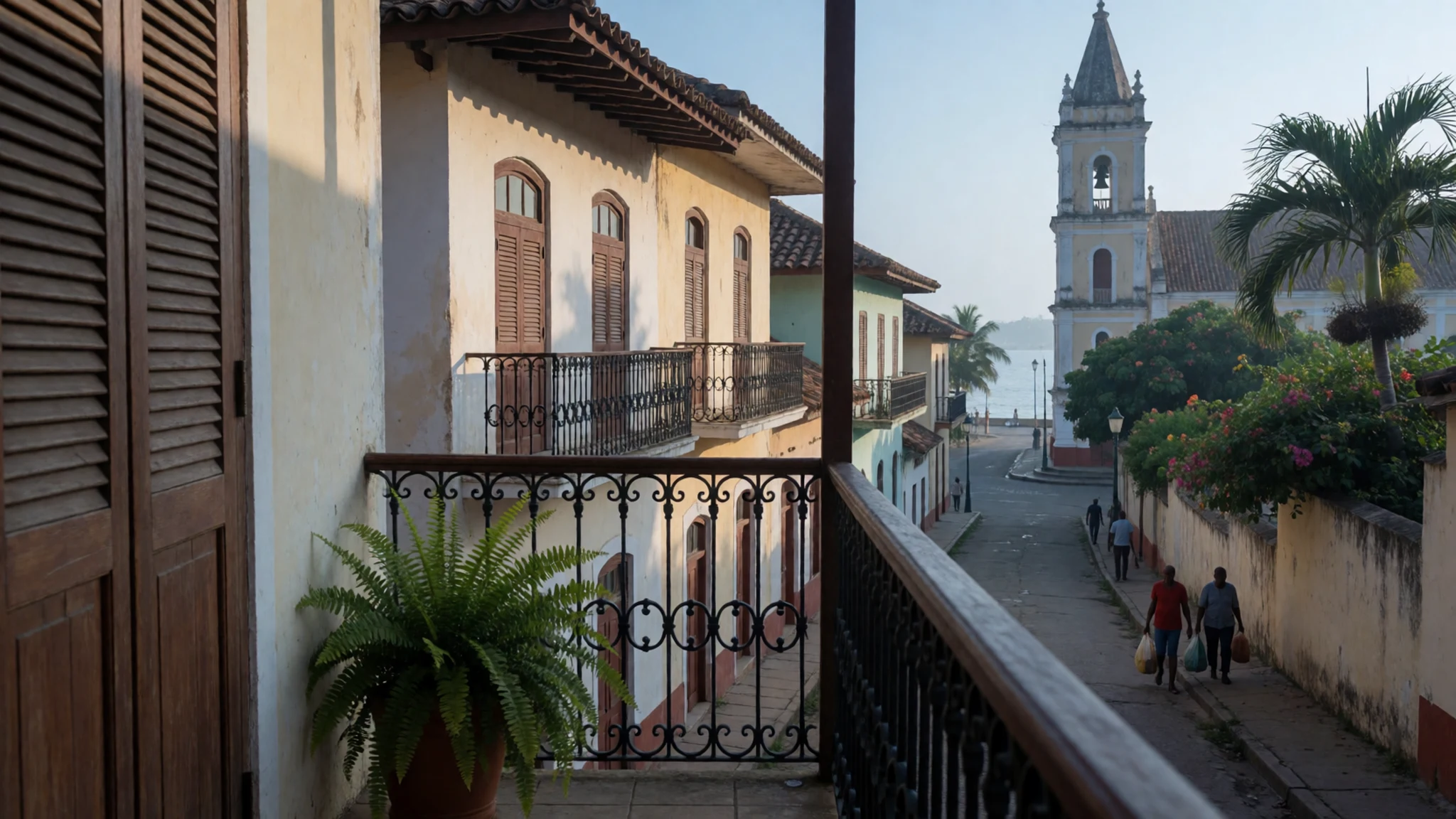
- St Elisabeth's Cathedral — Malabo
This neo-Gothic cathedral was completed in 1916 and gives the old town a skyline of pointed spires, unusual so close to the equator. Mass is the best time to see it in use. Dress modestly, keep your voice low, and check opening arrangements locally before walking over.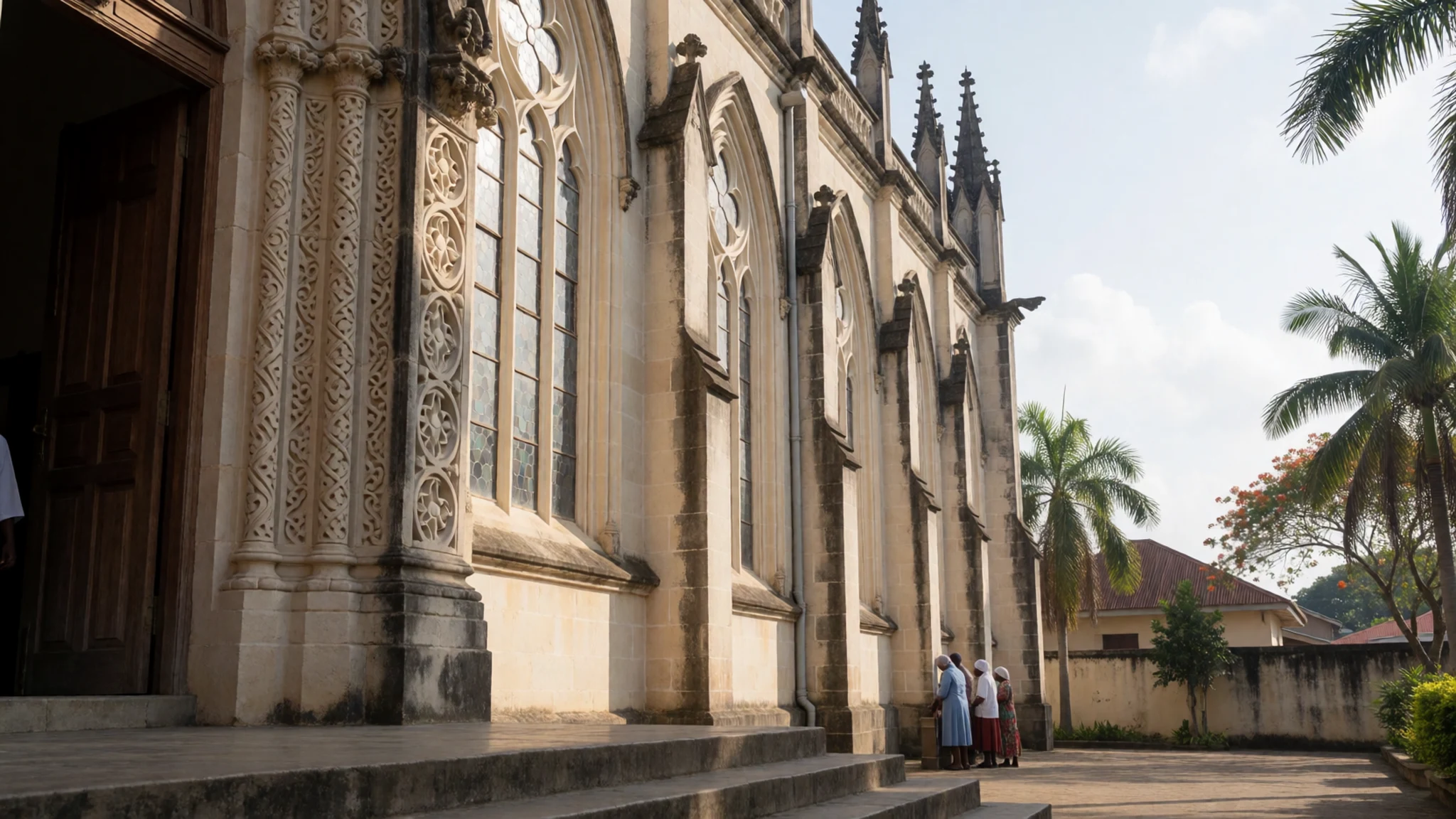
- Pico Basilé — Hills above Malabo
The island's volcanic summit rises to 3011 metres above Malabo, and cloud often hides it. A paved road climbs most of the way, but reaching the top needs an official permit, so arrange it well ahead through the proper authorities or a local operator. Bring a warm layer.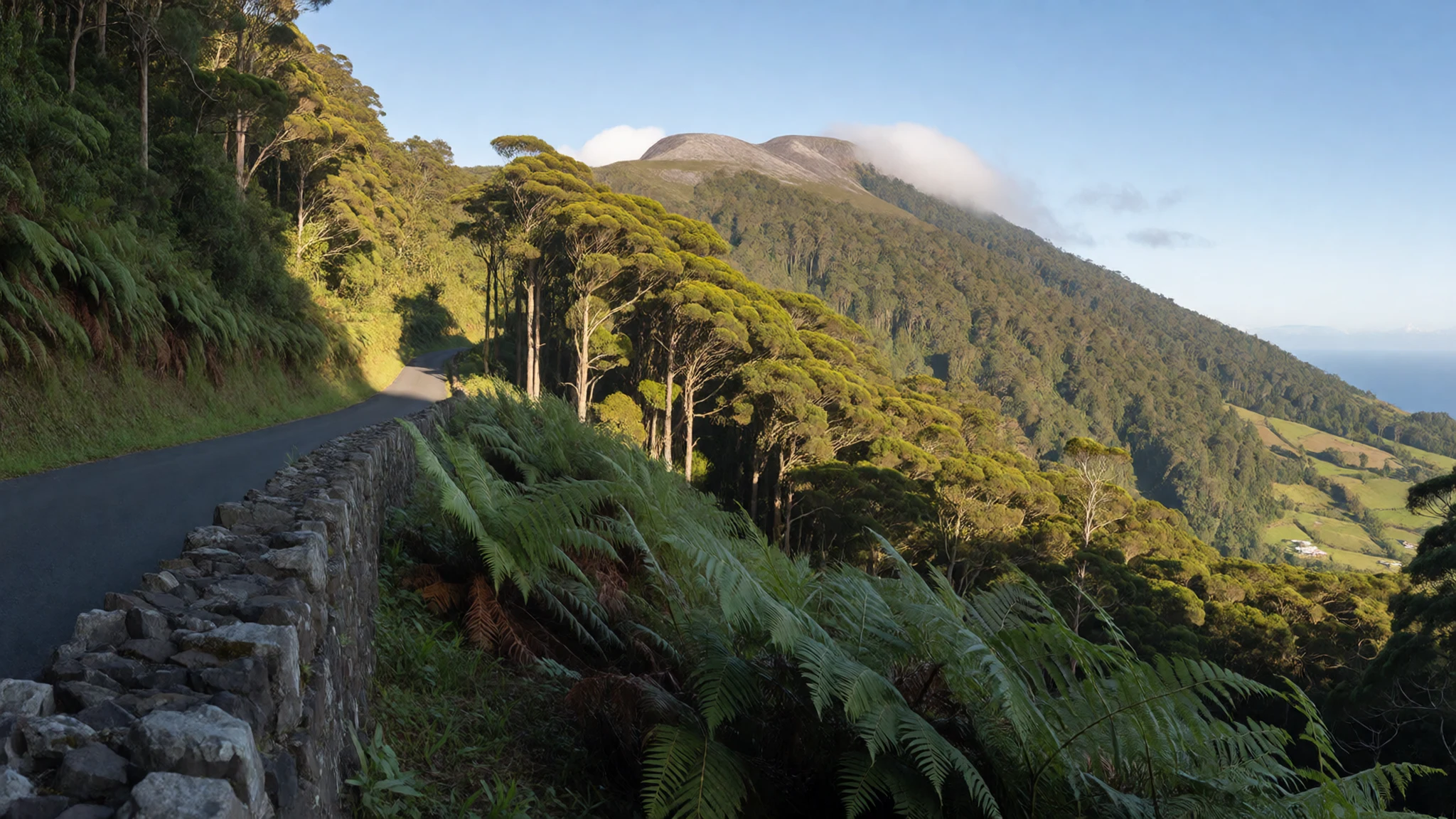
- Iladyi Cascades — Southern Bioko
Also called the Moka Falls, these cascades lie in the wetter south and are reached on foot through forest. Paths are slippery and the journey takes most of a day from Malabo. Go with a local guide, wear shoes with grip, and keep electronics in a dry bag.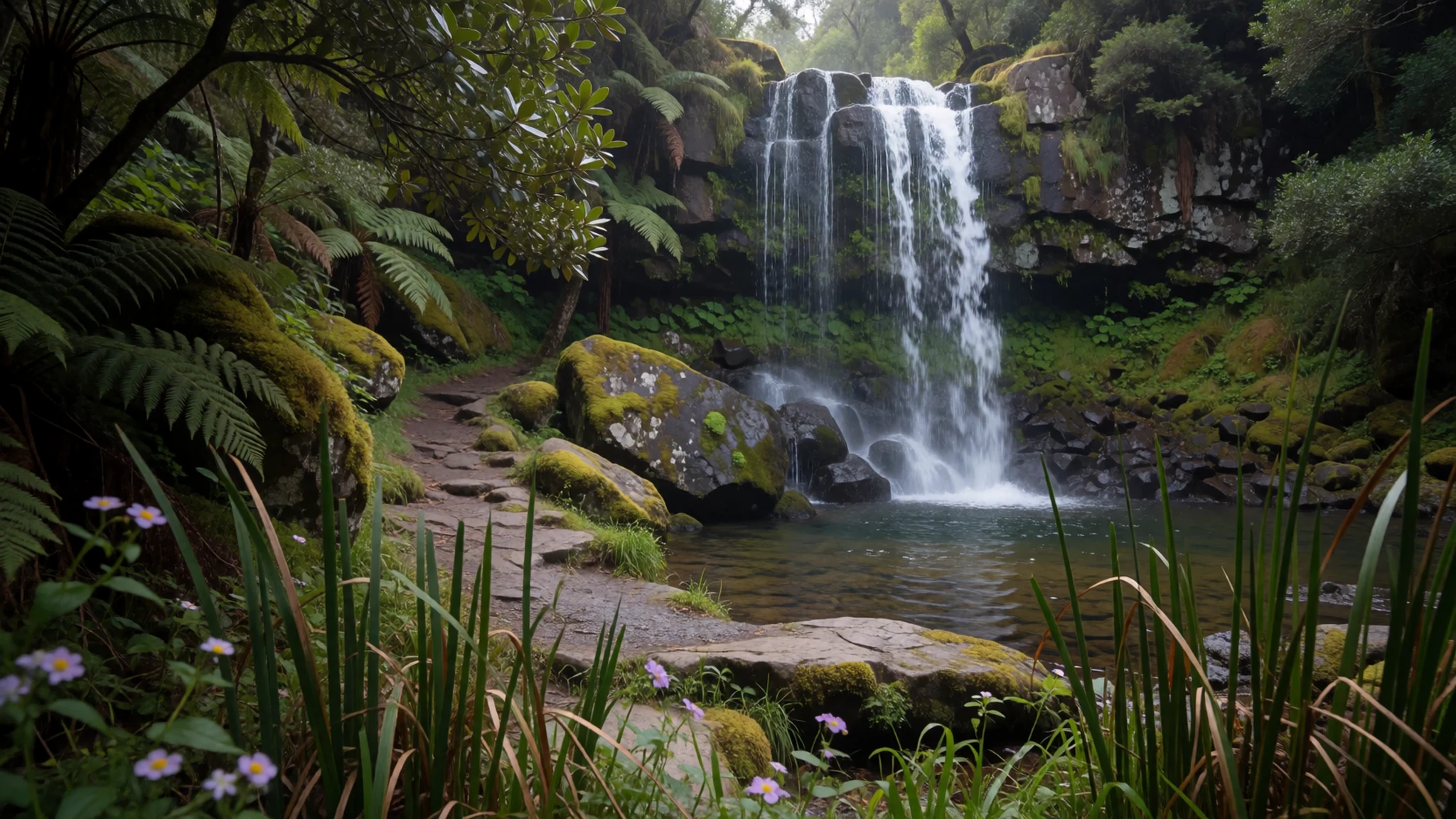
- Ureka beaches — Far south coast
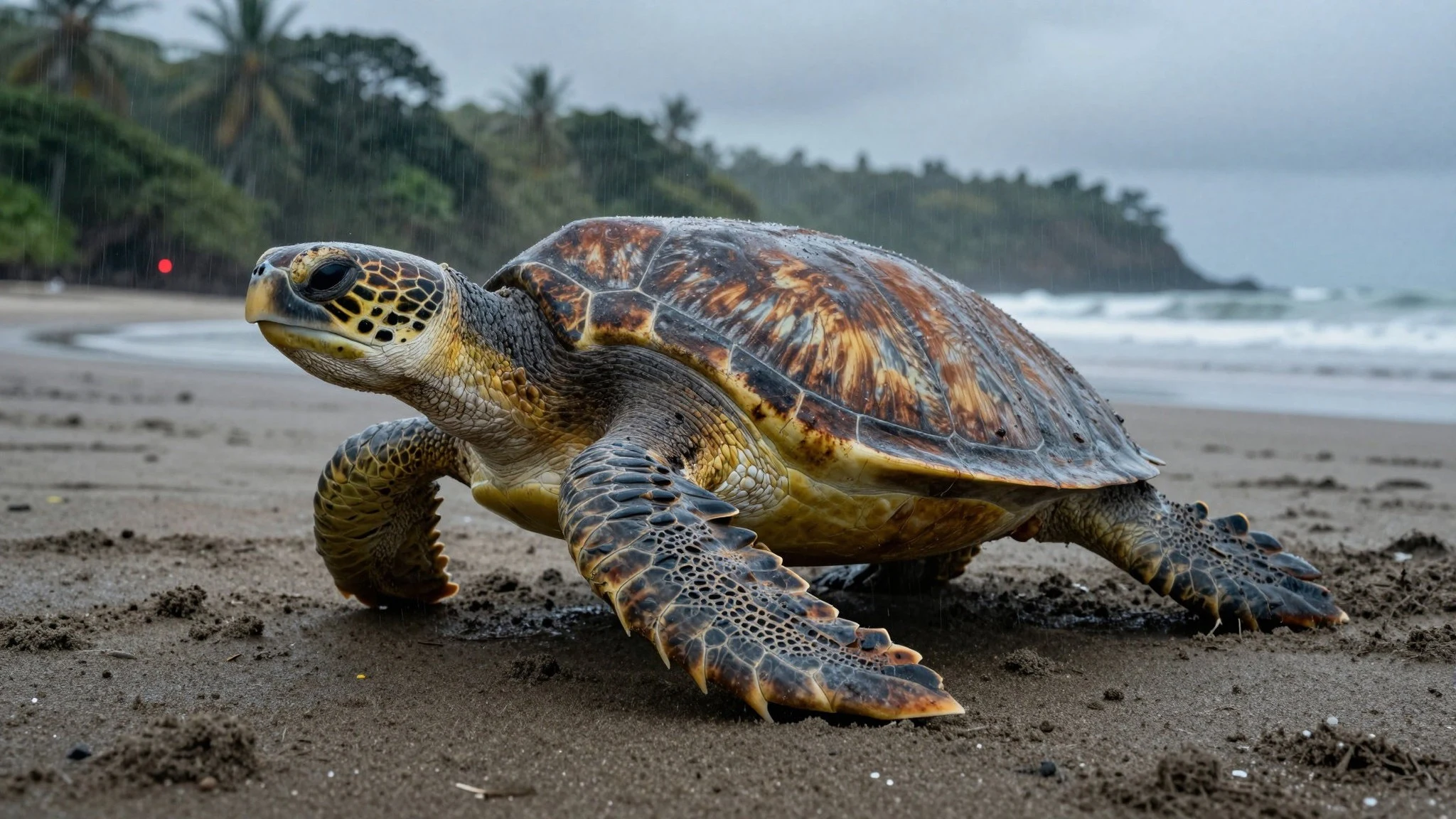
Remote beaches near Ureka are where visitors hike in to watch turtles nest during the season. Facilities are minimal and the rain is heavy, so travel with a guide and your own food and water. Keep lights off and give the turtles space.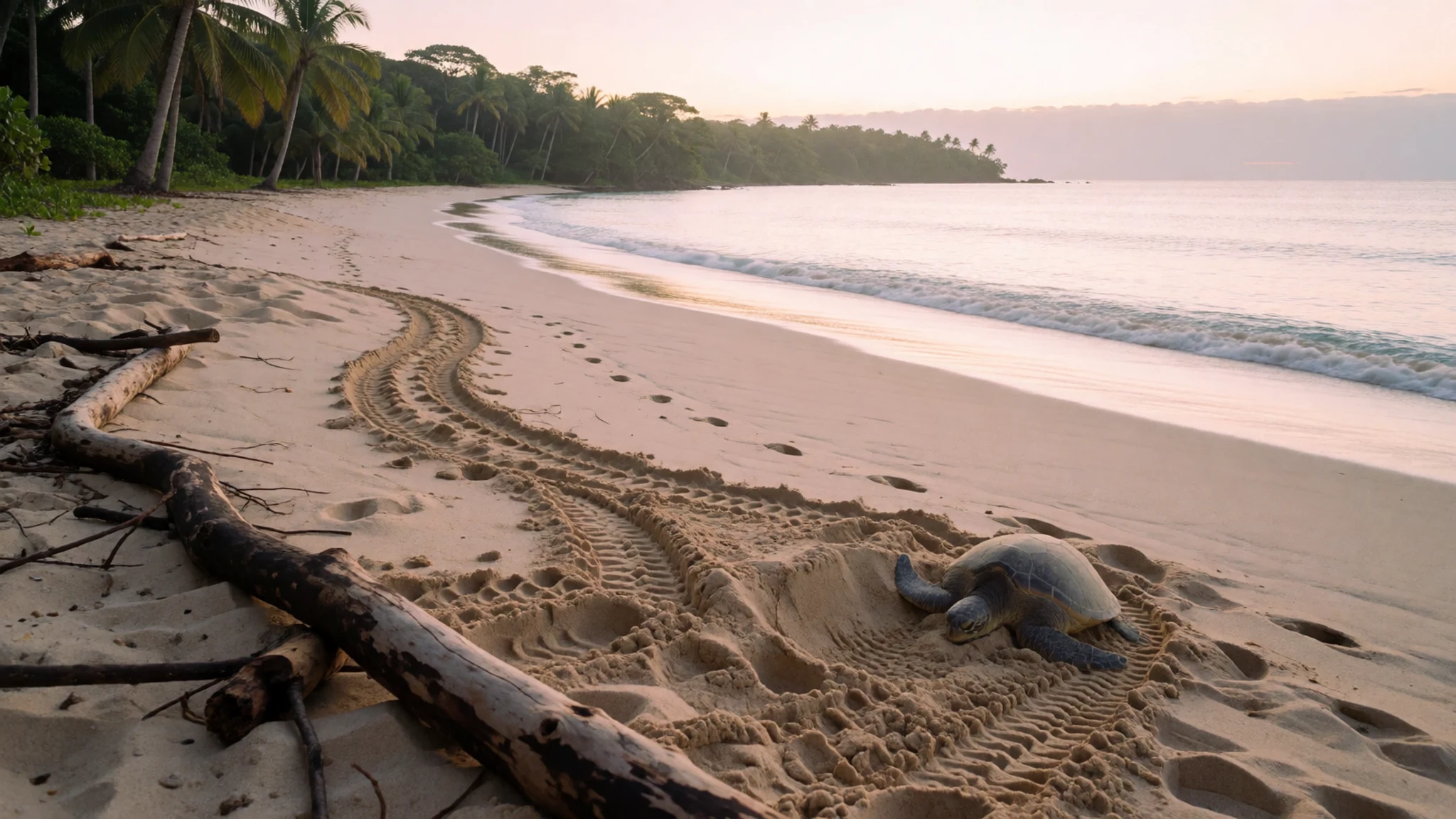
- Finca Sampaka — Inland from Malabo
Finca Sampaka is a traditional cocoa farm, a reminder that cocoa has long been part of the island's economy. It gives a sense of the green, humid middle of Bioko. Arrange a visit in advance rather than turning up, and ask whether tastings are possible.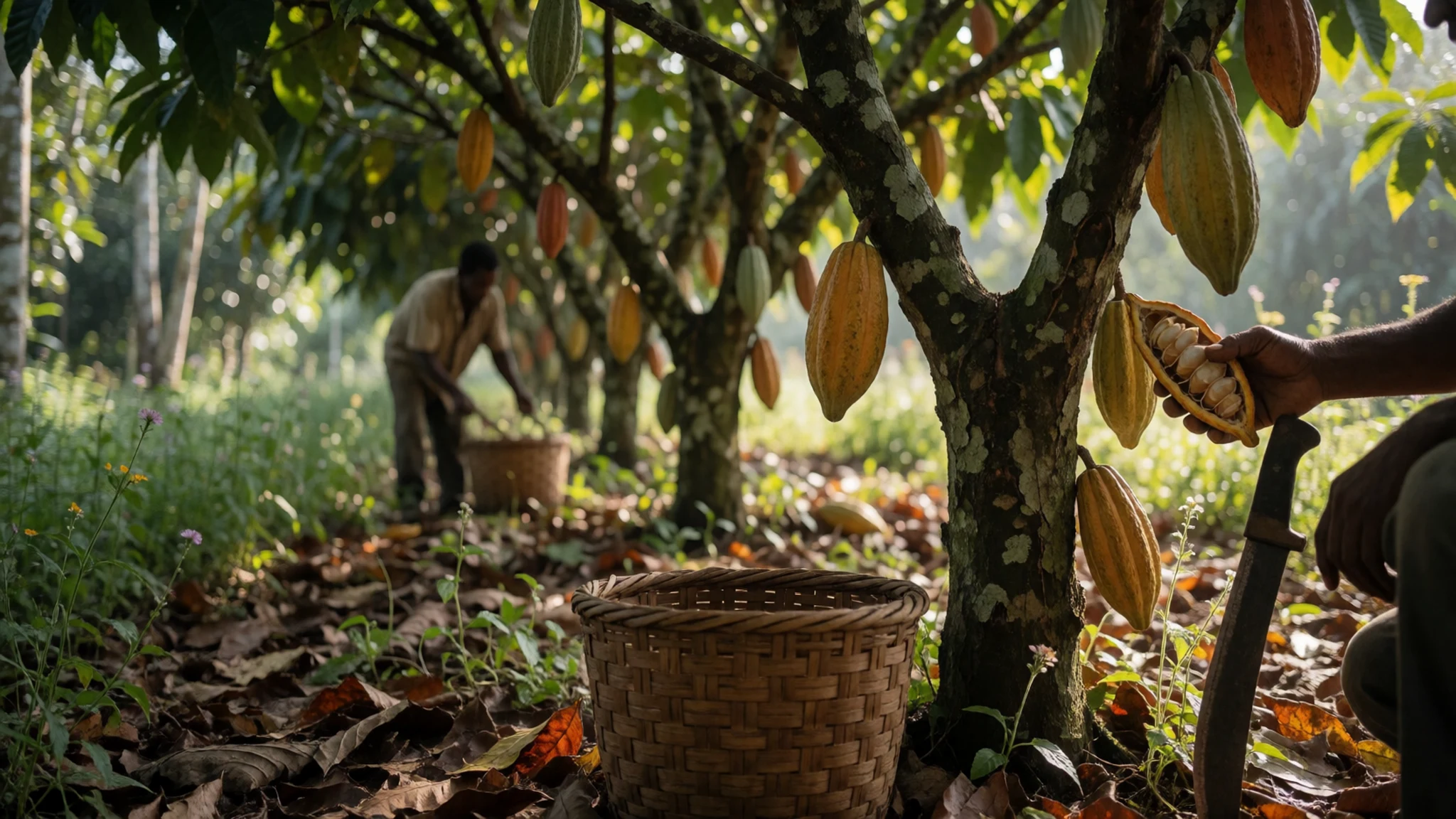
Culture
Bioko's culture layers three things: the Bubi heritage of the island's first long-term inhabitants, the Spanish colonial inheritance, and the more recent oil-driven life of Malabo. Bubi identity rests on a Bantu language, on clan structures that once organised life in the interior, and on memories of leaders such as Molambo who resisted the pressures of the slave-trading era. Spanish influence shows in the language of daily administration, in Catholic churches and in colonial buildings, and Sunday mass is a social event as well as a religious one. Malabo today has a more international feel than the rest of the island, with expatriate workers from the gas and oil industries, government buildings and modern developments such as Sipopo, an artificial beach resort built for conferences. Outside the capital, life is quieter and village-based, with farming, fishing and small markets. Music, from rumba-influenced guitar styles to church choirs, is part of family and community gatherings, and visitors who show curiosity are usually welcomed warmly. Politics is a sensitive subject, and security staff watch official sites closely. Foreign visitors are often asked for documents at checkpoints, and patience and courtesy go a long way. Do not photograph the presidential residence, military sites, the airport or government buildings, and always ask before taking pictures of people.
What to wear
Traditional dress on Bioko is tied to the Bubi people and to ceremony rather than daily life, and written detail on it is thin, so visitors should ask locally rather than assume. Ceremonial wear has historically drawn on natural materials such as raffia, plant fibres, beads and woven or carved ornaments, worn for festivals, chiefly occasions and community events. Cotton wax-print cloth, widely used across West and Central Africa, is now the everyday textile for celebration, sewn into dresses, shirts and head wraps. Day to day, people in Malabo dress much as they would in any warm Atlantic city. Men wear trousers and shirts, women wear dresses, skirts or tailored wax-print outfits, and on Sundays many people dress up carefully for church. In villages, clothes are practical and often muddy, suited to farming and fishing. A visitor should plan for heat, humidity and rain. Pack light, quick-drying cotton or linen, a lightweight waterproof jacket, and long sleeves and trousers for evenings and for mosquitoes. For hiking in the south or on Pico Basilé, sturdy shoes with good grip are essential, plus a warm layer for the summit, where cloud and altitude make it cold. In churches and smaller towns, cover knees and shoulders. Beachwear is fine on the sand but not for walking around town.
What to eat
- Pepper soup — Local eateries in Malabo and the island's towns
A spicy broth, usually made with fish or meat, eaten hot and often with a dense starch on the side. It is a common comfort dish in the humid climate and shows the island's links with the wider Gulf of Guinea coast.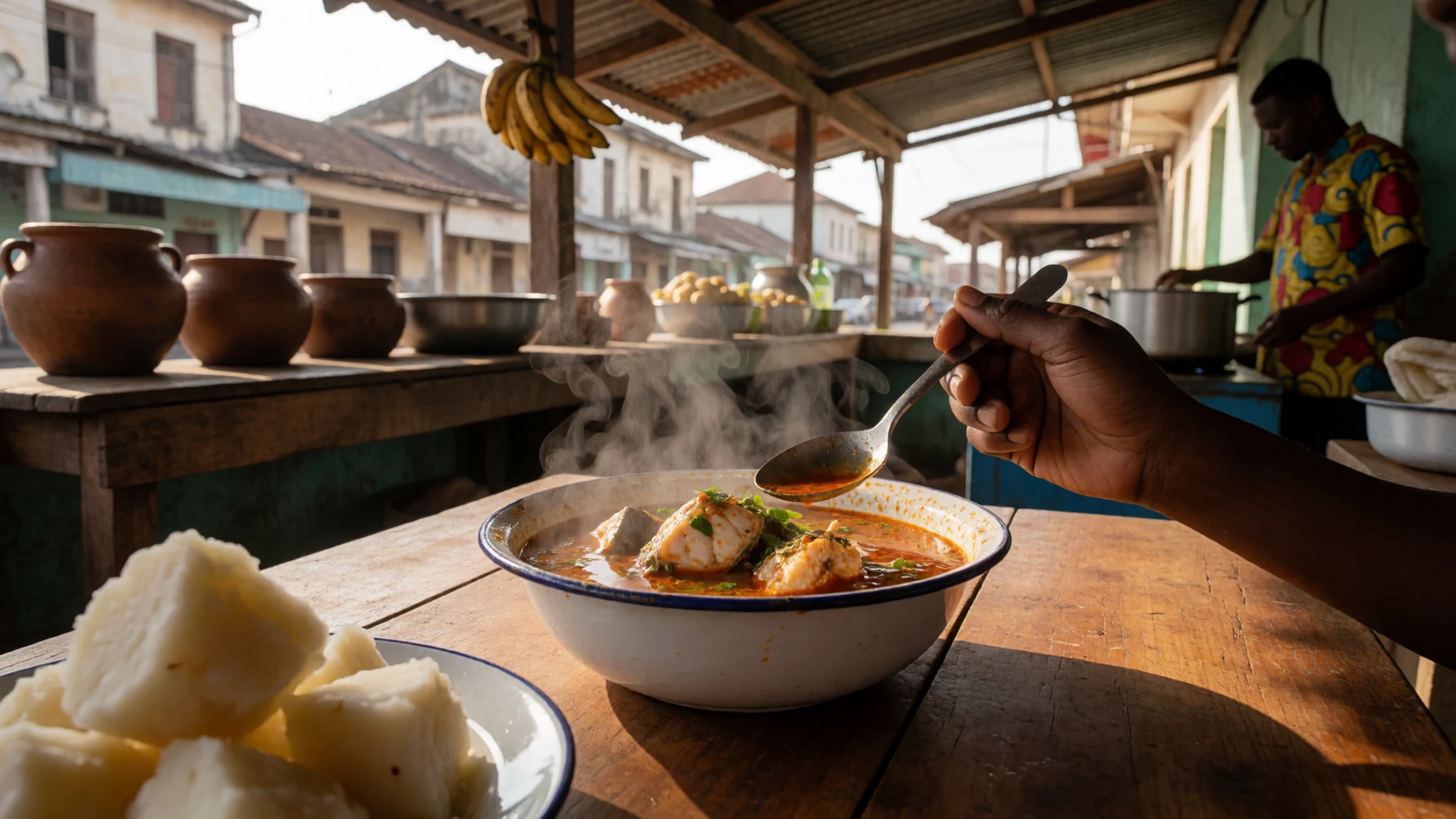
- Grilled fish with fried plantain — Beachside stalls and fishing villages along the coast
Fish landed by pirogue is grilled over fire and served with fried plantain and a hot sauce. Ask what came in that morning, since freshness varies with the day's catch and the weather.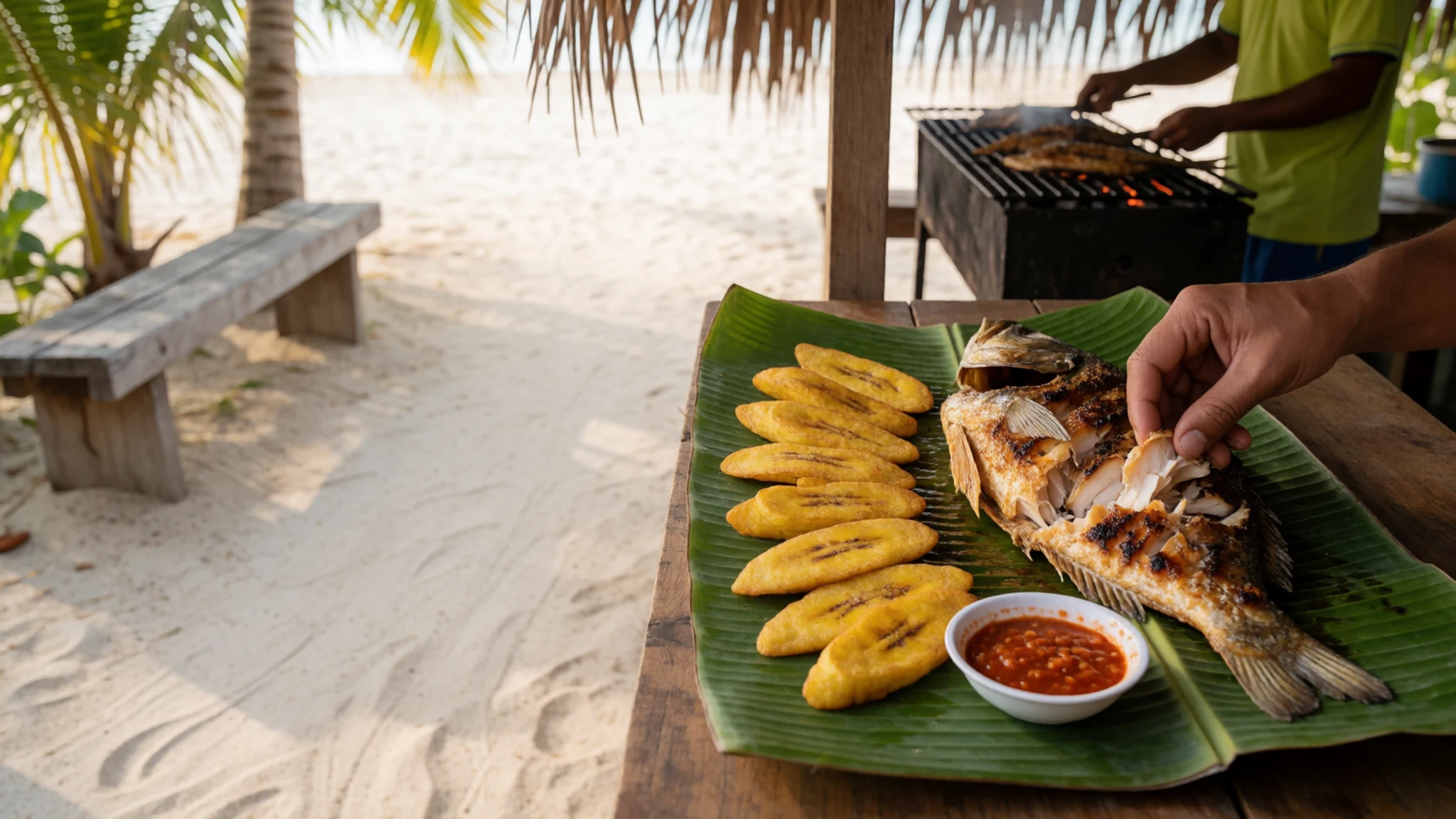
- Cassava and groundnut stew — Family-run eateries and the main market in Malabo
Cassava, often pounded or boiled, is the staple, and it is served with a thick sauce made from groundnuts and greens. It is filling, mild in flavour and a useful choice after a day on the trails. - Cocoa and chocolate — Cocoa farms and small shops in and around Malabo
Cocoa has long grown on the island, and some farms and small producers sell it as chocolate or drinking cocoa. Ask a farm about visits and tastings in advance, and buy only from clearly labelled stalls. - Palm wine and local spirits — Village gatherings and neighbourhood bars
Palm wine, tapped from palms and lightly fermented, is a village drink shared at gatherings, usually on the day it is made. Try a small amount first, and avoid drinks served from unmarked bottles.
Plan it
Best time. November to March is the drier season and the best window for hiking, beaches and Pico Basilé. April to October is the main wet season, when trails turn slippery, roads suffer and the far south receives very heavy rain.
How long. 3–5
Getting there. Fly into Malabo International Airport on the north coast, the island's only airport. Ferries also run to Malabo port from Douala and Bata. Onward travel to the south is by road, ideally with a local driver or guide.
Budget. high
Tips
- Check visa, permit and entry rules with the official Equatorial Guinea authorities well before you travel
- Arrange a permit for Pico Basilé through proper channels or a local operator before arriving
- Carry cash as well as cards, since card acceptance outside Malabo is unreliable
- Drink bottled or treated water and ask your doctor about malaria prevention
- Book guides and transport for the south in advance, as facilities are limited
Etiquette
- Ask before photographing people, and never photograph government, military or airport sites
- Dress modestly in churches and villages
- Carry copies of your passport and be patient and polite at checkpoints
Nearby
Sources
- Wikidata Q205022 (CC0)
- Wikipedia: Bioko (CC BY-SA 4.0)
- Wikivoyage: Bioko (CC BY-SA 4.0)
- Photo: Malabo from the air (Ipisking) (CC BY 3.0)
- Photo: Bioko BMNG (Public domain)
- Photo: Bioko relief map, SRTM-1 (Batholith) (Public domain)
- Photo: Limbe view with Bioko (CC BY 3.0)
- Photo: Cameroons that Saker laboured (George Philip) (Public domain)
- Photo: Arena Blanca beach, pirogues (ColleBlanche) (CC BY-SA 4.0)
- Photo: Albizia zygia (NMNH) (CC0 1.0)


Wildlife
- Green sea turtle (animal)
The green sea turtle is a big sea turtle that eats only seagrass, which turns its fat green, even though its shell is olive to black. In Bioko, you can watch it nest on the remote beaches near Ureka, which visitors reach on foot. This happens during the nesting season, though the reading does not name the months or the hour. Go ready for a hike, and take your time once you arrive.