Elobey Chico
Elobey Chico, Equatorial Guinea
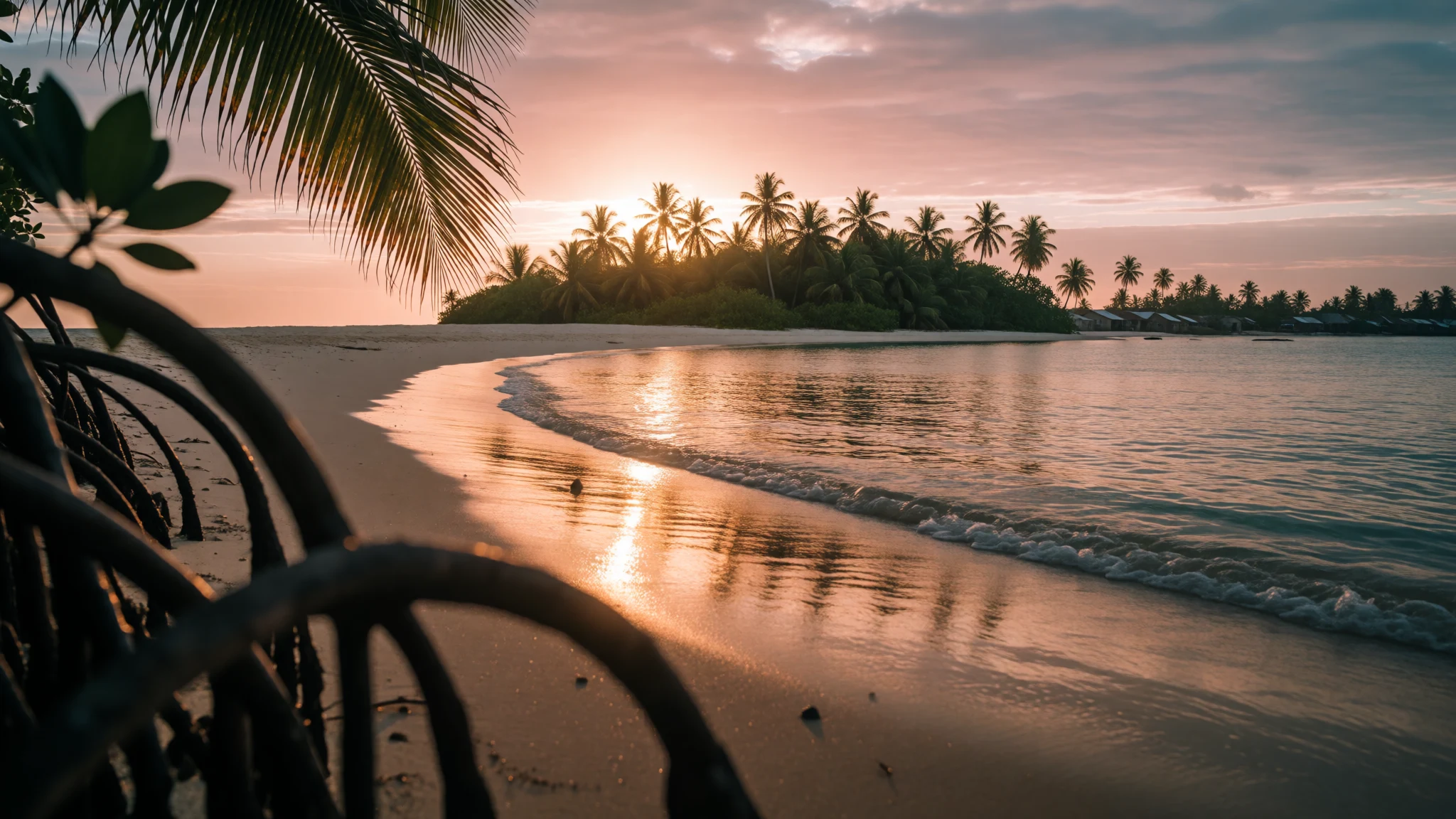
Elobey Chico is an empty island off Equatorial Guinea that was once a colonial trading capital, reached as a quiet day out from Bata.
The place
Elobey Chico, also called Little Elobey, is a small island in the Gulf of Guinea, 6.5 km from the mouth of the Mitémélé River on the mainland coast of Equatorial Guinea. It sits almost exactly on the 1st degree north latitude circle, so the equator is close and the weather behaves accordingly: hot and humid, with heavy rain from April to October across the Litoral region it faces. Nobody lives on the island now. That shapes any visit. There is no village, no ferry timetable to quote and no visitor infrastructure described in the sources, so a trip means arranging a boat locally and treating the island as an outing from the mainland rather than a place to stay. The practical base is Bata, the main city of Litoral, which has the region's airport, a good spread of eateries, markets and a long seafront promenade. Bata is where cash, supplies and local advice are found before heading out. The island's appeal is quiet and historical rather than scenic spectacle: a low tropical shore, open water, and the traces of a period when this speck of land mattered far more than it does today. Facilities are thin across this part of Equatorial Guinea, medical care is limited and malaria is a genuine risk, so the place suits patient, self-sufficient travellers. Those hoping for resort beaches should look elsewhere; those curious about colonial-era Central Africa will find an empty, atmospheric corner.
Its story
Elobey Chico was once the de facto colonial capital of Río Muni, the mainland part of Spain's territory in this corner of Africa. That sounds grand for an island that is now uninhabited, but its position explains it. A small, defensible patch of land just off the coast, close to the river mouths, suited traders and administrators who wanted access to the mainland without fully committing to it. On paper the island was attached to Fernando Pó, the island now known as Bioko, but the sources describe that link as little more than a fiction. Day-to-day power and commerce ran from the islet itself. Business was largely in foreign hands: most of the factories there belonged to merchants from Hamburg, which is a useful reminder that colonial Equatorial Guinea was never only a Spanish story. German, Spanish and local interests all pressed on the same short stretch of coast, trading goods from the forested interior. When the colonial order changed, the reasons to be on the island faded, and so did its population. Today the story survives mostly in documents and in the memory of the coast rather than in a heritage trail. That absence is part of the experience. A visit is less about reading plaques than about standing on a quiet shore and picturing a busy trading post where there is now only vegetation and the sound of water.
What to see
- Elobey Chico island — Gulf of Guinea, off the Litoral coast
The island itself is the main sight: a small, uninhabited patch of land in the Gulf of Guinea, close to the equator. Expect vegetation, shoreline and silence rather than monuments. Visits depend on arranging a boat from the mainland, so confirm conditions and permissions locally before setting out.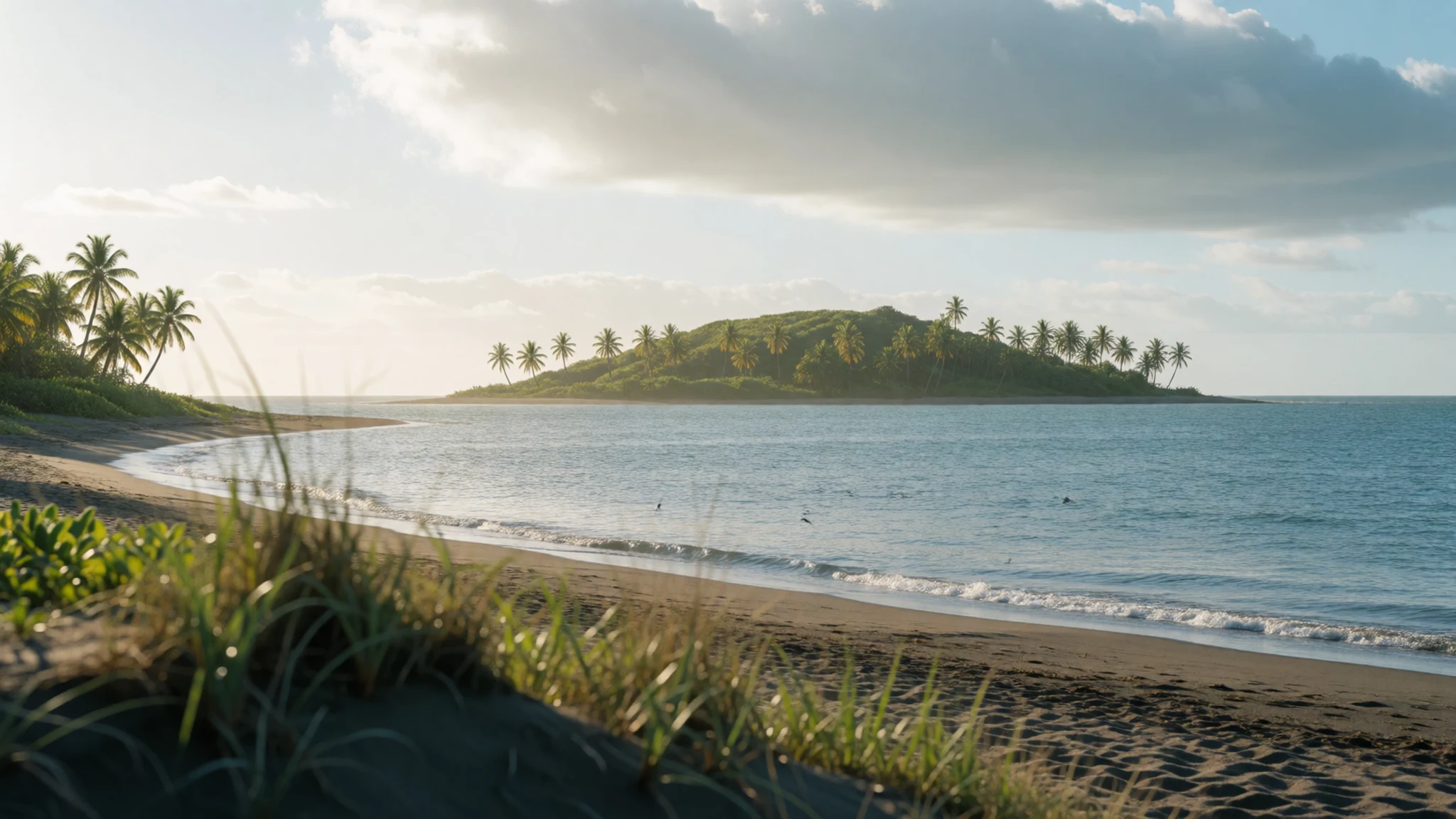
- Bata seafront promenade — Bata waterfront
Bata, the main city of Litoral, has a seafront promenade of more than 20 km. It is the easiest place to get a feel for the coast, watch fishing boats and ships on the water, and look out toward the direction of the islands. Early morning and evening are the comfortable hours.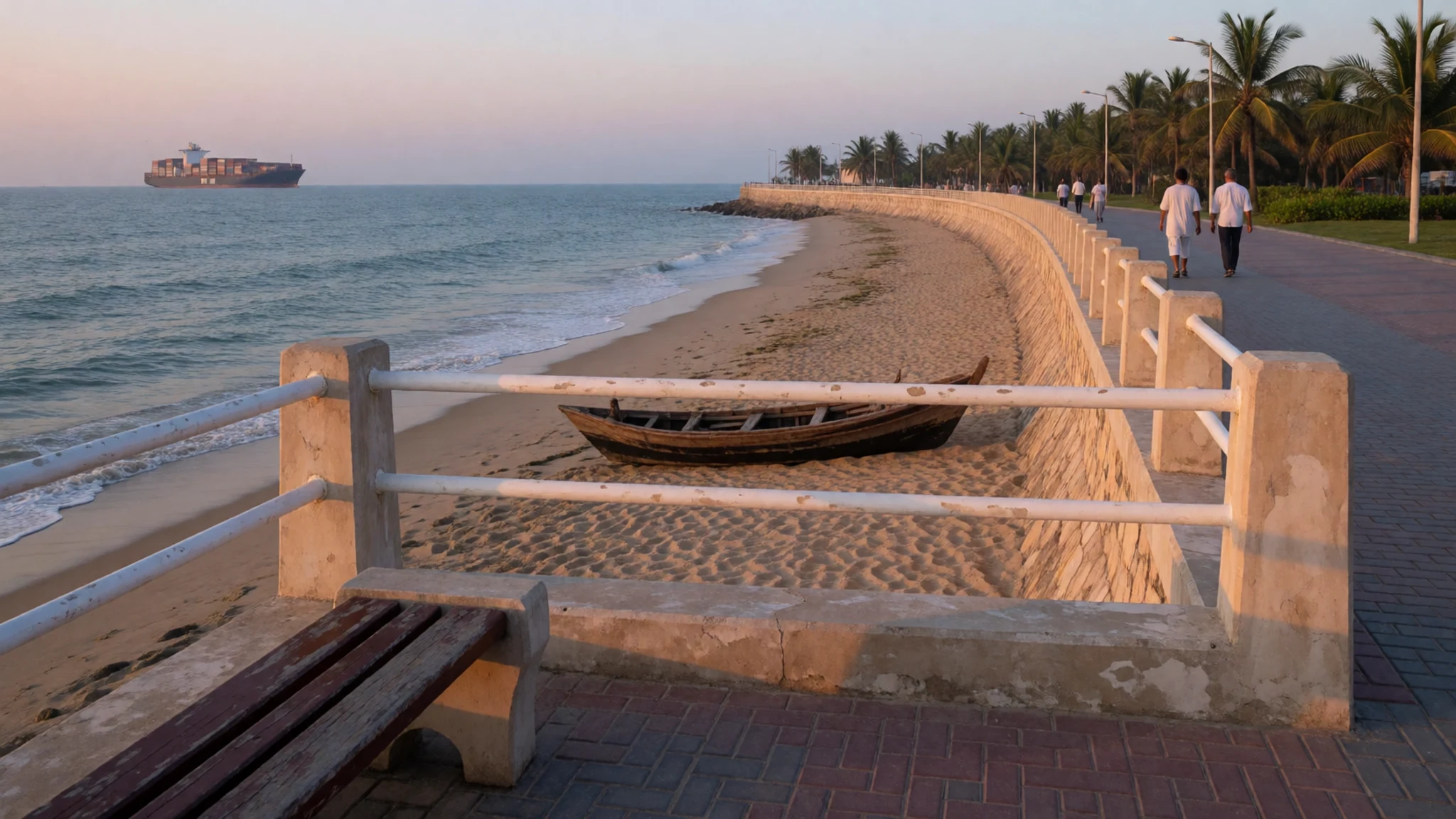
- Colonial buildings and markets of Bata — Central Bata
Bata keeps a number of attractive colonial-era buildings, alongside busy markets where everyday coastal life is easy to observe. A slow walk through the centre gives useful context for the history of Elobey Chico, since Spanish-era Río Muni was administered from this stretch of coast.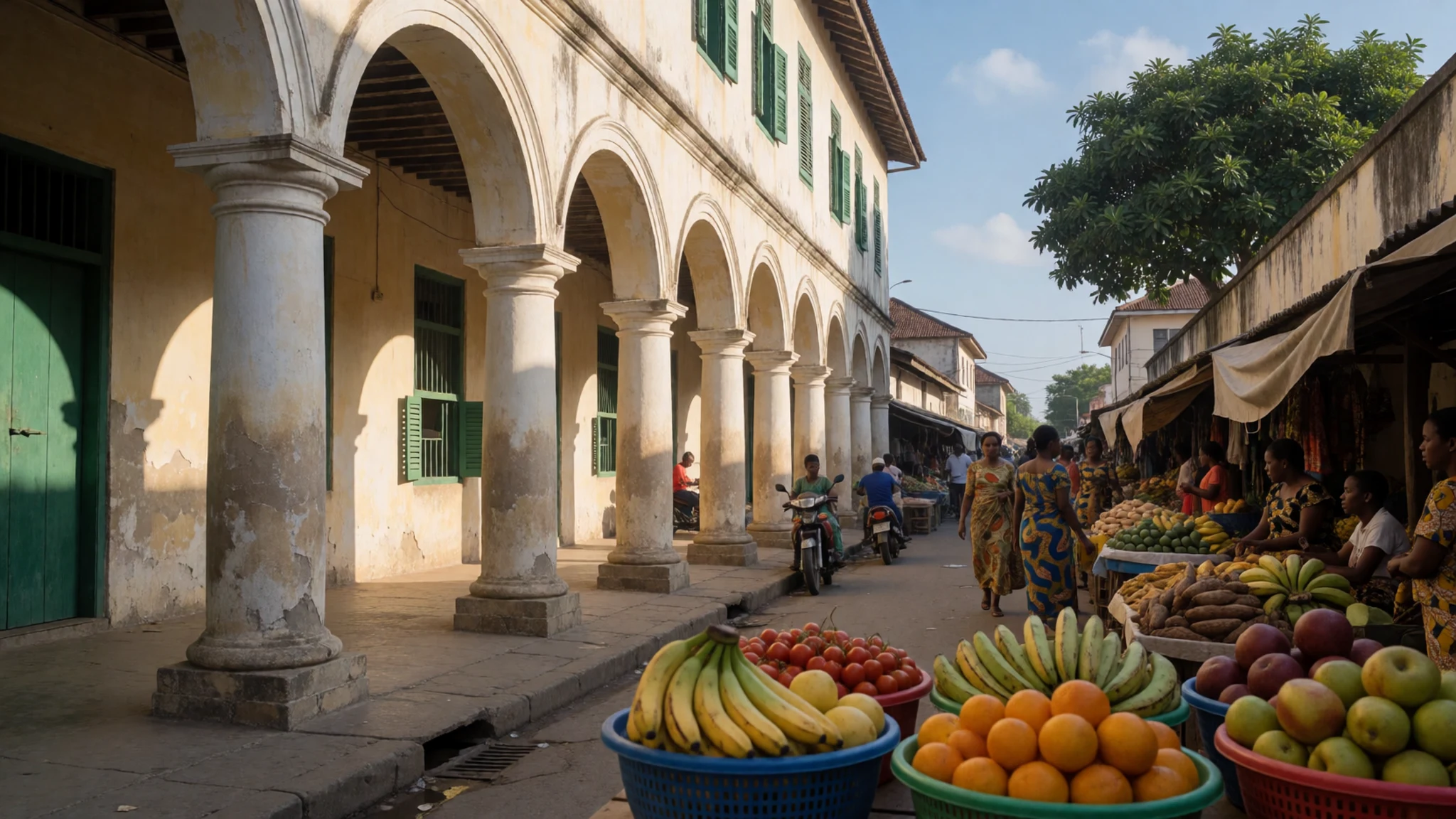
- Beaches and fishing along the Litoral coast — Litoral coastline
The western edge of Litoral is the shore of the Gulf of Guinea, with beaches for relaxing and local operators for fishing and other ocean activities. Conditions change with the season, and the heavy rains from April to October make the drier months far more pleasant for time on the water.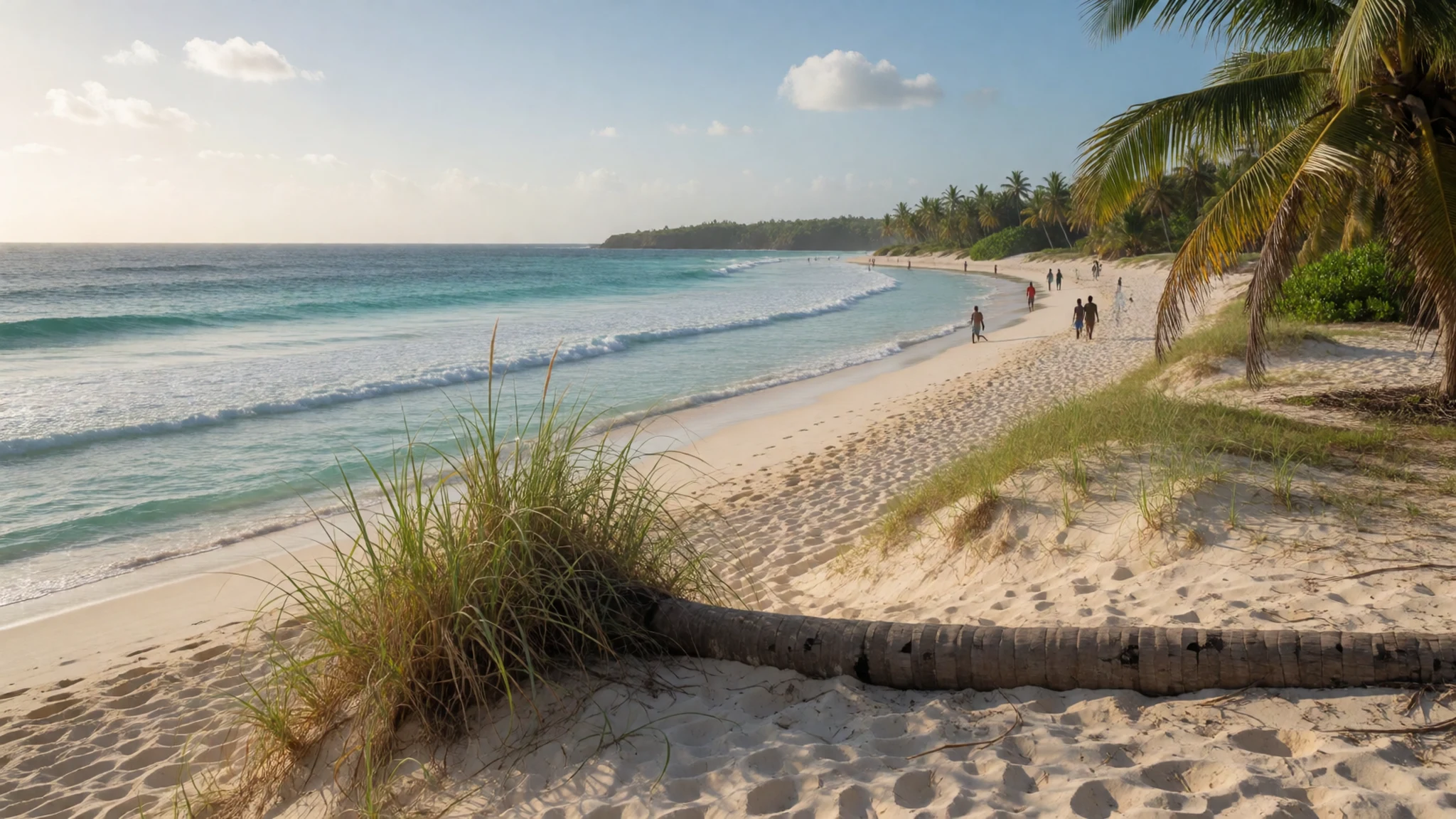
- Fang villages and traditions — Villages inland of the Litoral coast
The Fang are the dominant ethnic group of the mainland, and small villages around Litoral offer a way to learn about their traditions. Go with a local guide or an introduction from someone in Bata, and treat any visit as a courtesy call rather than a performance.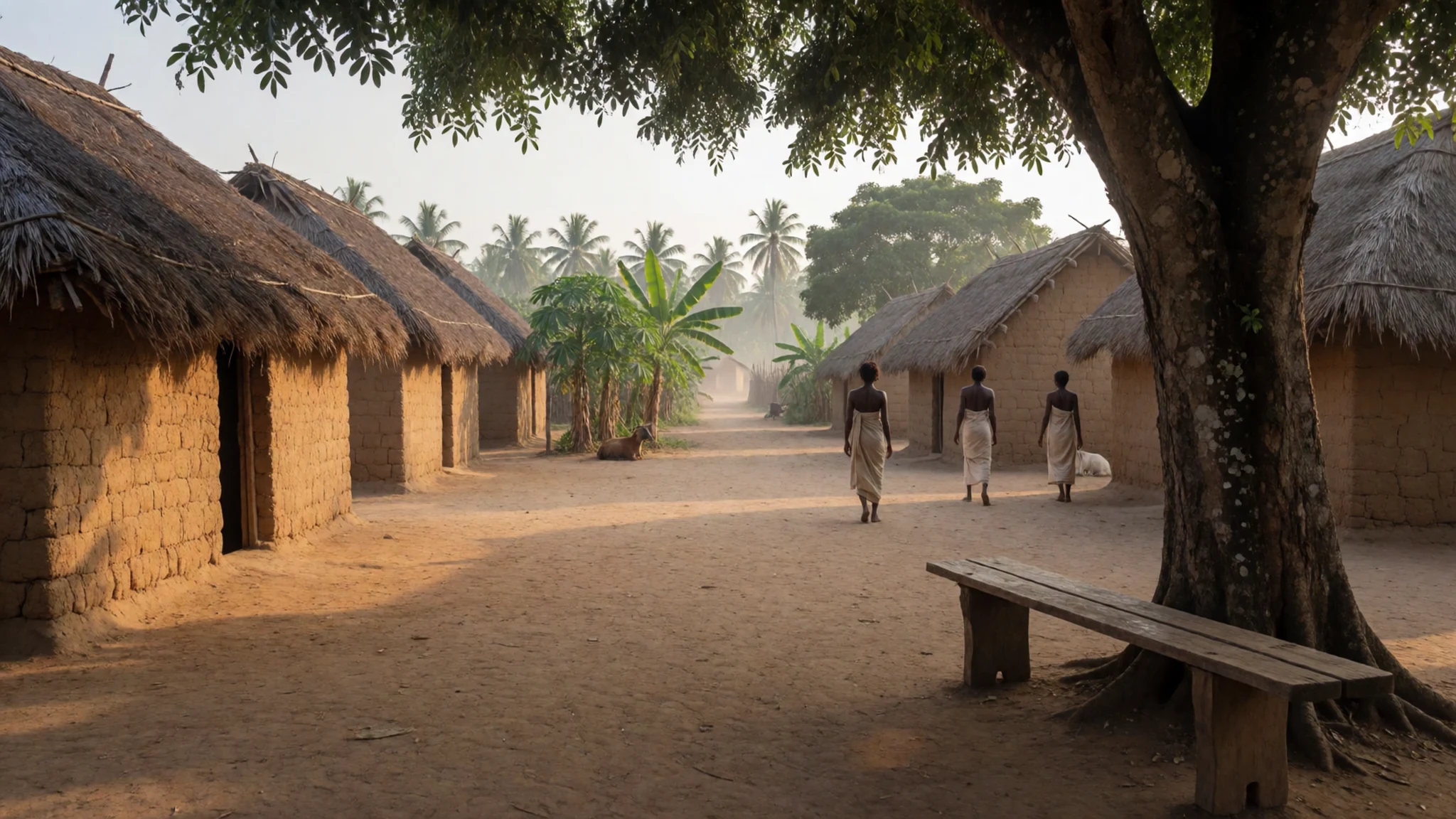
Culture
Elobey Chico has no living community of its own, so the culture a visitor meets belongs to the mainland coast around Bata. The Fang are the dominant ethnic group of Río Muni, and Fang language, music, storytelling and family ties shape daily life in the villages and neighbourhoods of Litoral. Spanish is the legacy language of administration and schooling, which is a reminder that this was a Spanish colony, and Spanish-era architecture still stands in Bata. The coast also carries a layered trading past, including the German merchant houses that once ran factories on Elobey Chico, so the cultural picture is more mixed than a single label suggests. Fishing remains an important livelihood, and the sea is part of ordinary working life rather than a backdrop for leisure. Tourism is not highly developed here, which means interactions tend to be personal and unhurried. Greetings matter: a polite hello and a few words of Spanish go a long way, and patience is rewarded. Official procedures and checkpoints can be formal, and it is wise to carry identification and any permits when moving around. Visitors are guests in a place that sees few of them, and the best approach is curiosity paired with restraint. Always ask permission before photographing people, uniformed officials or government buildings, and respect a refusal without argument.
What to wear
Elobey Chico has no residents, so the dress that matters is that of the Litoral coast around Bata. Traditional clothing among Fang communities draws on locally woven and plant-based fibres, with ceremonial dress, beads and body decoration reserved for dances, weddings and community occasions rather than daily wear. Printed cotton cloth, wrapped as skirts, headscarves and tailored outfits, is widely worn across Central and West Africa, and the same is true here. Day to day, people in Bata mostly wear modern, practical clothes: shirts, trousers, dresses and skirts, with smarter outfits for church and formal occasions. Government and security staff wear uniforms, which is another reason to be careful with cameras. For visitors, the climate decides most things. Heat and humidity are constant and the rains are heavy from April to October, so light, quick-drying cotton or linen is best, with long sleeves and long trousers doing double duty against sun and mosquitoes. A light waterproof is more useful than an umbrella on a boat. Modest dress, with covered shoulders and knees, is courteous in towns and villages and sensible at any religious site. Wear sturdy sandals or closed shoes with good grip for wet jetties and muddy shoreline paths, and bring a hat and sunglasses for time on the water.
What to eat
- Grilled fresh fish — Seafront eateries and fish stalls in Bata
With the Gulf of Guinea on the doorstep, grilled or fried fish is the natural order of the day. It is usually served simply, with a squeeze of lime, chilli and a starchy side. Ask what the boats brought in that morning.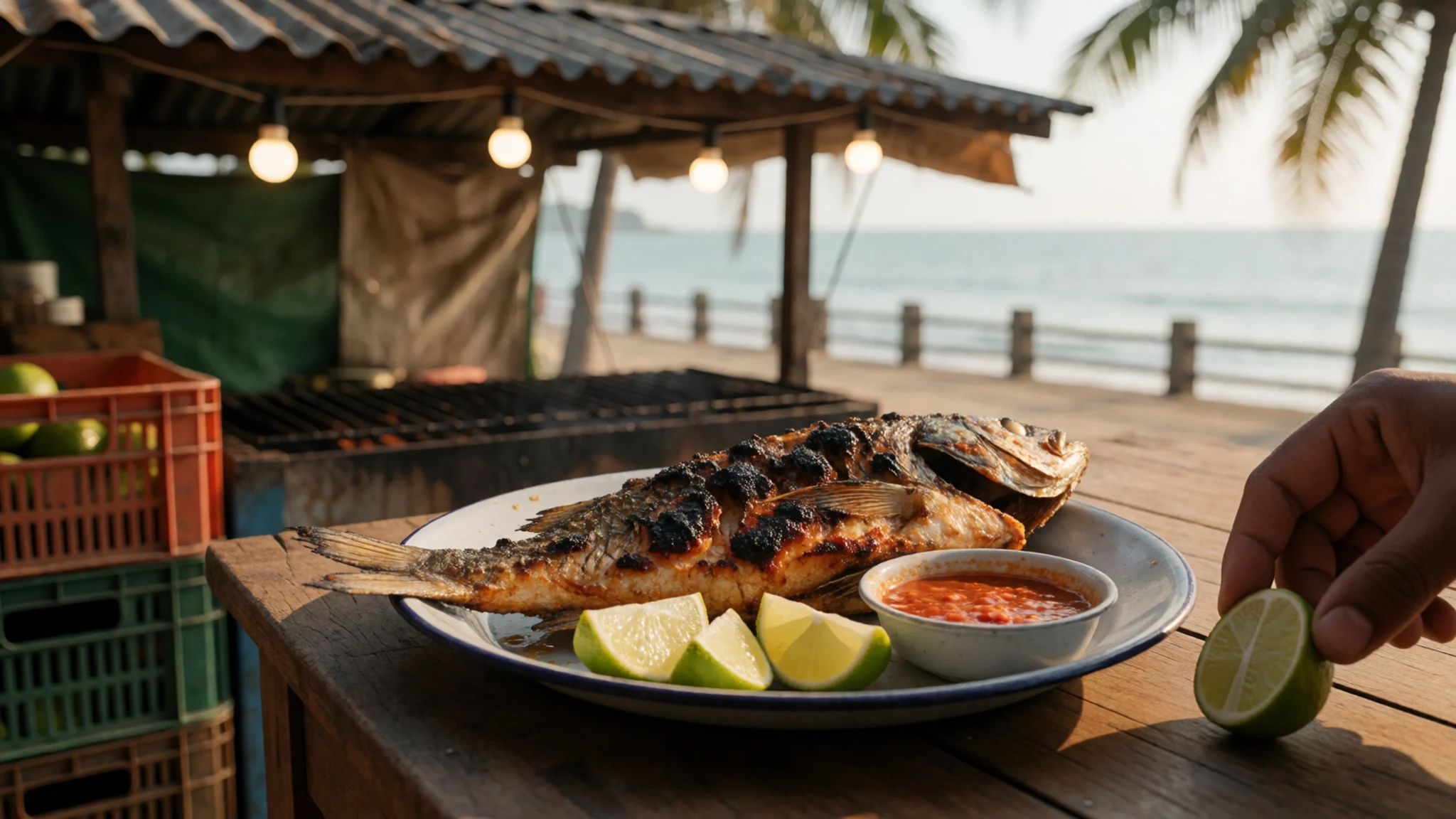
- Fried plantain — Street sellers and market food stalls in Bata
Ripe or green plantain, sliced and fried until golden, is a staple side across the region. It works as a snack as well as an accompaniment, sweet when ripe and more savoury when green.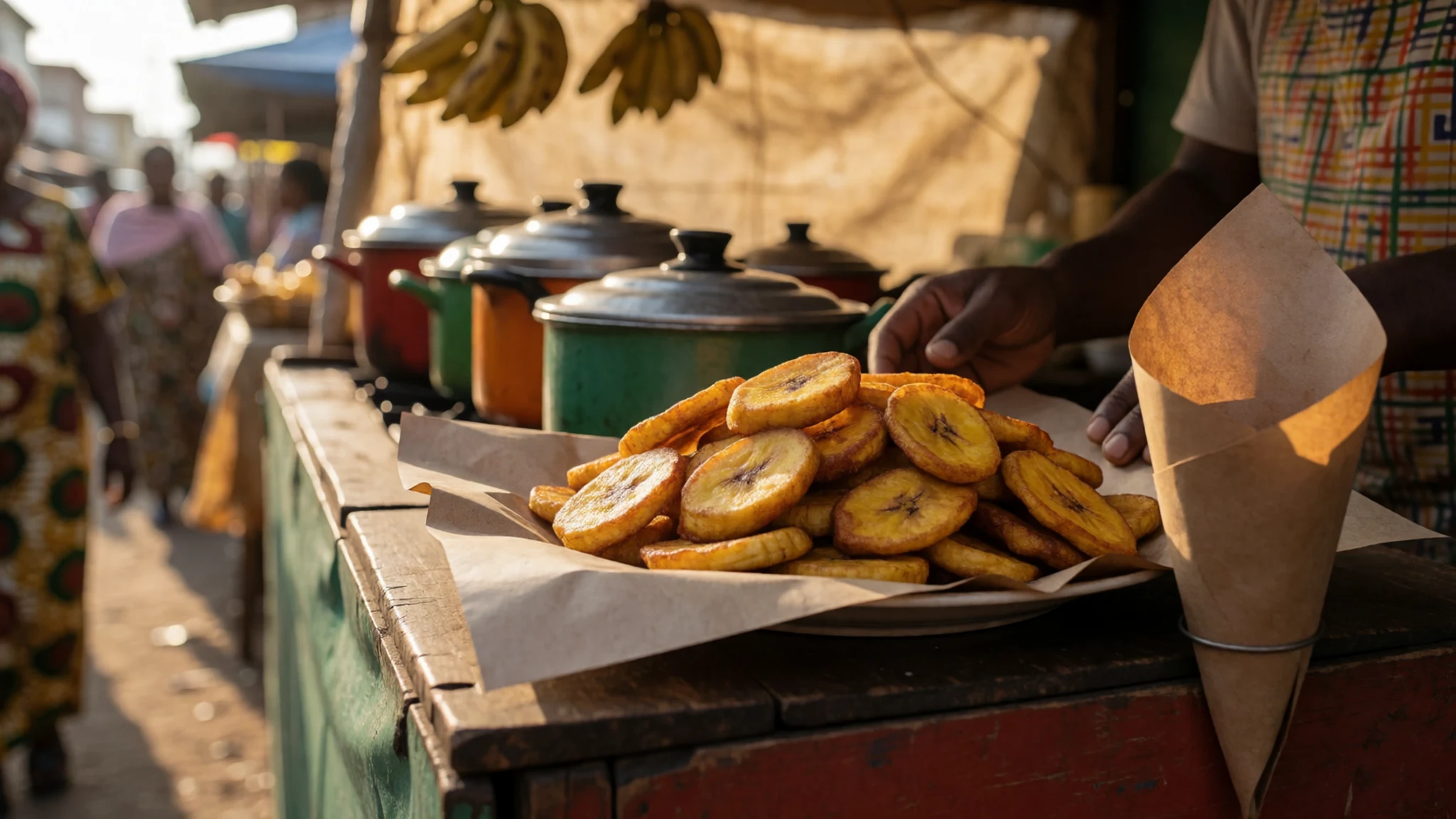
- Cassava with a sauce or stew — Casual local eateries and market areas in Bata
Cassava, boiled, pounded or fermented into a dense paste or bread, is a core starch of Central Africa. It is eaten with rich sauces of fish, meat or vegetables, and suits those wanting a filling local meal. - Groundnut-based stews — Home-style restaurants and eateries around Bata
Stews thickened with ground peanuts, often cooked with chicken, fish or greens, are common in the wider region. Expect a rich, earthy sauce served with rice or cassava. Ask about spice levels before ordering. - Tropical fruit — Main markets and roadside stalls in Bata
Pineapple, bananas, papaya and other fruit are sold from baskets and stalls, and are a refreshing break in the heat. Choose fruit that can be peeled or washed in bottled water, in line with standard health advice. - Seafront drinks and international dishes — Seafront bars and restaurants in Bata
Bata mixes local, African and international food, and many drinking spots double as restaurants. Local beer is easy to find, and the waterfront suits an unhurried sunset drink after a day on the coast.
Plan it
Best time. December to February is the better window, as the heavy rains fall from April to October and the climate is hot and humid all year. Calmer, drier weather makes boat trips to the island easier and more comfortable.
How long. 2–3
Getting there. Fly into Bata Airport (BSG), the nearest airport for Litoral, or reach the country via Malabo Airport on Bioko and continue to the mainland. The last leg to Elobey Chico is by boat from the coast near the Mitémélé River mouth, arranged locally; no scheduled service is described in the sources.
Budget. mid
Tips
- Arrange the boat, permissions and a local contact in Bata before heading to the coast
- Take malaria prophylaxis, repellent and nets, as Litoral is a malaria-risk area
- Drink only bottled water and eat well-cooked food to avoid stomach illness
- Medical facilities are limited, so bring regular medication and travel insurance covering medical evacuation
- Carry cash and ID, as card use and services are limited outside Bata
Etiquette
- Ask before photographing people, officials or government buildings
- Greet people politely in Spanish before asking for help or directions
- Take all rubbish back to the mainland and leave the island as found
Nearby
Sources
- Wikidata Q1333176 (CC0)
- Wikipedia: Elobey Chico (rev 1369994121) (CC BY-SA 4.0)
- Wikivoyage: Litoral (rev 5290858) (CC BY-SA 4.0)