Citadel of the Hồ Dynasty
Citadel of the Hồ Dynasty, Vietnam
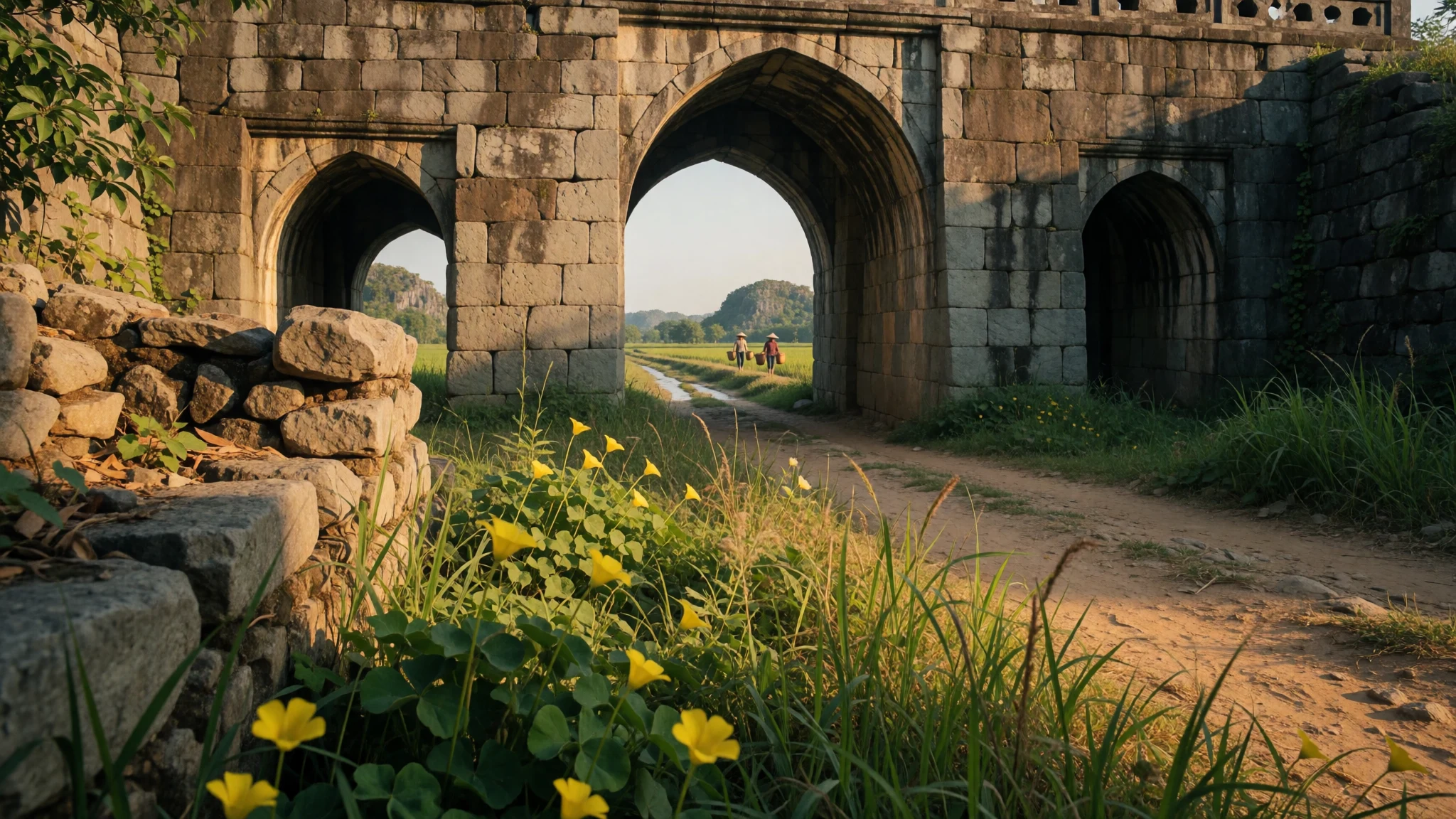
Citadel of the Hồ Dynasty turns stone walls into a time capsule of a short-lived royal capital and its carefully planned city form.
The place
Citadel of the Hồ Dynasty (Thành nhà Hồ), sometimes called Tây Đô, is a 15th-century stone fortress in Thanh Hóa, Vietnam. It sits on the North Central Coast, in modern Tây Giai commune in Vĩnh Lộc District. The site is UNESCO-listed, and it still reads like a planned capital even though much of the structure is now ruined.
The citadel’s layout is the big draw. It’s known for a rectangular perimeter, with gates set on four sides: south, north, east and west. Walk around the enclosing walls and you can feel the “city inside the fortress” idea—an enclosed imperial space designed to concentrate power and administration. Inside, the precinct was associated with an Inner Citadel built of limestone, plus other components such as an outer wall and a large altar area.
Today, visits are mostly about shifting your pace between the gates and the remaining stonework: you’ll see big, heavy building stones and the way the fortifications were constructed. Some elements are still recognisable, while other areas are open and softened by time, so the experience is part archaeology, part landscape. It’s not a place for rushing—more like a calm, step-by-step read of an unusual capital plan.
Crowd levels are usually modest compared with Vietnam’s headline cities, but the heat can be real, especially in the warmer months. For most people, the ideal approach is to come earlier in the day, keep hydrated, and let the geometry sink in as you move between each gate.
Its story
Citadel of the Hồ Dynasty is tied to a moment of Vietnamese history that’s easy to miss if attention is only on dynasties that lasted longer. The Hồ dynasty built this fortress as their western capital, using a strict, fortified city plan to signal authority and order. Even when the political story is brief, the stones remain—and they make the “how capitals worked” feel surprisingly tangible.
The fortress wasn’t just about defence; it was also about control. The design and placement of key architectural elements reflected ideas associated with Confucian governance blended with Buddhist cultural influence. This is one reason the site doesn’t feel like a random collection of walls. It reads as an organised imperial setting, shaped to concentrate administration and ritual space within boundaries.
Construction followed what’s described as fengshui principles, meaning the siting and arrangement were treated as more than engineering. Later, the citadel continued to matter beyond the Hồ period, remaining part of political and cultural life in the centuries that followed. That longer afterlife helps explain why you can still visit the place as a historical complex rather than only as a ruin.
On the ground, the story becomes practical: gates on four sides, a strong perimeter, and surviving architectural fragments that hint at how the capital’s routines would have moved through space. It’s the kind of heritage site where you learn by walking the edges first, then looking closely at the remaining details.
What to see
- Ho dynasty citadel walls (Tây Đô perimeter) — Tây Giai commune (Vĩnh Lộc District), Thanh Hóa
Citadel of the Hồ Dynasty is defined by its stone perimeter and rectangular sense of enclosure. The surviving wall sections let you trace the “capital within boundaries” idea, even where ruins interrupt the line. Go slowly and compare angles as you circle the site.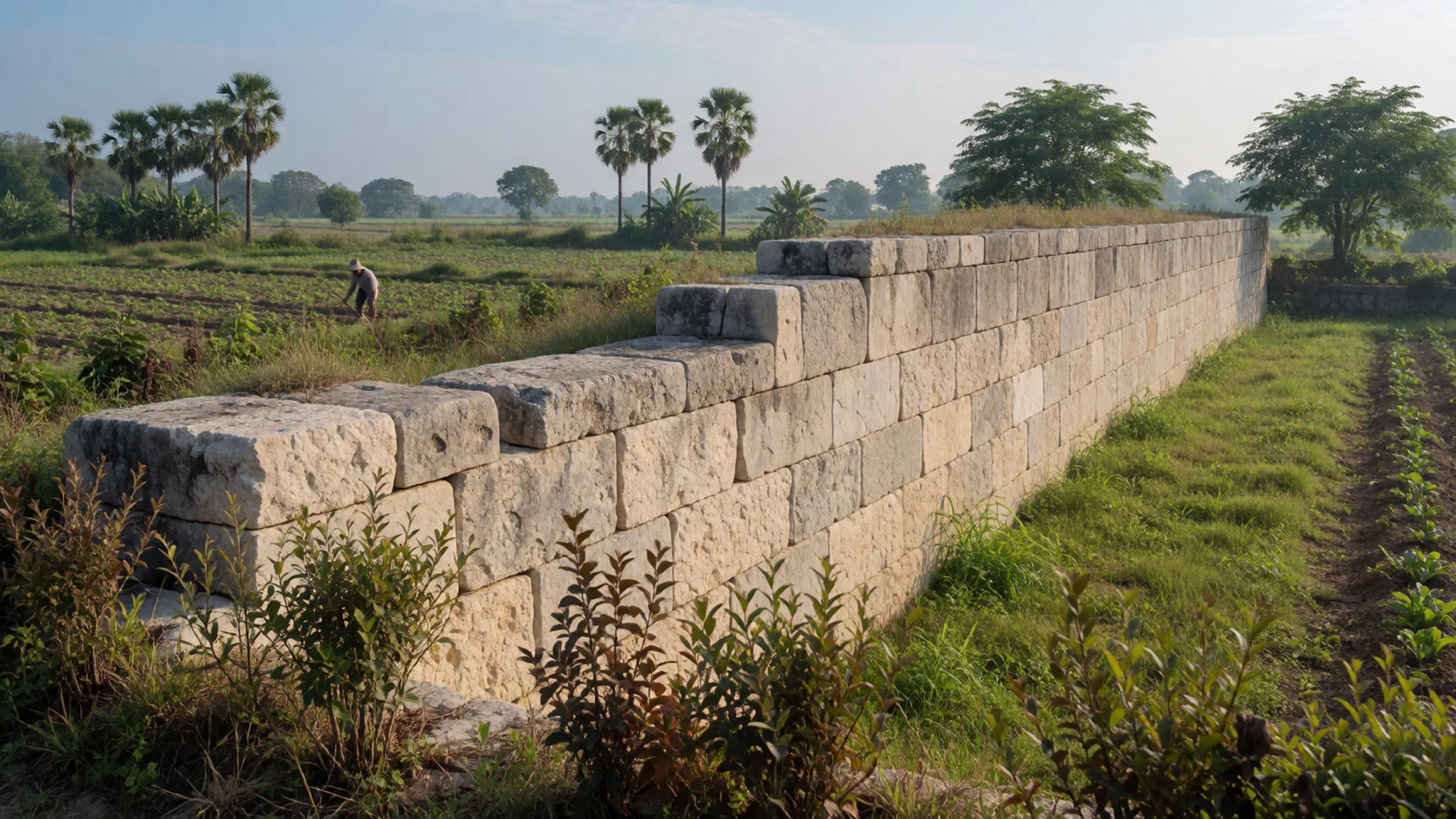
- Cổng Nam (South gate / fore gate) — Southern edge of the citadel, Tây Đô complex
Cổng Nam sits on the south side of the citadel complex and acts like the main entrance when you think of the fortress as an imperial city. Standing near the gate helps you understand the site’s deliberate symmetry and how movement into the enclosed space was staged.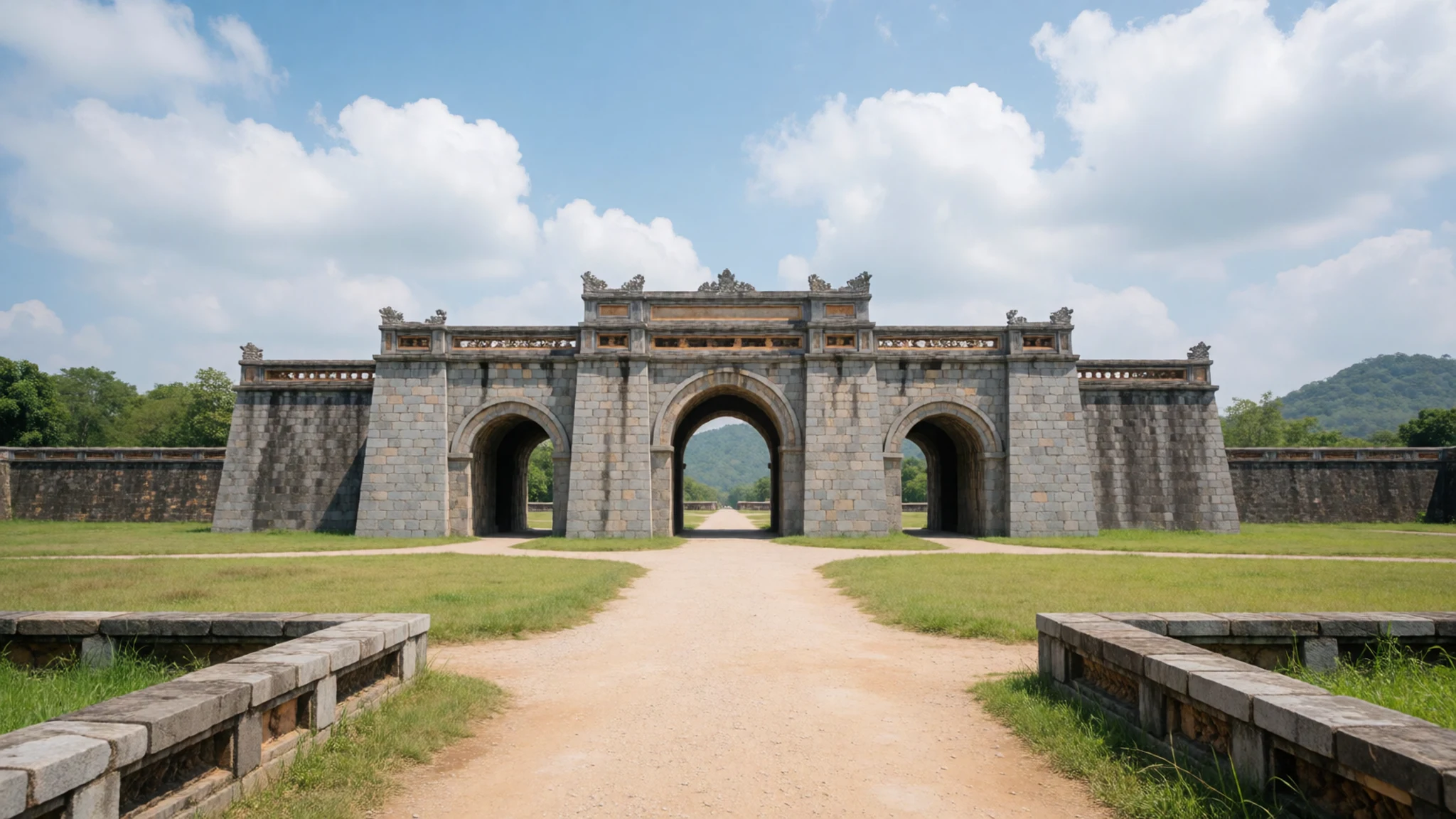
- Cổng Bắc (North gate / back gate) — Northern edge of the citadel, Tây Đô complex
Cổng Bắc marks the north side of the Citadel of the Hồ Dynasty, with the gate placement giving the whole plan a clear “front/back” reading. It’s a good stop for photos because the lighting often changes quickly as you shift from wall to opening.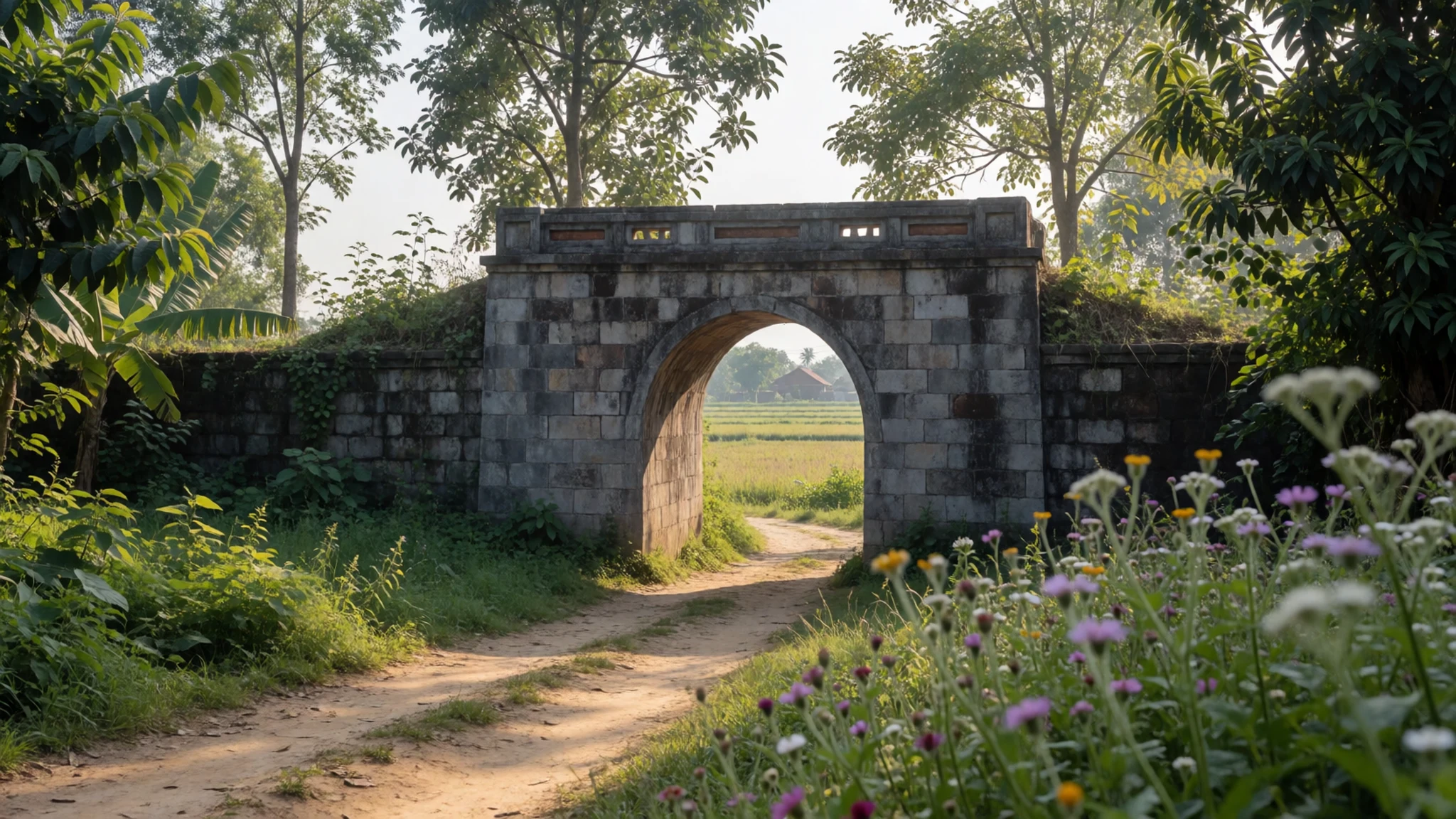
- Cổng Đông (East gate / left gate) — Eastern edge of the citadel, Tây Đô complex
Cổng Đông is the east-side opening, linked to how the citadel’s four gates structure the overall geometry. Even with partial ruins, you can still sense the designed flow through entrances. Pair this with a morning visit so the stone looks darker and more detailed.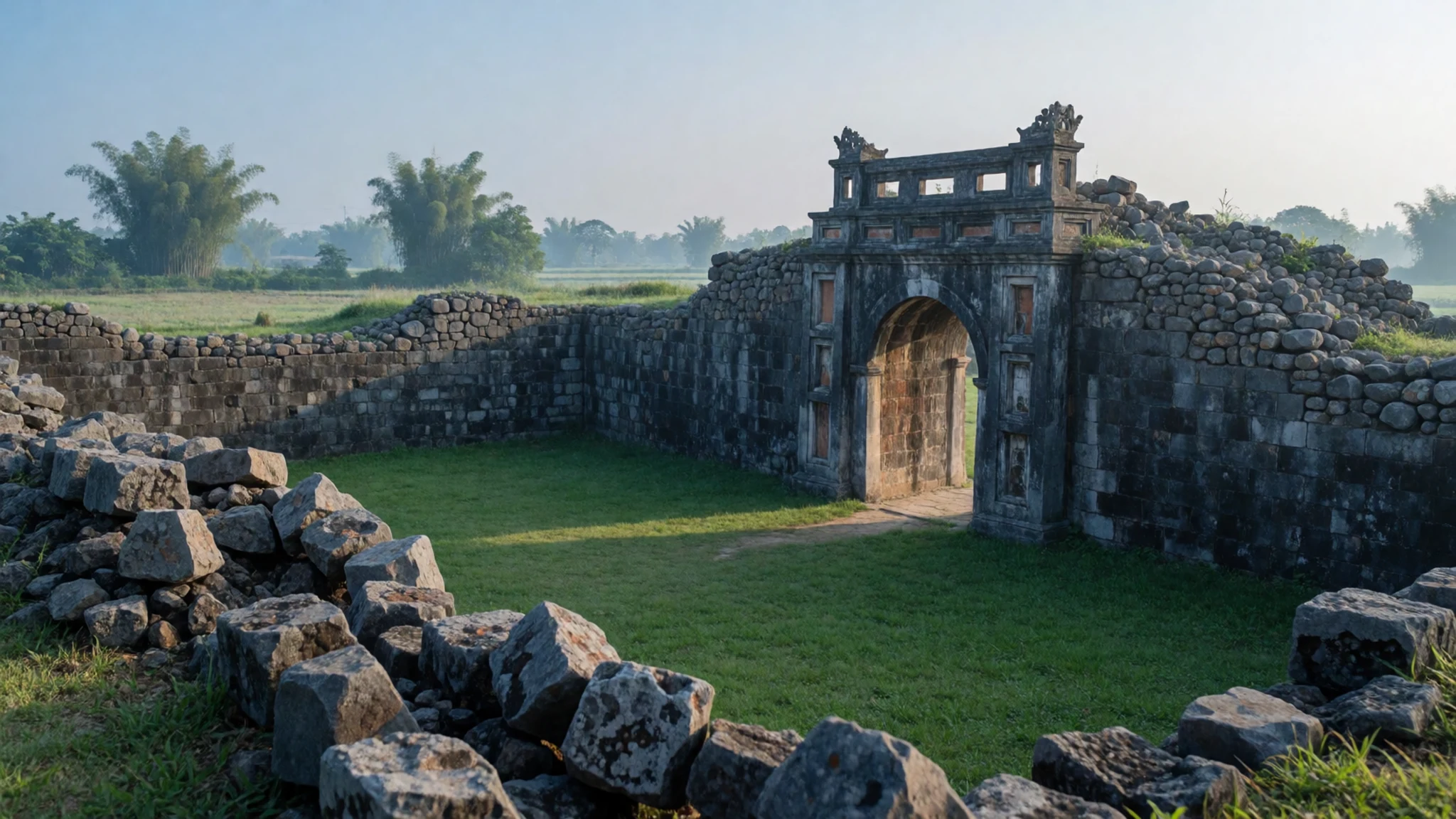
- Giếng Vua (Vua well) — Inside the citadel grounds (Tây Đô area), Thanh Hóa
Giếng Vua, often discussed as the “King’s well”, is a striking point of interest within the citadel grounds. It’s the kind of feature that makes the site feel lived-in rather than purely defensive, giving you a concrete landmark to orient your walk between gates and ruins.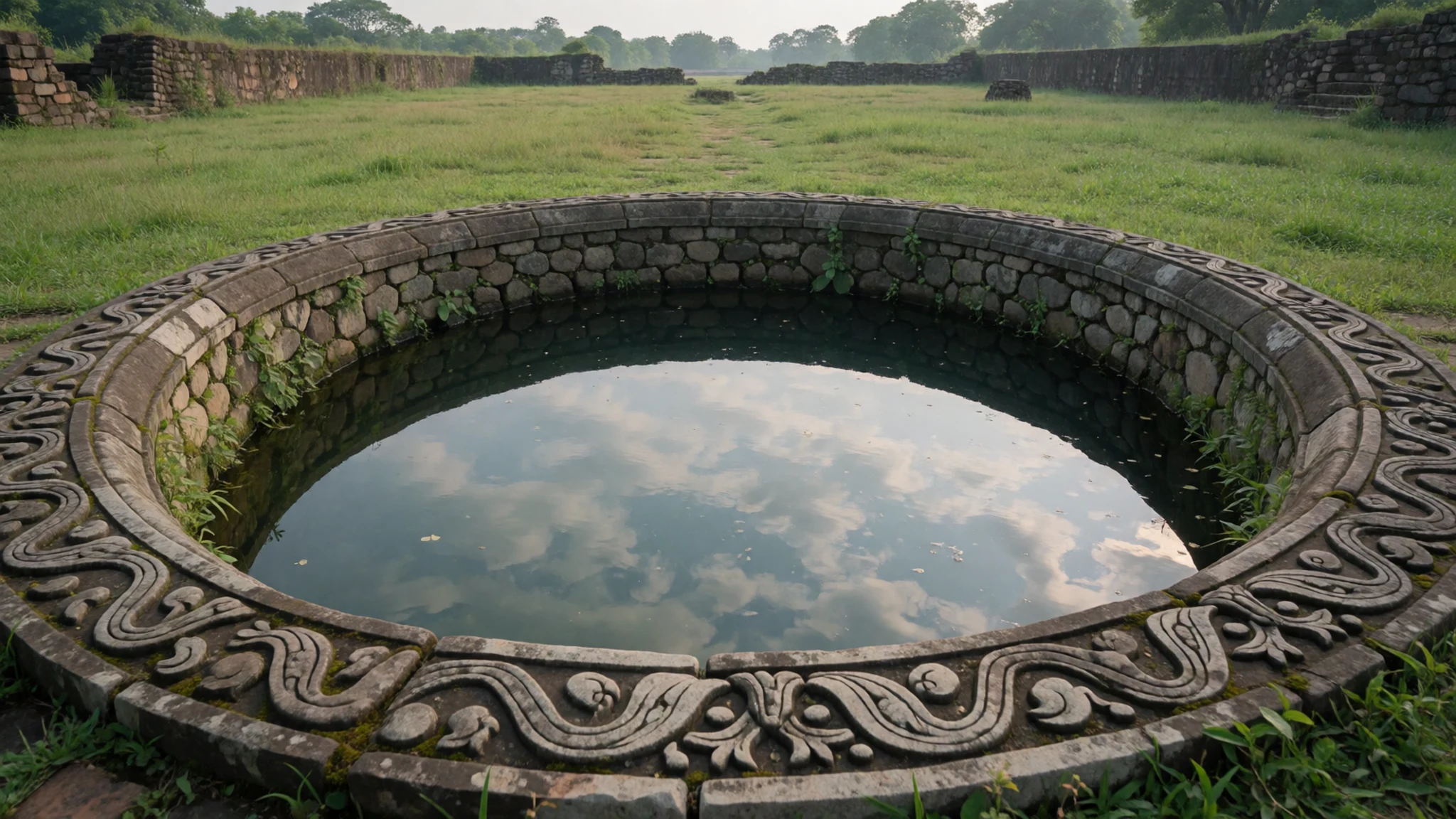
- Ngói đầu đao (decorative roof tiles) — On/near preserved architectural details within the Tây Đô complex
Ngói đầu đao are decorative roof tiles associated with the citadel’s architectural details. Looking at them gives a different angle on the site: less about the fortress plan and more about the visual language used on important buildings. They’re especially helpful for understanding what “central capital” meant.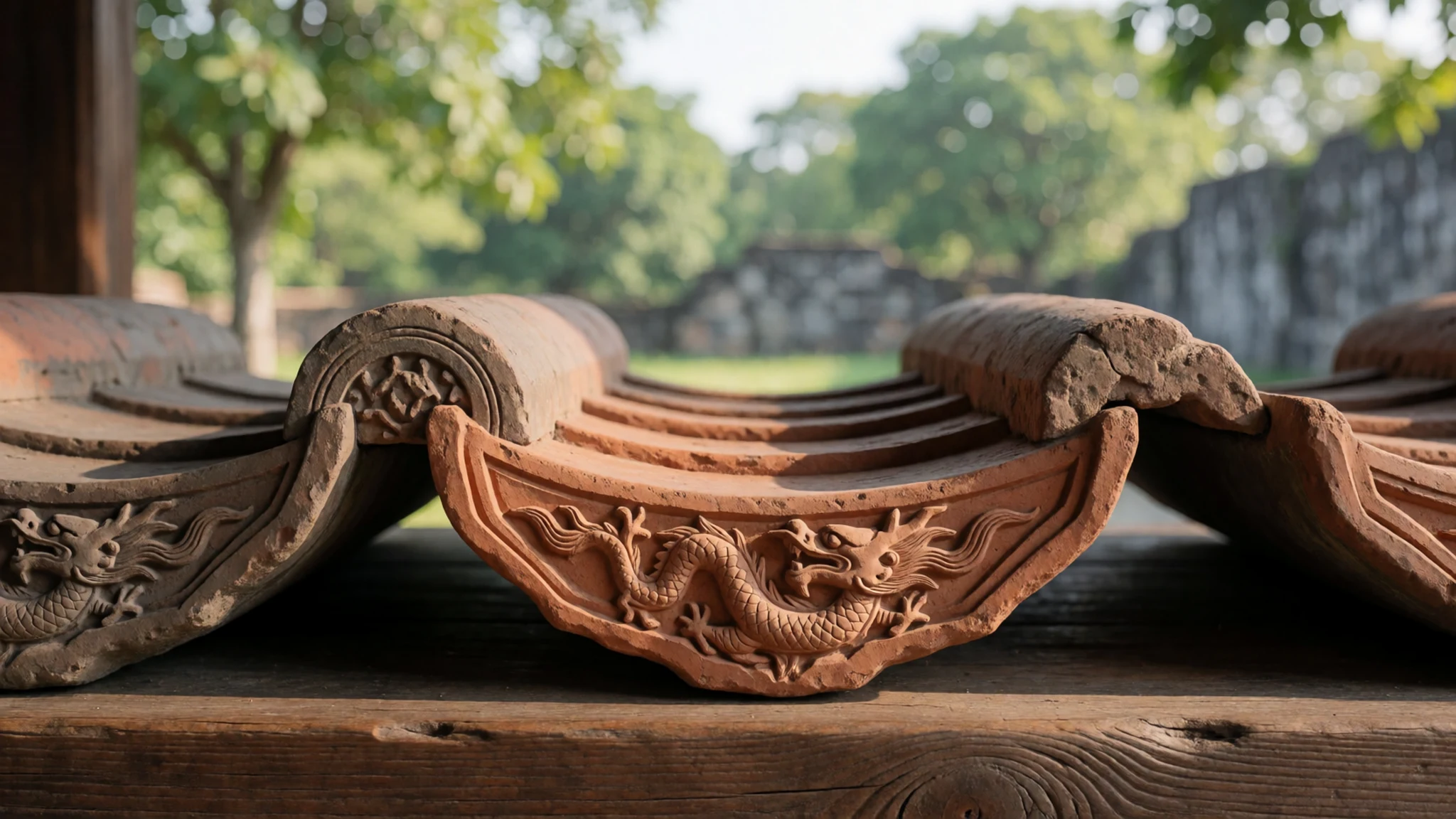
Culture
Citadel of the Hồ Dynasty is a UNESCO-listed heritage site in Thanh Hóa, so the respectful-visitor basics matter: stay on safe paths around ruined stonework, keep voices low in quiet areas, and don’t climb onto sections that look unstable. Many visitors treat the citadel like an outdoor museum, but it still functions as a historical place where people may move between gates and preserved features.
Because the site is open-air, weather shapes behaviour. In warmer months the sun can feel relentless, so people often pause to watch the light shift across the walls and openings—while others rush for photos. The best experience usually comes from the slower rhythm: look closely, take breaks in shade when it appears, and carry water.
Photography is generally part of the appeal, but avoid blocking walkways near gate structures so others can pass and view the stones. If there are any staff or local guides present, follow their guidance first.
Visitor etiquette: dress modestly for a heritage site and be careful not to step onto or handle fragile stone features while taking photos.
What to wear
At Citadel of the Hồ Dynasty (Thành nhà Hồ), dress is mostly about comfort in Vietnam’s weather and respecting the site as heritage. Traditional clothing isn’t typically worn by most visitors, but if Vietnamese silk styling is something people wear for photos, it’s usually for special occasions or nearby cultural moments rather than across the citadel grounds.
What people wear now tends to be practical: breathable T-shirts, lightweight tops, loose trousers or long skirts, and sandals or trainers. In hot or humid conditions, visitors often choose cotton or linen-like fabrics and bring a hat or light layer for the sun.
For a visitor, the safest plan is modest, airy, and shoe-friendly. Choose clothes that cover shoulders and knees if possible (it keeps things comfortable when wandering between gates and ruins), and wear closed-toe footwear or sturdy sandals with grip—stone edges and uneven ground can be awkward. If visiting during sunnier months, bring a cap and sunscreen; if rain is around, pack a small poncho or rain jacket and expect slippery patches on hard surfaces.
What to eat
- Phở (beef or chicken noodle soup) — Local street-side eateries around Thanh Hóa towns and market areas
Phở is the easy win in Thanh Hóa: look for small eateries serving bowls in the early morning and lunch rush. It’s a warm, simple meal after walking the stone paths, especially when the heat builds by midday.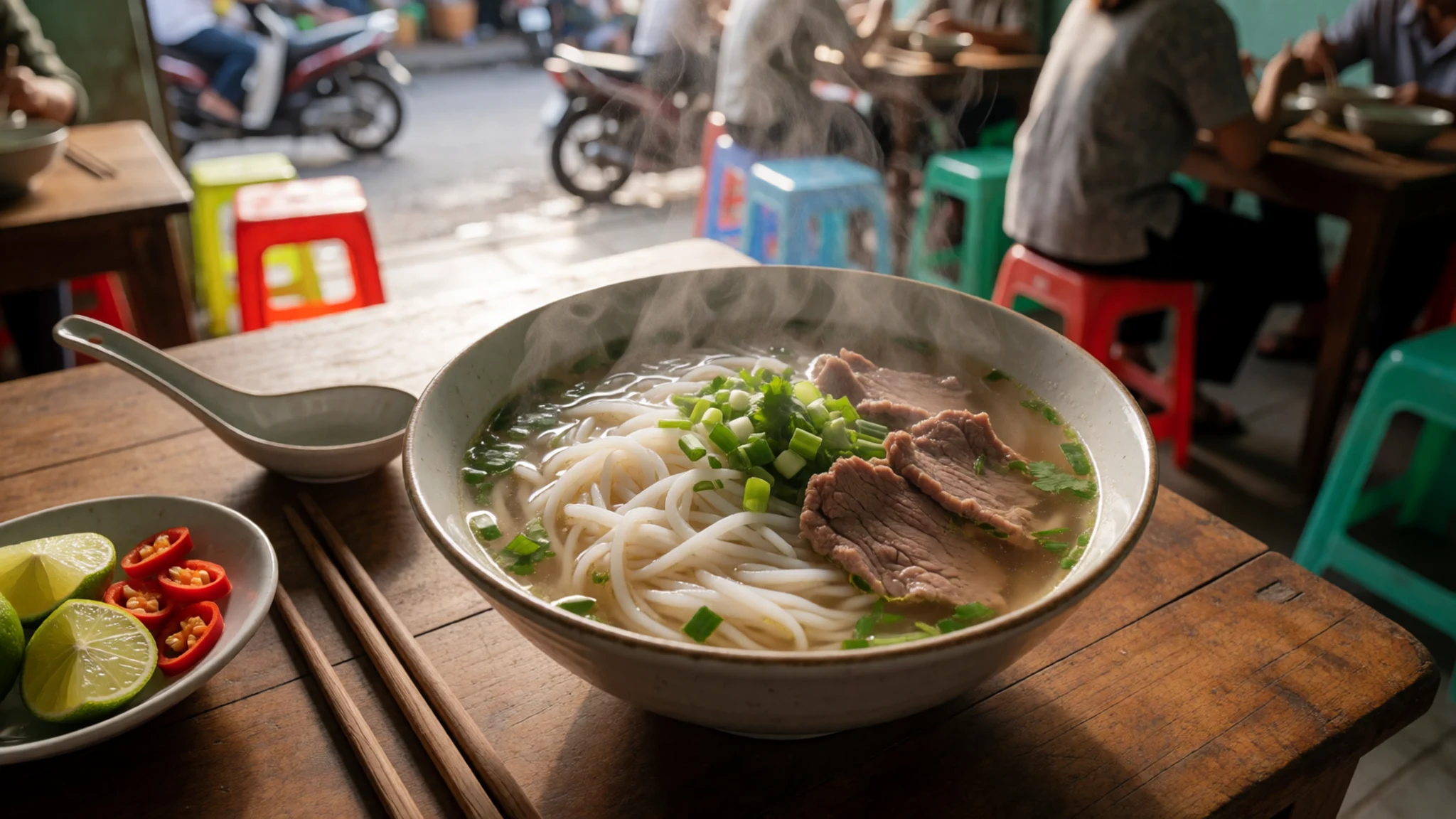
- Bánh mì (Vietnamese sandwich) — Bakery-café counters and street stalls near main roads
Bánh mì is great for a quick bite between sightseeing stops. Grab a crusty roll with pâté, pickles and fillings from a bakery counter, then eat it outdoors or on the move. It works well when the day runs hot and you need calories fast.
- Bún (rice vermicelli bowls) — Casual restaurants and family eateries in Thanh Hóa
Bún-style dishes—often with grilled meat and fresh herbs—help balance a day outdoors. You’ll find these in casual family-run places where portions are generous and flavours are adjustable with herbs and chilli. - Gỏi (fresh herb salads) — Vietnamese eateries that serve set menus and lunch plates
Gỏi brings crunch and freshness: chopped vegetables, herbs and a light dressing, sometimes with seafood or pork. It’s an easy meal option when appetite drops during warm hours after walking the fortress perimeter. - Cà phê đá (Vietnamese iced coffee) — Local cafés and street cafés in nearby towns
Cà phê đá is a classic pick-me-up: strong coffee chilled over ice, often served with sweetened condensed milk. It’s usually easy to find in small cafés and roadside stops, ideal for a slower break between gates.
Plan it
Best time. April and November are the most comfortable months for sightseeing around Citadel of the Hồ Dynasty—April brings mild highs with moderate rain, and November is cooler and drier. The hottest month is August (mean high ~35.7°C), and the wettest stretch is late summer into early autumn: August to September bring the heaviest rainfall (around 299–309 mm), with June staying fairly wet as well (about 144 mm).
How long. 3–4
Getting there. Fly into an airport serving North Central Vietnam, then use local transport to reach Thanh Hóa and the Tây Đô area. The last leg is usually by car or taxi from the closest town/village road access to the citadel grounds.
Budget. mid
Tips
- Start with the gate circuit early to beat heat and harsher light on the stonework.
- Carry water and take frequent shade breaks—open-air ruins heat up quickly.
- Give extra time for a slow “perimeter first, details second” approach so the layout makes sense.
- Bring cash for small purchases around the site area and nearby local stops.
Etiquette
- Stay off fragile stone edges and any restricted ruins; walk the clear paths.
- Keep noise down, especially near quieter preserved sections and when others are viewing details.
- Don’t block walkways or openings when taking photos at the gates.
Nearby
Sources
- Wikidata Q190060 (CC0)
- Wikipedia (rev 1370237655) (CC BY-SA 4.0)
- Photo photos/01-ho-dynasty-s-citadel-vietnam.jpg (CC BY 2.5)
- Photo photos/02-tay-do-castle-south-gate.jpg (Public domain)
- Photo photos/03-c-ng-nam.jpg (CC BY 3.0)
- Photo photos/04-tay-do-castle-north-gate.jpg (Public domain)
- Photo photos/05-tay-do-castle-east-gate.jpg (Public domain)
- Photo photos/06-dan-da-thanh-tay-do.png (Public domain)
- Photo photos/07-12-gieng-vua-dan-te-nam-giao.jpg (CC BY 3.0)
- Photo photos/08-20-ng-i-u-ao.jpg (CC BY 3.0)
- Wikivoyage (CC BY-SA 4.0)


