Zapata
Zapata, Cuba
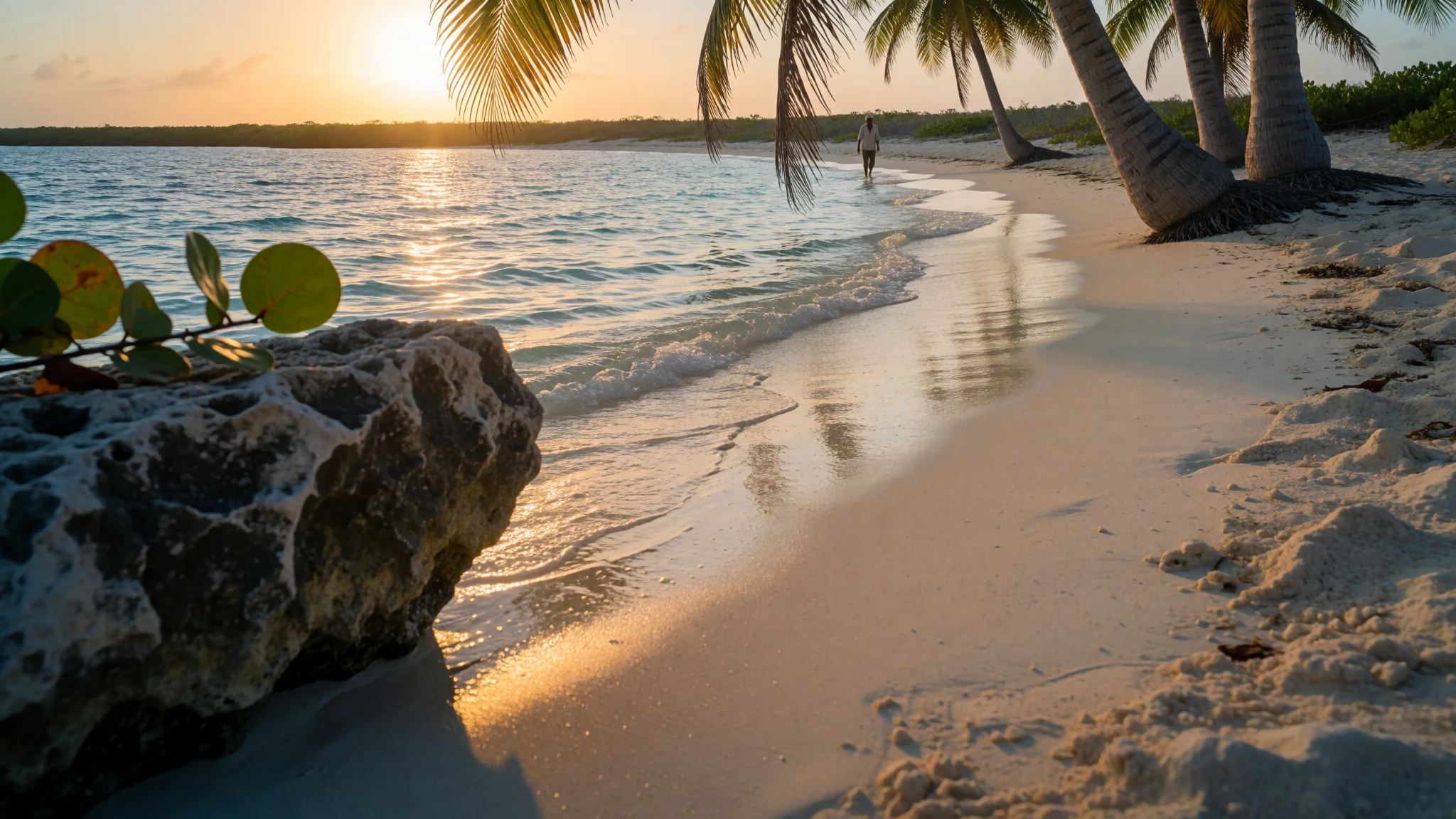
Zapata Swamp National Park is a quiet Cuban wetland of rare birds, crocodiles and calm coral beaches, a couple of hours from Havana.
The place
Zapata Swamp National Park covers much of the Zapata Peninsula in southern Matanzas Province, on Cuba's south coast, less than 150 km southeast of Havana. The land is almost level. The facts put its elevation at about 5 metres, and even the highest ground is only a few metres more. What looks like one swamp is really a mosaic: saltmarsh near the sea, freshwater reedbeds and flooded forest inland, mangrove along the margins, patches of drier woodland, and a rocky shore with coral-sand coves. Settlements are small. Playa Larga and Playa Girón sit on the Bay of Pigs, the fishing village of Caletón lies just west of Playa Larga, and between them the road runs through low scrub and open water. The park is a designated biosphere reserve, and writers often compare it with the Everglades of Florida. There are two seasons. From May to October the average temperature is about 30 °C, with heat, humidity and plenty of mosquitoes. From November to April the average falls to about 20 °C and the air is drier, which suits walking and birdwatching. Nobody comes here for waterfalls or peaks. The draw is wildlife, flat light on still water, and warm clear sea at the edge of the marsh, with modest services and few crowds.
Its story
Zapata Swamp has a human history that is shorter and more political than its natural one. Before the revolution the peninsula was among the poorest corners of Cuba, cut off by water and poor roads, and its people lived thinly on what marsh and coast could give. Afterwards it became one of the first areas the new government developed, with roads, schools and a hospital, which is a large part of why local support for the state is described as strong. In 1961 the Bay of Pigs, on the peninsula's southern coast, became the scene of an invasion that Cuban forces defeated, and roadside billboards still celebrate the victory. Tourism arrived later and quietly. Guamá, an island in Laguna del Tesoro (Treasure Lake), was turned into a replica Taíno village with sculptures of native life, commissioned by Fidel Castro, who liked to holiday there. The Taíno were the Indigenous people of Cuba before Europeans arrived, but this village is a modern tribute, not an archaeological site. Protected status and the biosphere reserve have added another layer, so the story now includes rangers, scientists and bird guides as well as soldiers and builders. Here the swamp is remembered as a place of struggle and pride, and the history is told largely in a single, official voice.
What to see
- Birdwatching in the swamp — Park trails near Playa Larga
Zapata Swamp National Park is a strong place to look for Cuban endemics. Local guides know the spots for the tocororo (Cuban trogon), the national bird, the Cuban tody, the Cuban parrot and the bee hummingbird, a tiny bird found only in this region. Go at dawn, carry binoculars and a hat, and arrange a guide in advance.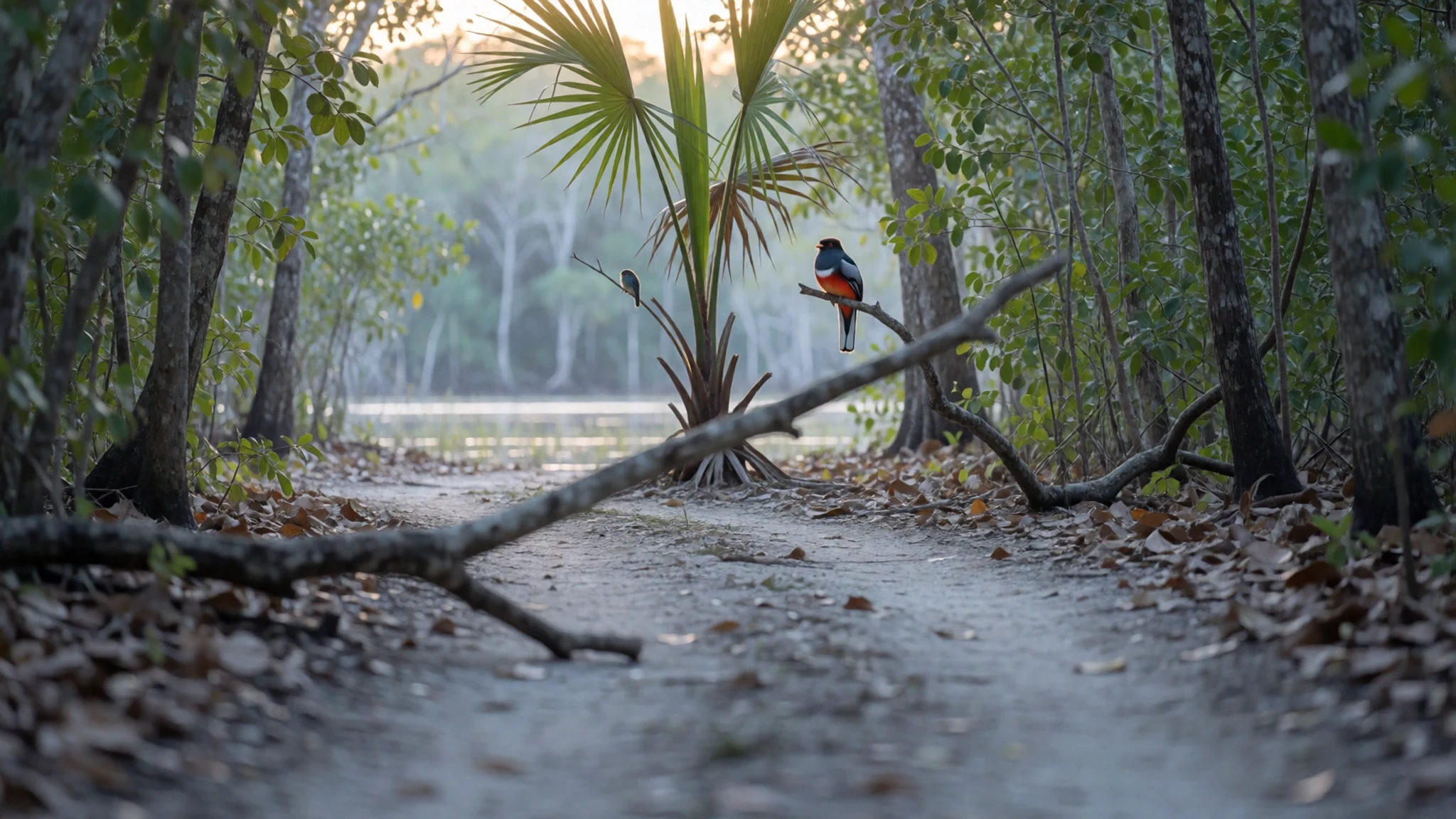
- Criadero Cocodrilo — Between Australia and Playa Larga
The crocodile farm stands on the road between the village of Australia and Playa Larga. Visitors see crocodiles of many sizes, may be allowed to hold a baby one, and can try crocodile meat at the restaurant. Children tend to enjoy it most; adults curious about conservation should ask how the breeding is run.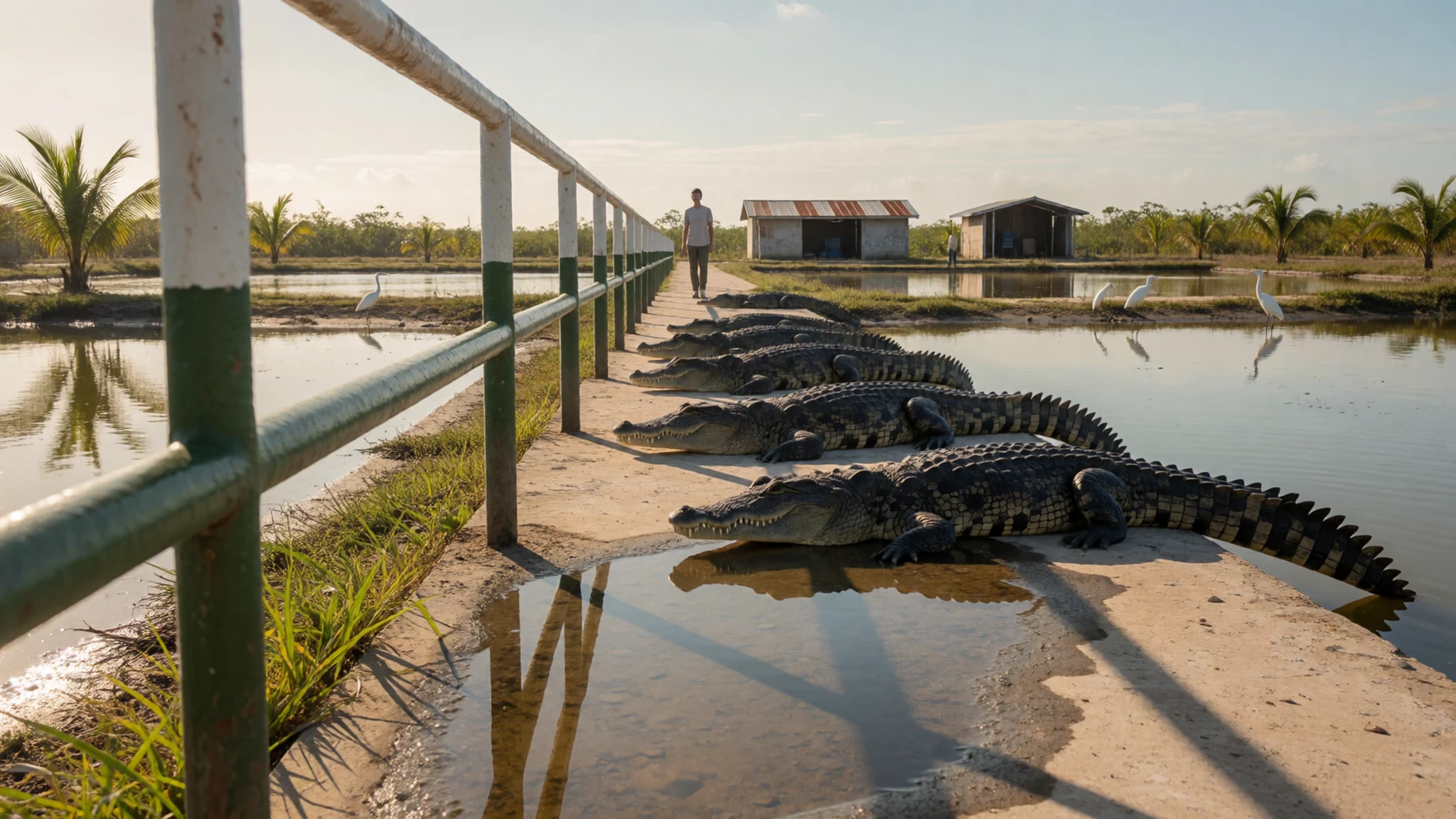
- Guamá and Laguna del Tesoro — Laguna del Tesoro
Guamá is an island in Treasure Lake, reached by boat from the crocodile farm. It holds a Taíno-style village with sculptures of native life, built at Castro's instigation. Reports are mixed: pleasant and relaxing rather than thrilling, and the boat ride costs a fair amount, so skip it if time or cash is short.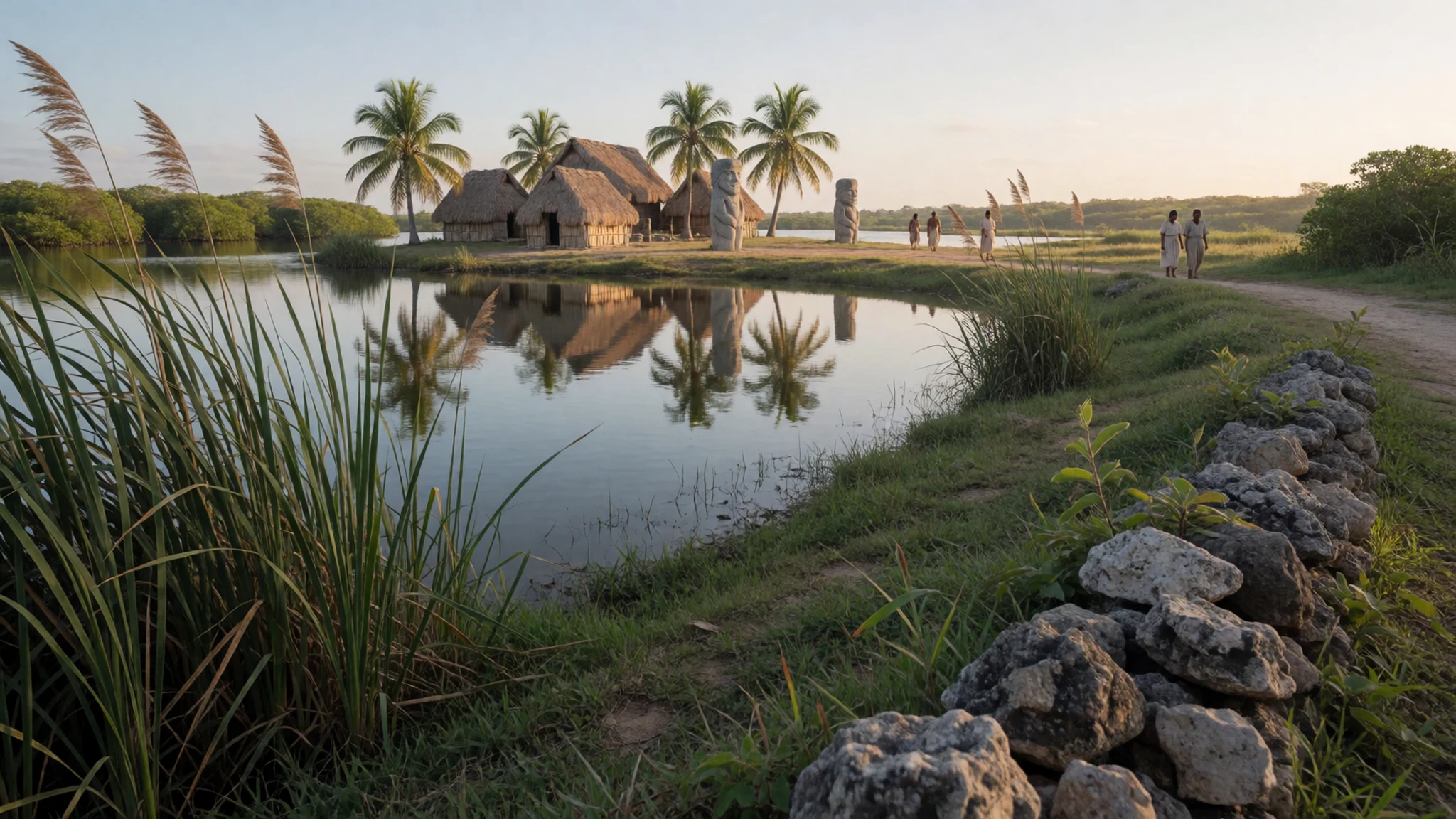
- Playa Máquina — East of Playa Larga
Playa Máquina, just east of Playa Larga, has white coral sand and warm, shallow, calm water. Palms and limestone cenotes line the shore, and it is often close to empty. Some guidebooks call it Caleta del Rosario. Bring shade, drinking water and snorkel gear, since little is sold nearby.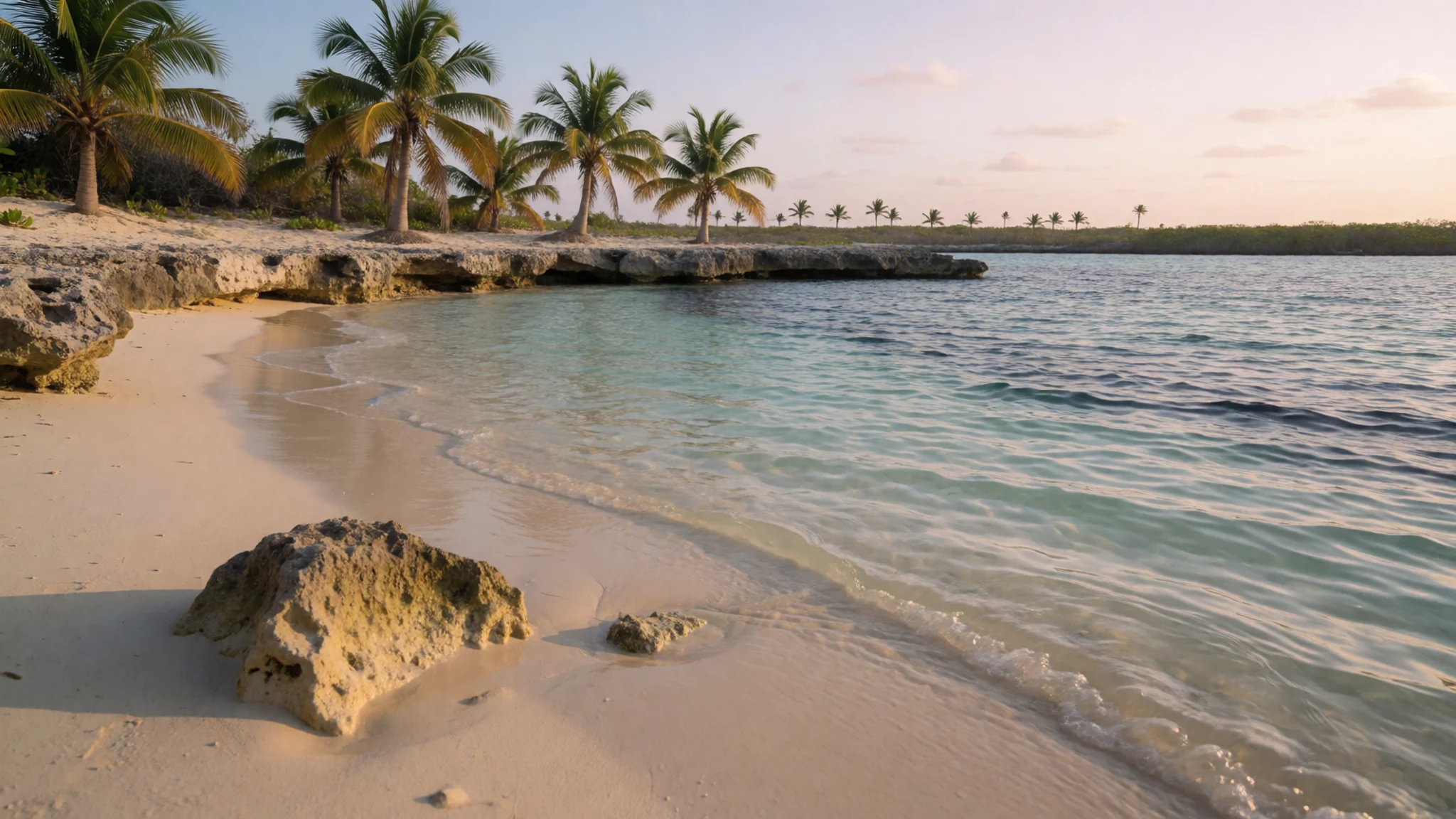
- The wetland by boat — Ciénaga de Zapata interior
The open wetland itself is worth an hour or two on the water. Boat trips weave through reeds and mangrove past small tree-covered cays, where herons, egrets, storks and jacanas feed in the shallows. Butterflies and lizards line the drier paths. Arrange trips through your casa particular or the park office.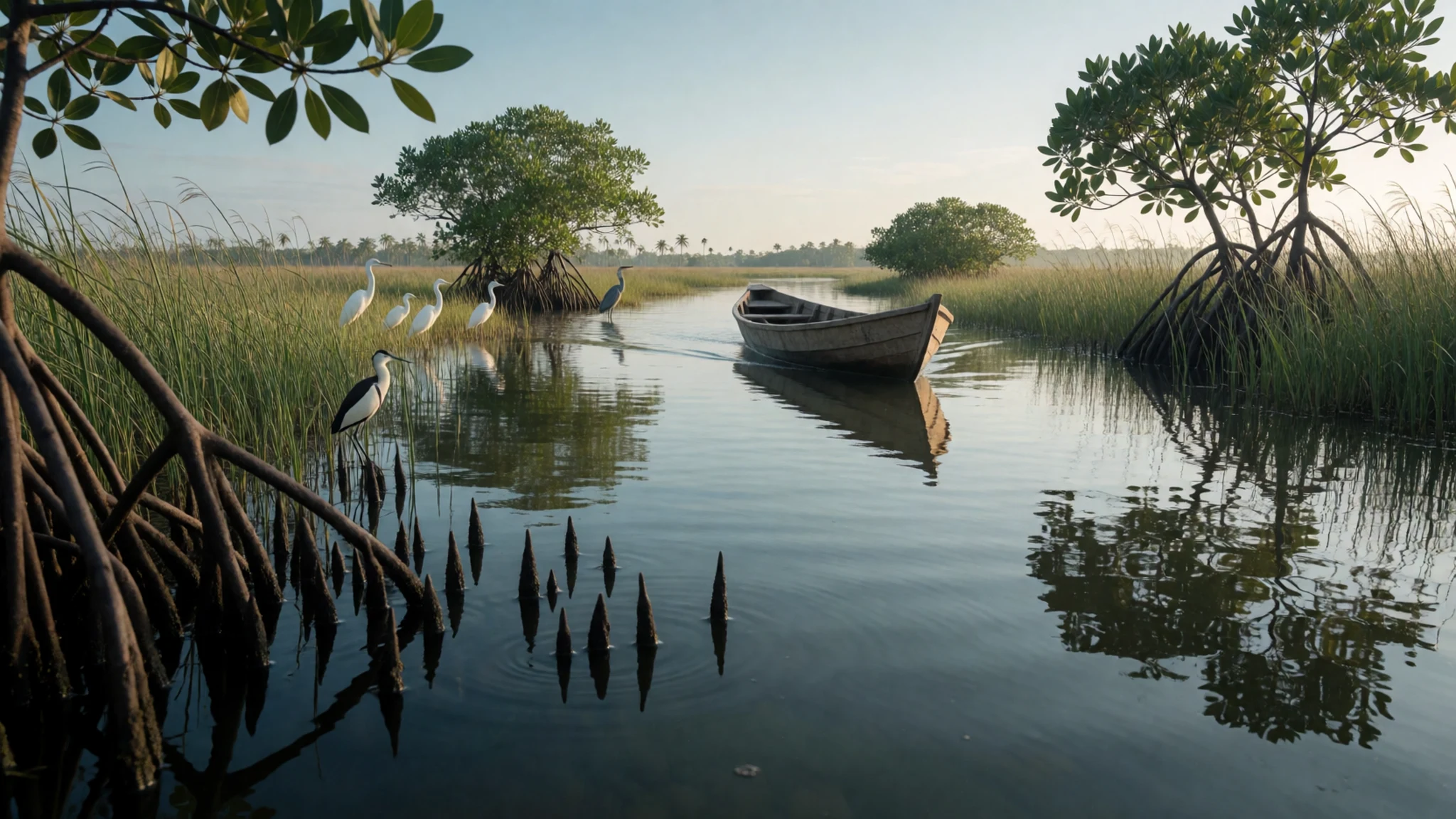
Culture
Zapata Swamp National Park lies in a part of Cuba where politics and daily life are visibly intertwined. Billboards and monuments around the Bay of Pigs celebrate the 1961 defeat of the invasion, and many local people speak of it with pride. Visitors can listen without needing to take a side. Lodging is mostly in casas particulares, family homes licensed to host guests, where evening meals and long conversations are part of the stay and the living room may double as the neighbourhood's meeting place. Rules differ for residents and foreigners: Cubans are reportedly not allowed to eat lobster, so ordering it in front of local friends can cause awkwardness. Wildlife is part of local pride too. Crocodile and jutía, a large tree rodent, appear on menus, while the bee hummingbird and the tocororo are treated as local treasures. Evenings are for music, dominoes and a drink in the village, and Spanish is the working language, so a few polite phrases go a long way. Cash matters more than cards in small places, and patience with slow service is simply part of the pace here. Ask permission before photographing people at home or at work, and do not order lobster in front of Cuban hosts who are not permitted to eat it.
What to wear
Zapata Swamp National Park is rural and coastal, so everyday dress is plain and practical. Cuba's best-known traditional garment is the guayabera, a loose cotton or linen shirt with pockets and fine pleats, worn by men at celebrations and formal occasions as well as in daily life. Women favour light cotton dresses, skirts and shorts; cotton, linen and rayon dominate because of the climate. The swamp has no distinct regional costume that visitors will meet. The Taíno village at Guamá offers a staged version of Indigenous dress, which is display, not clothing anyone wears. Now, people in the villages wear T-shirts, shorts and flip-flops, with hats and rubber boots for fishing and marsh work, and smarter shirts for a night out. Visitors should dress for heat, sun and insects. Choose light long sleeves and long trousers for dawn and dusk, when mosquitoes are worst, plus a wide-brimmed hat and sunscreen. Closed shoes or trainers suit forest trails, while sandals and swimwear are fine for the beaches. A thin rain jacket helps from May to October. There are no strict modesty rules, but cover up when walking through villages and away from the sand.
What to eat
- Cocodrilo (crocodile) — Casa particular dinners and the crocodile farm restaurant
Crocodile meat is the signature dish of the swamp, usually grilled or stewed and tasting somewhere between chicken and fish. It is offered at the crocodile farm restaurant and as a choice at casa particular dinners. Visitors generally report it as a friendly first step into local eating.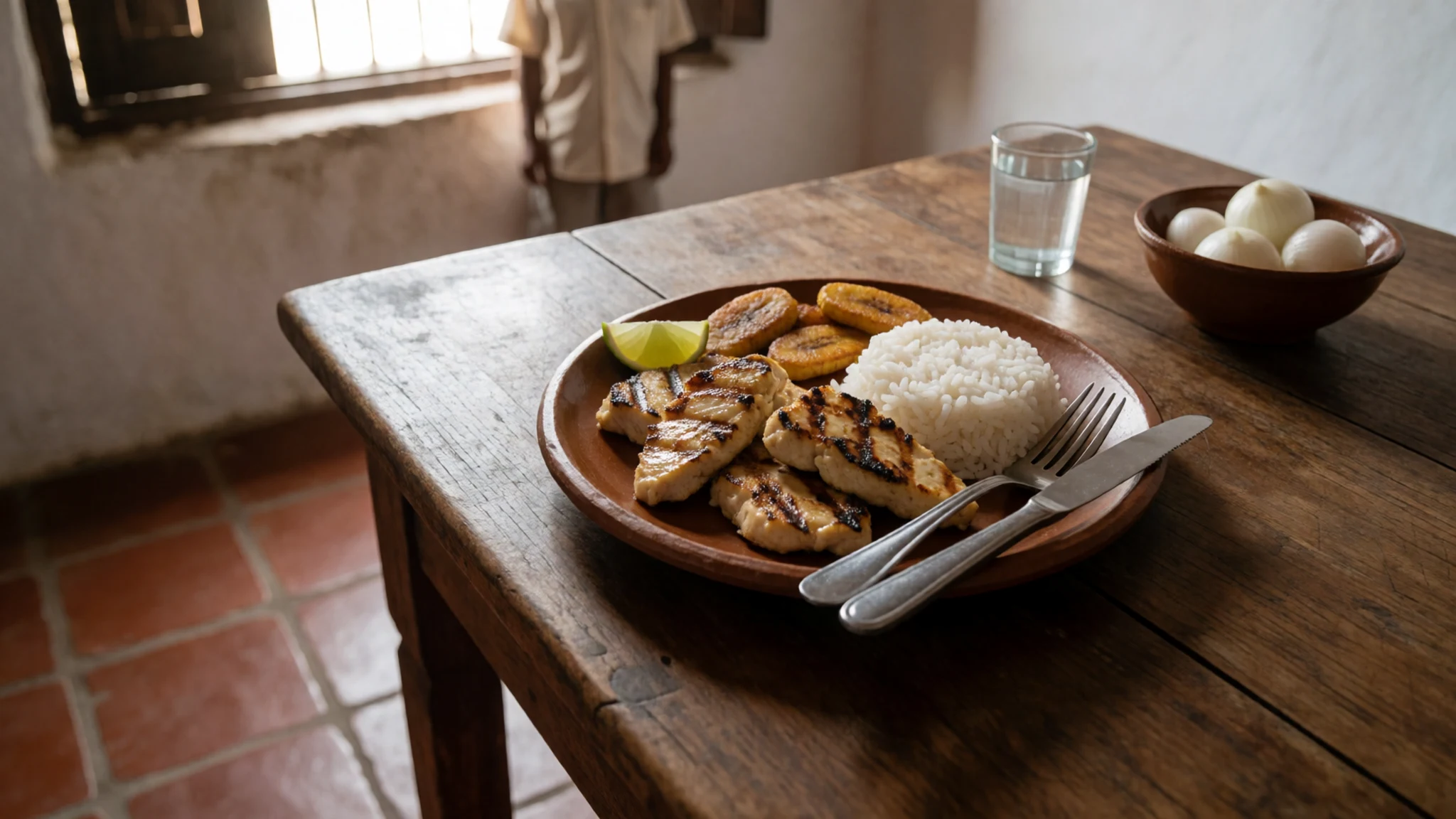
- Jutía — Casa particular dinners in Caletón and nearby villages
Jutía is a large tree-dwelling rodent, eaten roasted or stewed in rural Cuba. It is the adventurous choice on a casa particular menu and not to every visitor's taste. Ask your host in advance, as it is not always available.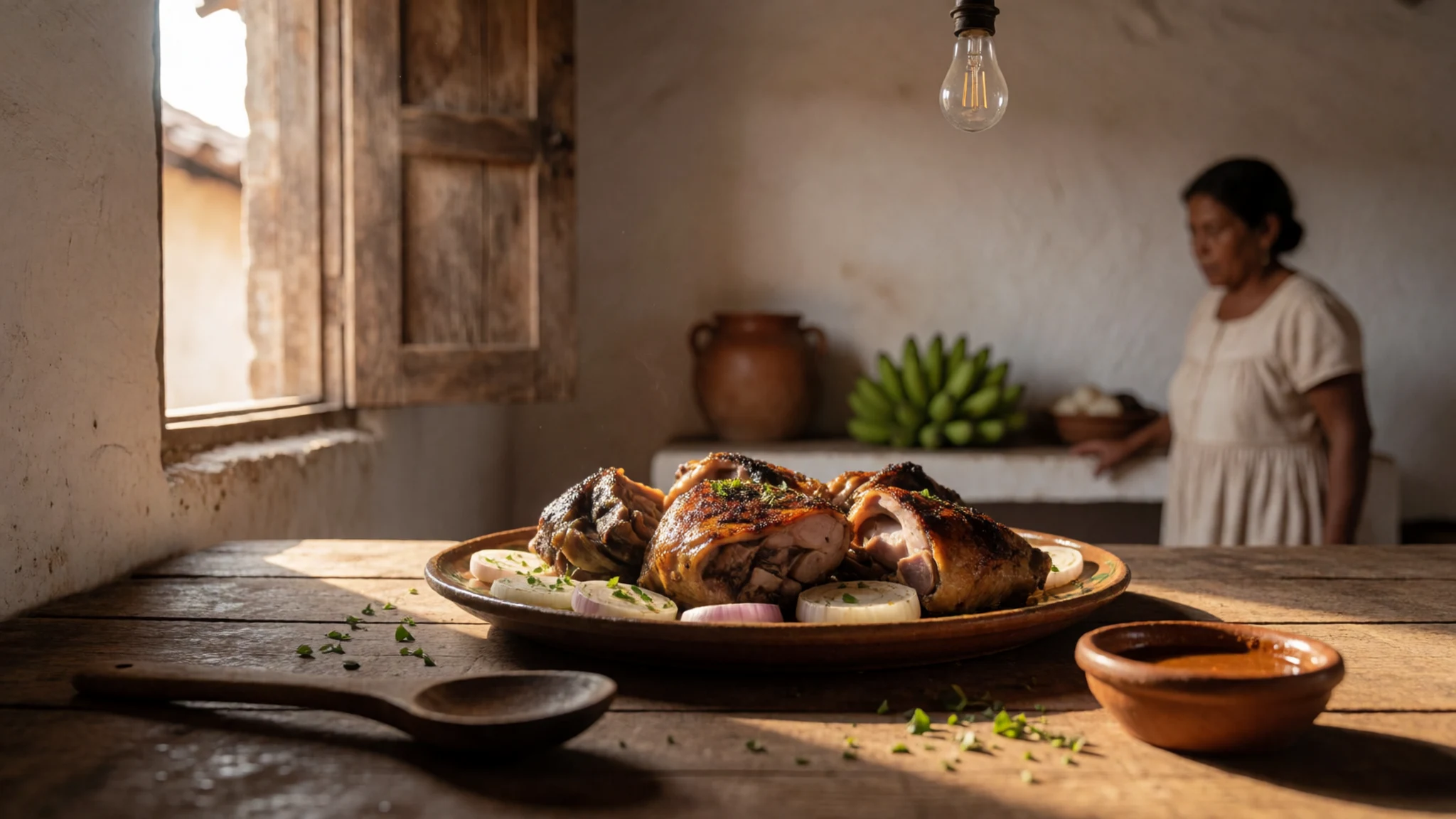
- Grilled fish — Casa particular dinners and small seaside eateries on the Bay of Pigs
Fresh local fish, typically grilled whole with garlic and lime and served with rice, beans and fried plantain, is the dependable choice on this coast. The catch depends on the day, so ask what the host has bought. - Lobster — Casa particular dinners along the coast
Lobster is a regular dinner option for guests, grilled or in a garlic sauce. It is reportedly illegal for Cubans to eat it, so enjoy it in private with your hosts rather than offering it to local friends. - Sarsaparilla drink — Small roadside stalls in the villages along the bay
A non-alcoholic sarsaparilla soft drink, sweet, dark and spiced, is made locally and compares well with root beer, according to one traveller. It is a cooling stop on a hot day between birdwatching sessions.
Plan it
Best time. November to April, when averages fall to about 20 °C and the air is drier, which suits long walks and birdwatching. From May to October it is hot, around 30 °C on average, wetter and buggier.
How long. 2–3
Getting there. Fly to Havana's international airport, then drive about two hours southeast, less than 150 km, to Playa Larga or Playa Girón. Viazul coaches run from Havana to both towns and on to Cienfuegos and Trinidad; check times with Viazul beforehand, as services and offices have changed.
Budget. low
Tips
- Book a bird guide and a casa particular in advance, especially from November to April
- Start birdwatching at dawn, when it is coolest and the birds are active
- Carry cash in small notes, as cards and mobile signal are unreliable in the villages
- Bring insect repellent, sun protection and your own drinking water
- If arriving by coach from Viñales, confirm where it will drop you, since it may stop at a roadside restaurant some way from the village
Etiquette
- Ask before photographing people, and give guides and hosts a fair tip
- Do not offer lobster or other restricted foods to Cuban friends
- Keep to marked trails and do not handle or feed wildlife
Nearby
Sources
- Wikidata Q5951909 (CC0)
- Wikipedia: Zapata Swamp (rev 1362953854) (CC BY-SA 4.0)
- Wikivoyage: Ciénaga de Zapata National Park (rev 5380814) (CC BY-SA 4.0)
- Zapata swamp (NASA) (Public domain)
- Ciénaga de Zapata, Francisco Puertas (CC BY 2.5)
- Dendroica petechia, Laura Gooch (CC BY-SA 2.0)
- Cuban Brown Curlytail, Thomas Brown (CC BY 2.5)
- Northern Mockingbird, Thomas Brown (CC BY 2.5)
- Eastern Giant Toad, Thomas Brown (CC BY 2.5)
- Butterfly in Ciénaga de Zapata, Kate Perez (CC BY-SA 4.0)
- Cayo en la ciénaga, Ángel M. Felicísimo (CC BY-SA 2.0)


Wildlife
- Bee hummingbird (animal)
Remember the bee hummingbird as the world's smallest bird, a jewel of a creature that lives only in Cuba and drinks from flowers. Around Zapata it is a tiny bird found only in this region, and local guides know the places to watch for it. It eats nectar and insects. Go with a guide, keep still and quiet, and watch from a polite distance. Never try to feed it or coax it closer. - Cuban crocodile (animal)
The Cuban crocodile is a fairly small crocodile found naturally only in Cuba, like a neighbour who never leaves the island. Zapata Swamp National Park, a quiet wetland, is home to crocodiles as well as rare birds. Large males can grow big and heavy, so treat every one with respect. Look with a guide, stay well back, keep your voice low, and never feed them, as that makes them bolder around people. - Bee hummingbird (bird)
Remember the bee hummingbird as the world's smallest bird, a jewel of a creature that lives only in Cuba and drinks from flowers. Around Zapata it is a tiny bird found only in this region, and local guides know the places to watch for it. It eats nectar and insects. Go with a guide, keep still and quiet, and watch from a polite distance. Never try to feed it or coax it closer. - Tocororo (cuban trogon) (bird)
The tocororo, or Cuban trogon, is Cuba's national bird and lives nowhere else, so seeing one is like meeting the island's own emblem. In the Zapata area, local guides know the spots where it can be found, so go with one. Walk softly, speak in whispers and keep a respectful distance so the bird stays relaxed. Binoculars help. Never feed it; simply wait patiently and let it show itself.