Cienfuegos
Cienfuegos, Cuba
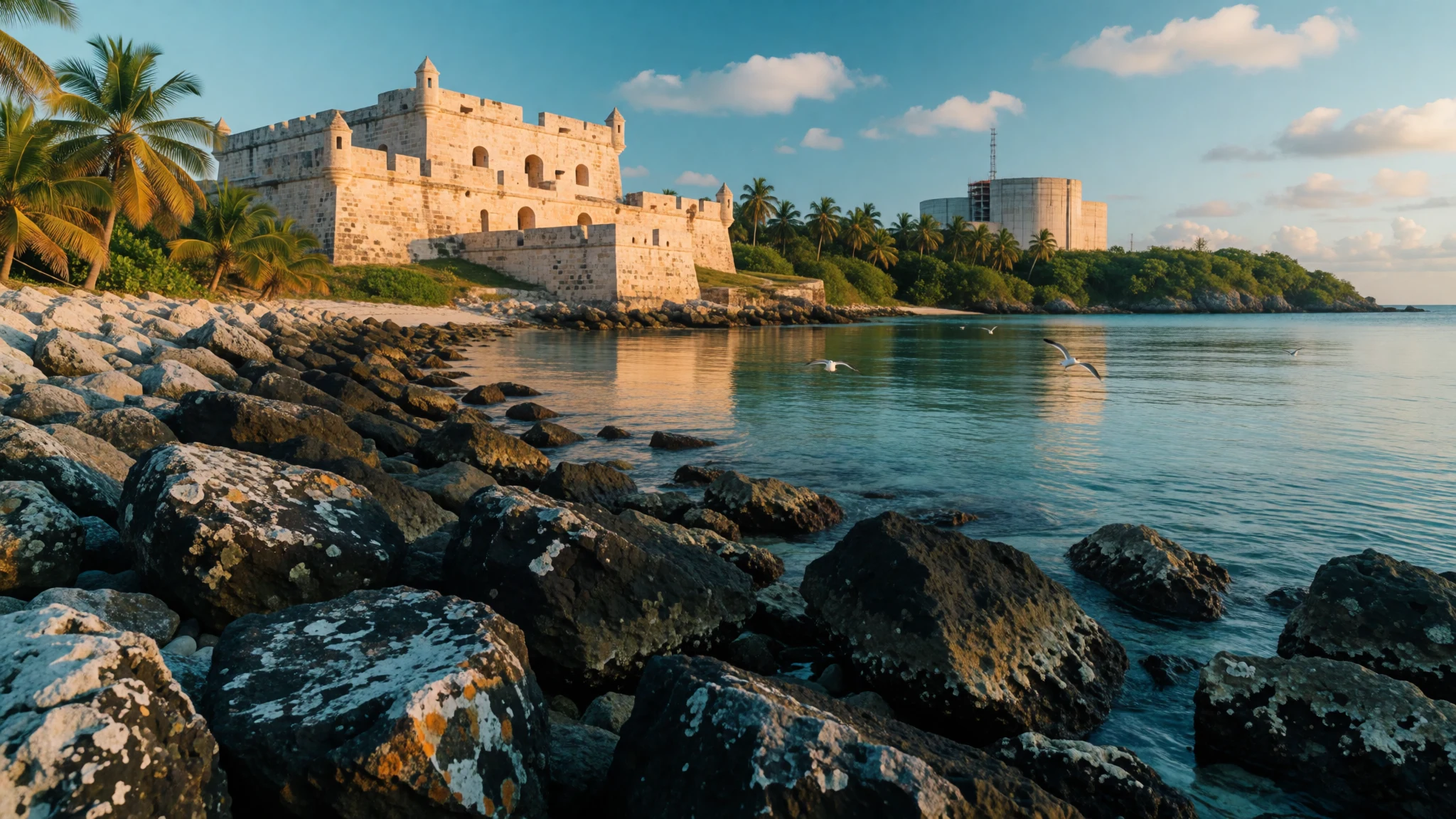
Cienfuegos is a calm, orderly bay city on Cuba's south coast, with grand merchant-era buildings, a lively evening promenade and French-flavoured streets.
The place
Cienfuegos is a port city on the southern coast of Cuba, laid out beside a large, sheltered bay rather than on open sea. About 165,000 people live there, at an elevation of 25 m, and it is the capital of its province. The straight streets, tall doorways and long waterfront give it a more ordered look than many Cuban cities, and it is often called La Perla del Sur, the Pearl of the South. Its name is a small trap. Cienfuegos means 'one hundred fires', and with sugar and energy works around the bay the label seems fitting, but the city actually honours a Spanish colonial governor, José Cienfuegos Jovellanos. The working side is real: power stations, a never-finished nuclear plant across the water and a harbour that still handles cargo. The gentler side is the old centre, with wide plazas, arcaded shopfronts and grand houses paid for by Catalan and Asturian merchants who made fortunes in sugar and trade at the turn of the twentieth century. Several of their commissions still define the skyline. Most visitors pass through briefly between Havana and Trinidad, which suits the city's pace: mornings are quiet, evenings fill the central boulevard with strollers, and the summer heat is heavy enough to shape the whole day. A slow wander, a long lunch and a late walk by the water is the right scale for it.
Its story
Cienfuegos began as a colonial settlement in 1819, which makes it young by Spanish-Caribbean standards. Before that, the shores of the bay belonged to an indigenous chiefdom that early Spanish arrivals called the Cacicazgo de Jagua, after its chief; the Taino word cacicazgo simply means chiefdom. The new town was founded by French settlers from Bordeaux and Louisiana under Don Louis de Clouet. They first named it Fernandina de Jagua, honouring both the Spanish king, Ferdinand VII, and the local chief. The name later changed to that of the Spanish governor, and the settlement grew from a small town into a city. The French beginnings are still readable on the map: streets such as Bouyón, D'Clouet, Hourruitiner, Gacel and Griffo carry the surnames of early settlers. Cienfuegos grew quickly despite arriving late in the colonial era. The fertile land around it fed the sugar trade, and its deep bay made it a natural port on the route between Jamaica, South American cities to the south-east and the inland provincial capital of Santa Clara. Spanish merchants, many from Catalonia and Asturias, built fortunes here, and an Irish-born family, the O'Bourkes, raised sons who fought against Spanish rule. In the twentieth century the bay turned industrial, with sugar and energy plants. The mix of French planning, Spanish money and modern industry explains the city's character today.
What to see
- Parque José Martí — Old centre
The main square of Cienfuegos is where the city's French-planned grid becomes easy to understand. Colonnaded buildings, a former town hall, the cathedral and a theatre face the central gardens, and the benches fill with locals in the late afternoon. Visit early for light and quiet, or after dusk for the social life.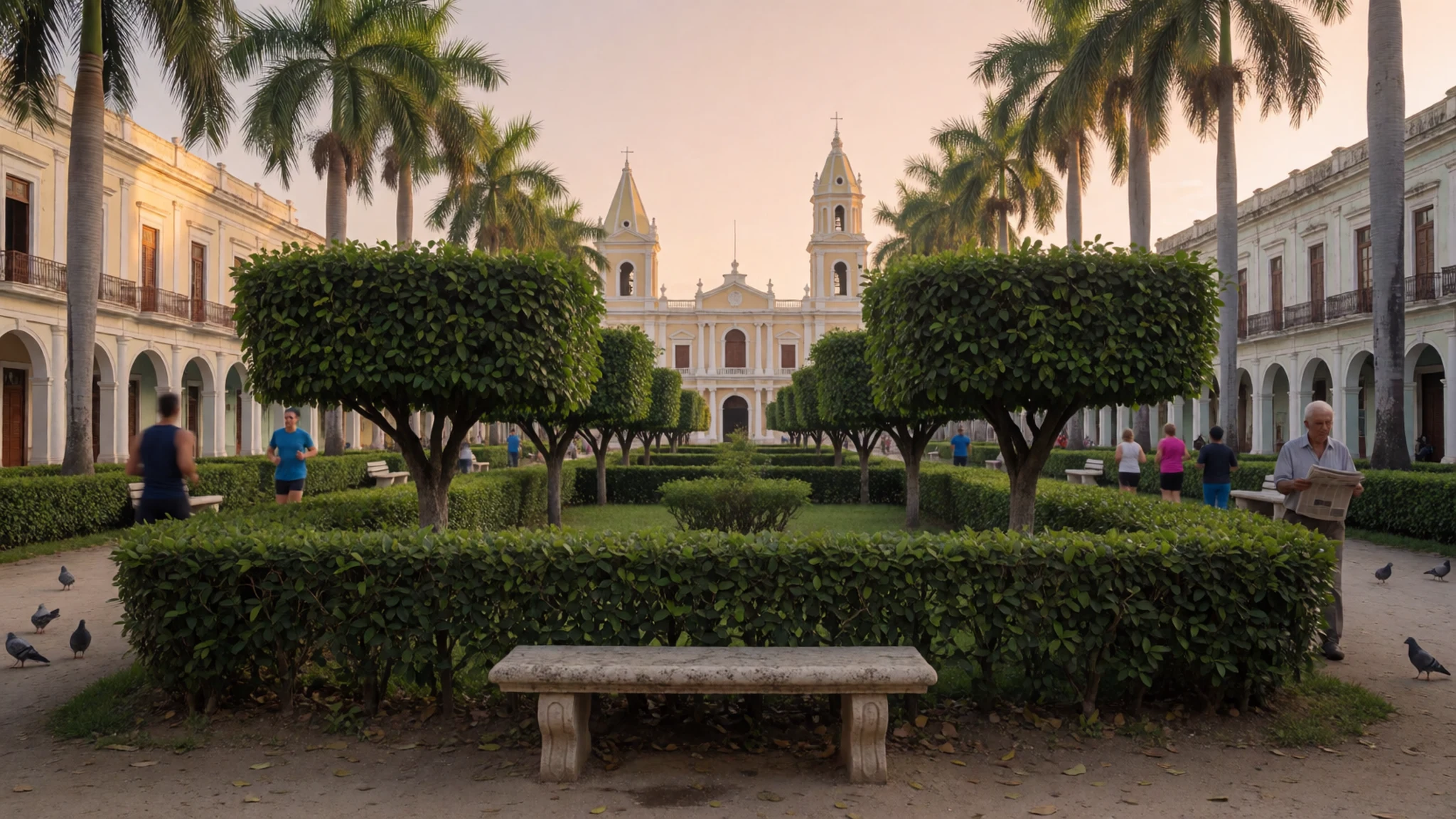
- Teatro Tomás Terry — Old centre, near Parque José Martí
This Victorian theatre in Cienfuegos was built in 1890 and keeps many of its original features, which is why it is so often photographed. Check the official city site or the box office for performances and visiting arrangements, as access for sightseeing can vary from day to day.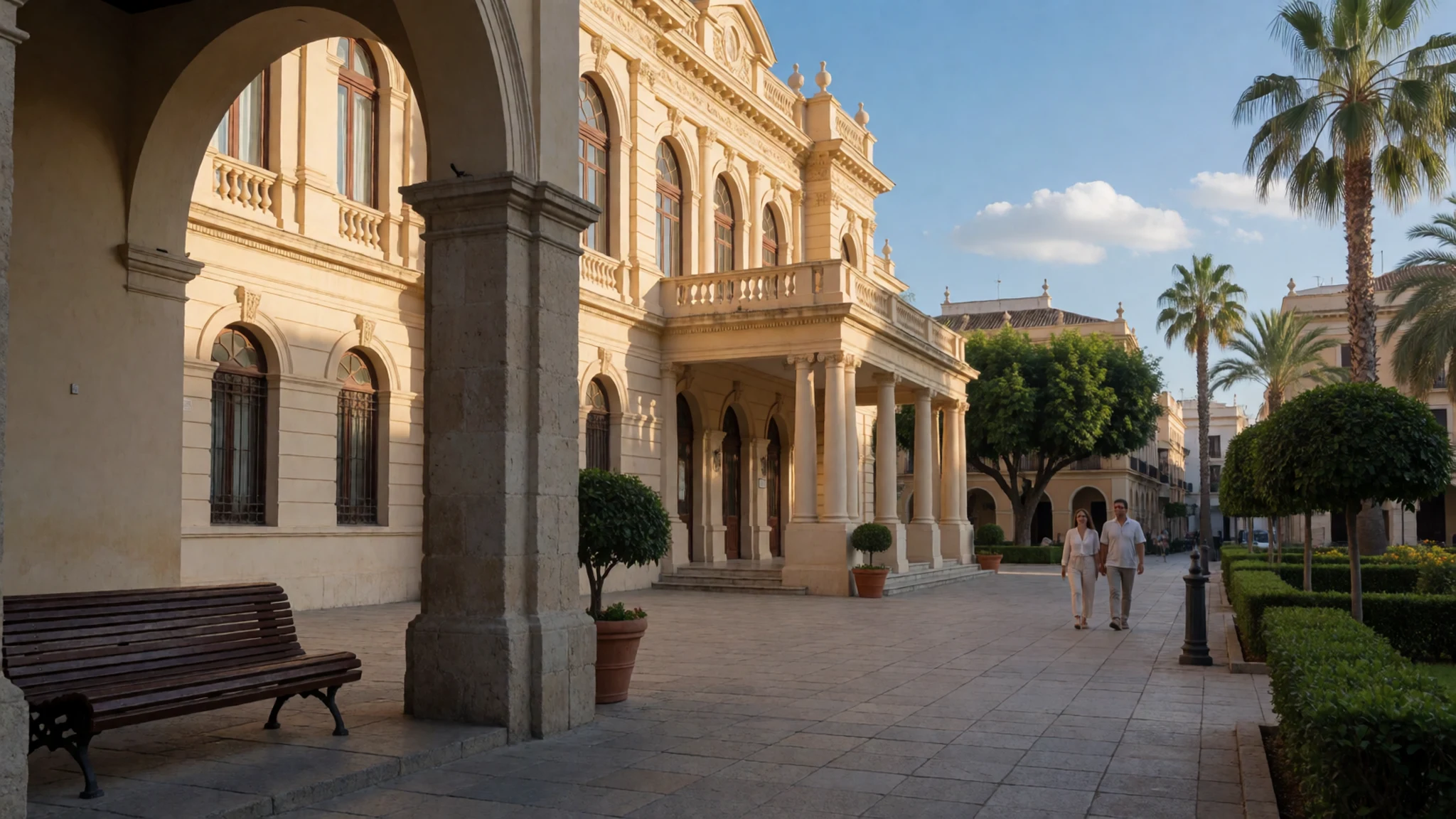
- Catedral de la Purísima Concepción — Parque José Martí
The cathedral of Cienfuegos stands on the main square, and its parish archives go back to the city's founding year, 1819. It is a simple way to pair a quiet interior with the square outside. Dress modestly, and check whether services are being held before wandering in.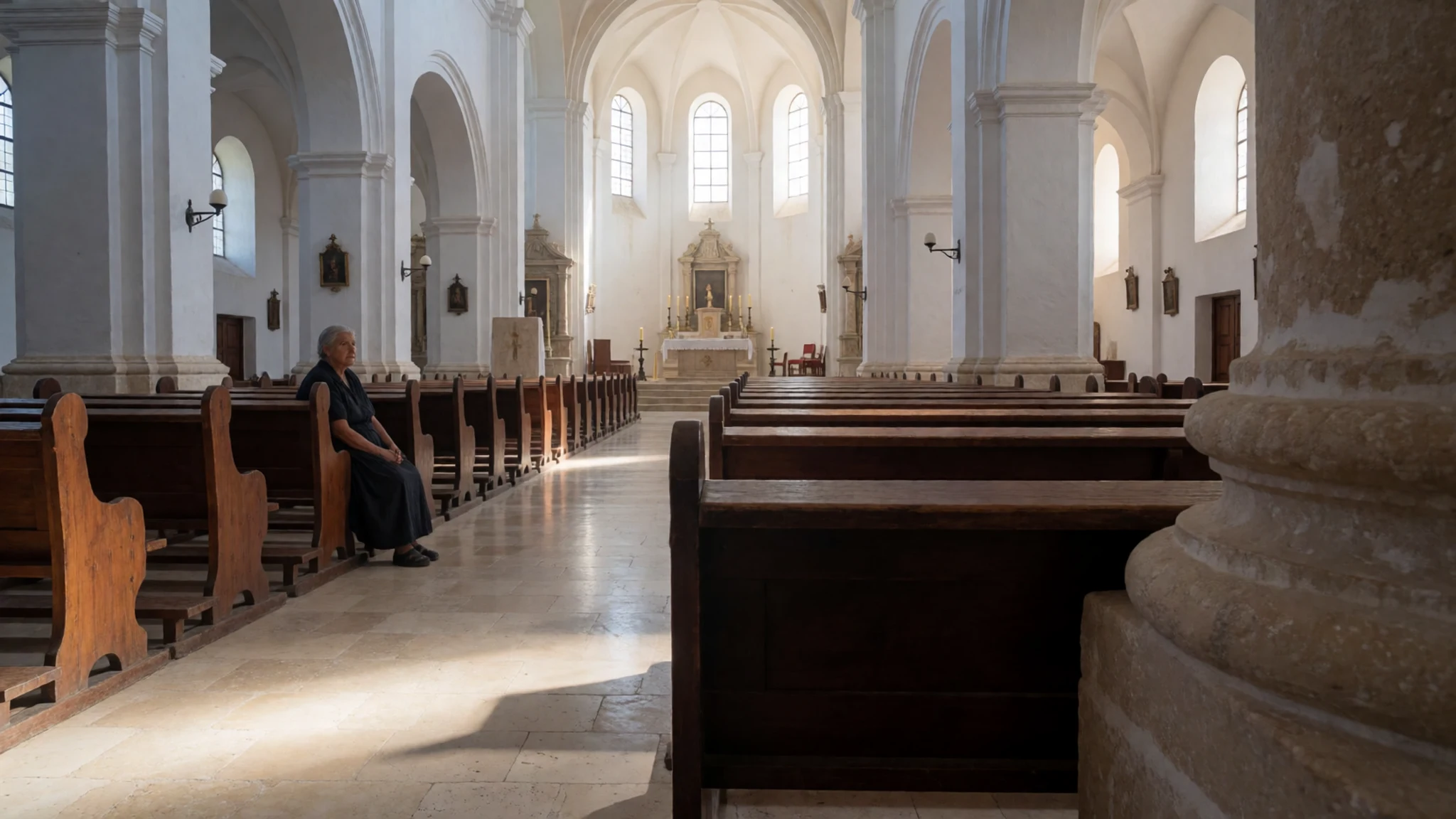
- Castillo de Jagua — Mouth of the bay, south of the city
A colonial fortress guarding the narrow entrance to the bay of Cienfuegos, built in the 18th century against pirate raids. Behind it rises the unfinished Soviet-built nuclear plant, an odd neighbour. Reaching the castle usually means a drive or a short crossing, so allow a half day.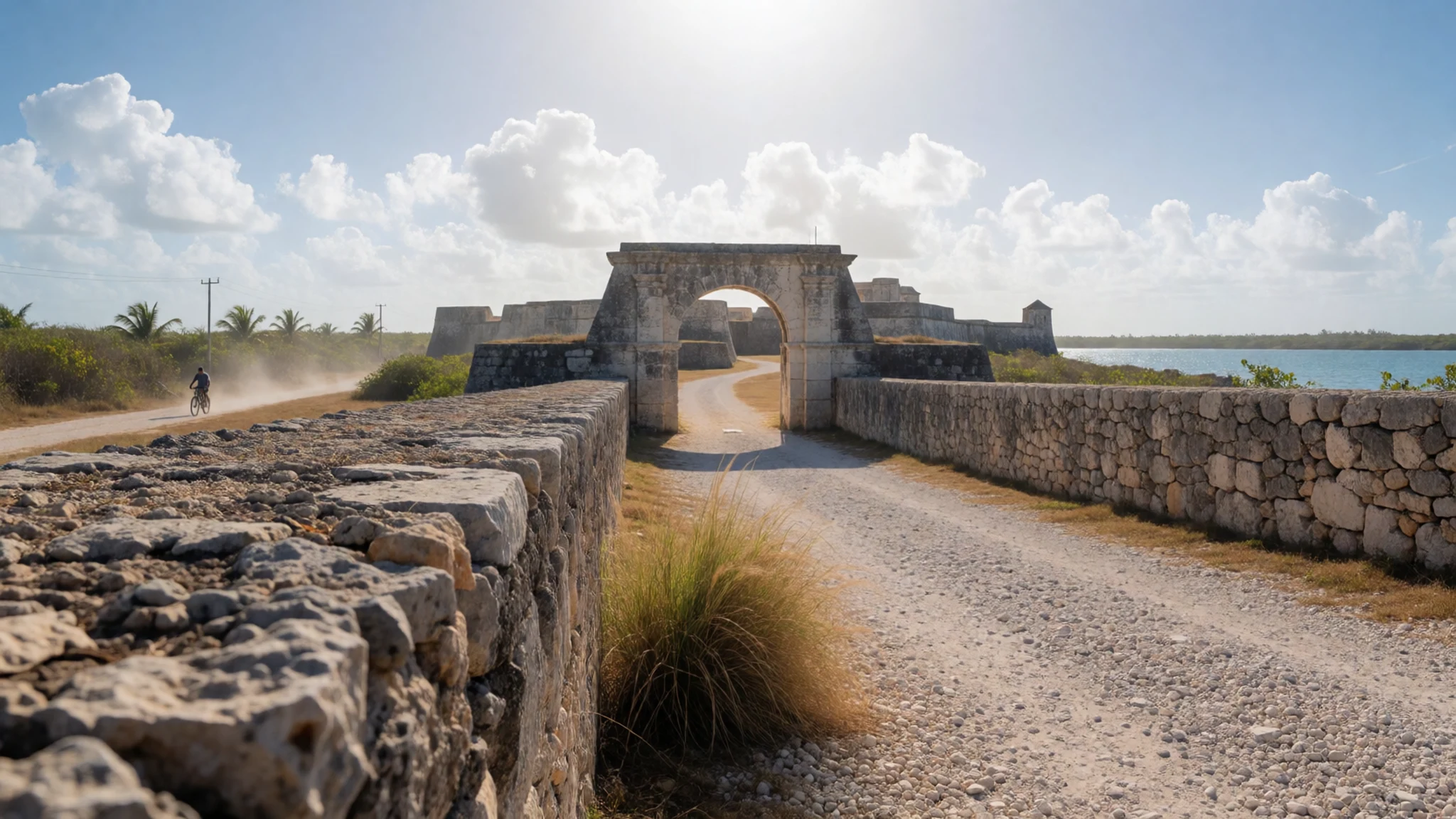
- Palacio de Valle — Punta Gorda peninsula
An ornate palace on the Punta Gorda peninsula, at the quieter southern end of Cienfuegos, showing how far the merchant class would go to impress. Its mix of decorative styles stands apart from the plainer streets nearby. Go in the late afternoon, when the bay light is softer and the heat eases.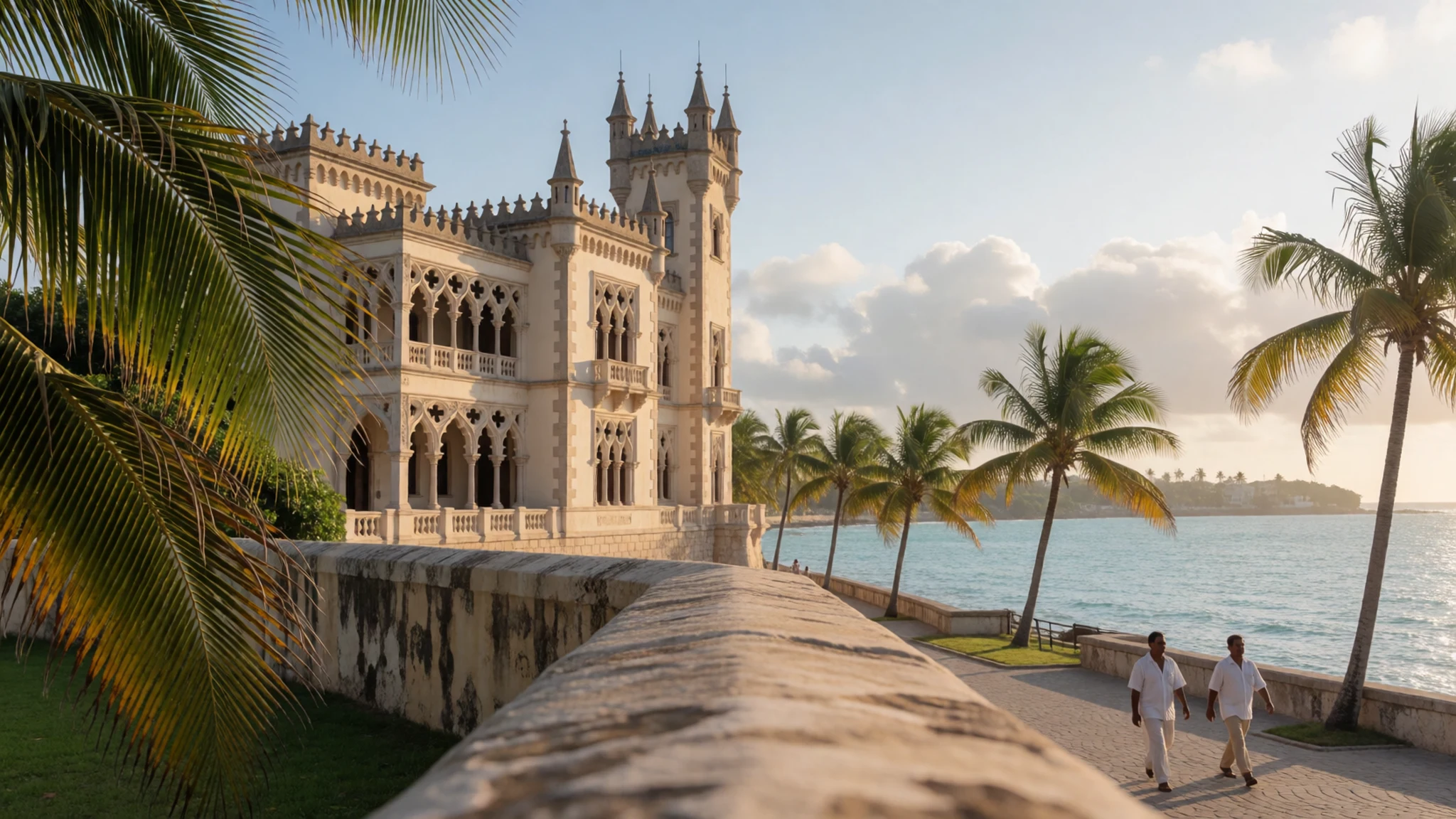
Culture
Cienfuegos carries a more European cultural stamp than many Cuban cities, and the reasons are on its street signs: French settlers laid out the town, Spanish and Catalan merchants furnished it with theatres and mansions, and Cuban music and dance fill the plazas on top of that. The result is a city that takes its public life seriously. Evenings are for the promenade, when families, couples and teenagers walk the central boulevard and gather in Parque José Martí. Cienfuegos has a long theatrical tradition, and the Victorian Teatro Tomás Terry is its emblem, a reminder that wealth from sugar once went into performance and public spaces. Music is everywhere, from open-air sets to small bars where a trio plays for the room. Conversation matters: people like to talk about family, baseball, music and the state of daily life, and a few words of Spanish are warmly received. The city's history also includes an Irish-born family whose sons joined the independence struggle, a reminder that its population has always been mixed. Daily life moves slowly in the heat, shops can close at odd hours, and things often take longer than planned. Patience is part of the local rhythm and is better embraced than fought. Ask before photographing people, including horse-cart drivers and musicians, and tip performers who play for your table.
What to wear
In Cienfuegos, as across Cuba, the best-known traditional garment is the guayabera, a loose cotton or linen shirt with pleats and four pockets. It is worn untucked, often in white or pale shades, for formal occasions, music nights and everyday heat alike. Older rural men may also wear a straw hat, and light cotton remains the textile of the climate. What people wear now is practical and bright: cotton tops, shorts or light trousers in the day, sandals or trainers, and smarter clothes for the theatre, a family event or a night out. Sportswear and printed T-shirts are common, and well-ironed clothes matter more than labels. Visitors should dress for heat and humidity: breathable cotton or linen, a wide-brimmed hat, sunglasses and high-factor sunscreen, with a light rain layer in the wetter months. Comfortable shoes with grip are wise, because pavements can be uneven and cobbled streets are rough after rain. Swimwear belongs by the water, so carry a shirt for town. For the cathedral and other religious buildings, cover shoulders and avoid very short shorts. Coaches and some restaurants run their air conditioning cold, so a thin extra layer helps in the evening.
What to eat
- Grilled tuna sandwich — Quiet lunch restaurants in the old centre
Cienfuegos sits on a bay, and fresh fish turns up in simple lunches such as a grilled tuna salad sandwich. Look for quiet lunch restaurants in the old centre and near the Prado, and expect a light, filling midday meal.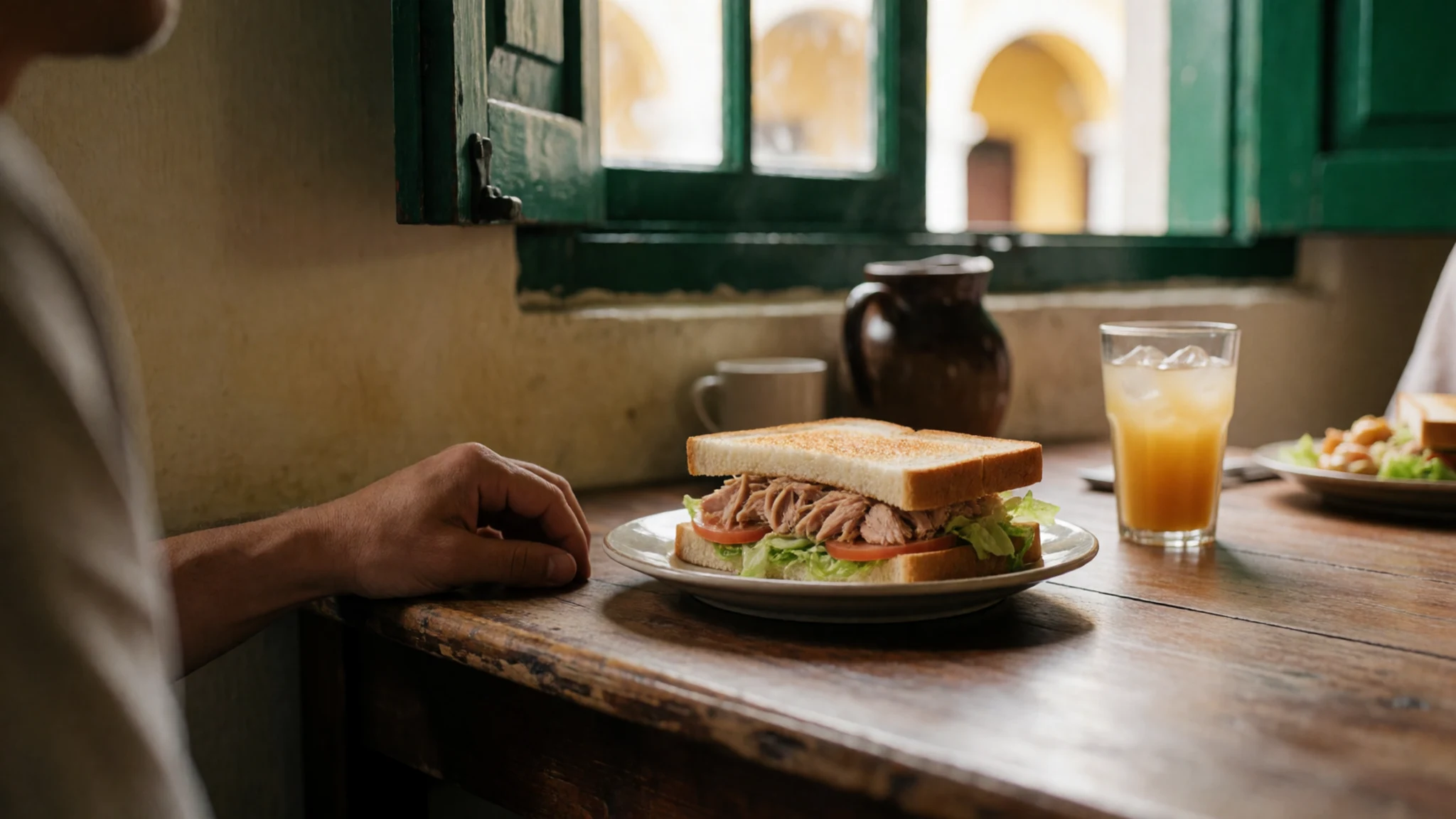
- Breakfast sandwich with coffee and juice — Neighbourhood cafeterias near the centre
Small cafeterias that cater mostly to local people serve toasted sandwiches, strong coffee and fresh fruit juice. They are a good, unfussy way to start the day, and they show how residents of Cienfuegos eat before work.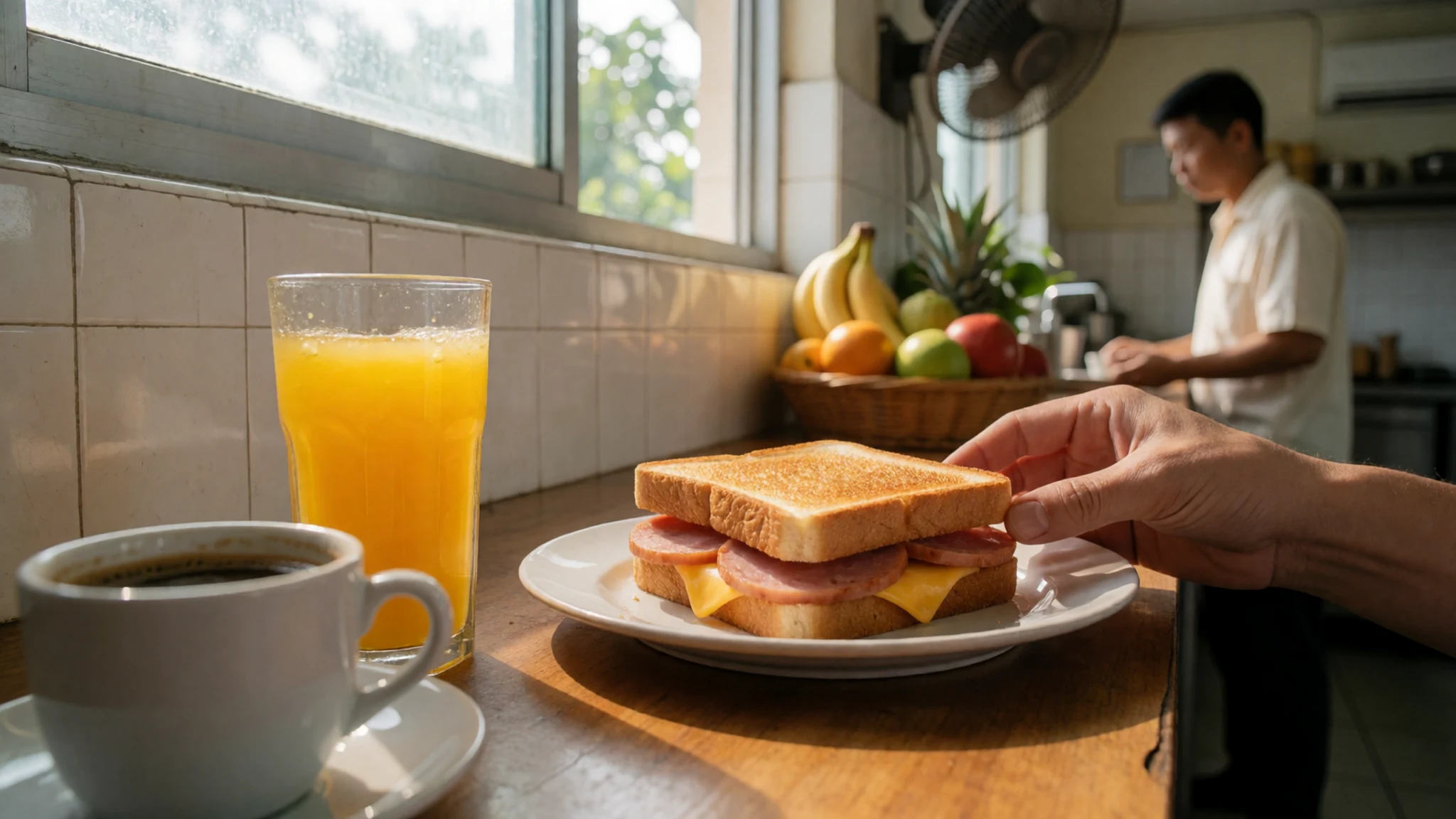
- Creole plate — Cuban restaurants in the old centre
Traditional Cuban home cooking, usually built around rice, beans, roast or grilled meat and fried plantain. Several restaurants in Cienfuegos serve creole food, and a vegetarian version can often be arranged if asked for in advance. - Street pizza — Stalls along the Paseo del Prado
Cuban street pizza is thin, cheesy and eaten on the move. In Cienfuegos the stalls along the Paseo del Prado serve it hot and cheap, and it is a fair option for a quick supper before the evening stroll. - Fresh juice and ice cream — Paseo del Prado and the central boulevard
On warm evenings, the Prado fills with juice vendors and ice cream shops, and locals queue for both. Fresh fruit juice cools quickly in the heat, and a cone makes a good reason to join the promenade.
Plan it
Best time. December to March is the most comfortable time: it falls in Cuba's drier season, with lower humidity and cooler evenings. November and April can also work. Summer in Cienfuegos is hot, humid and often wet, and hurricane season runs through the later months of the year.
How long. 2
Getting there. Most international visitors fly into Havana, then continue by coach, hired car or taxi. Long-distance coaches run between Havana, Trinidad and Varadero, and a few stop at Cienfuegos, while the slow train from Havana is less reliable. Trinidad is about 1 hour away by road along the coast, though not every turn is signposted. Check current schedules locally, as services change.
Budget. mid
Tips
- Book long-distance coaches ahead in busy months, and confirm times at the station or with your host
- Carry cash in small notes, because cards are not accepted everywhere
- Walk the centre and the Prado in the early morning or evening to avoid the midday heat
- Drink bottled or filtered water and carry sun protection
- Check the official city site, https://www.cienfuegos.gob.cu/es/, for events and opening arrangements
Etiquette
- Dress modestly when entering the cathedral or any church
- Ask before photographing local people, horse-cart drivers or musicians
- Greet people in Spanish and tip performers and guides who serve you
Nearby
Sources
- Wikidata Q190005 (CC0)
- Wikipedia: Cienfuegos (rev 1375645759) (CC BY-SA 4.0)
- Wikivoyage: Cienfuegos (rev 5397660) (CC BY-SA 4.0)
- Teatro Tomás Terry Cienfuegos, Burkhard Mücke (CC BY-SA 4.0)
- Cuba 20160320 4849 Cienfuegos, Dan Lundberg (CC BY-SA 2.0)
- Cienfuegos (Cuban municipal map), Dэя-Бøяg (CC BY 3.0)
- Castle at the Entrance to Cienfuegos, Granville Perkins (Boston Public Library) (Public domain)
- Cienfuegos town hall, Anton Zelenov (CC BY 3.0)
- Cienfuegos (Cuba), Édouard Laplante and Leonardo Barañano (CC BY-SA 4.0)
- Street in Cienfuegos 2009, Ian.w.t.n (CC BY-SA 4.0)
- Cuba 2013-01-25, Guillaume Baviere (CC BY 2.5)


