Pico Turquino
Pico Turquino, Cuba
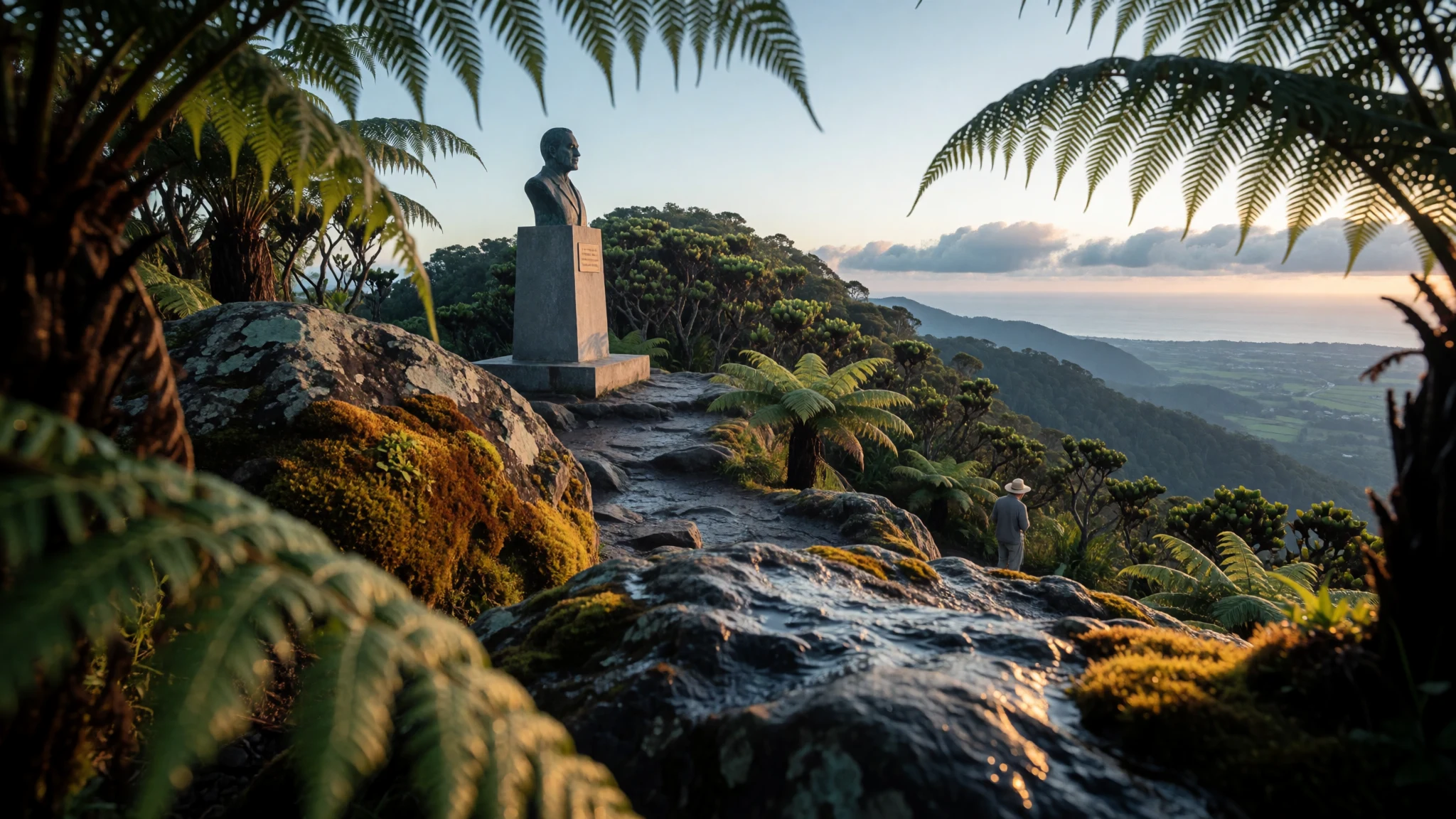
Pico Turquino is Cuba's highest summit, a cloud-forest walk in the Sierra Maestra where botany, independence history and revolution all meet at one bust.
The place
Pico Turquino, at 1,974 m, is the highest point in Cuba, standing in the Sierra Maestra in the island's south-east. It lies in the municipality of Guamá, in Santiago de Cuba Province, on a coast where steep green mountains drop almost straight into the Caribbean. Around the summit, Turquino National Park protects an area of 229.38 km², a block of ridges, ravines and forest far removed from the beach resorts most visitors associate with Cuba.
The mountain is not a gentle climb. Slopes are steep and change character with height, from warm, humid lower woods to cooler montane forest where cloud settles for much of the day and moss and ferns coat the trunks. Views come and go quickly. A clear dawn on the summit is possible, but a grey, dripping morning is just as likely, and anyone planning a trip should accept that the weather decides the reward.
The peak also has an odd place in Cuban weather records: it is the only spot in the country where snowfall has been officially logged, most recently in February 1900. That is a curiosity rather than a prospect, since the climate is tropical, but it shows how much altitude changes things on an island better known for heat.
Nearly all visitors come to walk. The ascent is usually done over a couple of days with a guide, and the summit is marked by a monument and a bust that give the walk a sense of pilgrimage. The nearest airports are at Santiago de Cuba and Holguín, and the last stretch to the trailheads is slow, on rough roads.
Its story
Pico Turquino appears in written records long before anyone is known to have climbed it. A map drawn by Geert de Kremer in the late 16th century shows the peak under the spelling "Tarquino". The first ascent on record came much later, in 1860, when Fred W. Ramsden, an Englishman of twenty living in Santiago de Cuba, made the climb. It attracted little attention, and the achievement slipped from view.
In 1915 the Swedish botanist Erik Leonard Ekman climbed the mountain and supposed that nobody had been there before him. A year later Ramsden's son answered by publishing a letter in which his father had described the original climb to his mother, which put the record straight.
The mountain's later story is political. In 1953, for the centenary of José Martí's birth, a bust of the writer and independence figure, sculpted by Jilma Madera, was set on the summit, and it still defines the top. Four years later, in 1957, Fidel Castro and his fighters reached the peak during their insurgency in the Sierra Maestra. According to Che Guevara, the mountain held an almost mystical significance for the revolutionaries, mainly because it was the highest point in the country.
Today the summit carries all of these layers at once: a sixteenth-century map, a young Englishman's quiet climb, a botanist's mistaken claim, a patriot's statue and a guerrilla campaign.
What to see
- The summit and José Martí bust — Summit of Pico Turquino, Sierra Maestra
The top of Pico Turquino is marked by a bust of José Martí, placed there in 1953 and the natural goal of every ascent. At 1,974 m it is the island's high point, and on a clear morning the view runs over forested ridges to the Caribbean. Cloud often hides it, so patience matters more than an early alarm.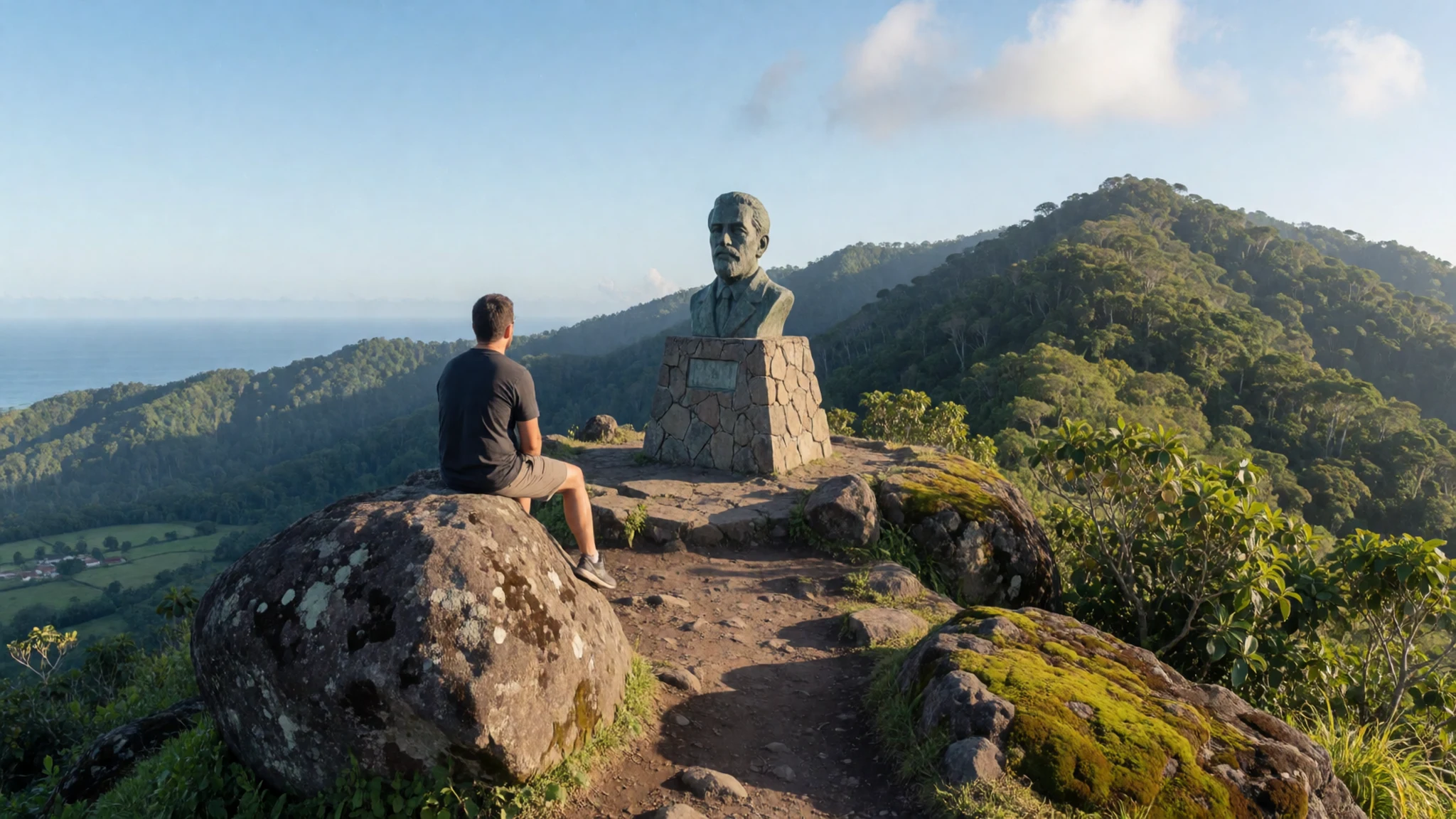
- The cloud forest on the upper slopes — Upper slopes, Turquino National Park
Higher up, the walk passes through montane forest where trunks are furred with moss and ferns, and the air stays cool and damp. Walkers who go slowly notice the layers of vegetation change with every stretch of climbing. This is the part of the mountain that photographs best in soft, misty light.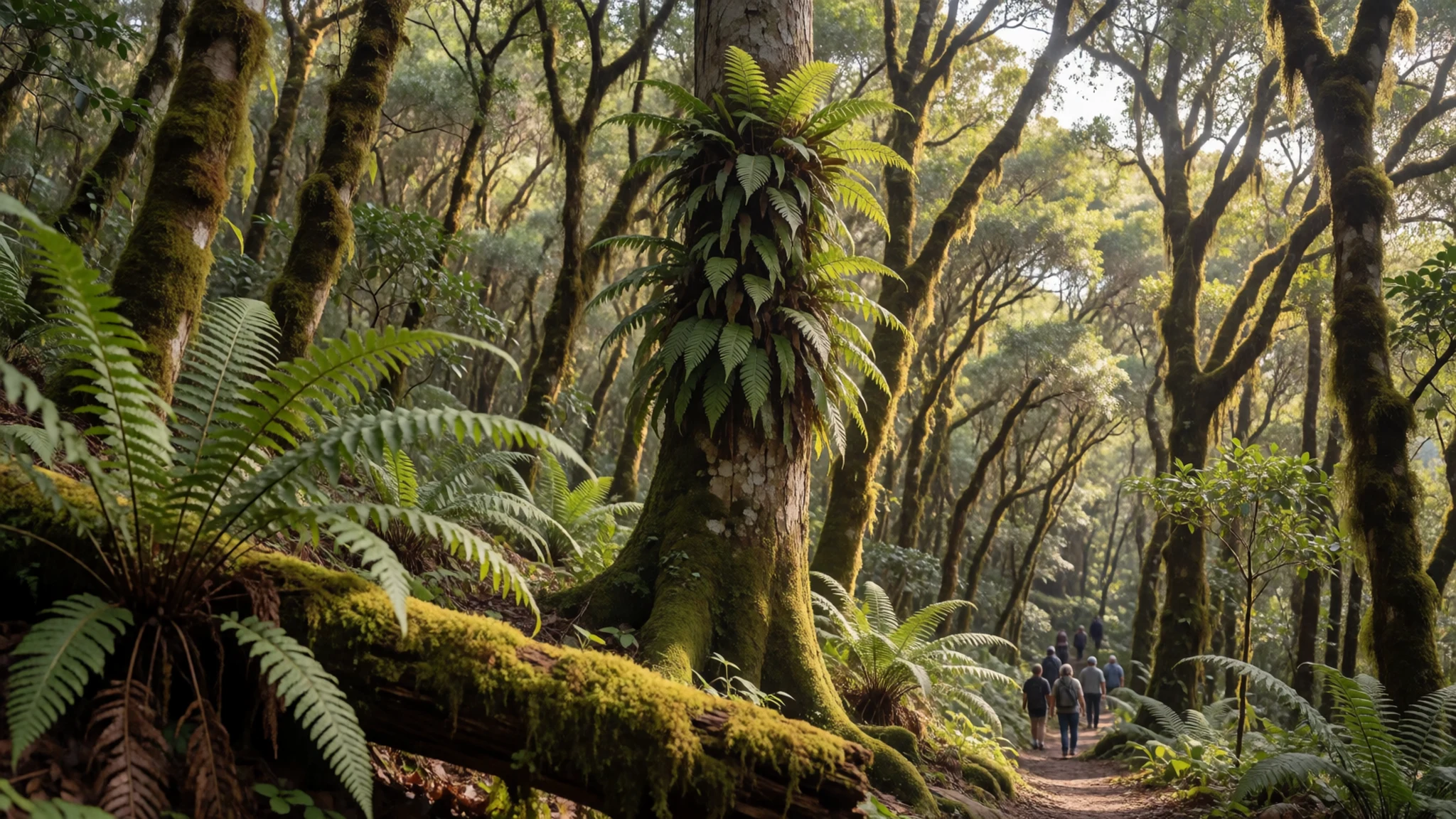
- The ascent route — Trails up from the Sierra Maestra foothills
The route climbs steadily through forest, with the hardest effort in the later stages. Guides set the pace and choose rest points, and the walk is usually split over two days. Route and permit arrangements are set by the park and local agencies and can change, so confirm them locally before booking.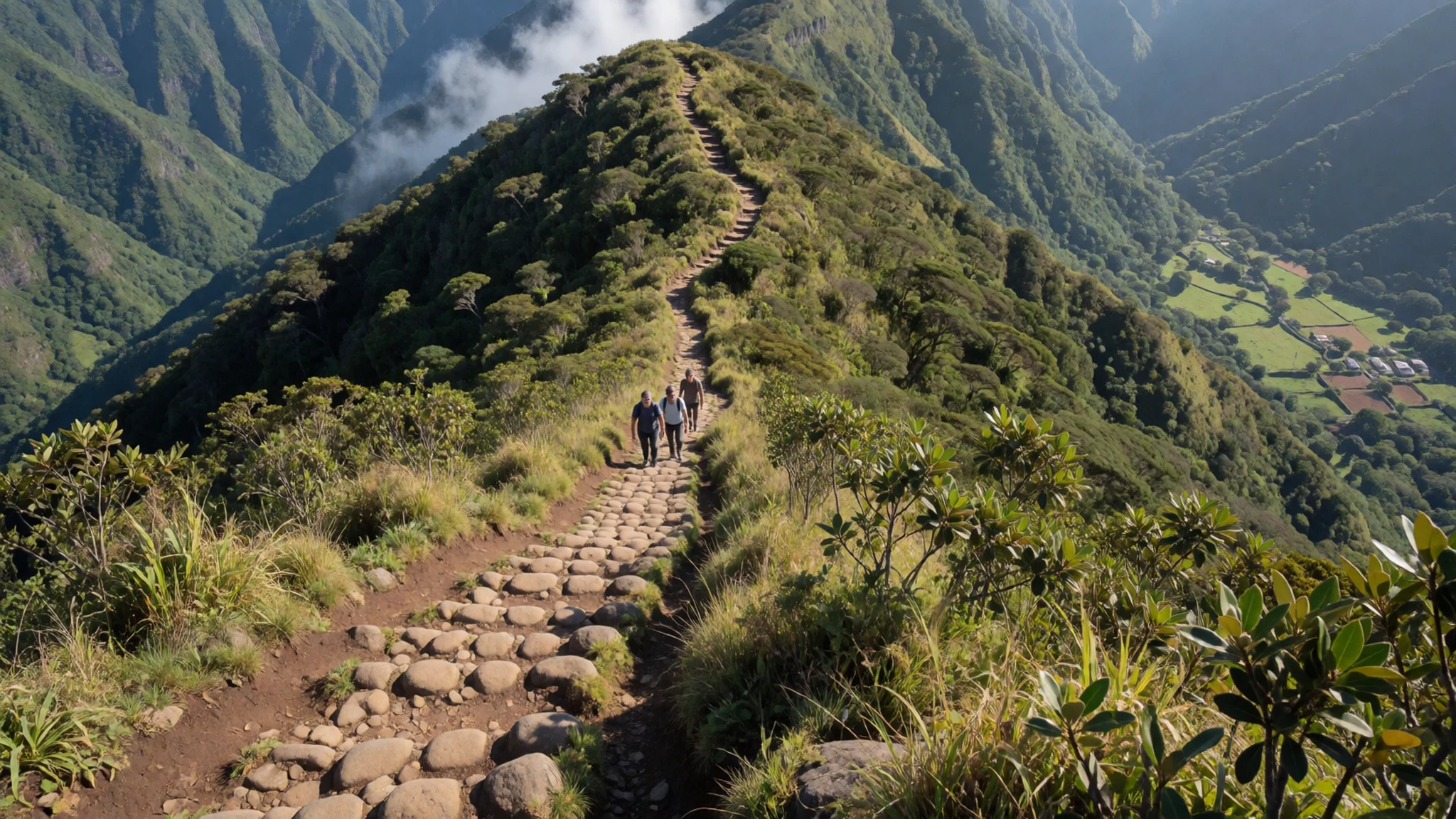
- Refugio Pico Joaquín — On the climbing route
A mountain shelter named Refugio Pico Joaquín appears in photographs of the route, the kind of simple stop where walkers rest, shelter from rain or sleep. Whether and how it is used for overnight stays depends on current arrangements, so ask the guide or agency at booking rather than assuming.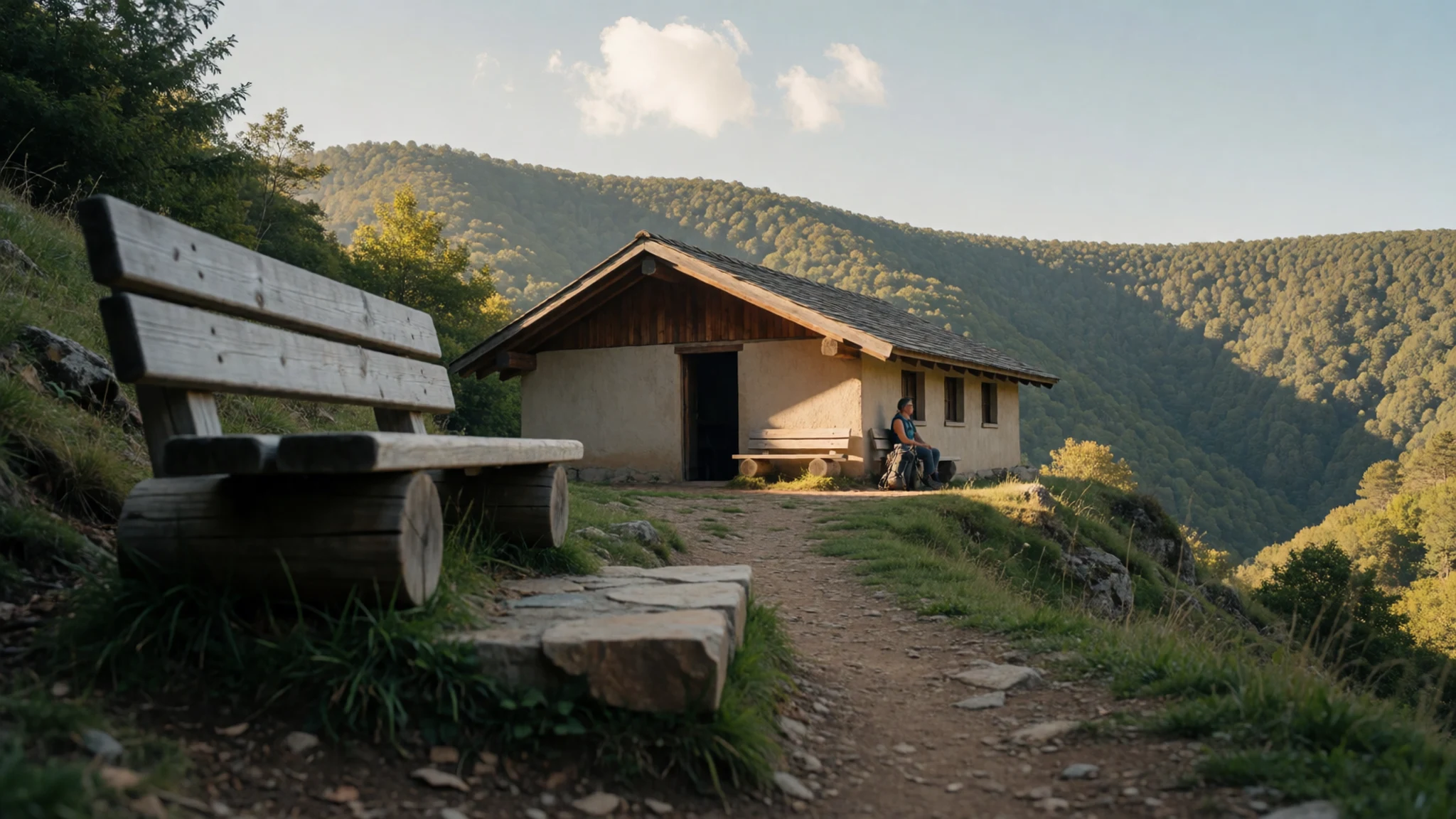
- Turquino National Park — Around the peak, Guamá, Santiago de Cuba Province
The park surrounds the peak and covers 229.38 km² of the Sierra Maestra. Even visitors who do not reach the top see something of its character: steep valleys, cloud drifting through trees and farming settlements at the edges. Treat the lower sections as worthwhile in themselves if the summit stays in cloud.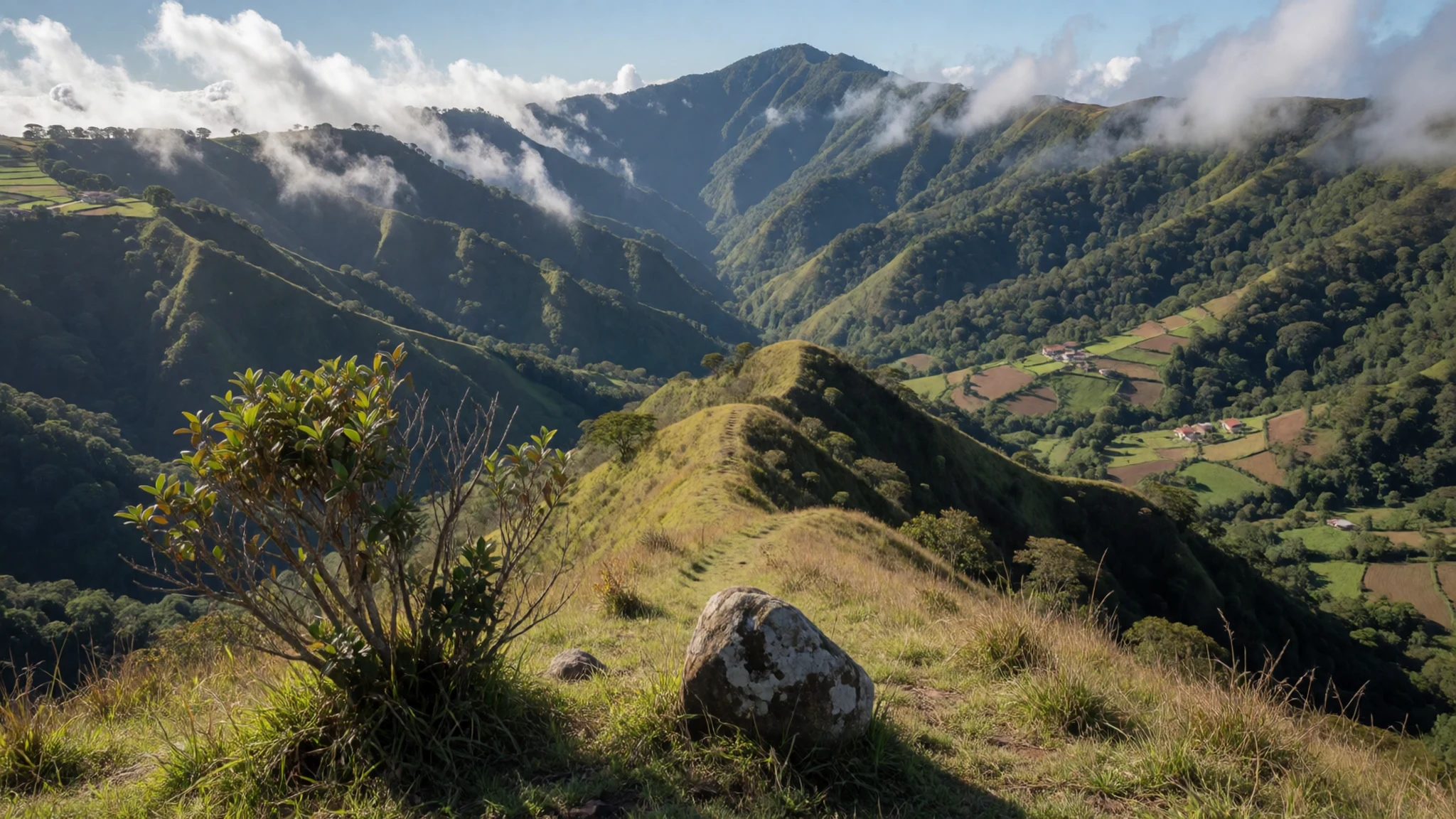
Culture
Pico Turquino carries a weight in Cuban public life that its height alone does not explain. The bust of José Martí on the summit ties the mountain to the nineteenth-century independence cause, while Fidel Castro's 1957 climb and Che Guevara's remark about its almost mystical significance tie it to the revolution. For many Cubans the climb reads as a patriotic gesture as much as a sporting one.
The Sierra Maestra is also farming and coffee country, with small mountain settlements whose residents know the paths and weather better than any guidebook. Hiring local guides, buying a coffee or a meal in a village and listening to their stories is how most walkers meet the region. Spanish is the working language; a few phrases help, and patience with slow logistics helps more.
Politics is part of the landscape here, and people sometimes talk about it openly, but visitors do better listening than arguing. Mountain hospitality is usually generous, built on sharing what is available, and it is polite to accept a cup of coffee when it is offered and to thank the household properly.
At the summit, wait your turn at the Martí bust, keep voices low and photographs respectful, and never climb on or lean against the monument.
What to wear
Pico Turquino sits in a country with no single national costume, but the garment most often called Cuban is the guayabera, a loose cotton or linen shirt with pockets and rows of fine pleats, worn untucked at weddings, offices and formal occasions. In the countryside, farmers of the Sierra Maestra traditionally wear wide-brimmed straw hats, long sleeves and sturdy boots against sun, thorns and mud.
Everyday dress now is light and practical. In Santiago de Cuba and the coastal towns, people wear shorts, T-shirts, sandals and sports kit, with a clean shirt or dress for evenings and church. Mountain communities favour simple work clothes and rubber or leather boots. Bright colours are common, and nothing about dress is strict for visitors, though beachwear in villages looks out of place.
For the climb, clothing needs to handle heat, humidity, sudden rain and a cold, windy summit. Wear quick-drying layers, long trousers to protect against vegetation, and a lightweight waterproof. Pack a warm top for the early morning at height and a sun hat for the lower, exposed stretches. Boots with a good grip matter more than anything else, since paths are steep, muddy and rooty. Gaiters and a spare pair of dry socks are worth the weight. Carry clothing in a waterproof liner, because cloud and rain are likely on any day.
What to eat
- Congrí oriental — Home-run restaurants (paladares) and family houses in Santiago de Cuba
Rice cooked together with red beans, the eastern Cuban version of a national staple. It is usually served with roast pork or chicken and a simple salad, and makes a good filling meal before or after a long walk.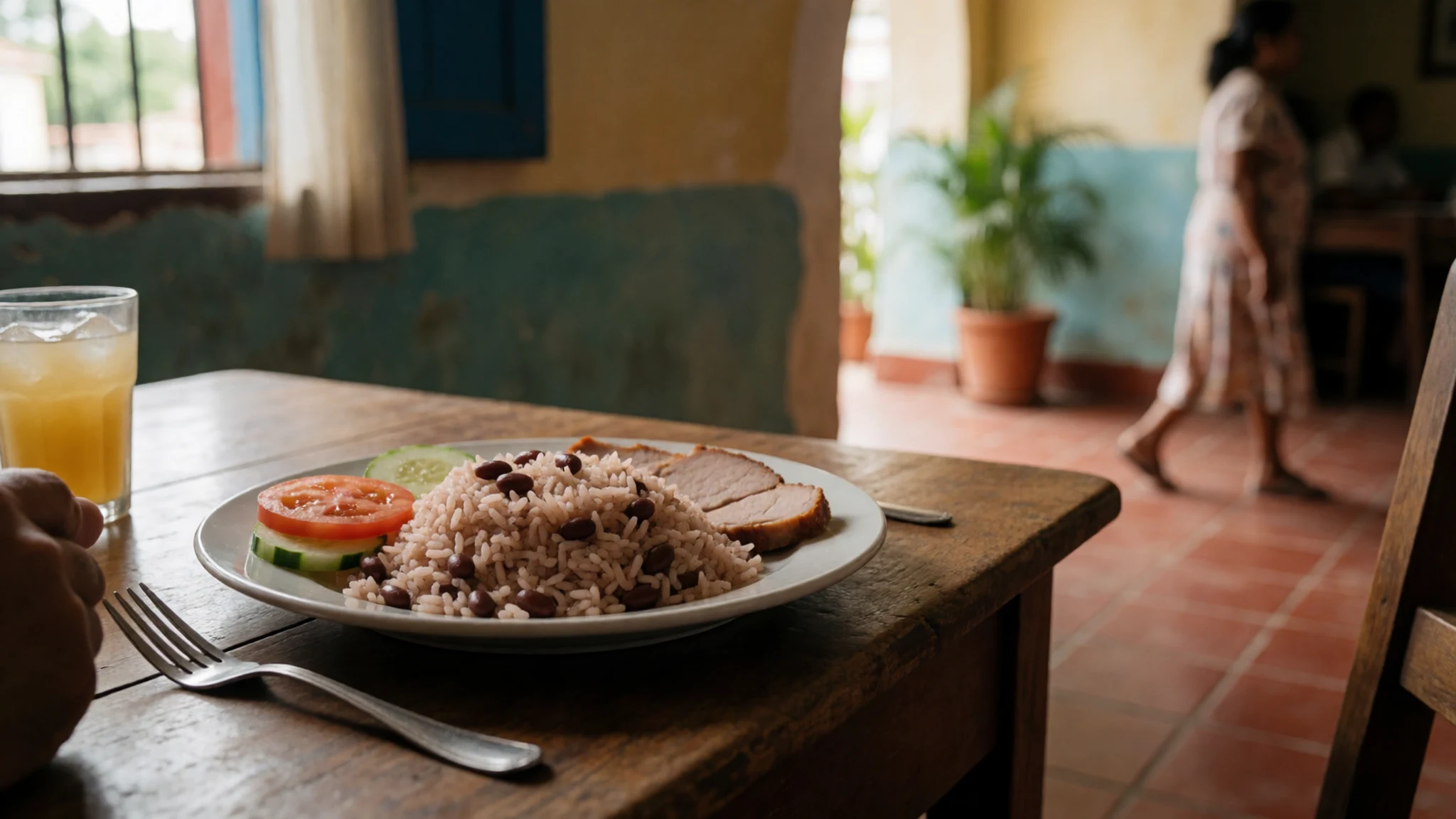
- Lechón asado — Roadside eateries and family restaurants on the way to the Sierra Maestra
Slow-roasted pork, often marinated with sour orange, garlic and herbs. It is a celebration dish across Cuba, served in generous portions with rice, beans and fried plantain, and best shared among a group.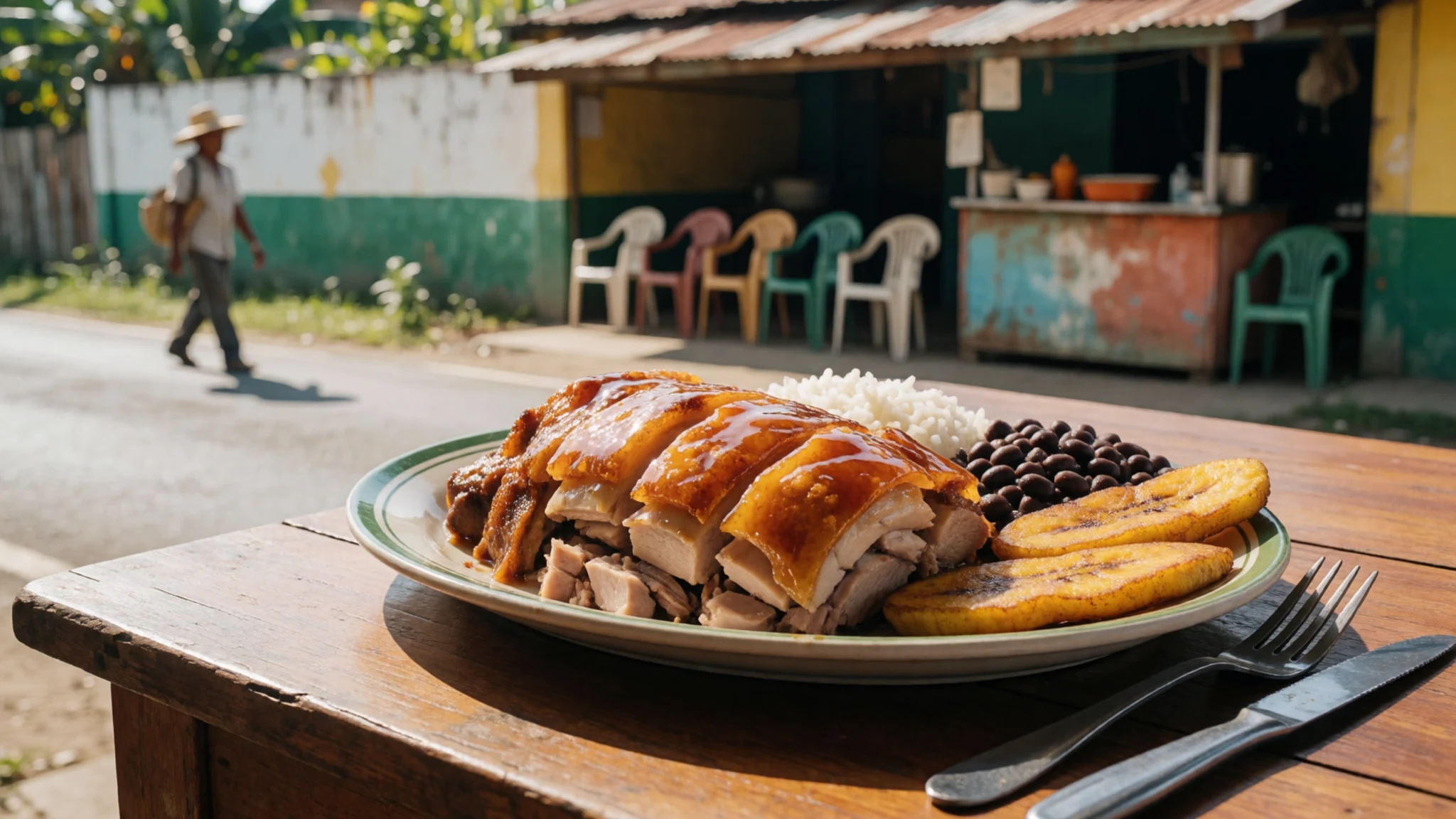
- Ajiaco — Casas particulares and home-style restaurants in Santiago de Cuba
A thick country stew of meat, root vegetables, corn and plantain, thickened as it cooks. It suits a cool mountain evening and is the kind of dish prepared at home rather than in tourist kitchens. - Plátano frito and tostones — Street stalls and market stands in Santiago de Cuba and mountain villages
Plantain fried either as sweet, soft slices or as crisp, salted discs. These appear beside almost every main course and make an easy snack to carry on the trail. - Sierra Maestra coffee — Mountain villages, family kitchens and café counters in Santiago de Cuba
Small, strong, sweetened coffee served in tiny cups. The Sierra Maestra is farming and coffee country, and a cup offered in a mountain household is part of the welcome, as much as a drink.
Plan it
Best time. December to March is generally the more settled period, with less rain on the trail and better odds of clear summit views. Mid-year to autumn brings more rain, mud and cloud, and hurricane season affects the Caribbean; check forecasts before committing.
How long. 2–3
Getting there. Fly to Santiago de Cuba's Antonio Maceo Airport (SCU), reached by domestic flights from Havana, or to Holguín's Frank País International Airport (HOG), which has international flights including from Canada and the UK. From either, arrange a road transfer to the trailhead through local agencies; the last leg is slow and on rough roads.
Budget. mid
Tips
- Book the guided ascent and transfers through local agencies well ahead, and confirm current park permit rules rather than relying on old information.
- Carry plenty of water and snacks, and expect cold, damp air at height even when the lowlands are hot.
- Start early each day, because cloud tends to build later and views are better in the morning.
- Bring cash, as cards are unreliable away from larger towns, and keep spare in a waterproof bag.
Etiquette
- Follow your guide's instructions and stay on marked paths inside the national park.
- Take all rubbish back down with you and leave plants and wildlife undisturbed.
- Ask before photographing local people, and be respectful when talking about politics.
Nearby
Sources
- Wikidata Q1145743 (CC0)
- Wikipedia: Pico Turquino (rev 1369599002) (CC BY-SA 4.0)
- Wikivoyage: Santiago de Cuba (province) (rev 5401465) (CC BY-SA 4.0)
- Pico Turquino — Oliver Rühl at de.wikipedia (Public domain)
- Almost at the top of PicoTurquino — Eduardo Manchon (CC BY 3.0)
- Montane moist forest on the slopes of Pico Turquino — Male Gringo (CC BY 2.5)
- Pico Turquino cubierto por nubes — Eduardo Manchon (CC BY 3.0)
- Pico Turquino, Kubo, José Martí — JabieroKubo (CC BY-SA 4.0)
- Pico Turquino, 1974 metros, techo de Cuba — Eduardo Manchon (CC BY 3.0)
- Refugio Pico Joaquin — Eduardo Manchon (CC BY 3.0)
- Ruta subida al Pico Turquino — Eduardo Manchon (CC BY 3.0)


