Isla de la Juventud
Isla de la Juventud, Cuba
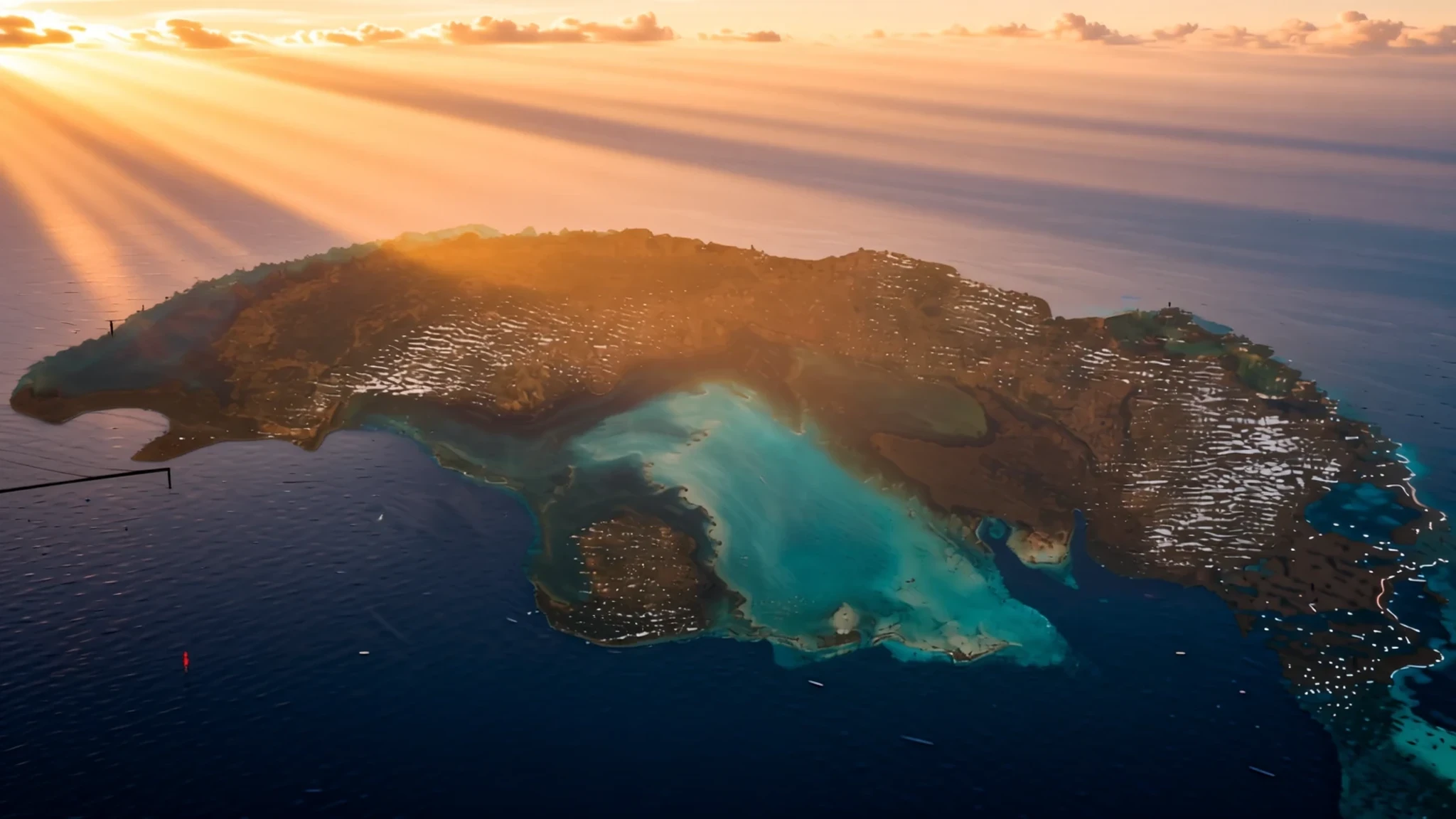
Isla de la Juventud is a pine-covered Cuban island south of Havana, with quiet beaches, pirate history and caves painted long before Columbus.
The place
Isla de la Juventud, the Isle of Youth, lies about 47.1 km south of mainland Cuba across the Gulf of Batabanó. It was called Isla de Pinos, the Isle of Pines, until 1978, and the old name still describes the landscape: pine forest covers much of the island, and timber has long been one of its trades. With an area of about 2,200 km² it is the second-largest Cuban island after the mainland, and it is the biggest of some 350 islands in the Canarreos Archipelago. Its population is about 84,000. Unlike the rest of Cuba it belongs to no province. It is a special municipality run directly by the central government, so one local authority covers the whole island. Nueva Gerona, on the north coast, is the capital and main town. Santa Fe, inland, is the older settlement. Smaller communities such as Columbia, La Demajagua and Punta del Este are scattered between them. The geography is easy to hold in the head. The north has low ridges where marble is quarried, and the south is an elevated plain; the recorded elevation is only about 20 m, so this is flat, open country. Farming and fishing carry the economy, with citrus fruit and vegetables the main crops. There is even a black sand beach, formed by volcanic activity. The climate is mild, but hurricanes are frequent, which matters when choosing dates. Tourism is a side line to farming and fishing, centred on beaches and resorts such as Bibijagua.
Its story
Isla de la Juventud has a layered past, and the earliest layer is the least known. The Guanahatabey, the native people, left 235 drawings in a cave complex near Punta del Este. The first written mention came from the French traveller Charles Berchon, who visited in 1904, and the caves were declared a national monument in 1979. Europeans first sighted the island in 1494, during Columbus's second voyage. He named it La Evangelista and claimed it for Spain, but the name did not stick. Over the centuries it was also called the Isle of Parrots and Treasure Island, and pirates working these waters left a mark on English fiction. Stevenson's Treasure Island and Barrie's Peter Pan are both said to draw on accounts of the island, its pirates and its native people, including the long dugout canoes and the American crocodile. The twentieth century brought a diplomatic puzzle. After Spain gave up its claims to Cuba in the 1898 Treaty of Paris, the Platt Amendment of 1901 left the island's sovereignty undecided, and both Cuba and the United States laid claim to what was then Isla de Pinos. In 1903 the two countries signed the Hay-Quesada Treaty, which recognised Cuban sovereignty. In 1907 the US Supreme Court, in Pearcy v. Stranahan, ruled that control of the island was a political question rather than a judicial one. The island took its present name in 1978.
What to see
- Nueva Gerona — North coast
Nueva Gerona, the capital on the north coast, is the natural base and a town to walk rather than tour. The main plaza fills at weekends, there is a large cinema on it, and a short climb into the hills above town rewards the effort with views over the roofs.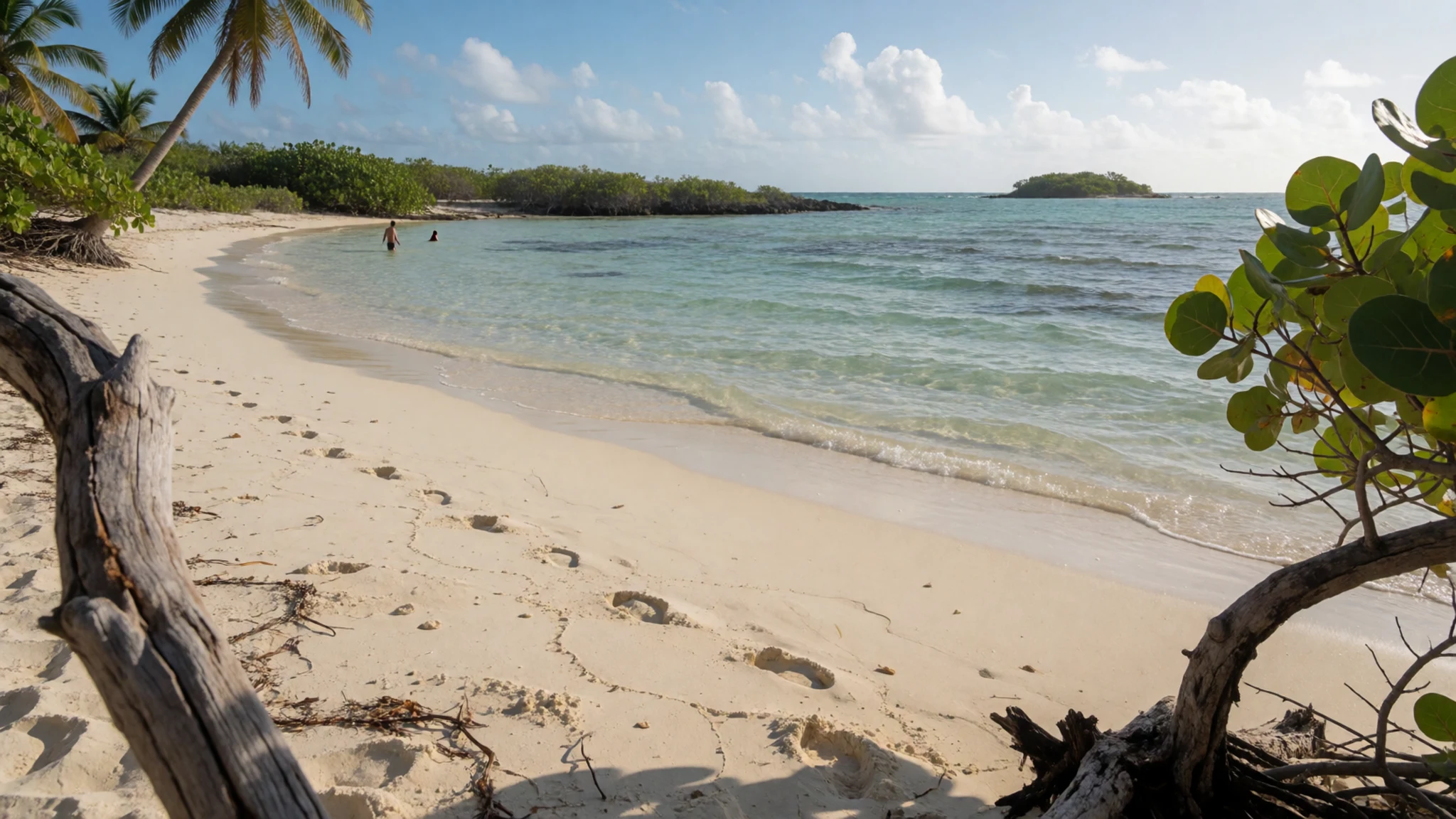
- Presidio Modelo — Near Nueva Gerona
Presidio Modelo is the former prison where Fidel Castro was held after the 1953 attack he led. The decaying circular cell blocks make a sober, atmospheric visit and a useful way to understand the island's twentieth-century story. Check locally for access arrangements before heading out.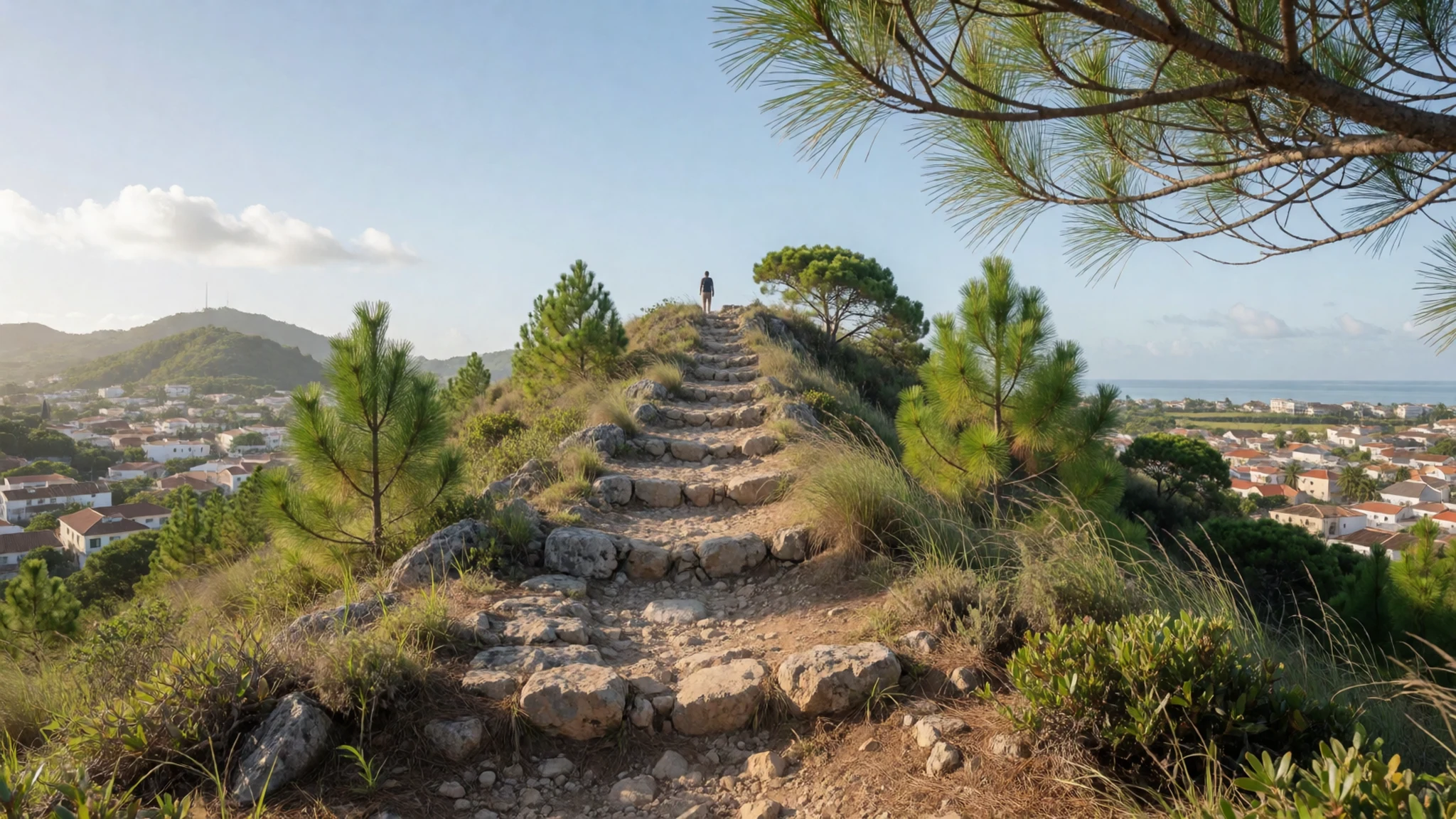
- Punta del Este caves — Southern coast
The cave complex at Punta del Este on the southern coast holds 235 drawings made by the Guanahatabey, the island's native people. It was declared a national monument in 1979. The site is remote, so ask in Nueva Gerona about transport, access and any guide arrangements before setting out.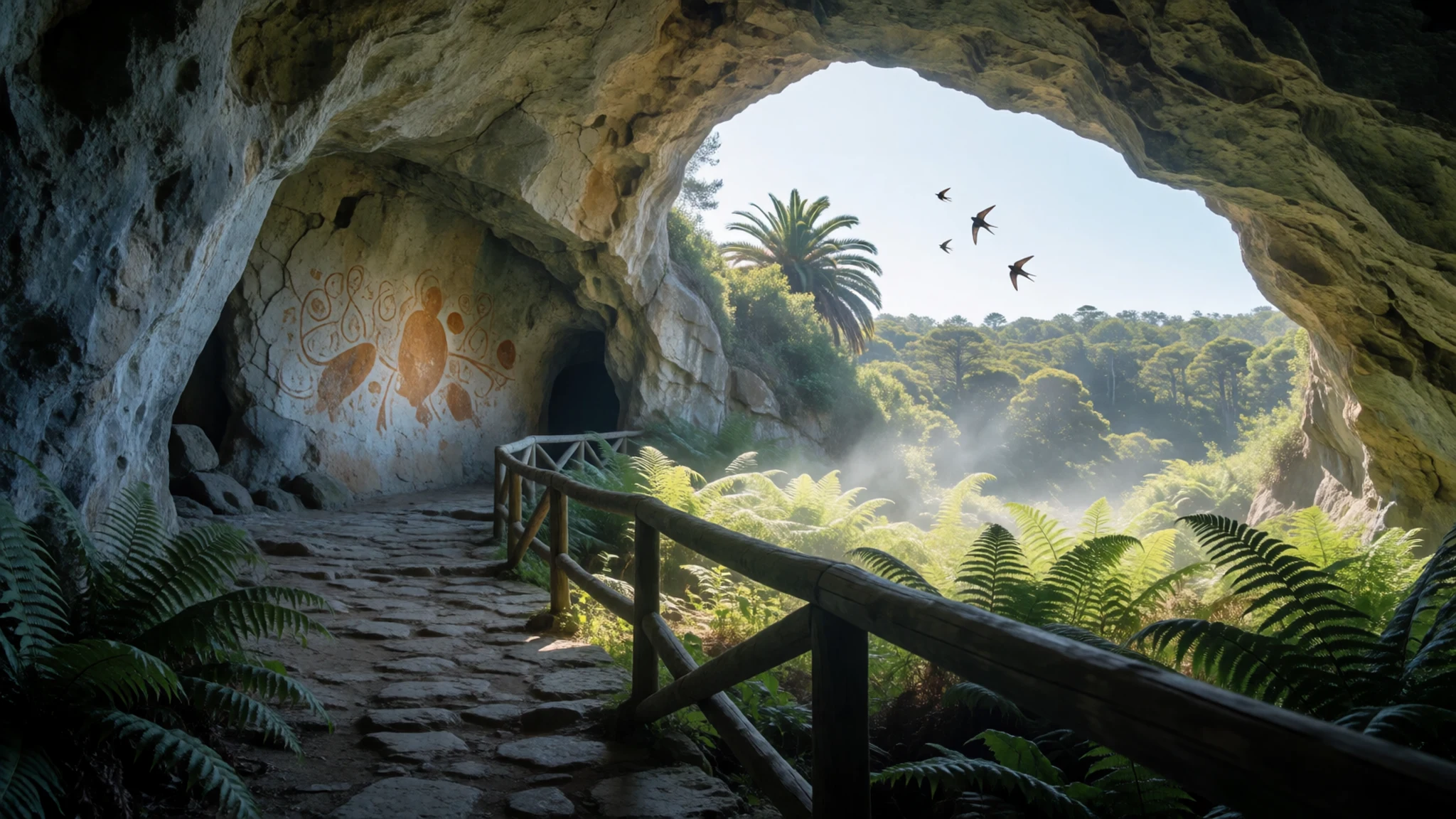
- Playa Paraíso and Cayo de los Monos — Near Nueva Gerona
Playa Paraíso is a beach near Nueva Gerona with good, clear sea, though rotting algae has been reported on the sand, so conditions vary. Roughly a kilometre offshore lies Cayo de los Monos, reachable by a strong swim. The waters around the island also attract divers.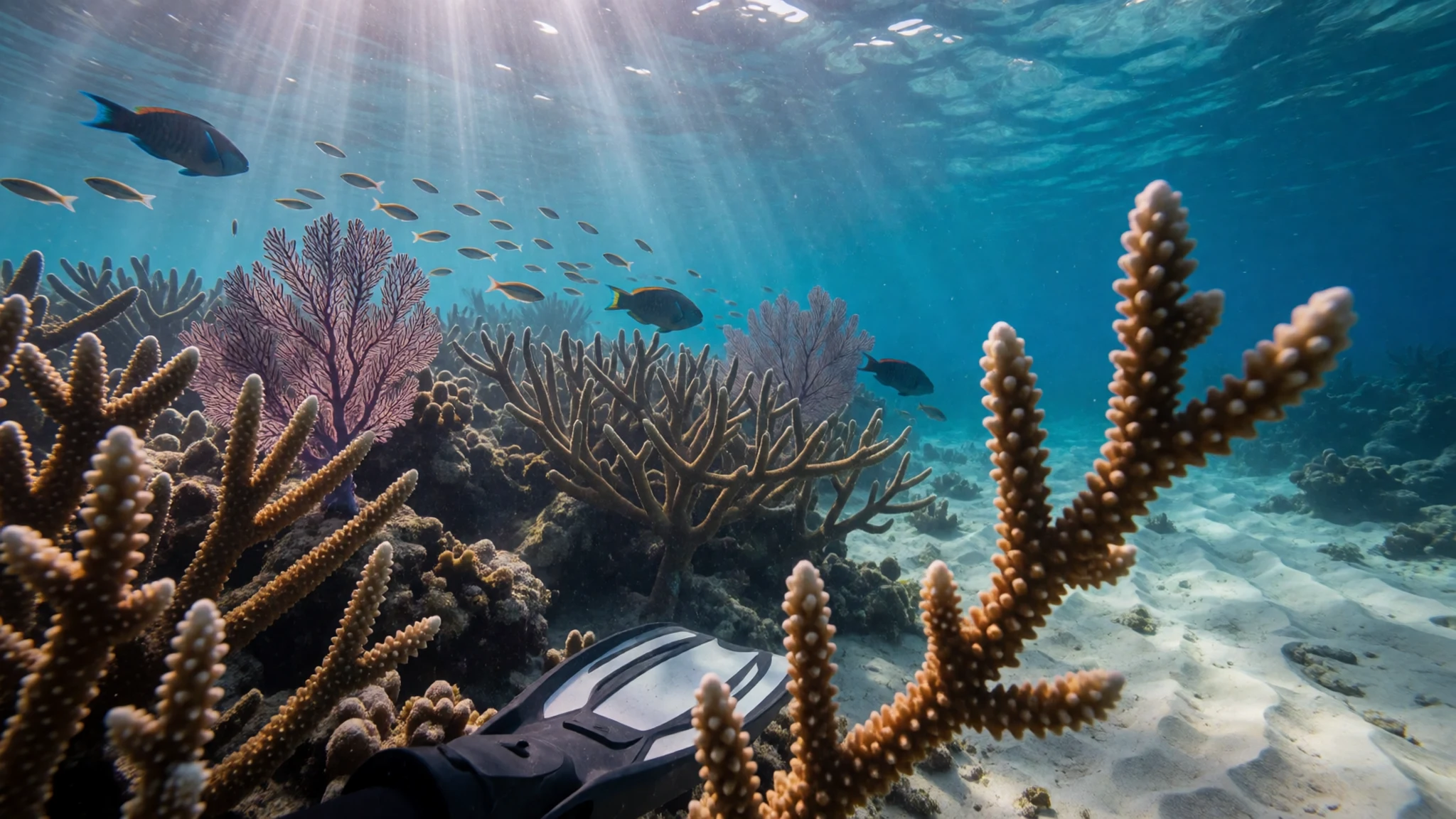
- Bibijagua black sand beach — East of Nueva Gerona
Bibijagua is the island's best-known beach and one of its resort areas. Its sand is dark because of volcanic activity, which makes it unlike the white-sand beaches most people expect in the Caribbean. It suits a slow afternoon of swimming rather than a day of activities.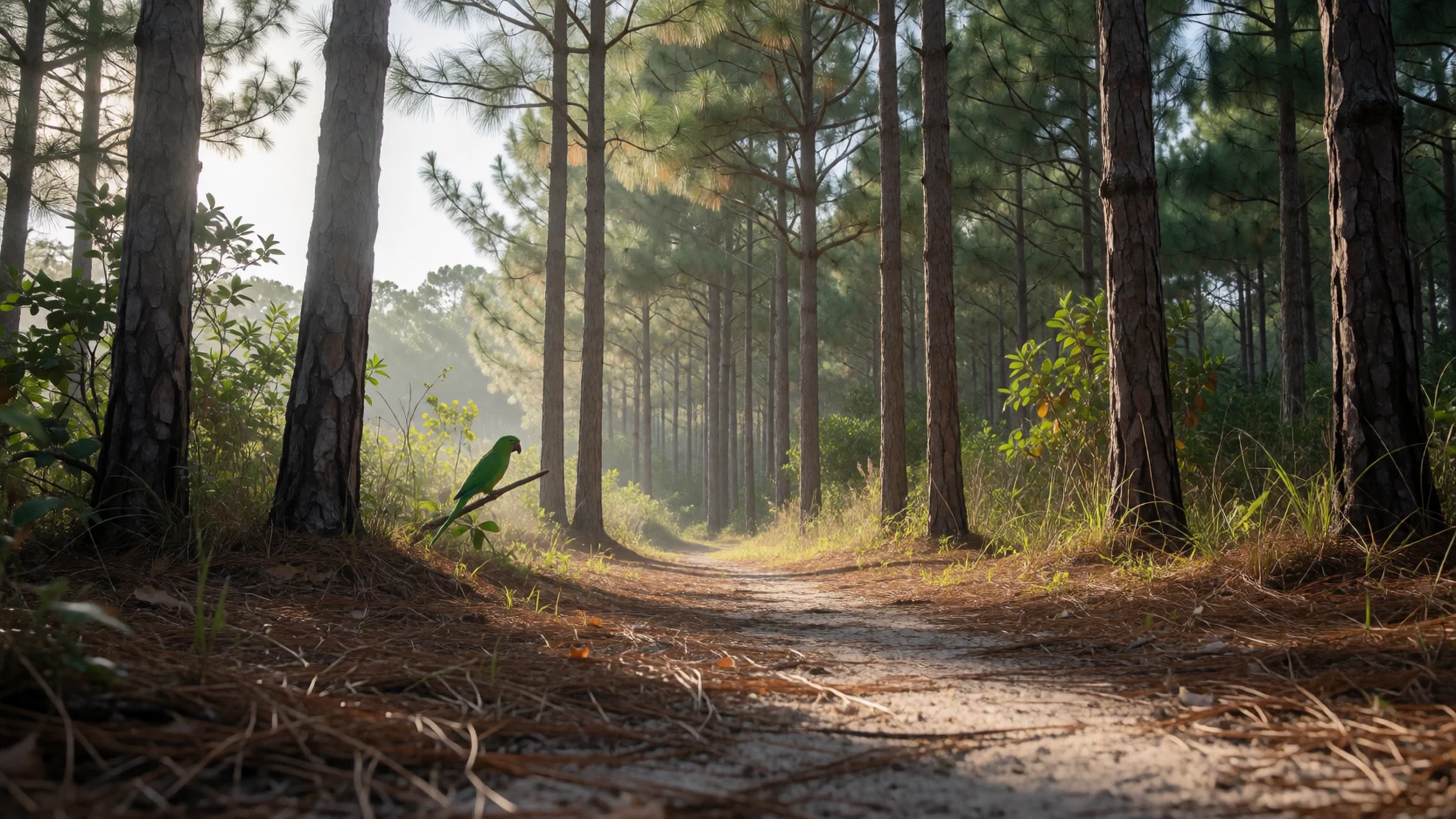
Culture
Isla de la Juventud shares the language, music and habits of the rest of Cuba, but its islanders have a distinct sense of themselves. People from here are often called Pineros, after the old name of Isle of Pines, and the name survives in local landmarks and in the way people talk about the place. Life moves at the pace of a farming and fishing island. Evenings gather around the main plaza in Nueva Gerona, especially at weekends, when families, teenagers and couples fill the benches, and a dancing area near the quay stays busy after dark. Salsa and son drift out of open doorways, and conversation is easy for anyone with a little Spanish. The island's history is close to the surface. The old Presidio Modelo prison, the pirate stories and the Guanahatabey drawings all sit within a short ride of town, and locals are generally happy to talk about them. The wider Cuban setting matters too. The state runs much of daily life, travellers are an occasional presence rather than a crowd, and there are military zones where visitors are not welcome. Small courtesies go a long way: greet people when entering a shop or a queue, ask who is last in line, and be patient with slow service. Keep clear of military zones, and ask before photographing officials, uniformed staff or people in their own homes.
What to wear
Isla de la Juventud has no single regional costume, and the dress most associated with Cuba is the guayabera, a loose cotton or linen shirt with four pockets and vertical pleats, worn untucked. It appears at weddings, formal evenings and among older men, and is the nearest thing to a national garment. Straw hats are a practical rural tradition, worn by people working in fields and orchards. Everyday clothing on the island is simple and shaped by heat: light cotton shirts, shorts, sundresses, flip-flops and trainers. Young people follow music and sport fashion, and many outfits are repaired, handed down or made at home rather than bought new. Dressing up means a clean shirt and good shoes, not formality. Visitors should pack for a warm, humid climate. Breathable cotton or linen, a wide-brimmed hat, sunglasses and high-factor sun cream are essential, plus a light waterproof for rain and the hurricane season. Swimwear is for the beach only; cover up in town and when visiting shops or restaurants. Closed shoes with grip suit the hill trails above Nueva Gerona and any cave visit, while water shoes help on rocky or algae-covered shores. Insect repellent is as important as any garment.
What to eat
- Arroz con frijoles — Home-run restaurants and eateries in Nueva Gerona
Rice and beans is the backbone of an island meal, either cooked together as moros y cristianos or served side by side. Expect it alongside meat or fish in home-run restaurants, family-run eateries in Nueva Gerona and any rooms that serve breakfast or dinner.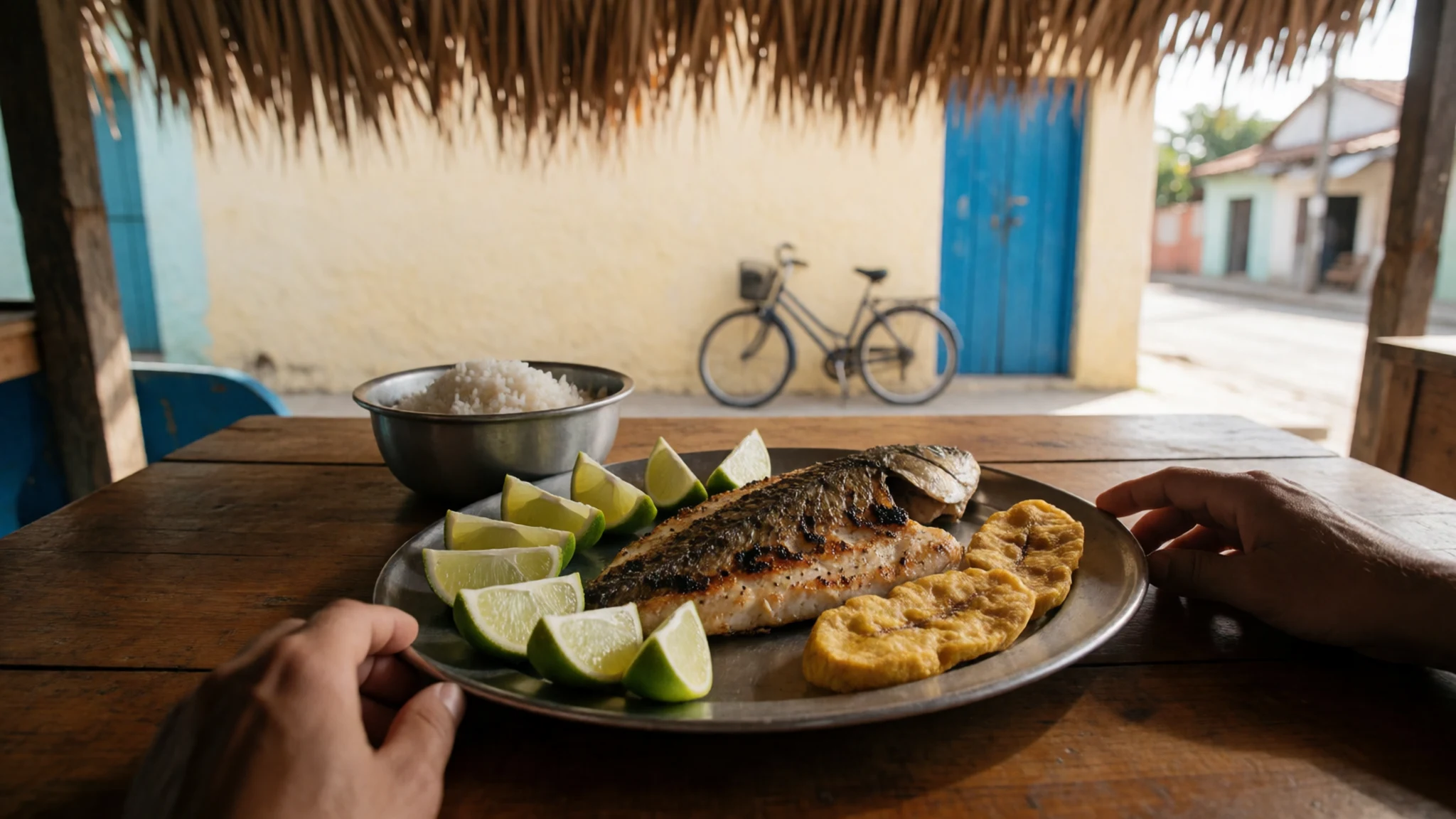
- Roast pork — Private restaurants near the main plaza
Roast pork is the classic Cuban celebration dish, slow-cooked until tender and often served with rice and beans and a sharp citrus sauce. It is easiest to find at weekends and on festive days in private restaurants and at family tables around the main plaza.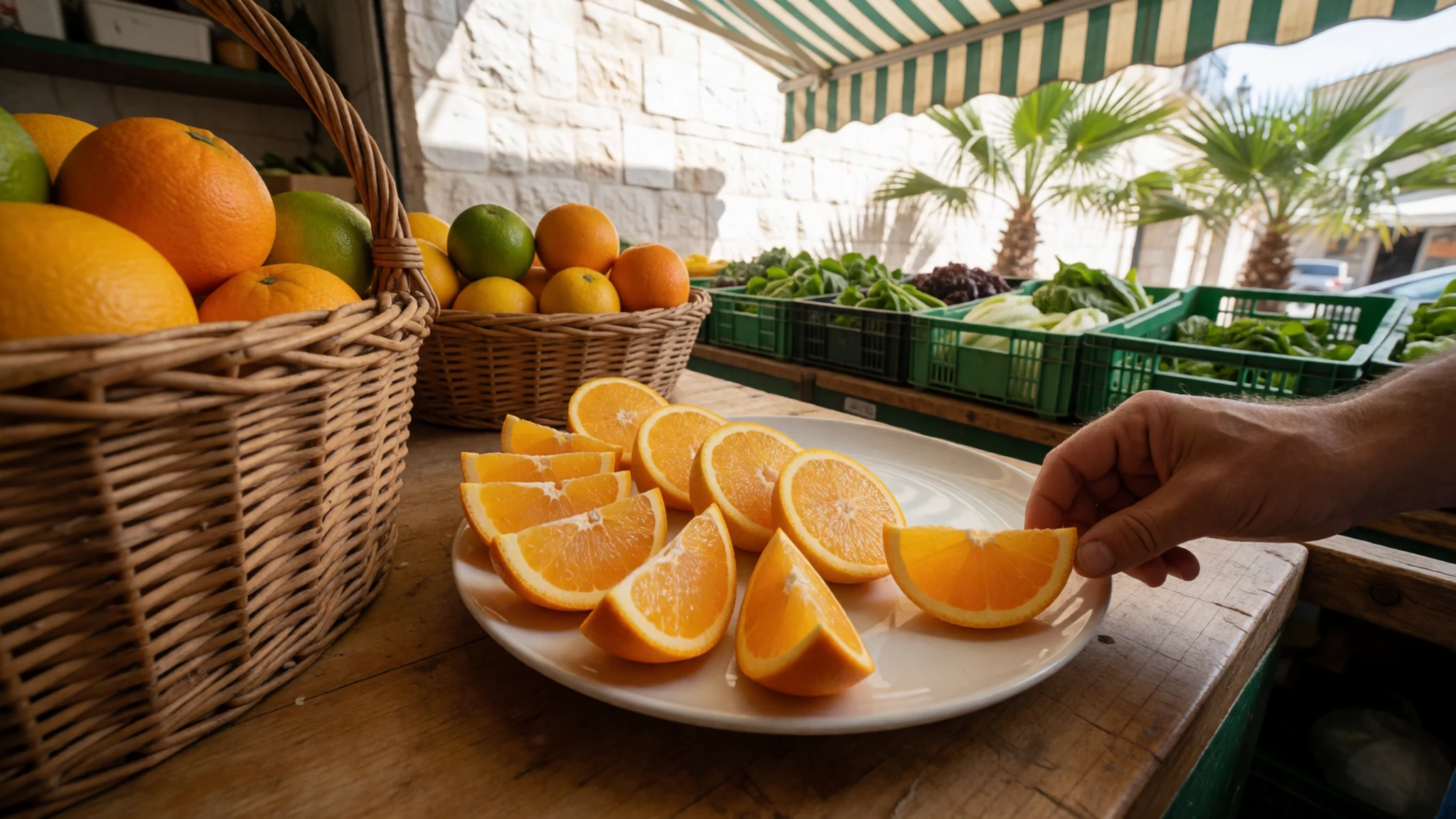
- Citrus fruit — Local markets and roadside stalls
Citrus is one of the island's main crops, so oranges, grapefruit and limes are plentiful. They turn up as fresh juice, in marinades and squeezed over pork or fish. Look for them at local markets and roadside stalls in the farming areas inland. - Fresh vegetables and viandas — The town market and farm stands
Vegetables are another local crop, and meals often include root vegetables and starchy viandas such as yuca, sweet potato and plantain, boiled or fried. They are simple, filling and cheap, and best bought in season at the town market and farm stands. - Fresh fish — Coastal eateries and fishing communities
Fishing is a main industry here, so grilled or fried fish is a sensible order near the coast. It usually arrives with rice, salad and fried plantain. Ask in Nueva Gerona which eateries serve that day's catch, and expect a plain, honest plate.
Plan it
Best time. December to April is the drier, more comfortable season, with milder heat and a lower risk of storms. The island has a mild climate but frequent hurricanes, so the wetter months from roughly June to November need flexible plans and travel insurance.
How long. 2–3
Getting there. Fly from Havana with Cubana de Aviación, or take a bus from Havana's Estación Central de Ómnibus to Batabanó, then the catamaran across the Gulf of Batabanó to Nueva Gerona. Check the official site (http://www.gerona.inf.cu/) and local offices for current timetables.
Budget. low
Tips
- Book flights well ahead; seats are scarce and old online information is often out of date.
- Buy a return boat ticket a day in advance, as morning departures can be early and busy.
- Carry cash and small change; card use is limited and some places take only local currency.
- Bring sun protection, repellent and drinking water for beaches and hill walks.
- Bicycles cannot be taken on the boat, and knives must be checked in before boarding.
Etiquette
- Stay out of military zones and obey any signs or instructions from uniformed staff.
- Ask permission before photographing people, officials or private homes.
- Greet people politely when entering a shop, queue or restaurant.
Nearby
Sources
- Wikidata Q115027 (CC0)
- Wikipedia: Isla de la Juventud (rev 1384356149) (CC BY-SA 4.0)
- Wikivoyage: Isla de la Juventud (rev 4456906) (CC BY-SA 4.0)
- Photo: Isla de la Juventud satellite view, NASA (Public domain)
- Photo: Presidio Modelo, Friman (Public domain)
- Photo: Amanecer en La Demajagua, Jovanotti (CC BY-SA 2.5)
- Photo: Cuban Amazon, Alex Graves (CC BY-SA 2.0)
- Photo: Cayo Largo del Sur, Albert Amor (CC0 1.0)
- Photo: Gulf of Batabanó, NASA (Public domain)
- Photo: Río Itabo habitat, P. Valdés (CC BY 3.0)
- Photo: Crocodile area, Friman (Public domain)


Wildlife
- American crocodile (animal)
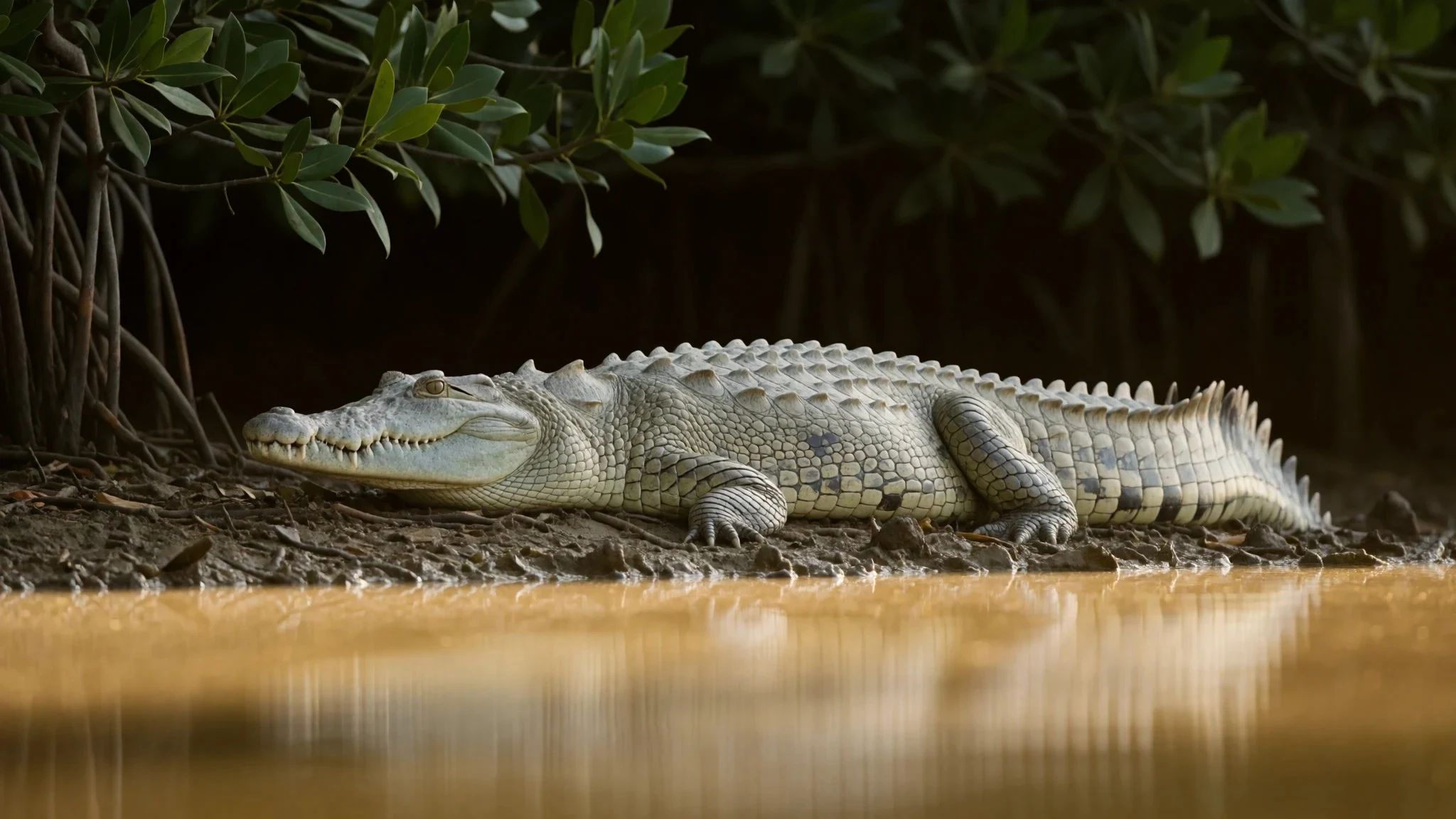
The American crocodile is a crocodilian, a reptile of the tropical Americas, and the most widespread of the four crocodile species found there. Its home stretches from South Florida through Cuba, Jamaica and Hispaniola, along the coasts of Mexico, and south as far as Peru, Ecuador, Colombia and Venezuela. Old English adventure stories set crocodiles beside pirates and their long dugout canoes, so the island's tales still draw travellers hoping to glimpse one. Our notes give no places, seasons or watching advice for it.