Alexander von Humboldt National Park
Alexander von Humboldt National Park, Cuba
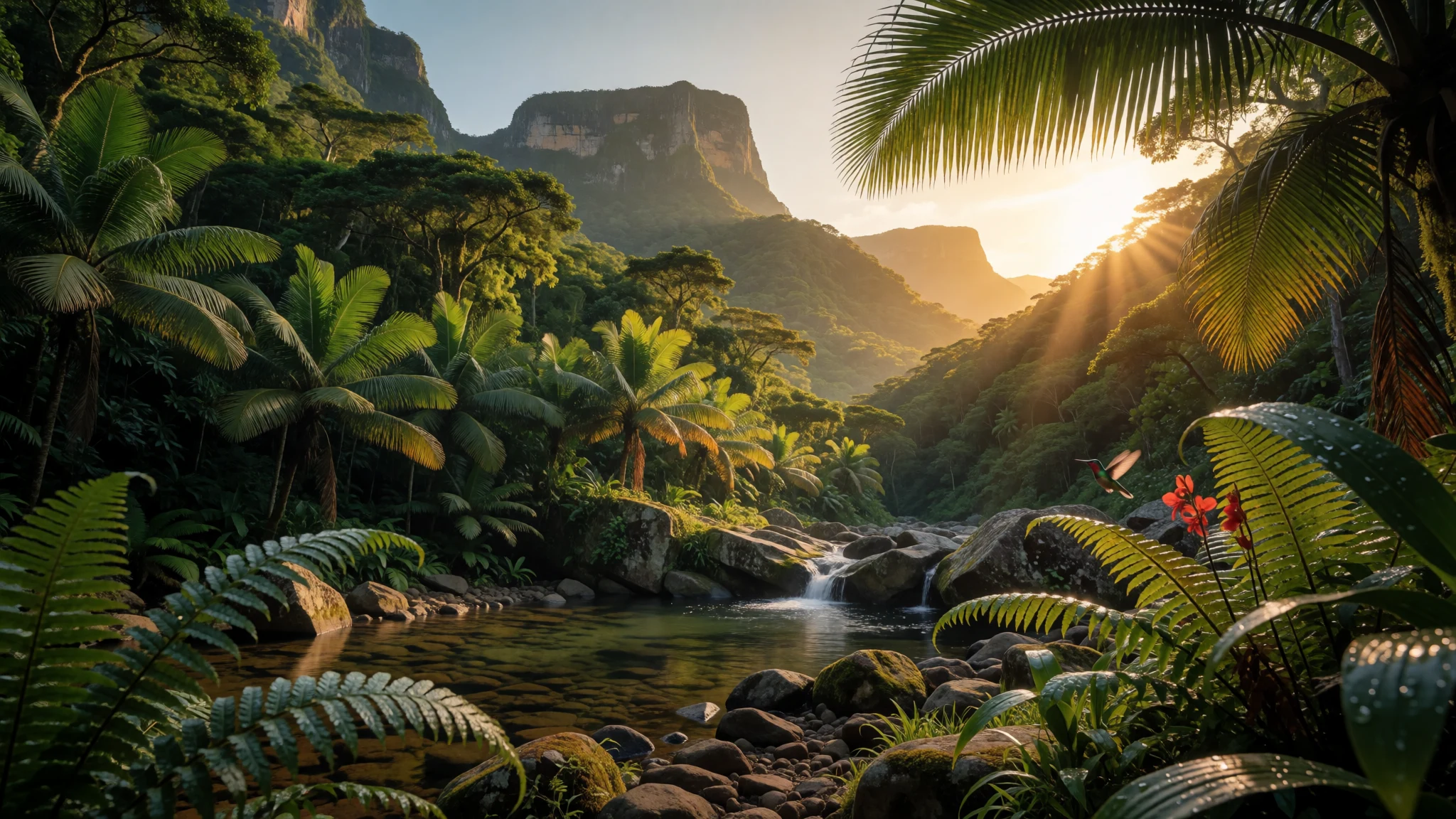
Alexander von Humboldt National Park is a wet, mountainous slice of Cuba with striking geology and lots of endemic wildlife.
The place
Alexander von Humboldt National Park (Parque Nacional Alejandro de Humboldt) is in eastern Cuba, stretching across the provinces of Holguín and Guantánamo. The big idea here is variety: coast-adjacent habitats, cloudier mountain zones, and river systems that start high in the ranges and run down through the insular Caribbean. The park sits in a region known for complex geology, including karst landscapes, and the soils in parts of it are shaped by ultrabasic rock types—serpentine soils and peridotites.
What that means for a visit is simple: scenes change quickly. Verdant slopes and wooded valleys can sit close to sharper-looking ridges and stony edges, with humidity making everything feel greener (and heavier) than the surrounding roads. The landscape also carries altitude contrast, from sea level up to El Toldo Peak.
The park’s UNESCO listing is tied to its size and its biological uniqueness—especially endemic flora and fauna—alongside the way its landforms and geology mix together. It’s not a place built around a single viewpoint or a neat loop. Instead, people tend to enter from nearby towns and then move through the terrain with guides, following routes that reflect river valleys, forest patches and mountain edges.
Expect heat and moisture to shape the experience. Even without dramatic “big attraction” hype, the park delivers by way of atmosphere: thick green vegetation, constant changes in light between ridges and lower ground, and wildlife that feels more likely the farther you get into the quieter countryside.
Its story
Alexander von Humboldt National Park began as a patchwork of protected areas rather than one unified park. In the mid-20th century, the Cuban government set up protections as three separate wildlife refuges, and later these were brought together into one national park. The naming reflects Alexander von Humboldt’s connection to the island: he visited Cuba around the turn of the 19th century.
Before the modern protections, the wider area had long been used unevenly by people, with at least one known archaeological site from the pre-Columbian period in the coastal zone of Aguas Verdes. Historical accounts also mention peripheral uses as refuges or camps by maroons during the 18th and 19th centuries.
From the 1960s, conservation work focused on establishing nature reserves, with later additions connected to species history and sightings. Eventually, the different protected areas were unified, creating a larger framework for preserving the region’s ecosystems and endemic life.
The park’s UNESCO recognition in 2001 underlines why the story matters beyond paperwork: its combination of high biological diversity and distinctive geology makes it a key ecosystem in the Caribbean basin. The presence of endemic animals such as the Cuban solenodon adds a layer of “rare-life” meaning to the landscape—species that have evolved within Cuba’s environmental mix. In practice, that history translates to trails and routes that feel more like moving through a living system than ticking off sites.
What to see
- Visitor Centre area — Visitor Centre area (near the park entrance)
Alexander von Humboldt National Park’s visitor-centre zone is a sensible starting point for orientation and for meeting the kind of local guides who can talk through routes. The setting helps you understand how the park is entered from nearby towns rather than accessed like a city attraction.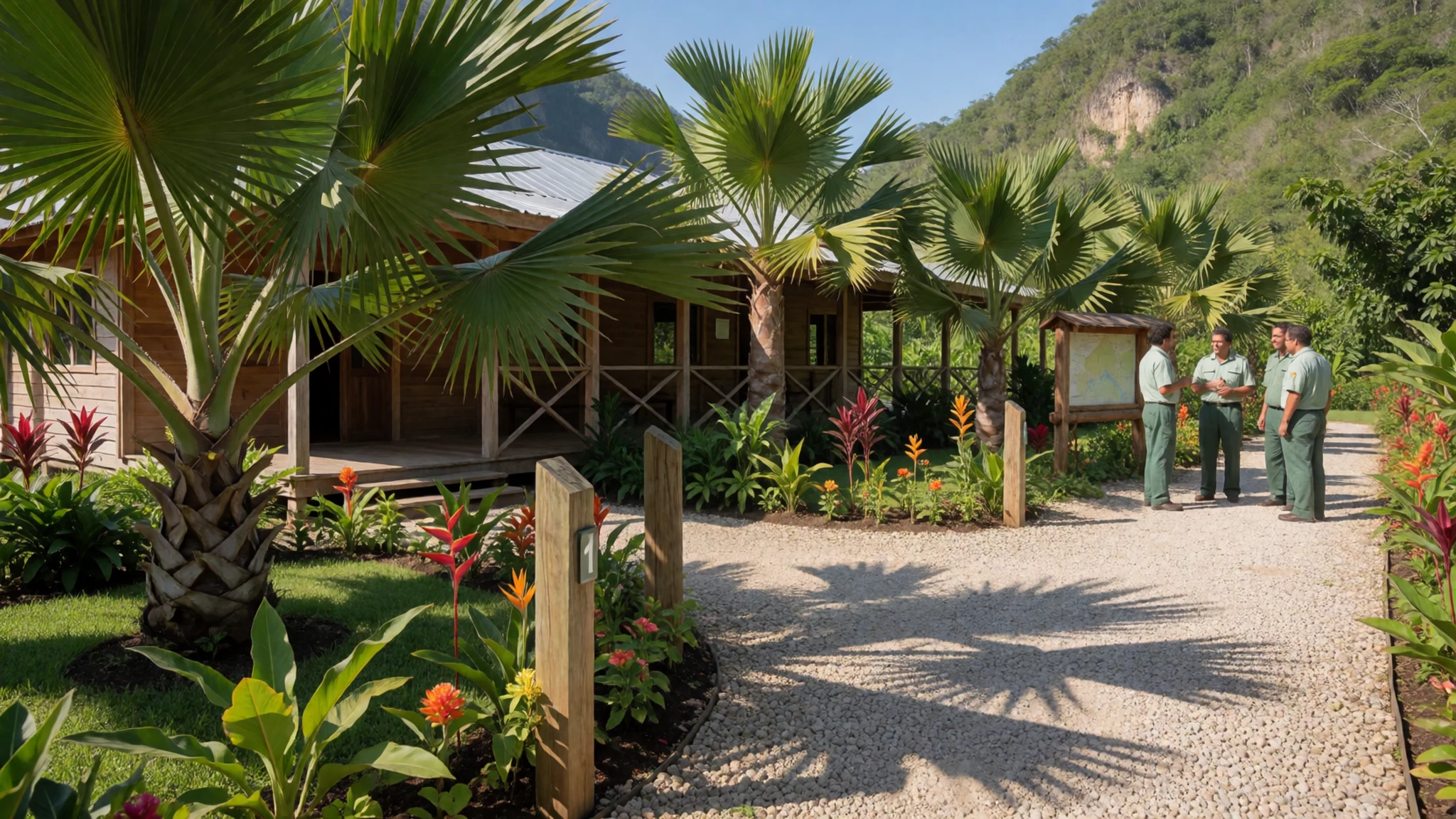
- Statue and Humboldt-themed gateway — Visitor Centre area (near the entrance)
A Humboldt-linked landmark near the visitor facilities gives the park its identity in one glance. It’s the easiest “first photo” moment, but it also anchors the story of how the park connects scientific exploration to a very wet, mountainous Cuba.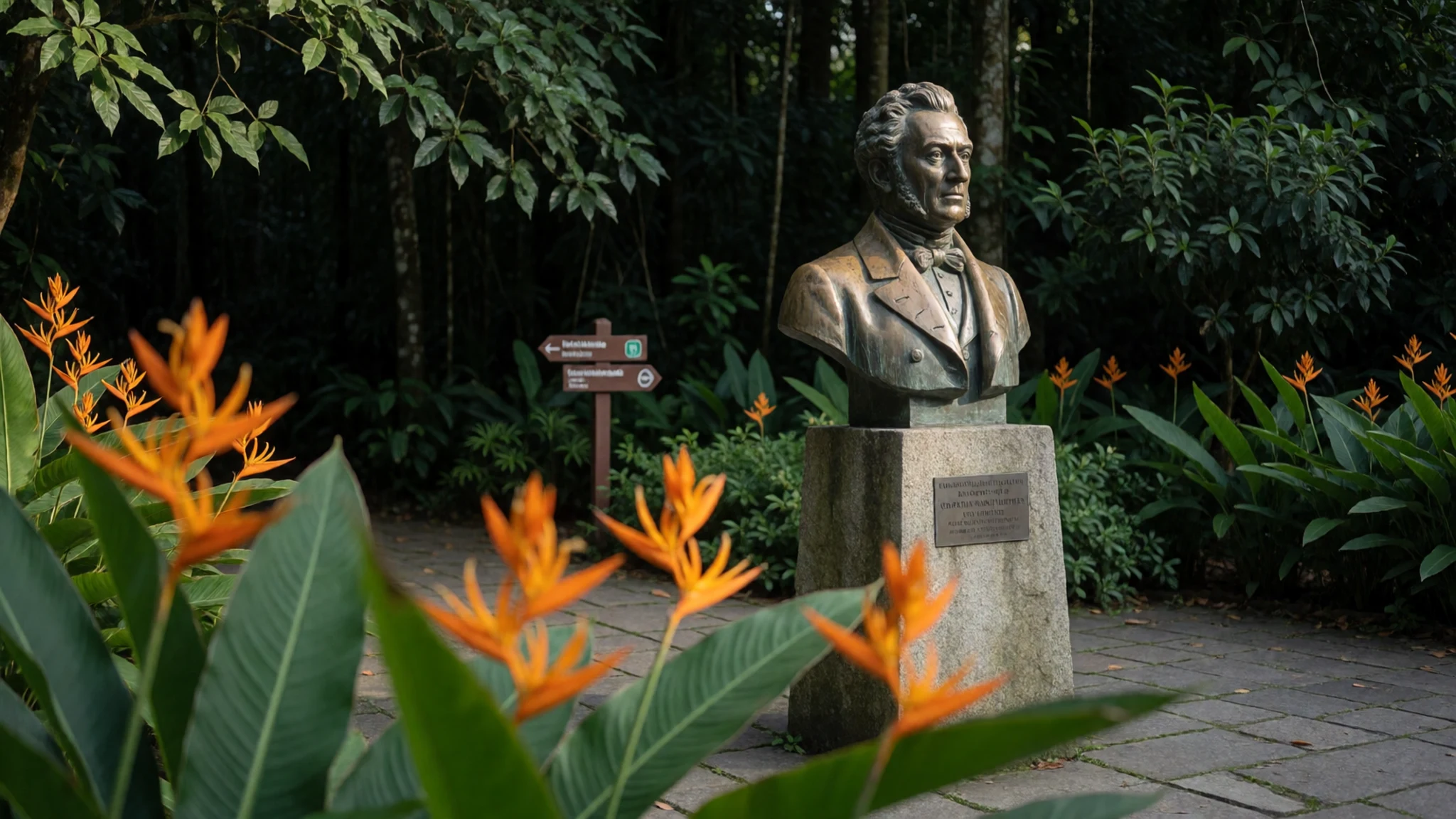
- Mountain ridgelines and forest tracks — Mountain areas (interior valleys and higher trails)
In the park’s higher country, narrow forest tracks and open patches on ridgelines make the altitude feel real. Humidity can feel noticeable in the higher country, so mornings and afternoons may feel different—choose routes that match the day’s conditions.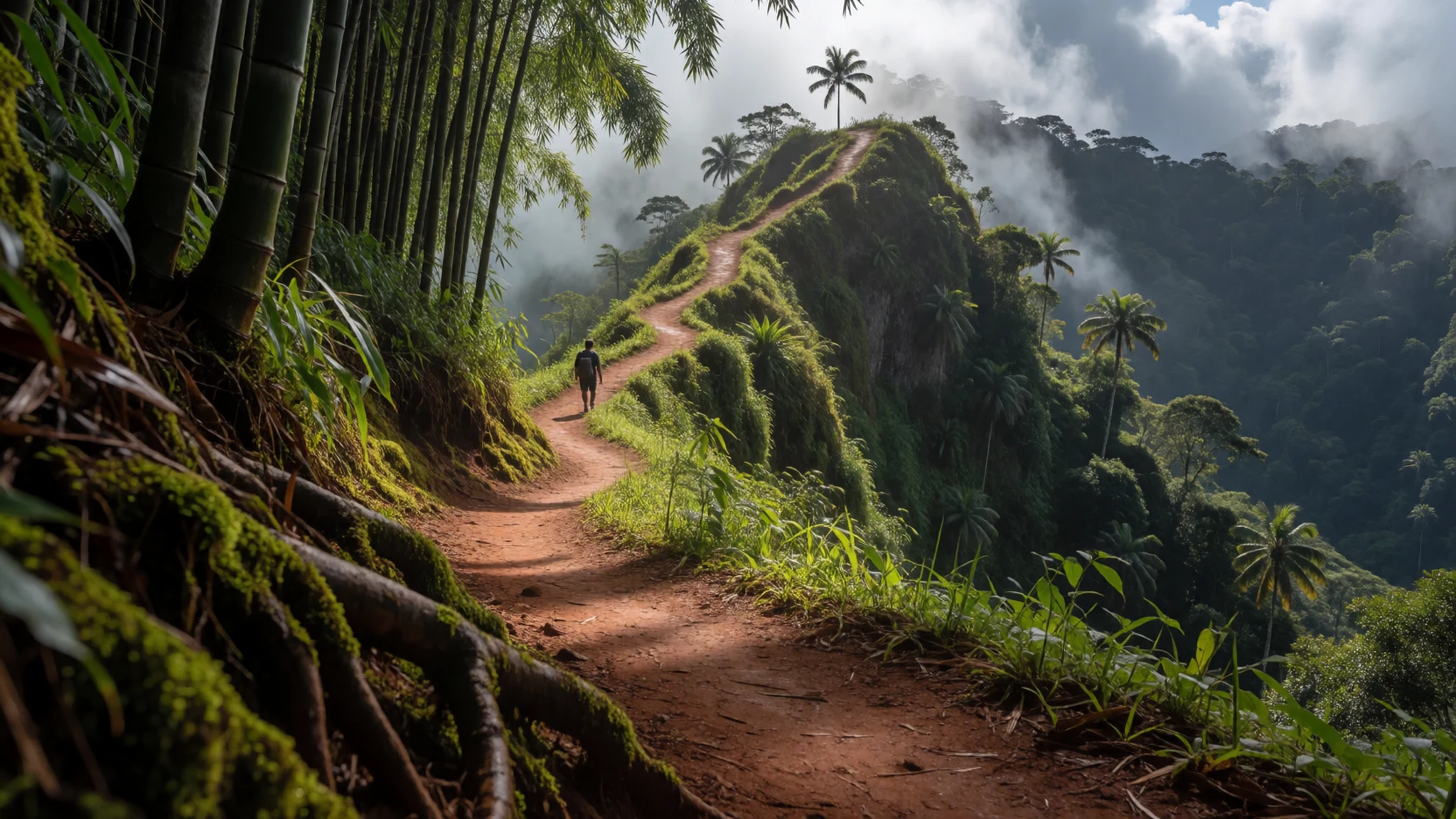
- Western border landscapes — Western border of the park
The western edges of Humbold National Park show the blend of roadside scrub and deeper green beyond it. It’s useful for the “what surrounds the park” view: border landscapes can look simpler than the interior, but they help you read where habitats start to change.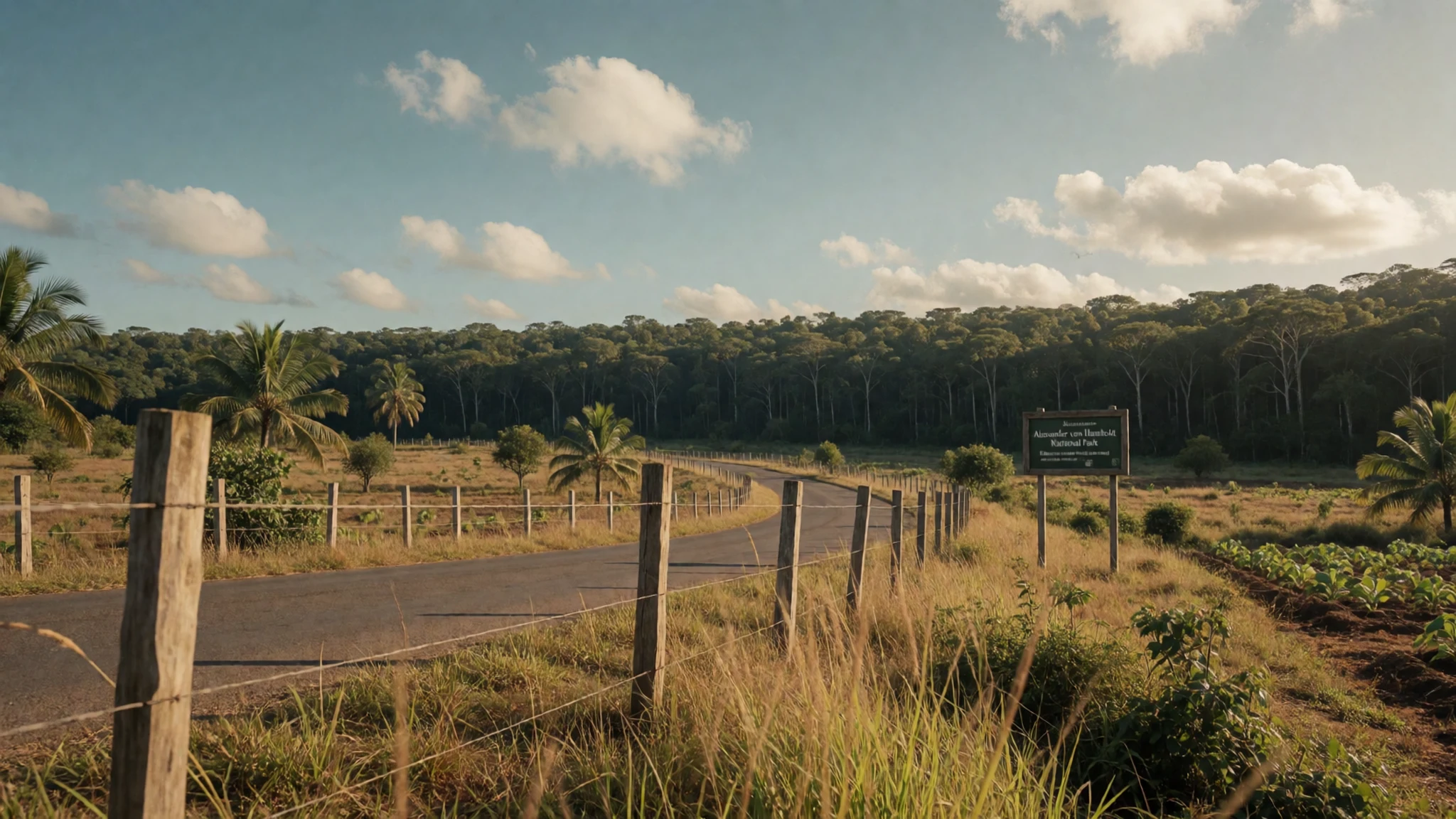
- Serpentine-and-karst country edges — Geologically complex countryside (karst and ultrabasic-soil zones)
At the boundaries where geology becomes visible—stony ground, sharper slopes and patchy vegetation—the serpentine-and-karst story is written into the scenery. These edges often feel dramatic in a quiet way, with plants clinging to tough soils while valleys remain lush.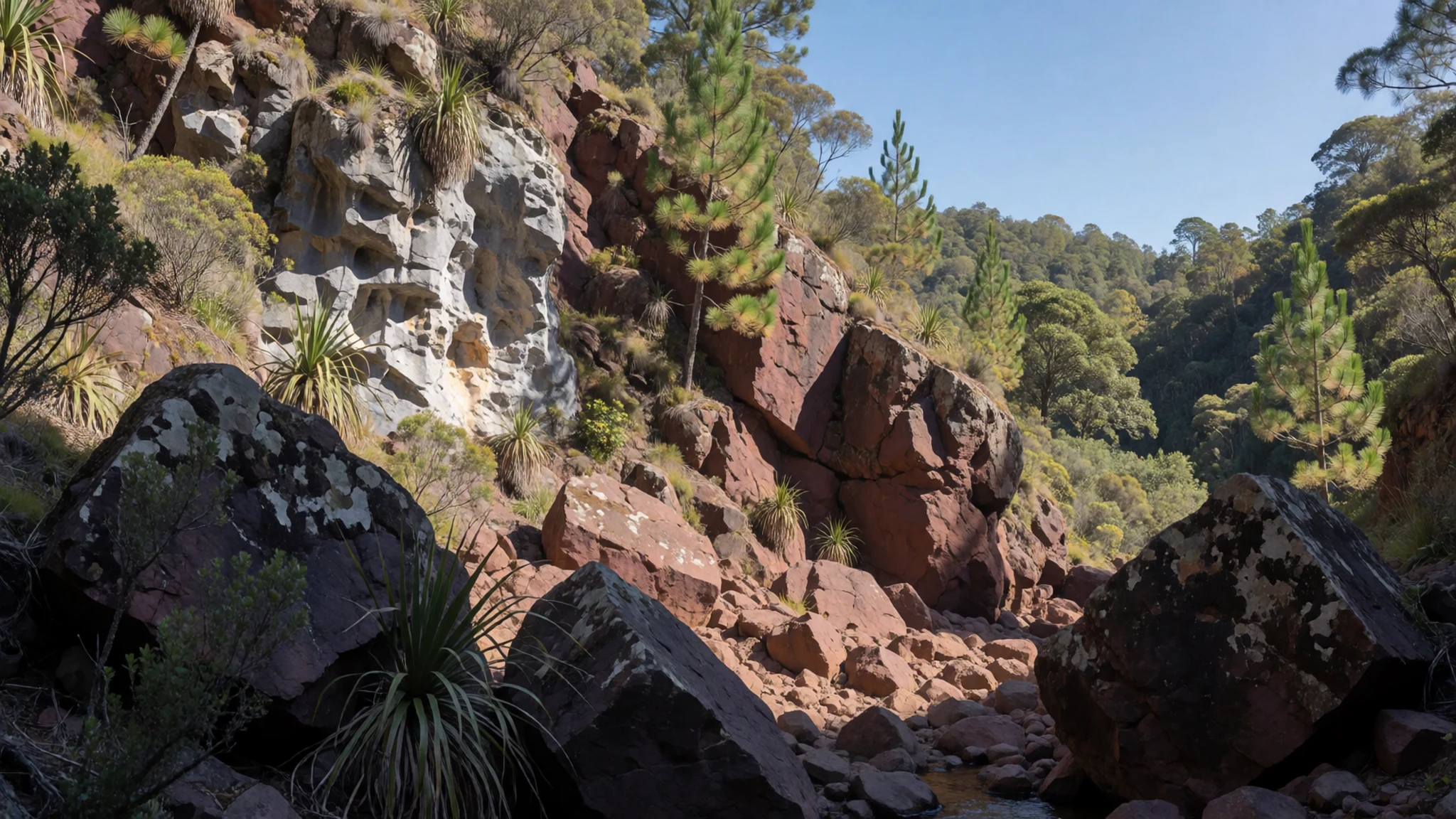
- Bahía de Taco (Nibujón) coastal waters — Bahía de Taco (Nibujón), near the coast
Bahía de Taco (Nibujón) is a calmer counterpoint to the mountains. Coastal waters near the park can be a place to observe marine wildlife and to feel how quickly ecosystems shift between land and sea in this corner of Cuba.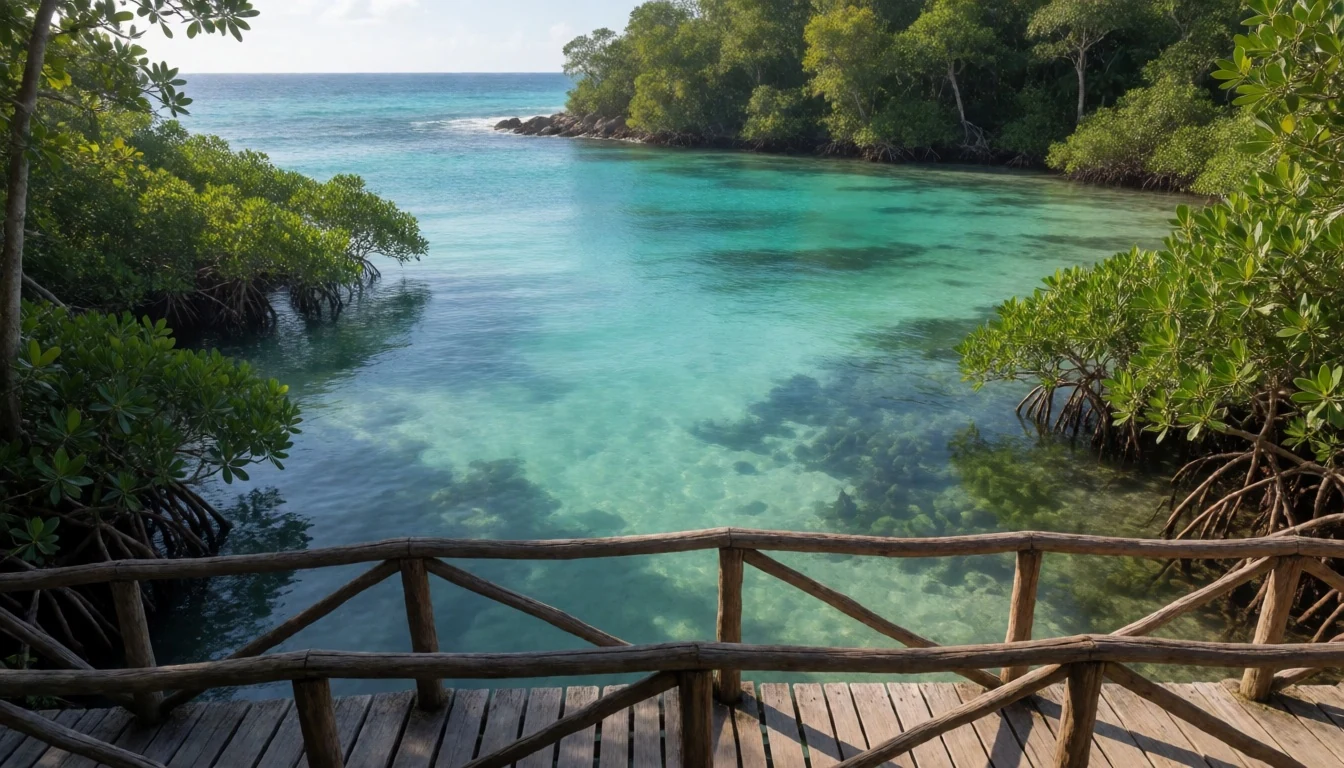
Culture
Alexander von Humboldt National Park is visited mostly as part of a guided day or multi-day hiking plan, because local agencies help match routes to terrain and weather. Culture here isn’t about museums—it’s about how people move through forest and coastal edges, respecting that the park is both fragile and biologically rich. The most important “local norm” is listening: guides will often adjust pacing and stop points based on humidity, ground conditions and what the landscape is doing that day.
Cuba’s outdoors culture is practical. Expect people to dress for heat and moisture, to travel with basics (water, modest sun protection) and to treat wildlife viewing as something to do quietly rather than “hunt for.” When you see birds or lizards, it helps to move slowly and keep noise down, because the forest responds to disturbance quickly.
If you’re visiting viewpoints or visitor-centre areas, remember that the park’s identity is tied to Alexander von Humboldt and to conservation. That means no litter, no taking rocks or plants, and no trampling through areas that look delicate or overgrown. If you’re photographing, keep your distance and stay as respectful toward people and wildlife as you would anywhere else in a habitat.
Visitor etiquette: follow local guidance, keep voices low, and don’t pick plants or disturb wildlife.
What to wear
In and around Alexander von Humboldt National Park, the dominant factor for clothing is rain and humidity. Many locals dress for warm conditions, and the same logic works for visitors: lightweight shirts and trousers (or knee-length options where appropriate) are more comfortable than heavy layers. When rain or mist rolls in, quick-drying materials make the difference between enjoying a hike and feeling stuck with damp clothes.
Traditional dress in Cuba exists across regions, but inside a working national park setting, most visitors will simply prioritise practicality over ceremony. If attending community events outside the park, lighter cottons are common, and conservative coverage tends to fit cultural expectations—especially in religious or formal settings.
For park days, wear proper footwear with grip: trails can include wet sections and uneven ground as you move between forest edges and valley routes. Long socks help with undergrowth, and a cap or hat is useful for sun when the canopy thins. Pack a small rain layer—rain can come in many months, with the wettest stretch coming later in the year.
Visitor packing tip: breathable layers for humidity, closed-toe shoes with grip, and a light rain shell will keep the day comfortable even when conditions shift.
What to eat
- Local seafood plates — Coastal towns and eateries serving travellers heading to the park
Near coastal areas around Alexander von Humboldt National Park, seafood is often the easiest, freshest bet—think simple grilled or stewed fish served with local sides. Look for the daily options at informal eateries close to the visitor routes.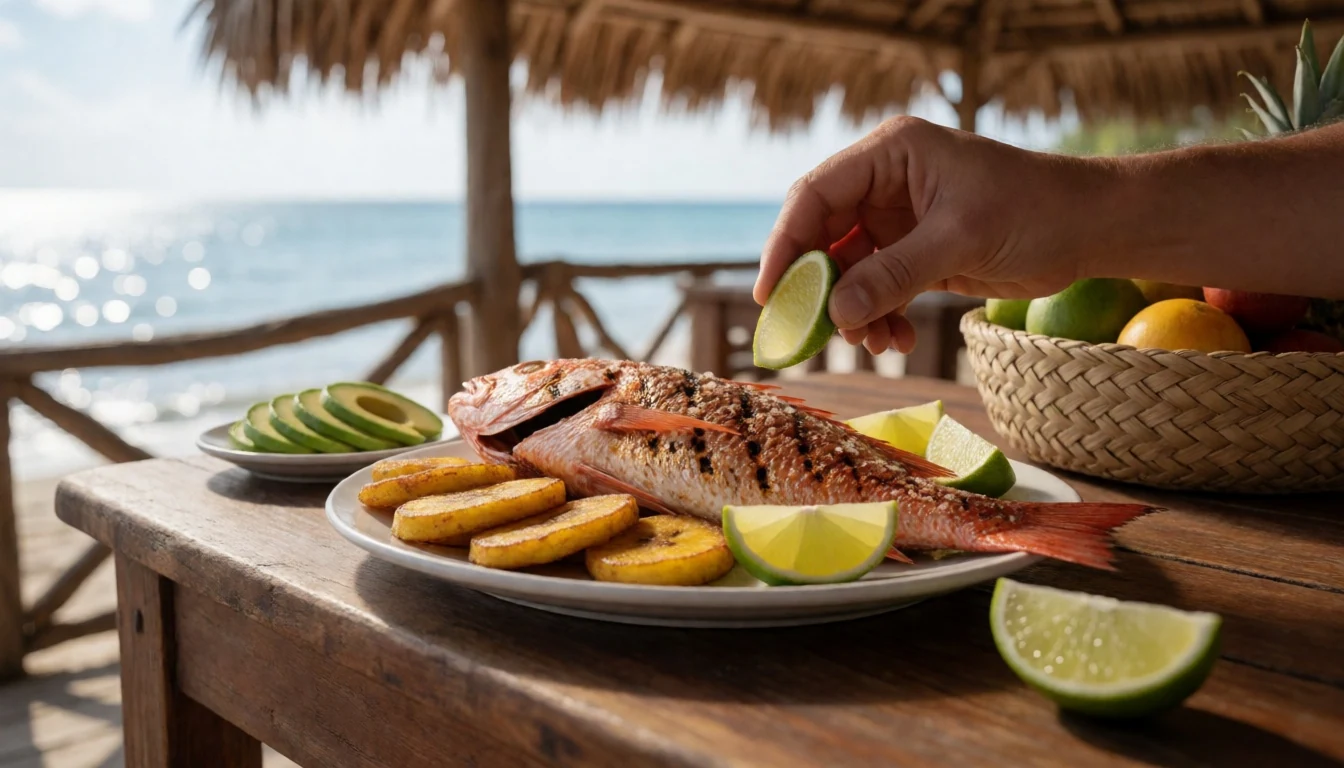
- Cuban rice and beans — Town restaurants in Holguín and Guantánamo regions
Cuban rice with beans is a reliable energy base before or after a hike. It’s typically served as a full meal in small restaurants and family-run places, often accompanied by meat or egg when available.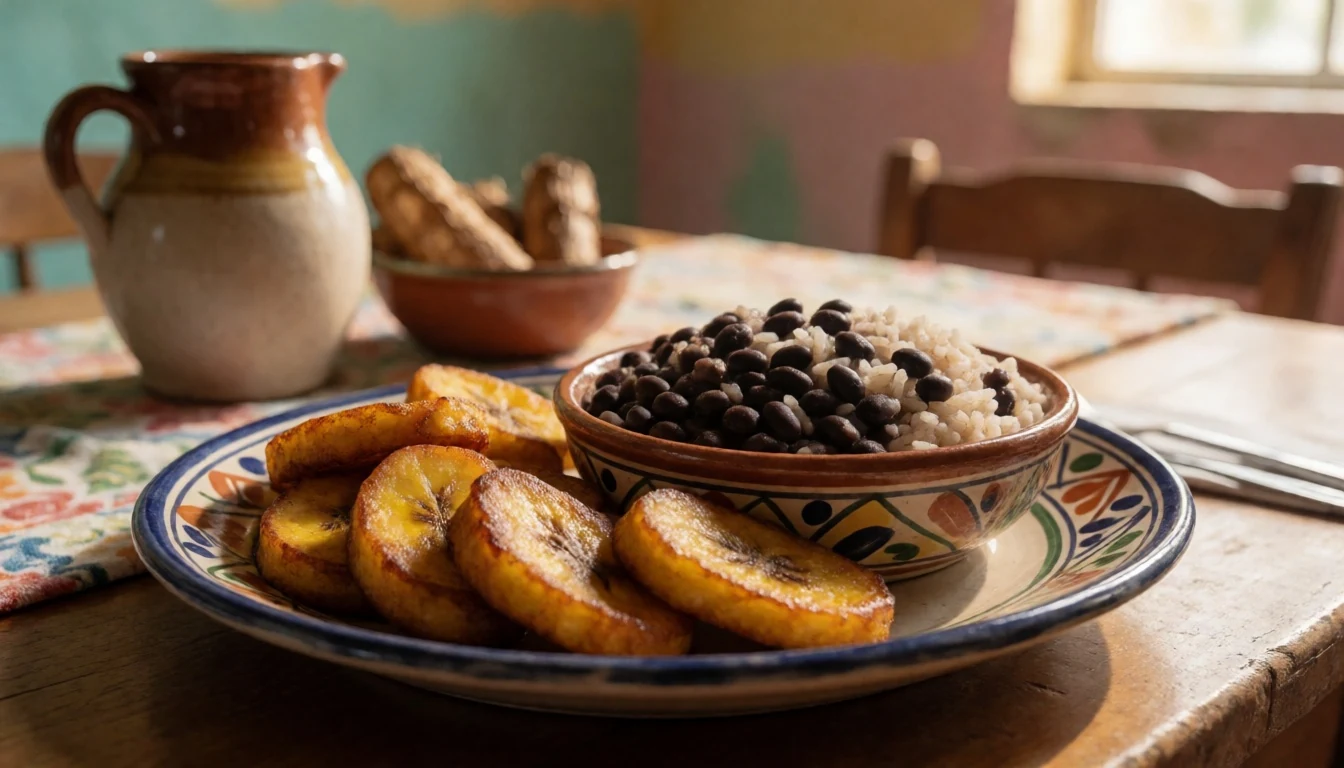
- Fried plantain (tostones or patacones) — Market stalls and roadside food counters
Fried plantain is a common snack or side in Cuba, especially when you’re moving around towns and markets. It’s usually served hot and crisp, with a simple sauce or seasoning. - Cassava dishes — Casual eateries and market-side cooking stands
Cassava shows up in Cuban cooking as a starchy, filling component, often boiled, fried, or baked depending on what’s being made that day. It’s a good option when you want something substantial without too much variety. - Tropical fruit drinks — Cafés and simple drinks stands in nearby towns
In eastern Cuba, fruit-based drinks are a handy way to cool down between hotter walks. They’re typically made with local tropical fruit and served chilled, though sweetness and thickness can vary.
Plan it
Best time. March–April and October–November tend to be the most comfortable hiking windows, thanks to lower rainfall; temperatures peak around September, while the wettest month is October. Rain is heavier from May through November, with particularly high totals in June and again in August.
How long. 3–4
Getting there. Fly into eastern Cuba via the closest practical airport (often routed through Guantánamo or nearby hubs), then use local transport to reach Baracoa-area connections and agencies that run organised hikes into the park.
Budget. mid
Tips
- Use a local agency for hikes so routes match what the terrain looks like on the day
- Start earlier in the day to avoid the heaviest humidity and let the day breathe
- Carry water and plan for quick sun breaks under canopy when visibility drops
- Ask about what to pack for wet conditions; lightweight rain protection helps
Etiquette
- Stay on the agreed tracks and avoid stepping into fragile-looking vegetation
- Keep voices low and avoid chasing wildlife for close-up photos
- Leave no litter, especially around rivers, bays and coastal edges
Nearby
Sources
- Wikidata Q48153 (CC0)
- Wikipedia (rev 1363107160) (CC BY-SA 4.0)
- Wikivoyage (rev 5112362) (CC BY-SA 4.0)
- Photo photos/01-alejandro-de-humboldt-national-park-visitor-center-01.jpg (CC0 1.0)
- Photo photos/02-alejandro-de-humboldt-national-park-visitor-center-02.jpg (CC0 1.0)
- Photo photos/03-bah-a-de-taco-4918.jpg (CC BY-SA 4.0)
- Photo photos/04-el-yunque-575-m-parque-nacional-alejandro-de-humboldt-baraco.jpg (CC BY 3.0)
- Photo photos/05-humbold-np-guantanamo-province-001.jpg (CC BY-SA 4.0)
- Photo photos/06-humbold-np-guantanamo-province-002.jpg (CC BY-SA 4.0)
- Photo photos/07-humbold-np-guantanamo-province-003.jpg (CC BY-SA 4.0)
- Photo photos/08-humbold-np-guantanamo-province-005.jpg (CC BY-SA 4.0)


.jpg)


