Wotje Atoll
Wotje Atoll, Marshall Islands
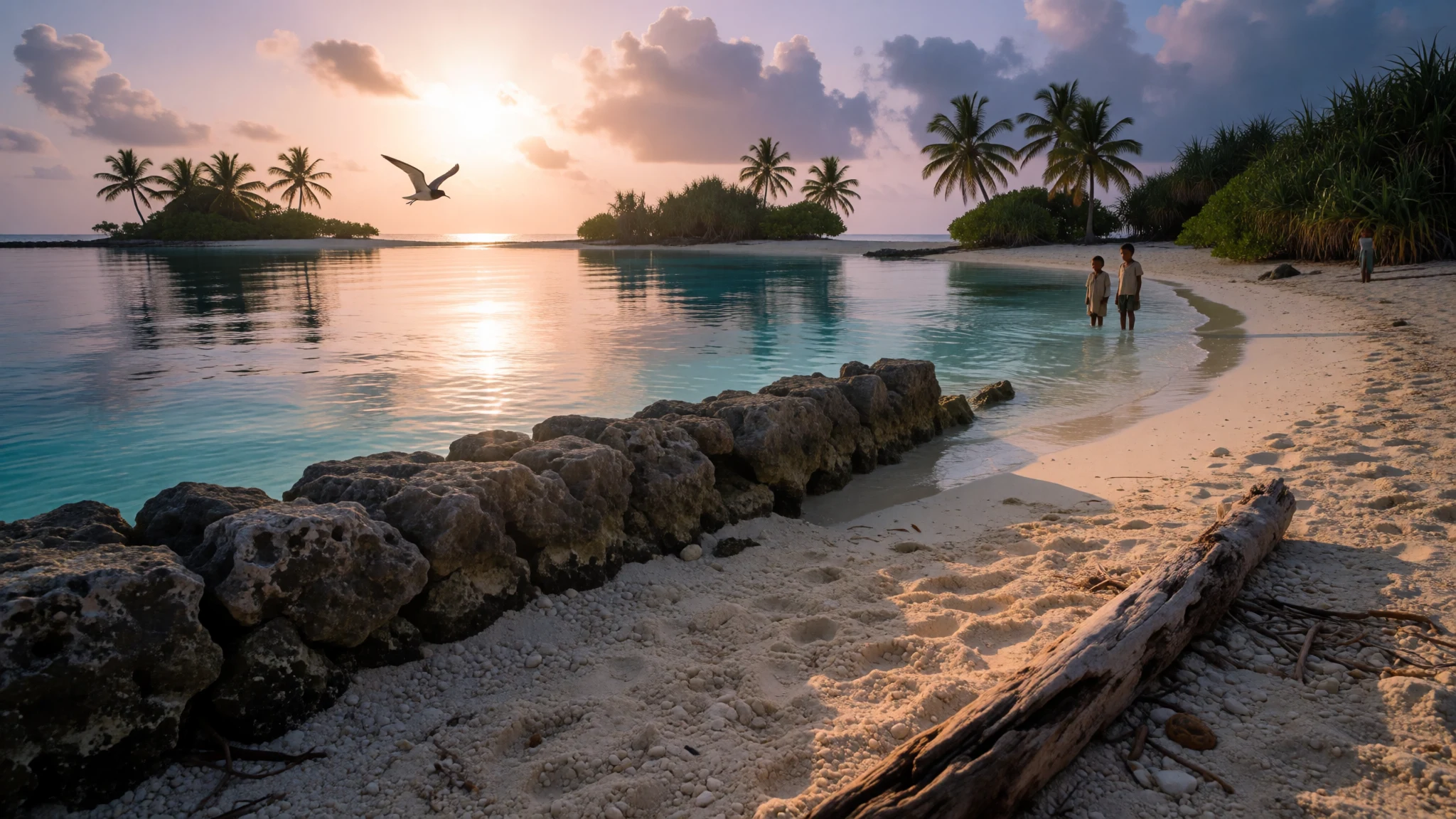
Wotje Atoll is a remote Marshallese lagoon with a quiet village life and the overgrown remains of a major wartime Japanese base.
The place
Wotje Atoll (Wōjjā in Marshallese) is a ring of coral in the Ratak Chain of the Marshall Islands. It is made up of 75 islets, which together add up to only about 8 square kilometres of land around a lagoon of 624 square kilometres. The ring runs east to west, about 45 km long and 18 km across at its widest, so the water inside is vastly bigger than the ground beside it. The land sits roughly 3 m above sea level, which explains why storm surges and unusually high tides are taken seriously here.
The latest census counted 816 residents. Most live on Wotje islet, the largest in the atoll, where the village, the churches and a public boarding school for older pupils from the northern atolls are found. A further community of about 125 people lives on Wodmej, a boat ride across the lagoon. Every other islet is empty of homes and is used for making copra, for picnics and for gathering food.
This is not a resort destination. There is no tourist strip, services are thin, and what a visitor does depends on the goodwill of local hosts, the weather and the next boat or flight. Days are shaped by tides, church, school and fishing rather than by any itinerary. Those who come tend to be after quiet, water and a sense of how a small Pacific community lives.
Its story
Wotje Atoll first appears in European records during the Christmas week of a Spanish voyage led by Ruy López de Villalobos. His crew charted it as Los Corales, for the abundant coral and the anchorage they found in it. One islet was named San Esteban because the Spaniards landed there on St Stephen's day. Long before that, of course, Marshallese navigators had settled and sailed these waters.
Germany claimed the Marshall Islands, Wotje included, in the nineteenth century. After the First World War the atoll passed to Japan under a League of Nations mandate. The Japanese opened a school that served the Ratak Chain, but largely left local administration to local leaders.
That changed towards the end of that decade, when Wotje was built up as a major seaplane base. It came with a strip serving two runways for grounded planes, plus a few hundred support structures. During the Second World War the atoll was garrisoned and its coasts were ringed with artillery and anti-aircraft guns. Seaplanes from Wotje carried out the only bombing of Hawaii after Pearl Harbour. American carrier aircraft and warships later attacked the base, and photographs of that bombardment survive.
After the war the Marshall Islands spent almost four decades under American administration as part of a United Nations trust territory, then became independent under a Compact of Free Association.
What to see
- The lagoon — Whole atoll
The lagoon inside Wotje Atoll is the main attraction, a sheltered sheet of water far larger than the land around it. From the air it reads as a pale ring broken by darker passes. Boating, snorkelling and fishing depend on local hosts and the weather, so arrange them on arrival rather than expecting a set programme.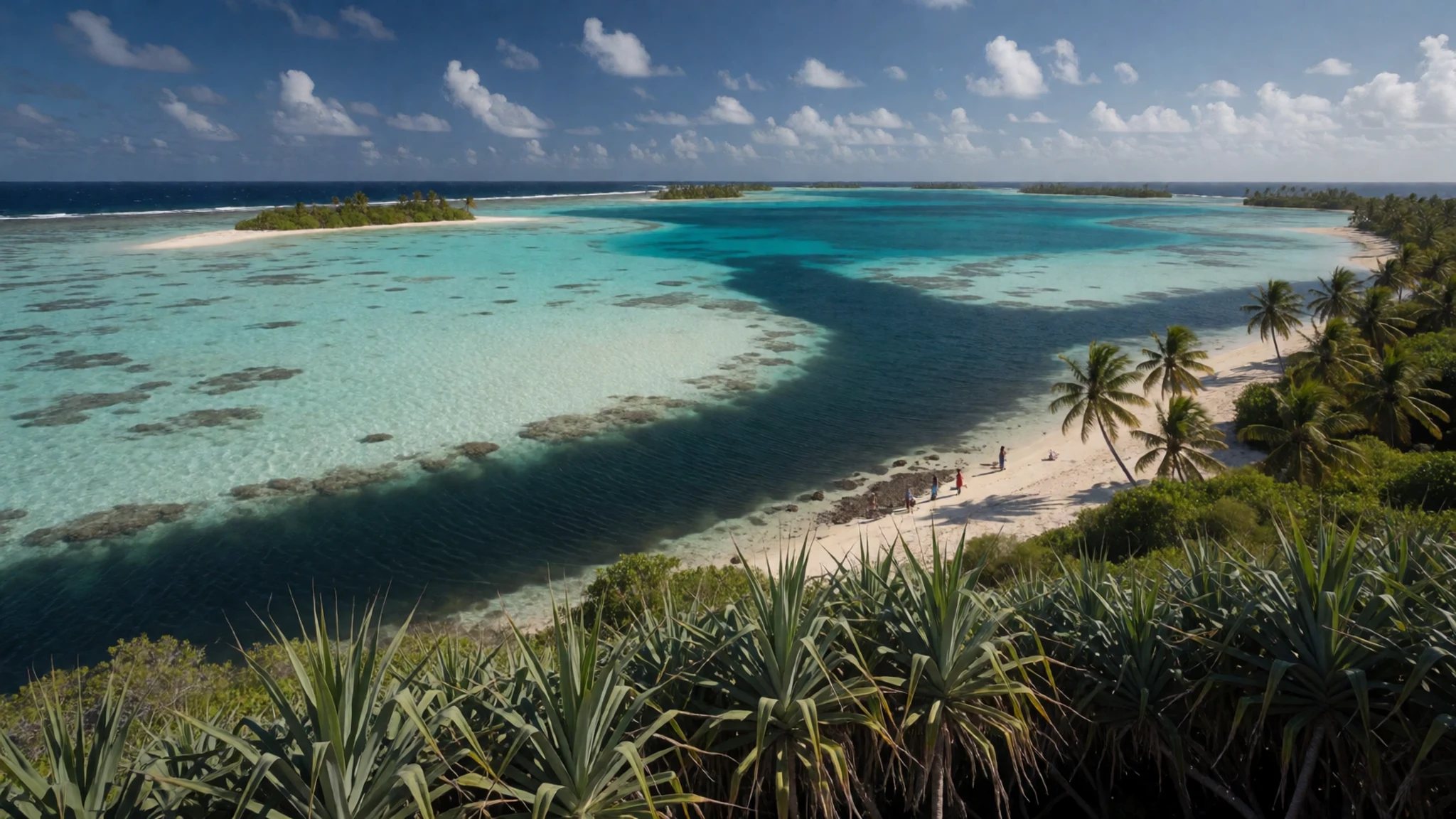
- Wotje islet village — Wotje islet, east side of the atoll
The main islet holds most of the atoll's people, its four churches and the boarding school. Walking its lanes in the early morning, with children heading to class and fishermen returning, is the nearest thing to a headline sight. Expect a working community, not a visitor centre, and greet people as you pass.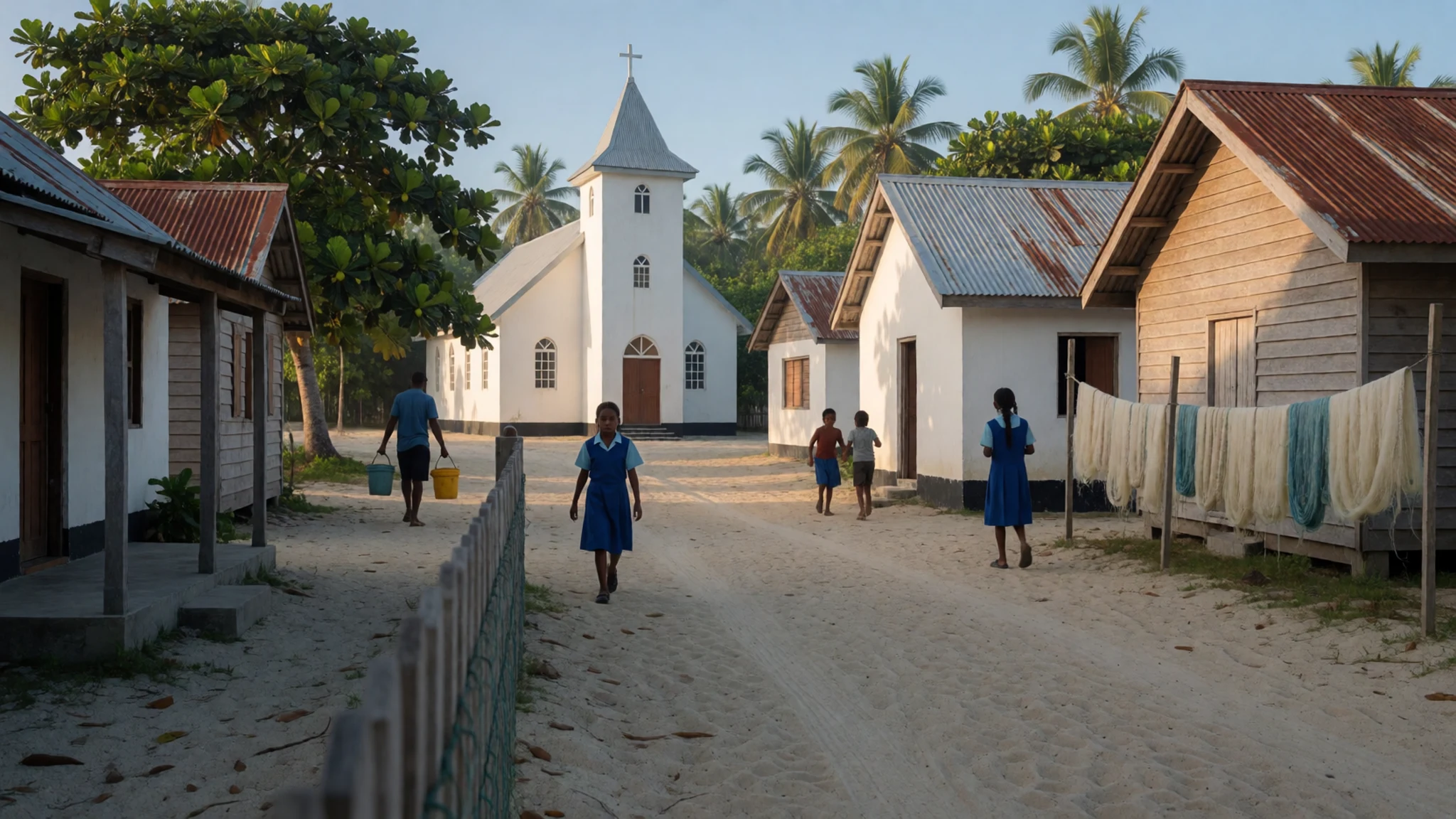
- Wartime remains — Wotje islet
Concrete foundations, gun positions and airfield traces from the Japanese base lie scattered across the main islet, many half swallowed by vegetation. Ask a local guide to show them and to explain what is safe. Treat rusted metal and unfamiliar structures with caution, and do not remove anything.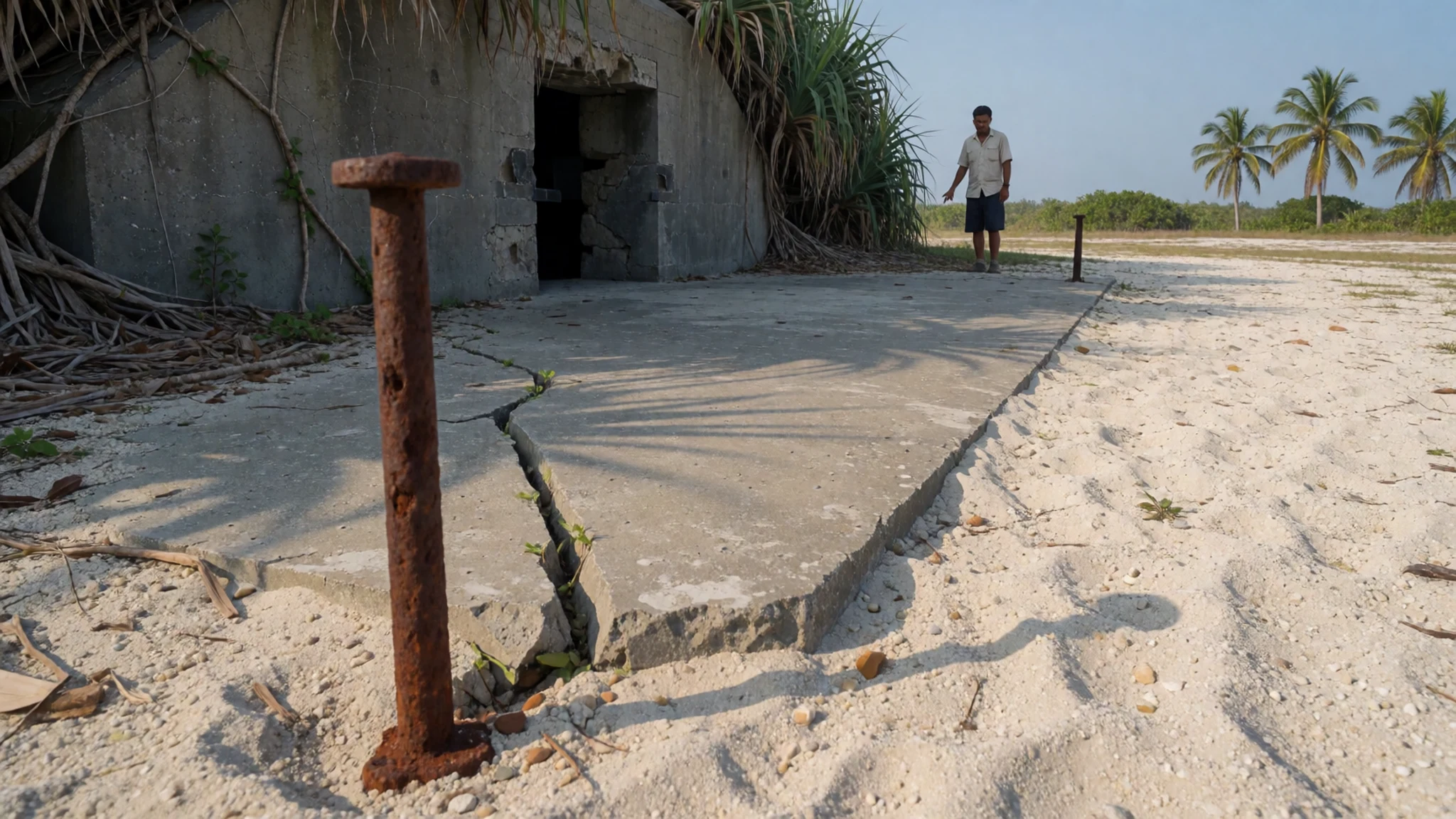
- Wodmej islet — Western part of the atoll
Wodmej is a small community reached by boat across the lagoon, a journey that is half the pleasure. Life here is quieter still than on the main islet, built around fishing, coconut and family. A visit should be arranged through your host, who can introduce you properly and judge whether the weather allows the crossing.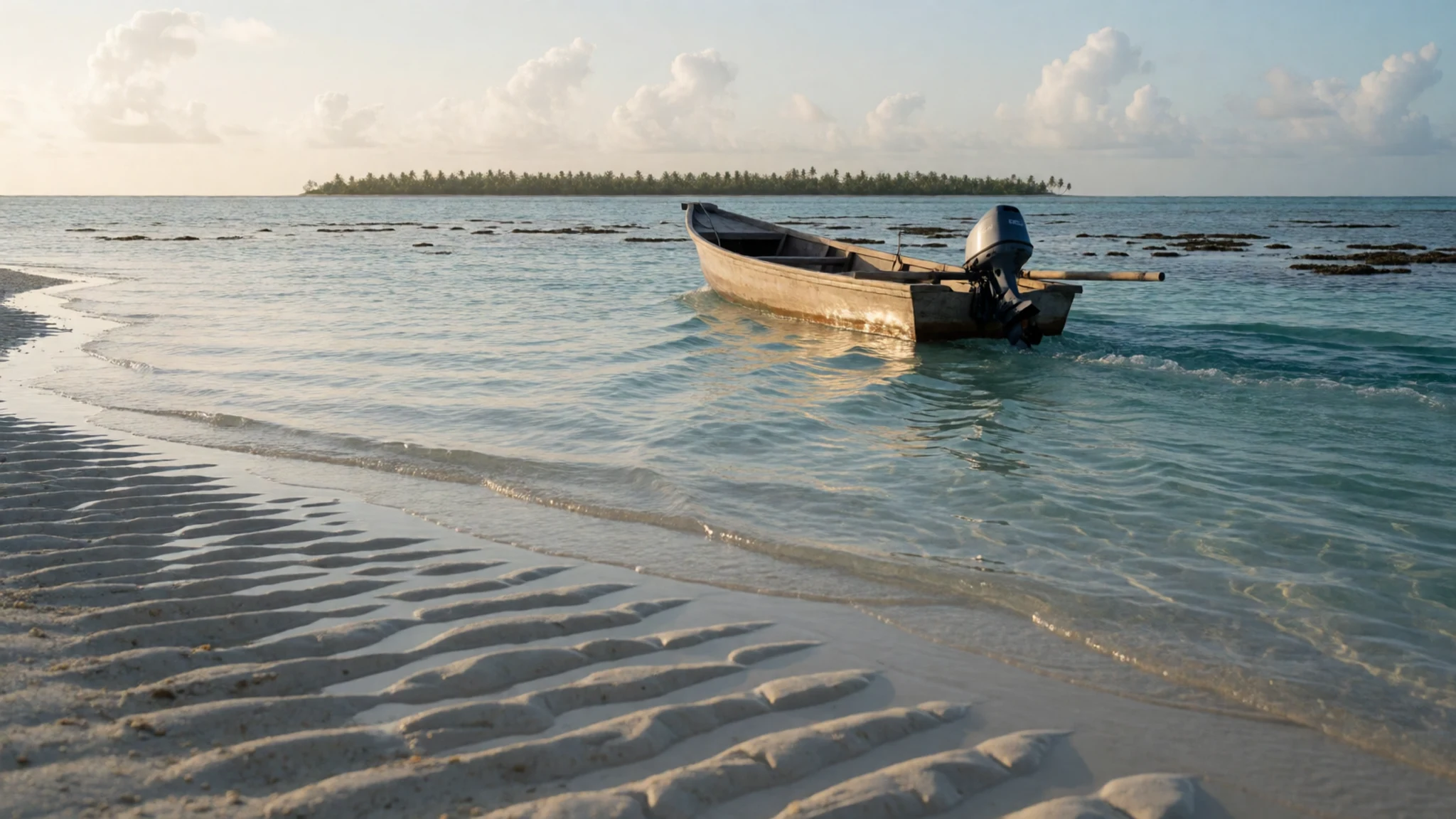
- The uninhabited islets — Across the lagoon
Islets such as Bodao, Ukon, Kaiken and Kaben have no homes. They serve as copra plantations, picnic spots and food-gathering grounds, and a boat trip to one makes a good half-day. Sand is bright, shade comes from coconut palms, and there is nothing for sale, so bring water and take rubbish away.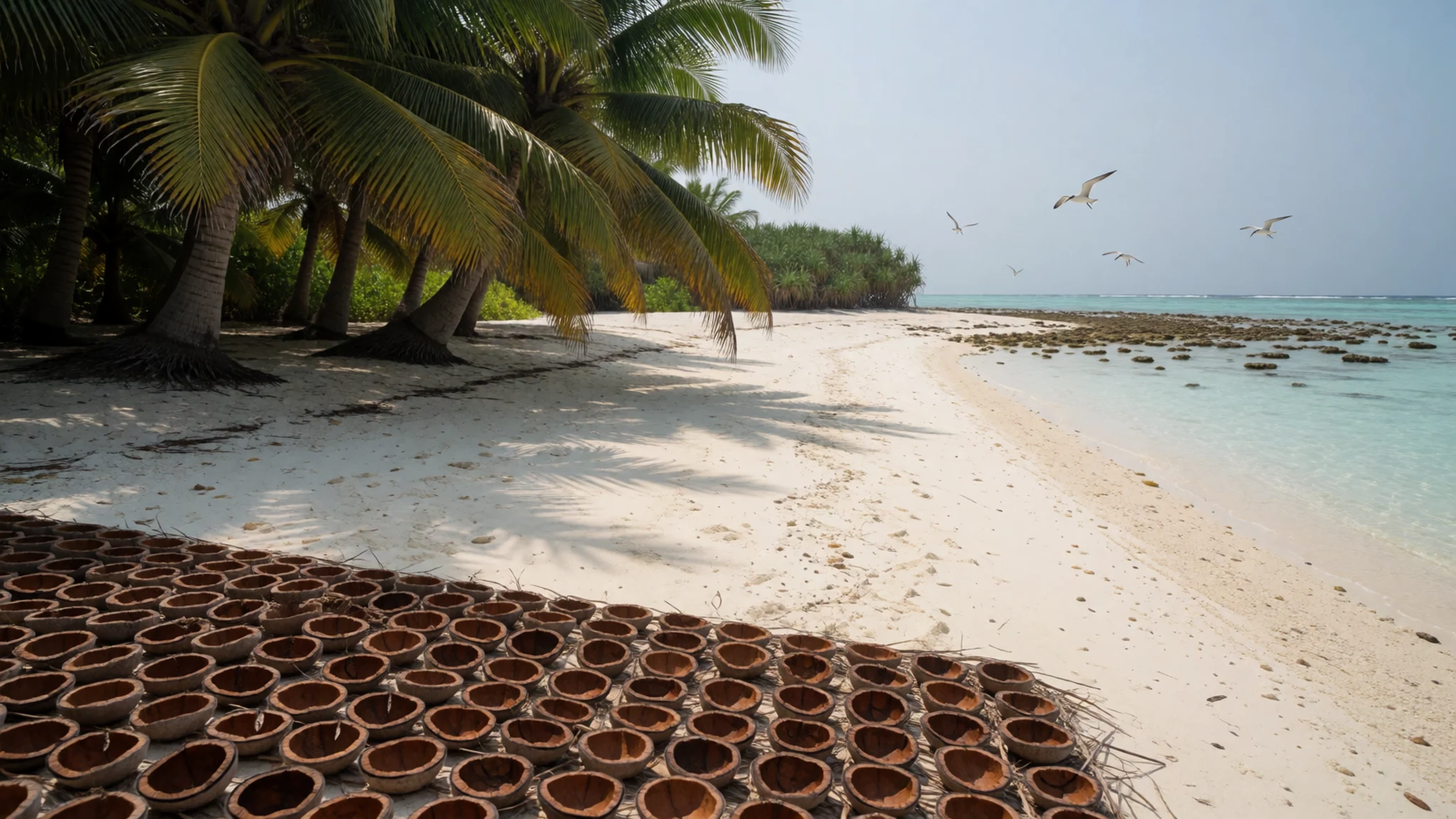
Culture
Wotje Atoll is a Christian community, with four churches on the main islet: Catholic, Protestant, Assembly of God and Full Gospel. A small number of Latter-day Saints also live here. Church sets the rhythm of the week, and Sunday is a day for services, family meals and rest rather than for activity.
Life is organised around extended families and the land they hold. Islets, reef and coconut groves belong to particular families under customary arrangements, which is why an uninhabited islet is never simply empty and why a host's permission matters. Copra making, fishing and gathering food remain real work, not heritage demonstrations, and the whole community pitches in at feasts, funerals and church events.
The atoll's modern history sits close to the surface. Older residents grew up with a Japanese school and then a wartime garrison, and the ruins of that period stand beside village homes. They are part of local memory, so treat them with the same seriousness as any other historical site.
Hospitality is generous but unhurried. Expect to be asked where you are staying, who you are with and how long you will remain, and answer with patience and a smile.
On Wotje, dress modestly, avoid swimwear in the village and on Sundays, and always ask your host before photographing people, entering family land or visiting the wartime ruins.
What to wear
Traditional Marshallese dress is made from plant fibre, above all pandanus leaf, which is dried, stripped and woven into fine mats, baskets, fans and hats. Garlands of flowers and shell are worn on the head and neck at celebrations, and weaving remains a skill that women hand down within families. Today these items appear mostly at church festivals, weddings, and national and local ceremonies.
Everyday dress on Wotje is simple and practical. Women commonly wear the mu'umu'u, a long, loose, short-sleeved dress introduced in the missionary era and now regarded as Marshallese, often in bright floral cotton. Men wear shorts or trousers with a T-shirt or shirt. Children go to school in uniform. Church clothes are noticeably smarter, with dresses and, for men, collared shirts.
A visitor should dress for heat, humidity and modesty. Light, quick-drying cotton or linen, with shoulders and knees covered, suits village life and church days. Keep swimwear for the beach or boat, and put a shirt or wrap over it before walking through a settlement. A wide-brimmed hat, sunglasses and a long-sleeved sun shirt help a great deal, since there is little shade on the open reef. Wear reef shoes or sturdy sandals for sharp coral, and rubber sandals for the sand and the village.
What to eat
- Fresh reef fish — Home kitchens and shared family meals
Fish from the lagoon and reef is the staple protein, usually grilled over a fire, boiled in broth or eaten raw with lime. Ask what was caught that morning, and be guided by locals on which species are safe to eat.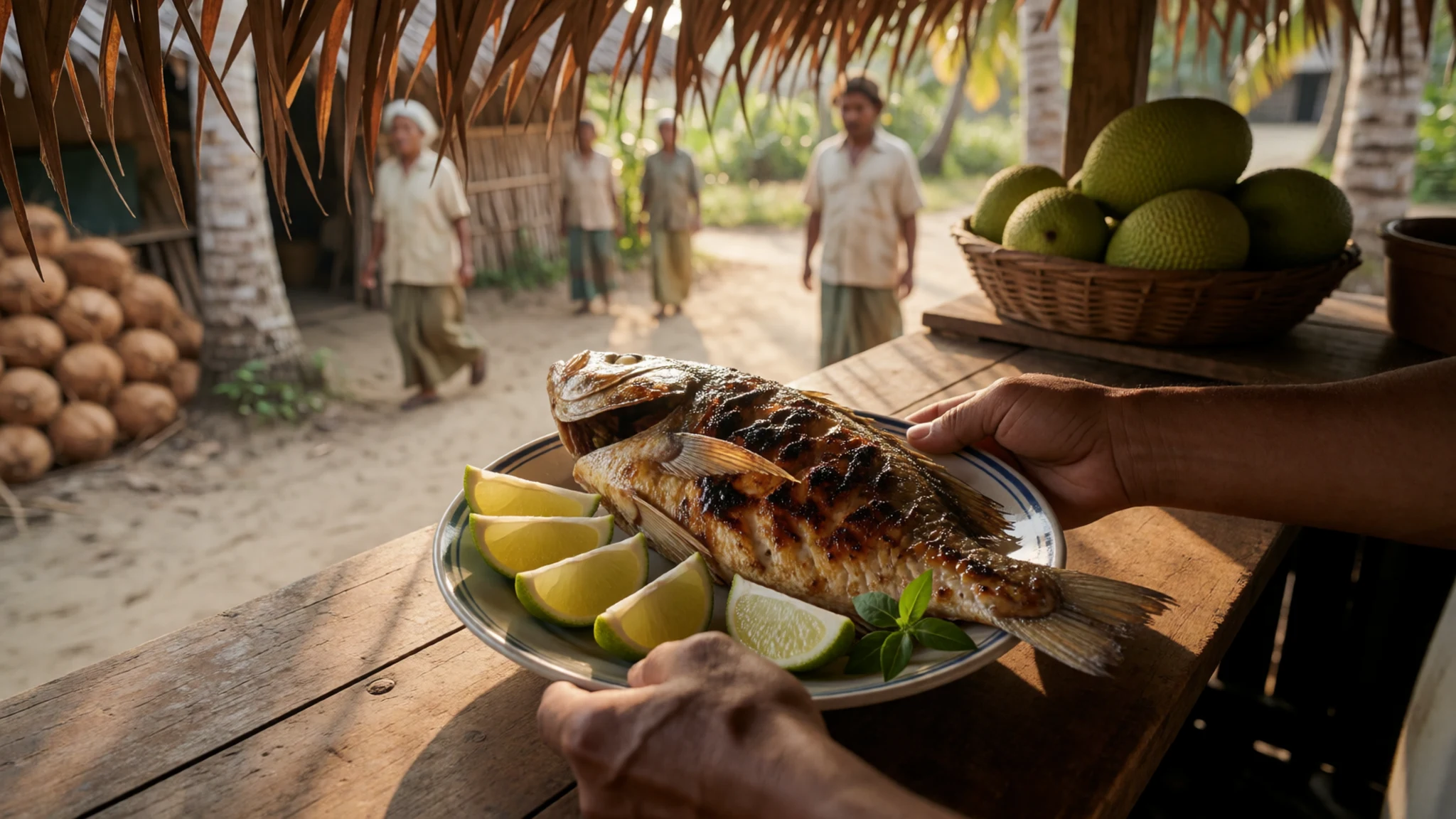
- Breadfruit — Family homes and village cooking fires
A starchy fruit that fills the place of rice or potato. It is boiled, roasted in its skin or fried, and has a soft, slightly nutty taste. Fruiting is seasonal, so it may not be available on every visit.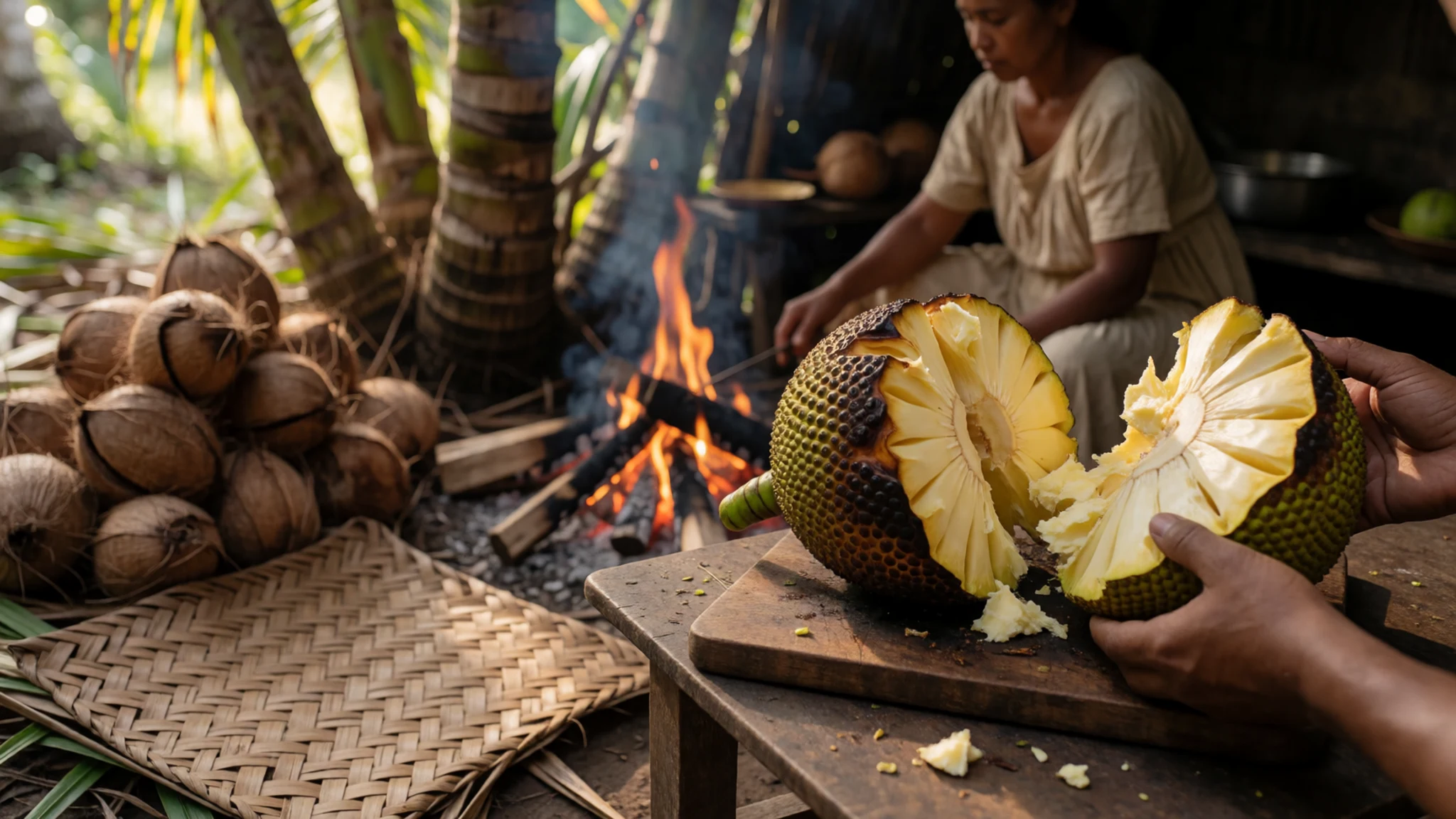
- Coconut — Roadside trees and village homes
Used at every stage. Green nuts give a cool drink, mature flesh is grated into dishes and dried for copra, and the sap can be turned into a sweet drink. Drinking nuts are the safest hydration on an islet. - Pandanus fruit — Village households, when in season
The cone-shaped fruit of the pandanus tree is eaten fresh or pounded and dried into a sweet, fibrous preserve that keeps well. It has a distinct sweet, earthy flavour and is traditionally linked to long voyages. - Pork or chicken feast — Feasts and church occasions in the village
Pigs and chickens are raised locally and cooked for celebrations, usually served with breadfruit, sweet potato, cassava and rice. Visitors are most likely to meet this food when invited to a family or church gathering.
Plan it
Best time. December to April is usually the drier, calmer part of the year in the Marshall Islands, so January to April is the safest window. Wet months bring squalls and rougher boat crossings, and storm surges and high tides are a risk at any time on these low islets.
How long. 3–5
Getting there. Fly to Majuro, the capital and the entry point for the Marshall Islands, then continue to Wotje by a domestic flight or by boat. Connections to the outer atolls are infrequent and change often, so confirm everything with the airline and your host before travelling.
Budget. mid
Tips
- Arrange accommodation and boat trips through a local contact before you arrive, as there is no tourist infrastructure
- Allow slack in your schedule, since flights and boats to the outer atolls can be delayed by weather
- Bring cash in small notes, plus all medicines, sun protection and reef shoes, because shops are limited
- Carry drinking water and treat tap or well water with caution
- Check current entry and visa requirements for your passport with the Marshall Islands authorities before booking
Etiquette
- Ask your host before photographing people, visiting family land or entering the wartime ruins
- Dress modestly in the village and avoid swimwear there
- Keep Sundays quiet and respect church services
Nearby
Sources
- Wikidata Q518210 (CC0)
- Wikipedia: Wotje Atoll (rev 1364345889) (CC BY-SA 4.0)
- Wikivoyage: Marshall Islands (rev 5374394) (CC BY-SA 4.0)
- Erikub & Wotje Atolls, NASA (Public domain)
- Curtiss SOC Seagull over Wotje Atoll, Unknown author (Public domain)
- 127 mm guns aboard USS Northampton firing on Wotje, U.S. Navy (Public domain)
- Carte des Iles Radack et Ralik, Louis Choris (Public domain)
- Chester after bombing damage, US Navy personnel (Public domain)
- Boat of the Wotje Atoll, Louis Choris (Public domain)
- Larik, chief of the Romanzoff Islands, Louis Choris (Public domain)
- Voyage pittoresque autour du monde plate, Louis Choris (Public domain)


