Kwajalein
Kwajalein, Marshall Islands
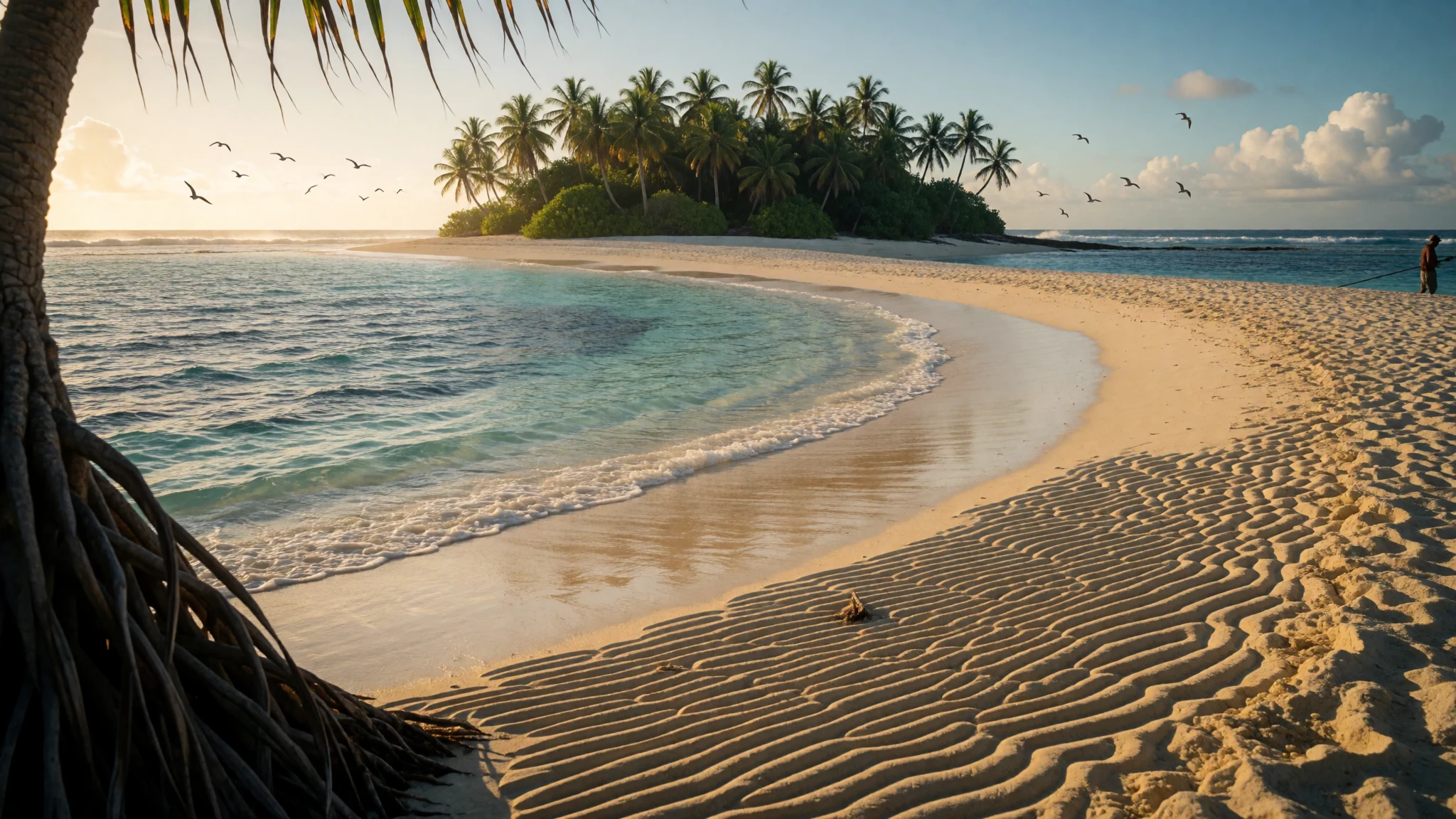
Kwajalein is a Pacific atoll of reef, lagoon and wartime wreckage, where access is tightly controlled and Ebeye shows Marshallese island life under pressure.
The place
Kwajalein is an atoll in the Republic of the Marshall Islands, a ring of narrow coral islets around a broad, deep lagoon in the central Pacific. The land is low and thin: coconut palms, pandanus and scrub on sand and reef rock, with open ocean on one side and calm green water on the other.
The name covers both the atoll and its main southern island, which causes confusion. Kwajalein Island holds a United States Army base used for missile testing and tracking, with a runway, housing and shops for military and contractor families. It is not a tourist destination, and entry needs sponsorship and clearance. Many other islets are empty or lightly used, and land is held under Marshallese family and chiefly custom, so stepping ashore uninvited is not acceptable.
Ebeye, a short boat ride north, is the other centre of life. The island is small and very crowded, and many of its residents work on the base. Homes, shops, a clinic and a school sit tightly together, a plain illustration of how stretched a coral islet can become. Visitors are rare, and any visit is best arranged through local contacts.
Kwajalein has a hot, humid climate year round, tempered by trade winds. Expect salt air, strong sun and sudden squalls rather than resort comforts.
Its story
Kwajalein's story begins with Marshallese navigators, who settled the atoll's islets long before outsiders arrived and read swells, stars and birds to move between them. The lagoon gave fish and shelter, and the islets gave coconut, breadfruit and pandanus. Clan land rights, passed through the mother's line, still shape who may use which islet.
European ships began calling in the age of sail, followed by traders and missionaries, and later by German and then Japanese administration. Japan fortified the atoll before the Second World War, and American forces took it in a hard-fought battle that left the islets devastated. Wrecks and rusting remains still lie in the shallows and on the reef.
After the war the United States kept a presence here. From the Cold War onward the atoll became a range for testing missiles, with instruments on islets and targets in the lagoon, and the Army base grew into a small town of its own. Marshallese families were moved off several islets to make room, and many ended up on crowded Ebeye. That arrangement, with its payments, leases and disputes, is still debated in the Marshall Islands. Understanding the atoll means holding both stories: a defence installation and a home. The reef itself keeps going regardless, and fishing boats still cross the lagoon each morning.
What to see
- Ebeye — Northern end of the atoll's southern chain
Ebeye is the atoll's main Marshallese town, a narrow strip of homes, shops, churches and schools beside the lagoon. Go with a local host rather than as a sightseer. Spend time at the waterfront, where small boats come and go, and notice how every metre of land is used.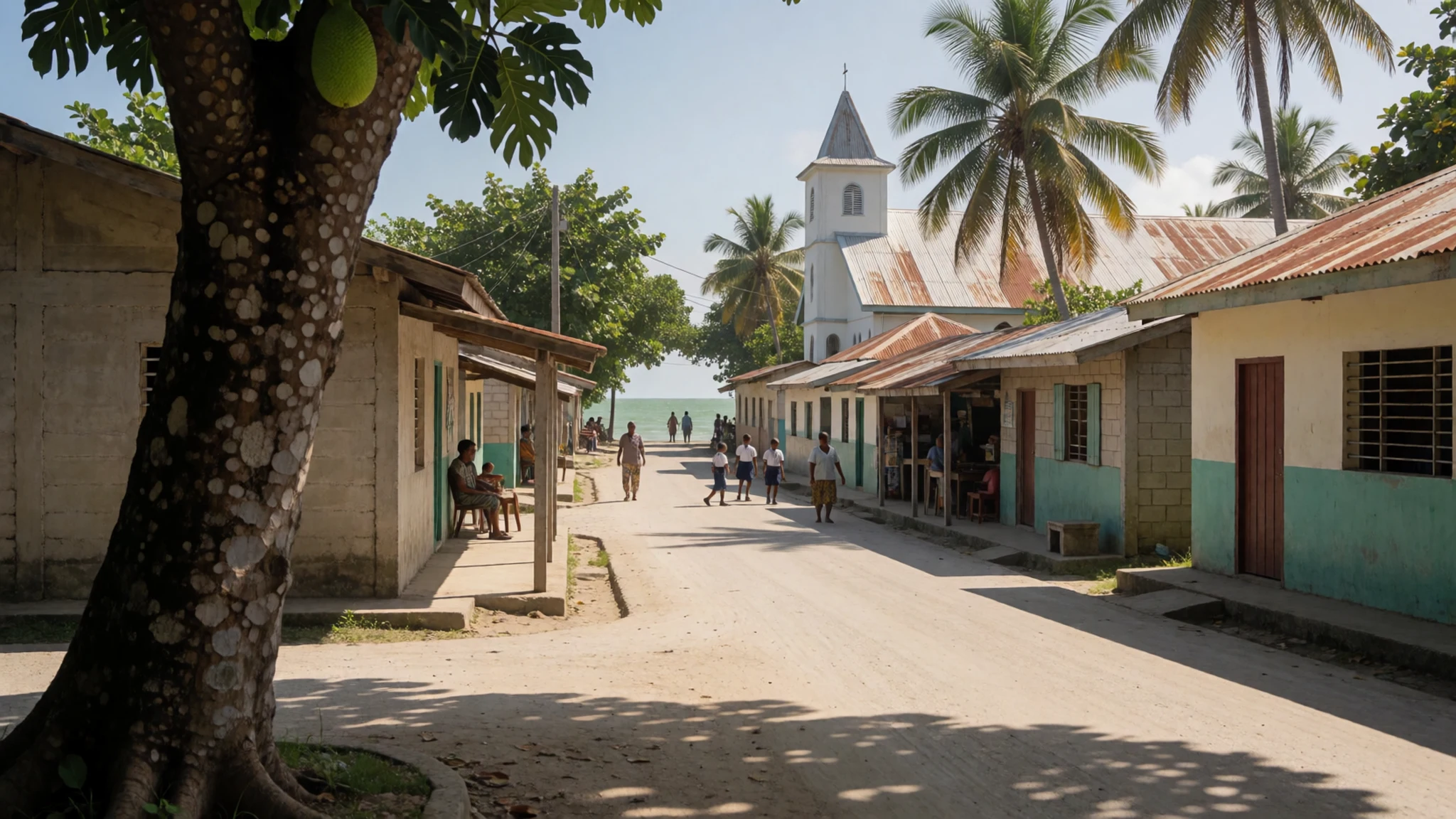
- Kwajalein Island and Bucholz Airfield — Southern end of the atoll
Kwajalein Island is the base island, with Bucholz Army Airfield running along its length and a tidy grid of housing, a school and shops. Access is restricted to people with clearance, so for most travellers it is something seen from the air or the lagoon.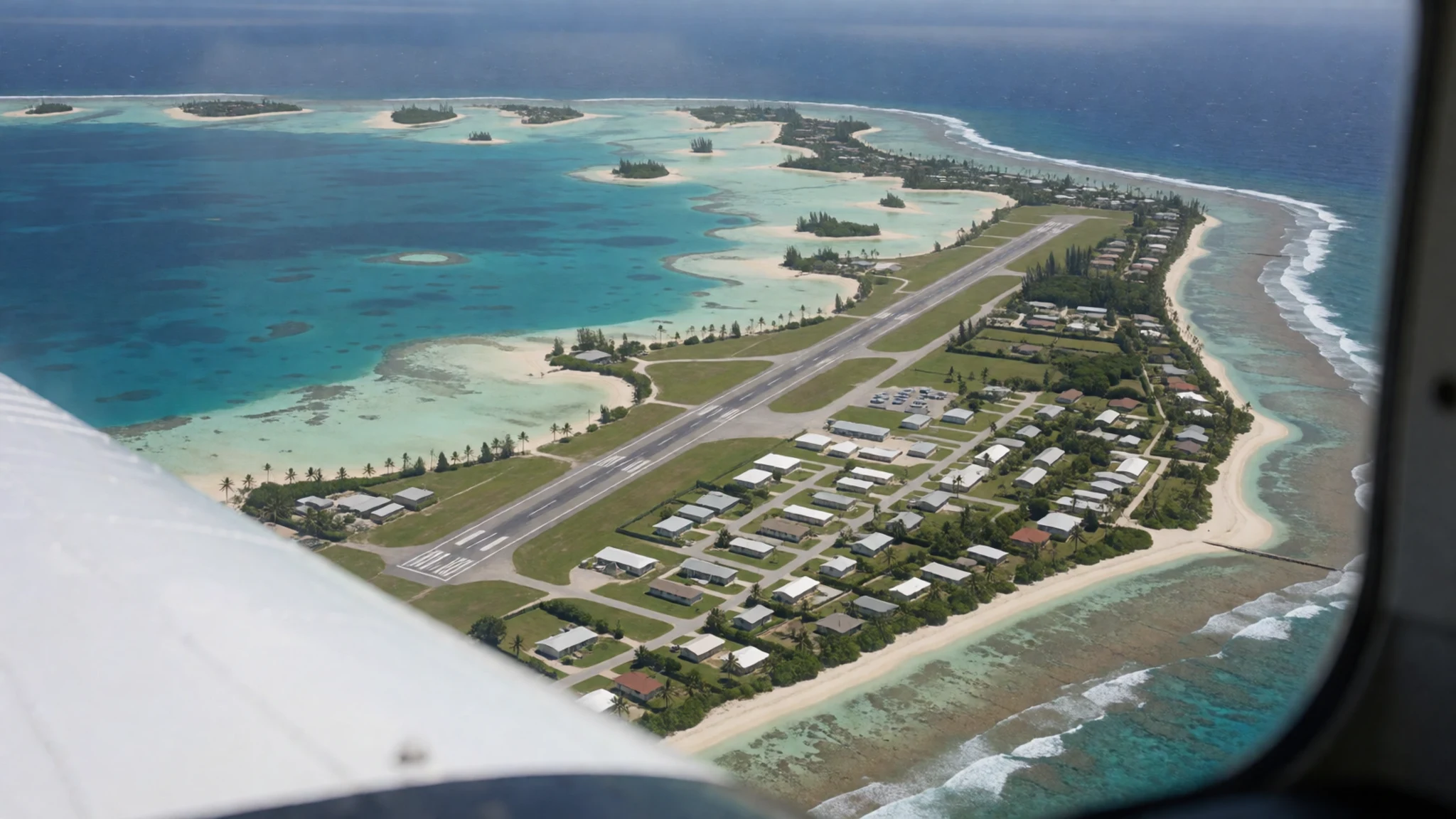
- Gugeegue — Islets just north of Ebeye
Gugeegue is a small islet whose outline, seen from its northern point, resembles a ship's hull. It is part of the chain of islets near Ebeye and shows how narrow these islets are: lagoon on one side and ocean on the other. Visit only with local permission.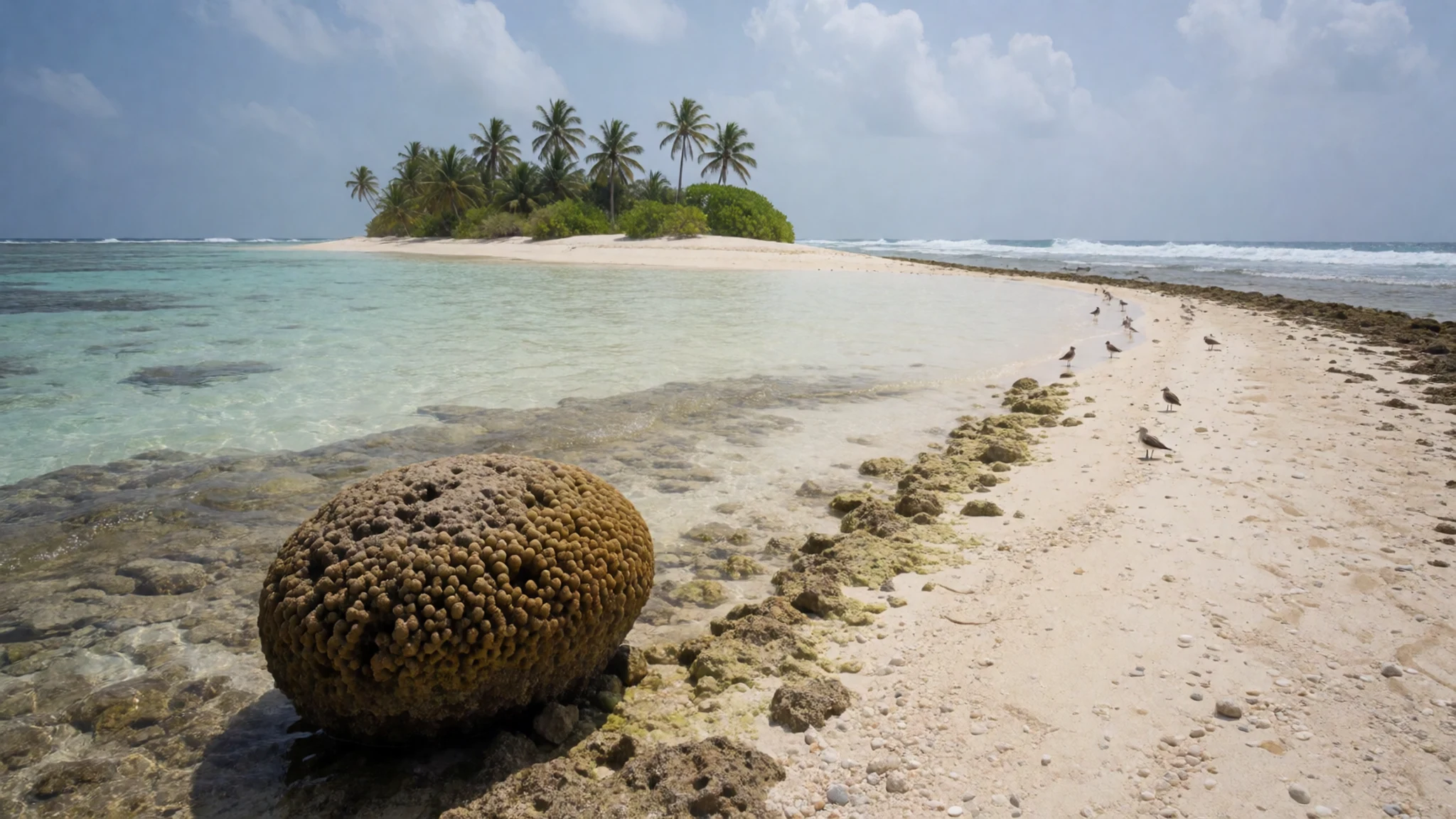
- Shipwrecks in the shallows — Lagoon and reef edges near Ebeye and the southern islets
The waters around the atoll hold wartime wrecks and ship remains, including the hulk of a German cruiser that was brought to the lagoon after the war and later capsized. Diving and salvage here are specialist and controlled, so treat the wrecks as sights from a boat or from photographs unless a licensed operator is involved.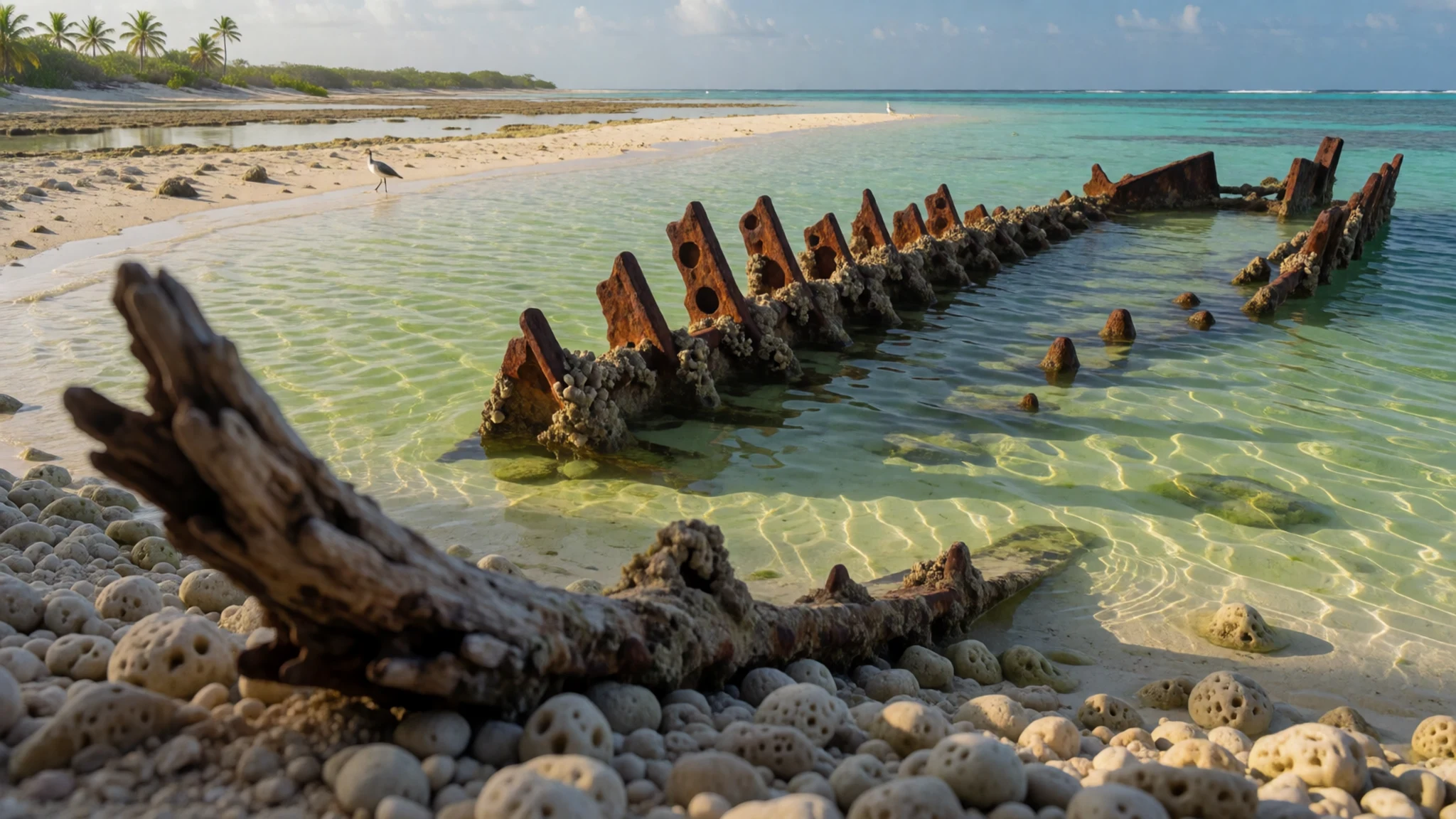
- The lagoon — Central lagoon
The lagoon is the atoll's real centrepiece: wide, sheltered water with reef patches, colour that shifts from pale green to deep blue, and seabirds working the edges. Most viewing is from the air on approach or from a local boat. Ask a local host about tides, currents and which passes are safe.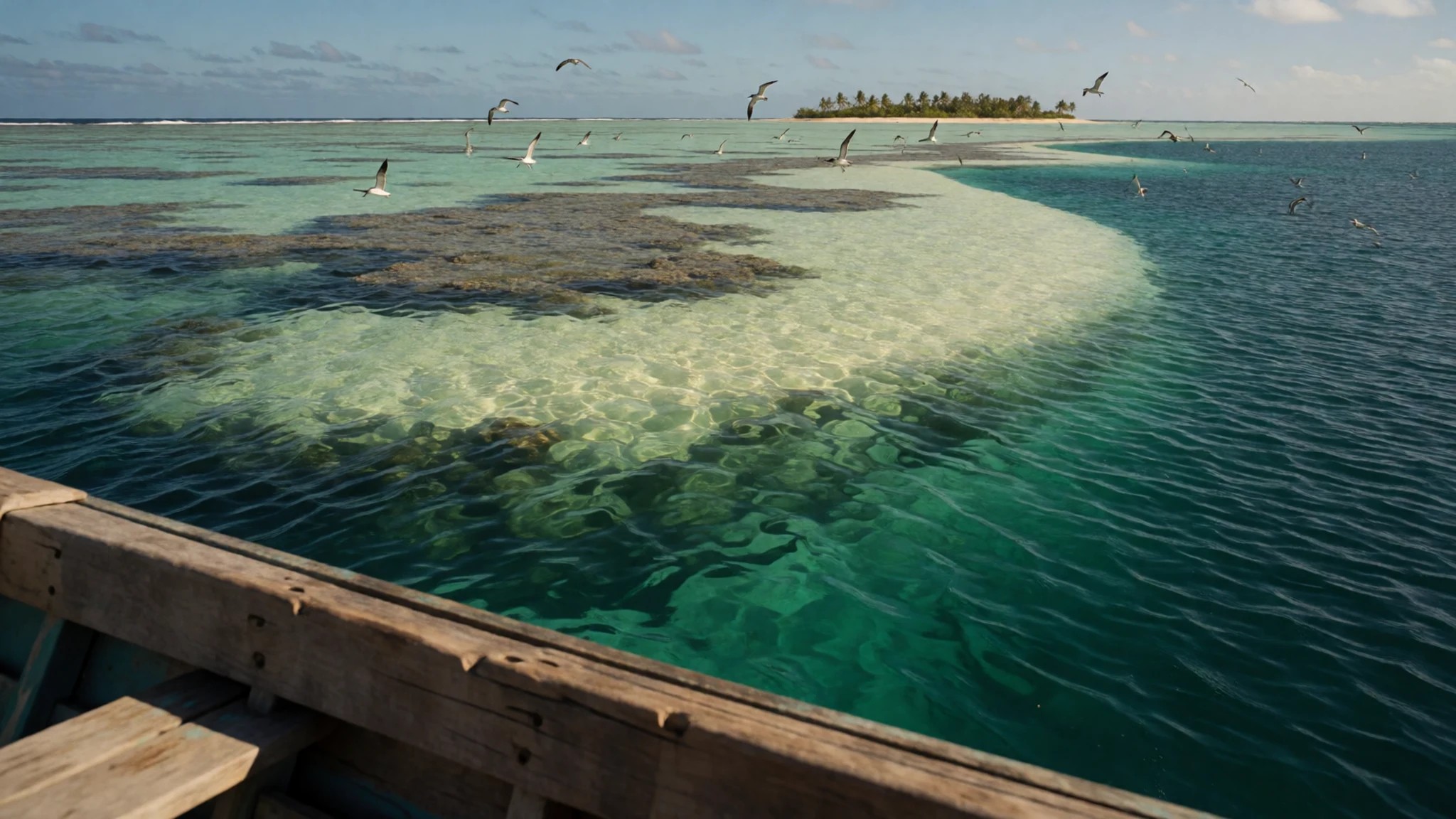
Culture
Kwajalein's culture is Marshallese at its root, built on family, land and church. Clans descend through the mother's line, and land rights and responsibilities pass the same way, with chiefs and elders holding authority. Hospitality is valued, and visitors are expected to be modest, patient and unhurried. The usual greeting is "yokwe", which serves as hello and goodbye and carries a sense of affection.
Sunday is taken seriously on the Marshallese islets. Many people attend church in their best clothes, and the congregational singing, in rich harmony, is a highlight for anyone invited. Much else slows down that day, including work and boat trips.
Older skills are still admired: canoe building, weaving of pandanus, and reading ocean swells to find land. Marshallese navigators once recorded swell patterns on stick charts made from palm ribs and shells, and the charts are a point of national pride. Meanwhile, the atoll holds quite different communities: Marshallese residents, and the American military and contractor families on the base island, each with its own rules, rhythms and habits. English is widely understood, alongside Marshallese.
Ask permission before photographing people, homes or graves, and never walk onto an islet or into a family compound without an invitation.
What to wear
Kwajalein's traditional dress is Marshallese, and it draws on pandanus and coconut fibre rather than woven cloth. Mats, skirts and belts were once plaited from pandanus leaf and coconut-palm fibre, and fine mats are still made for gifts and ceremonies. Shell and coconut-fibre jewellery, and garlands of flowers worn on the head or neck, mark celebrations such as weddings and first birthdays.
The modest long dress seen across the Marshall Islands came with missionaries and is now worn as everyday and Sunday dress: loose, full-length, bright printed cotton or synthetic fabric, often with puffed sleeves. Women keep knees and shoulders covered. Men wear shirts and shorts or trousers, with polo shirts, T-shirts and flip-flops. On Sundays, people dress up, with white or pastel shirts and dresses; special occasions bring matching outfits for families.
Visitors should pack lightweight cotton or quick-dry clothing that covers shoulders and knees, as modesty matters on Ebeye and in church. Swimwear belongs on the beach or boat, not on village paths. A hat, sun-protective shirt and reef-safe sun cream are sensible; footwear should be sandals or reef shoes for coral rock and shallows, and a light rain jacket for squalls. Bring something tidy for church or a family event if invited.
What to eat
- Breadfruit — Family meals and small eateries on Ebeye
Breadfruit is the staple of the islands, boiled, roasted over coals or sliced and fried, with a texture between potato and bread. Many households also preserve it for lean months. Expect it beside fish at family meals, and ask a host to show how it is prepared.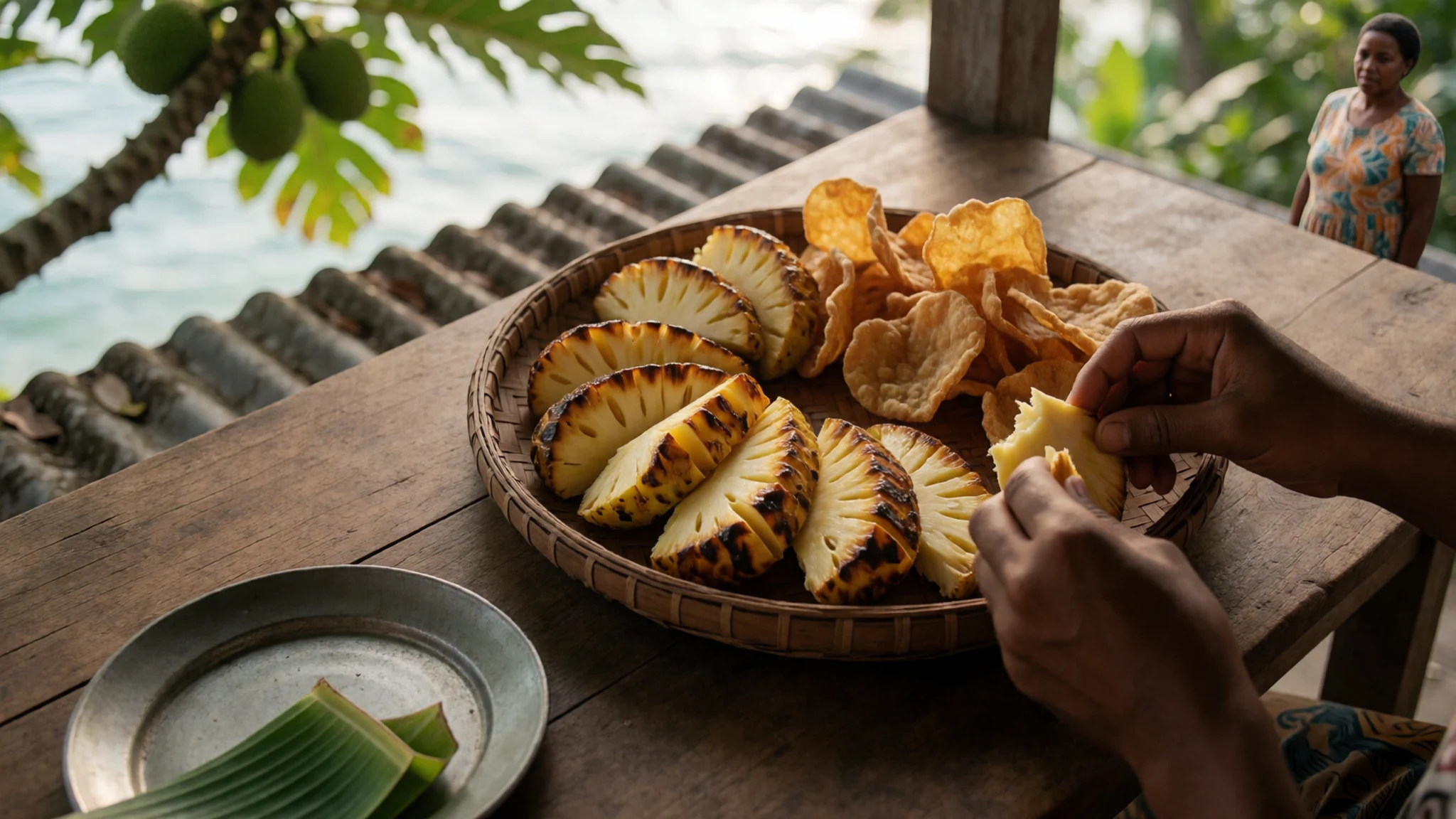
- Reef fish and tuna — The Ebeye waterfront, where small boats land their catch
Reef fish and tuna, grilled, fried, in soups or eaten raw with lime, are the everyday protein. Catches come in by small boat from the lagoon and the ocean side. Ask locals which reef fish are safe to eat, as ciguatera occurs on tropical reefs.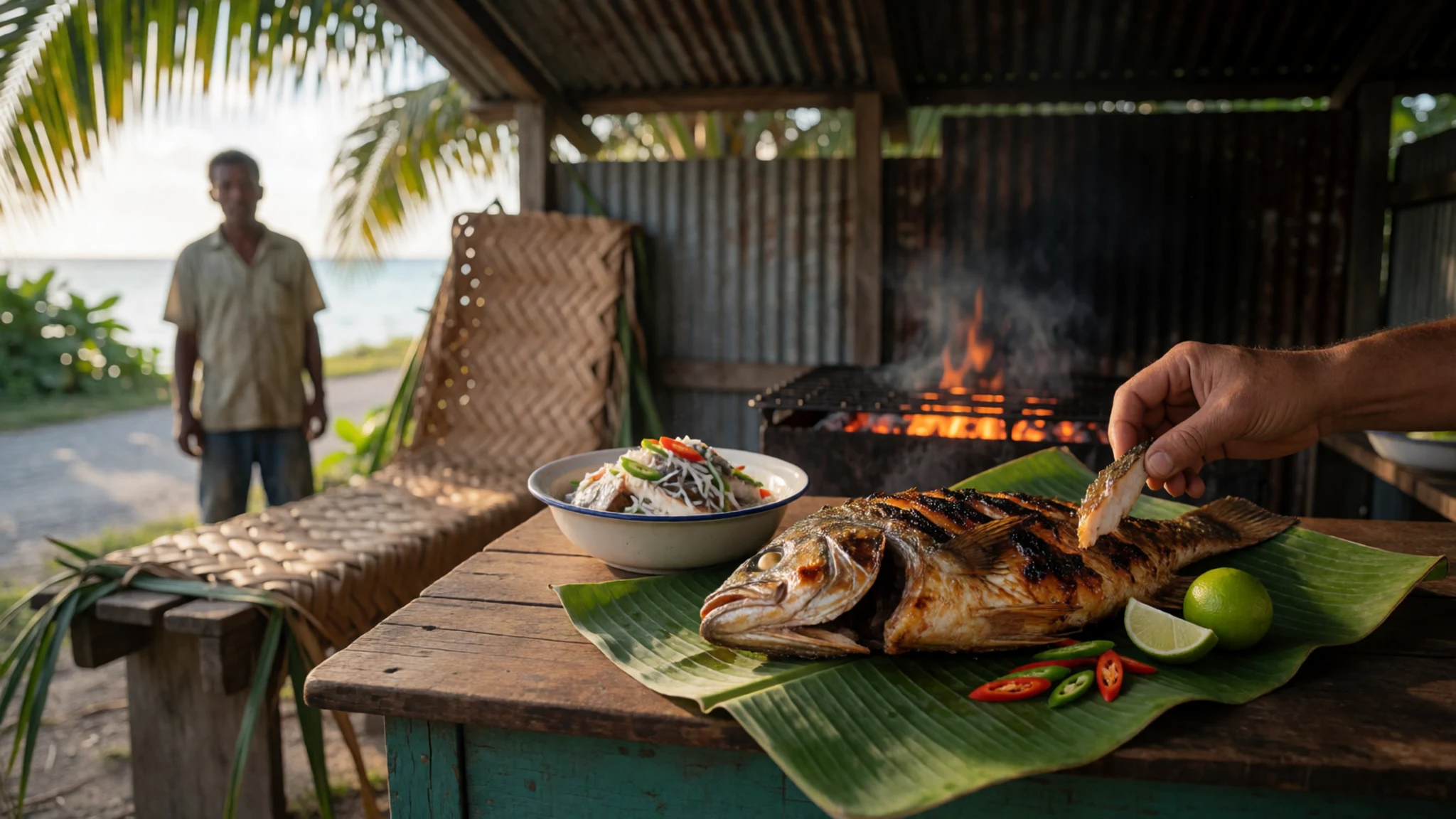
- Rice plates and fried dough — Small shops and takeaway counters on Ebeye
Imported rice, noodles, tinned meat and flour are everywhere, because most food arrives by ship or plane. Plates of rice with fried fish or chicken, and sweet fried doughnuts, are cheap and filling. Small shops and takeaway counters on Ebeye serve them. - Pandanus preserve — Family gatherings and home cooks on the residential islets
Pandanus fruit is cooked and pressed into dense, sweet, chewy slabs that keep for a long time, a traditional food for voyages and lean seasons. It tastes of caramel and fibre. Look for it at family gatherings or from home cooks selling local foods. - Coconut — Neighbourhood stalls and family homes
Drinking coconuts, grated coconut and coconut milk run through Marshallese cooking, sweetening breads and puddings or enriching fish dishes. A fresh green coconut is a good answer to the heat. Buy from a neighbourhood stall or accept one from a host.
Plan it
Best time. January through March is the noticeably drier season, with steadier trade winds and calmer seas. The wetter months from about May to November bring more rain and squalls. It is hot and humid all year, so the drier months are the more comfortable choice.
How long. 2–3
Getting there. Scheduled island-hopping flights between Honolulu, Majuro and Guam call at Bucholz Army Airfield on Kwajalein Island, but passengers generally cannot leave the aircraft without clearance. Ebeye is reached by ferry from the base or by local boat; arrange entry and transport with your host before travelling, and check current airline schedules and entry rules.
Budget. mid
Tips
- Arrange sponsorship and entry permission well before travelling; there is no walk-in access to the base island
- Bring cash in small notes, as cards may not be accepted on Ebeye
- Carry plenty of drinking water and sun protection, as shade is scarce
- Allow slack for delayed flights and weather
- Ask your host about boats, tides and where swimming is safe
Etiquette
- Ask before photographing people, homes or graves
- Dress modestly in villages and for church, and keep swimwear for the beach or boat
- Never land on an islet without the permission of the family who holds it
Nearby
Sources
- Wikidata, Kwajalein (CC0)
- Wikipedia, Kwajalein Atoll (CC BY-SA 4.0)
- Wikivoyage, Kwajalein (CC BY-SA 4.0)
- Wikimedia Commons, Kwajalein Atoll photographs (Public domain, CC BY 2.5, CC BY-SA 2.0 and CC BY-SA 4.0 as marked per file)