Valle de los Ingenios
Valle de los Ingenios, Cuba
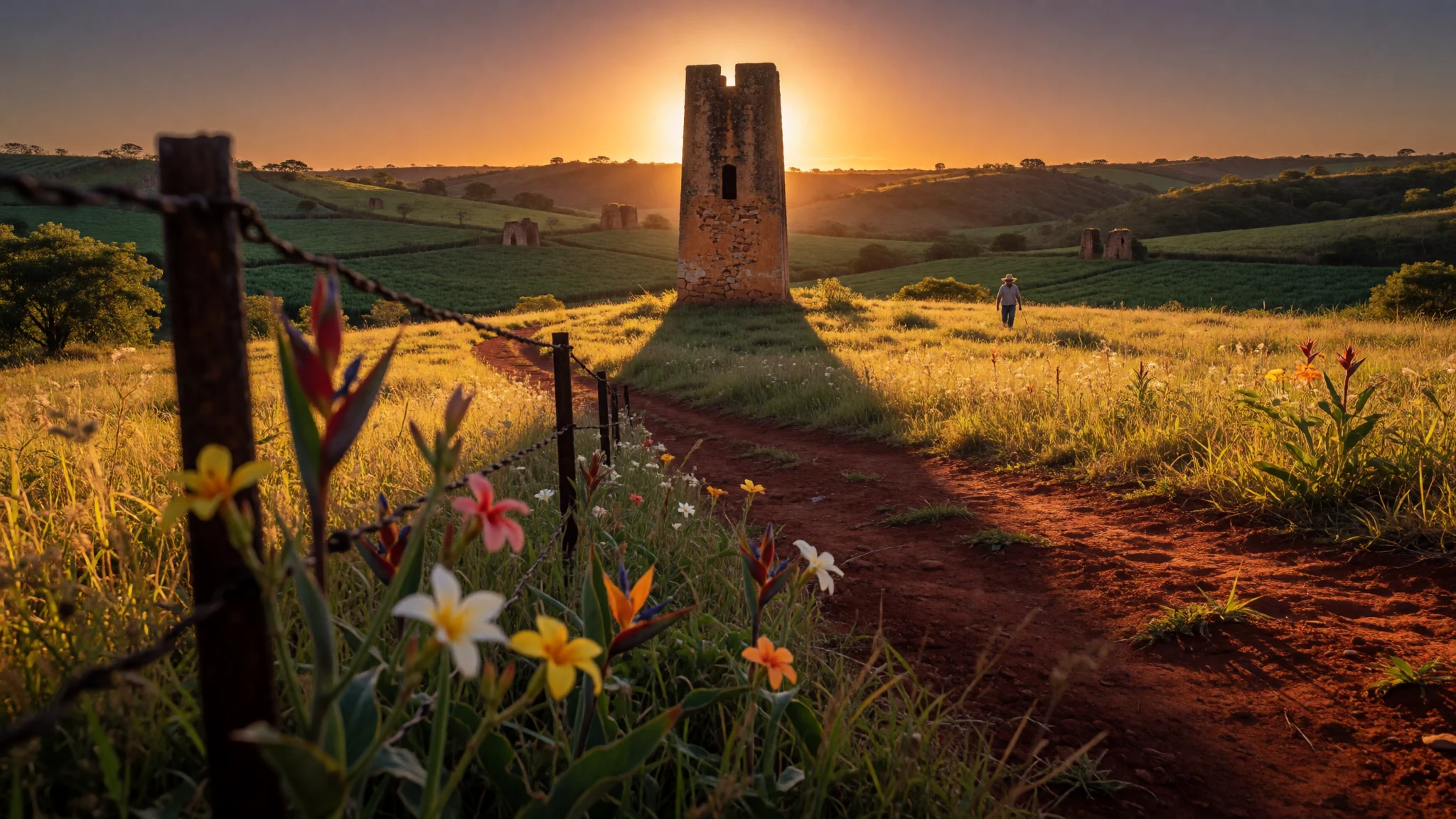
Valle de los Ingenios is a quiet, working countryside of cane fields and mill ruins near Trinidad, where Cuba's sugar fortunes and their human cost are still legible.
The place
Valle de los Ingenios, the Valley of the Sugar Mills, lies about 12 km from Trinidad in central Cuba. It is really three linked valleys: San Luis, Santa Rosa and Meyer. Cane fields cover the valley floors, and the green slopes of the Escambray hills close the view behind them. From the late eighteenth century to the late nineteenth, this was a centre of Cuban sugar production, and the landscape still reads like an industrial map. Mill sites, chimneys, a watchtower, workers' quarters and planters' houses are strung along old roads and a railway line. The protected area covers 270 sq km and includes the sites of more than 70 former mills, though most survive only as ruins, foundations or farmland. UNESCO listed the valley together with Trinidad in 1988. The valley is not a single attraction with a gate. It is a rural area where farmers still grow cane, graze cattle and sell snacks and crochet from roadside stalls. Most people see it as a half-day trip from Trinidad, by taxi, horse-drawn cart or the tourist steam train that runs on some days. Summer is hot, with daytime highs of 31 to 33 °C, while winters are mild. Shade is scarce out in the fields, so mornings work best. The mood is quiet and a little melancholy, and it rewards a slow pace.
Its story
Valle de los Ingenios owes its shape to sugar, and sugar here meant slavery. From the late eighteenth century, planters around Trinidad cleared the valleys for cane, built mills to crush and boil it, and shipped the product out through the nearby coast. At the height of the boom there were more than fifty mills at work, and over 30,000 enslaved people laboured in the mills and the cane fields around them. Fortunes made in these valleys paid for the town's painted mansions, and the wealth of Trinidad and the misery of the valley were two sides of one business. Ownership of the best land passed through a few powerful families, and towers were raised to watch the workforce as much as to show off status. By the late nineteenth century the industry had faded. Abolition, war, falling prices and larger, more mechanised mills elsewhere in Cuba all played a part, and the valley's mills closed one by one. That decline is the reason so much survives: with little money for rebuilding, the old layout of estates, houses and barracks was left largely as it was. UNESCO recognised it in 1988 as testimony to the early sugar trade. Today the story is told on site with more honesty than it once was.
What to see
- Manaca Iznaga estate and tower — San Luis valley, near Trinidad
The Manaca Iznaga estate is the valley's main stop, centred on a slender stone tower that rises well above the fields. The tower was built as a lookout over the workforce, and climbing it gives a clear view down the valley. The main house below is now a simple restaurant and craft stalls.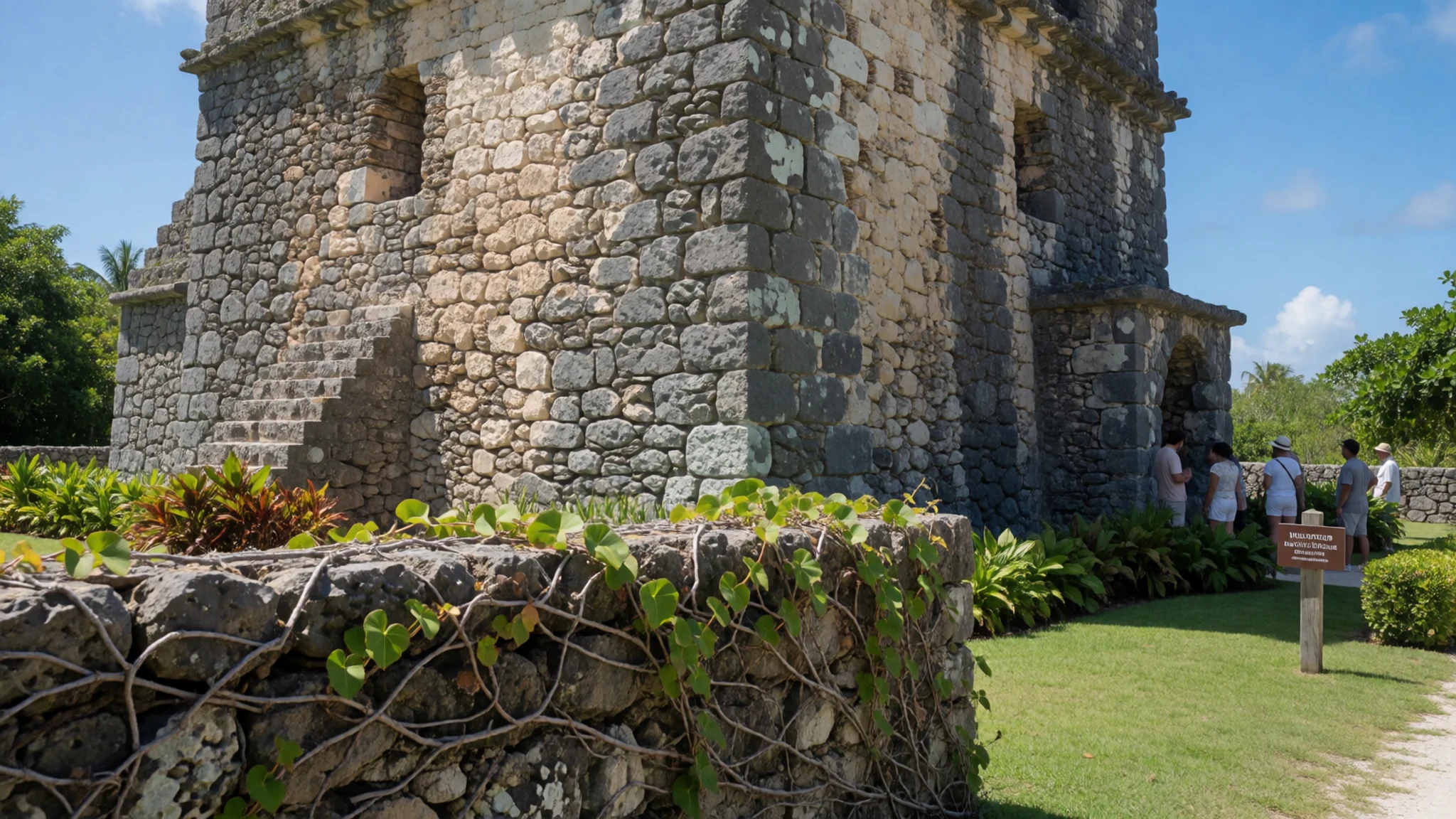
- The barracones — Manaca Iznaga estate
Near the tower stand low barracones, the barracks where enslaved workers were housed. They are plain, repeated rooms, and without much signage they say more than a museum would. Standing in them is sobering, and worth a few quiet minutes before moving on to the cheerful stalls nearby.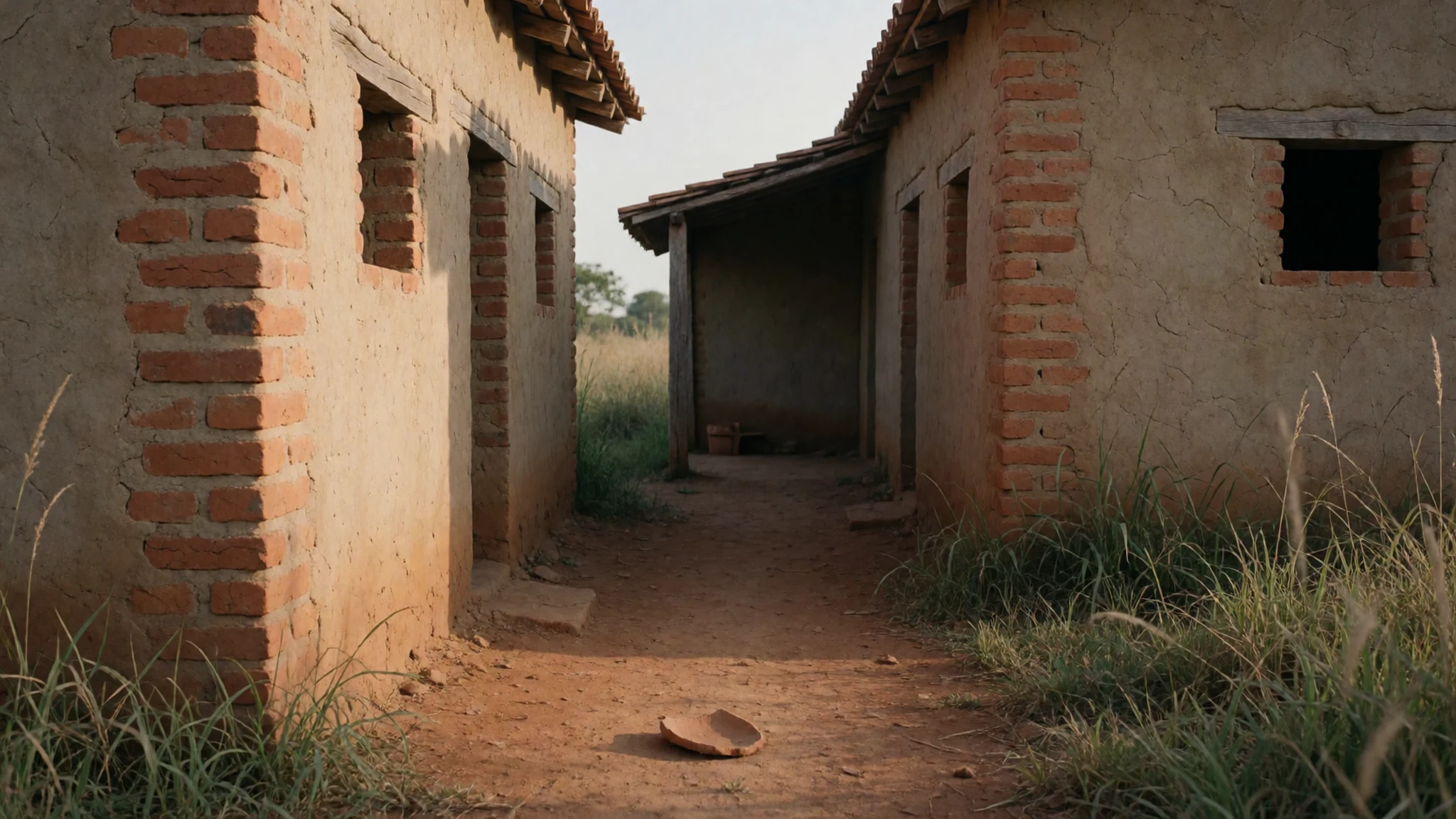
- The valley viewpoint — Road from Trinidad into the valley
On the road between Trinidad and the estate, a roadside lookout opens the whole valley at once: cane fields in squares, the line of the old railway, and the Escambray hills behind. Early morning light is softest, and the air is cooler than at midday, when the open fields get very hot.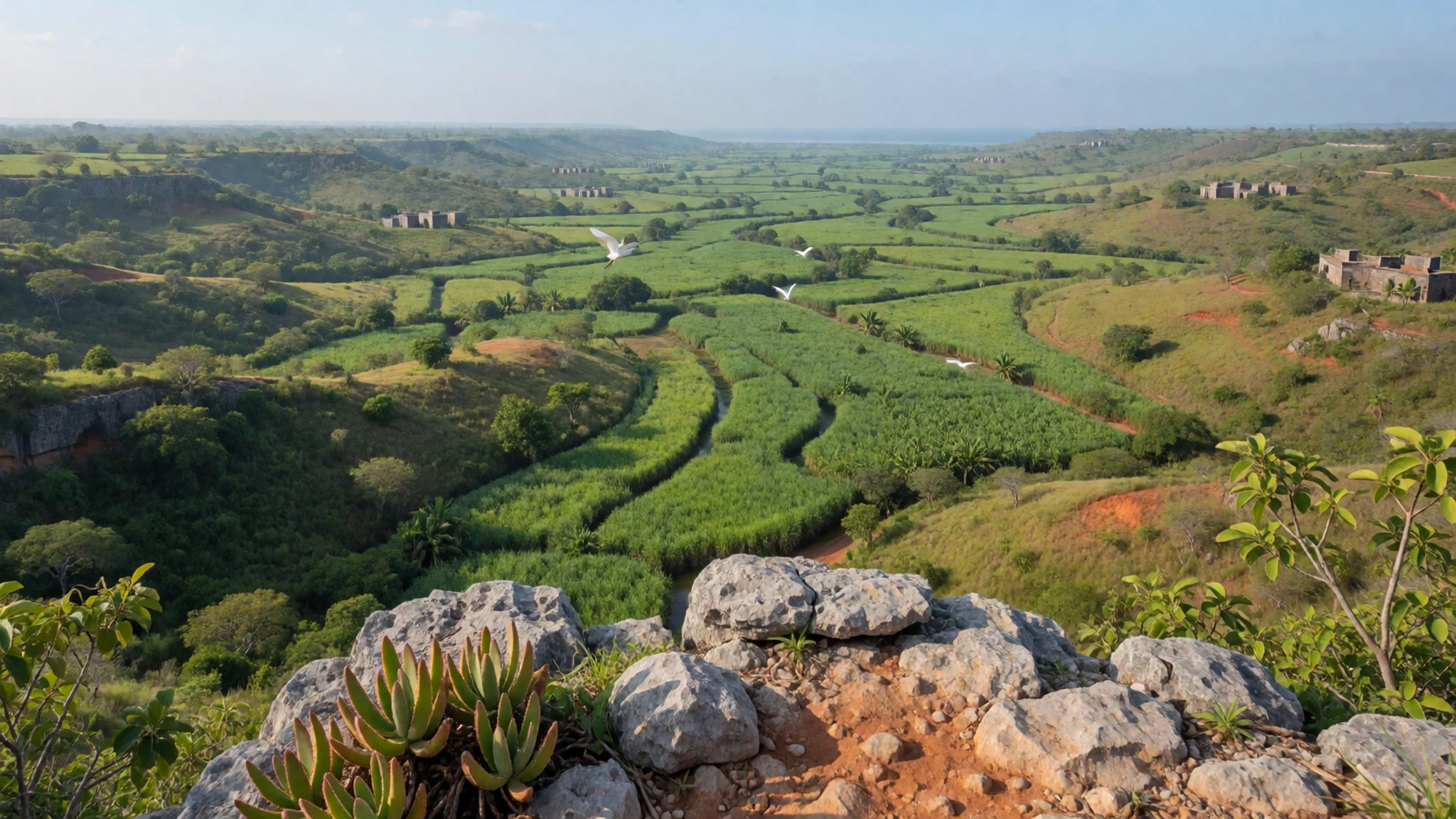
- The tourist steam train — Trinidad station to the valley
A heritage steam train carries visitors along the valley on some days, stopping at the estate. It is more ride than history lesson, but the slow pace and open windows suit the landscape. Services are irregular, so ask at a Trinidad tour desk or your lodging the day before rather than counting on it.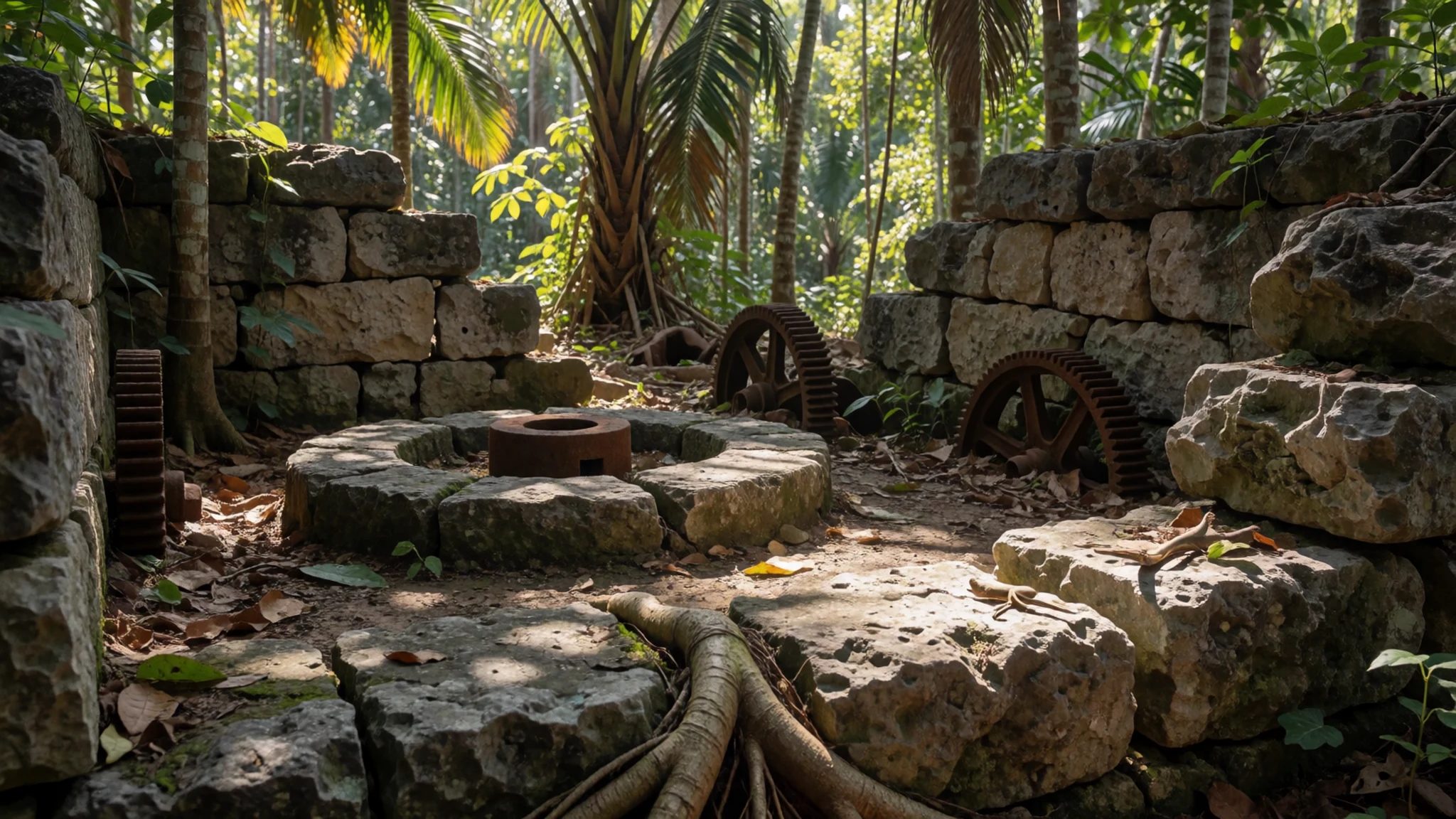
- Mill ruins and cane country — Santa Rosa and San Luis valleys
Away from the main estate, the San Luis and Santa Rosa valleys hold the sites of former mills: broken chimneys, boiler remains and overgrown foundations among working fields. A local guide or driver helps find them, and explains which families owned what. Keep to tracks and do not climb unstable masonry.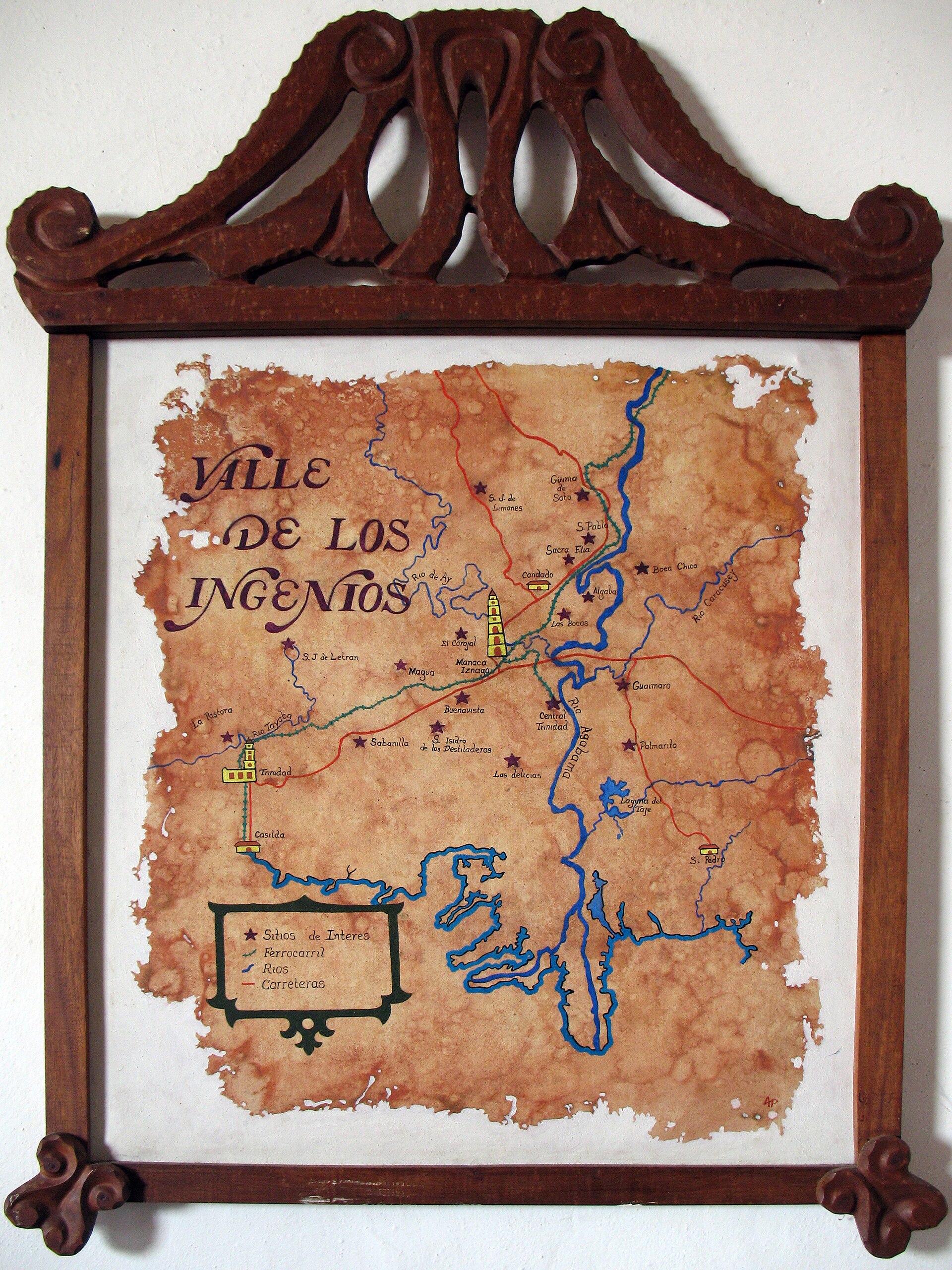
Culture
Valle de los Ingenios sits inside a Cuba shaped by African, Spanish and Caribbean traditions, and that mix was made here, in the sugar economy. Enslaved people brought from Africa carried music, religion and food habits that survive in Afro-Cuban practice, including drumming, Santería and the rhythms heard in Trinidad's evening music houses. The Spanish planter class left architecture, Catholic feast days and a taste for formal display. Rural life in the valley today is quieter. Families farm small plots, keep horses and oxen for work, and sell lunch, drinks and handicrafts to passing visitors. Conversation is friendly, often curious about where you come from, and a little Spanish goes a long way. The history of the place is painful, and local guides tend to treat it with care rather than showmanship. Many Cubans also have mixed feelings about tourism's demands on a landscape that is still their workplace. Music is never far off, and a small band at the estate may play for tips. Cash is useful for stalls and small gifts. Fields and cattle belong to somebody, so gates stay as they were found and crops are left alone. When visiting the barracones, speak quietly and treat them as a memorial rather than a photo backdrop, and ask before photographing any person, including stallholders and farmers.
What to wear
Valle de los Ingenios has no single regional costume today, but its past is stitched into Cuban dress. Rural workers historically wore plain cotton and linen, and the white or pale guayabera shirt, with its four pockets and pleats, became the classic everyday and formal shirt across the island. Cotton and crochet work remain common in the valley's craft stalls, where women sell tablecloths, shawls and lace. Santería initiates wear white, and white cotton still carries that meaning. In daily life now, people dress for heat: shorts, T-shirts, light dresses and sandals in town, and for farm work long trousers, shirts with sleeves and straw or baseball-style hats. Church visits in Trinidad call for covered shoulders, though nobody checks closely. For a visit, loose cotton or linen clothing in light colours is best, as summer daytime temperatures reach the low thirties Celsius and cane fields offer little shade. Wear a hat, sunglasses and plenty of sun cream. Closed shoes with grip suit the dusty and sometimes muddy tracks, especially after rain, and sandals are enough only at the main estate. Bring a light layer for winter mornings and a thin rain jacket in the wetter months.
What to eat
- Ropa vieja — Paladares (private home restaurants) in Trinidad
Shredded beef stewed slowly with tomato, peppers and onion, served over white rice. It is a standard Cuban home dish, soft, savoury and mildly tangy. Look for it at family-run paladares in Trinidad or the estate restaurant, where portions are generous.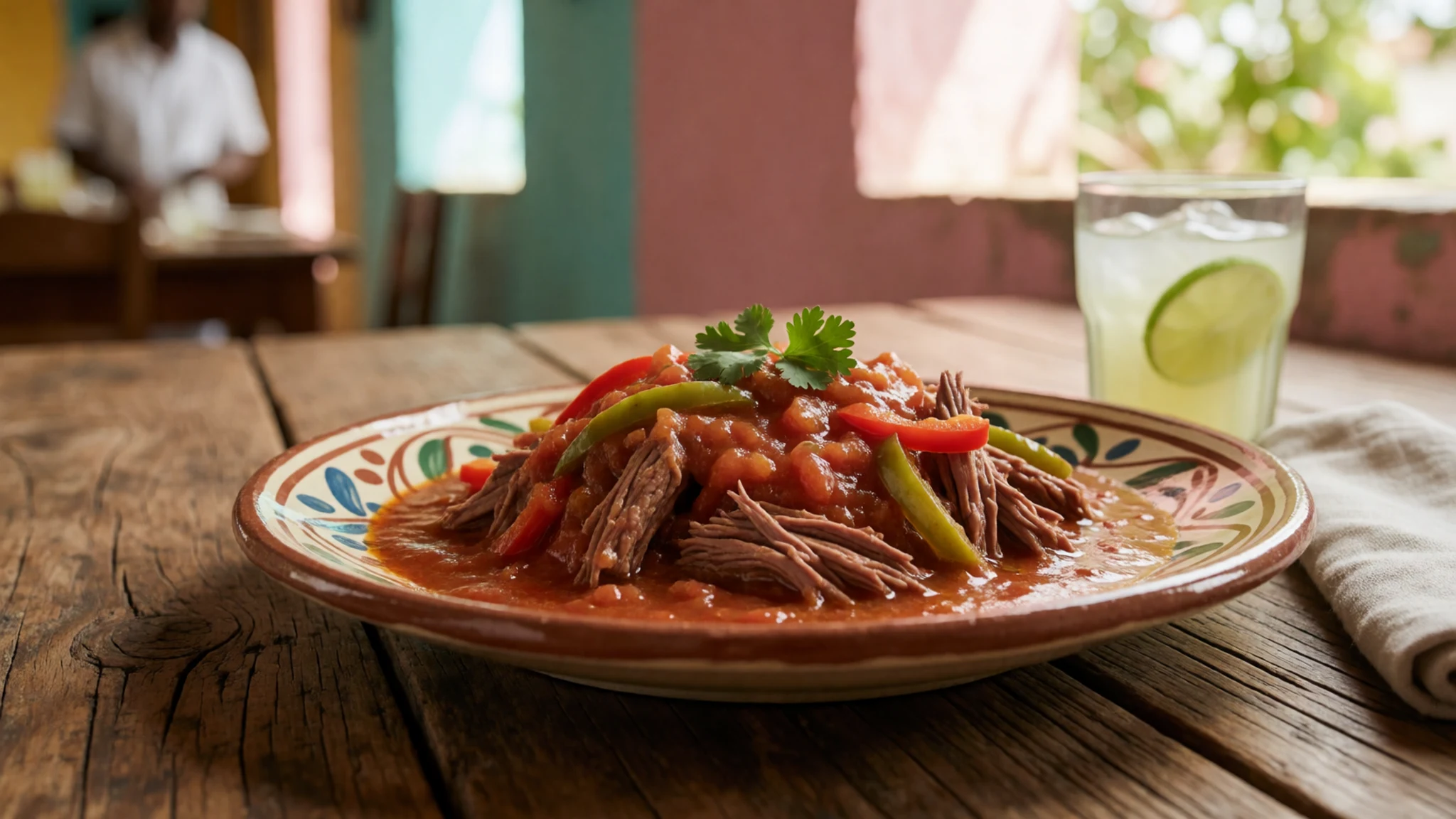
- Moros y cristianos — Roadside eateries and estate restaurants in the valley
Black beans and white rice cooked together so the colours mingle, with garlic and cumin for flavour. It comes alongside almost every main course. Simple, filling and usually good, it is a reliable choice at any roadside eatery in the valley.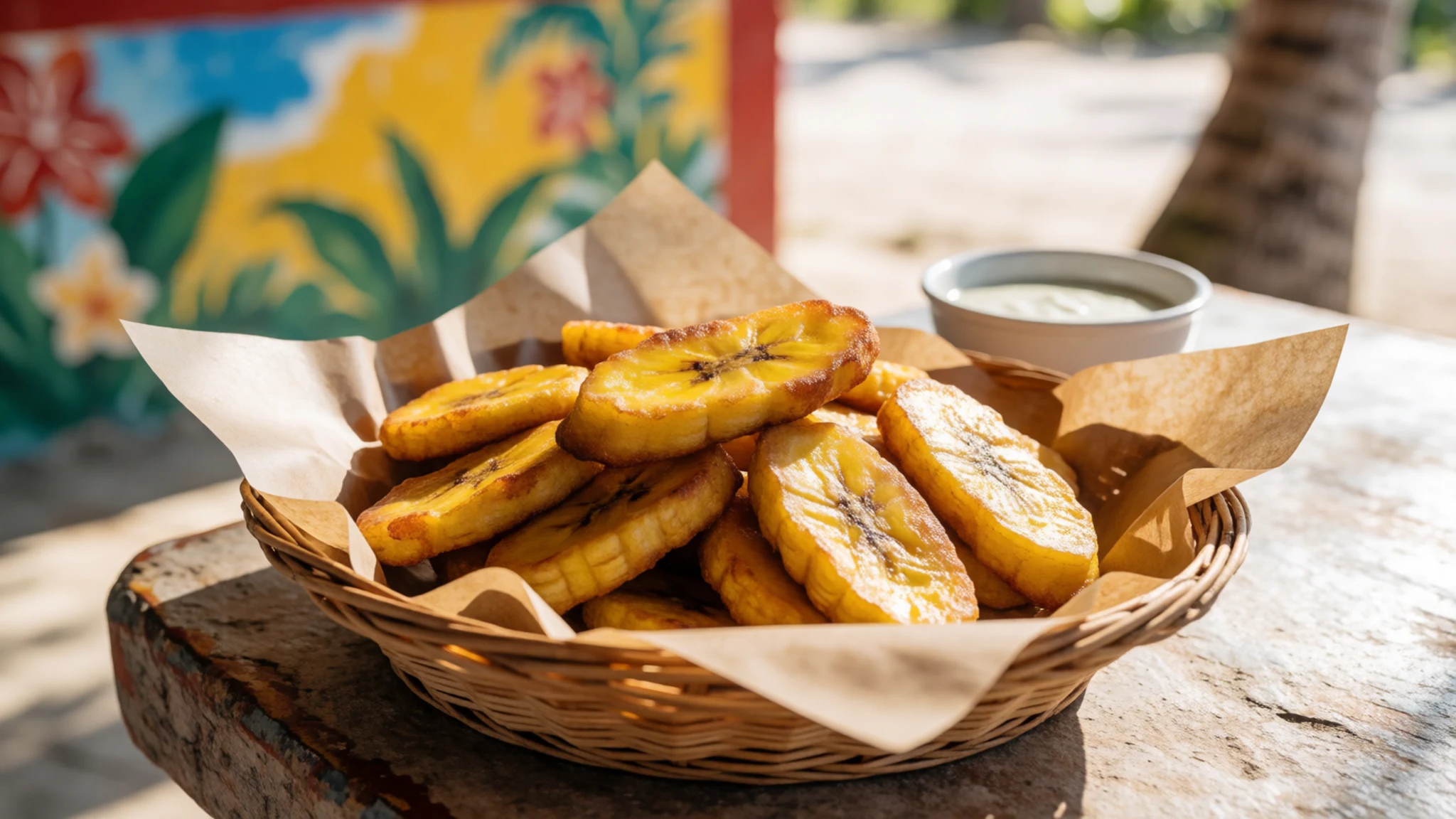
- Lechón asado — Family restaurants and weekend stalls near Trinidad
Roast pork marinated in sour orange, garlic and herbs, cooked until the skin crackles and the meat falls apart. It is often served on festive days with rice, beans and fried plantain, and appears at home-style restaurants and some weekend food stalls near Trinidad. - Guarapo — Roadside stalls and the cane-press stand near Manaca Iznaga
Fresh-pressed sugar-cane juice, sweet and grassy, often squeezed to order with a squeeze of lime and ice. In a valley built on cane it feels fitting to try. Drink it where the press is visibly clean, and ask for it without too much ice. - Canchánchara — Courtyard bars in Trinidad's old town
A Trinidad speciality of aguardiente (cane spirit), honey and lime, traditionally served in a small clay cup. It was a drink of cane workers and fighters, and is strong, sweet and sharp. It is best sampled in the old town's courtyard bars, ideally before an afternoon in the sun, not after.
Plan it
Best time. November to April, when winters are mild with daytime highs in the low to mid twenties Celsius and the fields are comfortable to walk. Summer daytime highs reach 31 to 33 °C with little shade, so go early if visiting between June and September.
How long. 1
Getting there. The nearest airport named in the brief is Jaime González International Airport (CFG), near Cienfuegos. From there, go by road to Trinidad, the base for the valley, then take a taxi, tour or horse-drawn cart for the last leg of the journey out to the estate.
Budget. low
Tips
- Go in the morning, before the heat builds and before tour groups arrive from Trinidad
- Carry cash in small notes for stalls, tips and snacks, as card use is patchy
- Bring water, a hat and sun cream, since the fields have little shade
- Ask your lodging in Trinidad about the steam train and taxi options the day before
- Check official sources for opening times and any entry or tower fees
Etiquette
- Ask before photographing people, including stallholders and farmers
- Treat the barracones as a memorial and keep voices low
- Leave gates and crops as you find them
Nearby
Sources
- Wikidata Q844875 (CC0)
- Wikipedia: Valle de los Ingenios (rev 1362239961) (CC BY-SA 4.0)
- Wikivoyage: Sancti Spíritus (province) (rev 5188572) (CC BY-SA 4.0)
- Photo: Wilder's stock, Cuba (Wilder Mendez) (Public domain)
- Photo: Manaca Iznaga Tower (Baldo Simone) (CC BY-SA 4.0)
- Photo: Valle de los Ingenios, Cuba (Yomangani) (Public domain)
- Photo: Tower at Manaca Ignaza (Yomangani) (Public domain)
- Photo: Barracones at Manaca Iznaga (Yomangani) (Public domain)
- Photo: House at Manaca Iznaga (Yomangani) (Public domain)
- Photo: View towards Valle de los Ingenios from Trinidad (Yomangani) (Public domain)
- Photo: Valle de los Ingenios, Cuba (Anagoria) (CC BY 3.0)


