Twillingate
Twillingate, Canada
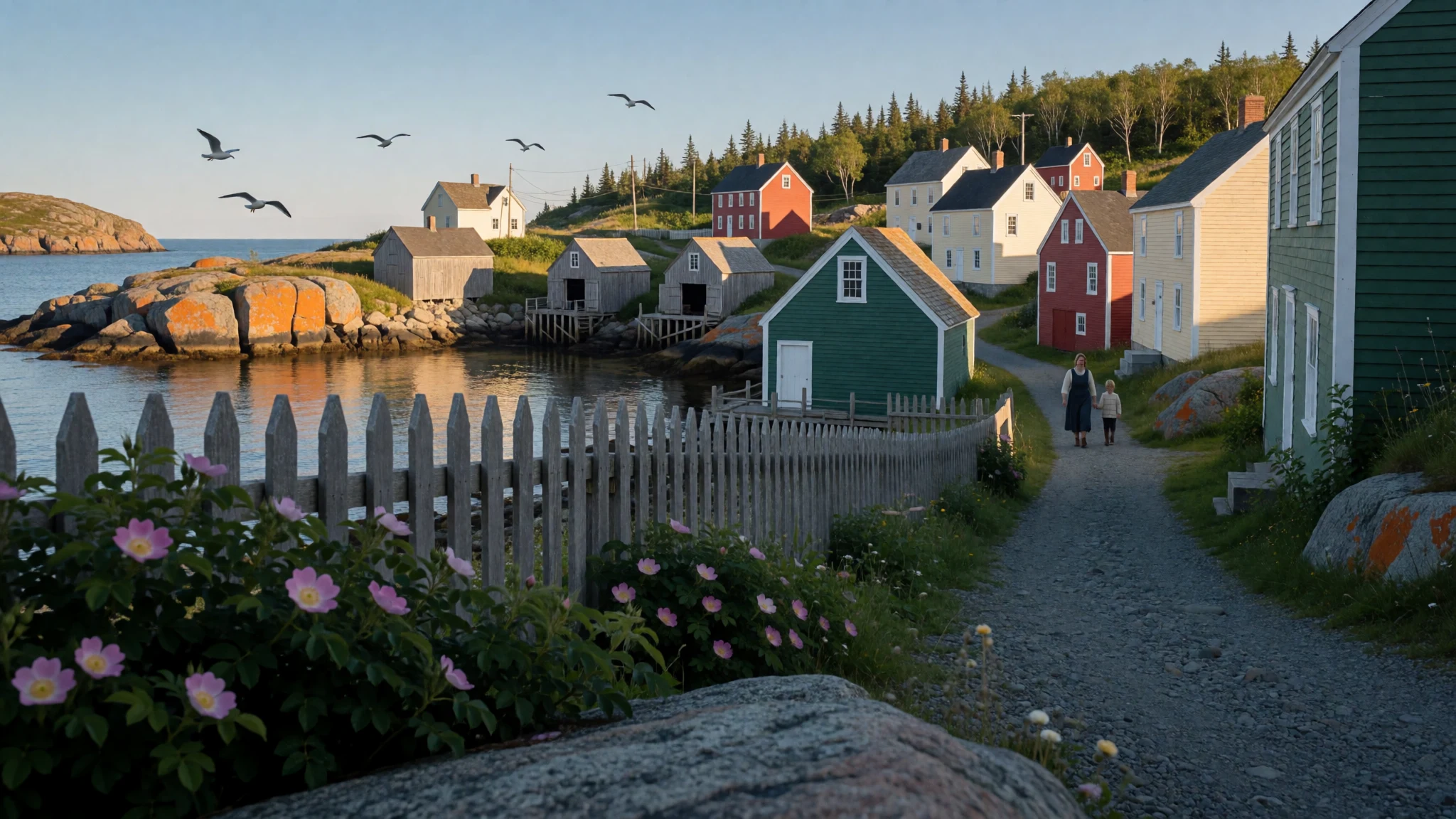
Twillingate is a working Newfoundland fishing harbour where icebergs drift past in spring, whales surface in summer, and village life still sets the pace.
The place
Twillingate sits on a cluster of islands in Notre Dame Bay, on the north-east side of Newfoundland, in the Canadian province of Newfoundland and Labrador. An older form of the name, Toulinquet, is still seen. The town has about 2,121 people and was incorporated in 1965, folding in a string of smaller settlements: Back Harbour, Bayview, Durrell, Gillard's Cove, Jenkins Cove, Manuel's Cove and Wild Cove. Each keeps its own character, and driving between them shows how outport Newfoundland grew around every sheltered inlet. People settled here because the harbour is protected from Atlantic weather and good fishing water lies close by. A causeway named for Walter B. Elliott links Twillingate Island to the rest of Newfoundland, so no ferry is needed. By road it is roughly an hour from Lewisporte and about an hour and a half from Gander, through small fishing villages such as Boyd's Cove, Summerford, Virgin Arm and Newville. On the island itself, Black Duck Cove, Purcell's Harbour and Little Harbour come before the main town. Cod was the living here until the fishery collapsed, and the economy now leans on tourism, construction, logging and services, with some crab and lobster still landed. Icebergs drift down the coast in spring, which is why the town calls itself the Iceberg Capital of the World. That is a local boast, and sightings vary from year to year. Summer is busy but never urban: a few streets, a harbour and a great deal of sea.
Its story
Twillingate has been lived in for a very long time. The Maritime Archaic people used the islands about 3,500 years ago, around 1500 BC, and their tools were later found at Back Harbour and now sit in the local museum. The Beothuk used this coast after them, and the Dorset Inuit may have passed through as well. French crews may have fished offshore as early as 1500, but lasting European settlement began in the 17th century, mostly with families from England's West Country who came for the cod. Small Beothuk groups lingered around the Exploits River estuary and neighbouring islands into the early 19th century, and their story ended in tragedy. As the settlement grew, the harbour became a supply and service base for crews working the northern shore and heading on to Labrador. A local paper, the Twillingate Sun, began in the 1880s and covered provincial and world news with unusual polish until the middle of the last century. A Lewisporte paper, the Pilot, then served the area until it closed in 2018. The great break came with the cod moratorium of 1992, which ended the old way of earning a living. Families retrained, moved on, or turned to visitors, and the town now sells its history as well as its scenery.
What to see
- Long Point Lighthouse — Long Point, north of town
Twillingate's lighthouse stands on an exposed headland a few minutes from the main town. It is the usual place to scan open water for whales in summer and for icebergs in spring. A small shop nearby sells fudge and souvenirs. Wind is constant, so bring a layer.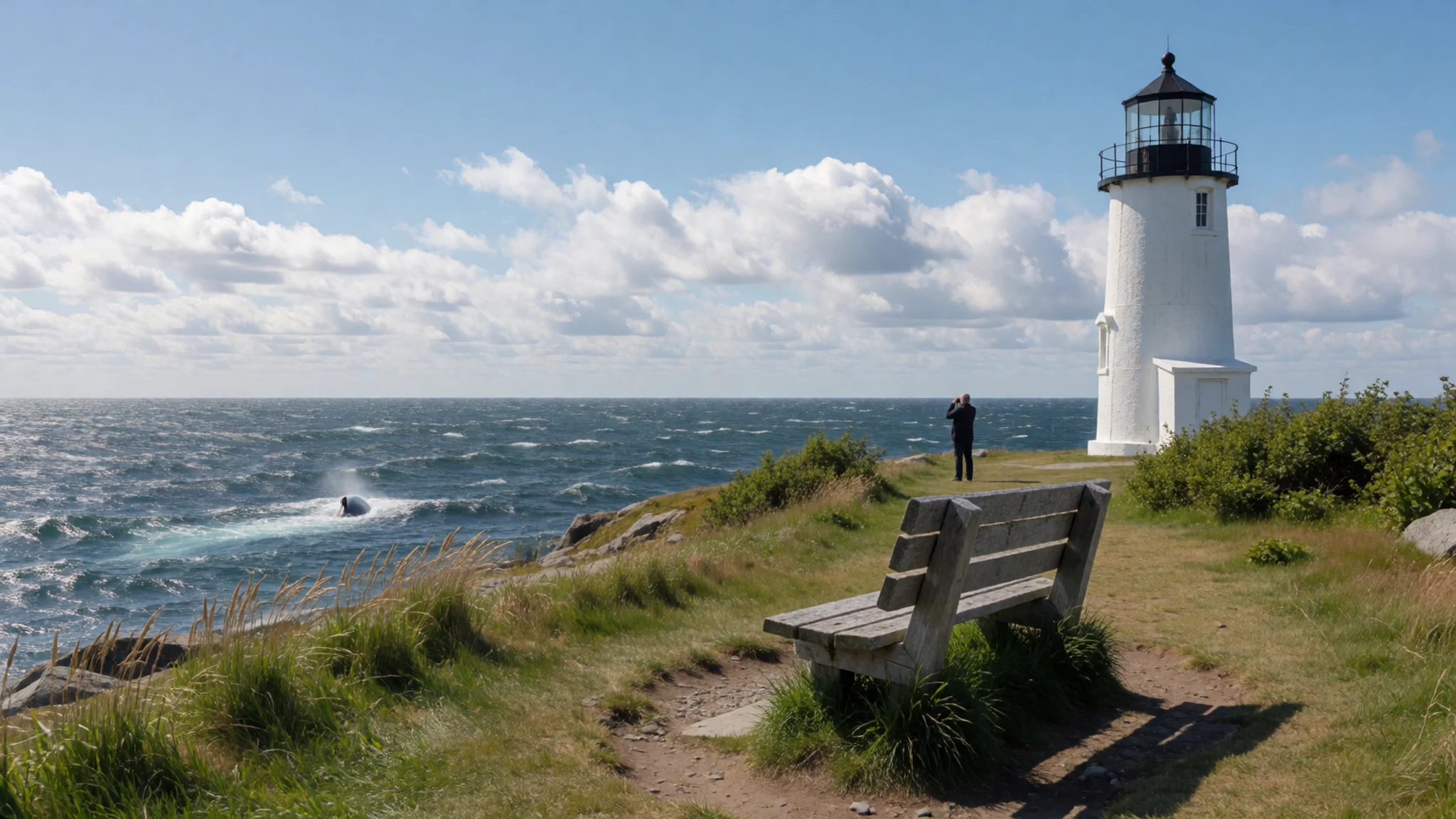
- Iceberg and whale boat tours — Twillingate harbour
Small boats leave the harbour area in season to get close to drifting ice and feeding whales. Several local operators run trips, and some also have shops or a café. Timing depends on the year's ice, so ask what is currently in the bay before booking.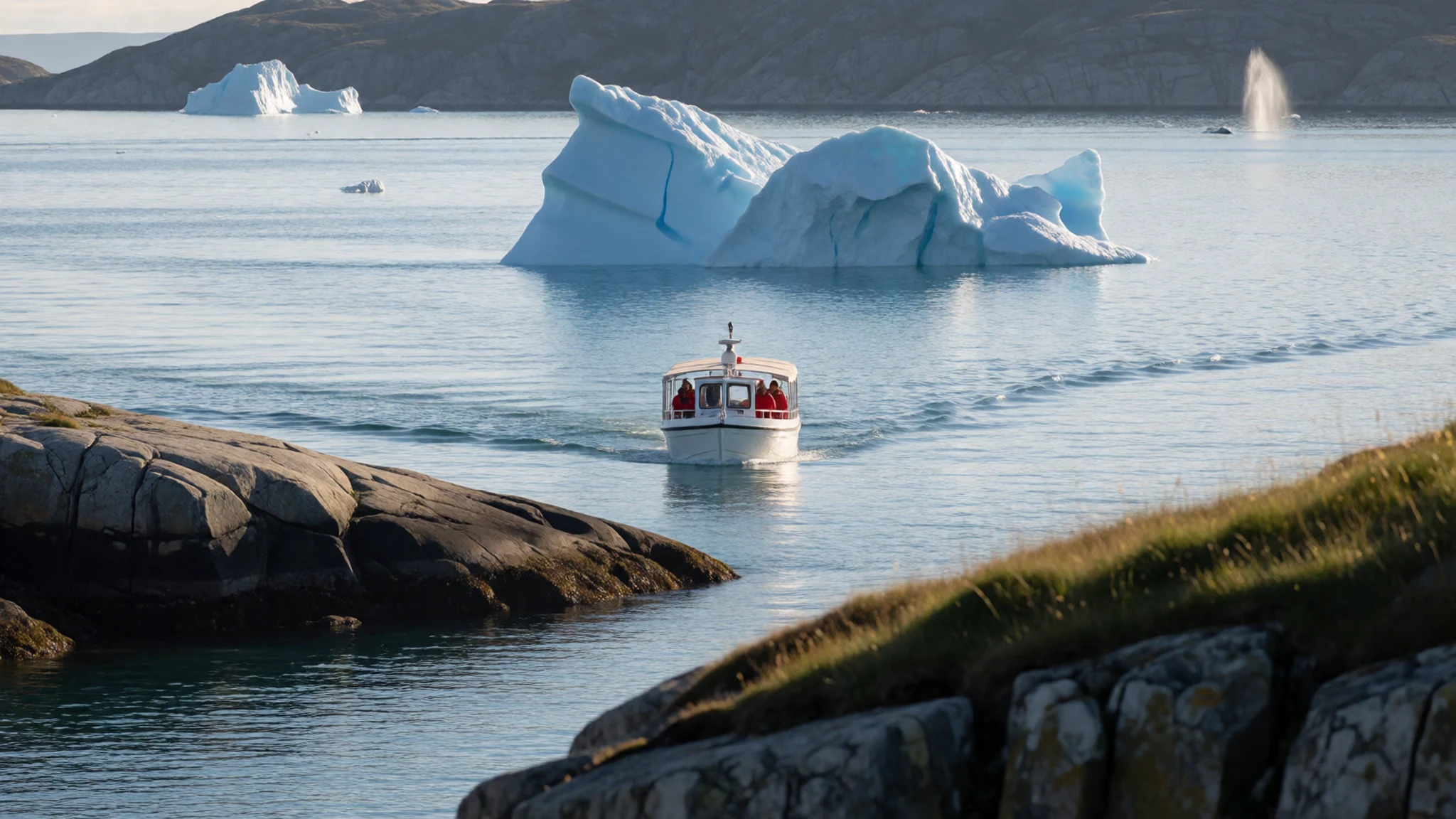
- Twillingate Museum and Craft Shop — Main town
The museum holds Maritime Archaic artefacts collected at Back Harbour in 1967, alongside objects from later outport life. It is a good first stop for placing the islands in time before heading out to the coast. The craft shop sells local work.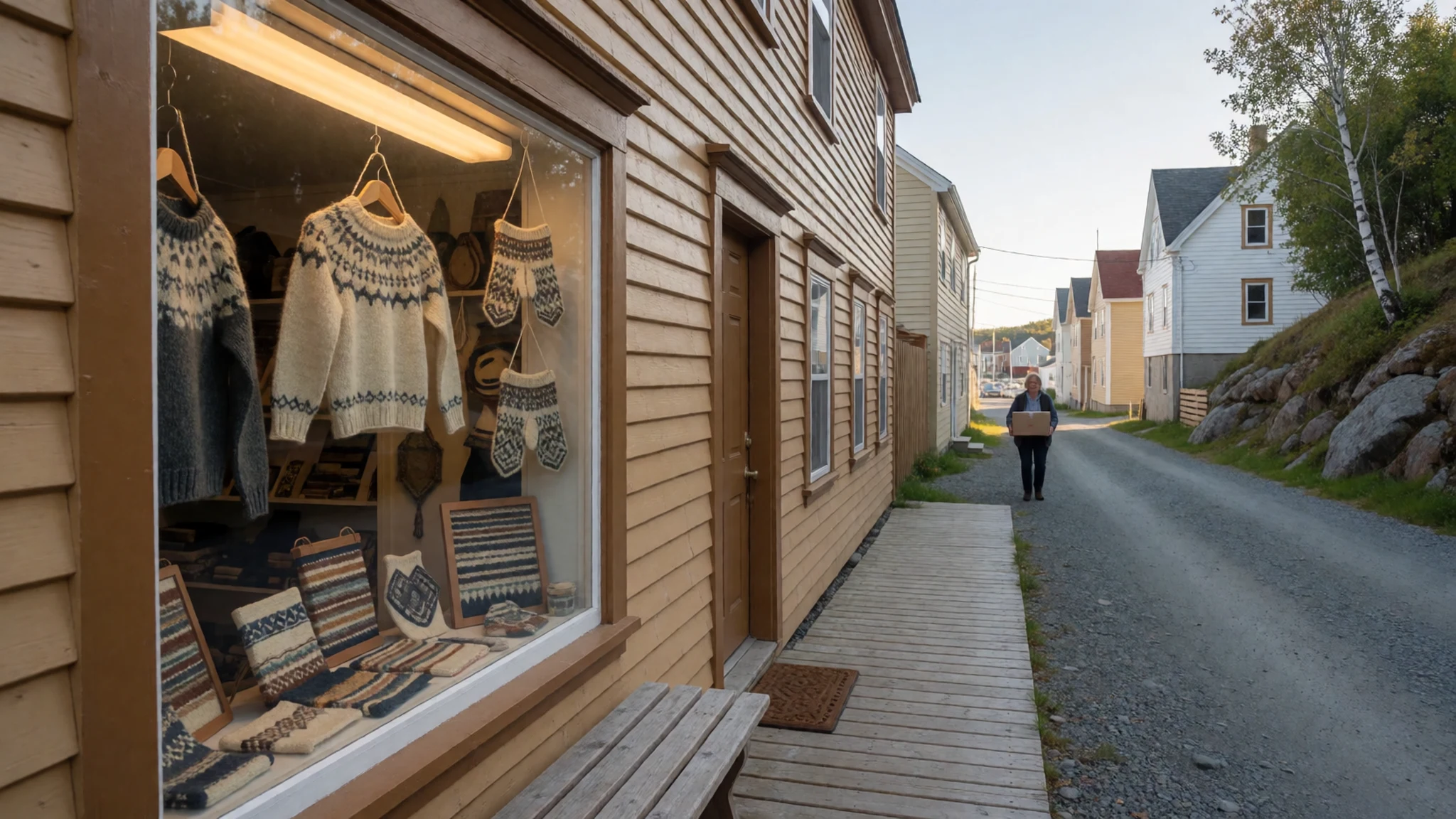
- Durrell Museum — South of the main town
The Durrell Museum explains the fishery that built the town. Exhibits include a walk-in codfish trap, which makes the scale of the old methods easier to grasp than any panel of text. There is a souvenir shop, and live rabbits add an unexpected note for children.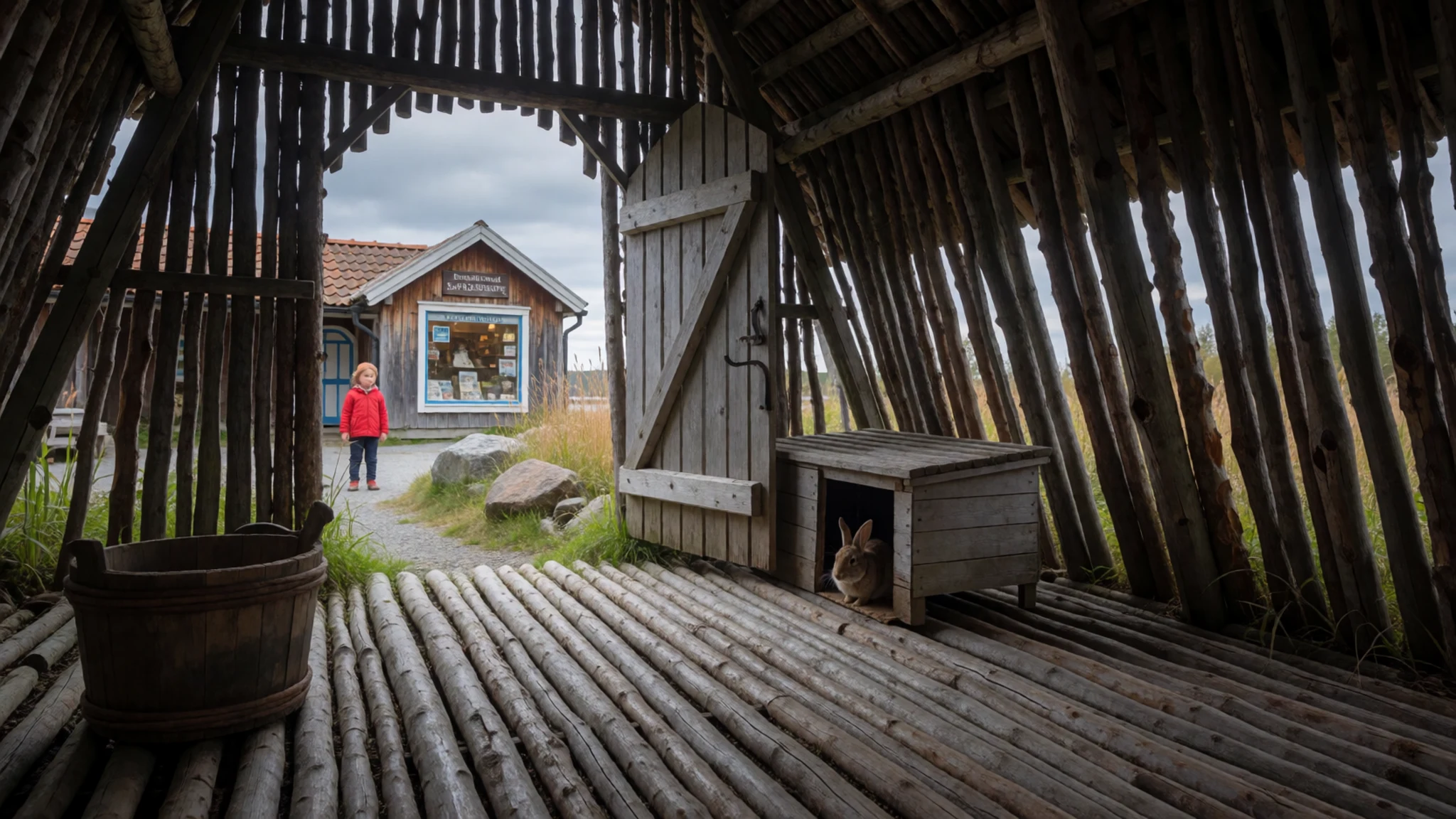
- Harbour and village walk — Central Twillingate
The harbour is best on foot: wooden houses, boats at their moorings, and working fish sheds ringing the water. The small museums, churches and lodges around town, including the Orange and Masonic lodges, add period detail. Allow a slow morning with no fixed plan.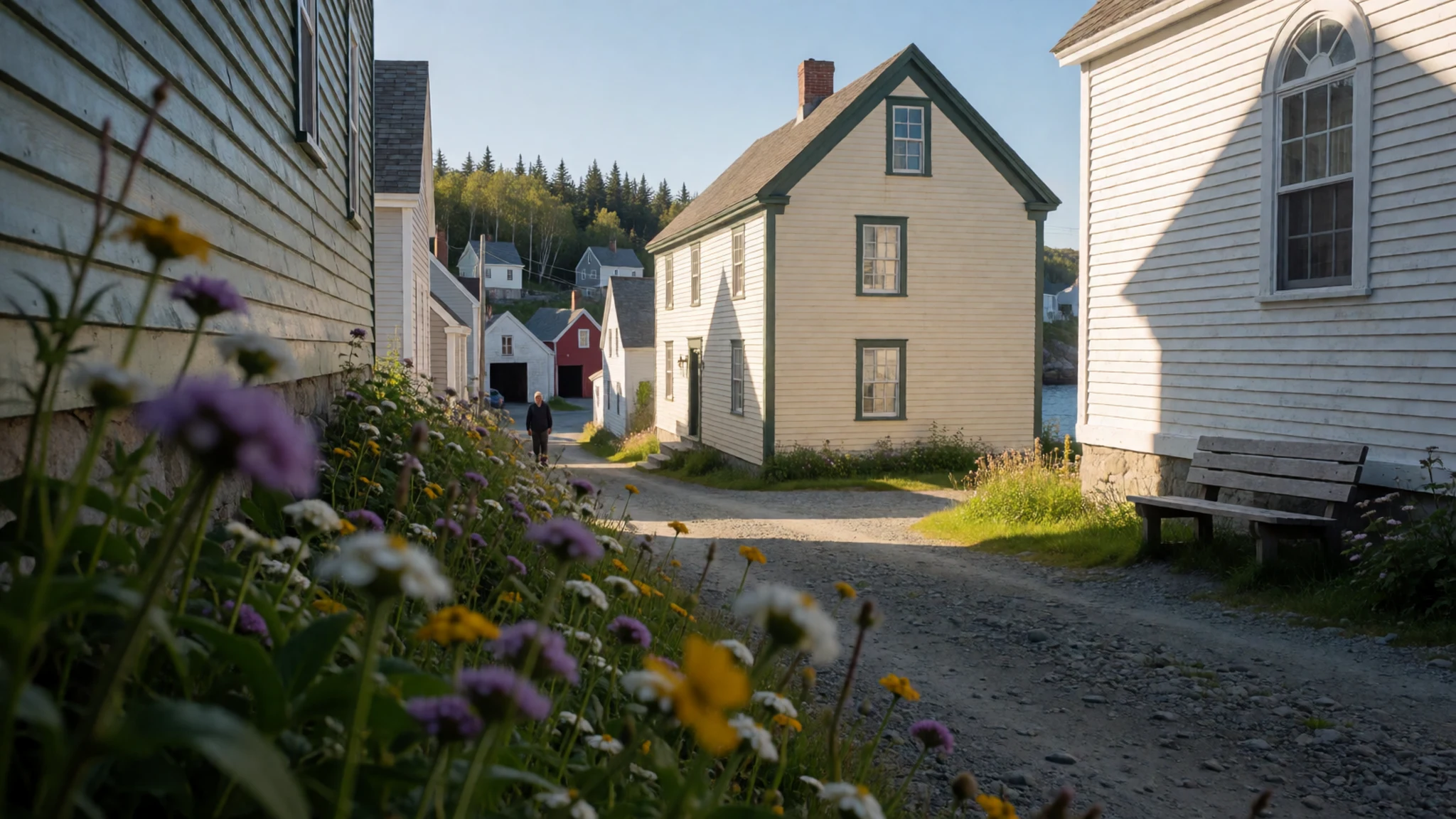
Culture
Twillingate takes its identity from the sea and from the generations who fished it. When the cod went, many residents moved into other work, yet the habits of an outport survive: neighbours know one another, boats still matter, and stories are told at length. Music is central. Fiddles, accordions and singalongs turn up in kitchens, halls and pubs, and visitors are usually welcomed into them rather than kept at a distance. Every year at the end of July the Fish, Fun and Folk Festival brings local and provincial performers to the stage on Thursday and Friday nights, followed by a parade, a fireworks display and a closing concert by the Split Peas. It draws people from across North America and further afield, so lodging fills early and the town is lively. The small museums, the church buildings and the lodges are kept up by volunteers and community groups, and they say a good deal about how people organised themselves when the nearest city was far away. Humour is dry and generous, and Newfoundland English can be fast and unfamiliar at first; asking someone to repeat a phrase is taken kindly. Ask before photographing people at work on the wharf or in their gardens, and treat fish stages and private boats as someone's workplace rather than scenery.
What to wear
Twillingate has no formal costume in the way a court city might, but its working dress has a clear tradition. Fishing families relied on hand-knitted wool: thick sweaters, socks, caps and trigger mitts with a separate index finger for handling gear, made from local sheep's wool or bought yarn. Oilskin coats, sou'westers and rubber boots completed the outfit, and these were worn on the water in all weathers. Older residents still knit, and woollen goods sold in the craft shops carry on the pattern. Today people dress for the weather first. Fleeces, waterproof jackets, jeans, caps and sturdy boots are normal on any day, and smarter clothes appear for church, concerts and the festival, where a cheerful local look is common but rarely formal. A visitor should plan on layers, whatever the month. Sea wind and fog can make a sunny afternoon feel cold, especially on the headlands and on boats, so pack a windproof, a warm mid-layer, a hat and gloves for spring iceberg trips. Waterproof shoes with grip suit wet rock and trails, and sunglasses help on bright water. Church services and museums have no special code beyond tidy, ordinary clothes, and beachwear belongs at the water only.
What to eat
- Toutons with molasses — Local tea rooms and bakeries in the main town
Fried bread dough, served hot and often with beans and molasses, is a classic Newfoundland breakfast. It is a hearty dish meant for people heading out to work, and it is rich enough to share.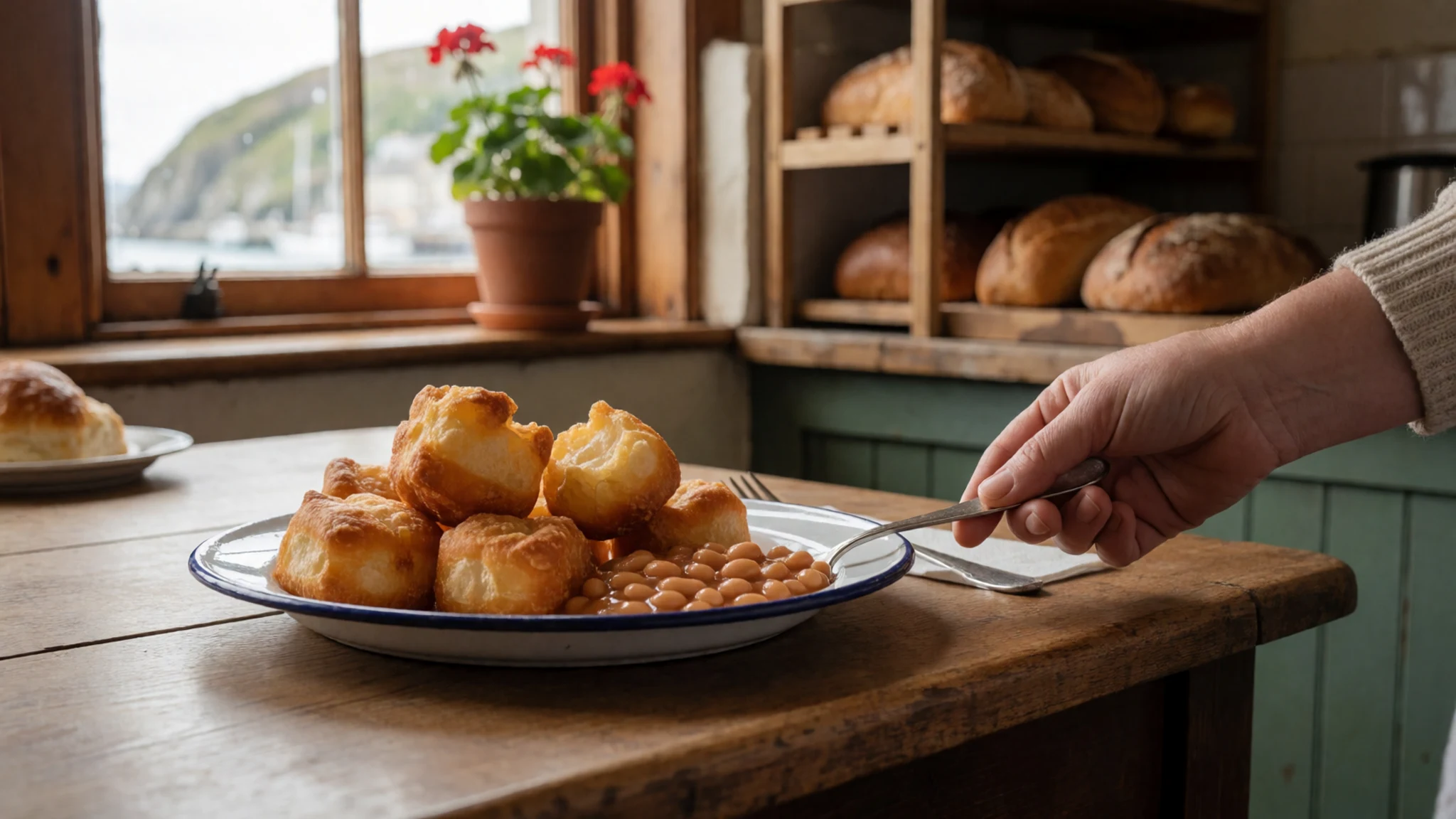
- Fish and chips — Fish market and harbourside eateries with outdoor seating
Cod and other local fish, battered and fried, are eaten at tables on a deck above the water. Quality depends on the catch, so ask what is fresh on the day.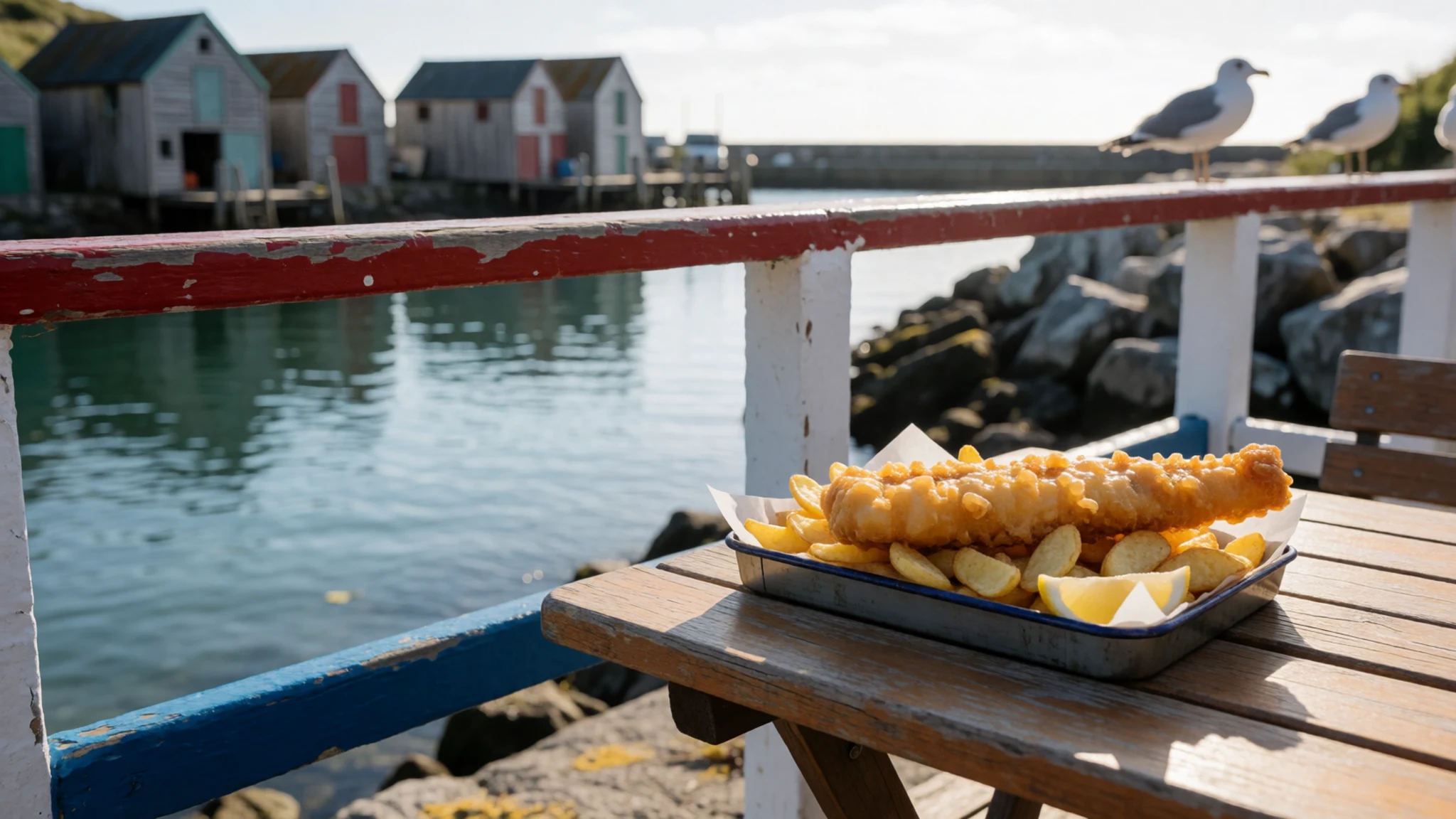
- Wedgefries — Harbour-view restaurants in the main town
Thick potato wedges, often served with gravy or dressing, appear on several local menus as a filling side or a meal on their own. They suit a cold, windy day. - Home-made soup and baking — Locally owned tea rooms and bakeries
Bakeries and tea rooms offer soups and baked goods made in-house, such as bread, buns and sweet squares. They are good for a quiet lunch between museum visits. - Berry ice cream — Small variety stores and village shops
Small local stores sell ice cream flavoured with native berries, a pleasant sweet end to a coastal walk. Flavours change with what has been picked.
Plan it
Best time. May to early July for icebergs, which drift past in the spring months, and July for whales and the warmest weather. The Fish, Fun and Folk Festival falls at the end of July. Sea fog and wind can arrive in any month, and ice varies each year.
How long. 2–3
Getting there. Fly to Gander, hire a car and drive about 1.5 hours north through small fishing villages, crossing the causeway onto Twillingate Island. From Lewisporte it is about an hour by road. A car is the practical way to reach and move around the islands.
Budget. mid
Tips
- Book rooms early for the late-July festival; the town has one hotel and many bed and breakfasts, cabins and vacation homes
- Check the town website, townoftwillingate.ca, and tour operators' own sites for current sailing times and prices
- Bring layers and a windproof even in summer, since boats and headlands are much colder than the town
- Fill the fuel tank in Gander or Lewisporte and carry some cash and a card for small shops
- Spend early mornings at the lighthouse for quieter views of the sea
Etiquette
- Ask before photographing people at work on wharves or in private gardens
- Keep to marked paths on headlands and leave fishing gear and stages untouched
- Greet people you pass; small-town courtesy is expected
Nearby
Sources
- Wikidata Q1732099 (CC0)
- Wikipedia: Twillingate (rev 1381638395) (CC BY-SA 4.0)
- Wikivoyage: Twillingate (rev 5420708) (CC BY-SA 4.0)
- Photo: Twillingate, Newfoundland (Aconcagua) (CC BY 3.0)
- Photo: Main harbour of Twillingate, Newfoundland (Shhewitt) (CC BY-SA 4.0)
- Photo: Twillingate, Newfoundland (Aconcagua) (CC BY 3.0)
- Photo: Twillingate harbour, 1997 (John Hill) (CC BY-SA 4.0)
- Photo: 1998-07-30 Blick auf Twillingate (Eduard47) (CC BY-SA 4.0)
- Photo: Iceberg stranded in Twillingate 02 (Eduard47) (CC BY-SA 4.0)
- Photo: Iceberg stranded in Twillingate 04 (Eduard47) (CC BY-SA 4.0)
- Photo: Iceberg stranded in Twillingate 09 (Eduard47) (CC BY-SA 4.0)


Wildlife
- Humpback whale (animal)
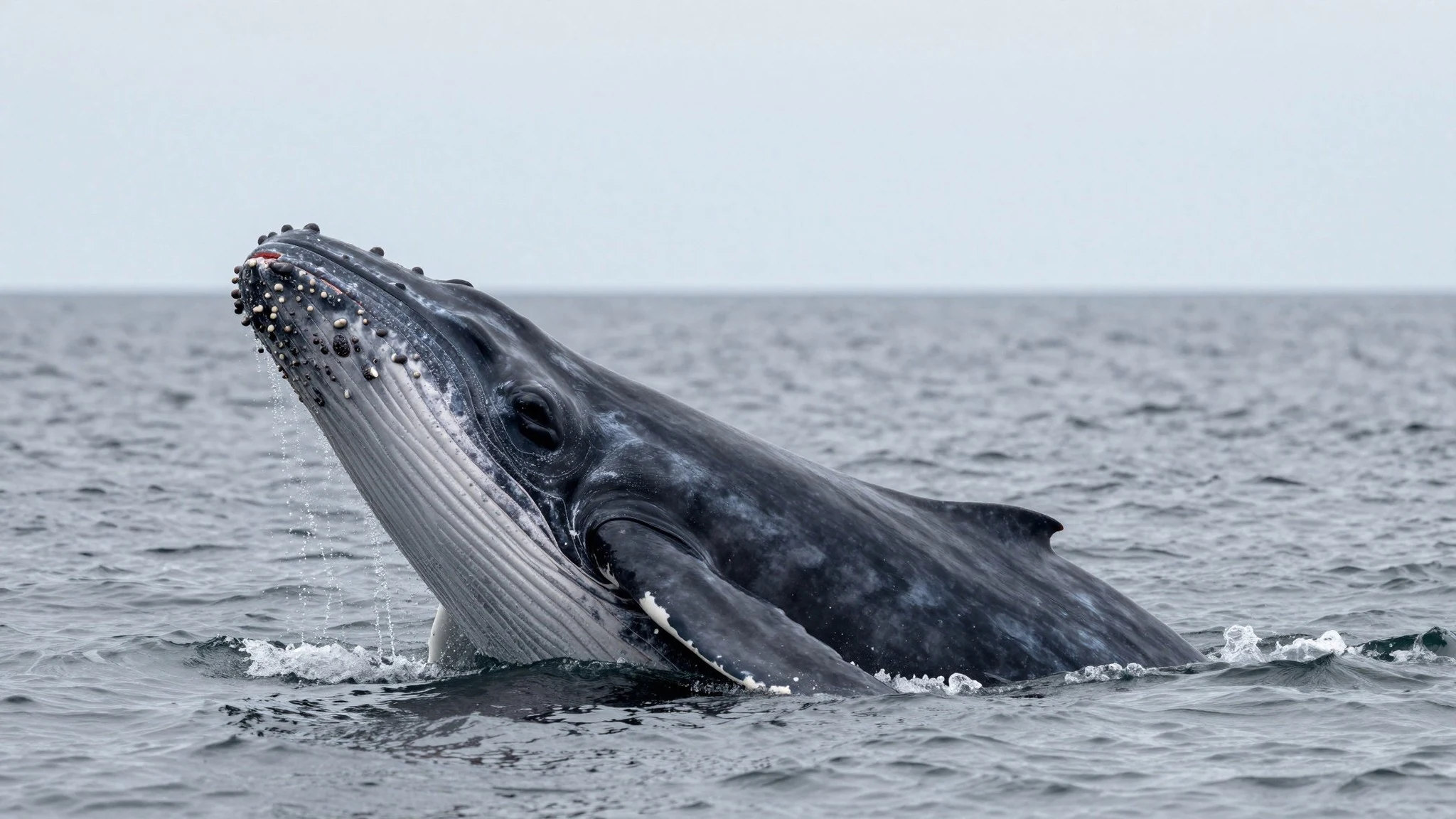
The humpback is a gigantic whale that sieves its food from the sea and loves to leap and splash at the surface, like an acrobat the size of a ship. Look for its very long flippers and bumpy head. In Twillingate, small tour boats set off from around the harbour during the season, finding whales as they feed near drifting ice. Go with a boat tour, keep a respectful distance, stay quiet, and never feed the whales.