Truk Lagoon
Truk Lagoon, Federated States of Micronesia
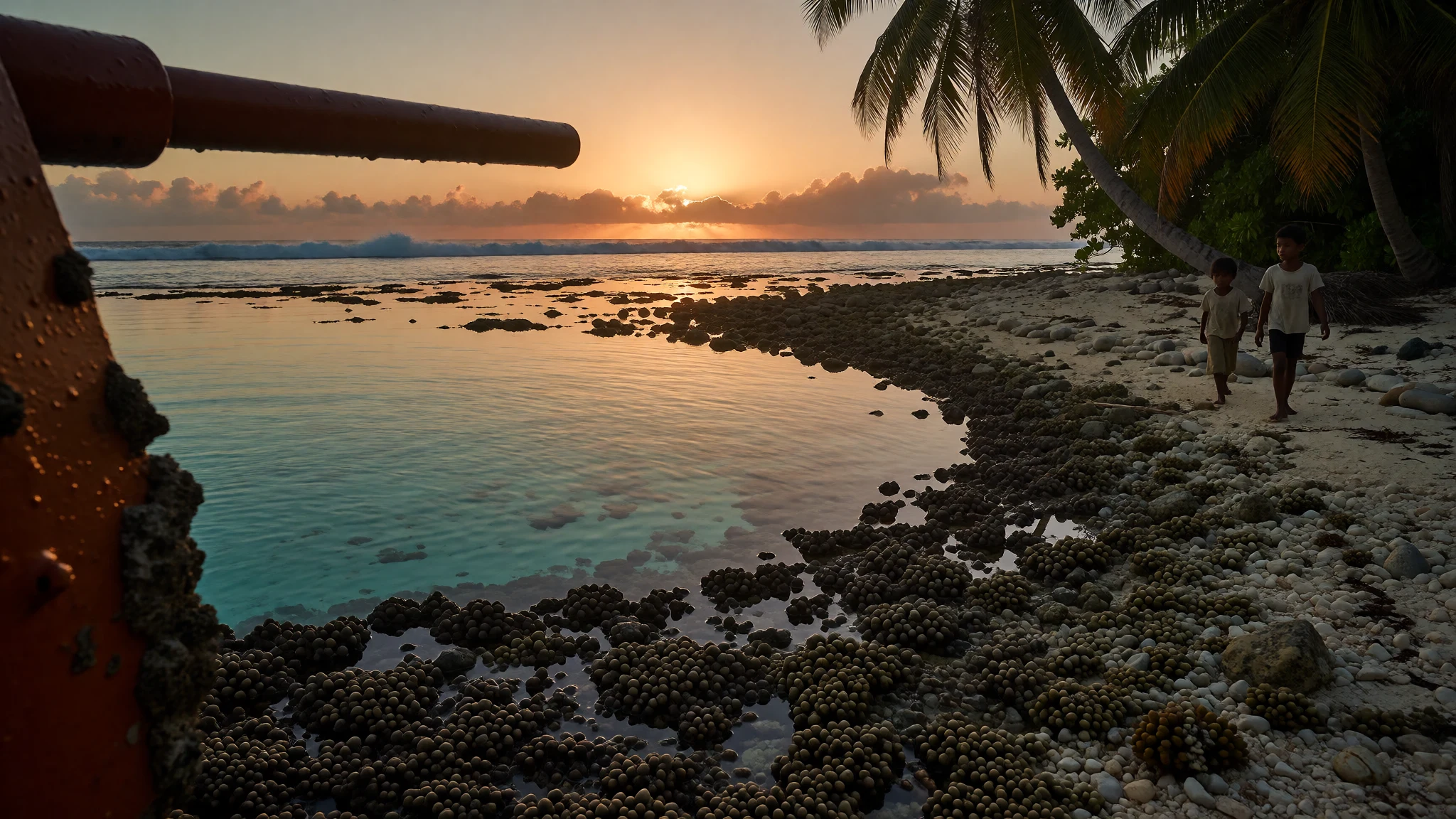
Truk Lagoon is for divers who want WWII shipwrecks floating just off the reef—history underwater, with warm Pacific conditions for most of the year.
The place
Truk Lagoon—also known as Chuuk Lagoon, and once called Truk Atoll—is an atoll sitting in the central Pacific Ocean, within Chuuk State in the Federated States of Micronesia (FSM). It’s enclosed by a protective reef that forms a natural harbour roughly 79 by 50 km, with a total enclosed reef area of about 2,130 km². The land area is 93.Spanning 07 km², Weno is the largest town and acts as the administrative center for the atoll as well as the state.
What makes Truk Lagoon feel different from other islands is the way the sea holds onto a moment in time. During World War II, the Japanese Empire used this lagoon as a major naval base in the South Pacific theatre. In February 1944, the US carried out a major attack (Operation Hailstone), and in June 1945 there was a smaller assault by British and Canadian forces (Operation Inmate). Today, that history is widely experienced through scuba diving: the seabed around Chuuk is littered with ship and aircraft wrecks, kept in place and made accessible by the reef system.
For non-divers, expectations should be managed. Beyond diving, there aren’t really beach days or big hotel-style facilities—Weno’s pace is simple, the coastline is more functional than resorty, and a trip often centres on the boats, the dives, and the logistics around them. Crowds are nothing like the Caribbean or Red Sea: you’ll usually meet a small community of divers, and the main “busy time” is the season when conditions line up and liveaboards are running.
Its story
Truk Lagoon’s story begins long before submarines and radios. Evidence points to human settlements on some islands as early as the first and second century BC, with wider settlement across Chuuk later, by the 14th century AD. This isn’t a place where history is layered in museums first—the lagoon itself carries the timeline, and the islands around it set the rhythm.
European contact came in fits. A Spanish navigator, Álvaro de Saavedra, sighted the islands in August or September 1528, followed by Spanish visits in January 1565. Spanish control over the Caroline Islands was often more about intermittent influence than permanent administration. The Spanish raised a flag in 1886 and returned in 1895 for another attempt to assert control and encourage peace between warring Chuukese groups; no permanent settlement followed, and conflict continued through later periods.
Then came colonial reshuffling: after Spain withdrew, the Caroline Islands were sold to the German Empire in 1899. By the time the First World War arrived, the Japanese Navy was involved in pursuing and neutralising German forces in the broader Pacific theatre.
World War II is the turn that still matters most underwater. Truk became a key Japanese naval base in the South Pacific theatre, and in February 1944 the US launched Operation Hailstone—an enormous surface bombing campaign. After that, the lagoon still held strategic value enough for Operation Inmate in June 1945, involving British and Canadian forces. Those wrecks and the way they settled into the reef’s protection are what visitors come back to see now.
What to see
- Fujikawa Maru wreck dive — Wreck areas inside Chuuk Lagoon
Fujikawa Maru is one of the wrecks divers talk about most at Chuuk Lagoon. The vessel’s remains are accessible for scuba, with familiar “ship-in-the-hold” views and the kind of underwater storytelling that keeps people coming back to the lagoon’s central sites.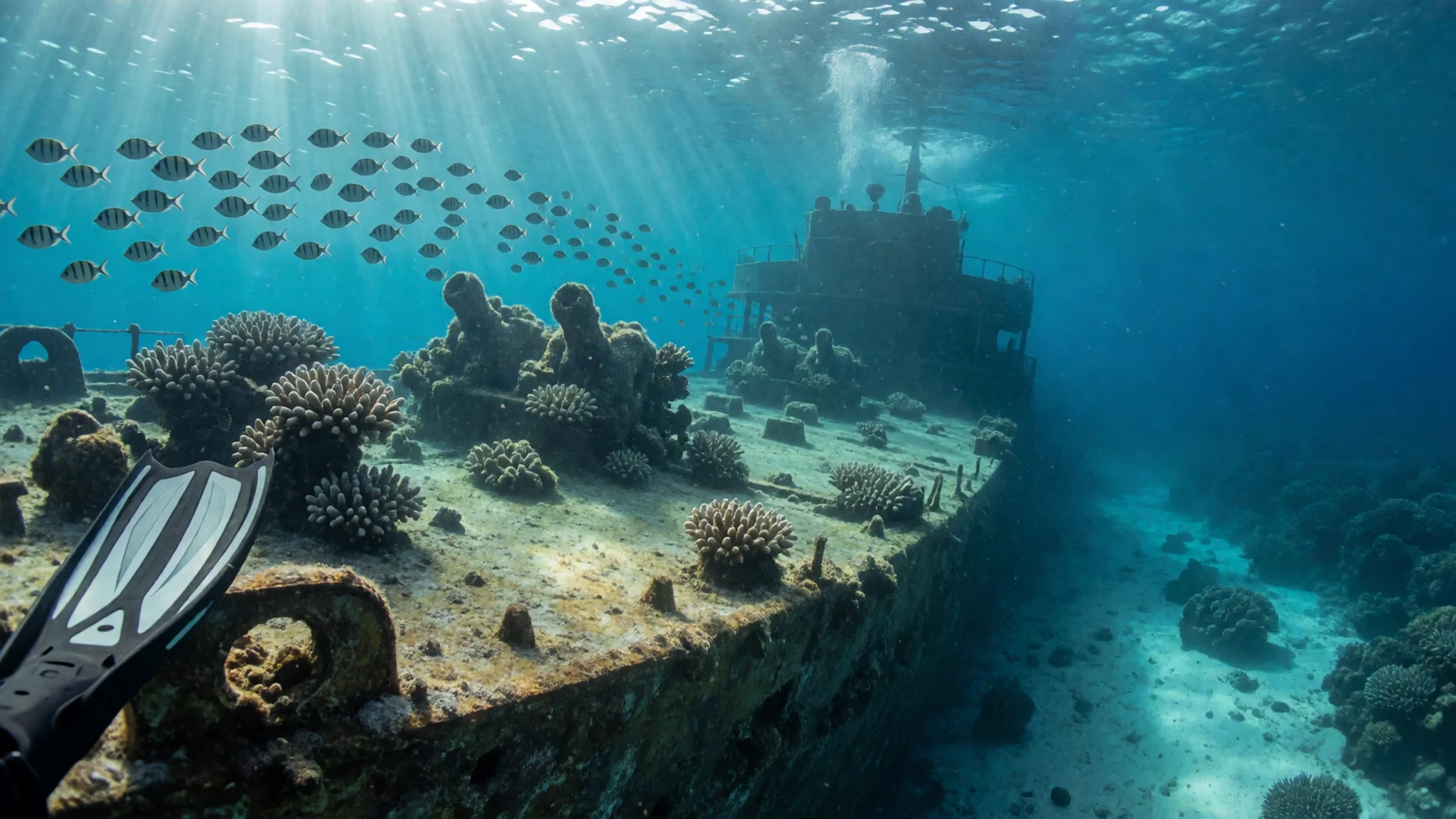
- Rio de Janeiro Maru: entering the hold — Main wreck zones in Chuuk Lagoon
On the Rio de Janeiro Maru, the experience is about penetration—going in and looking out from inside the ship’s structure. Divers often describe the sense of scale once the hold opens up beneath the surface, with reef life turning the interior into a living scene.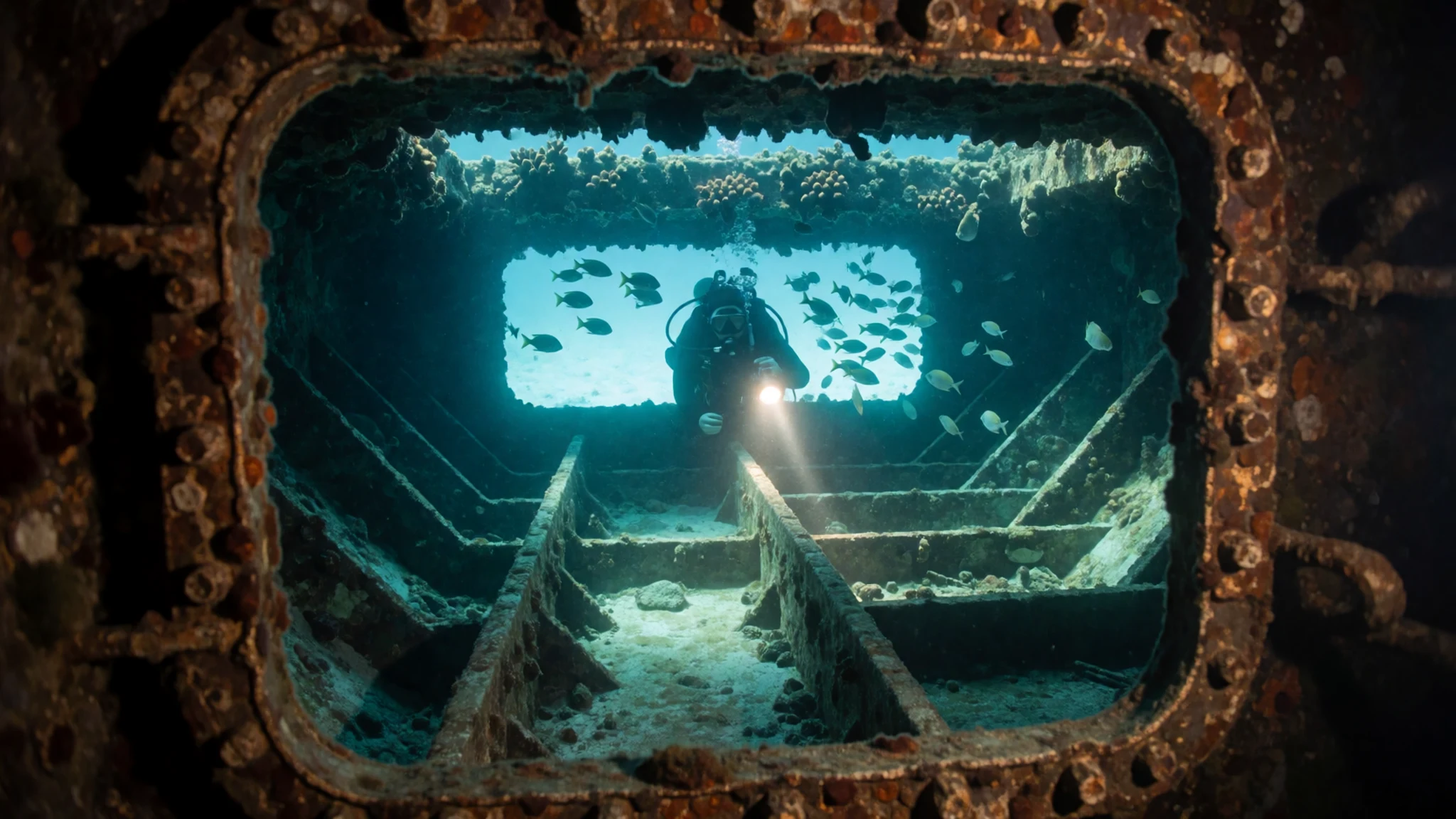
- Fujikawa Maru memorial plaque on deck — Fujikawa Maru area within Chuuk Lagoon
Near the Fujikawa Maru, a commemorative plaque gives context above the waterline for the wreck’s wartime story. It’s a quiet counterpoint to the excitement of diving—worth finding and reading before the next dive briefing pulls attention back underwater.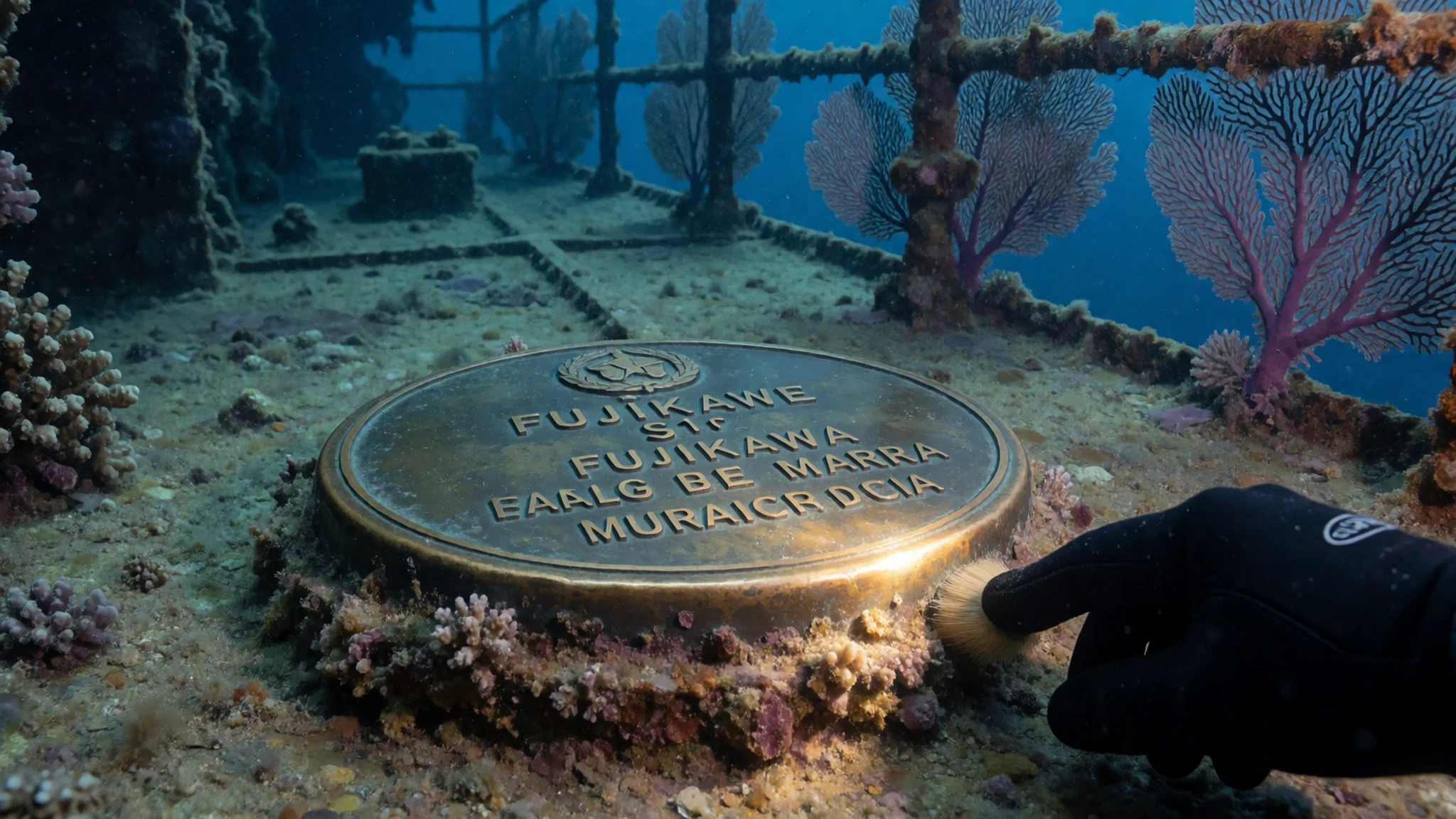
- Aircraft and rigging around the wreck field — Aircraft and shipwreck sites across the protected lagoon
Chuuk Lagoon is known for wreck diving that includes both ships and aircraft. Some of the most memorable moments come from seeing rigging, remnants, and underwater angles that hint at how aircraft and equipment ended up where they did—often just beyond the reef-protected zones.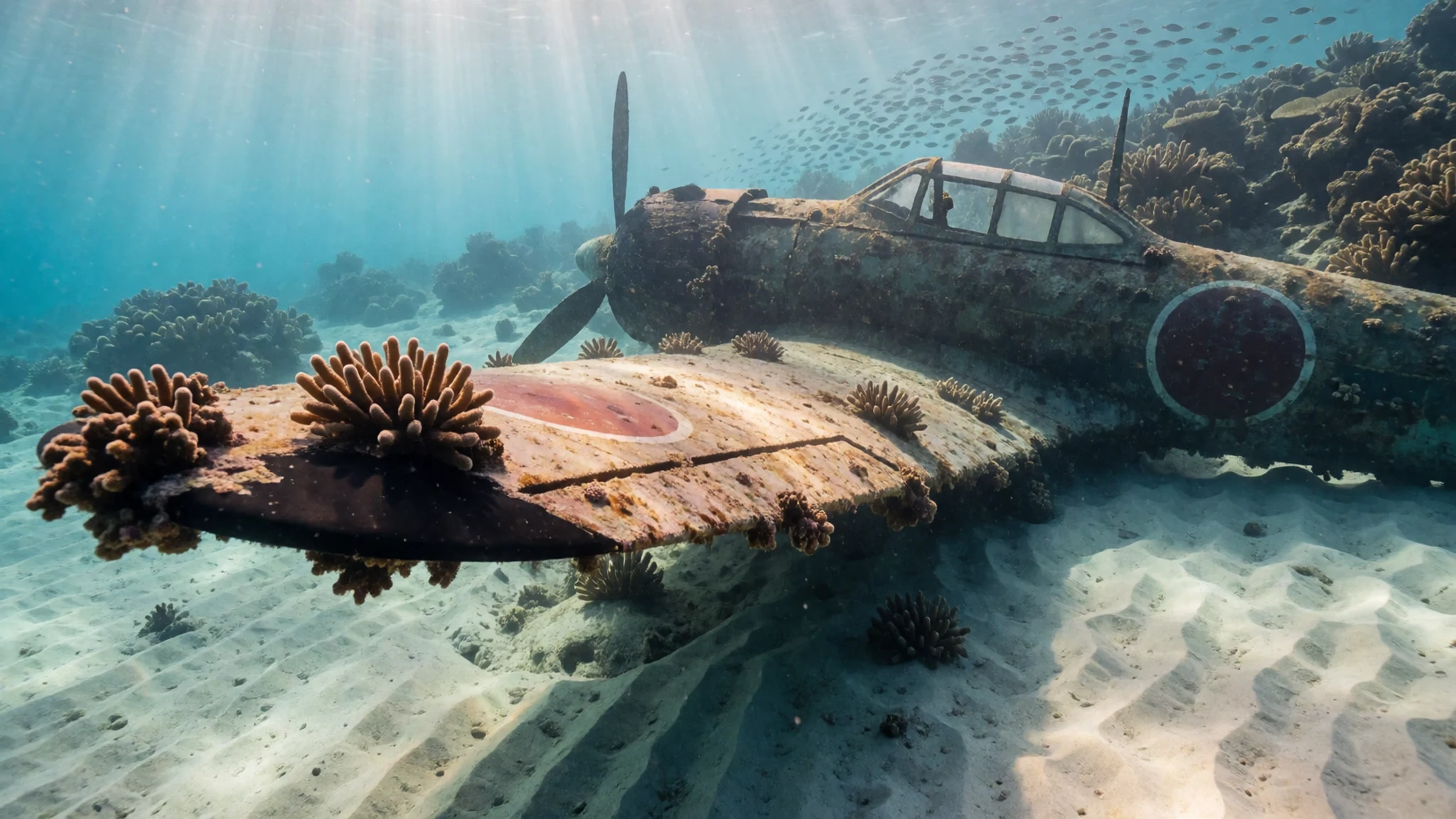
- Marine life drifting through the wrecks — Wreck structures across Chuuk Lagoon
Between dives, the lagoon’s life tends to feel like it’s always in motion. Around wrecks, you can spot schooling fish and larger reef visitors, moving through open sections and along shadows cast by hulls and debris—an ever-changing second “layer” to the history.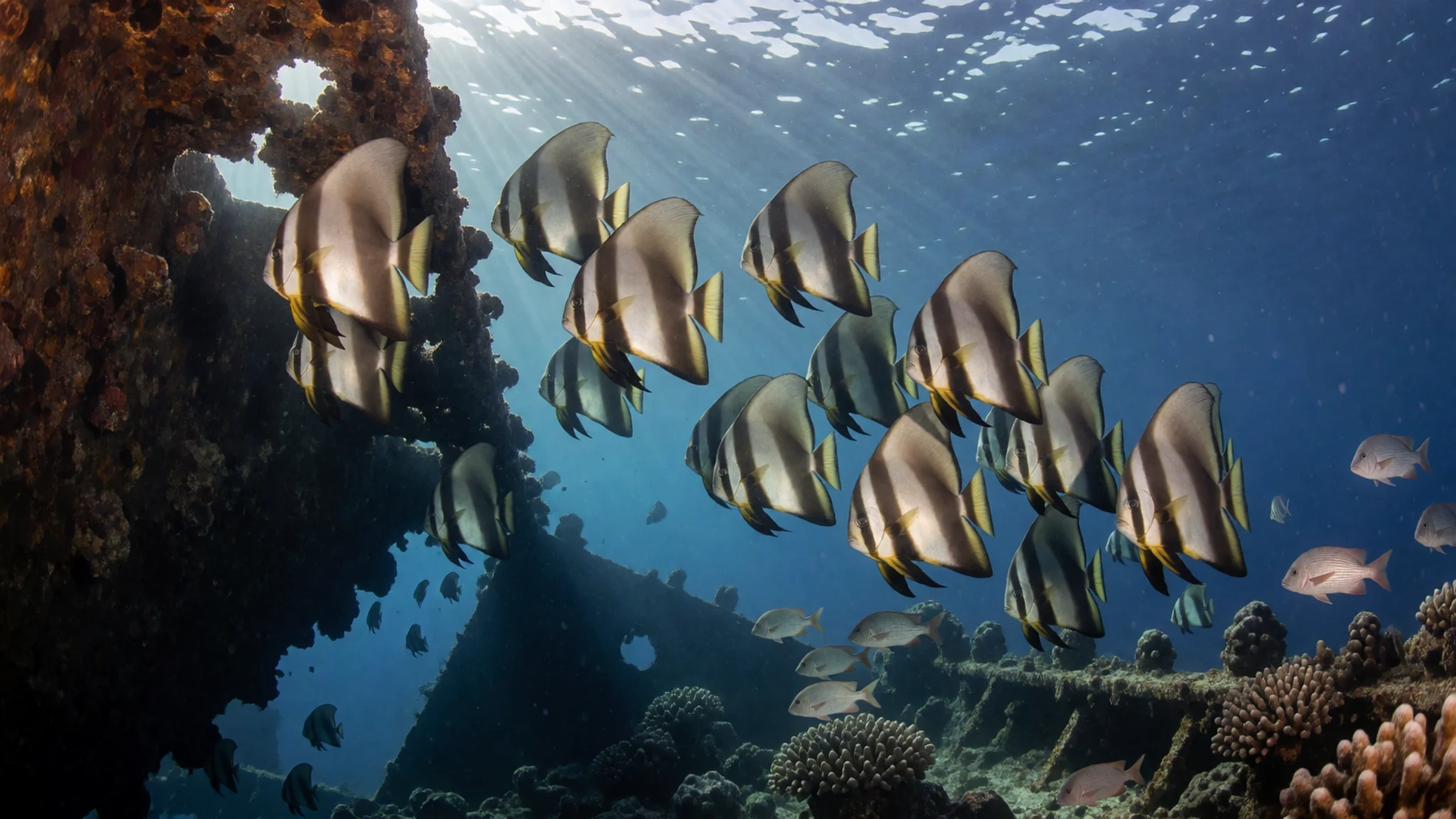
Culture
Truk Lagoon is part of Chuuk State in the Federated States of Micronesia, so the cultural reality is local life on Weno as much as the diving schedule. Weno is the administrative island and the atoll’s main hub, and visitors generally settle into a “small place, big sea” routine: boat days, dive briefings, and then calmer evenings on land.
Dress and behaviour matter more than most travellers expect. Conservative dress and manners go a long way, and short shorts or short skirts are a poor fit for everyday settings. If swimsuits are part of the day’s plan, they’re typically better reserved for main resort areas rather than public streets.
Night-time choices are also part of local safety. Once night falls on the main islands, do not walk around by yourself; the issue is less about formal laws and more about your personal safety regarding aggressive attention from people who have had too much to drink.
Finally, remember this is a war gravesite as well as a playground. Even when the water makes everything feel like an adventure, wrecks are still places of remembrance—handle gear carefully, keep control of buoyancy, and treat commemoration spaces as respectful zones.
Visitor etiquette: dress modestly, avoid being out alone after dark on the main islands, and treat wreck areas as respectful memorial sites.
What to wear
Traditional dress around Chuuk isn’t typically what you’d wear day-to-day when diving logistics take over, but modesty is still the unspoken rule. In everyday settings, conservative clothing is the safe default: women should avoid shorts and short skirts, and bathing suits are best kept for main resort areas. A T-shirt over swimwear is a practical choice when heading near public beaches.
Now, for the real visitor wardrobe: the lagoon’s main activity is diving, so you’ll mostly see wetsuits, rash guards, and dive skins under gear, plus dry bags and sandals/reef shoes between boats and dive briefings. Even if the sun feels manageable, the sea is often where time disappears—so a hat, sunscreen, and a light layer for the boat rides help.
For those who are non-divers (or doing just a few dives), casual clothes still need to read “tidy and covered” rather than beachwear. Choose breathable fabrics, closed-toe footwear for uneven ground around docks, and bring something that covers shoulders and knees for evenings. When visiting commemoration areas, skip anything too revealing—keep it respectful and uncomplicated.
What to eat
- Waterfront restaurant meals at Truk Stop Hotel — Waterfront at/near Truk Stop Hotel & Restaurant, Weno
A waterfront restaurant setup at Truk Stop Hotel & Restaurant is a straightforward place to eat, with the bonus of watching the light change over the water while you wait for a plate. It suits days when the boat schedule runs late.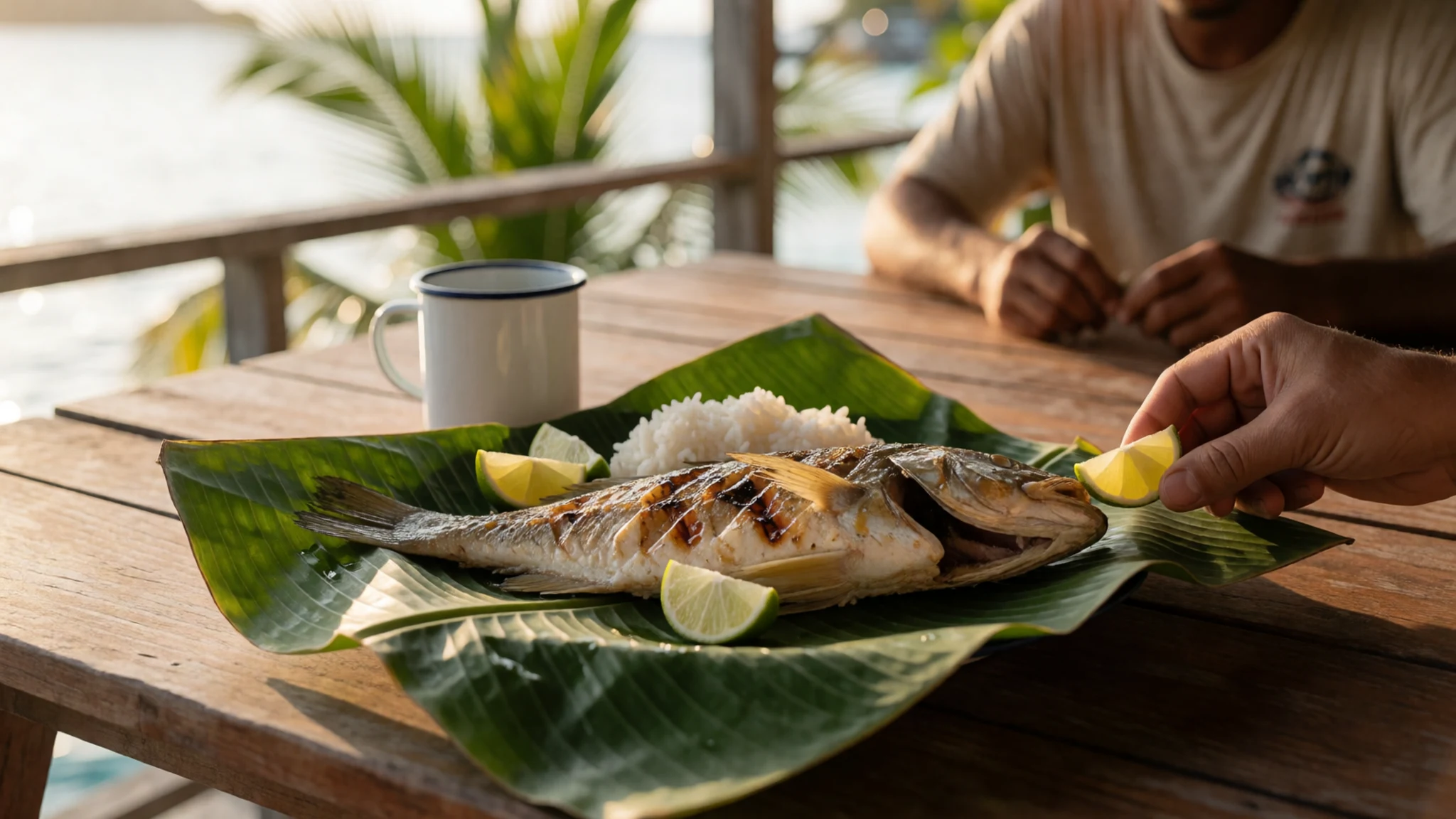
- Budget takeout at J-Square — J-Square area, Weno
J-Square is the kind of low-key spot where takeout helps when there’s not much spare time between errands, diving, and transfers. It’s a practical choice for simple meals and a quick reset before the next plan.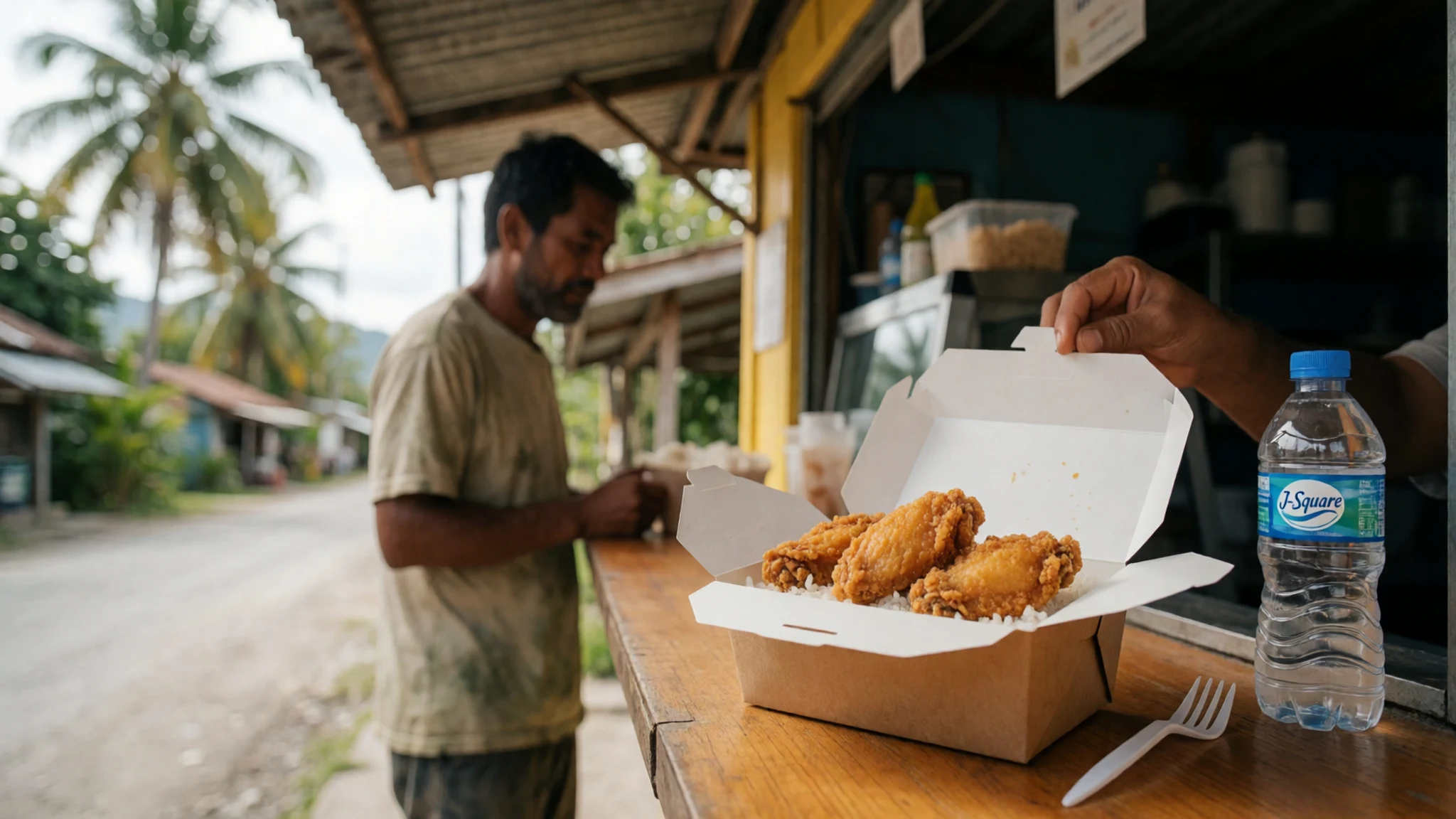
- Fish and grilled plates at LeiSide Restaurant — LeiSide Restaurant area, Weno
LeiSide Restaurant covers the basics—fish and more familiar comfort food like pizza, wings, and steaks—useful when menus are limited during short stays. It’s a good bet for groups that want variety without overthinking it.
Plan it
Best time. March–April and October–November tend to suit travel best because they avoid the extremes in the year; June is typically the rainy season and August is hot and humid, which can make boat days harder.
How long. 3–4
Getting there. Chuuk International Airport (TKK) on Weno is served by United Airlines. Most routes require passing through the USA and handling US customs; from the US onward, the last leg is flying into Chuuk’s airport on Weno.
Budget. mid
Tips
- Plan around dive-boat timing: the trip is largely built around the schedule of wreck dives, not sightseeing hours.
- If arriving via the USA, allow time for US customs processing before connecting onwards.
- Bring cash for smaller purchases and any places that don’t handle cards reliably.
- Pack a light layer for boat rides, plus a hat and sunscreen for surface time between dives.
- For non-divers, keep the itinerary simple—outside the lagoon diving, options are limited.
Etiquette
- Wear conservative clothes on Weno; avoid shorts or short skirts in everyday areas.
- Keep bathing suits for main resort areas and consider a T-shirt over swimwear near public beaches.
- Avoid going out alone after dark on the main islands.
Nearby
Sources
- Wikidata Q1556940 (CC0)
- Wikipedia (Truk Lagoon) (CC BY-SA 4.0)
- Wikivoyage (Chuuk) (CC BY-SA 4.0)
- Aircraft wrecks table (Wikimedia Commons) (Public domain)
- Gas mask on Fujikawa Maru (Wikimedia Commons) (CC BY 2.5)
- Diving in Chuuk (Wikimedia Commons) (CC BY 2.5)
- Entering Rio de Janeiro Maru (Wikimedia Commons) (Public domain)
- Fujikawa Maru plaque (Wikimedia Commons) (CC BY 3.0)
- Fujikawa Maru (Wikimedia Commons) (CC0 1.0)
- Gas mask (Wikimedia Commons) (Public domain)
- Giant batfish (Wikimedia Commons) (CC BY 2.5)


