Weno
Weno, Federated States of Micronesia
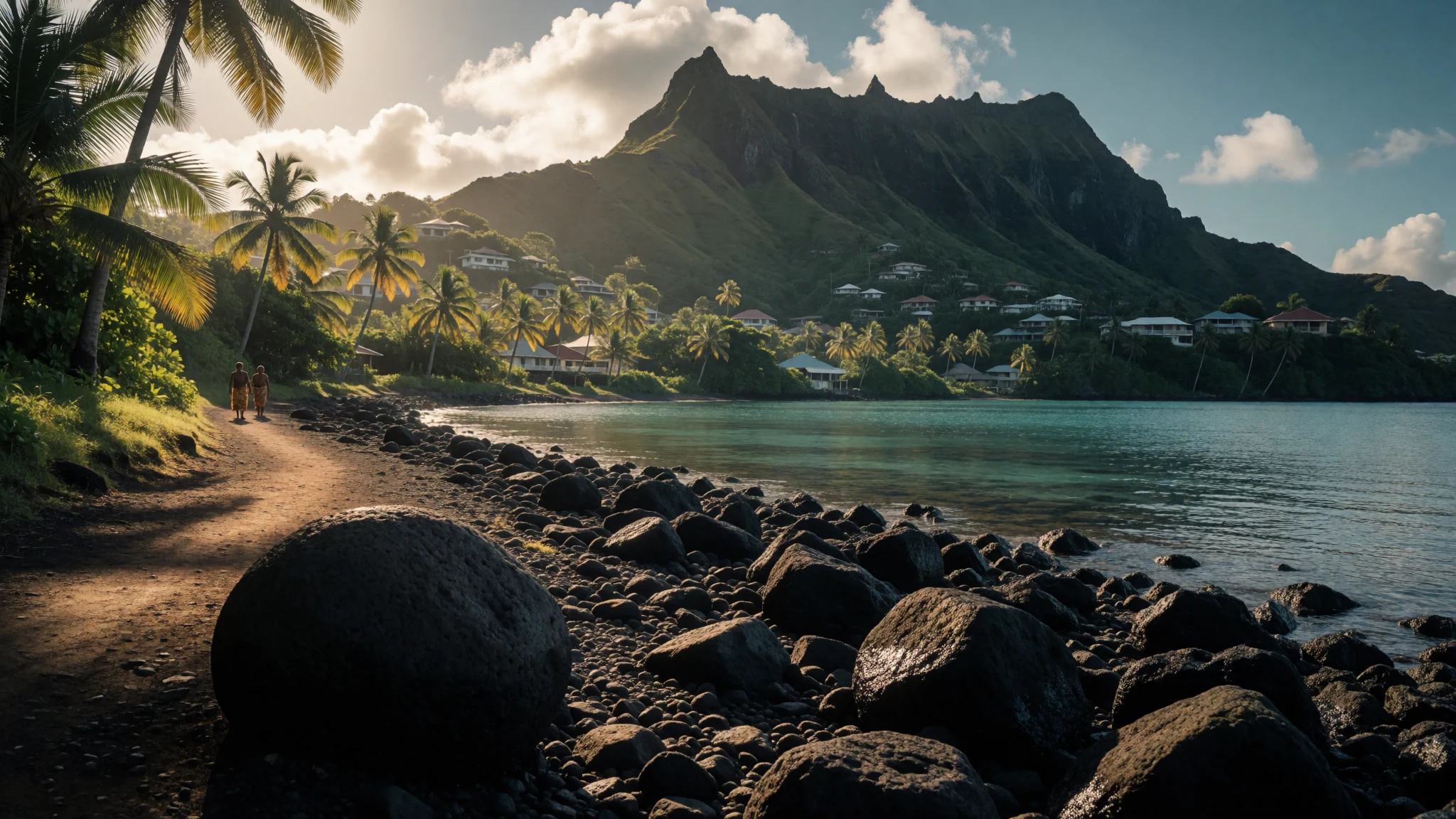
Weno is Chuuk's working capital and the doorway to a lagoon of sunken Second World War ships, best for divers and history-minded travellers.
The place
Weno, once called Moen and known in Chuukese as Wééné, is the island where most of Chuuk State's daily life happens. It sits in the Namoneas part of Chuuk Lagoon, a sheltered sea ringed by reef, and holds the state capital, the main shops, and the airport village of Iras. With roughly 14,000 residents, it is the most populous municipality in both Chuuk and the Federated States of Micronesia. The land measures about 19 square kilometres and rises in steep volcanic hills, so houses and roads crowd the coastal fringe. A few flatter patches exist, some from reclaimed land and some from groundwork laid by the Japanese military during the Second World War. Mount Teroken is the island's high point. Small neighbours sit close by: Fono just to the north, and Tonoas and Fefen to the south. Guam lies a long way to the north-west, which is why most flights arrive by way of it. Weno is not a resort island. There are no proper beaches, lodgings are modest, the main road is mostly unpaved, and there is no public transport. What draws people is the water around it, a lagoon full of wrecks. For Chuukese people the island also carries deep meaning as an ancestral homeland. Visitors who arrive with realistic expectations and an interest in diving or history tend to leave fond of it.
Its story
Weno's story begins in oral tradition. Chuukese accounts name Sowukachaw as the leader of the first settlers, who made a home at a place called Wunuunganata, meaning "high place". From there the social order of Chuuk took shape and his descendants spread across the island and the wider state. That site is now called Nantaku and houses the state government complex. Other traditions say the first settlers came from Kosrae in the fourteenth century, and excavations around Iras broadly support a long human presence. Europeans arrived late. In 1565 the Spanish captain Alonso de Arellano slipped into the lagoon, met islanders who guided him toward a place that may have been Iras, then saw hundreds of canoes surge out and sailed on without landing. The first recorded landing came in 1844, when the Scottish trader Andrew Cheyne came looking for bêche-de-mer, or sea cucumber, and was at first welcomed by local people. The twentieth century brought Japanese administration and a major naval base in the lagoon. In 1944 American forces struck that base in Operation Hailstone, and dozens of ships and aircraft settled on the lagoon floor. A local man, Kimiuo Aisek, opened Weno's first dive shop in 1973, turning the wrecks into the island's main industry. A museum in his name followed in 2014.
What to see
- Wreck diving in Truk Lagoon — Chuuk Lagoon, reached by boat from Weno
Weno is the base for diving the lagoon's wrecks, which were sunk in 1944 and now sit mostly at depths suited to recreational divers. The reef shelters them from strong currents. The Fujikawa Maru is the wreck diving magazines mention most often. Most visitors arrive for this alone.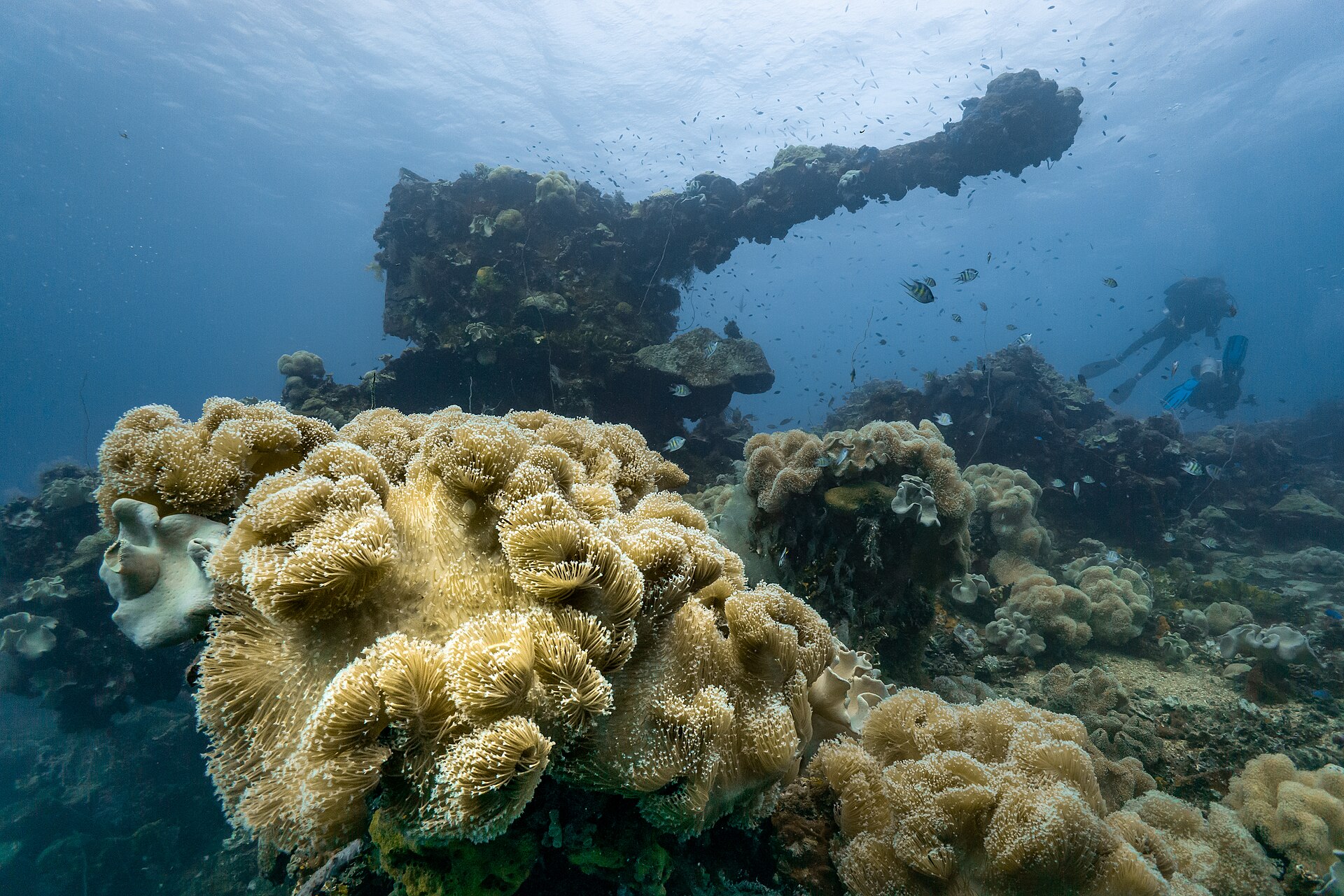
- Kimiuo Aisek Memorial Museum — Weno, beside the original dive shop
Chuuk State's first museum stands beside the dive shop founded by the man who started the island's wreck-diving trade. It is a sensible first stop to understand what lies under the lagoon and why local people care about protecting it. Opening times change, so ask locally before going. - Nantaku — Weno, the state government district
Nantaku is the old Wunuunganata, the legendary first settlement of the Chuukese, and today the administrative centre of the state. The government complex and other public buildings gather here. It is useful for seeing how the capital works, and for hearing local stories about the place's older meaning. - Tonnachau Mountain and the island's hills — Iras and the interior hills
The steep green ridge behind Iras shows Weno's volcanic bones better than any shoreline walk. Mount Teroken is the island's high point. Hiking routes are informal, so go with a local guide, take plenty of water, and expect mud after rain.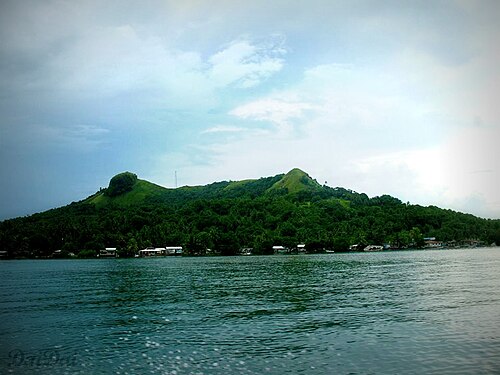
- Iras and the airport shore — Iras, north Weno
Iras is where flights land and where archaeologists have found some of the island's oldest traces of settlement. The village is also worth a slow wander for everyday scenes: boats on the water, children walking home from school, and the lagoon opening out beyond the runway.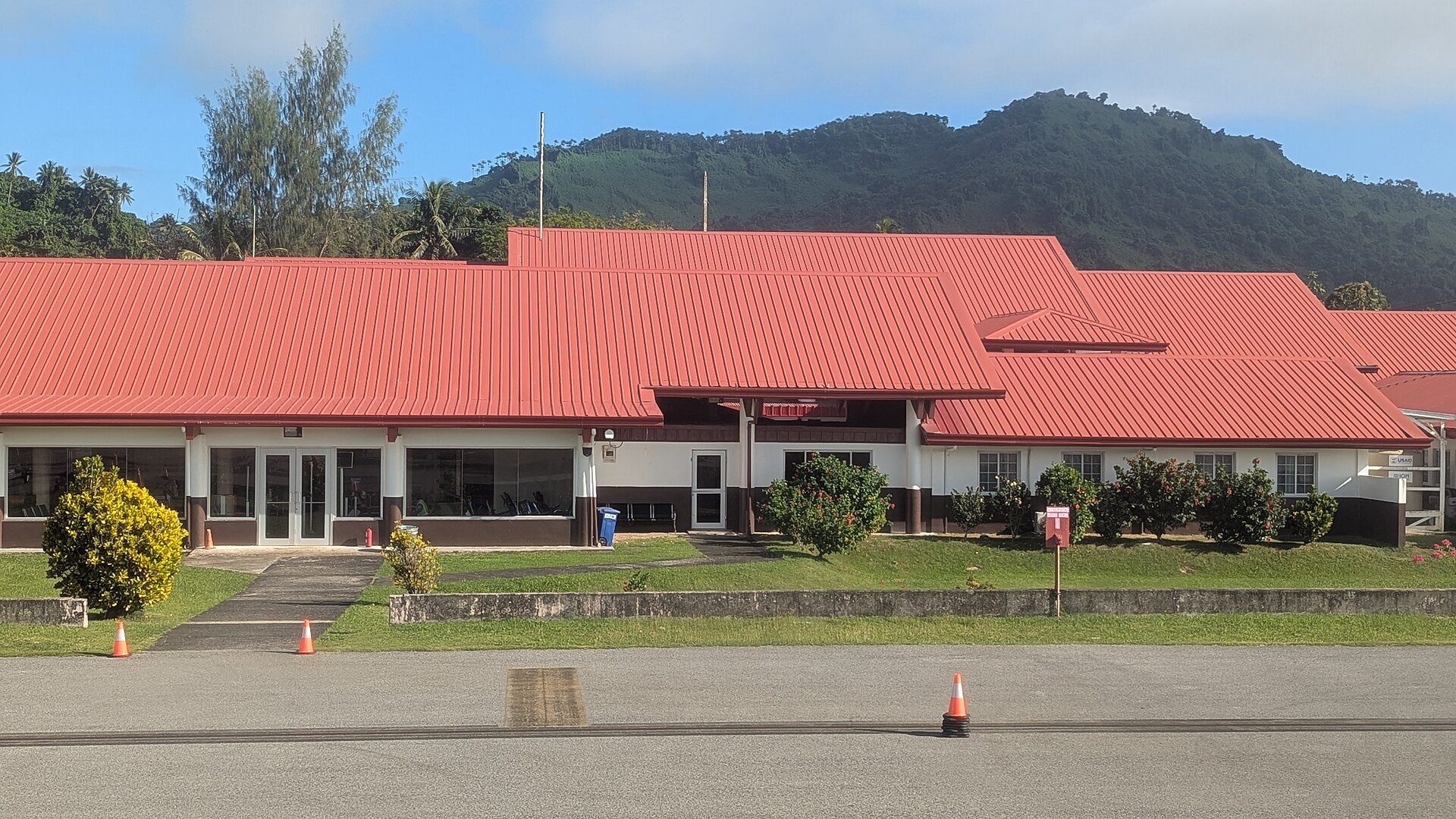
Culture
Weno is the cultural heart of the Chuukese people, who treat the island as their ancestral homeland. The founding legend of Sowukachaw and the settlement at Wunuunganata still frames how many people think about clan, land and leadership. Family and clan ties matter more than visitors might expect, and a stranger is usually introduced through someone known to the household. Church is central to community life, and Sundays are quiet, with services, family meals and rest taking priority over activity. The Second World War is part of living memory in many families, and the wrecks that draw divers are also graves and war relics, so local people expect respect at the dive sites. Social manners lean conservative. Interaction between men and women who are not related is read more seriously than in many countries, so a friendly chat can be interpreted as interest. Hospitality is real but unhurried, and plans often move with the weather, the boat and the family. Poverty is visible, and visitors should adjust expectations of comfort rather than comment on it. Asking before photographing people, homes or church services is both courteous and wise. When you visit a village or a family compound, ask permission before entering, dress modestly, and never take anything from a wreck, however small.
What to wear
Weno's traditional dress was made from plant fibres, with wrapped lower garments for both men and women, and cloth woven on backstrap looms in parts of the Chuuk islands. Today it appears mainly at dances, church and community celebrations, often with garlands of flowers and leaves. Everyday clothing is simple, modest and practical for heat: cotton T-shirts, shirts, lavalava wraps and knee-length or longer skirts and dresses, usually worn with sandals or flip-flops. Women typically cover their knees and shoulders in public, and swimwear belongs in the water or at the main dive resorts, not on the street. Visitors should pack light, quick-drying cotton or linen in a conservative cut. Women should skip shorts and short skirts away from the resorts, and everyone should keep a T-shirt to wear over swimwear near public shorelines. Church visits call for covered shoulders and knees. Bring sturdy sandals or trainers for unpaved roads, which turn muddy and potholed in rain, and reef shoes for any shoreline entry, because coral is sharp. A light rain jacket and a brimmed hat are more useful than anything dressy. Evenings are casual everywhere, and nobody expects smart clothes at a restaurant.
What to eat
- Fresh reef fish — Waterfront restaurants on the lagoon side of Weno
Fish from the lagoon is the island's staple protein, usually grilled or fried and served with rice. Quality depends on the day's catch, so ask what came in. It suits a plain squeeze of lime and a slow lagoon view. - Breadfruit — Family meals, community feasts and roadside stalls
Breadfruit is a traditional starchy staple, boiled, roasted or fried, and eaten much as potatoes would be elsewhere. It is seasonal, so it may not always be on offer. Home cooking and family gatherings are the most reliable places to try it. - Taro and coconut dishes — Village homes and community events
Taro, the starchy root, and fresh coconut underpin many traditional meals and sweets. Expect dense, mild flavours rather than spice. These dishes are easiest to find when invited into a home or a church or community gathering. - Pizza, wings and steaks — Eateries around the town centre of Weno
Imported tastes sit alongside local ones, and a few town eateries serve pizza, chicken wings and steaks aimed at residents and visiting divers. Portions are generous, and most ingredients are brought in, so the menu can shift with supply. - Takeaway rice plates — Budget takeaway counters in the main town
For a cheap, quick meal, small budget eateries sell takeaway plates of rice with fish, chicken or pork. They suit days on the water when divers want something filling to carry. Alcohol is imported and heavily taxed, so drinks cost far more than food.
Plan it
Best time. January to April is usually the drier part of the year, with calmer seas for boat trips and less rain on the unpaved roads. The lagoon is warm year-round, so diving is possible in any month, though heavy showers and humidity are normal.
How long. 4–7
Getting there. Fly to Chuuk International Airport (TKK) at Iras, the only airport serving Chuuk State. United flies in from Guam and from Pohnpei, and the route from outside the region usually passes through US territory, so check passport and onward-ticket rules for your nationality before booking. Taxis and hotel or dive-operator transfers cover the last leg to lodgings.
Budget. high
Tips
- Book dive operators and lodging well ahead, as there are few operators and only a small number of places to stay
- Bring cash in US dollars for taxis, small shops and snacks, and check whether your lodging takes cards
- Carry drinking water and sun protection, because heat and humidity are constant
- Expect limited amenities and no public transport, so arrange transfers before you land
- Avoid walking alone after dark on the main islands
Etiquette
- Dress conservatively away from the resorts, and cover swimwear with a T-shirt near public beaches
- Ask before photographing people, homes or church services
- Leave wrecks and artefacts untouched, as they are war relics and graves
Nearby
Sources
- Wikidata Q1009384 (CC0)
- Wikipedia: Weno (CC BY-SA 4.0)
- Wikivoyage: Chuuk (CC BY-SA 4.0)
- Weno Chuuk Mountain, Lnoboru (CC BY 3.0)
- Weno island 2, Motoki Kurabayashi (CC BY-SA 4.0)
- Haru-shima school in Weno island, 1931 (Public domain)
- Weno island, Motoki Kurabayashi (CC BY-SA 4.0)
- Soil map of Moen and Dublon islands, USDA (Public domain)
- Weno Island districts, Ratzer (Public domain)
- Diving in Truk Lagoon, montereydiver (CC BY 2.5)
- Chuuk airport, Zykasaa (CC BY-SA 4.0)


