Trashigang Dzong
Trashigang Dzong, Bhutan
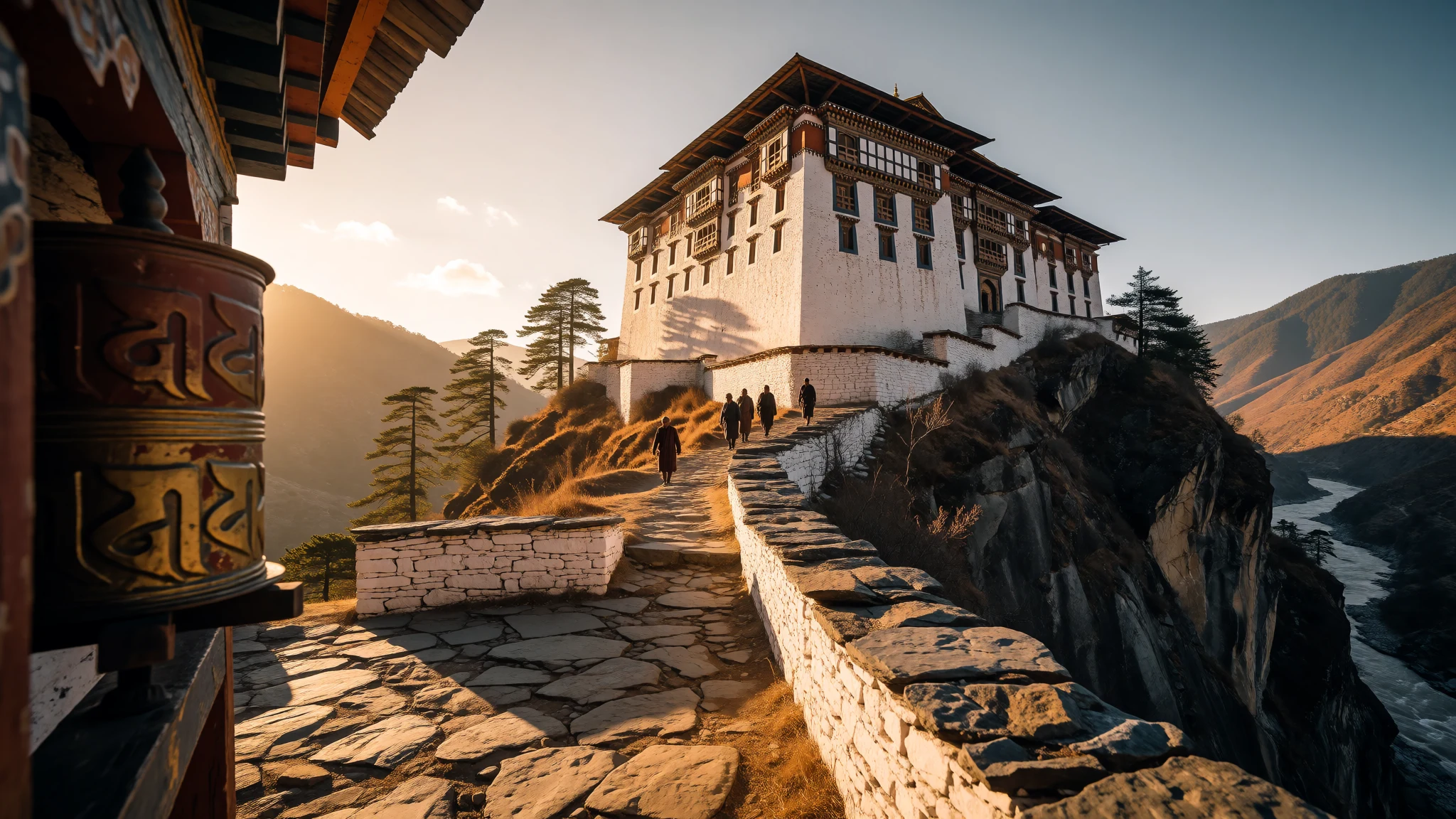
Trashigang Dzong is a 1659 fortress on a cliff-edged ridge in eastern Bhutan, high above two rivers, where a festival fills its courtyard each year.
The place
Trashigang Dzong stands in the far east of Bhutan, on a ridge above the town of Trashigang. Its name in Dzongkha means the Fortress of the Auspicious Hill, and the setting explains why. The ground drops away steeply on three sides, and far below, the Drangme Chhu and Gamri Chhu rivers run through the valley. Approaching from town, the whitewashed walls and the temple roofs above them seem to grow straight out of the rock.
Like every dzong, it was built to do two jobs at once. It was a fortress, raised in 1659 against threats from Tibet, and it was a seat of government and religion. For centuries the district administration and a monastic community shared its courtyards and halls. That mix of prayer and paperwork is the defining trait of Bhutan's dzongs, and Trashigang is a clear example in the east.
It is described as one of the largest dzongs in the country, though visitors will judge its scale best by walking the outer walls and looking up from the road below. The town itself is small and spread down the hillside, and eastern Bhutan is far quieter than the western valleys, so expect few other travellers.
One practical point matters before any visit. The dzong has been under long restoration work after earthquake damage, and the monks and the district offices were moved out while it went on. Access to the interior can change, so ask locally or through a guide before planning around it. Even from outside, the position is the main reward: the fort, the river gorge and the layered hills make a view worth the long drive east.
Its story
Trashigang Dzong dates to 1659. According to the record, Ngawang Namgyal prophesied that a fortress would rise on this ledge, and he ordered the Penlop of Trongsa, Chhogyal Minjur Tempa, to subdue the local chieftains and build it. The chosen site had cliffs on three sides, which made it a strong defensive position over the two rivers below.
A well-known legend says the Tibetan army took one look at the fort and lost heart. They are supposed to have retreated, remarking that it was a sky dzong, not something resting on the ground. Whatever the truth, the story captures how the building appears from the valley floor: perched, remote and hard to reach.
The dzong did not stay as first built. Gyalsey Tenzin Rabgye enlarged it between 1680 and 1694, and Dzongpon Dopola added to it in 1936. It was consecrated and named Trashigang by Dudjom Jigdral Yeshe Dorje.
A more modern episode is told here too. After the 1962 Sino-Indian War, Bhutan let Indian soldiers returning home cross eastern Bhutan, on condition that they left their rifles in the dzong's armoury and travelled on unarmed. The rifles are said to remain there still.
The building has also had to be repaired. The 2009 earthquake, centred about 16 km from the dzong, opened wide cracks in the walls. Emergency repairs were supported by the World Monuments Fund, the Prince Claus Fund and the Bhutan Foundation, and in 2014 the Government of India set aside funds for a full renovation, using local timber and stone.
What to see
- The dzong from Trashigang town — Trashigang town
The best first look is from the town below, where the north-western corner rises above the rooftops. The whitewashed walls sit on a rock spur with the golden-topped temple behind. Come in clear morning light, when the fortress stands out against the hills and the valley air is still.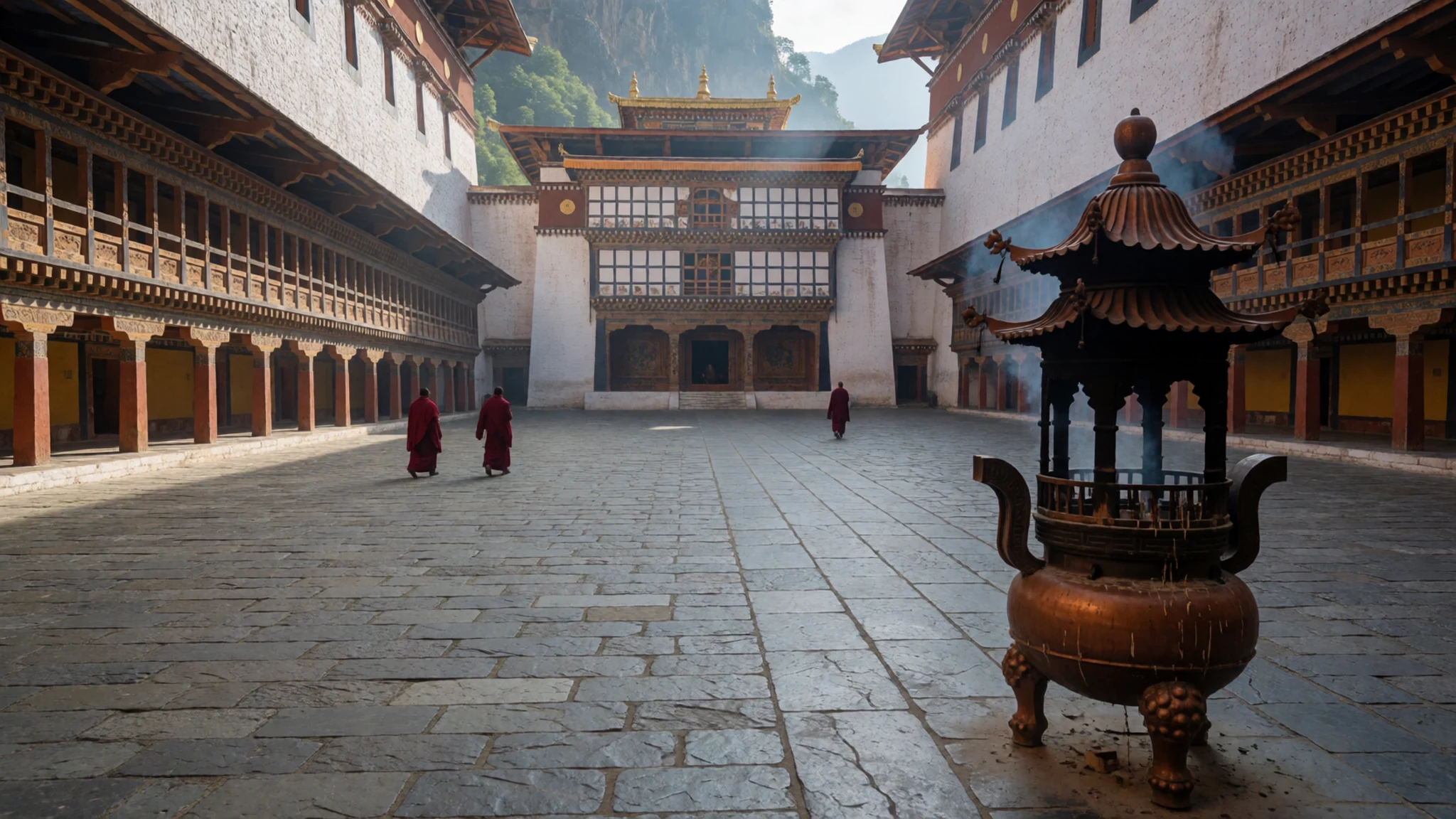
- The view from the rear and the ridge — Ridge above the town
Seen from behind, the dzong shows how it uses the land: the walls follow the edge of the ledge and drop into steep ground. Walking or driving round the ridge gives a sense of the defensive logic that guided the builders in 1659, and better photographs than the front.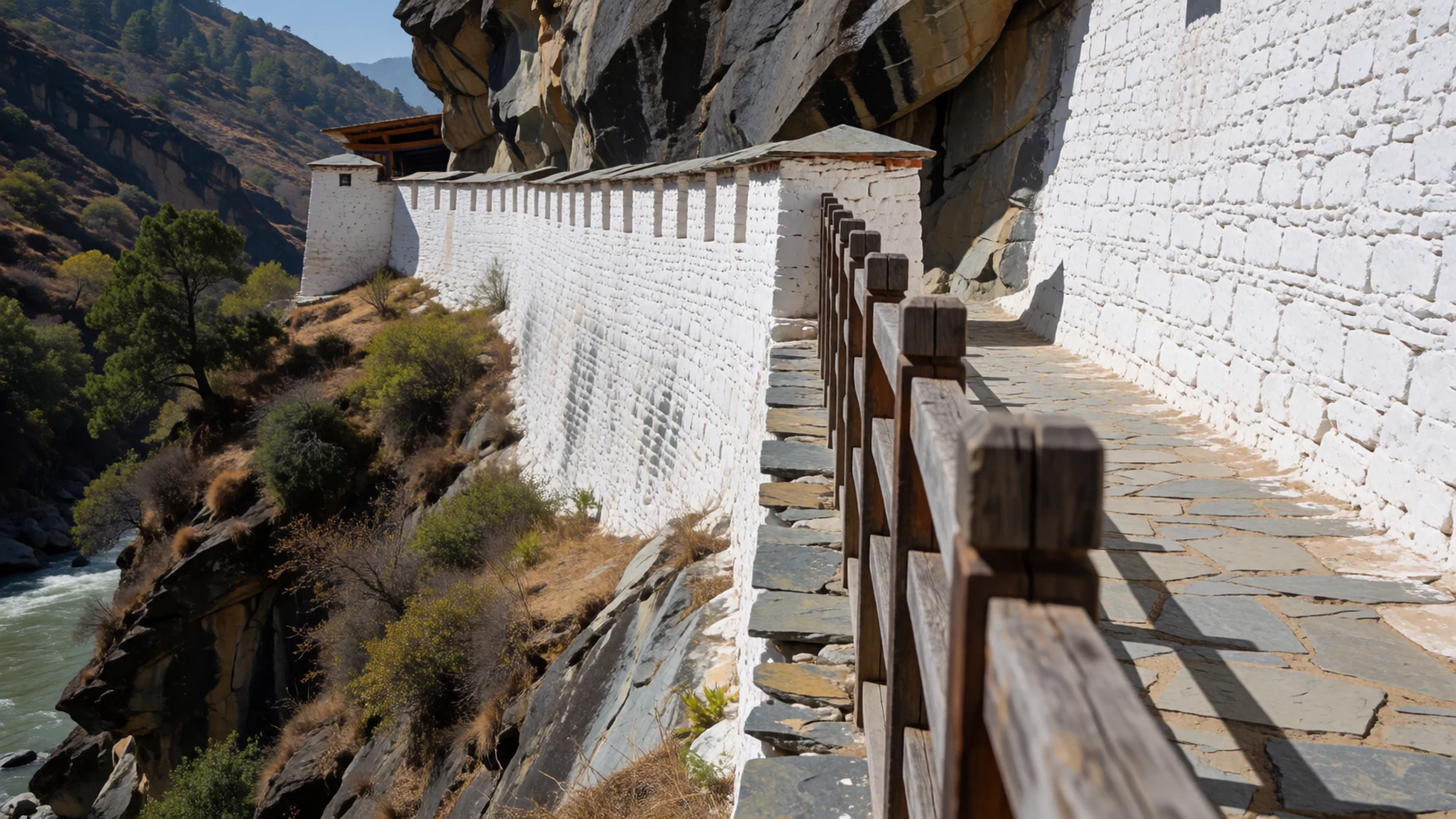
- The courtyard and temple, if open — Inside the dzong
Inside a dzong, the main courtyard is the heart of the place, with the temple on one side and the administrative wing on the other. Because restoration has moved the monks and officials elsewhere, check locally whether the interior is open. If it is, a guide will explain the carved and painted woodwork.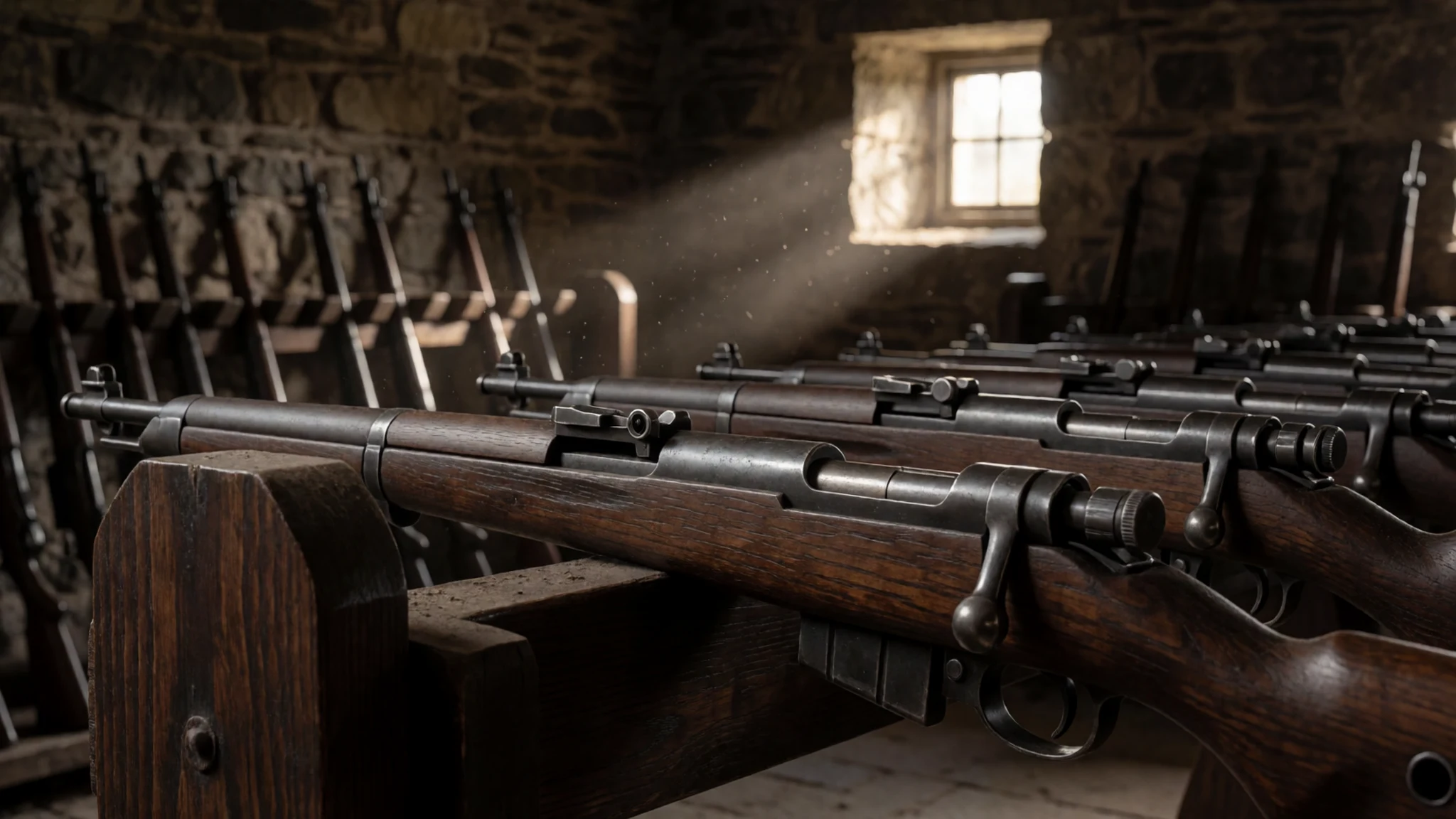
- Trashigang Tshechu — Dzong courtyard
The four-day Tshechu festival is the best reason to time a visit. Masked dances fill the courtyard, and around 1,500 people attend each day. Dancers rehearse beforehand, which can be just as interesting and quieter. Dates follow the Bhutanese lunar calendar, so confirm them with a tour operator well ahead.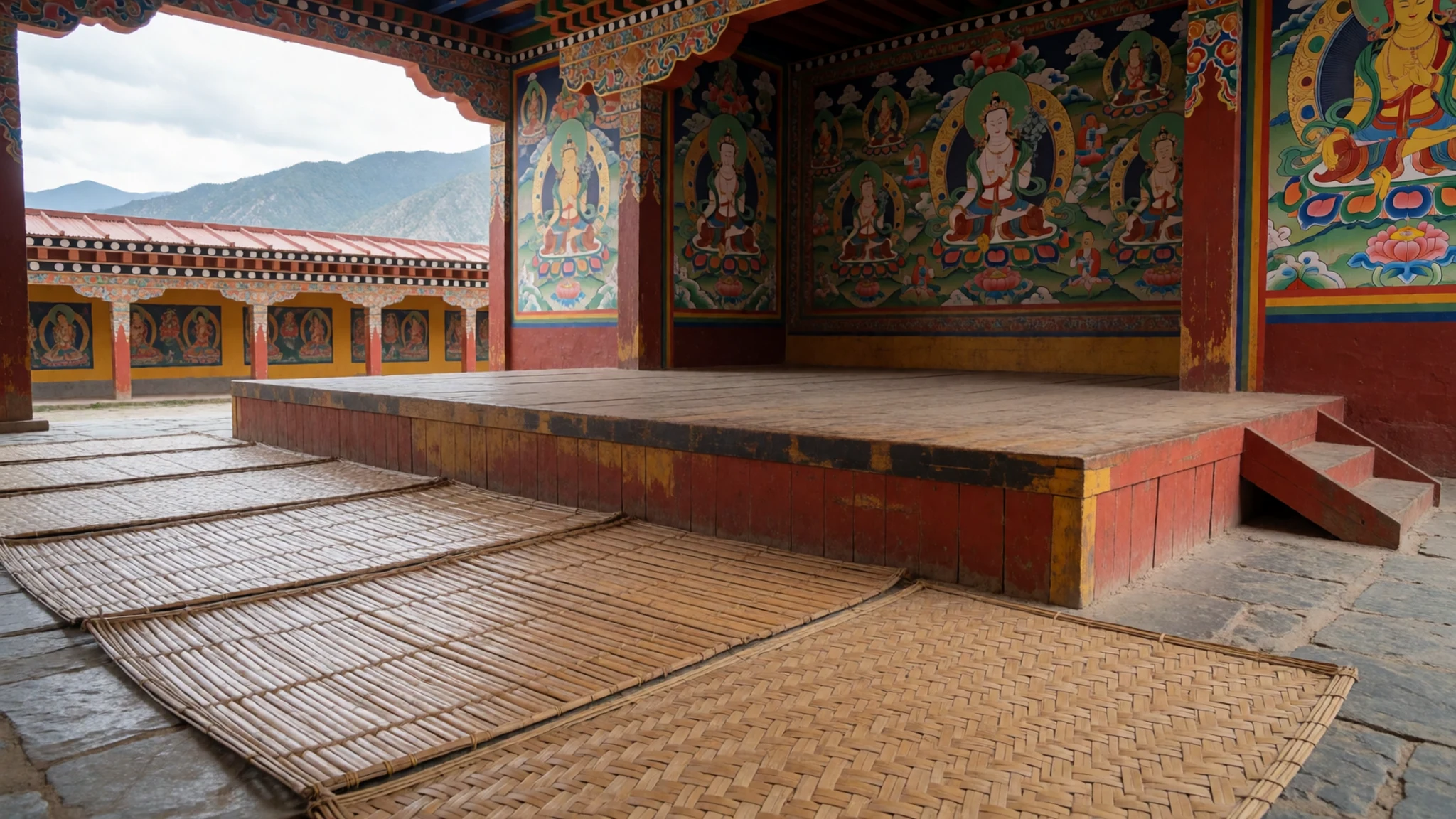
- The river gorge viewpoints — Road above the Gamri Chhu
Below the fortress, the Drangme Chhu and Gamri Chhu carve out the valley that made the site so defensible. Viewpoints along the road give a long look across the gorge to the dzong on its spur. This is the picture that explains the Tibetan army's supposed reaction.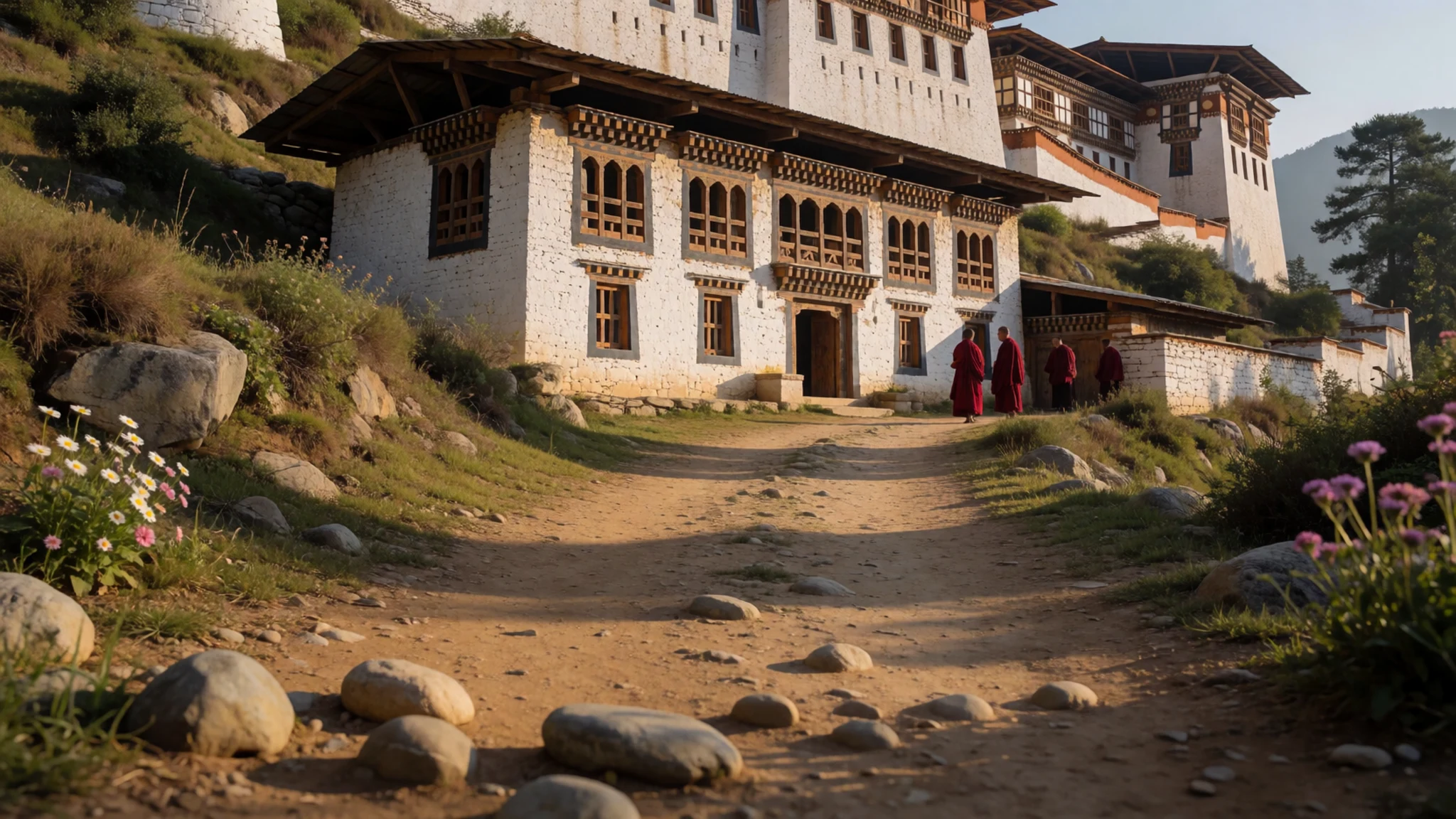
Culture
Trashigang Dzong belongs to Bhutan's Buddhist tradition, in which a dzong is both a monastery and the local seat of government. For centuries, monks and civil officials worked inside the same walls, and the calendar of rituals shaped public life in the district. Restoration has moved both communities out for now, but the dzong remains the centre of local identity.
The main annual event is the Trashigang Tshechu, a four-day festival with around 1,500 people attending each day. A tshechu is a religious gathering built around masked dances, performed by monks and lay dancers in the courtyard. The dances carry teachings and blessings, and people dress in their best to attend. For many families it is as much a social occasion as a devotional one, with relatives travelling in from distant villages.
The region around Trashigang is in the east of Bhutan, and the people here have their own language and customs, which differ from those of the western valleys. A visitor will notice this in dress, in speech and in local food, and a guide can help explain it.
The armoury story shows another side of the dzong's role. After 1962, Indian soldiers left their rifles here while crossing Bhutan, and the rifles are said to remain. Few buildings hold such a mix of faith, defence and diplomacy.
When you visit the dzong or watch the festival, dress neatly, remove your hat and shoes where asked, and ask a monk or guide before photographing dancers or inside any temple.
What to wear
In Trashigang, as elsewhere in Bhutan, traditional dress is the gho for men and the kira for women. The gho is a knee-length robe tied at the waist with a belt, worn with long socks. The kira is an ankle-length wrapped dress, fastened at the shoulders and worn with a short jacket called a toego. Both are made from handwoven cloth, often cotton or wool, and the eastern region is known for patterned weaving. Men also wear a scarf called a kabney, and women a rachu, in colours that mark rank or occasion, with the style of wear set by national dress rules.
These clothes are not only for festivals. Government staff, school pupils and many people in town wear them daily, especially in offices and at the dzong. Around the market and in the evening, people also wear jeans, jackets and trainers, and in cold months fleeces and woollen layers.
For visitors, comfort and respect matter most. Trashigang sits on a hillside, and the dzong approach involves slopes and steps, so wear sturdy shoes with a good grip. Days can be warm and nights cool, so bring layers and a rain jacket. At the dzong and any temple, cover shoulders and knees, avoid shorts and sleeveless tops, and carry a scarf or light shawl. Remove hats and sunglasses before going in. At the Tshechu, dress a little smarter than for sightseeing, as locals do.
What to eat
- Ema datshi — Local eateries in Trashigang town
Chillies cooked in a cheese sauce, often called Bhutan's national dish. It is hot, rich and eaten with rice. Ask for it milder if you are unsure. Find it at almost any local eatery in Trashigang town.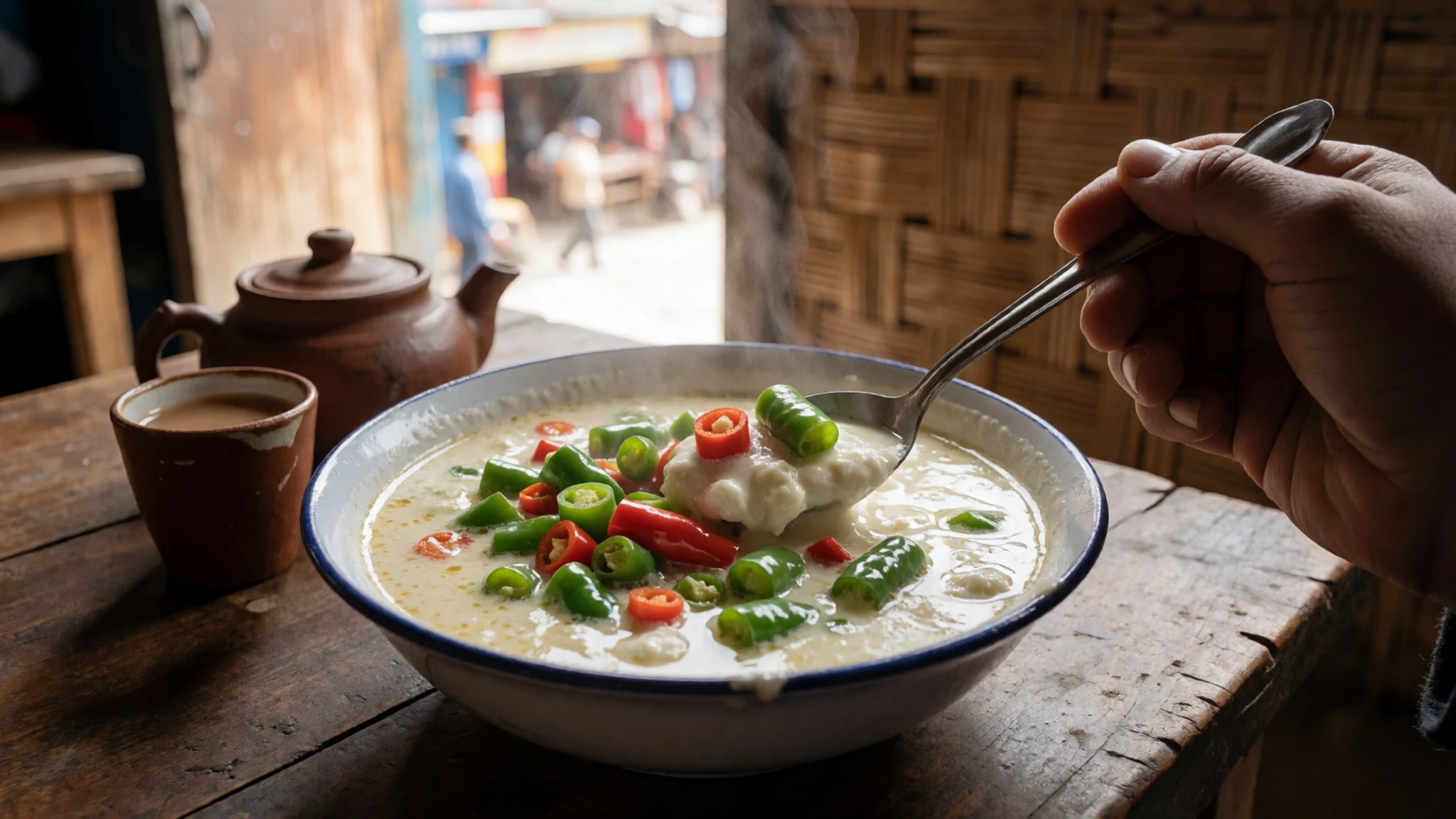
- Red rice — Any restaurant or home meal
A nutty, slightly chewy rice, grown in Bhutan and served with most meals alongside vegetable and meat dishes. It is more filling than white rice and comes with nearly every set meal.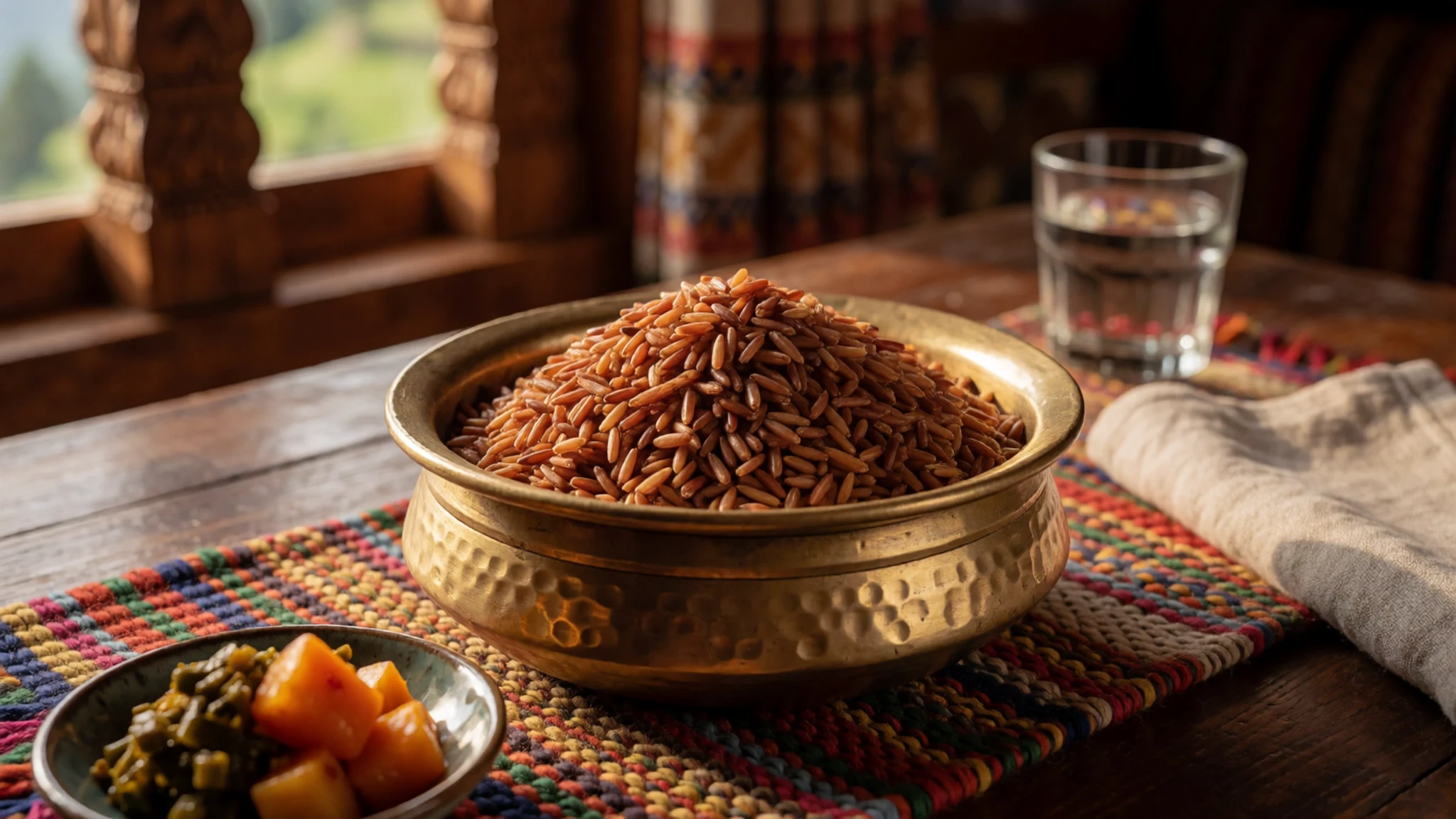
- Phaksha paa — Small restaurants in town
Pork cooked with dried chillies and sometimes radish or greens. It is a hearty, spicy stew, good on a cool evening. Order it at a simple eatery and share it with rice. - Momos — Tea stalls and small cafes near the market
Steamed dumplings, usually filled with cabbage, cheese or meat, served with a chilli dip. They are an easy snack between sights and a safe choice if you are new to local spice. - Suja and ara — Village homes and festival stalls
Suja is salted butter tea, an acquired taste that locals drink all day. Ara is a local spirit made from grain, often offered at homes and festivals. Try both when offered, and take small sips.
Plan it
Best time. March–April and October–November usually bring clearer skies and milder weather, and these are good months for views of the valley. Summer monsoon rain can make roads slow, and winter nights are cold. If you want the festival, check the Tshechu dates first.
How long. 2–3
Getting there. Fly to Paro, Bhutan's international airport, then travel east by road through the central valleys; the journey to Trashigang is long and takes more than a day with stops. Most visitors travel with a licensed operator and driver. Confirm routes and conditions before you go.
Budget. mid
Tips
- Book through a licensed Bhutanese tour operator well ahead, especially for festival dates
- Check whether the dzong interior is open, as restoration has changed access
- Allow extra time for the long mountain roads and expect slow travel in rain
- Carry some cash, as cards may not work in small eateries
- Bring layers, since the weather changes between valley and ridge
Etiquette
- Dress modestly and remove hats and shoes when entering temples
- Ask before photographing monks, dancers or inside shrines
- Walk clockwise around religious buildings and keep your voice low
Nearby
Sources
- Wikidata Q30623063 (CC0)
- Wikipedia: Trashigang Dzong (rev 1376854397) (CC BY-SA 4.0)
- Christopher J. Fynn, Tashigang Dzong 111120 (CC BY 3.0)
- Christopher J. Fynn, Trashigang Dzong rear (CC BY 3.0)
- Christopher J. Fynn, Trashigang Dzong (CC BY 3.0)
- Arian Zwegers, Trashigang Tshechu (CC BY 2.5)
- Franzfoto, Trashigang Dzong über dem Gamri Fluss (CC BY-SA 2.0)
- Wikivoyage (CC BY-SA 4.0)


