Topes de Collantes
Topes de Collantes, Cuba
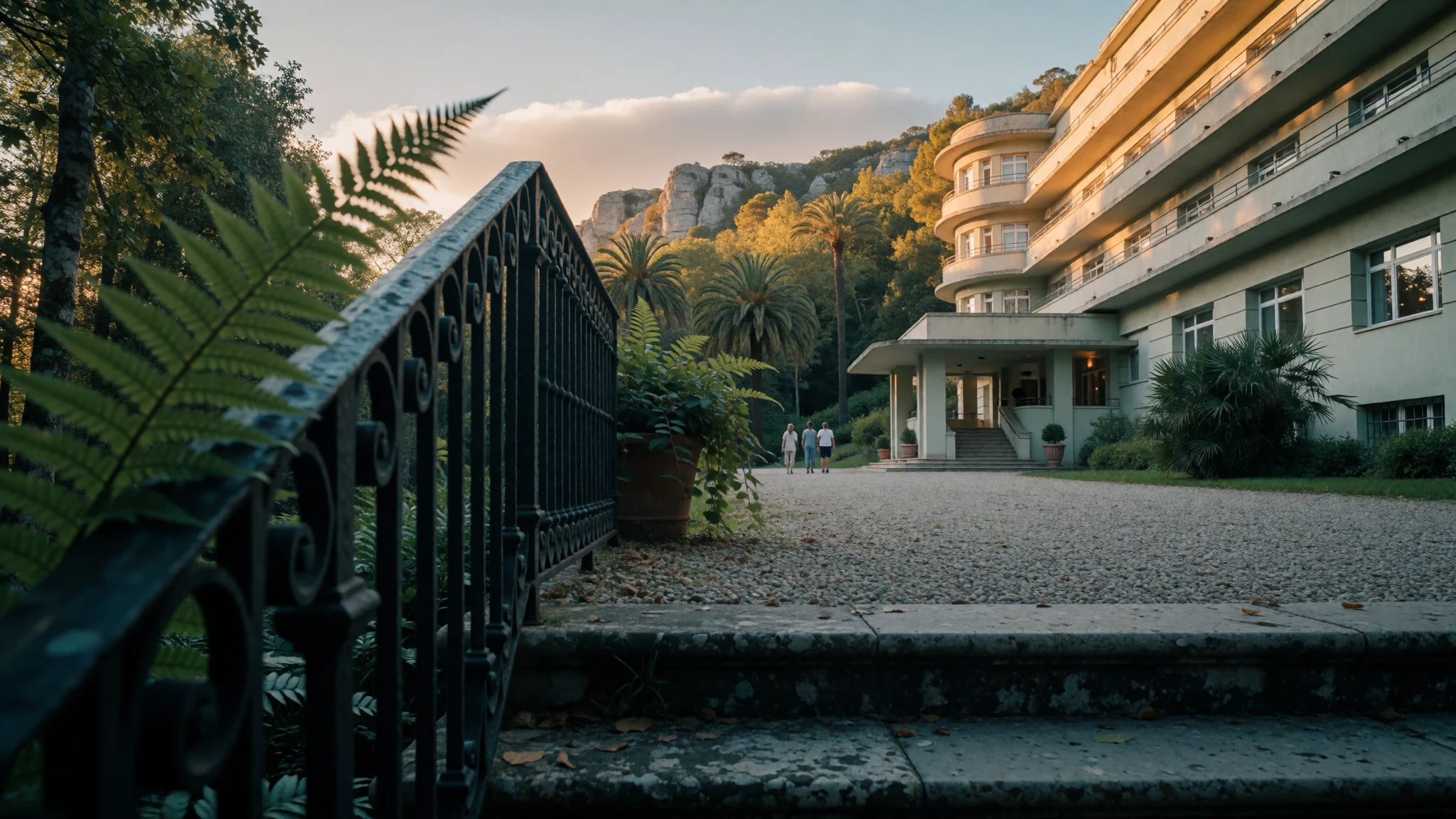
Cool, green Escambray hills above Trinidad, with waterfalls, swimming pools in the rock and a strange Art Deco sanatorium in the forest.
The place
Topes de Collantes is a protected mountain area and a small village in the Escambray range of central Cuba, with the village itself at about 737 m above sea level. The range is shared by three provinces: Villa Clara to the north, Cienfuegos to the west and Sancti Spíritus to the east. That split matters on the ground, because the slopes behave differently depending on which way they face. Moist air from the Atlantic feeds the northern side, which is thick with ferns, tall trees and animals that like damp shade. The southern side is drier, and it looks down towards the colonial town of Trinidad and the Valle de los Ingenios, both UNESCO-listed sites from the sugar age.
The scenery is steep, green and cooler than the coast. Forested limestone hills, waterfalls, plunge pools, caves and viewpoints are the main attractions, and the park is organised into several separate visitor areas, each with its own trails and usually a simple restaurant. Some are closer to Trinidad, others are reached more easily from Cienfuegos or from the Hanabanilla reservoir on the northern side. Distances between them are real, so planning around one or two areas works better than trying to cover all of them.
The village is small and practical, built around a large health resort and a mountain campus rather than a market square. Mornings are often misty, afternoons can bring cloud and rain, and the air is noticeably softer than in Trinidad below. The highest summit, San Juan, lies inside a military zone and cannot be climbed, so walkers aim for waterfalls and lookouts instead.
Its story
Topes de Collantes owes its present shape to a hospital. Before it, the hills were home mostly to coffee growers scattered across the slopes. In 1954 the Batista government commissioned a vast Art Deco sanatorium here for tuberculosis patients, on the reasoning that cool, clean mountain air would help recovery. A popular story says the president's wife was unwell, took to the area and had a private cottage built; it is best treated as local lore rather than record. The building itself is real and hard to miss, a long, ship-like block rising out of the forest.
After the revolution the sanatorium continued to treat tuberculosis patients. By the middle of the 1970s it had turned back towards health, reopened as a hotel for rehabilitation and therapy, and it still holds a large collection of Cuban paintings spread through its 210 rooms and public halls. A workers' settlement grew beside it, which is essentially the village today. In the 1980s a mountain campus of the Las Villas university was added.
The Escambray has a harder history too. Rebels used the dense forest as cover against Batista during the revolution, and in the 1960s armed groups opposed to the new government hid there in turn. A museum in Trinidad covers that later struggle. More recently, links to Trinidad and the beaches of the Ancón peninsula have brought a few more hotels and a villa resort for visitors, though the place still feels like a health retreat first.
What to see
- The Kurhotel and its paintings — Topes de Collantes village
The old sanatorium, now a spa hotel, is the landmark of the village. Its long Art Deco frontage looks out of place among the trees, and inside, corridors and lobbies carry a big collection of Cuban art. Non-guests should ask at reception whether a look round is possible.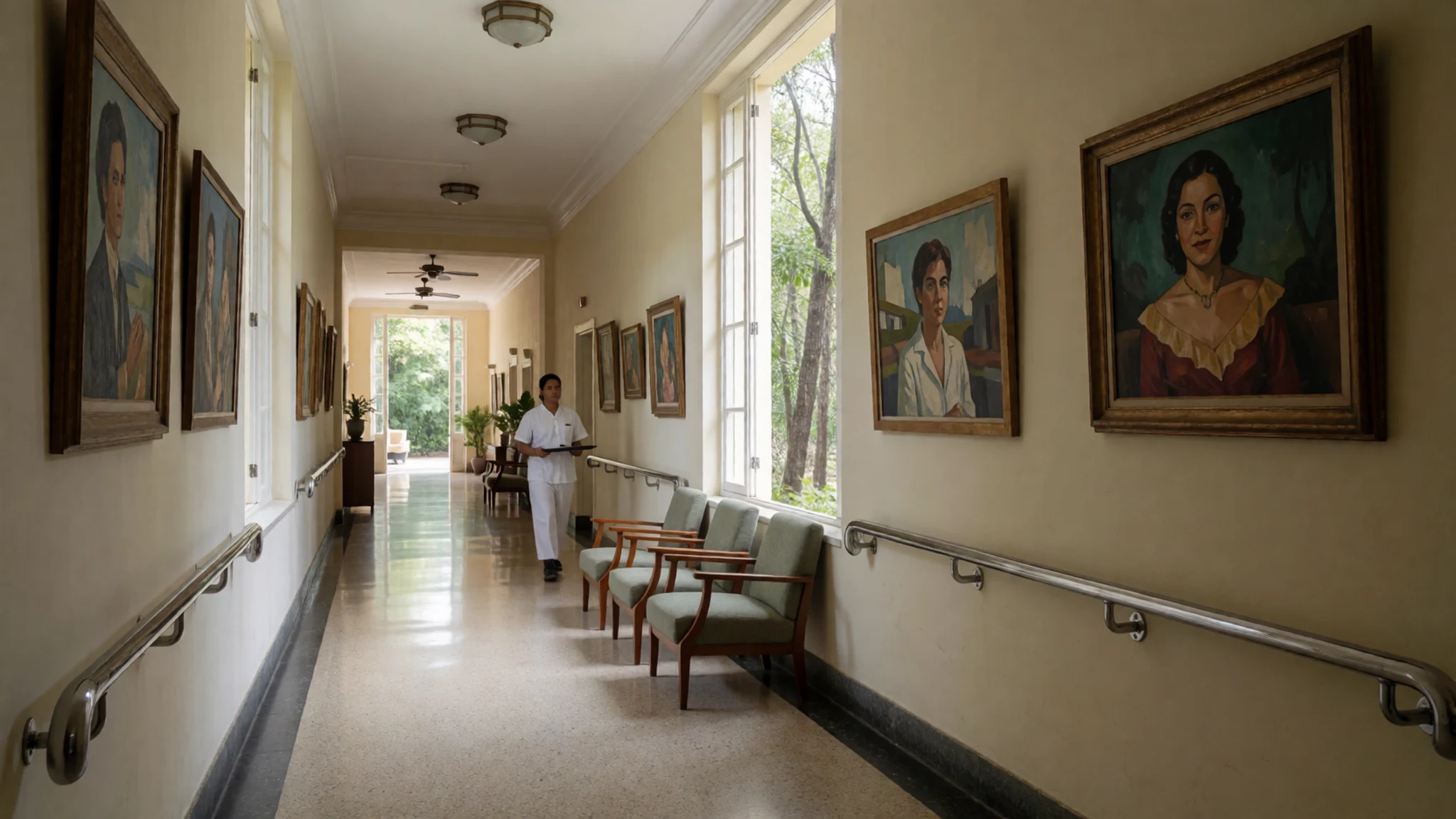
- Parque Altiplano and Parque Codina — Near the village
These neighbouring areas are the most developed part of the reserve, with a restaurant serving tour groups. Trails lead to waterfalls, caves and viewpoints, and birdwatching is good in the early morning. Expect company from organised groups by mid-morning, so start walking before they arrive.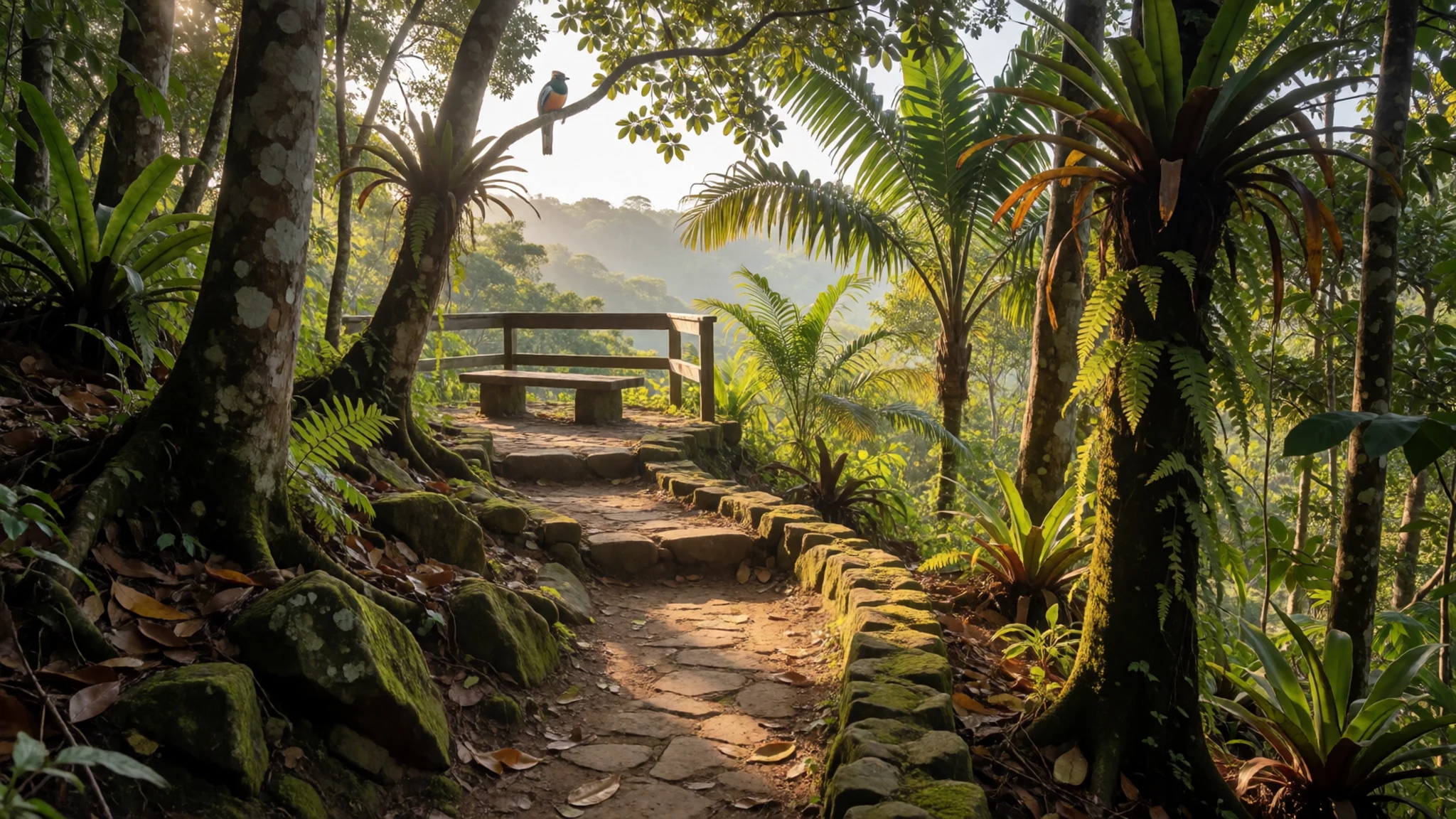
- Caburní falls and river pools — Southern slopes, near the village
The Caburní river drops through a series of falls and natural pools that suit a cooling swim after a humid walk. The path is steep and can be slippery, and small green anoles bask on rocks beside the water. Bring grippy shoes, a towel and water.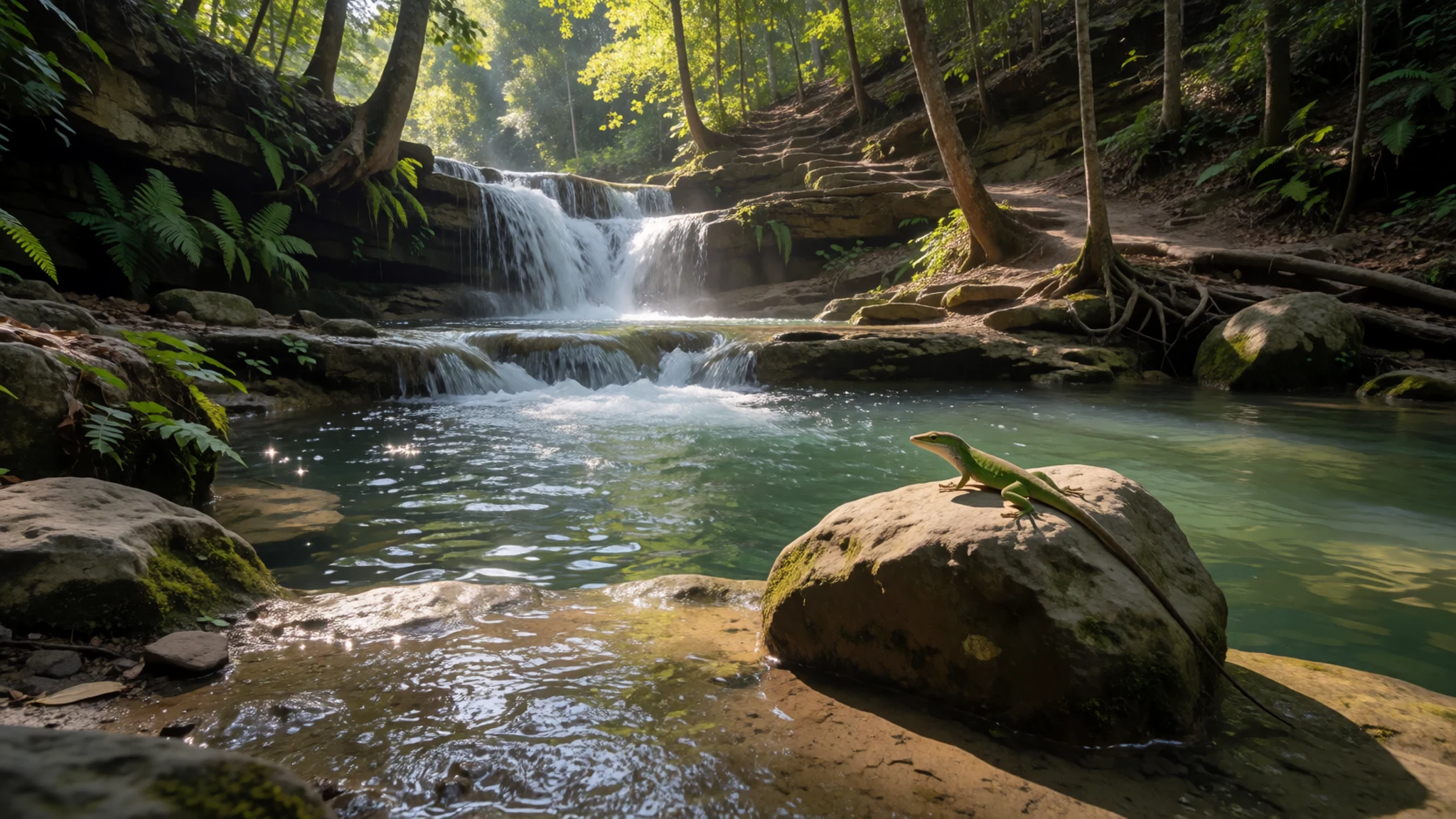
- Parque El Nicho — Cienfuegos side of the range
El Nicho is a run of waterfalls tumbling into clear blue pools on the western side. It is reached from Cienfuegos, a drive of one to two hours each way, on a road that is good at first and rougher later. It gets busy in summer, so solitude is unlikely.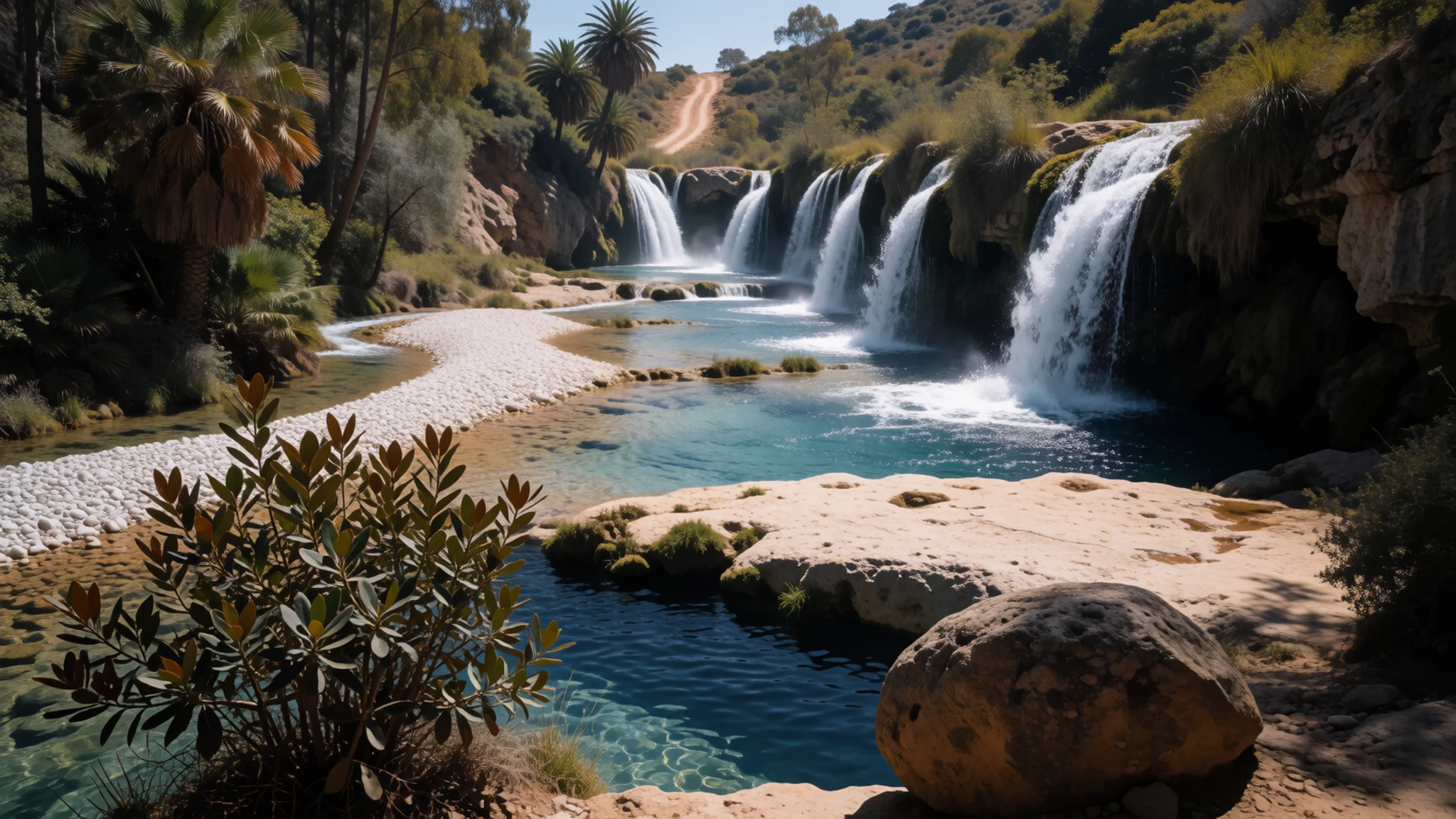
- Embalse Hanabanilla — Northern side, near Manicaragua
This large reservoir on the northern side of the range suits slower days: boating, fishing, horse riding and short hikes from the lakeside hotel. Manicaragua is the nearest town. It draws mostly Cuban holidaymakers, so it feels quieter and less polished than the southern parks.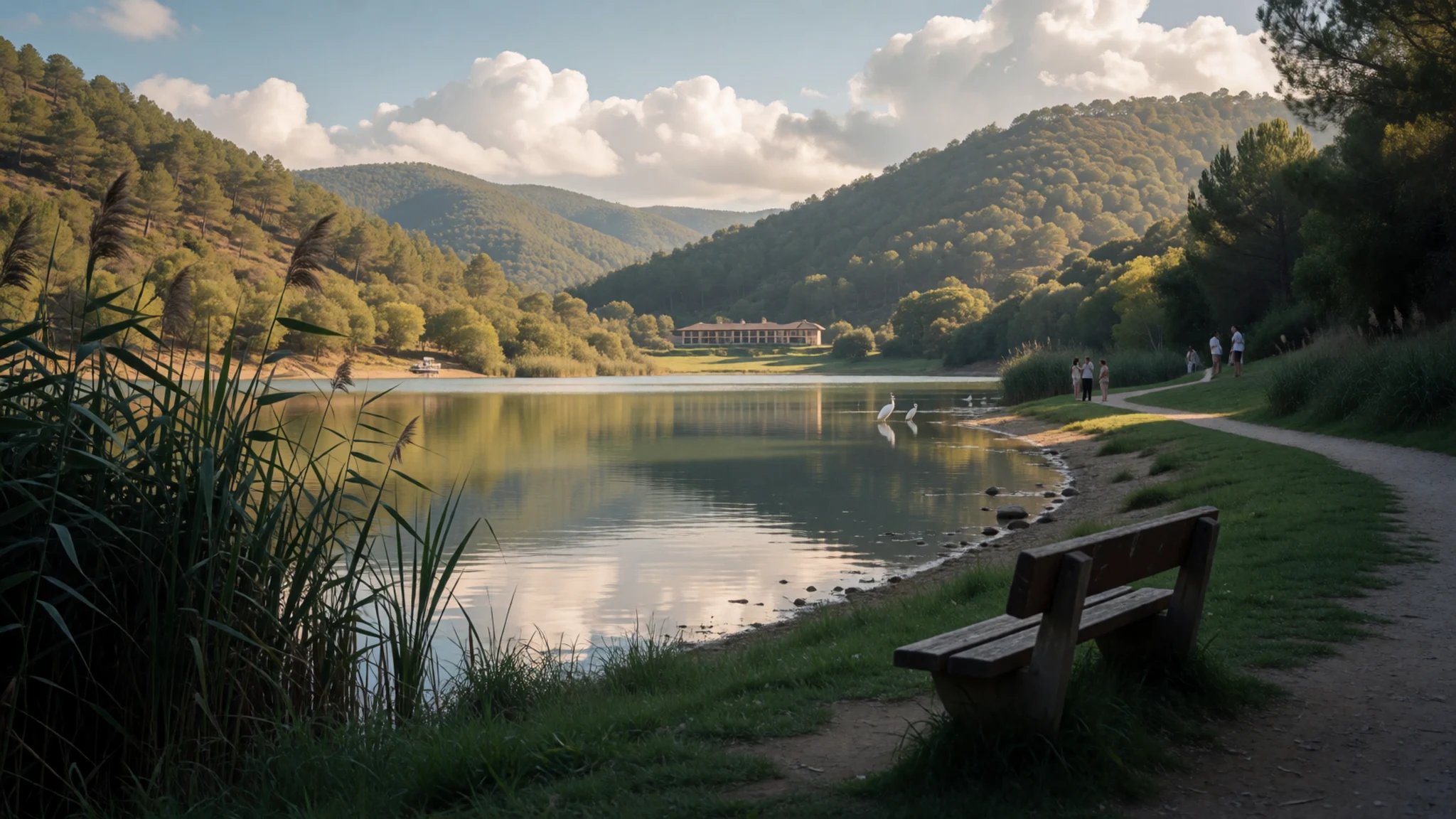
Culture
Topes de Collantes sits in a part of Cuba where rural traditions are strong. Mountain people, the guajiros, have long farmed coffee, fruit and vegetables on steep plots, and their identity is tied to the land, to hospitality and to music. Country music, played on guitars and the tres, a small guitar with three pairs of strings, goes with improvised sung verse called décimas. It is the traditional soundtrack of the countryside and still turns up at local gatherings beside the salsa and reggaeton heard everywhere else.
The village is shaped by its health resort and university campus, so it mixes medical staff, teachers, students and farming families. Many locals earn a living from tourism as guides, drivers, cooks or hosts in private rooms, and friendly conversation goes further than hard bargaining. Spanish is the working language, and a few words of greeting are warmly received. The pace is relaxed, transport can run late, and water or electricity may be unpredictable, so patience is part of the visit.
The mountains also carry political memory. The revolution and the years of armed opposition left their mark on the Escambray, and people may speak about them with strong feeling, so listen first and keep opinions to yourself.
Greet people with a friendly 'buenos días', ask before photographing anyone, especially farmers at work and children, and keep small change handy for the guides and drivers who help you.
What to wear
Topes de Collantes has no formal costume of its own; the dress that Cubans link with hill country is that of the guajiro, the rural farmer. Traditionally that means a plain cotton or linen shirt, long trousers, a wide straw hat woven from palm fibre and sturdy boots, all practical against sun, mud and field work. For formal occasions Cuban men favour the guayabera, a pleated shirt in light cotton or linen worn untucked, while festive wear for women leans on bright cotton dresses with ruffles.
Day to day, people wear what suits work and weather: T-shirts, jeans or track trousers, rubber boots in the wet months, and a cap or hat against the sun. Staff at the health resort and in the park often wear uniforms. Clothes are usually practical and well worn rather than fashionable, and nobody dresses up for the trails.
A visitor should dress for a humid, hilly walk. Light, quick-drying layers, a rain jacket and a hat suit the cooler, damp air at the village, and a fleece helps on misty mornings in the dry season. Shoes with proper grip matter most, since paths to waterfalls turn slick. Pack swimwear for the pools, a small towel and insect repellent. Beachwear is fine at the water but too casual for the village or the restaurants, where shorts and a shirt are enough.
What to eat
- Café de la montaña — The coffee house near the Kurhotel and village cafés
Coffee grown on the surrounding slopes is the local pride, served short, strong and often sweet in small cups. Mountain cafés and roadside stalls pour it through the day, and the village has a dedicated coffee house selling several local varieties by the cup.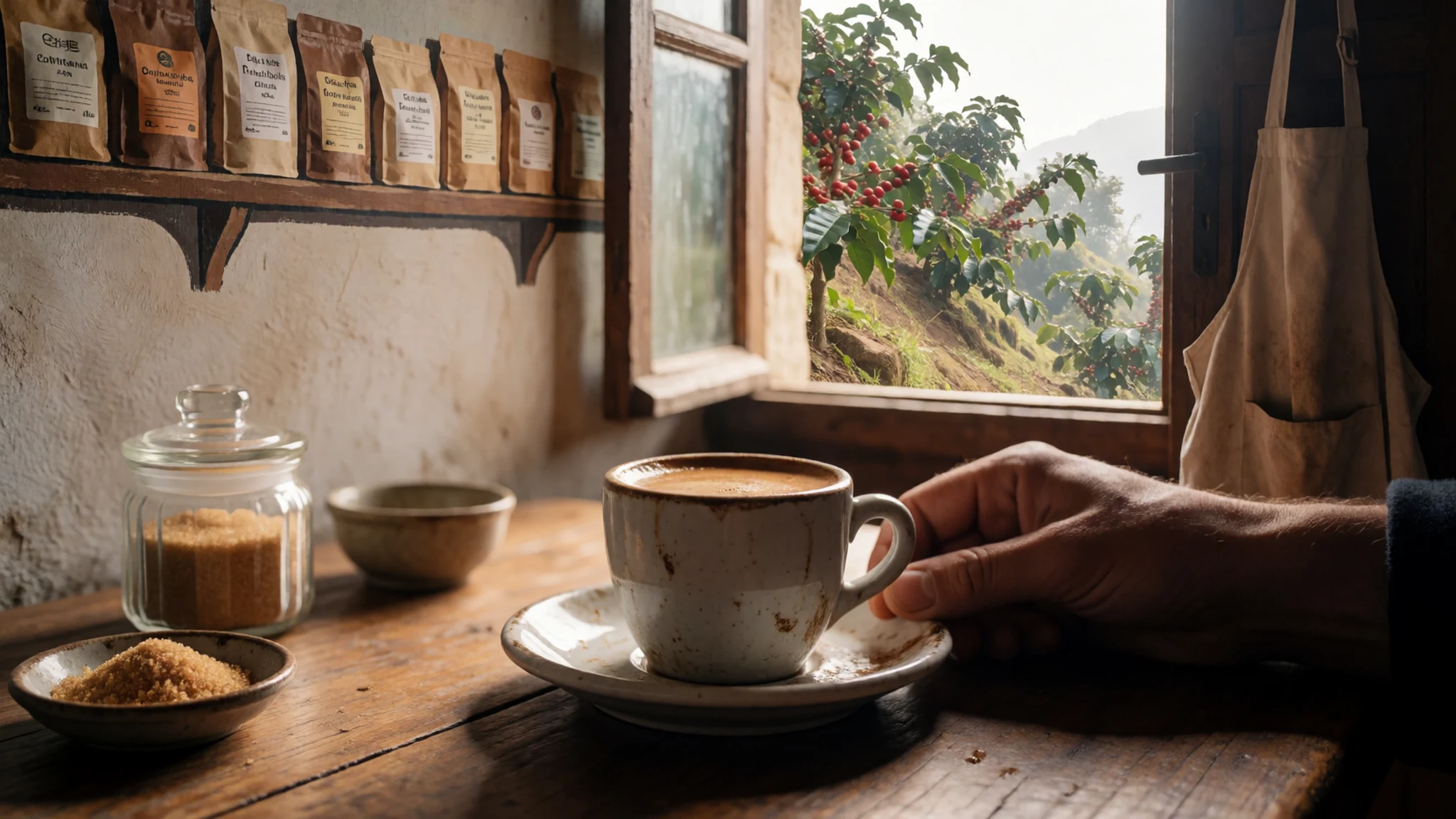
- Moros y cristianos — Park restaurants and family-run eateries in Trinidad
Black beans cooked with white rice in one pot, seasoned with onion, garlic and often a little pork. It is the everyday plate in Cuban homes, family-run eateries and park restaurants, usually served beside roast meat, salad or fried plantain.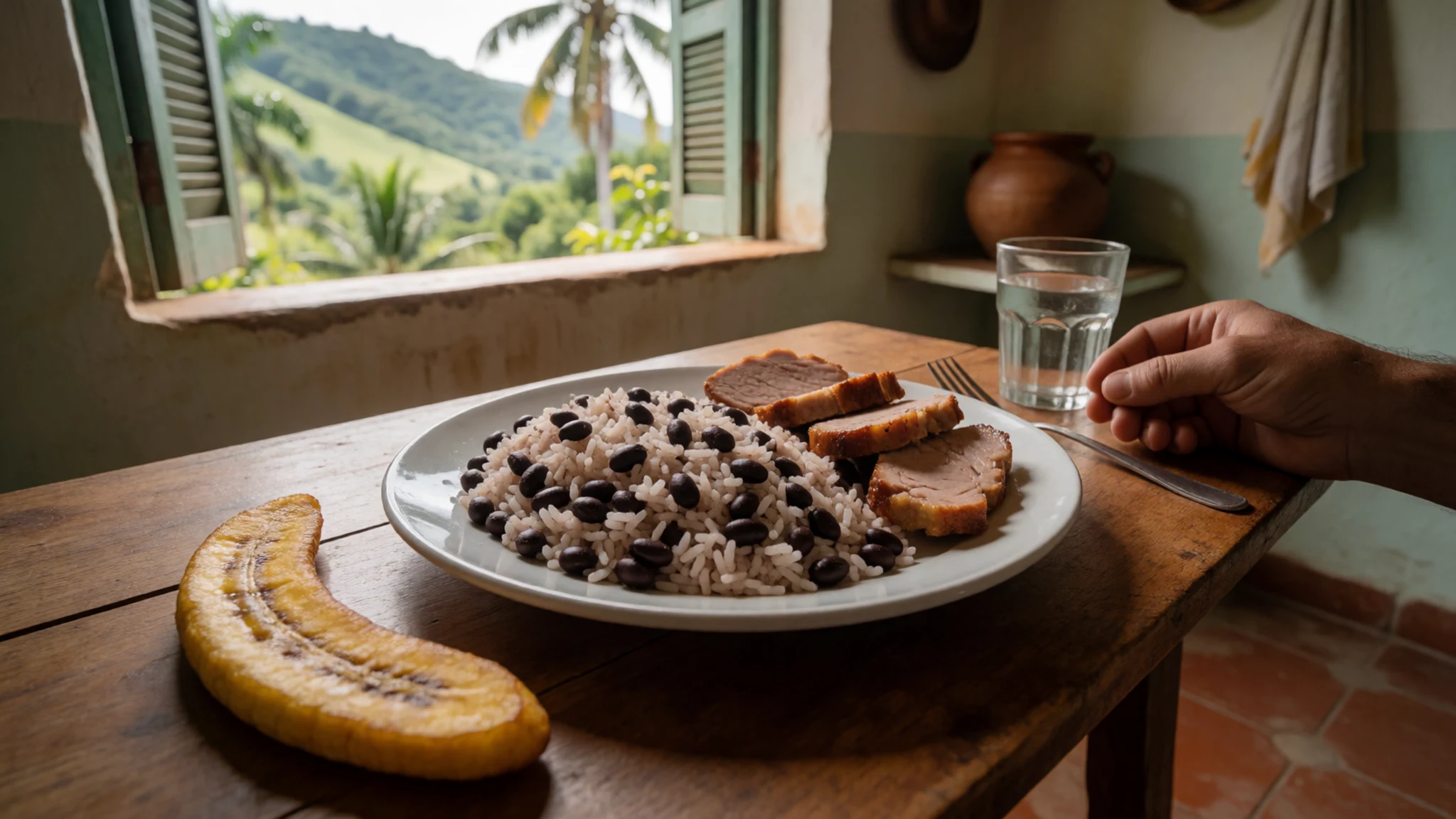
- Lechón asado — Mountain restaurants and village eateries
Slow-roast pork marinated in sour orange, garlic and oregano, cooked until the meat pulls apart. It appears at celebrations and weekend gatherings, and mountain restaurants and village eateries serve it by the plate with rice, beans and yuca. Ask what is available that day, since supply varies. - Ropa vieja — Restaurants in Trinidad and the park visitor areas
Shredded beef stewed in a tomato, pepper and onion sauce until it falls into threads, the name meaning old clothes. Restaurants in Trinidad and the park areas serve it with rice and beans; it is a safe, mild choice for visitors who dislike heat. - Fresh tropical fruit — Roadside stands and farm gates on the approach roads
Mango, guava, papaya, pineapple and banana turn up by season at roadside stands and farm gates on the way up from the coast. Buy whole fruit that can be peeled, and carry some for the trail.
Plan it
Best time. December to March is the drier, cooler season and the best window for walking and waterfalls; January and February are usually coolest. May to October is the hottest and wettest period, with peak rainfall from August to September, and hurricane season runs roughly from June to November.
How long. 2–3
Getting there. Fly to Havana, or use Cienfuegos or Santa Clara if your route allows, then travel by road. Most visitors base themselves in Trinidad and go up the mountain road by taxi, organised tour or hire car; Cienfuegos is the other usual starting point, and local buses are limited.
Budget. mid
Tips
- Start early: trails and pools are quietest in the morning, and cloud and rain often build in the afternoon
- Carry cash and do not count on cards working in the hills
- Bring grippy shoes, a rain jacket, insect repellent and plenty of water for trails
- Arrange transport or a guide in advance through your accommodation, since the visitor areas are far apart
- Check current park information before you travel, as access to individual areas can change
Etiquette
- Stay on marked trails and take your litter back down with you
- Ask before photographing people, especially farmers and children
- Do not try to reach the San Juan summit, which lies in a military zone
Nearby
Sources
- Wikidata Q1330400 (CC0)
- Wikipedia: Topes de Collantes (rev 1340331883) (CC BY-SA 4.0)
- Wikivoyage: Gran Parque Natural Topes de Collantes (rev 5112356) (CC BY-SA 4.0)
- Parque Natural Topes de Collantes, Martin Cígler (CC BY 3.0)
- Wilder's stock, Topes de Collantes, Cuba, Wilder Mendez (Public domain)
- Wilder's stock, Cuba, Wilder Mendez (Public domain)
- Caburní river pools, Lezumbalaberenjena (Public domain)
- Salto Vega Grande, Guillaume Baviere (CC BY 2.5)
- Cuban green anole, Raf24 (CC BY-SA 4.0)
- Anolis species at Caburní Falls, Thomas Brown (CC BY 2.5)
- Anolis species at Caburní Falls (2), Thomas Brown (CC BY 2.5)


Wildlife
- Cuban green anole (animal)
The Cuban green anole is a small green lizard that belongs to Cuba, a little dragon that sunbathes. You may spot it on stones at the water's edge along the steep trail, where the footing can be slippery, so go carefully and watch your step before you watch the lizard. Stay a respectful distance away, keep your voice low and your movements slow, and let a guide help you find it. Never offer it food; simply enjoy it warming itself in peace.