Terra Nova National Park
Terra Nova National Park, Canada
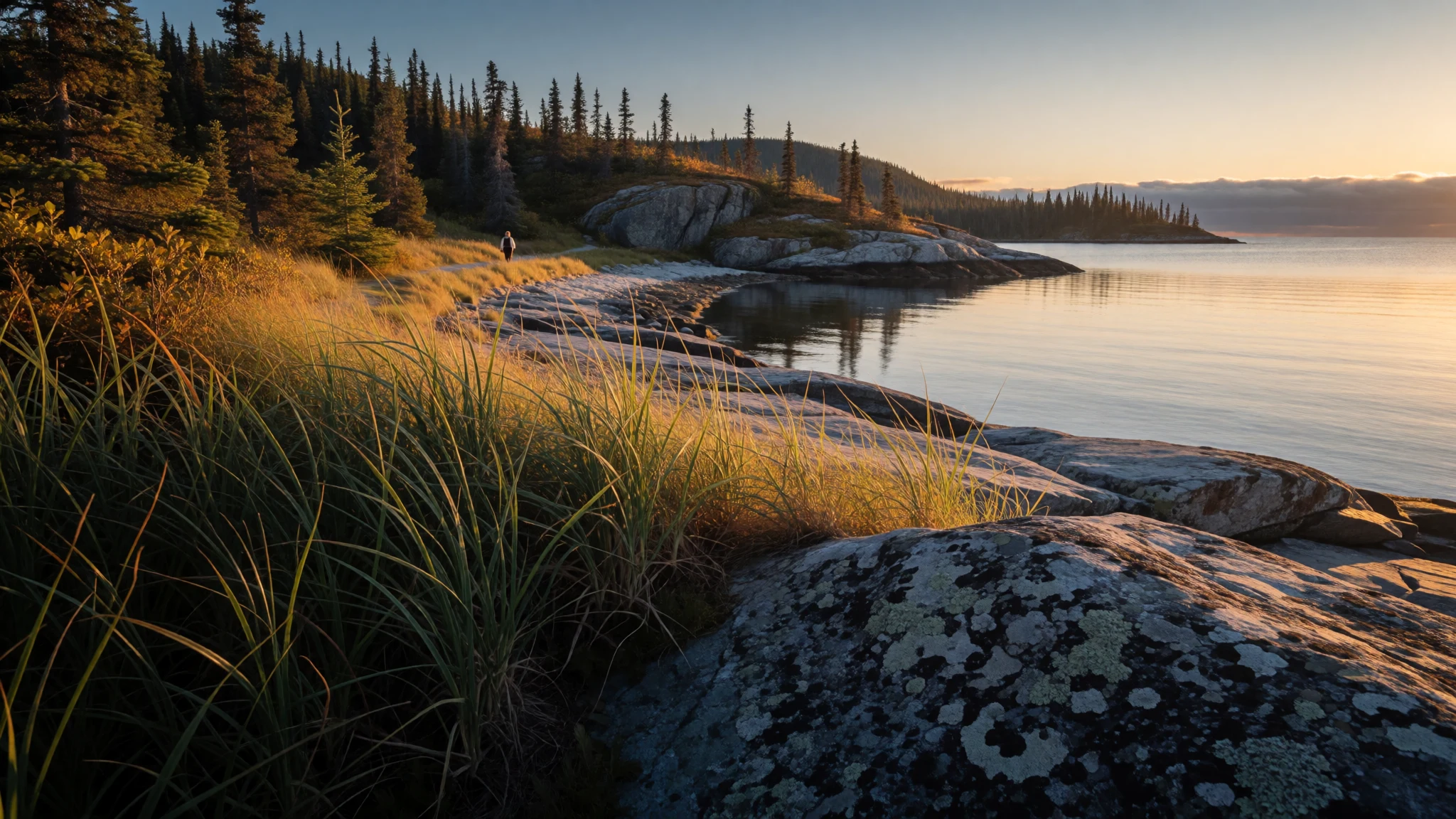
Terra Nova National Park offers spruce forest, sheltered sounds and a rugged Newfoundland coast, with kayaking, boat tours and campfire evenings, all along the Trans-Canada Highway.
The place
Terra Nova National Park sits on the northeast coast of Newfoundland, in the Canadian province of Newfoundland and Labrador, where Bonavista Bay pushes long inlets into the land. The shoreline is a series of narrow rocky peninsulas, running roughly from north of Port Blandford towards Glovertown. It changes character quickly: steep cliffs and wind-hit headlands on one side, still coves and sounds on the other. That shelter is why the area suits small boats and kayaks so well. Inland, the ground rolls gently. Forested hills, bare patches of rock, bogs, ponds and wetlands fill the interior, and the trees are mostly black spruce with scattered balsam fir, white pine, mountain ash, tamarack and some maple. This is the Eastern Island Boreal Forest, a natural region that covers most of the island east of Deer Lake. Geology gives the scenery its roughness. The park lies in a zone called Avalonia, tied to the old Appalachian mountain belt, and its eastern part rests on ancient quartzite, slate and greywacke. The Trans-Canada Highway runs straight through, so anyone driving across the island passes the park whether or not a stop was planned. Wildlife ranges from small mammals to larger ones, with migratory birds above and marine life offshore. The overall feel is of water, spruce and weather rather than of towns, and the pace is slow.
Its story
Terra Nova National Park wears an old name. 'Terra Nova' is Latin for Newfoundland, and it was also the first Portuguese name for the region, so a park in the island's northeast corner carries a title that is really a translation. The rock beneath is far older than any name. It belongs to Avalonia, a geological zone linked to the Appalachian mountain belt, and the eastern side is built from Precambrian quartzite, slate and greywacke, hard folded stone that explains the ragged shoreline. People arrived long before the park did. The Beothuk Nation lived in this country, and the park protects remnants of their presence, along with traces of the early European pioneer settlements that grew up along the coast and its sheltered coves. Those later communities depended on sea and forest, and the same pairing still shapes the place. Founded in 1957, it stands as the earliest national park created in Newfoundland and Labrador. Since then the story has shifted from living off the land to looking after it: protecting the boreal forest, wetlands and coast, and running interpretive programmes on subjects such as forest fire, introduced species, species at risk and edible plants. A visitor today passes through all of these layers at once, usually without noticing the lines between them, whether on a boat in the sound or on a short walk to a viewpoint.
What to see
- Ochre Hill — Northern part of the park
Ochre Hill gives Terra Nova National Park a broad outlook, with a panorama running north across forested hills and water. Photographs from the top show an open sweep of spruce country rather than one dramatic peak, so it suits a clear day, when the layers of land and inlet read well. Check current trail information before setting out.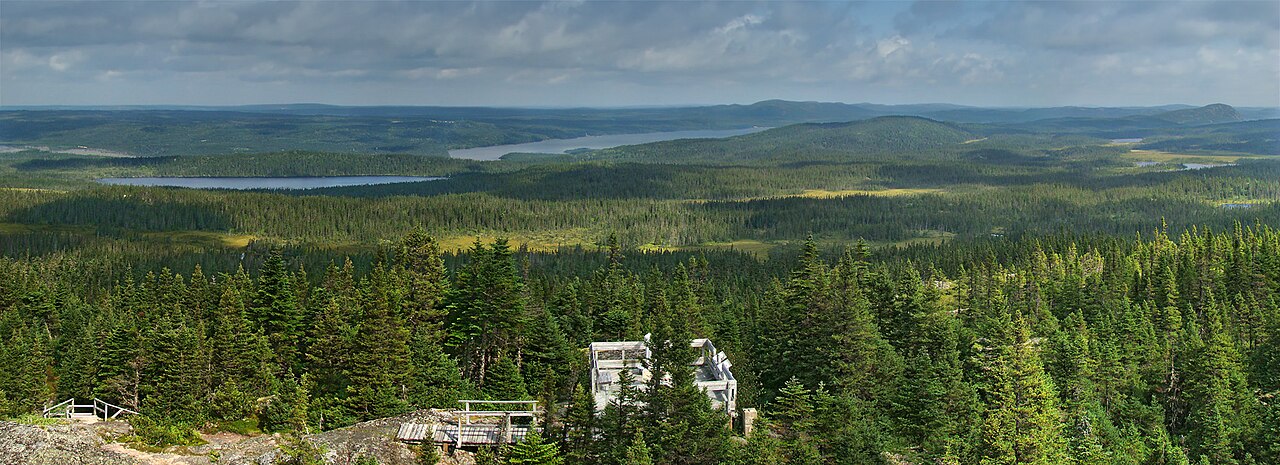
- Malady Head — Southwest Arm, Bonavista Bay
Malady Head is both a campground and a hiking trail. The walk looks out over the Southwest Arm, with rock, water and spruce in the same frame. It is a sensible choice for anyone who wants a coastal walk with a sea view without going deep into the backcountry. Wear proper footwear, as the ground can be wet.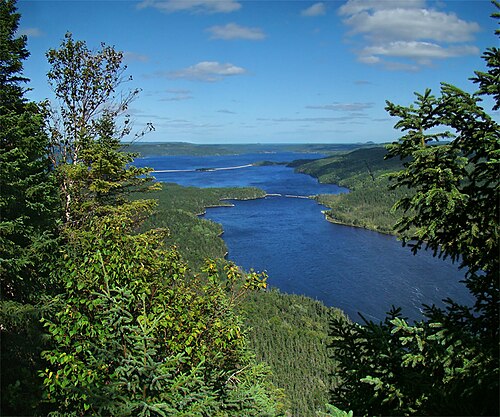
- Visitors Centre and Marine Interpretation Centre — Salton's Brook
The main visitor centre at Salton's Brook is the natural first stop. It has an interpretive video and interactive exhibits on the park's land and marine life, and staff can explain trails, campgrounds and the week's programmes. Go before choosing a walk or paddle, since conditions and what is running can change from day to day.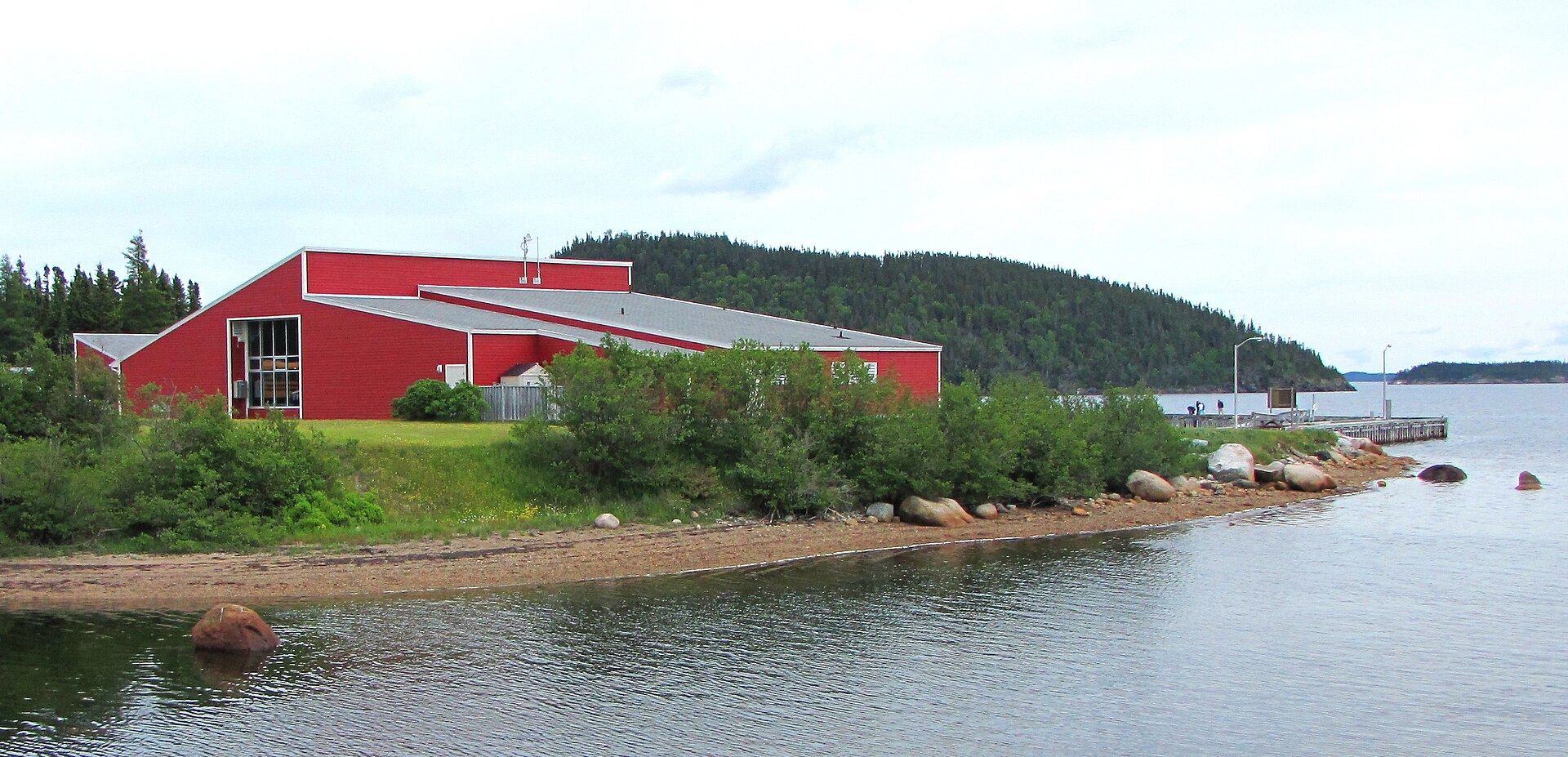
- Newman Sound and its estuary — Newman Sound
Newman Sound is the sheltered heart of the park's water. The estuary suits slow wandering, and the calm sound makes good kayaking for those with some paddling experience. A Coastal Trail also runs from Newman Sound to Headquarters Wharf. Wind and tide change quickly, so check conditions and ask about rentals or guided trips first. - Coastal Connections boat tours — Near Salton's Brook
Coastal Connections runs boat tours from near the visitor centre onto Bonavista Bay. Passengers have a chance of seeing bald eagles, whales and icebergs, though sightings are never guaranteed and depend on season and weather. It is an easy way to see the headlands from the water. Check the operator's current schedule and booking arrangements.
Culture
Terra Nova National Park sits in a province with a strong outport tradition, where life has long been tied to boats, weather and the woods, and where music and storytelling are everyday habits. Inside the park that culture comes through mainly in the summer interpretive programmes. Most evenings there is a show at the Evening Theatre on park themes, with past and present titles such as 'Go With the Flo', 'Forest Idol' and 'The Broad Cove Bachelor'. Once a week a campfire session plays Newfoundland music while hot chocolate is passed round, and children can collect stamps towards becoming a junior naturalist. Guided hikes cover forest fire, introduced species and edible plants. Beneath this lies an older heritage. The Beothuk Nation lived in this country, and the park protects remnants of that history alongside early European settlements, so the ground deserves to be treated as a place of memory as well as scenery. Weather decides plans here as much as in any fishing community, so changes of plan are usually taken with good humour. The campgrounds are valued for their quiet, and the evening programmes are relaxed and family-friendly. Keep to marked trails, give wildlife plenty of room, and leave any Beothuk or early settlement remains exactly where they are.
What to wear
Terra Nova National Park has no formal costume, but Newfoundland's working clothes tell the story of the coast. Fishing families traditionally wore oilskin coats and sou'westers against spray, thick hand-knitted wool socks and mittens, and heavy wool jumpers, with rubber boots for wet ground. Wool was prized because it stays warm when damp. These were everyday garments rather than festival dress, though knitted pieces are still worn and sold as keepsakes. Today people in and around the park wear practical outdoor clothing: fleeces, waterproof jackets, hiking trousers or jeans, caps and sturdy boots or trainers. Dress is casual everywhere, including restaurants and eateries, and nobody expects dressing up. A visitor should plan for changeable maritime weather by packing layers: a warm mid-layer, a proper waterproof shell and a hat, plus a sun hat and sunglasses for bright days on the water. Footwear matters most. Trails run over rock, bog and boardwalk, so waterproof walking shoes or boots with good grip suit better than sandals. Insect repellent and long sleeves help in the woods and wetlands. Bring swimwear if freshwater swimming appeals, and a small dry bag for a kayak or boat trip. There are no modesty rules to worry about beyond ordinary good sense.
What to eat
- Fish and brewis — Community eateries in nearby towns such as Glovertown
A Newfoundland classic of salt cod and softened hard bread, traditionally served with fried pork scrunchions. It is plain, salty and filling, and was built for long working days. Look for it at home-style eateries and community meals in the towns just outside the park. - Toutons — Breakfast at diners and cafés near the park gates
Pan-fried rounds of bread dough, crisp outside and soft within, usually eaten at breakfast with molasses or butter. They are a staple of local home cooking. Ask for them at breakfast at roadside diners and small cafés along the Trans-Canada Highway. - Jiggs dinner — Community suppers and home-style eateries
A boiled dinner of salt beef with potatoes, carrot, cabbage and turnip, often with pease pudding. It is traditionally a Sunday meal. Visitors are most likely to meet it at community suppers or in eateries that serve home cooking, so ask locally what is on. - Cod and chips — Takeaways and casual eateries in nearby towns
Fresh or battered cod, fried and served with chips, remains a simple pleasure on this coast. Quality varies, so follow local advice. Small takeaways in the towns near the park are the usual source, and the meal travels well to a picnic by the water. - Berry jam and tarts — Bakeries, craft shops and Sandy Pond snacks
Wild partridgeberries and bakeapples are made into jams and tarts across Newfoundland. The flavour is tart and slightly floral. Buy a jar from a bakery or a local craft shop as a keepsake, and for a quick snack in the park try the Sandy Pond snack offering.
Plan it
Best time. June to September, when the park's summer programmes run and freshwater swimming, mountain biking, kayaking and boat tours are possible; boat tours may offer a chance of icebergs, but sightings depend on the season. Outside summer, expect colder, quieter conditions and check the official site for what is open.
How long. 2–3
Getting there. Fly to St. John's International Airport (about 220 km east of the park on Highway 1) or Gander International Airport (about 67 km west of the park on the same road), then drive. The Trans-Canada Highway runs through the park for about 40 km, with signs to the visitor centre at Salton's Brook, campgrounds and other stops. DRL runs daily bus routes around Newfoundland with stops near the park's eastern and western gates.
Budget. mid
Tips
- Book serviced summer camping well ahead; Newman Sound and Malady Head are the two front-country campgrounds
- Accommodation other than camping is outside the park boundaries, so plan where to sleep before arriving
- Start at the visitor centre at Salton's Brook for trail advice and the week's programme
- Check the official site (https://www.pc.gc.ca/fr/pn-np/nl/terranova) for current programmes, opening times and fees
- Pack layers, waterproofs and insect repellent, and carry water and snacks on longer trails
Etiquette
- Keep to marked trails and give wildlife plenty of space
- Leave Beothuk and early settlement remains undisturbed
- Keep noise down in campgrounds, especially in the evening
Nearby
Sources
- Wikidata Q1422693 (CC0)
- Wikipedia: Terra Nova National Park (rev 1362941176) (CC BY-SA 4.0)
- Wikivoyage: Terra Nova National Park (rev 5419822) (CC BY-SA 4.0)
- Photo: Tango7174, Ochre Hill panorama (CC BY-SA 1.0)
- Photo: Tango7174, View from Ochre Hill (CC BY-SA 1.0)
- Photo: NordNordWest, Carport, Flappiefh, relief map of Newfoundland (CC BY 3.0)
- Photo: Tango7174, Southwest Arm from Malady Head (CC BY-SA 1.0)
- Photo: D. Gordon E. Robertson, Visitor's Centre (CC BY 3.0)
- Photo: Slimguy, Terra Nova N.P. (CC BY-SA 2.0 de)
- Photo: Ryan Hodnett, American Dune Grass (CC BY-SA 4.0)
- Photo: Ycleymans, Causeway of Route 310 (CC BY-SA 4.0)


Wildlife
- Bald eagle (animal)
The bald eagle is a large bird of prey that hunts like a sea eagle, rather like a fisher with feathers. Look for it near big stretches of open water, where food is plentiful and old trees offer nesting places. Passengers have a chance of seeing one, though never a guarantee, as season and weather matter. Keep well back, stay quiet, follow your guide's advice, and never feed it.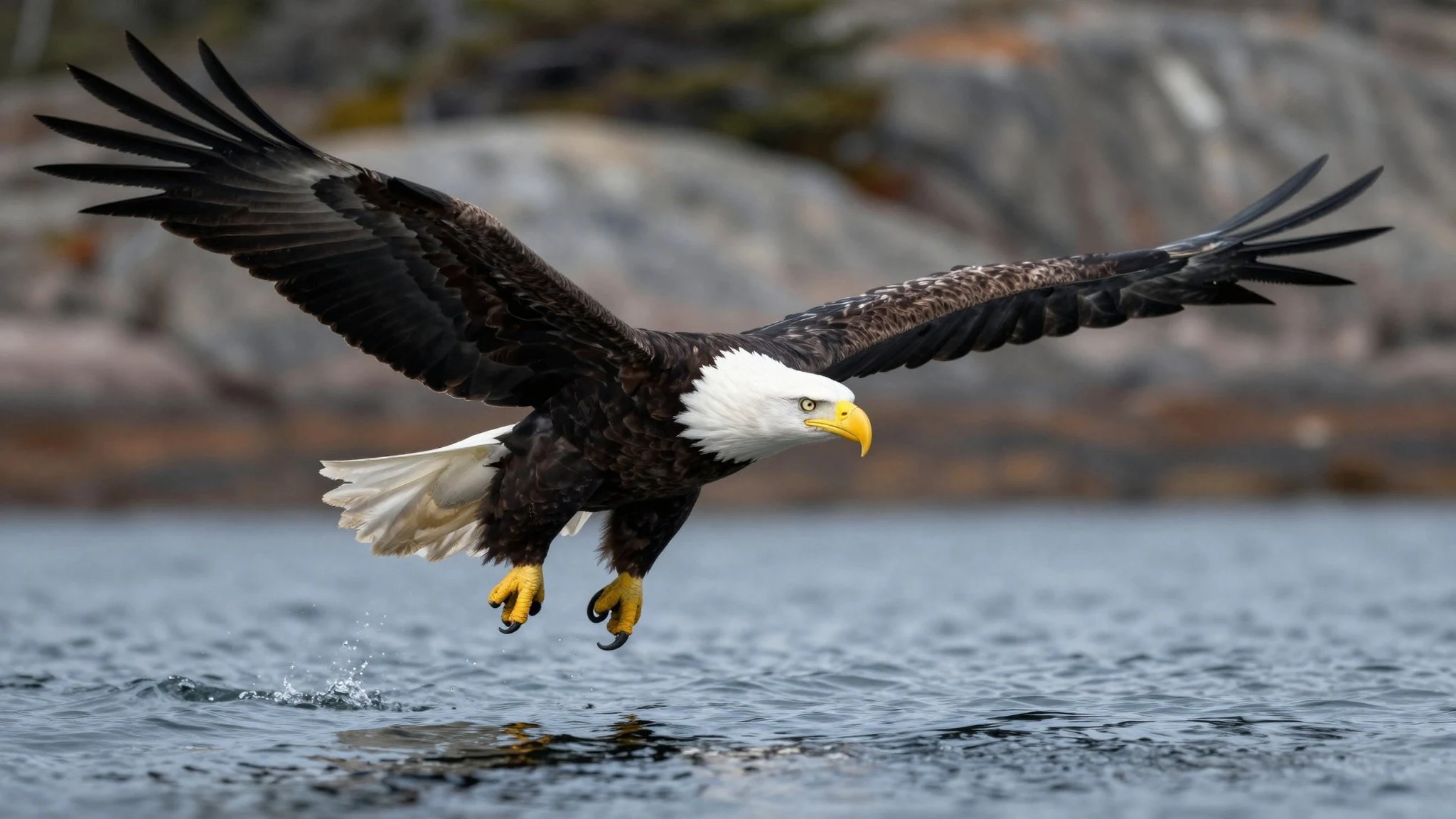
- Humpback whale (animal)
The humpback whale is a giant of the sea with long flippers and bumps on its head, famous for leaping clear of the water. Passengers may glimpse whales, but sightings are never guaranteed, because season and weather play their part. Males sing long, winding songs. Watch quietly from the boat, let your guide decide how close to go, keep calm, and never try to feed or lure a whale.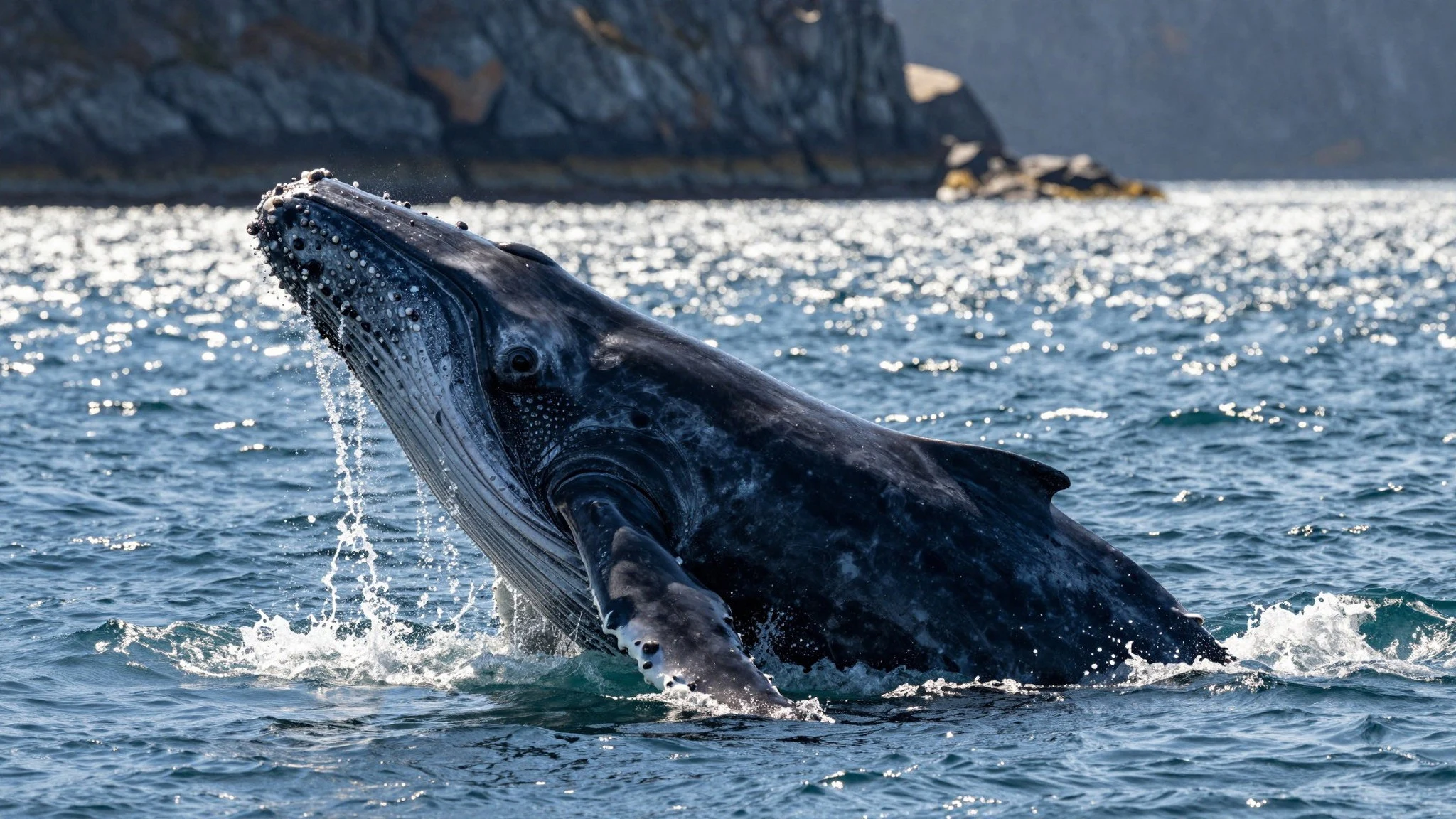
- Bald eagle (bird)
The bald eagle is a large bird of prey that hunts like a sea eagle, rather like a fisher with feathers. Look for it near big stretches of open water, where food is plentiful and old trees offer nesting places. Passengers have a chance of seeing one, though never a guarantee, as season and weather matter. Keep well back, stay quiet, follow your guide's advice, and never feed it.