Samaná
Samaná, Dominican Republic
Samaná is a green, palm-lined peninsula in the north-east Dominican Republic, with quiet beaches, humpback whales in winter and a calmer pace than the big resort strips.
The place
Samaná is a long finger of land on the north-east side of the Dominican Republic. A narrow isthmus joins it to the rest of the island, and Samaná Bay wraps around its southern side. The high ground reaches about 330 m, enough to give the interior a spine of forested hills, coconut groves and three rivers that run down to the coast. The peninsula is known for its beaches, which come in several kinds: long palm-backed strands on the north shore around Las Terrenas, small coves near Las Galeras at the eastern tip that are easiest to reach by boat or on foot, and the sheltered waterfront of Santa Bárbara de Samaná, the main town, on the bay. The mood is slower and greener than at the big resort strips elsewhere in the country, though the coast roads get busy in high season and some beaches fill up when excursion boats arrive. Heat is steady all year and the sea stays warm. Showers can come in any month, and the wetter, stormier weather arrives in the second half of the year. Spanish is the everyday language, and Samaná town has a small but real tradition of English speaking that goes back generations. Distances between beaches are short on the map, but roads can be steep, narrow and potholed after rain, and public transport is patchy. A rented car or a motorbike taxi helps. Four or five days works well as a base, with one day on the water in the bay and the rest left for beaches and a walk or two.
Its story
Samaná was home to the Ciguayos long before Europeans arrived, a people who spoke their own language, now lost, and who held the peninsula's coast and forests. Columbus claimed the island of Hispaniola for Spain in December 1492, and local tradition places a tense first meeting between his men and the Ciguayos at Cabo Samaná on the peninsula's tip. Spanish rule that followed was hard on the island's Indigenous peoples, whose numbers fell sharply within a few years. Samaná itself stayed thinly settled for a long time. Its deep, sheltered bay made it a useful harbour, and pirates and foreign governments both took an interest in it over the centuries. In the early nineteenth century, when the island was under Haitian rule, settlers of African descent from the United States were brought to the peninsula. Some of their descendants still speak a form of English at home, and a few church and family traditions in Samaná town trace back to them. The Dominican Republic fought for its independence from Haiti before it fought Spain, which is why that period still carries emotional weight for many Dominicans. For most of the last century the peninsula was a remote corner reached by sea or poor roads. Better highways and a nearby airport have changed that, and tourism and whale watching now sit alongside fishing, coconuts and small farms.
What to see
- Playa Frontón — North coast, near Las Galeras
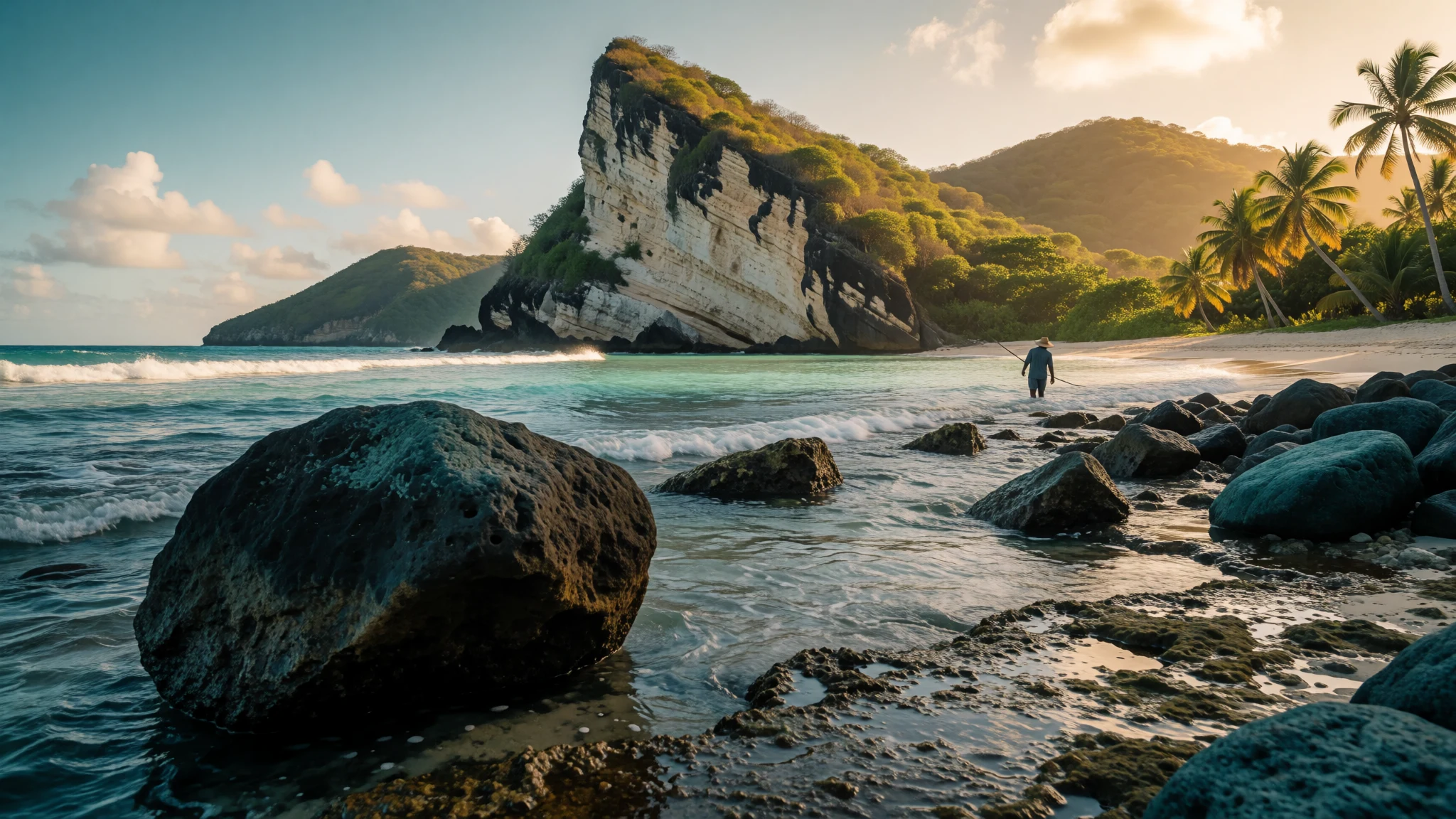
Playa Frontón sits below steep cliffs on the north coast near Las Galeras. Most people reach it by boat from the village or on a hot, muddy hike over the headland. The beach is a curve of pale sand backed by palms and rock, with a few simple shacks for fish and cold drinks. Swell can make swimming rough, so look at the water before going in.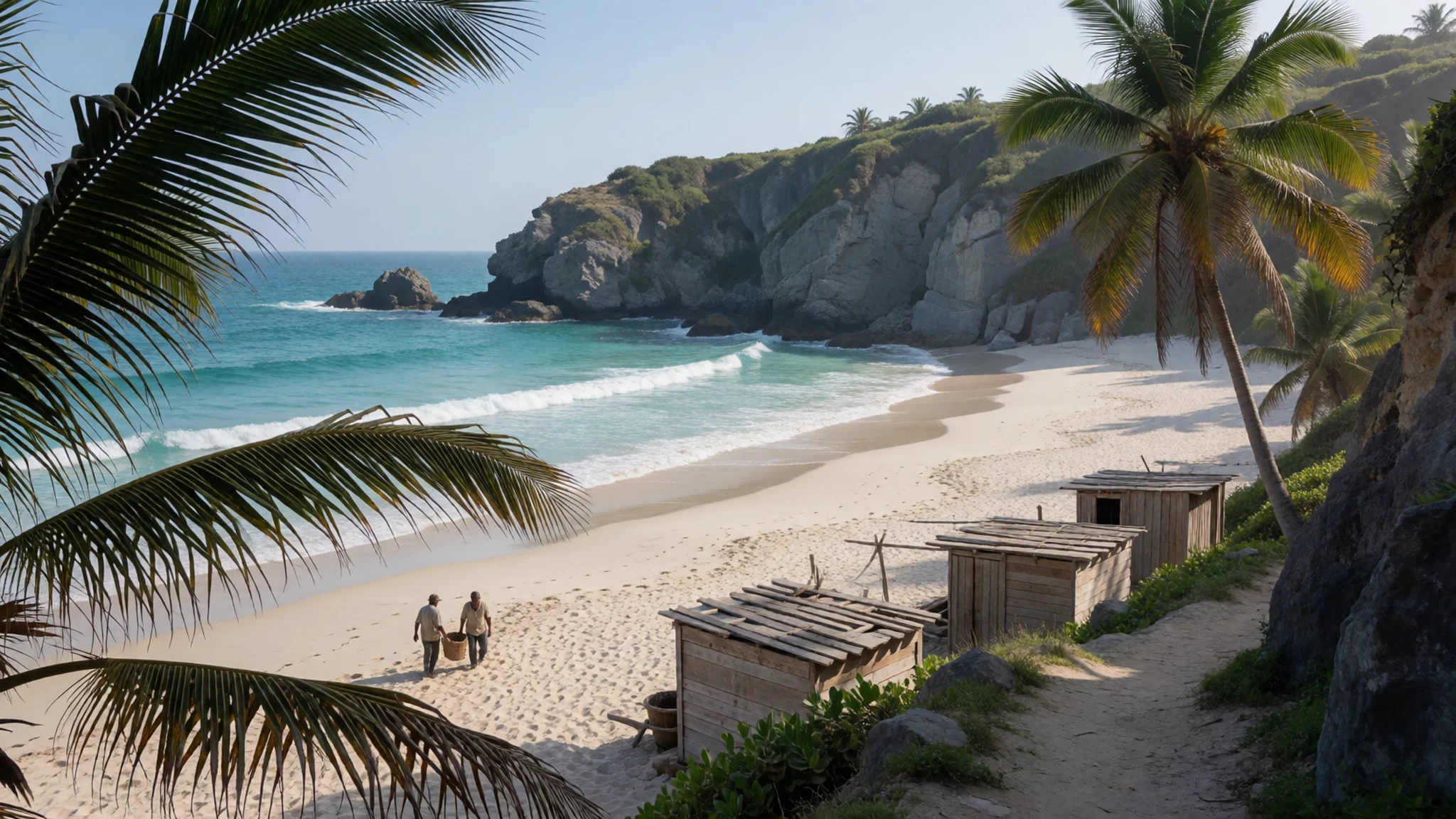
- Cabo Samaná — North-eastern tip of the peninsula
Cabo Samaná is the headland at the north-eastern end of the peninsula, seen across Rincón Bay. Local history places the meeting between Columbus's men and the Ciguayos here, so the place carries more weight than its scenery alone suggests. Go for the cliffs, the wind and the sense of how far the land pushes into the Atlantic. There is little shade.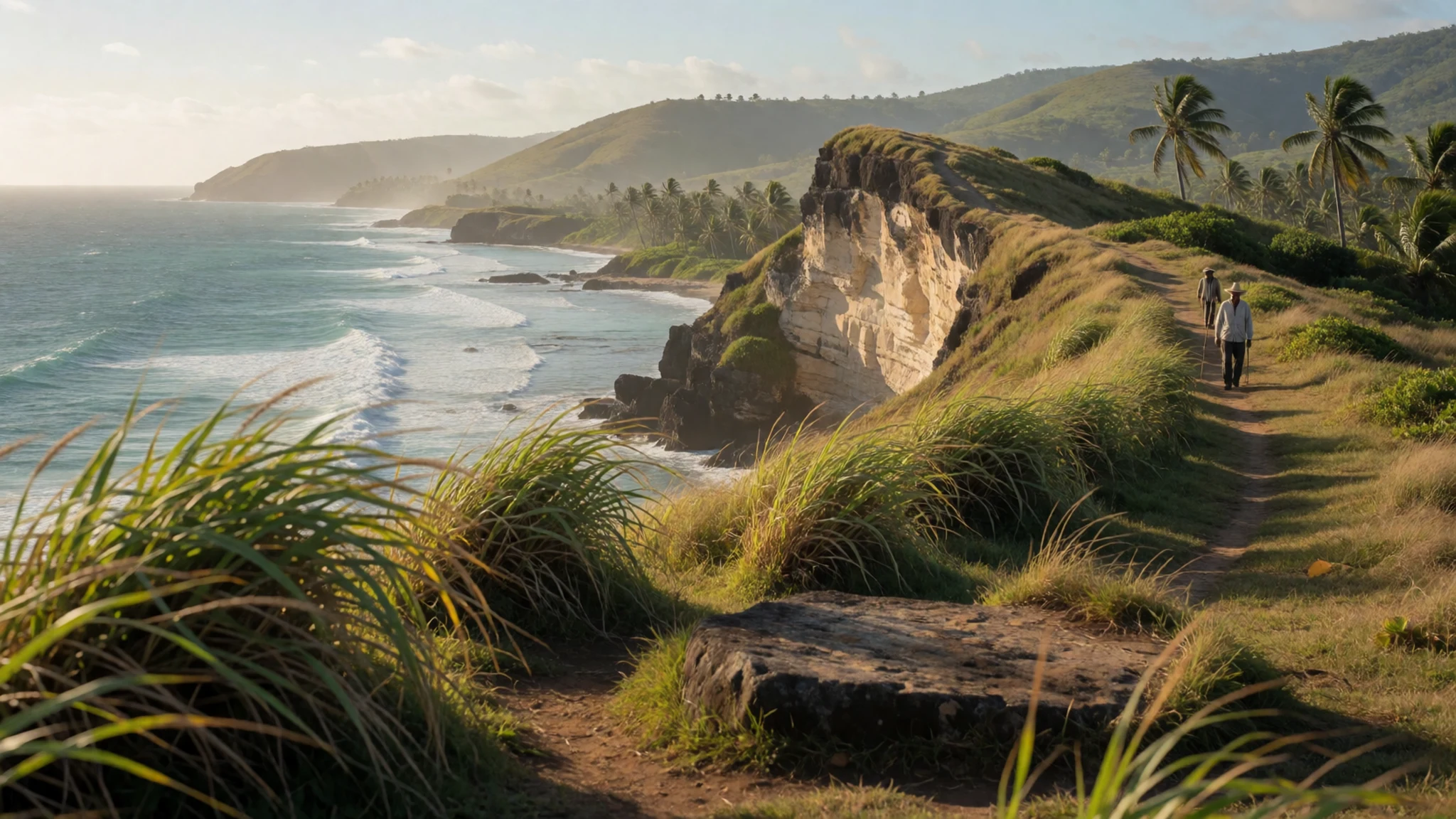
- Playa Morón — Eastern end of the peninsula
Playa Morón is a quieter beach near the peninsula's eastern end, reached on foot or by boat rather than on a smooth road. Expect sand, sea grape and palms, and not much else, so bring water and snacks from the nearest village. It suits a half-day away from the busier stretches, though rain turns the tracks slippery.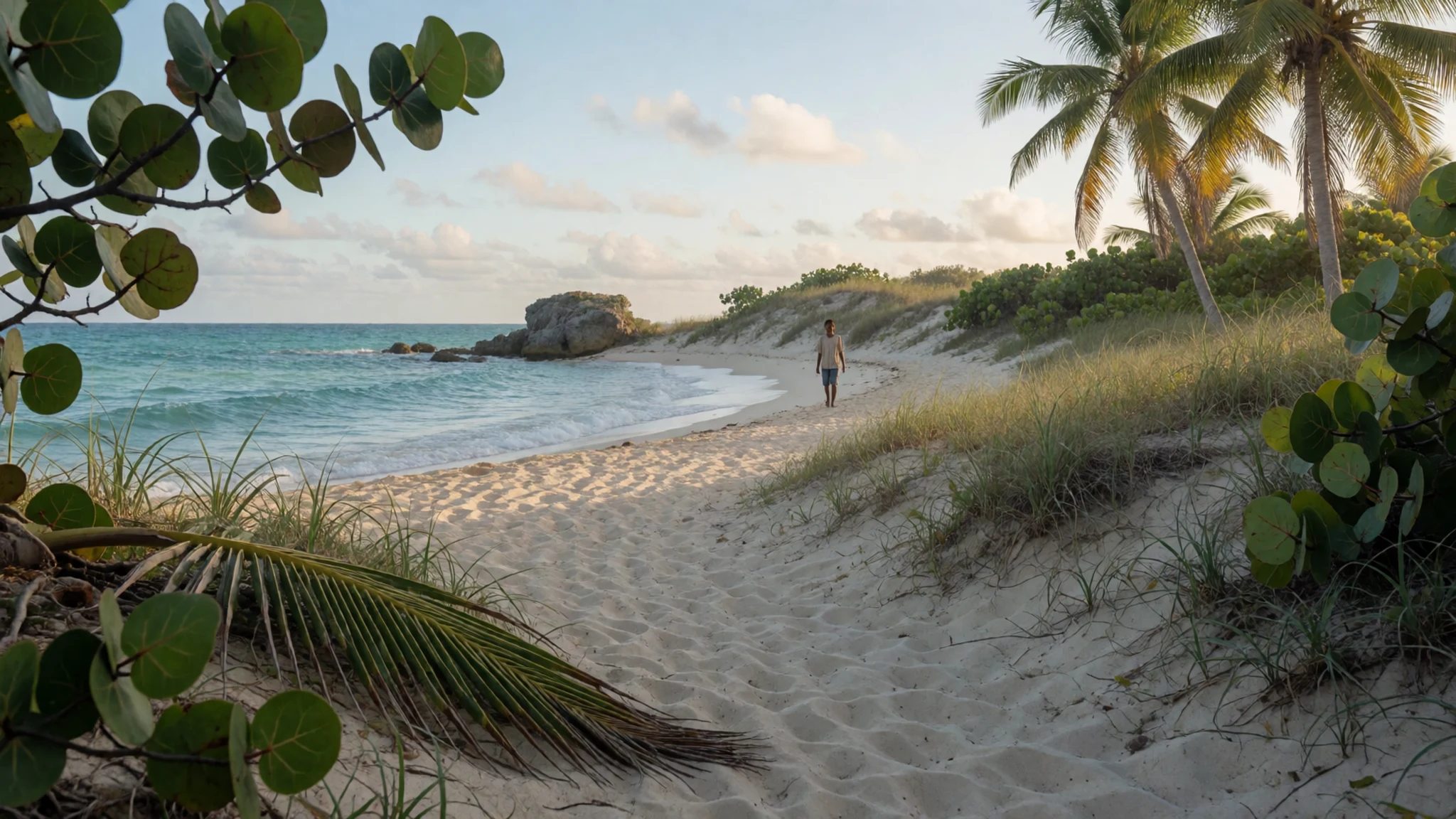
- Los Haitises National Park — Across Samaná Bay, southern shore
Los Haitises National Park lies across Samaná Bay and is usually visited on a boat trip. Mangroves, limestone hills rising straight from the water, seabirds and caves with Taíno rock art make the day varied. Tours leave from Samaná town and the bay's southern shore. Book with a licensed operator, check the official park information and carry a rain layer.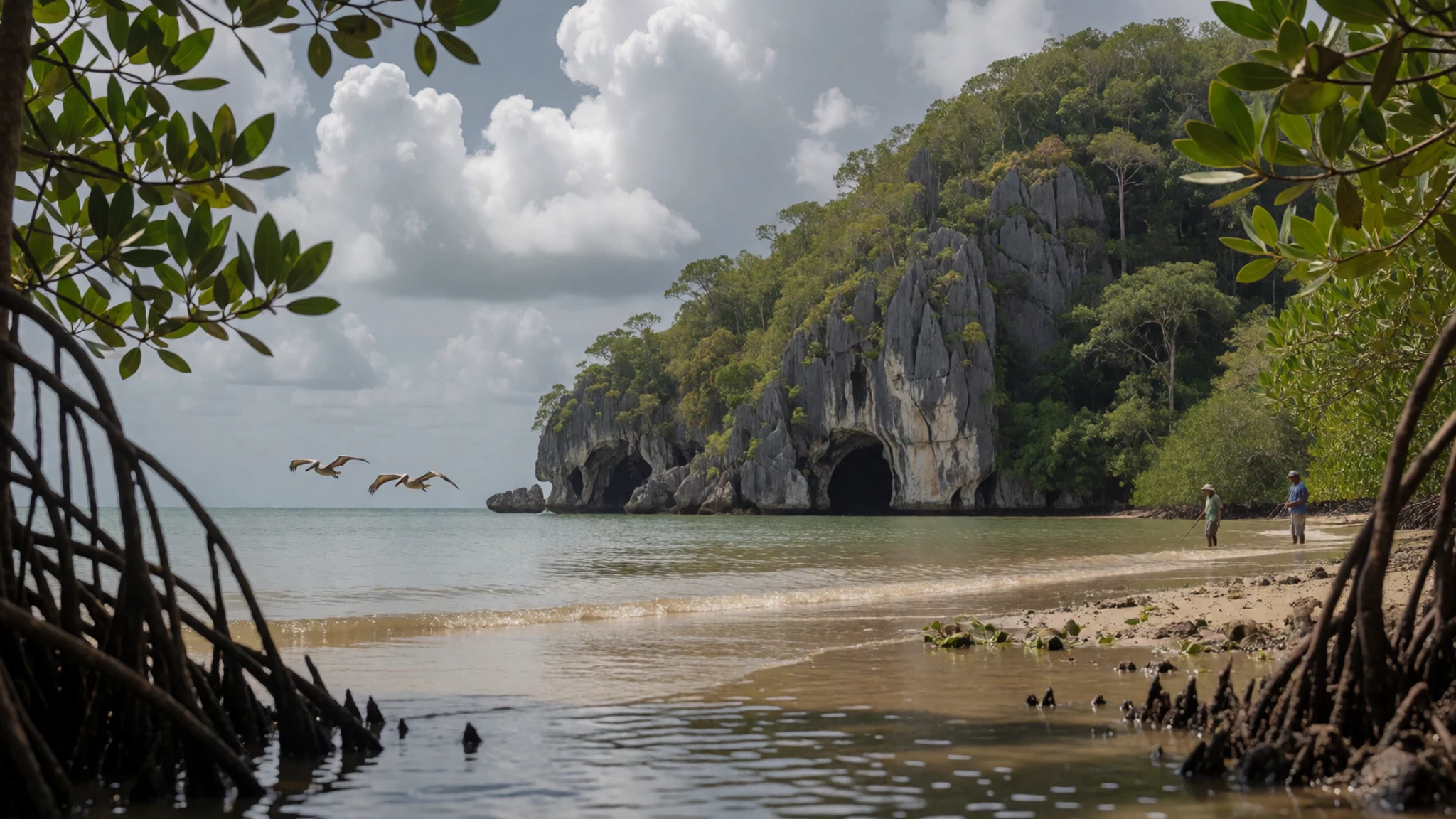
- Whale watching in Samaná Bay — Samaná Bay, from the town waterfront
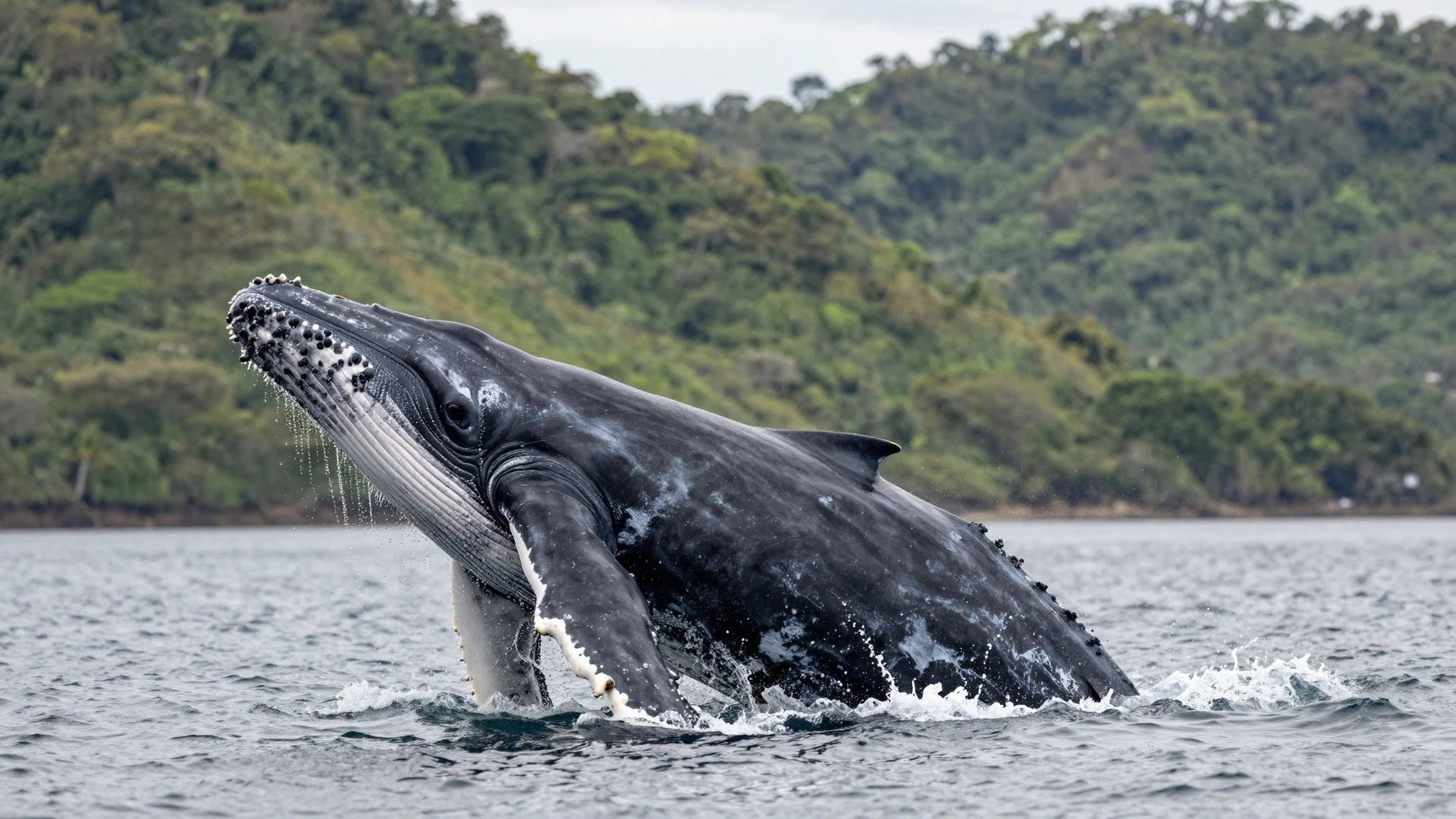
Samaná Bay is where humpback whales gather to breed, and watching them is the peninsula's seasonal draw, from roughly mid-January to March. Boats leave from the town waterfront; choose an operator that keeps its distance from the animals and follows park rules. Seas can be rough and the sun is harsh on the water, so bring a hat and motion-sickness tablets if prone.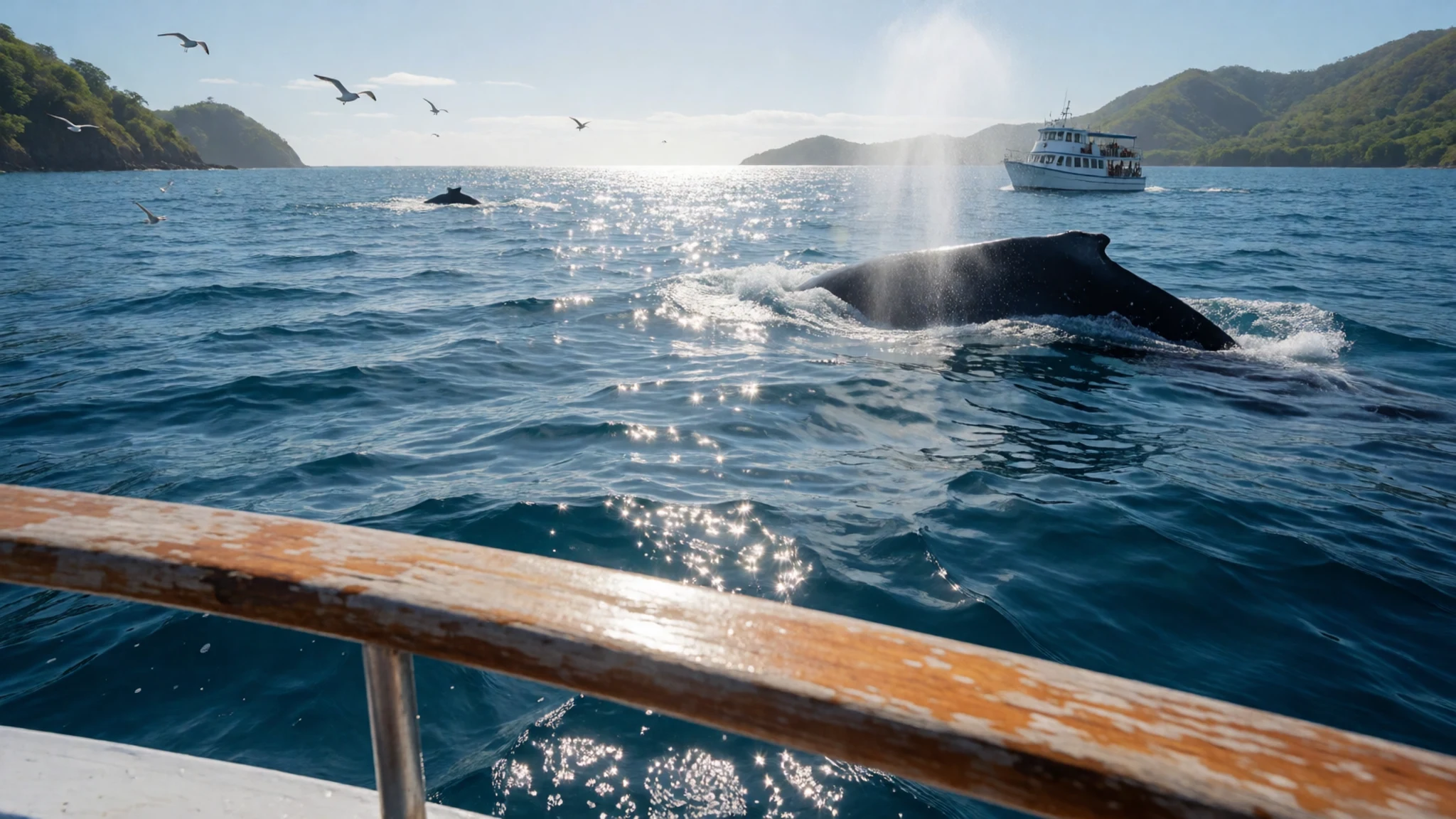
Culture
Samaná shares the warmth and directness of Dominican life generally, with a few local twists. Greetings matter: people say buenos días or buenas tardes to shopkeepers, drivers and strangers on a beach path, and a visitor who skips this comes across as cold. Spanish is the working language, and even a few clumsy phrases earn real goodwill. Family and church shape the week, and Sundays are quieter in the town. The peninsula's mix of Spanish, African and Taíno heritage shows in its music, with merengue and bachata heard from colmados (corner shops) and car windows, and in cooking built around coconut, plantain and fish. The older English-speaking community in Samaná town adds a further strand, with its own churches and family stories. Daily life runs on a slow clock, and service in restaurants can be unhurried; it is rarely meant as rudeness. Restaurant bills usually include a service charge, and a little extra for good service is customary. Politics are best avoided in conversation, especially anything about Haiti, which remains a sensitive subject for many Dominicans because of the shared history between the two countries. Humour, football and baseball are safer ground, and Dominicans are usually delighted to talk about both. Drinking water comes from bottles, and locals will tell you the same without offence. Greet people with a buenos días before asking for anything, and leave the subject of Haiti alone unless a local raises it first.
What to wear
Samaná has no single regional costume, and what visitors see of traditional Dominican dress appears mostly at carnival, folk festivals and merengue performances. Women dance in full, ruffled skirts in bright cotton prints, often with a headscarf, while men wear a white or pale guayabera, a loose cotton shirt with pockets, and sometimes a straw hat woven from palm. Carnival adds papier-mâché devil masks, painted in vivid colours and decorated with horns, mirrors or sequins. Day to day, people on the peninsula dress for heat: shorts, T-shirts, light dresses, flip-flops and caps, with something a little smarter for church and evenings out. Around Samaná town, Las Terrenas and Las Galeras, beachwear stays at the beach, and people usually put on a shirt or cover-up when walking through town. A visitor should pack light cotton or linen, a wide-brimmed hat, strong sun protection and a light rain jacket for sudden showers. Swimwear is fine on the sand and on boats, but carry a shirt and a sarong for shops, restaurants and any church visit, where shoulders and knees are best covered. Water shoes help on rocky coves and boat landings. For the hikes to beaches like Frontón, closed shoes or sturdy sandals are worth having, because paths turn muddy after rain and the sun is relentless on open stretches. Mosquito repellent is useful in the evenings, especially near mangroves and rivers.
What to eat
- Pescado con coco — Beachside fish shacks around Las Terrenas and Las Galeras
Fish simmered in a creamy coconut sauce is the peninsula's signature plate, usually served with rice and fried plantain. The coconut comes from the groves across Samaná, and the fish is often caught that morning. Beach shacks tend to do it best, so ask what came in today.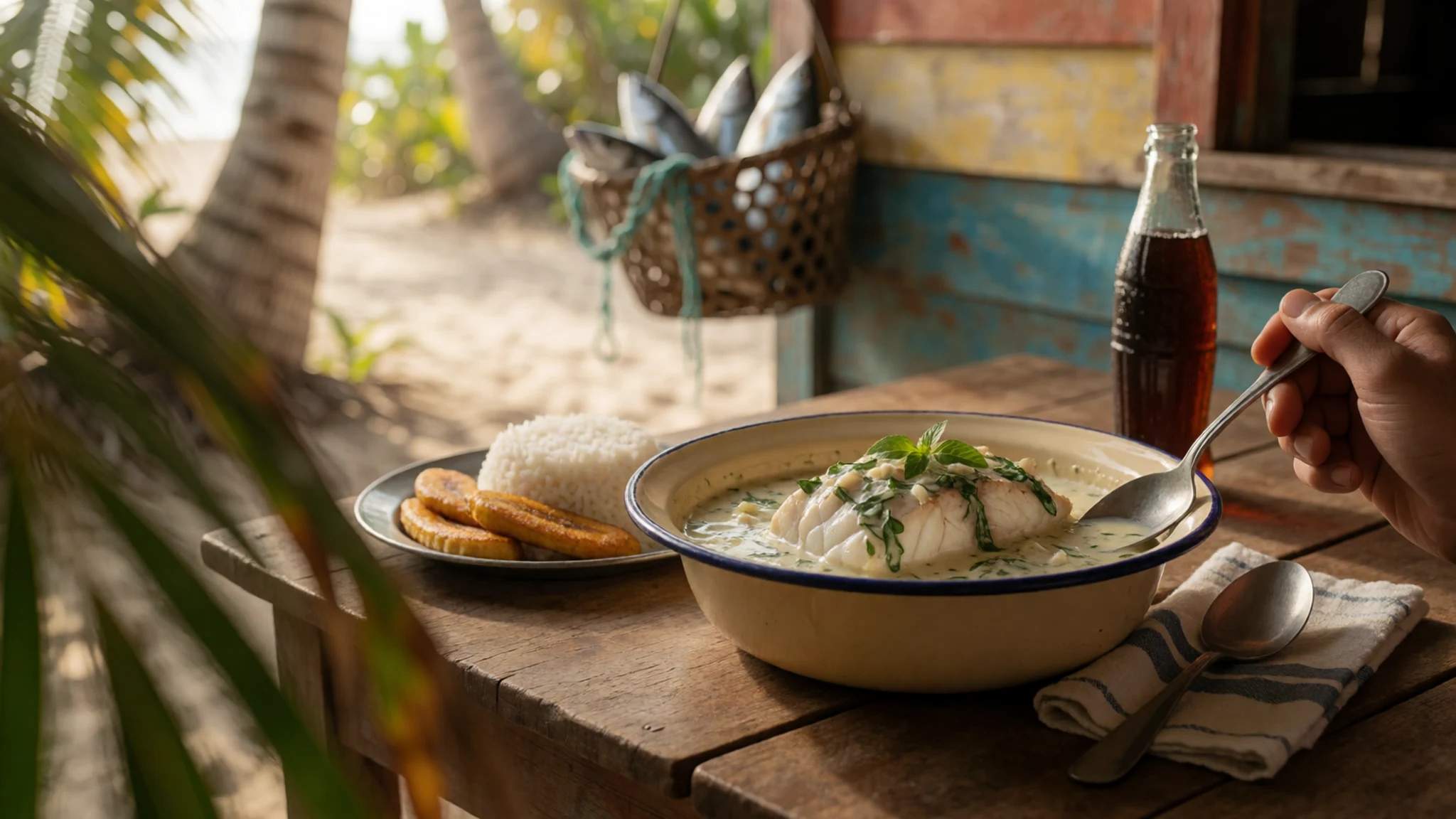
- Tostones — Almost any local eatery or beach shack
Green plantain slices are fried, flattened and fried again until crisp, then salted. They arrive beside fish, chicken or eggs, or on their own with a cold beer. Salty, starchy and filling, they are the usual accompaniment on the peninsula's coast.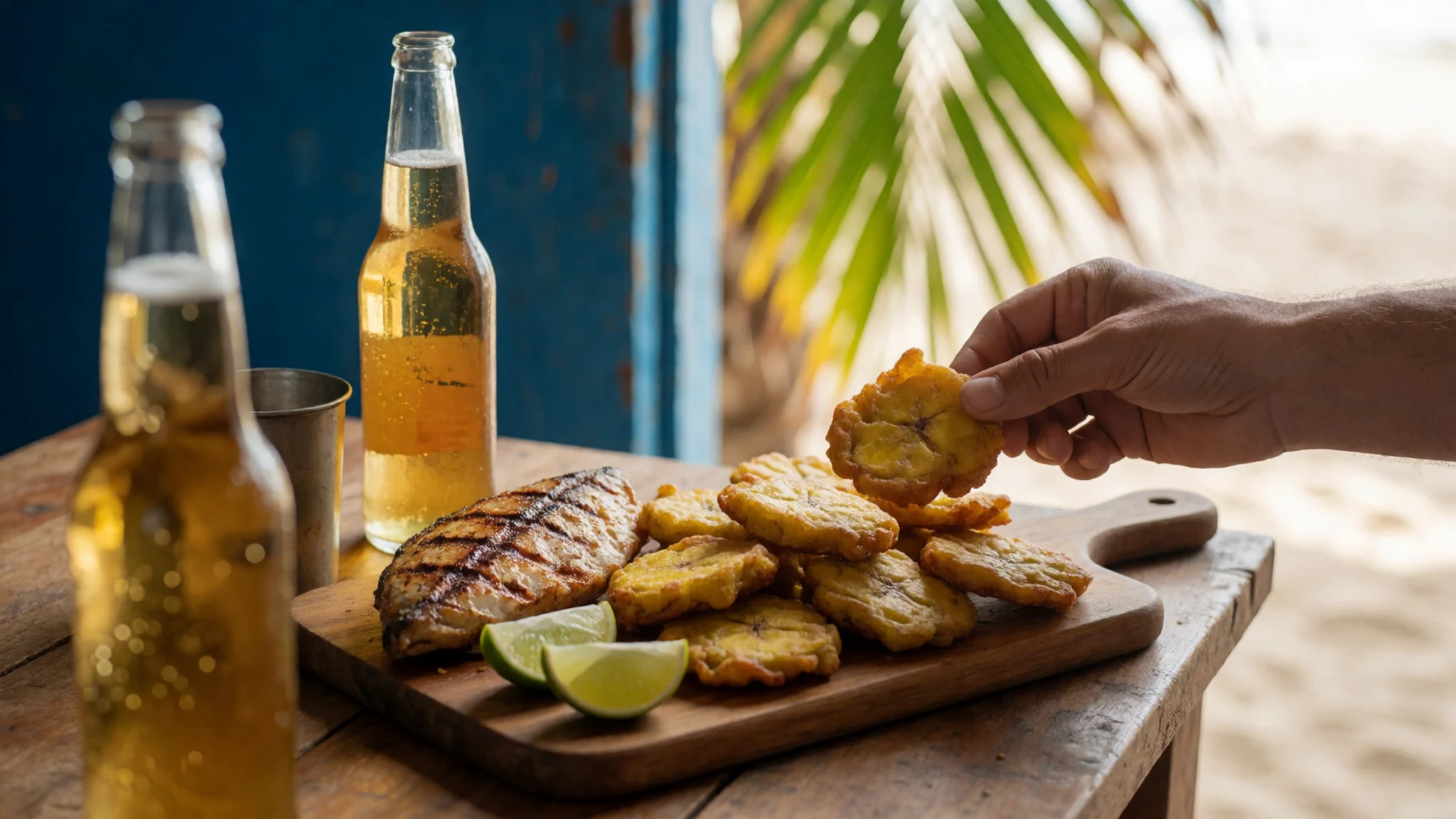
- La Bandera — A comedor (simple lunch eatery) in Samaná town
The national plate of white rice, red beans and stewed meat, usually with a small salad and fried plantain. It is a midday meal, cheap and filling, and best eaten at a busy comedor where locals queue at lunchtime. Try it once for a taste of everyday Dominican cooking. - Tres golpes — Local breakfast spots and market stalls in Samaná town
Mangú, mashed green plantain, comes with fried cheese, salami and eggs in the classic Dominican breakfast. It is soft, salty and heavy, so one plate carries you through a morning on the water. Fried onions, pickled red onion and avocado often sit on top. - Jugo de chinola — Juice stalls and any waterfront café
Passion-fruit juice, usually blended with water and sugar, is a cooling, sharp-sweet drink that suits the heat. Ask for it without ice if you are unsure of the water, or choose one made from bottled water. Many cafés also serve other tropical juices and milkshakes.
Plan it
Best time. January to April is the best window: it is drier and less humid, and humpback whales are in Samaná Bay from roughly mid-January to March. May to November brings more rain and heat, and the Atlantic hurricane season runs through much of the autumn, so check forecasts before booking.
How long. 4–5
Getting there. Fly to Samaná El Catey International Airport, which serves the peninsula, or to Santo Domingo or Puerto Plata and continue by road. The last leg is a taxi, shuttle or hire car along the coast to Samaná town, Las Terrenas or Las Galeras. Complete the online eTicket before departure, and check entry rules for your passport.
Budget. mid
Tips
- Book whale-watching boats and beach excursions a day or two ahead in high season, and use licensed operators
- Carry some cash for beach shacks, small shops and taxis, as cards are not accepted everywhere
- Drink only bottled or boiled water, and avoid ice and salads unless you trust the kitchen
- Start hikes and boat trips early, before the heat and the afternoon showers
- Hire a car or arrange a driver, because roads are steep and public transport is thin
Etiquette
- Greet people with buenos días or buenas tardes before asking for anything
- Cover shoulders and knees when going into a church or walking through town
- Keep a respectful distance from whales and avoid touching coral or marine life
Nearby
Sources
- Wikidata Q2279055 (CC0)
- Wikipedia: Samaná Peninsula (rev 1380788434) (CC BY-SA 4.0)
- Wikivoyage: Dominican Republic (rev 5328097) (CC BY-SA 4.0)
- Playa Frontón, Danu Widjajanto (CC BY-SA 4.0)
- Cabo Samaná, Dennishidalgo (CC BY-SA 4.0)
- Playa Morón, Daniel Lobo (CC BY 2.5)
- 5, 32000, Dominican Republic (10), Максим Улитин (CC BY 3.0)
- 5, 32000, Dominican Republic (11), Максим Улитин (CC BY 3.0)
- 5, 32000, Dominican Republic (12), Максим Улитин (CC BY 3.0)
- 5, 32000, Dominican Republic (15), Максим Улитин (CC BY 3.0)
- 5, 32000, Dominican Republic (16), Максим Улитин (CC BY 3.0)


Wildlife
- Humpback whale (animal)
The humpback is a huge whale with long flippers and bumps on its head, famous for leaping from the water. Samaná Bay is where humpbacks come to breed, so seeing them is the peninsula's big seasonal treat, from roughly mid-January to March. Watch from a boat with a knowledgeable guide, keep a respectful distance and stay quiet. Listen for the males, whose songs are long and complex. Never try to touch or feed these whales; let them go about their business.