Hoyo Azul
Hoyo Azul, Dominican Republic
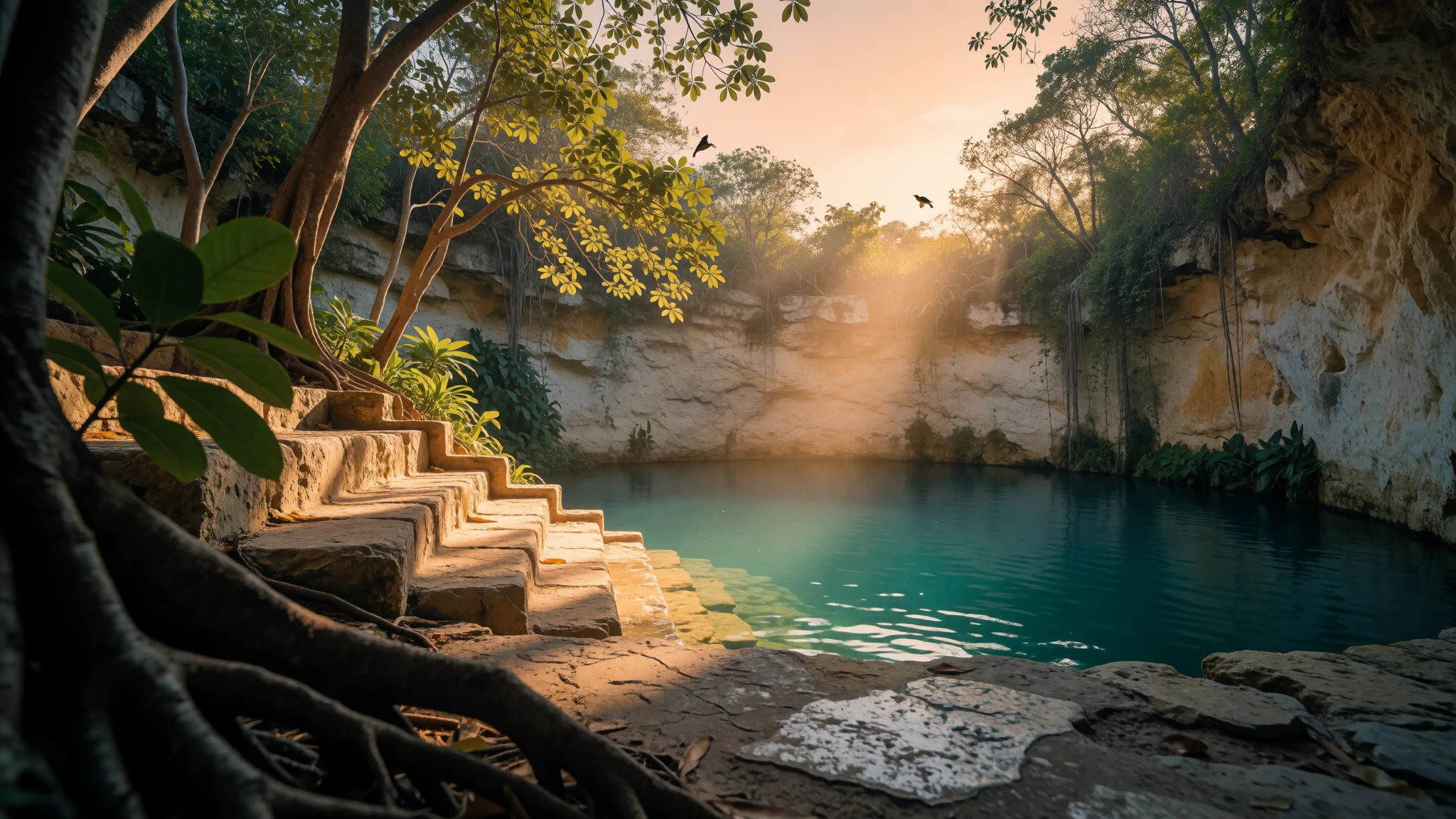
Hoyo Azul is a limestone sinkhole pool near Punta Cana, where cool, clear freshwater offers a break from the salt and crowds of the beach resorts.
The place
Hoyo Azul sits in the far east of the Dominican Republic, a short drive inland from the resort coast around Punta Cana. Geographers class it as a doline, a bowl-shaped hollow that forms where limestone dissolves and the ground above gives way. Locals and visitors call it a cenote, the word used for similar water-filled sinkholes in Mexico, and the comparison is fair: this is freshwater held in rock, not an arm of the sea.
The pool is small and round. Pale rock walls drop steeply to water that looks deep turquoise at midday and closer to ink-blue when cloud passes. The colour comes from clear water over pale stone, with very little silt to cloud it. Trees and shrubs lean over the rim, and the air under them is noticeably cooler than on the open coast.
The setting is quiet by Caribbean standards, though not remote. Hoyo Azul lies within a managed private park rather than beside a public road, so a visit is arranged through that park and not simply a matter of turning up at the water's edge. That keeps numbers down and the rim tidy, but it also means the experience is organised, with set routes and staff on hand. Visitors who want a long, solitary swim will find the pool more sociable than that, especially around midday.
The pool is best understood as one stop on a day out. The eastern end of the island pairs beaches, mangrove and reef with this inland pocket of limestone, and Hoyo Azul gives a very different feel from all three.
Its story
The story of Hoyo Azul begins underground, long before anyone named it. The eastern Dominican Republic rests on a broad platform of limestone, laid down from marine material when the area lay under shallow sea. Rain is slightly acidic, and over a very long time it eats into this soft rock, opening cracks, then caves, then channels carrying water below the surface. Where the roof of a cavity finally collapses, the water table is exposed in a round pit. That is a doline, and it is what Wikidata records Hoyo Azul as.
People on this coast have always depended on such water. The land is porous, so rivers are few and rain vanishes quickly into the stone. Sinkholes and caves became reliable sources of drinking water, and across the Caribbean and Mexico they also took on spiritual importance. The Taíno, who lived on the island before Spanish arrival, left rock art and ceremonial remains in caves elsewhere in the country, and it is reasonable to see pools like this one in the same landscape of belief, though no source in the brief ties Hoyo Azul itself to a particular ritual.
Its modern life is far more recent. As Punta Cana and neighbouring Bávaro grew into one of the Caribbean's busiest resort areas, land behind the beaches was developed for visitors looking for something beyond sand. The sinkhole was brought into a private park, given paths and viewing points, and presented as a swimming spot. It now has a double identity: an old geological feature, and a newer, carefully managed attraction on a coast otherwise built around the sea.
What to see
- Hoyo Azul — Cap Cana, near Punta Cana
The sinkhole pool itself is the reason to come. Pale limestone walls frame a circle of vivid blue water, with a short walk down through shaded vegetation. Visitors can swim, and the contrast with the warm sea is the pleasure. Go early or late for calmer water and softer light for photographs.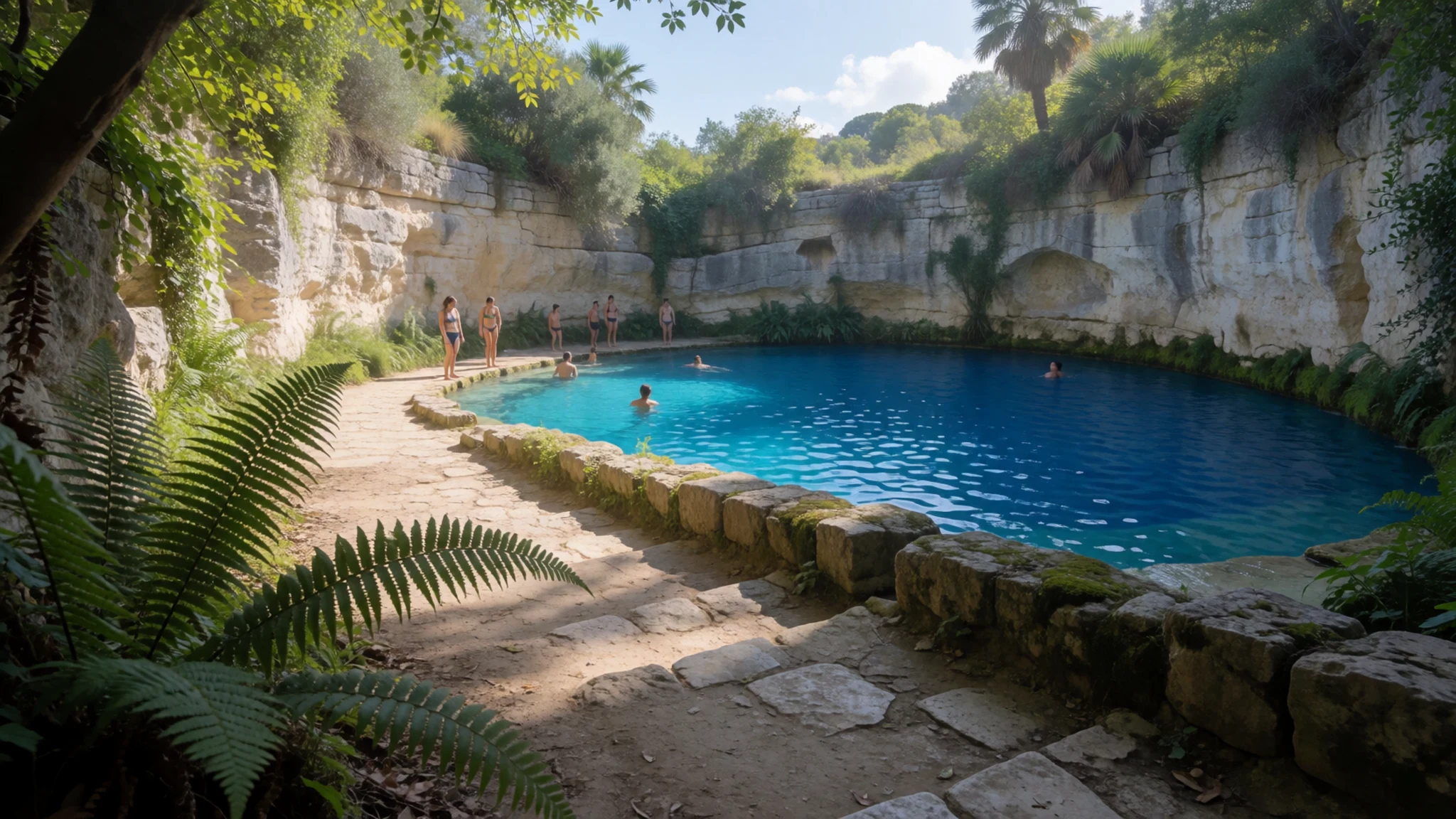
- Punta Cana — Punta Cana
Punta Cana is the resort strip that most visitors fly into, and the base for reaching Hoyo Azul. Its beaches are long, pale and lined with large all-inclusive complexes. It is easy and comfortable, though busy and built-up. A walk outside the complex fences gives a better sense of how local people live.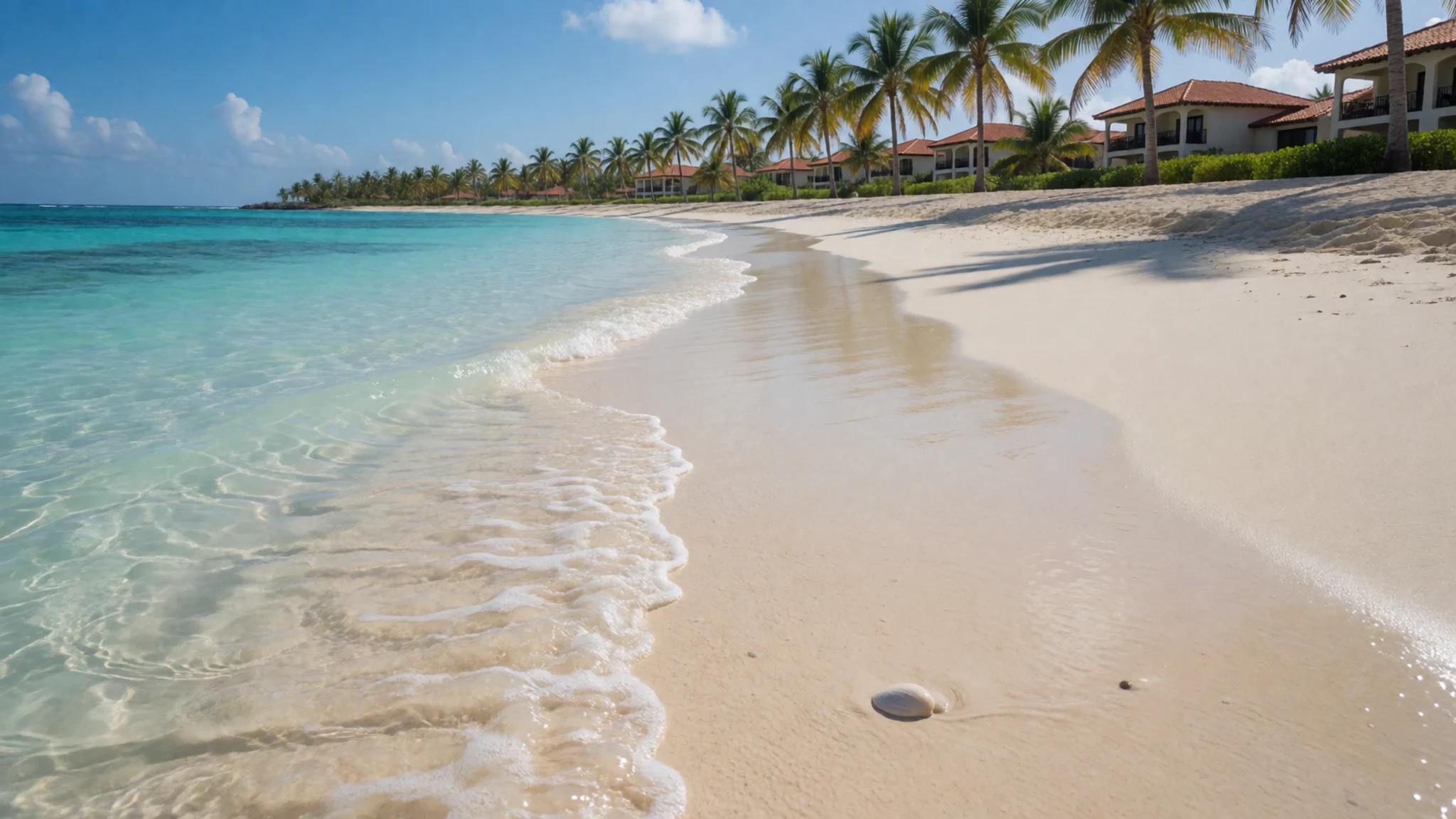
- Bávaro — Bávaro
Bávaro runs along the same coast just north of Punta Cana, with a wide beach, a reef offshore and a spread of shops, restaurants and eateries aimed at visitors. It is lively in the evenings. Prices can be higher than inland, so compare a few places before sitting down to eat.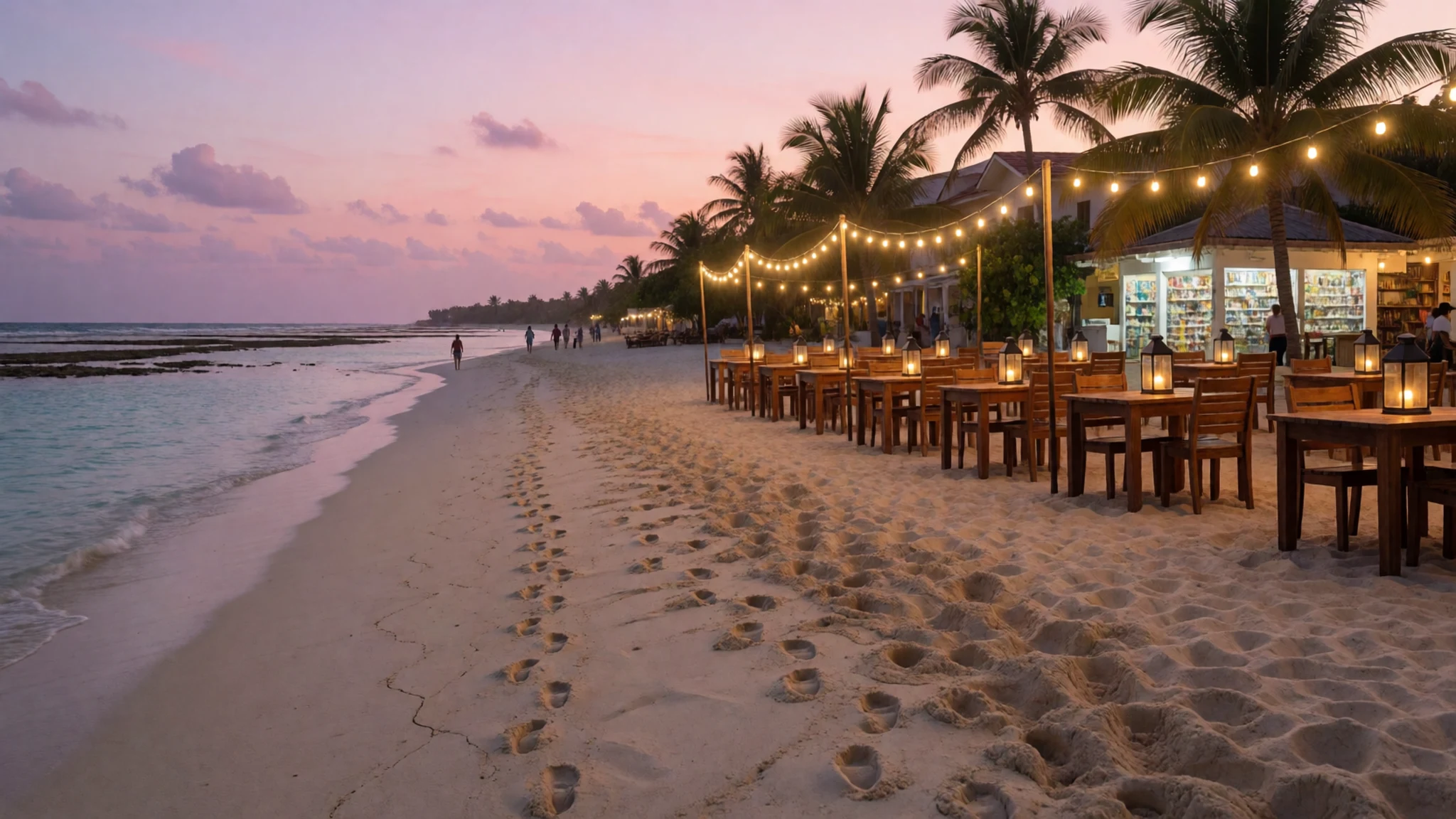
- Basilica of Our Lady of La Altagracia — Higüey
This large church in Higüey is the country's chief place of Catholic pilgrimage, dedicated to the patroness of the Dominican people. Its tall, modern concrete arch is unlike a typical colonial church. Inside, the atmosphere is devout rather than touristy, and pilgrims arrive from across the island, especially around her feast in January.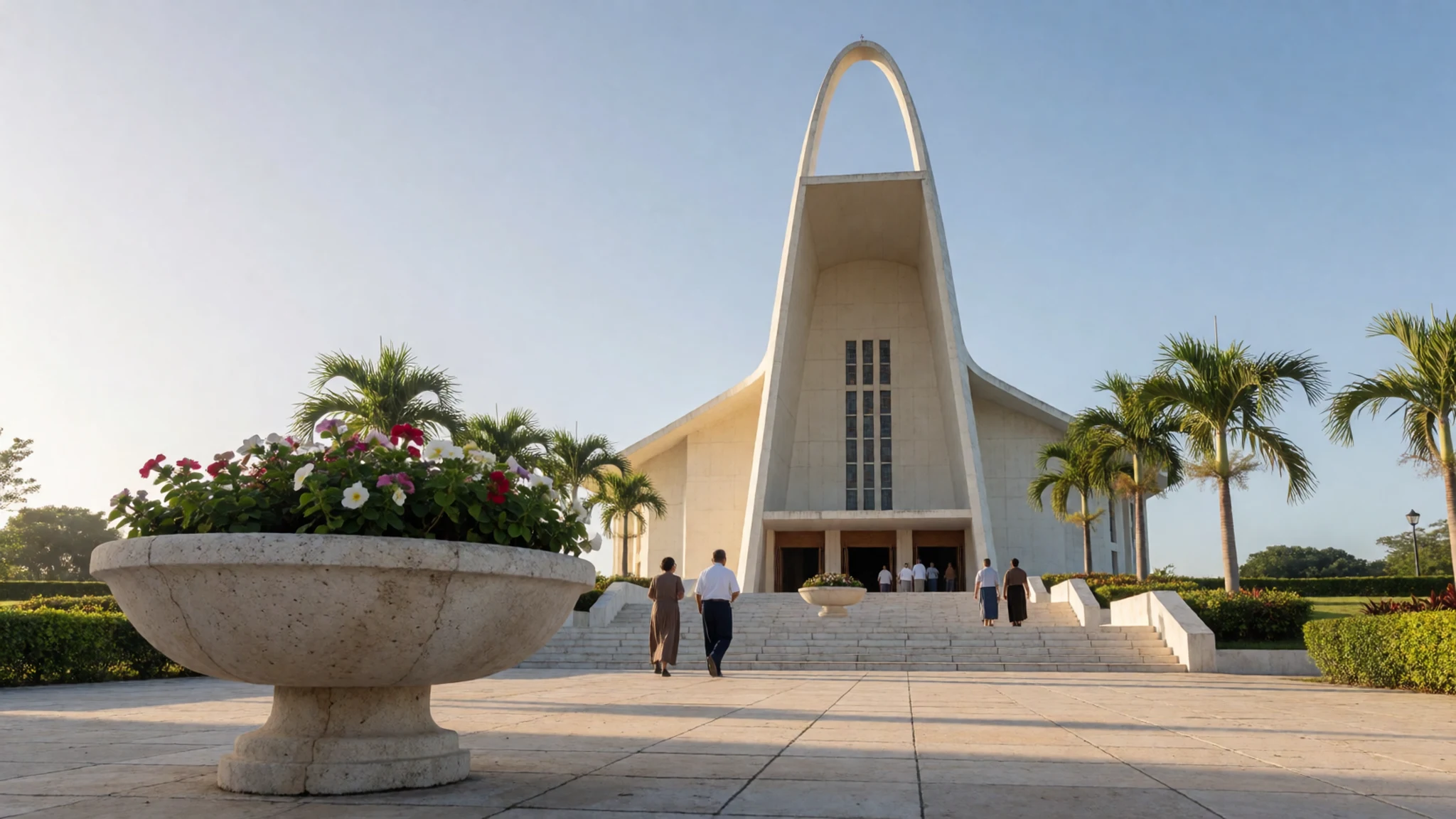
- Bayahibe — Bayahibe, La Altagracia province
Bayahibe is a small fishing village turned low-key resort on the south-east coast, with a calm bay and boats leaving for offshore islands and snorkelling spots. It feels slower and more local than Punta Cana. Fresh fish is the draw at the simple waterfront eateries, and the sunsets over the bay are worth staying for.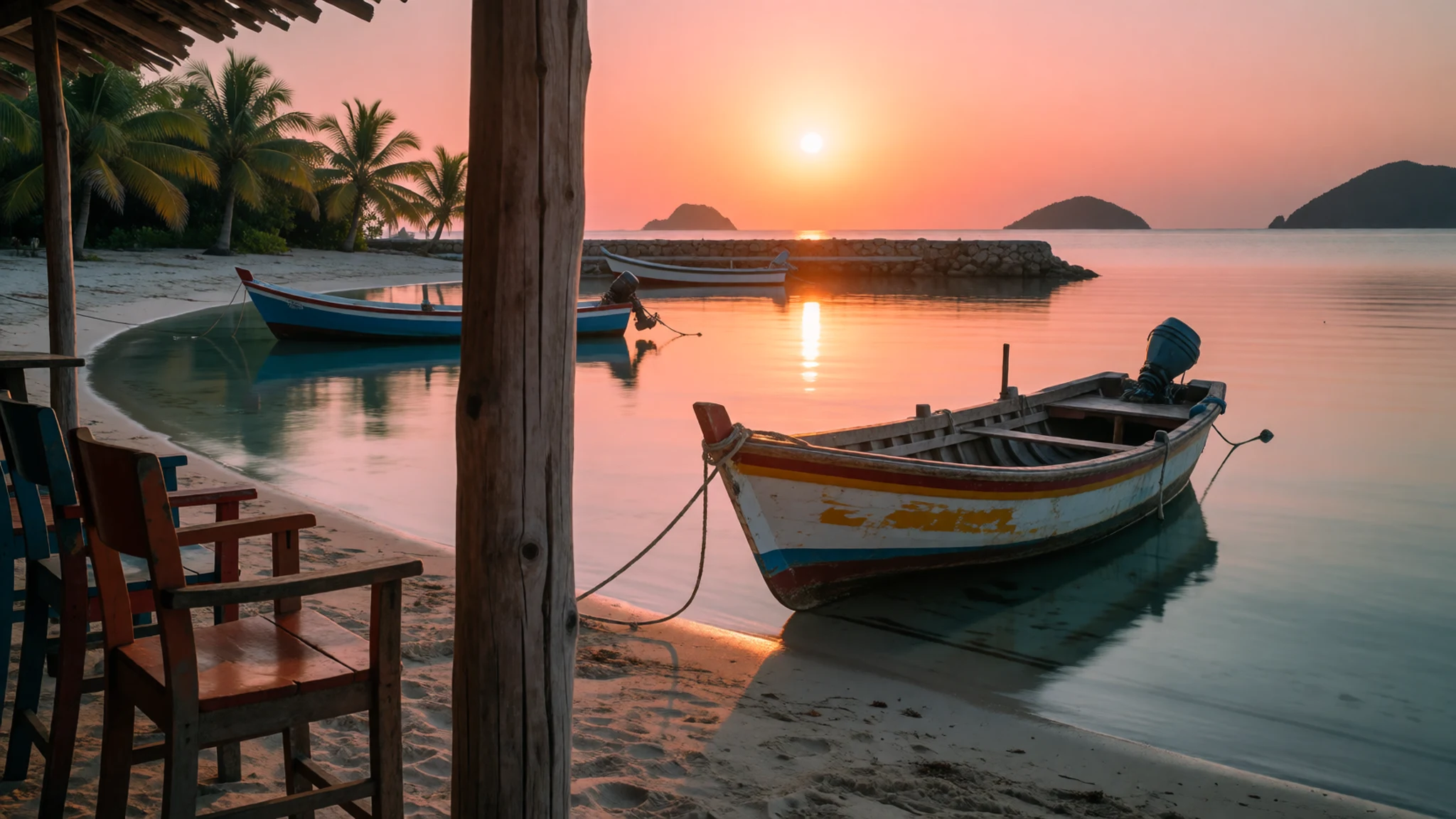
- Boca de Yuma — Boca de Yuma
Boca de Yuma is a small fishing community where the Yuma river meets the sea, on a rugged stretch of coast with limestone cliffs. It is far quieter than the resort beaches. Visitors come for the fishing boats, the seafood and a glimpse of everyday life in the east, away from the packaged tourism.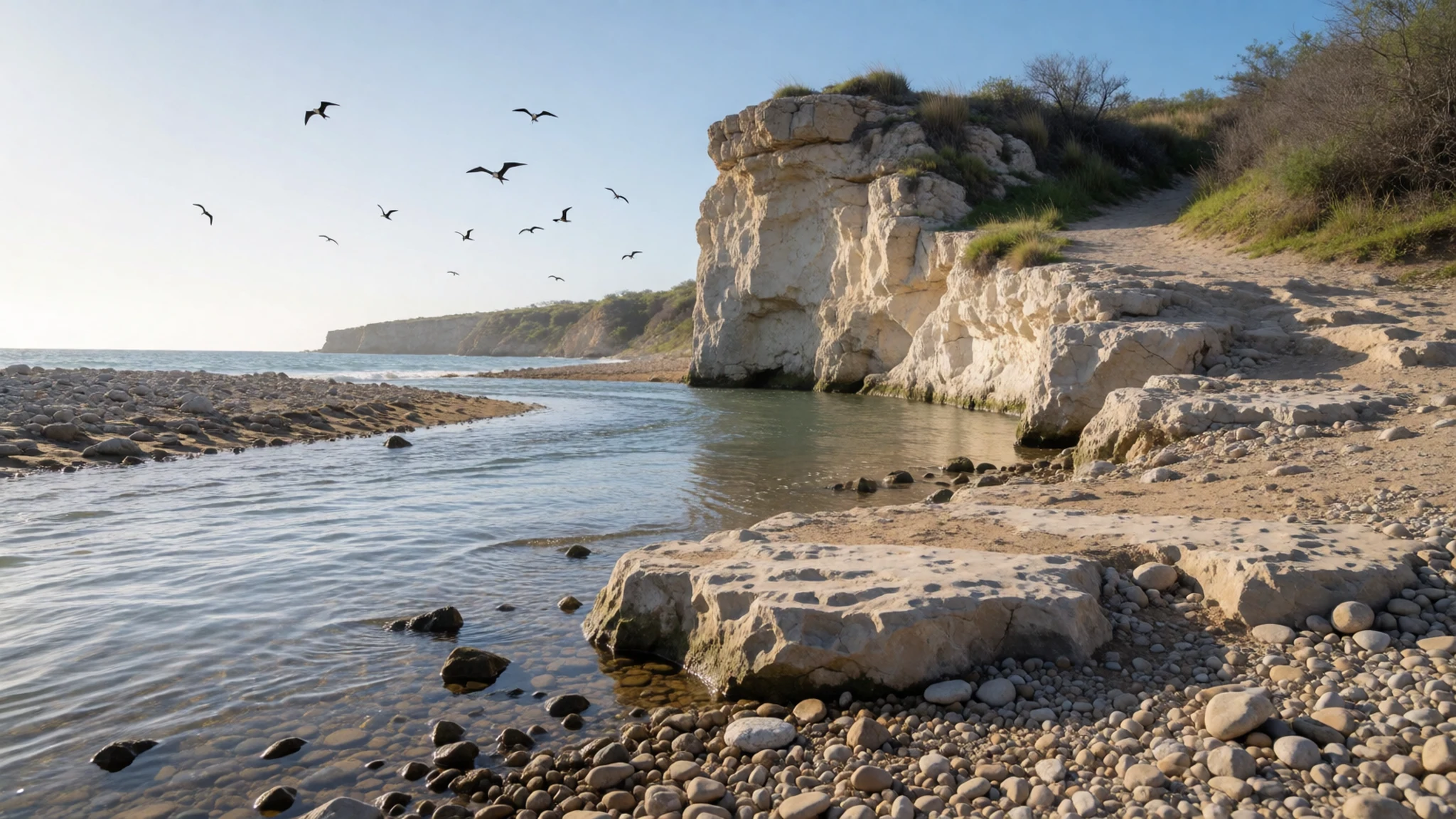
Culture
Hoyo Azul belongs to a part of the Dominican Republic where the tourist coast and traditional life sit very close together. Most Dominicans are Catholic, and faith shapes the calendar: the pilgrimage to the basilica at Higüey for Our Lady of La Altagracia, saints' days in small villages, and processions at Easter. Many families keep a small shrine at home.
Music is just as central. Merengue and bachata are heard everywhere, from car stereos to beach bars to village dances, and people are happy to teach a curious visitor a few steps. Baseball is close to a national obsession, and a conversation about a favourite player is a quick way to make friends. Spanish is the main language, spoken quickly and with a Caribbean softness. A few words of greeting go a long way, especially outside the resorts.
The country's roots are layered: Taíno, Spanish and African influences all show up in food, speech, music and belief. Hospitality is a point of pride, and being invited for coffee or a meal is common. Tourism is a major employer on this coast, and many people at the pool, the restaurants and the hotels have come from other parts of the country to work. Treating staff with patience and a real thank-you matters.
At Hoyo Azul, rinse off sunscreen and insect repellent before entering the pool, since the water is a small, enclosed natural body and the park's staff will ask you to follow their swimming and footwear instructions.
What to wear
Hoyo Azul lies in a hot, humid corner of the Caribbean, and clothing here follows the weather. Traditional Dominican festival dress is bright: women dancing merengue or folk dances wear full, ruffled cotton skirts in strong colours with fitted tops, often with a headscarf. Carnival is known for papier-mâché devil masks, called diablos cojuelos, worn with satin costumes in vivid patterns. Men often wear the guayabera, a light shirt with pleats or pockets, usually in cotton or linen, and a straw hat against the sun. These outfits mostly appear at festivals, weddings and parades rather than daily life.
In everyday life, people wear light, practical clothes: T-shirts, cotton dresses, shorts and sandals, with neat, pressed shirts and good trousers for church, offices or an evening out. Dominicans tend to take care over grooming and presentation, even in heat, and a tidy appearance is appreciated in towns.
For visitors, pack light, breathable fabrics and a hat. Swimwear is fine at the beach and pool, but cover up with a shirt or wrap when walking through villages or eating in town. For Hoyo Azul, bring water shoes or sandals with a good grip, since the paths and rocks around the pool can be slippery when wet. Reef-safe sunscreen is a considerate choice. Shoulders and knees should be covered inside the basilica at Higüey, so keep a light scarf or shirt in your bag. A thin rain jacket is useful in the wetter months.
What to eat
- La Bandera — Local comedores (simple lunch eateries) in Higüey and Bávaro towns
The everyday national plate: white rice, stewed red beans and a portion of stewed chicken or beef, often with a small salad and fried plantain. It is filling, cheap and everywhere, a reliable midday meal that locals eat at home and in simple lunch counters.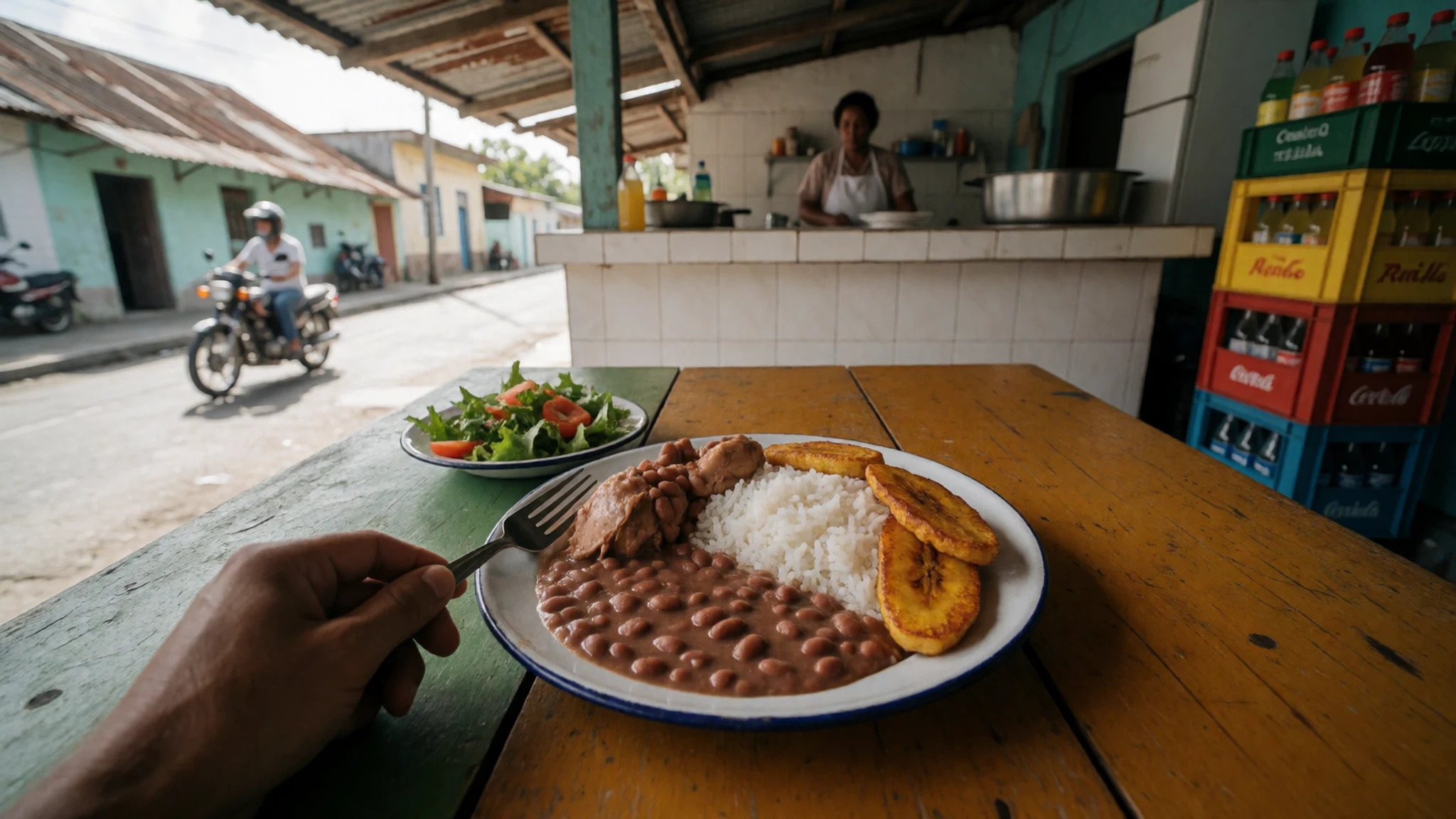
- Pescado con coco — Seafront eateries in Bayahibe and Boca de Yuma
Fish simmered in a coconut sauce, usually served with rice and fried plantain. The sauce is rich and gently spiced. It is a signature of the coast, and the fish is often caught the same morning by local boats.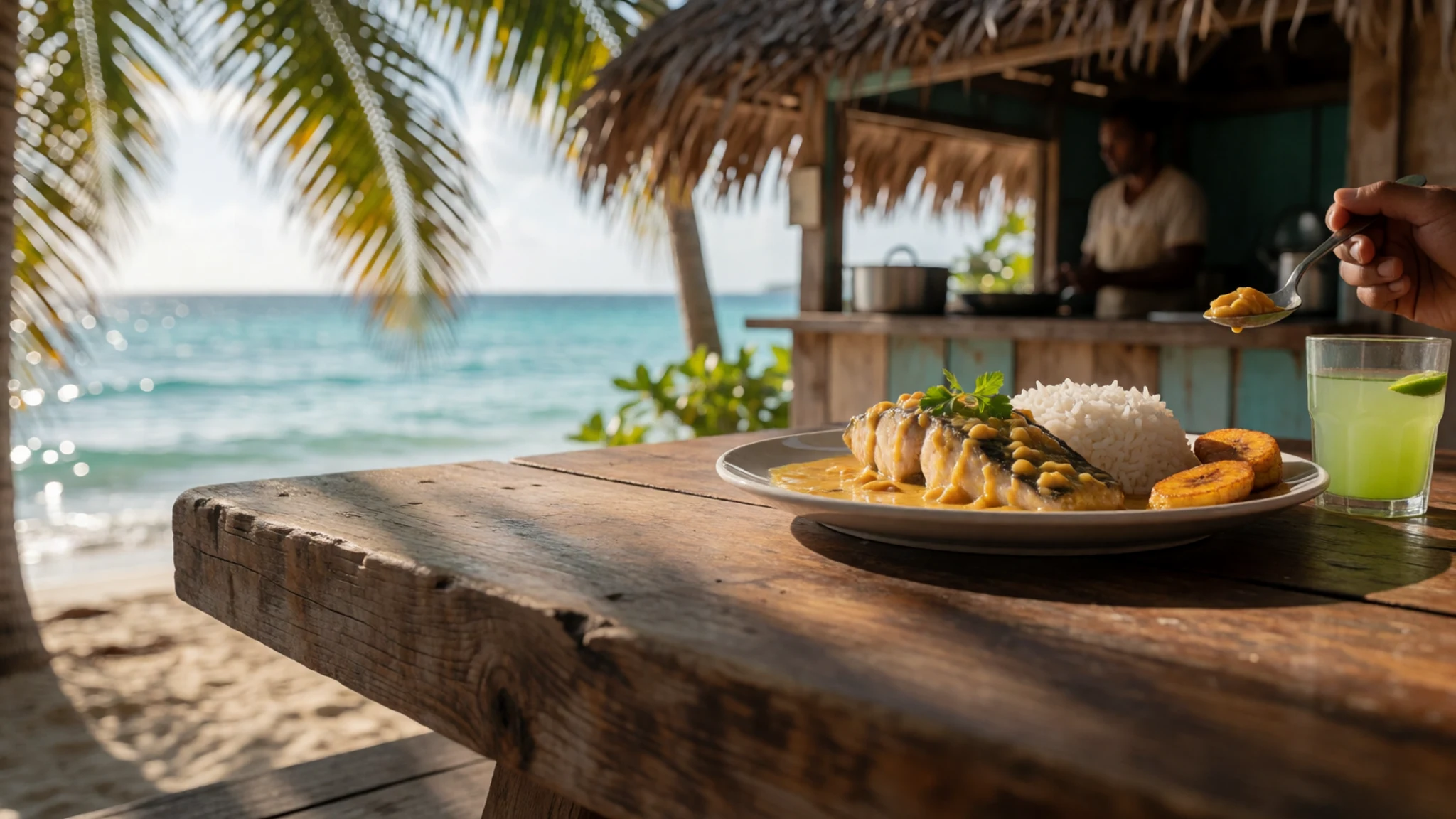
- Mangú — Breakfast counters and family-run cafés across the east
Boiled green plantain mashed to a smooth, soft purée, topped with sautéed red onions and traditionally served with fried cheese, eggs or fried salami. It is the classic Dominican breakfast, mild and satisfying before a day in the sun. - Tostones — Beach shacks and roadside food stalls
Green plantain slices fried, flattened and fried again until crisp outside and soft inside, then salted. They come as a side with fish and meat, or as a snack with a dip. Order them hot, since they lose their crunch quickly. - Sancocho — Family restaurants in Higüey, especially on weekends
A thick stew of several meats with root vegetables, plantain and corn, seasoned with fresh herbs and often served on weekends or celebrations. It is hearty and slow-cooked, closer to a family feast than a quick meal.
Plan it
Best time. December to April is the drier, slightly cooler part of the year, with the most reliable sunshine for swimming and the beach. The summer months are hotter and more humid, with heavier showers, and late summer into autumn is the Atlantic hurricane season, so check forecasts and keep travel plans flexible.
How long. 2–3
Getting there. Punta Cana International Airport is the nearest airport, with direct flights from several European and regional cities and connections through major hubs. From the airport, Hoyo Azul is a short road transfer, by pre-booked taxi or hire car, or arranged through the park. Check the park's official channels for how to book entry.
Budget. mid
Tips
- Book entry to the park ahead in the busy winter months and check the park's official site for current rules
- Go early in the day for cooler air and smaller groups at the pool
- Carry some cash in pesos for small eateries and tips, since not every place takes cards
- Drink bottled or filtered water, and bring a refillable bottle for the heat
- Use reef-safe sunscreen and rinse before swimming
Etiquette
- Follow staff instructions at the pool, including footwear and swimming limits
- Cover shoulders and knees when visiting the basilica at Higüey
- Ask before photographing local people, especially children and pilgrims
Nearby
Sources
- Wikidata Q123693015 (CC0)
- Wikipedia — Hoyo Azul (CC BY-SA 4.0)
- Wikivoyage — Higüey (rev 3517811) (CC BY-SA 4.0)
- Photo: Dominican Republic Blue Hole of Punta Cana, adam w, via Wikimedia Commons (CC BY 2.5)
