Cayo Levantado
Cayo Levantado, Dominican Republic
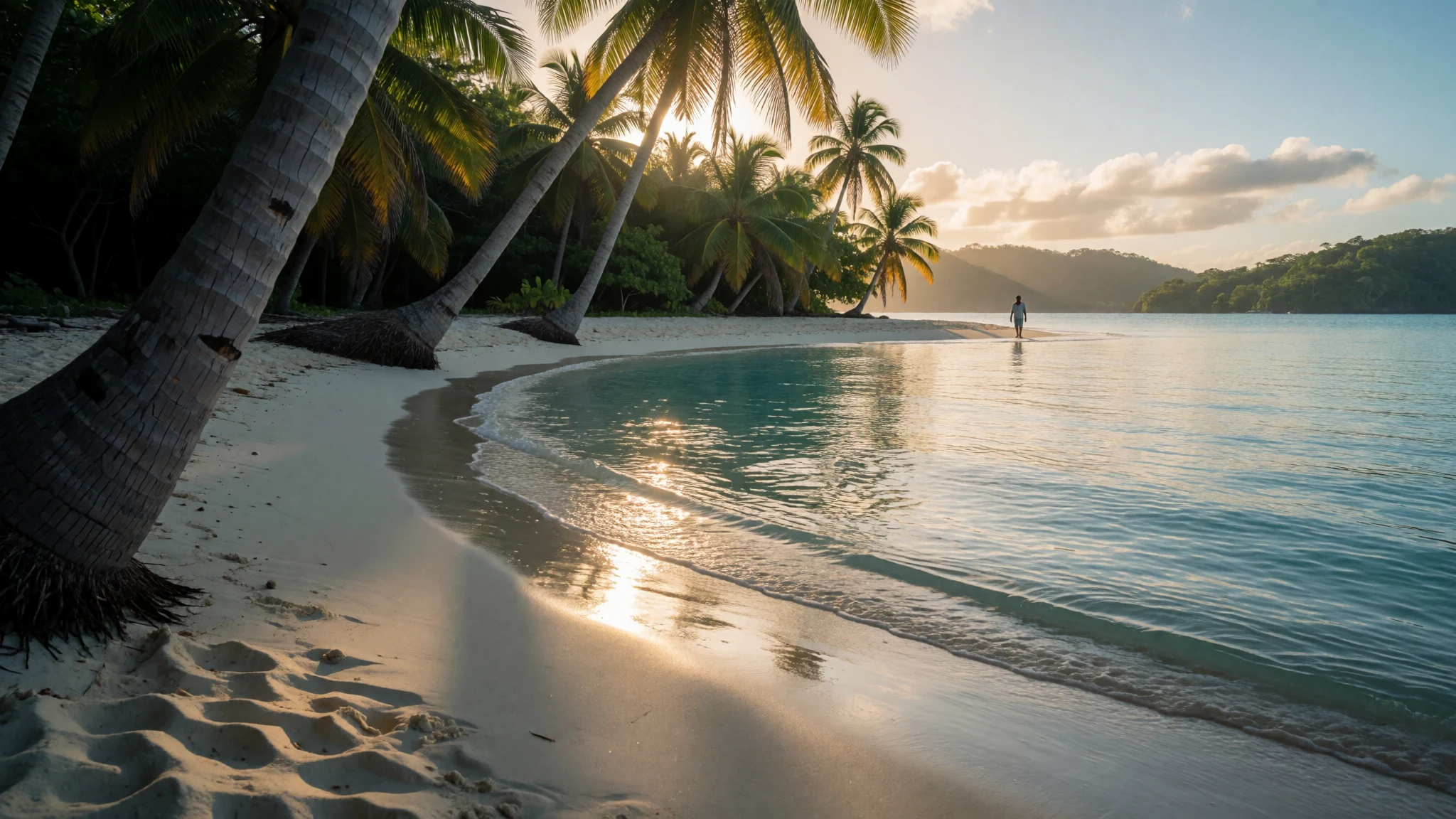
Cayo Levantado is a small, palm-fringed island in Samaná Bay where the main business is warm, shallow water and a long, easy beach day.
The place
Cayo Levantado is a small island in Samaná Bay, off the north-east coast of the Dominican Republic and part of Samaná Province. It is low and compact, rising only 24 m at its highest point, with a rim of pale sand and a cover of palms and tropical forest behind. The water around it is shallow, clear and usually calm, because the bay shelters it from open Atlantic swell. That makes it a place for floating, paddling and doing very little, rather than for surfing or serious diving.
Most visitors arrive by boat from the mainland town of Samaná, many of them on organised day trips, so the beaches fill from late morning and thin out again by late afternoon. A large resort occupies part of the island, and the rest is shared between public sand, beach bars and small stalls selling fruit, crafts and grilled fish. The mood is sociable and a little commercial, with music carrying across the sand, so it suits people who want company more than a hushed desert island.
The climate is tropical rainforest: warm all year, humid, with showers possible in any month and the heaviest rain in late spring. Mornings tend to be the calmest and clearest part of the day. The nearest airport is Samaná El Catey International, a fair drive away, and the bay's other shores hold fishing villages, coconut groves and forested hills that reward a day on the mainland before or after the island.
Its story
Cayo Levantado belongs to the long history of Hispaniola, the island that the Dominican Republic shares with Haiti. Before Europeans arrived, the island's people were the Taíno, farmers and fishers who knew these sheltered bays well. Columbus reached Hispaniola in December 1492 on his first voyage and claimed it for Spain, and it quickly became the springboard for Spanish expeditions to the rest of the Caribbean and the American mainland. Within a few years the Taíno population had been sharply reduced by conquest, forced labour and disease, and their legacy survives mostly in place names, everyday words and the cave art found elsewhere in the country.
Samaná Bay was later settled by people from several parts of the Atlantic world, and the peninsula still has communities with their own church traditions and ways of speaking. Fishing, coconuts and small-scale farming shaped life here for generations, long before tourism arrived.
The island's modern fame is more recent. Advertisements for a white rum brand were filmed on its beach, and the nickname Bacardi Island stuck, even though it says nothing about the island's real past. Since then a large resort has been built on part of the island, boat excursions from Samaná have become routine, and the bay has become one of the better-known beach stops in the country. The island today is a mix of that tourist trade and the older fishing economy of the shore opposite.
What to see
- The main beach and shallows — Cayo Levantado, main beach
The beach on Cayo Levantado is a strip of pale sand with water that stays shallow and clear a good way out. Mornings are calmest and quietest, before the excursion boats arrive. Shade under the palms is welcome by midday, and the gentle bottom makes it an easy place for children and nervous swimmers.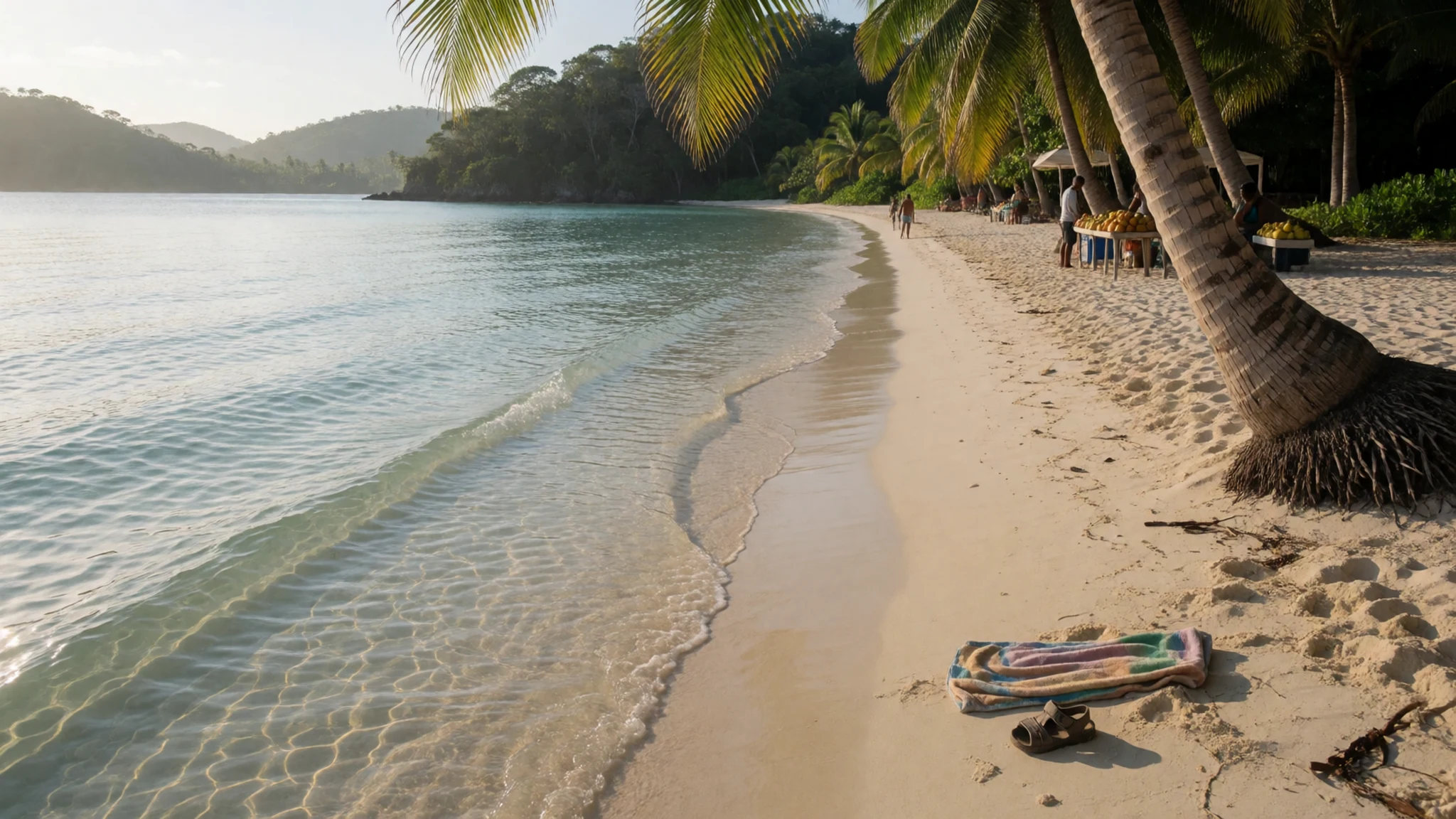
- The 'Bacardi Island' shoreline — Cayo Levantado, shoreline
Seen from the water, Cayo Levantado shows the postcard outline that earned its rum-advert nickname: a curve of sand, leaning palms and dark forest behind. A slow loop by boat or kayak gives the best view, and a quieter stretch of shore is often reachable on foot away from the busiest landing.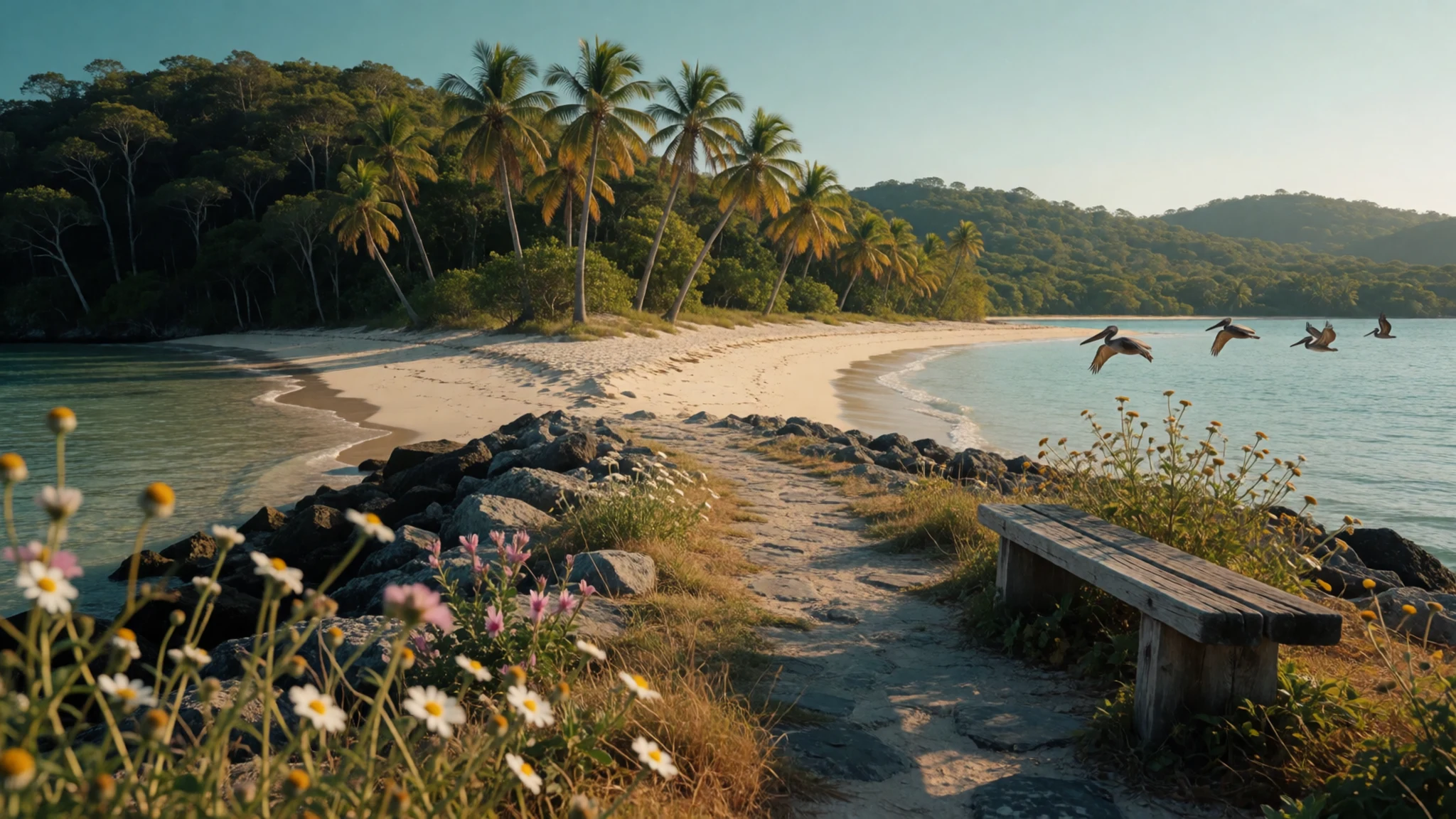
- The forested interior — Cayo Levantado, interior
Behind the beach, the island rises to a modest 24 m under tropical forest and palms. Short paths and the shaded edges of the resort grounds give a feel for the vegetation without a long walk. Wear closed shoes if wandering inland, and expect humidity and the occasional shower.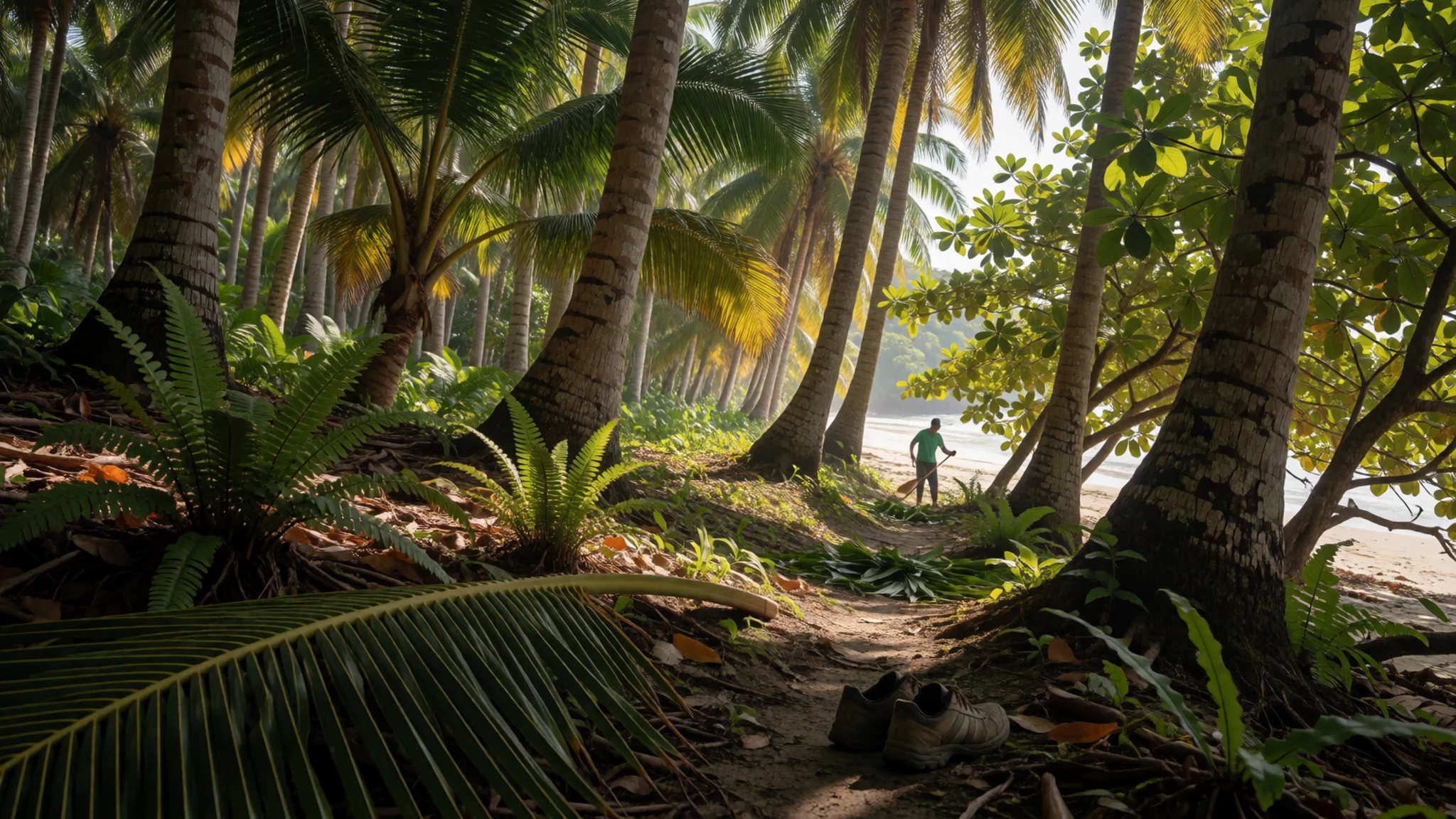
- The boat crossing from Samaná — Samaná town and the bay
The trip across Samaná Bay is part of the day, and it is worth sitting on the open deck. The mainland shore is green and hilly, with fishing boats and small jetties. Samaná town itself has a waterfront with eateries and tour desks, and is the usual place to arrange a crossing.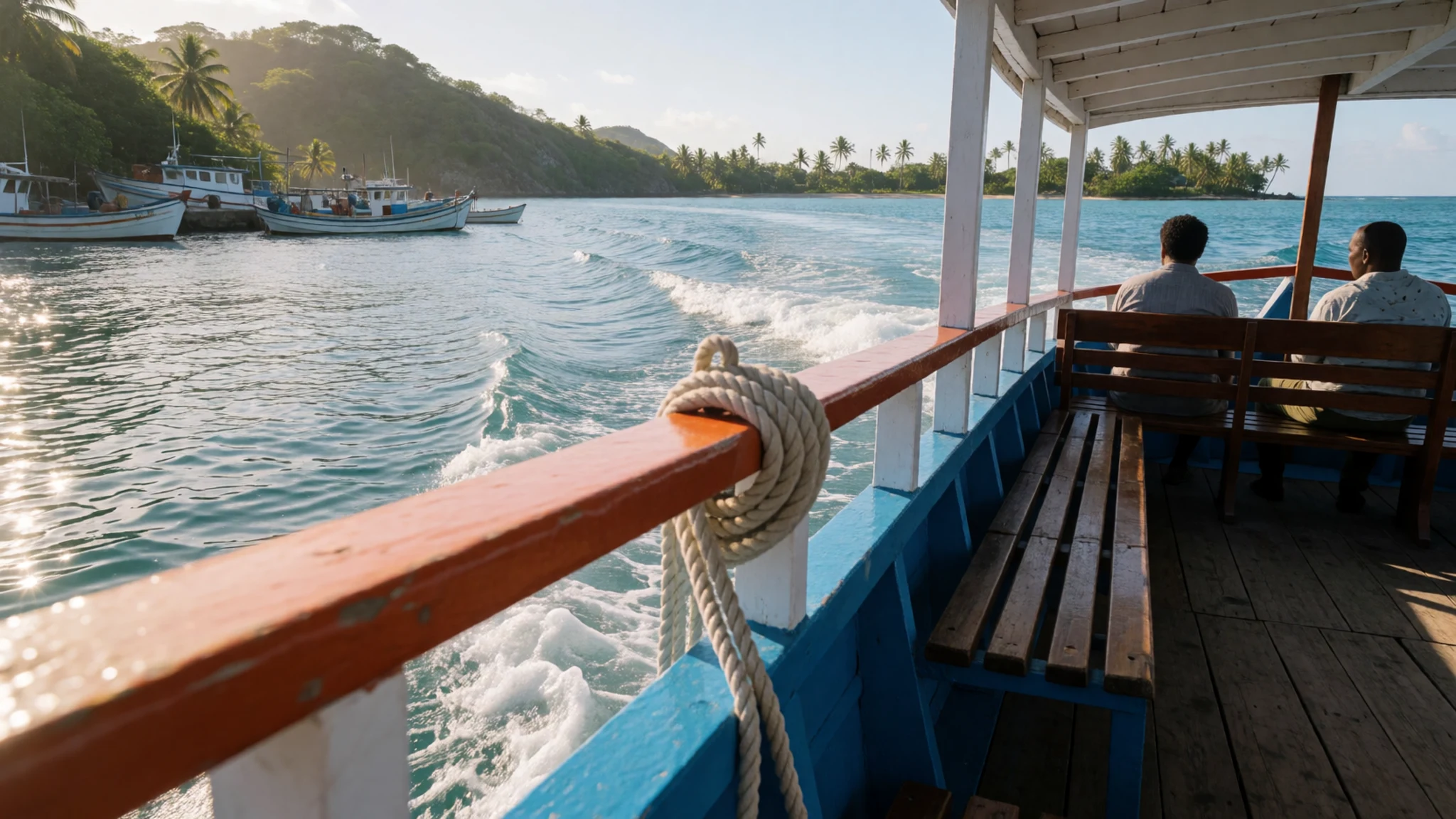
- Los Haitises National Park — South side of Samaná Bay
Los Haitises is one of the national parks on the Dominican Republic's list, across the bay from the island. It is known for mangroves and steep limestone hills, and is usually visited by boat with a guide. It makes a good contrast to a beach day, and tours are best arranged through a licensed operator in Samaná.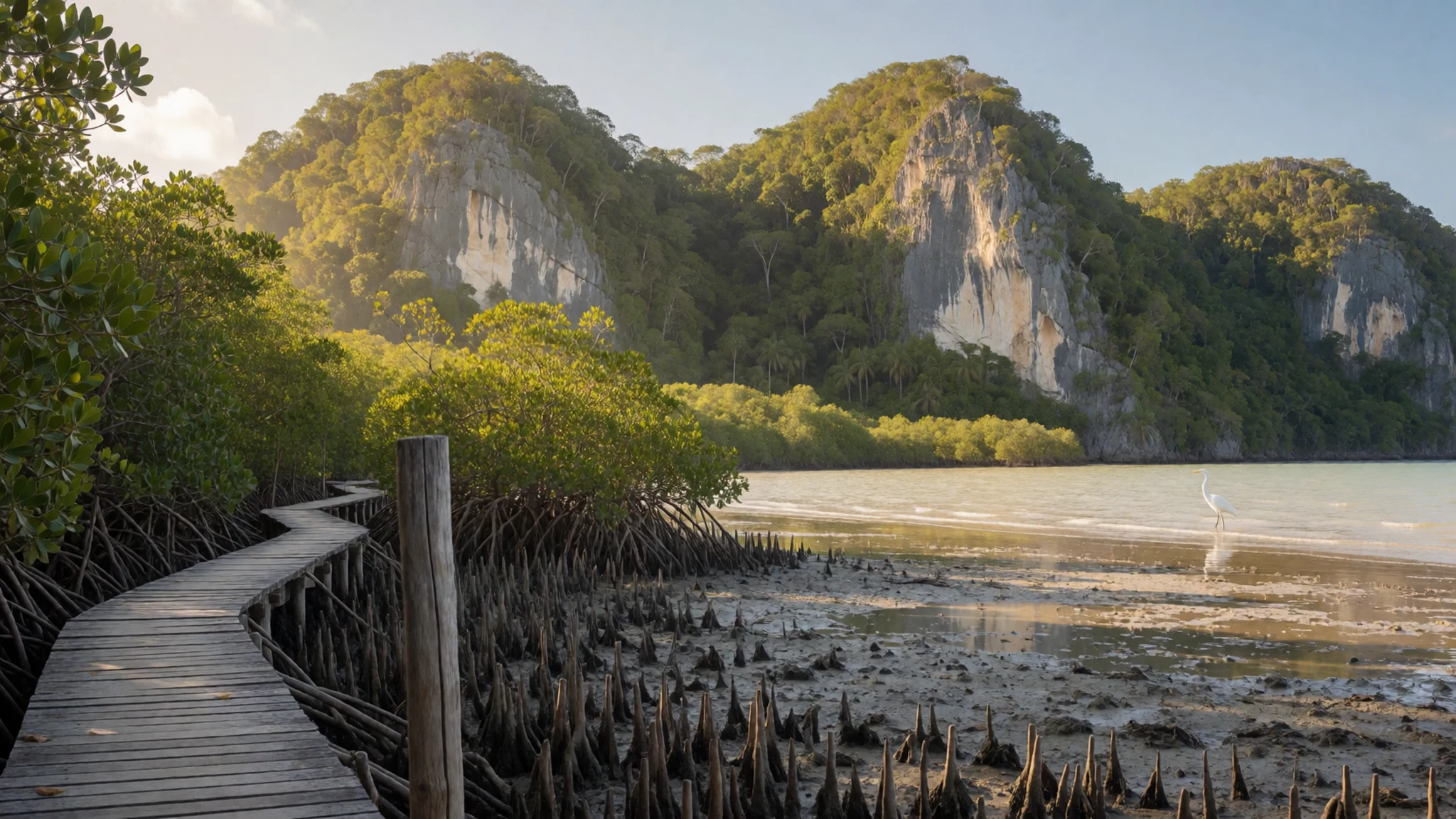
Culture
Cayo Levantado sits in a country where manners matter, and Dominican hospitality is easy to meet even on a day trip. Greeting people with buenos días or buenas tardes before asking for anything is expected, and a few words of Spanish, however clumsy, are received with real kindness. The boat crews, vendors and cooks working on the island mostly come from Samaná and nearby villages, and a friendly exchange goes further than hard bargaining.
Music is part of daily life: merengue and bachata drift from beach bars and boats, and joining in with a smile is welcome. Faith is visible too, with churches busy on Sundays and many households keeping saints' days.
The country's history with Haiti, its neighbour on Hispaniola, is painful and politically charged. Older people in particular may carry long memories of invasion and occupation, so it is wiser to listen than to raise the subject.
Restaurants in the Dominican Republic often add a tax and service charge to the bill, and leaving a little extra for very good service is customary, so check the bill before tipping twice. The island's beaches also depend on shared care, and visitors are expected to carry their rubbish back to the boat.
Greet vendors and boat crew with a polite buenos días before asking for anything, and ask before photographing people.
What to wear
Cayo Levantado is a beach island, but Dominican dress has its own traditions. Festival and folk costume features brightly printed cotton skirts with layered ruffles, worn for merengue dancing and cultural events. Men's formal wear often centres on the guayabera, a loose cotton or linen shirt with pleated front panels. At Carnival, usually in February, people wear elaborate papier-mâché masks and satin costumes, among them the horned devil figure called diablo cojuelo.
Everyday clothes on the island and around Samaná are light and practical: shorts, T-shirts, cotton dresses, flip-flops and sun hats. In town, people tend to dress a little more neatly than on the beach, and swimwear is for the sand and boat only.
For a visit, pack quick-drying clothes, a hat, sunglasses and a light cover-up for sun and for boat spray. Reef-safe sun cream is worth carrying. Water shoes help at landings where the sand gives way to rocks or coral. Bring a dry bag for phone and wallet, since boarding can mean wading. For the mainland, add a shirt that covers the shoulders and shorts or a skirt that reach the knee if visiting a church or a village. Trainers or sturdy sandals suit forest paths, which can be muddy after rain.
What to eat
- La Bandera — Comedores and small family eateries in Samaná town
The national plate of white rice, red beans and stewed meat, usually with a side of salad or fried plantain. It is the standard everyday lunch across the country, and a filling, inexpensive choice after a morning in the sea.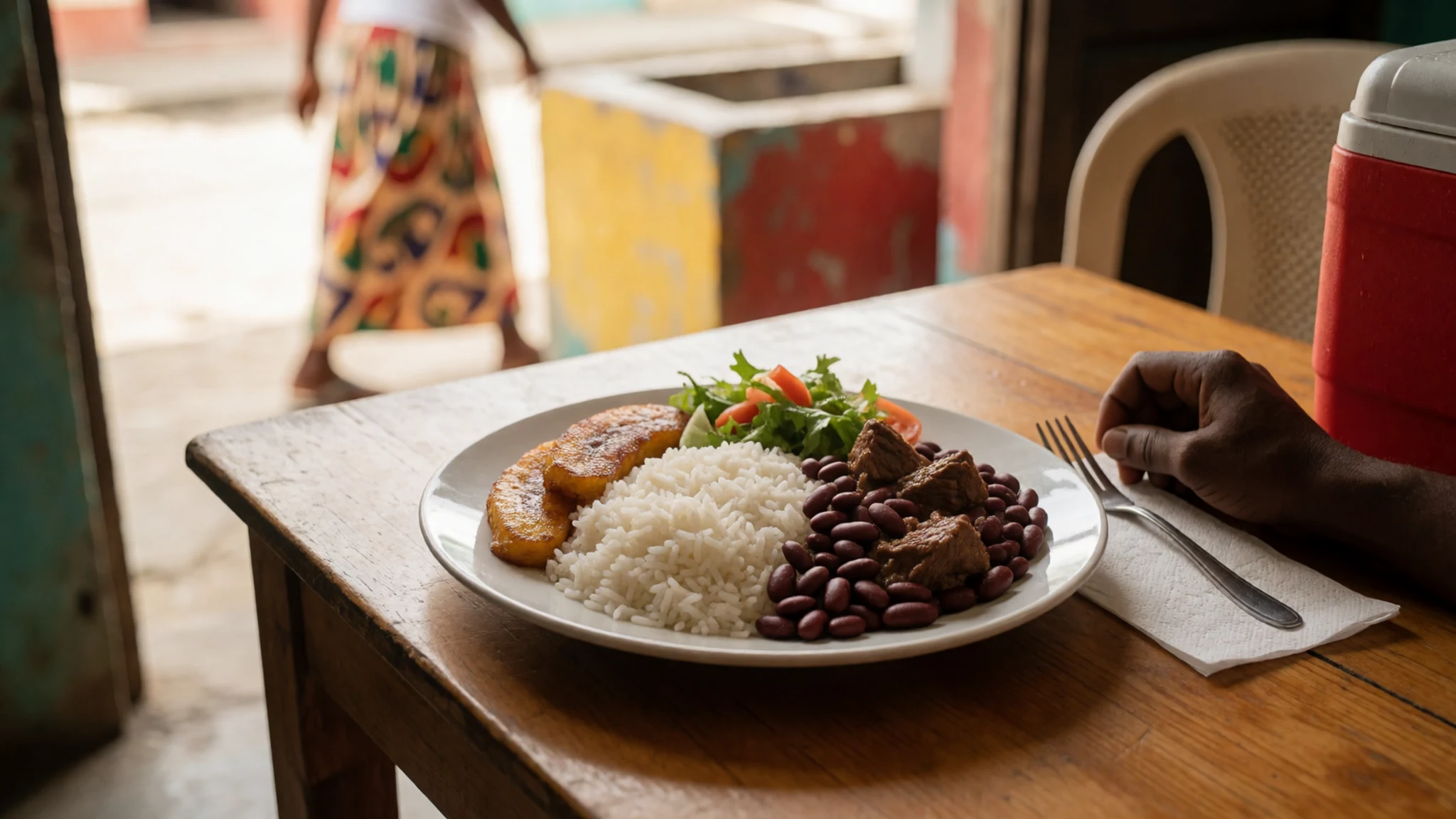
- Mangú with tres golpes — Breakfast counters and café-style eateries in Samaná
Mashed green plantain topped with sautéed onions and served with fried cheese, salami and eggs. The three-part plate is the classic Dominican breakfast and a solid start before a boat trip to the island.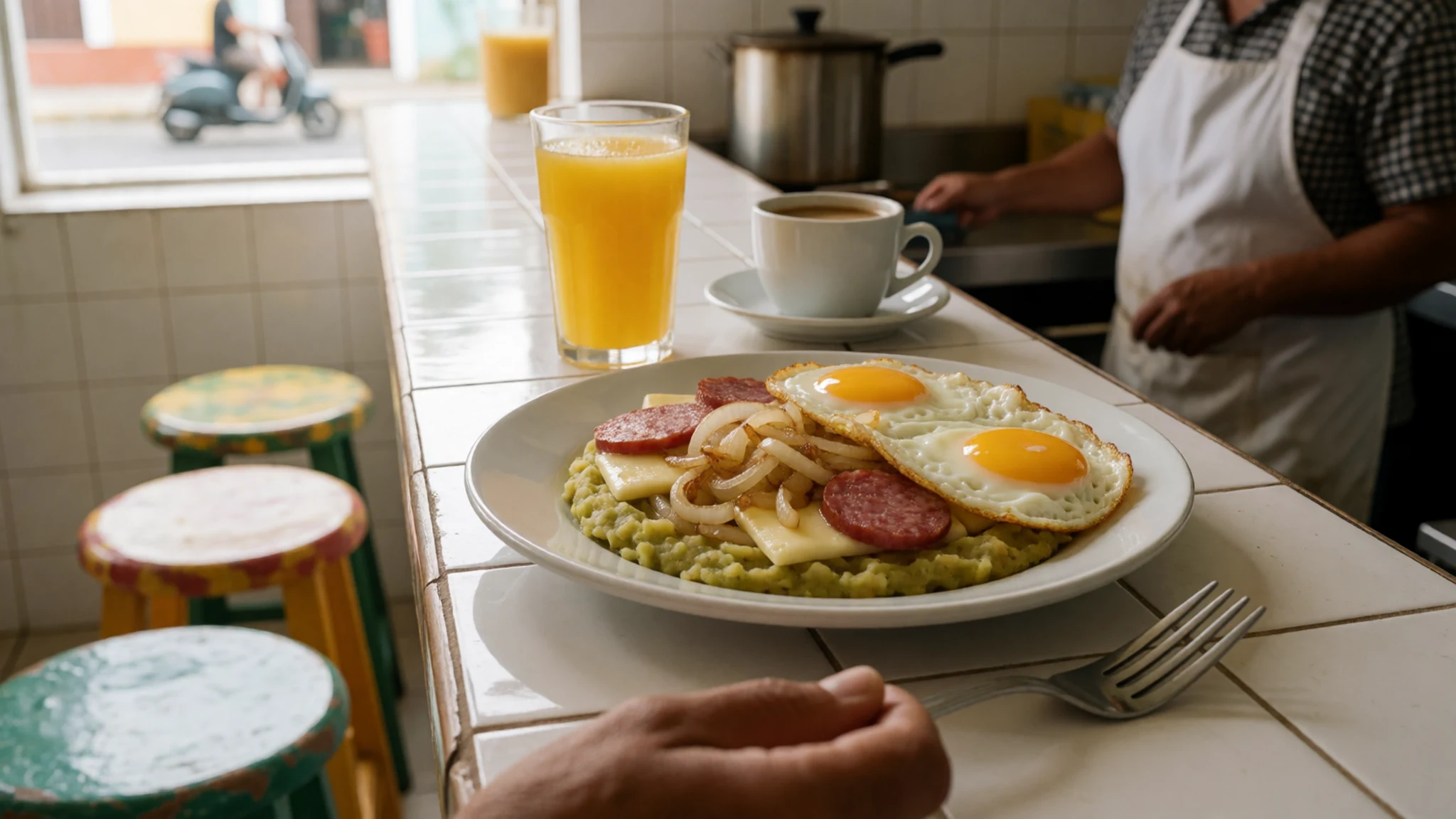
- Tostones — Beach bars on Cayo Levantado and waterfront eateries
Green plantain slices fried, flattened and fried again until crisp, salted and served as a side or snack. They go well with fish or cold beer, and are often on the menu at beach bars and stalls. - Pescado con coco — Seafront eateries along the Samaná waterfront
Fish simmered in a coconut sauce, a speciality of the Samaná peninsula, usually with rice and plantain. It tastes of the bay, and is best at a simple seafront eatery where the catch comes in that morning. - Jugo de chinola — Juice stalls and any café in Samaná town
Passion fruit juice, tart and floral, served cold and often sweetened. It is a refreshing drink on a humid day. Ask for it made with bottled water and without ice if staying away from resort kitchens.
Plan it
Best time. January to April is the drier, more settled stretch, with February the driest month and cooler, comfortable days. May is the wettest month and September the warmest, with showers possible all year.
How long. 1–2
Getting there. Fly to Samaná El Catey International Airport, which is about 68 km from the island, then take a taxi or transfer by road to Samaná town. The last leg is a short boat crossing of Samaná Bay to Cayo Levantado.
Budget. mid
Tips
- Take an early boat to enjoy the beach before the excursion groups arrive
- Carry some small cash for vendors, boat crew and tips, as not every stall takes cards
- Drink bottled water only and avoid ice and salads washed in tap water outside the resort
- Bring strong sun protection and a hat, as shade is limited midday
- Check entry rules and the arrival eTicket on official Dominican government sites before you fly
Etiquette
- Greet vendors and crew in Spanish before asking for anything
- Take your rubbish back to the boat and do not touch coral
- Ask before photographing people
Nearby
Sources
- Wikidata Q4208698 (CC0)
- Wikipedia: Cayo Levantado (rev 1364184119) (CC BY-SA 4.0)
- Wikivoyage: Dominican Republic (rev 5328097) (CC BY-SA 4.0)
- Photo: DomRep Bacardi Insel (Jens Jäpel) (CC BY-SA 2.5)
- Photo: Dominican Republic - panoramio (22) (Максим Улитин) (CC BY 3.0)
- Photo: Cayo Levantado panoramio (7) (Максим Улитин) (CC BY 3.0)
- Photo: Cayo Levantado panoramio (3) (Максим Улитин) (CC BY 3.0)
- Photo: Cayo Levantado panoramio (13) (Максим Улитин) (CC BY 3.0)
- Photo: Cayo Levantado panoramio (16) (Максим Улитин) (CC BY 3.0)
- Photo: Cayo Levantado panoramio (2) (Максим Улитин) (CC BY 3.0)
- Photo: República Dominicana (Jorge Brazil) (CC BY 2.5)


