Constanza
Constanza, Dominican Republic
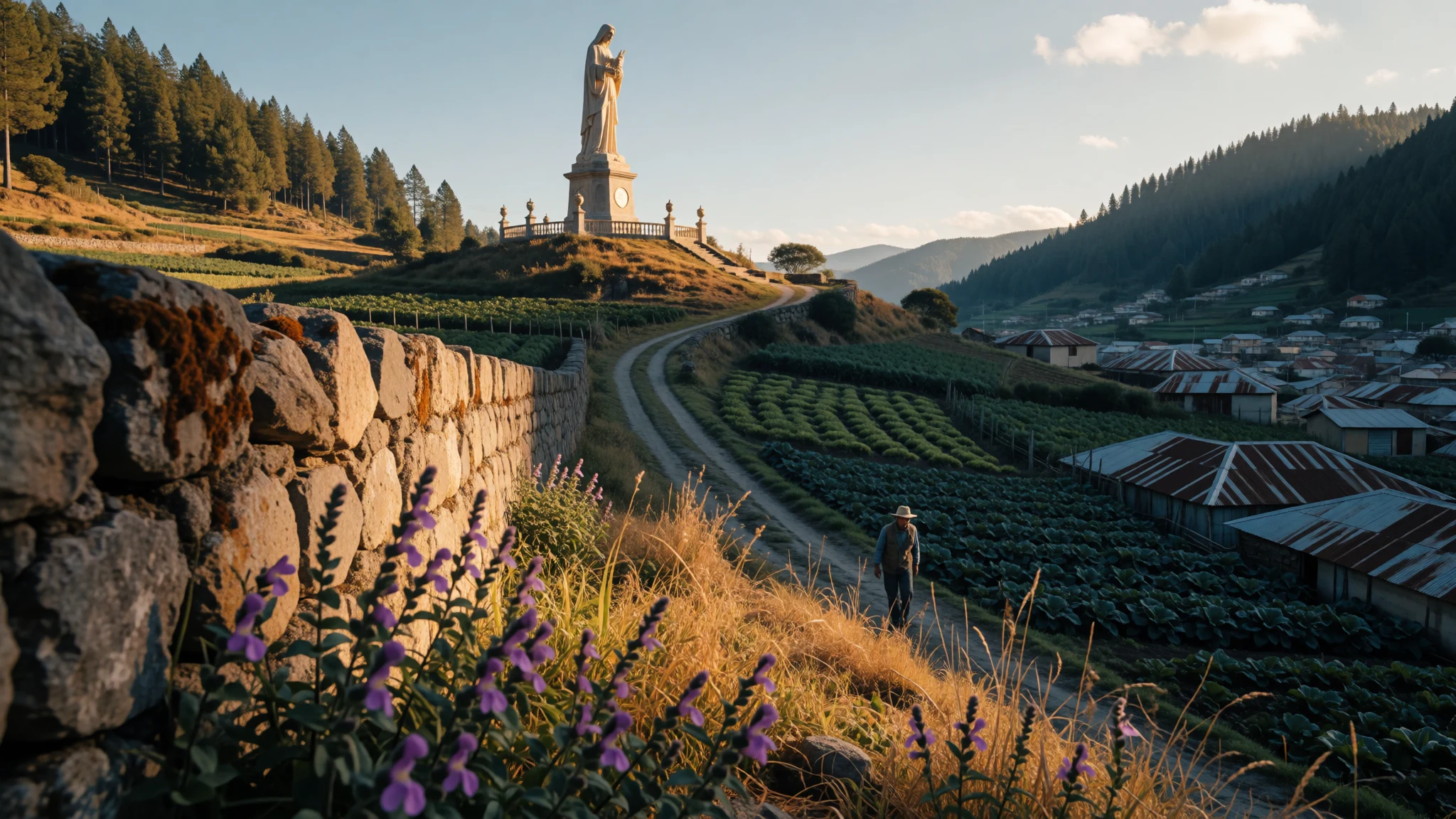
Constanza is the Caribbean's cool mountain farm valley: fog, fleeces, waterfalls and pine-scented air a short climb from the sweaty coast.
The place
Constanza is a mountain town in La Vega Province, set in a broad valley in the Cordillera Central, the range that runs through the middle of Hispaniola. The town sits at 1,164 metres and has about 59,000 residents, which makes it a proper working town rather than a resort. Its fame rests on the cold: it has the lowest average temperature of any settlement on the island and in the wider Caribbean, and people arriving from the coast expecting a beach climate are usually surprised. Days are mild and pleasant, nights are cool enough for a fleece, and fog drifts in during the winter months. Rain falls in every season, so the valley stays green, while dry spells bring a real risk of wildfires on the slopes. Farming defines the place. Fields of cabbage, carrots, onions, strawberries, garlic and potatoes fill the valley floor, and the town contributes a share of national output far above its size. That wealth shows in the busy shops and the steady traffic of produce trucks. Around the centre are waterfalls, a reserve of cloud forest, a hilltop religious monument and a long-established Japanese farming settlement known as Colonia Japonesa. Constanza works best as a base for slow days outdoors rather than a checklist of sights. Distances are short, roads climb quickly, and the pace is unhurried.
Its story
Constanza takes its name from a legend about the daughter of a Taíno chief who lived in the valley, and the tale is the closest thing the town has to a founding myth. For a long time the valley stayed thinly populated, known only to a few explorers in colonial times. A settler named Victoriano Velano brought European crop farming and cattle ranching here, and that mix of temperate agriculture shaped everything afterwards. In 1852 the German-British explorer and consul Robert Schomburgk passed through and noted a farm in the valley, an early written record of settled life. The town was formally founded in 1894 and became a municipality within La Vega Province in 1907. The twentieth century brought a darker episode. In June 1959 a plane carrying more than forty armed exiles landed on the Constanza airstrip, intending to topple the dictator Rafael Trujillo. They fought a guerrilla campaign in the surrounding mountains against the Dominican army for about two months before the rebellion was crushed and the rebels were killed. The episode is still remembered nationally, and the steep, remote terrain that sheltered the fighters explains why the valley once felt so cut off. Since then Constanza has grown on the strength of its vegetables and fruit, and the quiet farm roads give little hint of that history.
What to see
- Aguas Blancas waterfall — South of town, near Colonia Japonesa
Aguas Blancas is a waterfall south of Constanza, a short drive from town and close to Colonia Japonesa. Entry is free, and short trails climb alongside the water to the top. Locals say rides are easy to find on the road, but arrange the return before the light fades. The water is cold, so swim briefly.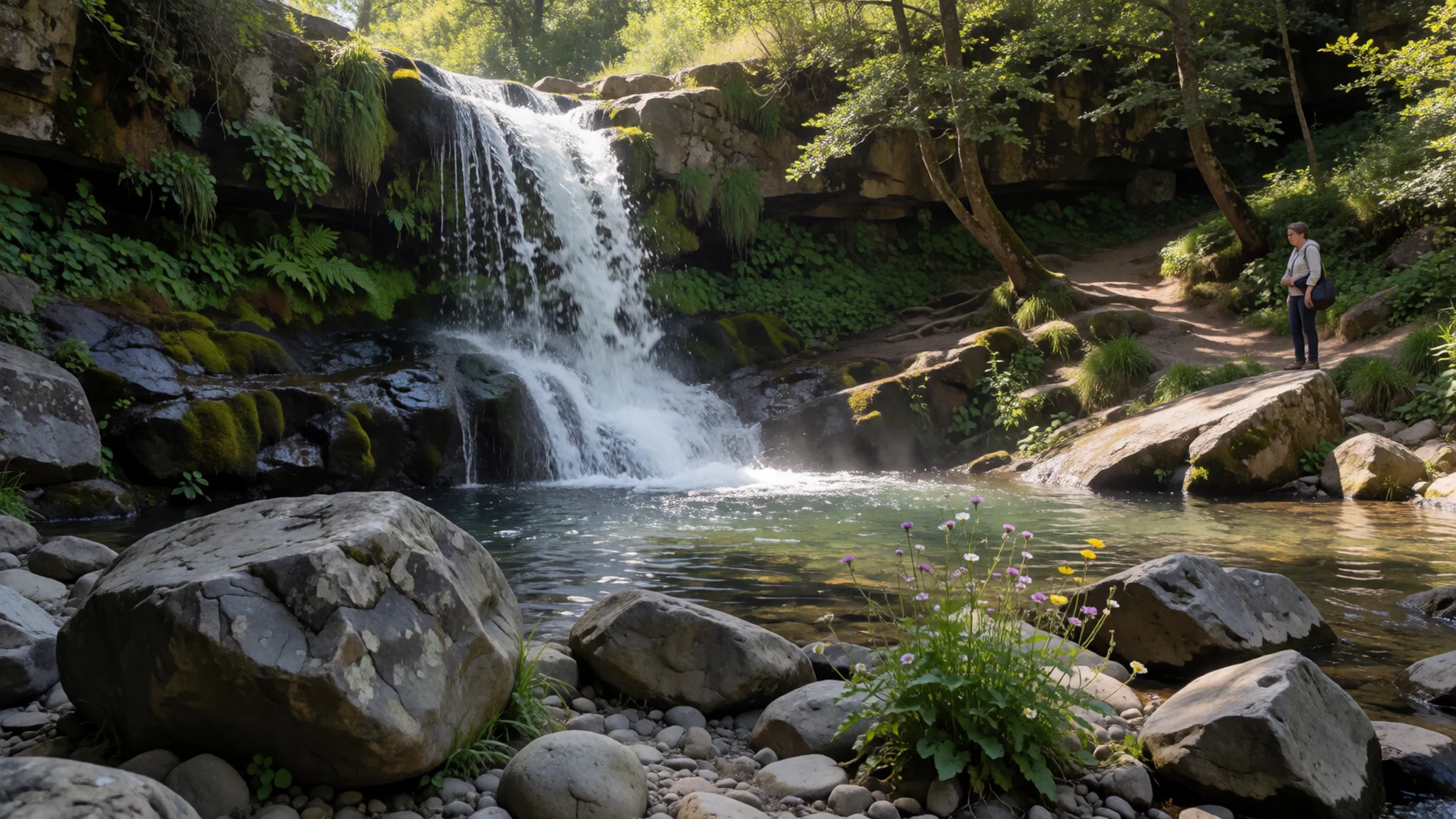
- Divino Niño monument — Hill above the town centre
Divino Niño is a religious monument rising above Constanza, with wide views over the valley's patchwork of fields from the top. A small shop sells devotional goods, and a good cafe serves local coffee and tea. Motorbike taxis (motoconchos) run to the summit from town; agree the fare before setting off.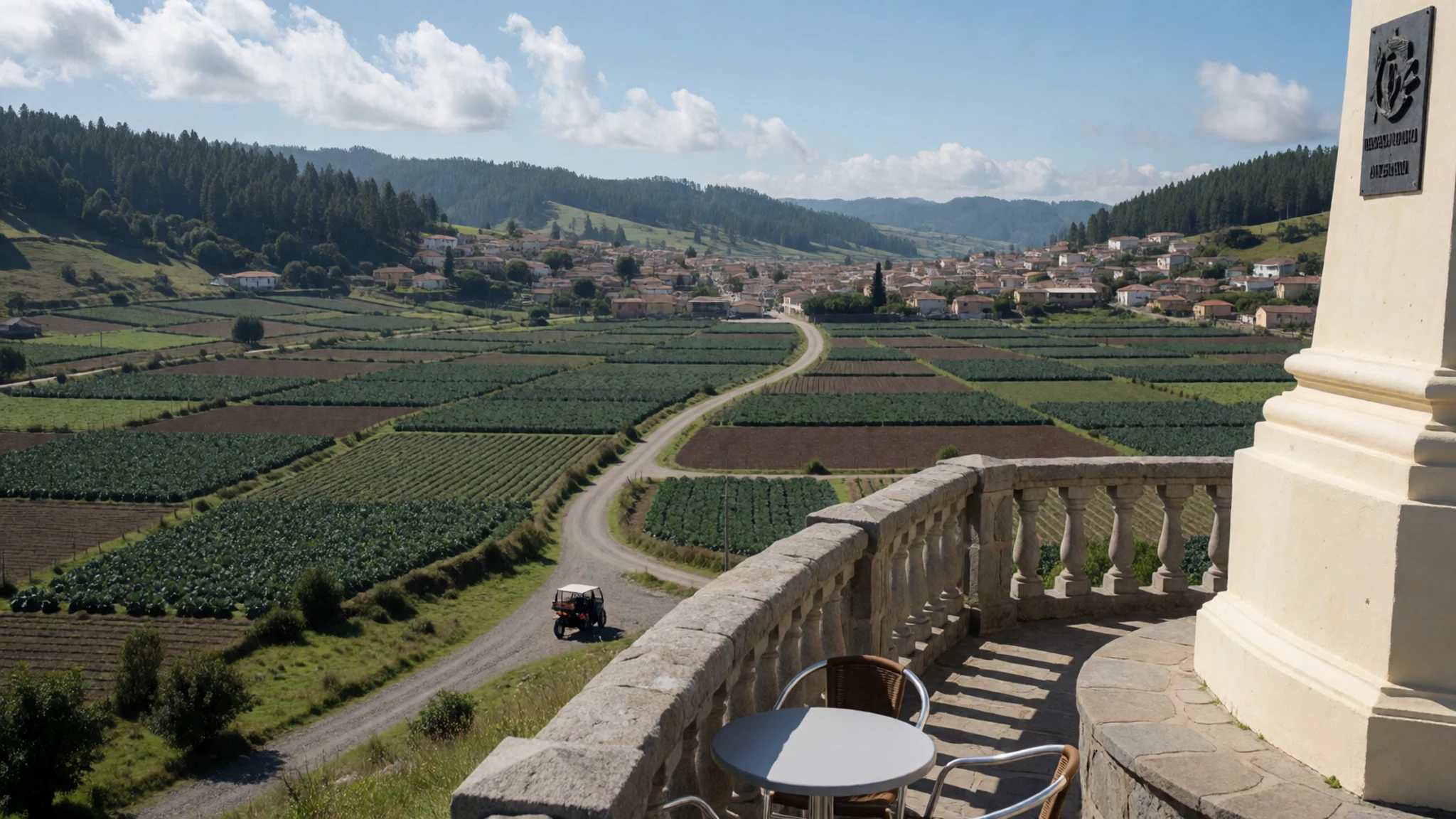
- Ébano Verde Scientific Reserve — Cordillera Central, north-east of town
Ébano Verde is a protected scientific reserve in the mountain climate above the valley, home to a wide variety of plants and wildlife. Cloud forest means mist, mud and cool air, so wear proper footwear. Check access and any permit rules locally before travelling, as conditions change.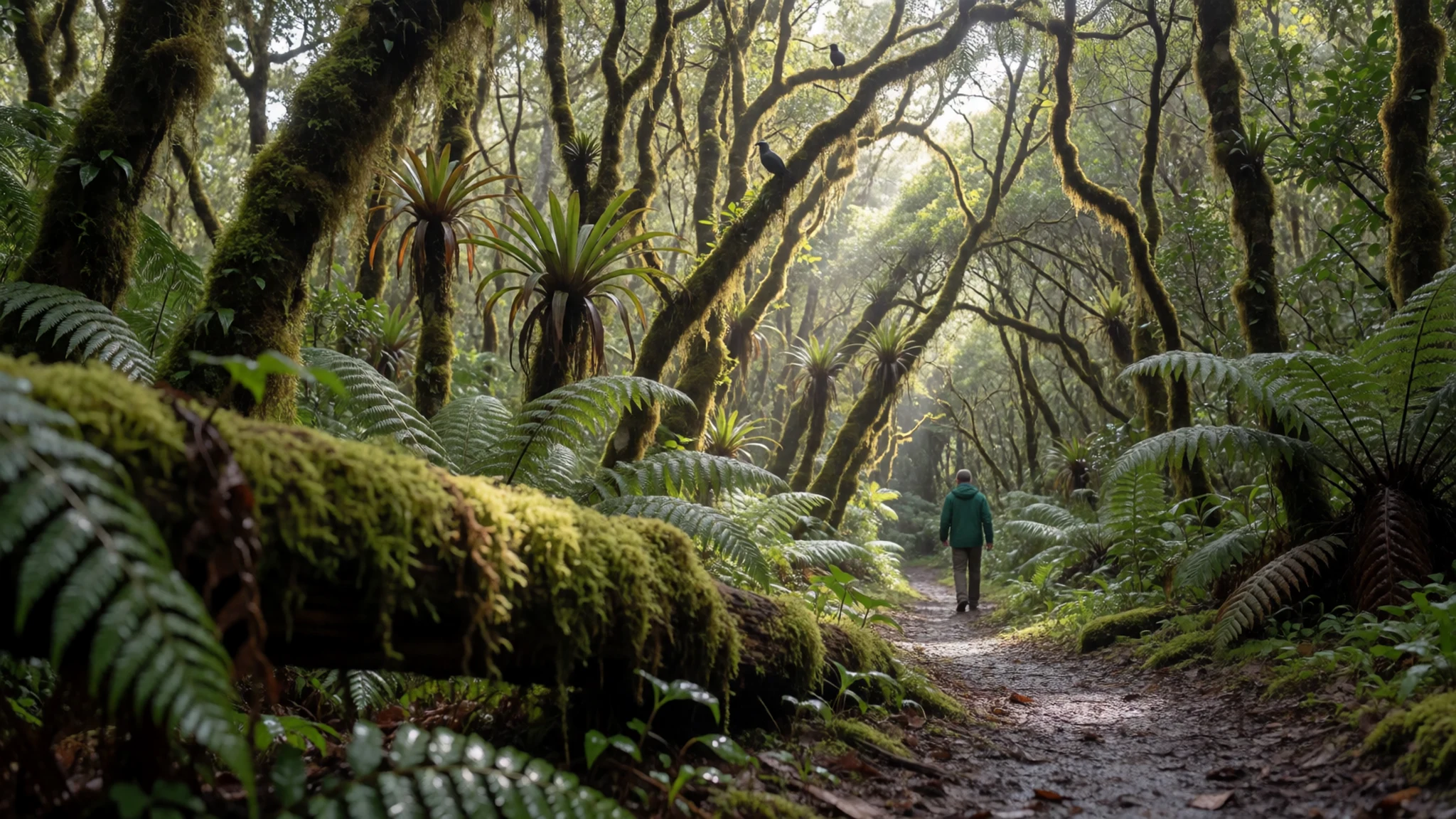
- Colonia Japonesa — Edge of the valley, south of Constanza
Colonia Japonesa is a farming settlement founded by Japanese migrants, and it still grows vegetables on neat plots on the edge of the valley. It makes an easy half-day trip, combining well with the waterfall. Visitors come for the quiet lanes, the farm views and a glimpse of how the valley's agriculture is run.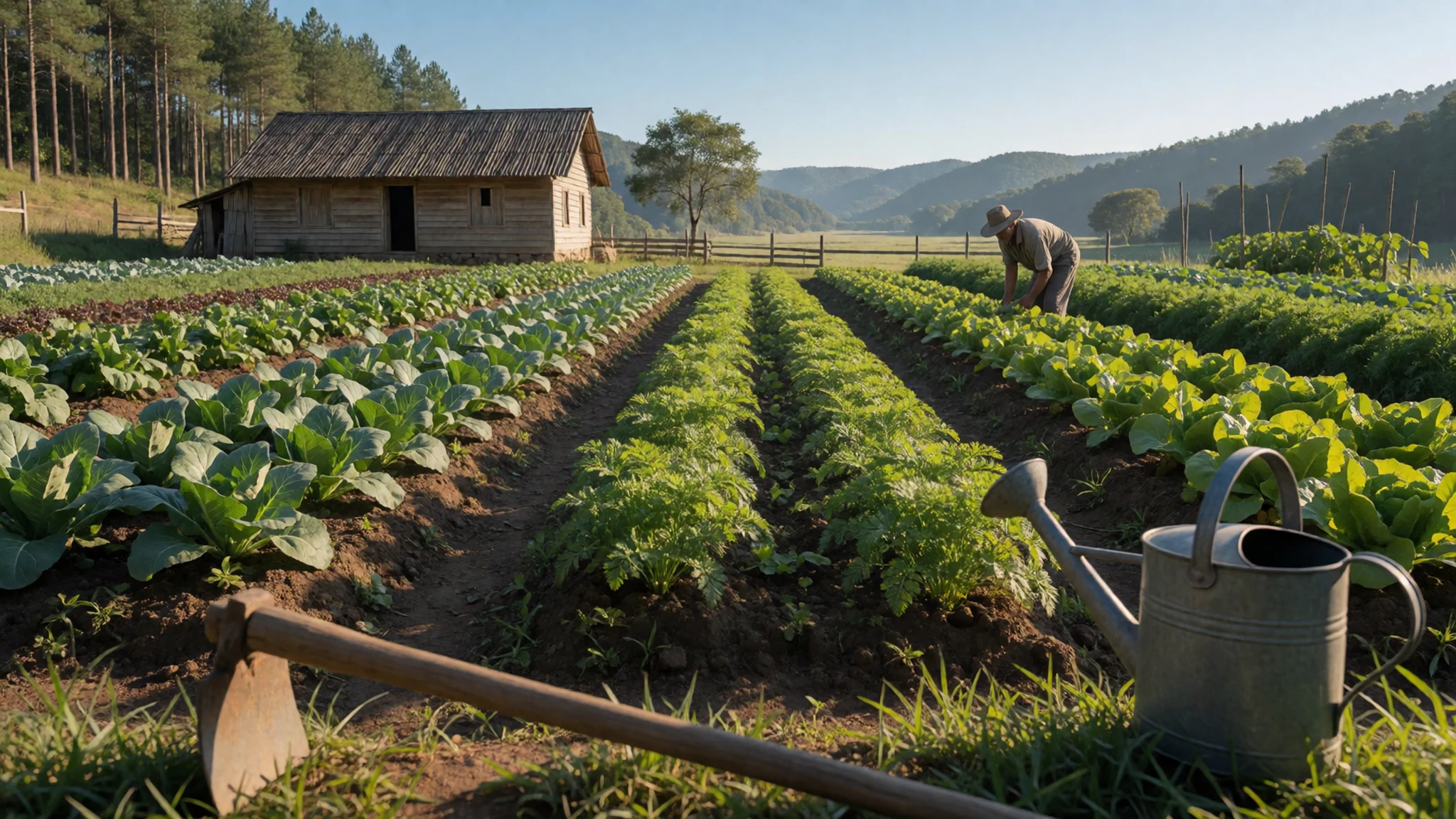
- Valle Nuevo and Pico Duarte — High Cordillera Central
Valle Nuevo is a high plateau in the same mountains, where frost is not unusual in the cold season. Pico Duarte, the highest point in the Caribbean, lies further along the range and is a serious trek rather than a day trip. Go with a local guide, check park rules and bring warm, waterproof layers.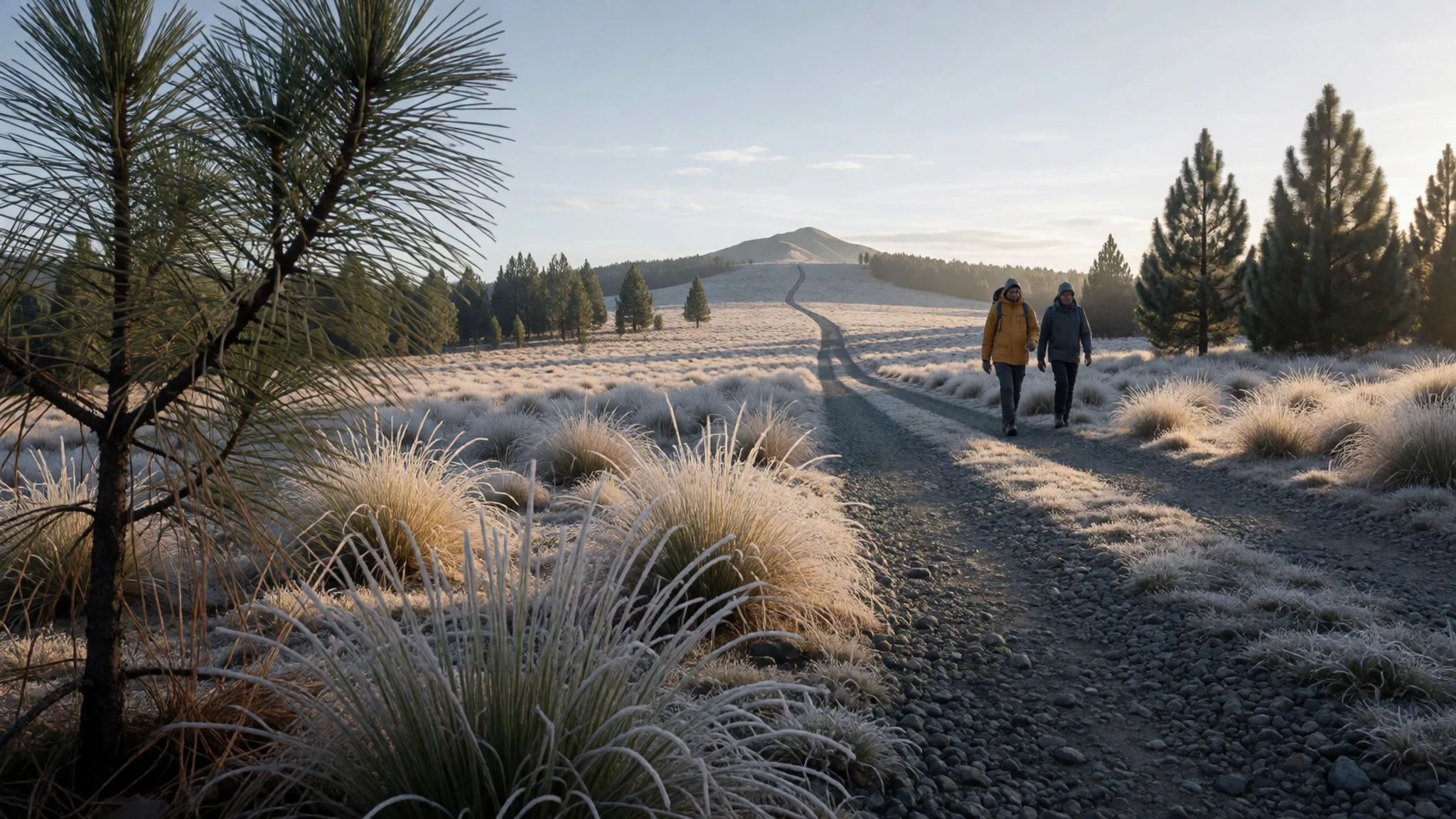
Culture
Constanza is a farming town first, and its culture follows the agricultural year. Families have worked the valley for generations, and many mornings begin early in the fields. Spanish is the everyday language, and greetings matter: people say good morning or good afternoon when entering a shop, taking a seat or passing someone on a narrow road. Religion is visible, from the Divino Niño monument above the town to the processions and festivities that fill the main streets on feast days, including parades through the downtown. Music is part of daily life, with merengue and bachata drifting from cars, shops and colmados, the small neighbourhood grocery shops that double as social spots. The Japanese community in Colonia Japonesa adds another strand, visible in the careful, tidy vegetable plots and in the way some families have blended Dominican and Japanese habits over generations. Coffee, hot drinks and long conversation suit the cooler climate, and evenings tend to be social rather than late. People are generally friendly toward visitors who make an effort with a few Spanish words, and patience pays off because service and transport can be relaxed about time. Weekends bring families out to the waterfalls and viewpoints, so the same places feel quieter on weekdays. When photographing farm workers, families or parade participants, ask first and respect a refusal with a smile.
What to wear
Constanza has no single traditional costume of its own; the national folk dress seen at festivals and parades is the one people wear for celebration. Women's festival dress usually means full, ruffled cotton skirts in bright colours with matching blouses, while men wear light shirts and straw hats, a style tied to the countryside and to merengue dancing. Carnival costumes and painted masks appear at parades, made from cloth, papier-mâché and trimmings rather than any one heritage textile. Everyday clothing in Constanza is practical and layered. Because the valley is cool, many residents wear jeans, long sleeves, fleeces and jackets, plus rubber boots for farm work, and the first sight of locals in woollen hats surprises people used to the coast. Younger people dress like their counterparts in other Dominican towns, in trainers, football shirts and casual streetwear. A visitor should pack for cool mountain weather rather than the Caribbean: a warm fleece or light down jacket, long trousers, a waterproof layer for year-round rain and a hat for the sun at altitude. Sturdy walking shoes or boots suit waterfall trails and the muddy reserve paths. For the Divino Niño monument and any church, shoulders and knees covered is a sensible, respectful choice, and swimwear belongs only at the waterfall pools.
What to eat
- Fresh valley vegetables — The town market and family eateries around the centre
Constanza grows cabbage, carrots, onions, garlic and potatoes, and plates in town are built around them. Eat them in simple stews and salads at family eateries and market stalls, where the produce is often picked the same morning.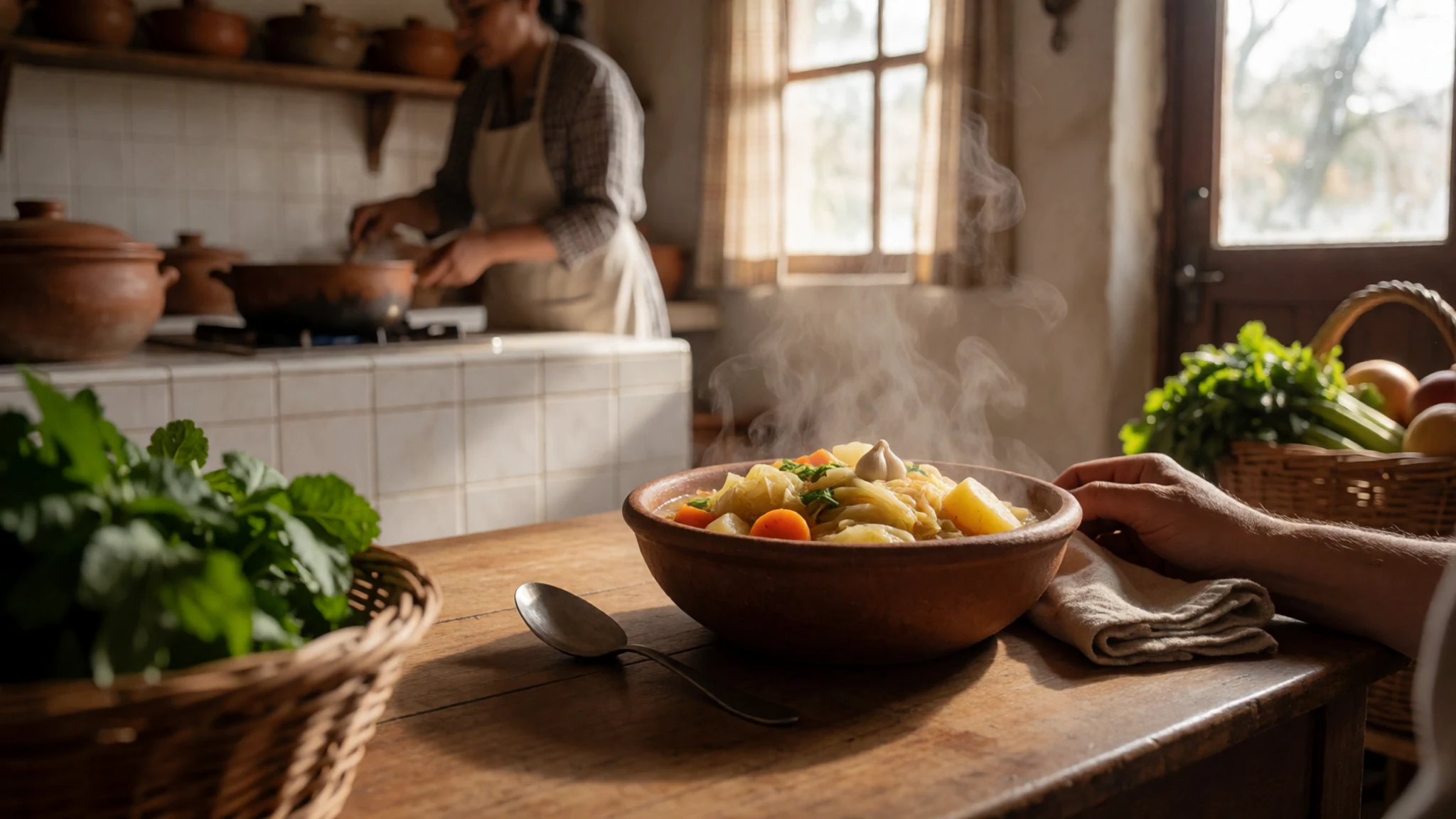
- Strawberries and temperate fruit — Roadside stands on the farm roads into town
The cool climate allows strawberries, peaches and apples that are uncommon elsewhere in the country. Buy them fresh from roadside stands, or try them blended into juices and batidos, the thick fruit shakes sold across the town.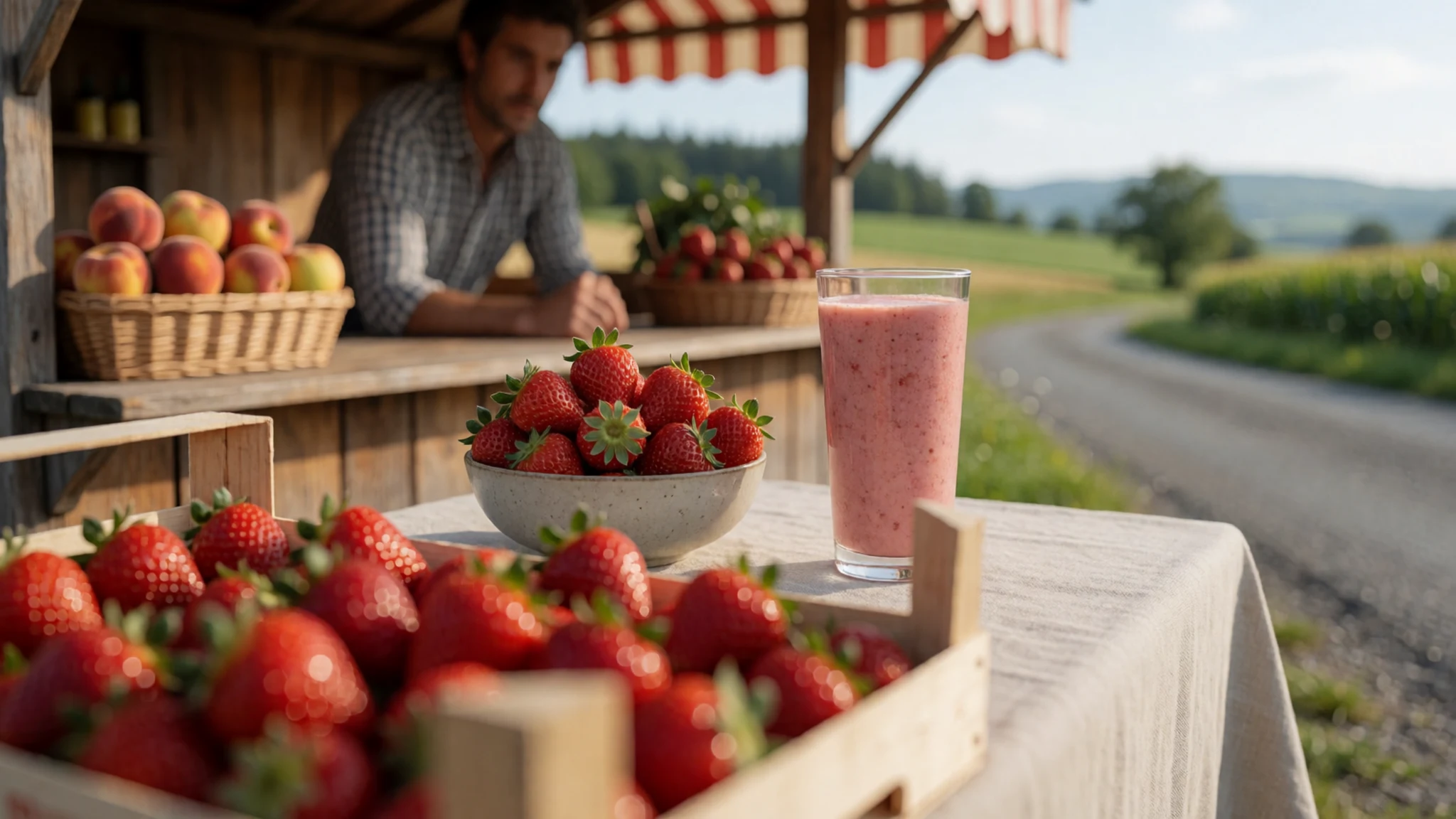
- Sancocho — Local comedores (casual eateries) in town
Sancocho is a slow-cooked Dominican stew of meat and root vegetables, and cold mountain evenings suit it well. Expect it as a weekend lunch dish at local eateries, served hot with white rice on the side. - La bandera dominicana — Any comedor serving the midday lunch
The national plate of rice, beans and stewed meat is the standard lunch, often with a side salad of the valley's greens. It is filling, inexpensive and found everywhere, which makes it the reliable choice after a day of walking. - Mountain coffee and hot drinks — Cafes at the Divino Niño hilltop and around the main street
The chilly climate makes coffee, tea and hot chocolate more appealing here than on the coast. Try a cup of artisanal coffee at a cafe at the Divino Niño viewpoint, or a hot drink in the evening in town.
Plan it
Best time. The cooler months, roughly December to March, bring crisp days and cold nights, though fog is common in winter. Summer is warmer, with a higher risk of wildfires. Rain falls through the year, so pack a waterproof layer whenever you go.
How long. 2–3
Getting there. Fly into Santo Domingo or Santiago, the nearest large airports, then continue by road into the mountains by bus, shared transport or hire car; the final stretch climbs into the Cordillera Central. Check current routes and times locally, and see the municipality's website, http://www.alcaldiaconstanza.com/, for local information.
Budget. mid
Tips
- Bring warm layers and a waterproof jacket, because nights are cold and rain can fall in any season
- Carry some cash, as small eateries, shops and motorbike taxis may not take cards
- Visit waterfalls and viewpoints early in the day, before fog or afternoon cloud sets in
- Agree motorbike taxi fares before you get on
- Hire a local guide for Valle Nuevo or Pico Duarte, and check park rules first
Etiquette
- Greet people when entering shops or eateries
- Ask before photographing farm workers or families
- Cover shoulders and knees at churches and religious monuments
Nearby
Sources
- Wikidata Q459801 (CC0)
- Wikipedia: Constanza, Dominican Republic (rev 1374273388) (CC BY-SA 4.0)
- Wikivoyage: Constanza (rev 5258861) (CC BY-SA 4.0)
- Photo 01: Streets of Constanza Dominican Republic downtown area (CristoRey99) (CC BY-SA 4.0)
- Photo 02: Dominican Republic relief location map (Alexrk2) (CC BY 3.0)
- Photo 03: Robert Schomburgk (unknown artist, E. G.) (Public domain)
- Photo 04: Constanza downtown parade 2 (Constanzano99) (CC0 1.0)
- Photo 05: Mi bello pueblo (yensileonel) (CC BY 3.0)
- Photo 06: Constanza downtown parade (Constanzano99) (CC0 1.0)
- Photo 07: las cabañas de micabaña resot (Luis A. González Hde…) (CC BY 3.0)
- Photo 08: Colonia Japonesa (Pedrito Guzman) (CC BY-SA 2.0)


