Hispaniola
Hispaniola, Dominican Republic
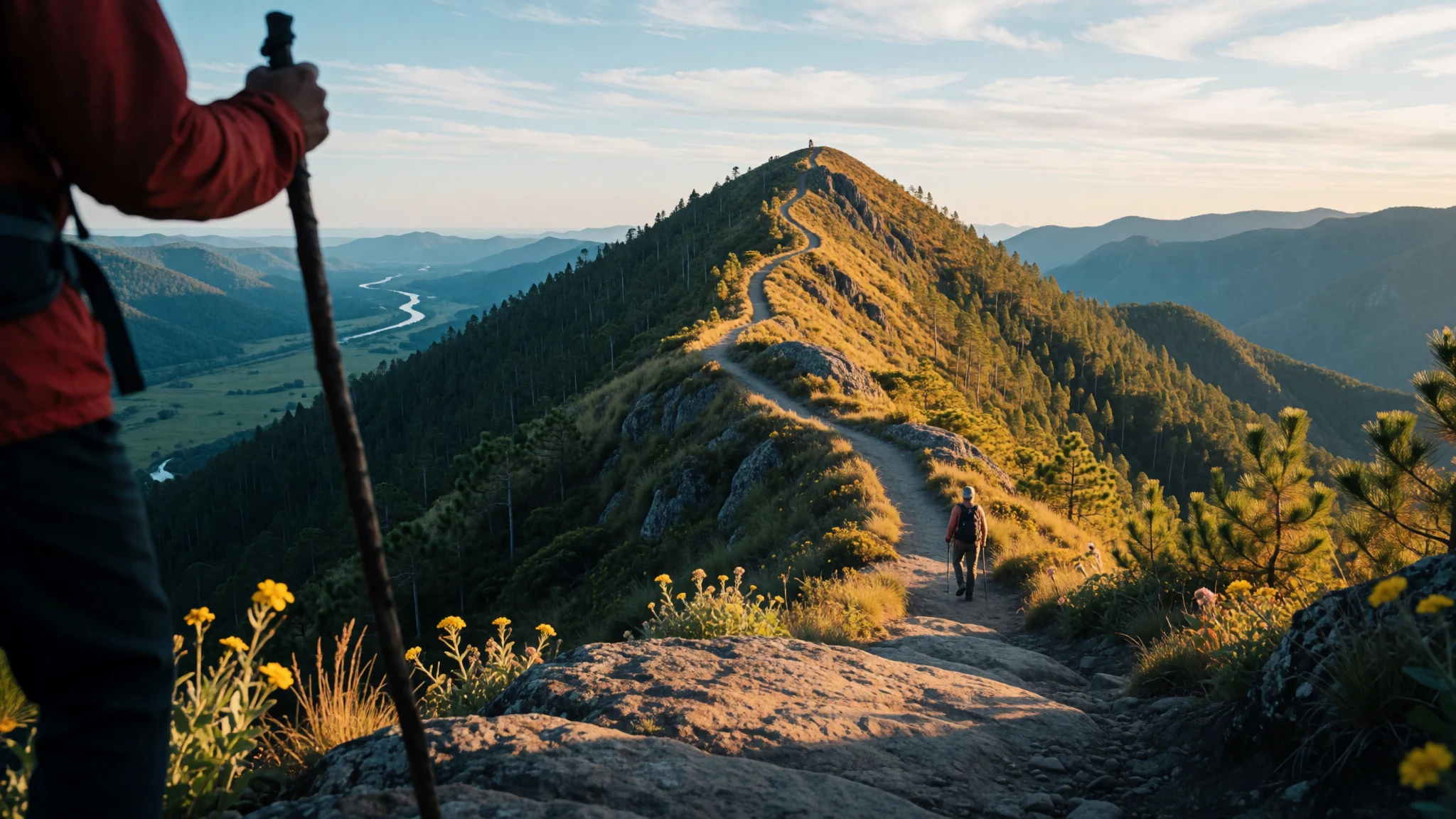
Hispaniola packs Caribbean beaches, cloud-forest mountains and the Americas' earliest European streets onto one island shared by two very different countries.
The place
Hispaniola is an island in the Greater Antilles, lying between Cuba to the west and Puerto Rico to the east. Two countries share it: the Dominican Republic, where Spanish is spoken, covers the eastern part, and Haiti, where French and Haitian Creole are spoken, covers the western part. About 22 million people live on the island, so it is busy and lively rather than a sleepy getaway. The only other Caribbean island divided between states is Saint Martin, which is far smaller.
The land is more rugged than the beach-brochure image suggests. Five mountain ranges cross Hispaniola. The Cordillera Central runs through the middle and reaches a high point of 3,098 m, then continues into Haiti as the Massif du Nord. North of it, the Cordillera Septentrional runs parallel and ends in the Samaná Peninsula, which pushes out into the Atlantic. Between the two ranges lies the farmed lowland of the Cibao Valley. Nights in the high country can be properly cold, while the coasts stay warm all year.
The sea defines the island's position. The Windward Passage separates it from Cuba and the Mona Passage from Puerto Rico, both old shipping routes. Most visitors head for the Dominican side: resort coasts, the colonial centre of Santo Domingo, and the mountains inland. Haiti is a very different travel proposition, and current government travel advice should be read closely before any plans are made. The island's name comes from Española, a Spanish coinage that was later Latinised.
Its story
Hispaniola's human story begins roughly 6,000 years ago, when hunter-gatherers reached it from Central or South America. Much later, during the first millennium BC, Arawakan-speaking farmers began arriving by sea, bringing pottery and intensive cultivation. By about 600 AD the Ostionoid culture shows up in the archaeological record, and the people now called Taíno became the dominant society.
Taíno life was organised into small chiefdoms, each led by a cacique. When Columbus arrived in 1492, five of these kingdoms divided the island: Xaragua, Higuey, Magua, Maguana and Marien. Families lived in round houses thatched with palm and straw, slept in hammocks, and grew cassava, maize, squash, beans, peppers and peanuts on raised earth mounds called conucos, which held the soil in place. Cotton and tobacco were grown too. Villages kept an open plaza for a ball game and for festivals, and religious life revolved around spirits called zemí. Big dugout canoes carried fishing parties and migrants from shore to shore. How many people lived here in 1492 is still argued; estimates run from a few tens of thousands to three-quarters of a million.
Then Spain arrived. The island saw the first European fort in the Americas, La Navidad, then the settlement of La Isabela, and in 1498 Santo Domingo, which is still a capital today. Spanish control lasted into the seventeenth century, when French buccaneers set up bases in the west. By 1659 these had grown into the colony of Saint-Domingue, the root of the island's division into two countries.
What to see
- Ciudad Colonial, Santo Domingo — Santo Domingo, Dominican Republic
The old walled quarter of Santo Domingo is the best place to feel the 1498 foundation. Streets of stone houses, churches and small plazas are easy to cover on foot. Stop at the Museo de las Casas Reales for the colonial administration story, and go early before the heat builds.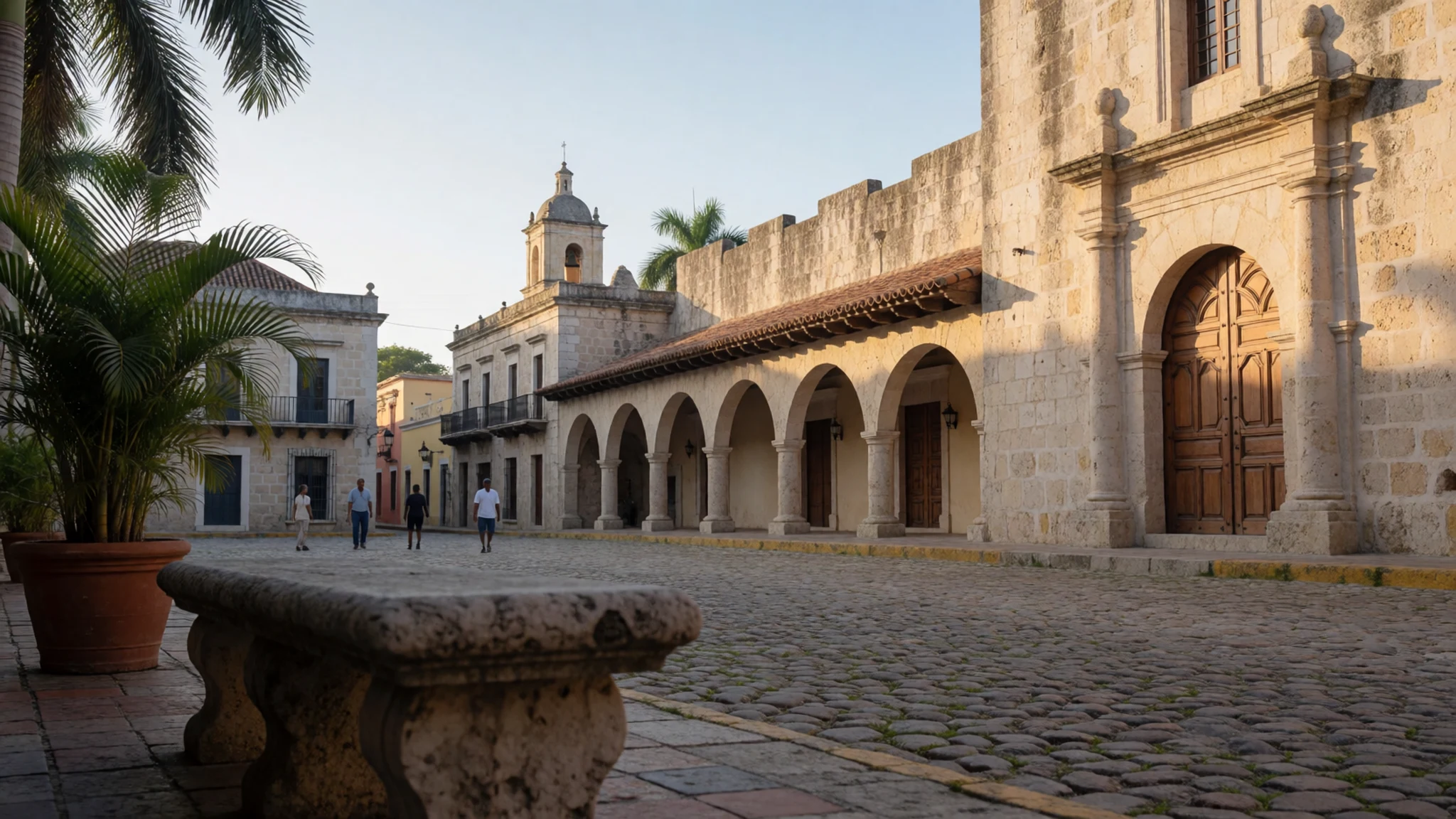
- El Pomier caves — near San Cristóbal, Dominican Republic
Limestone caves near San Cristóbal hold rock paintings and carvings made by the island's early peoples, with labyrinth-like patterns on the walls. They are a rare chance to meet pre-Columbian Hispaniola directly rather than through museum labels. Visit with a local guide and a torch, and wear shoes with grip.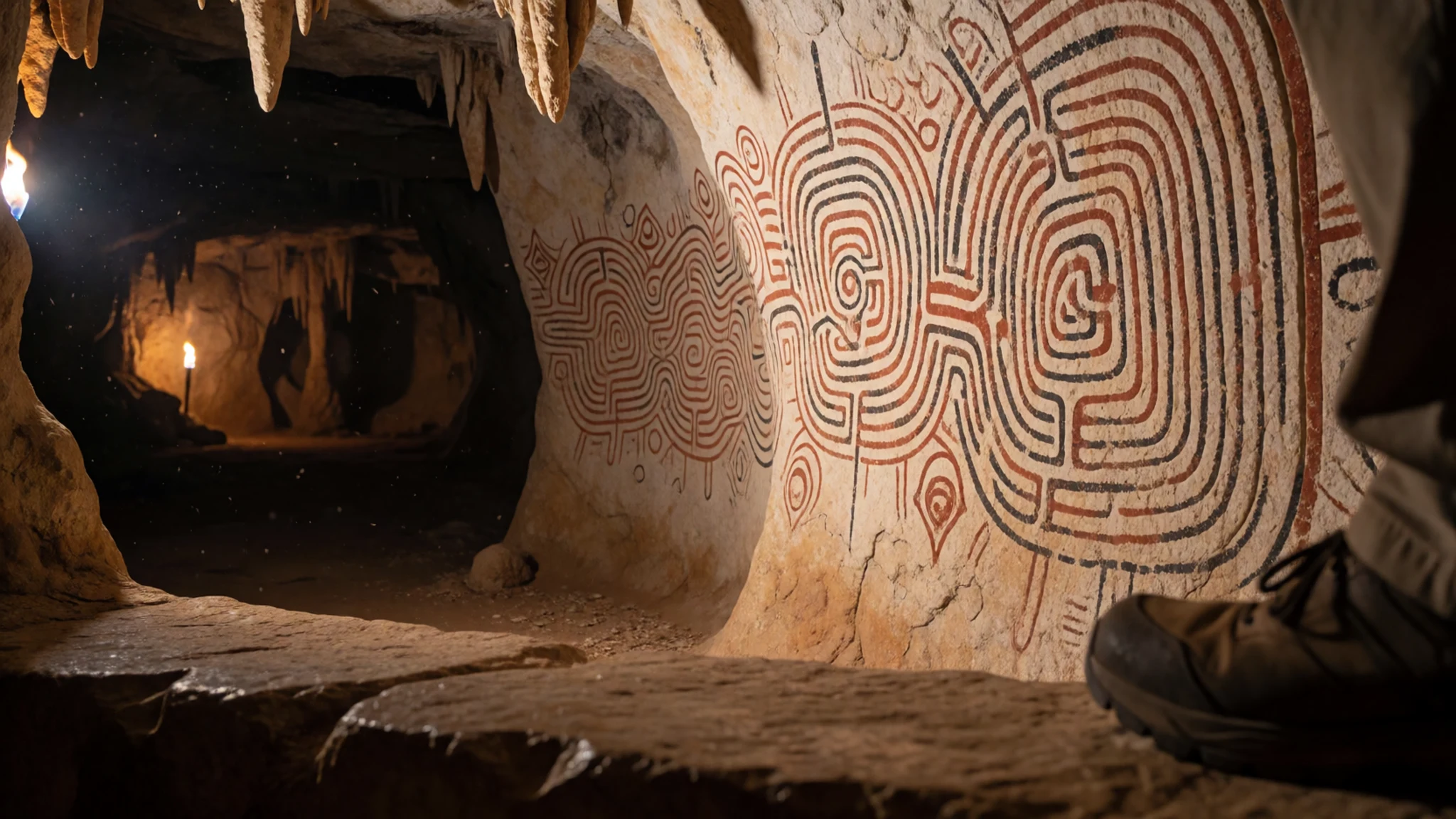
- Pico Duarte and the Cordillera Central — Cordillera Central, Dominican Republic
The island's high country is a world apart from the beaches: pine forest, mist, cold nights and trails through river valleys. Pico Duarte is the great goal for fit walkers, usually done over several days with a guide and mules. Pack warm layers and rain gear, whatever the forecast says.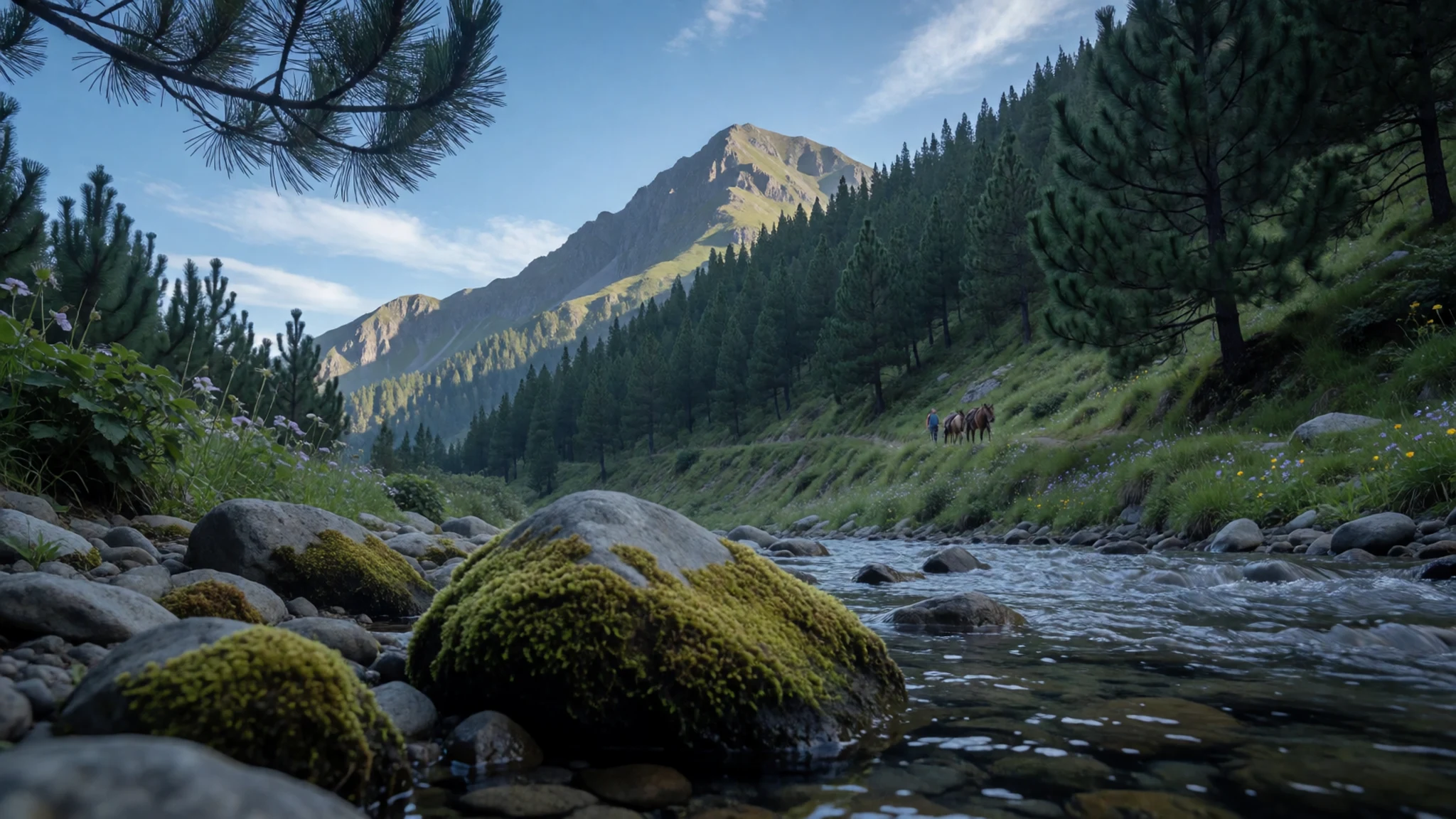
- Samaná Peninsula — north-east Dominican Republic
A green finger of land on the Atlantic side, Samaná mixes palm-lined beaches, small fishing towns and forested hills. Boats run to nearby bays and coves, and the peninsula has a slower rhythm than the big resort strips. Roads can be rough after rain, so allow extra time.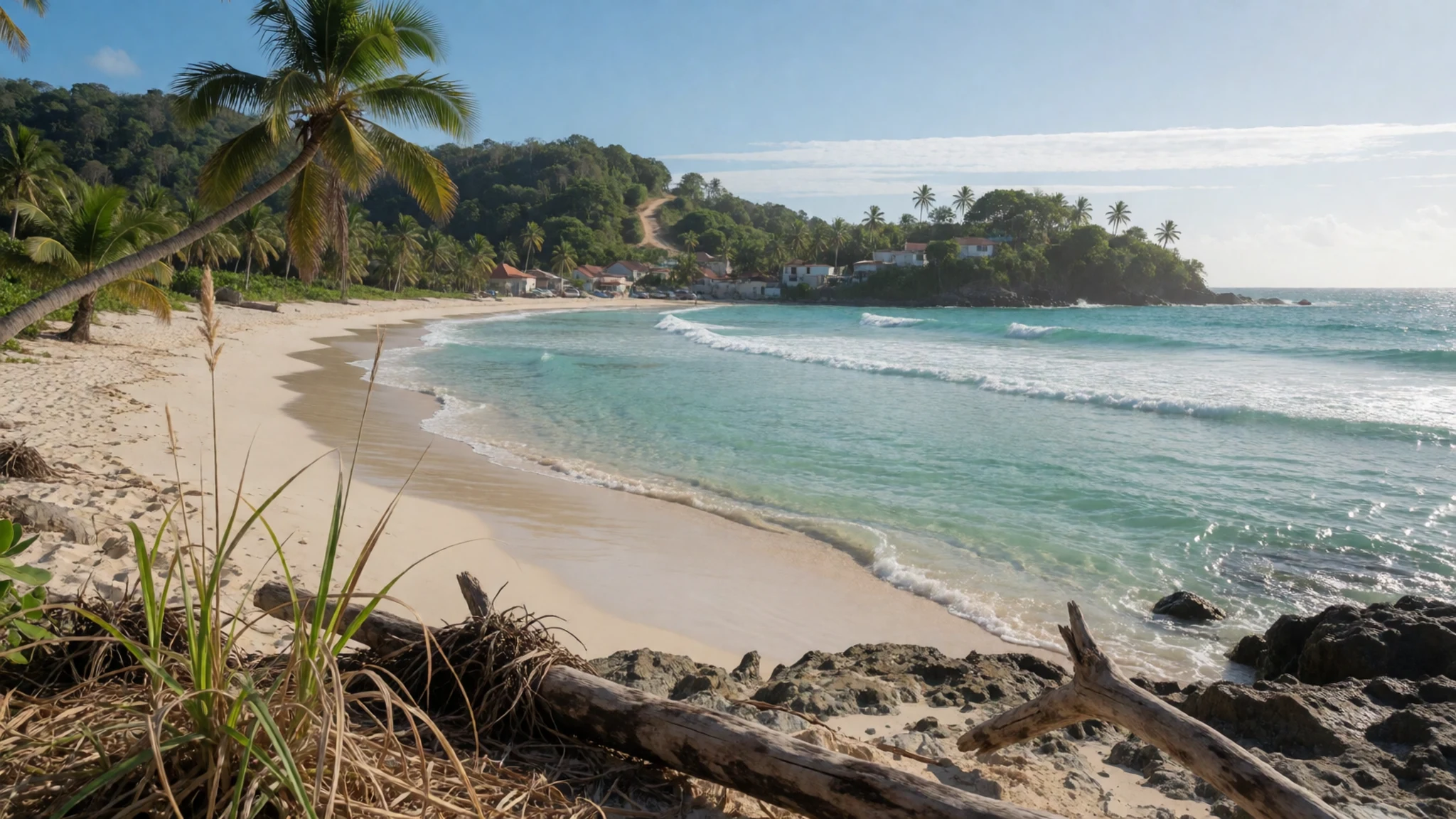
- La Isabela — north coast, Dominican Republic
On the north coast, the ruins of La Isabela mark the second European settlement in the Americas, founded during Columbus's second voyage. There is little left to see beyond foundations and a small museum, but the setting by the sea explains why the Spanish chose it. Check opening arrangements locally before making the trip.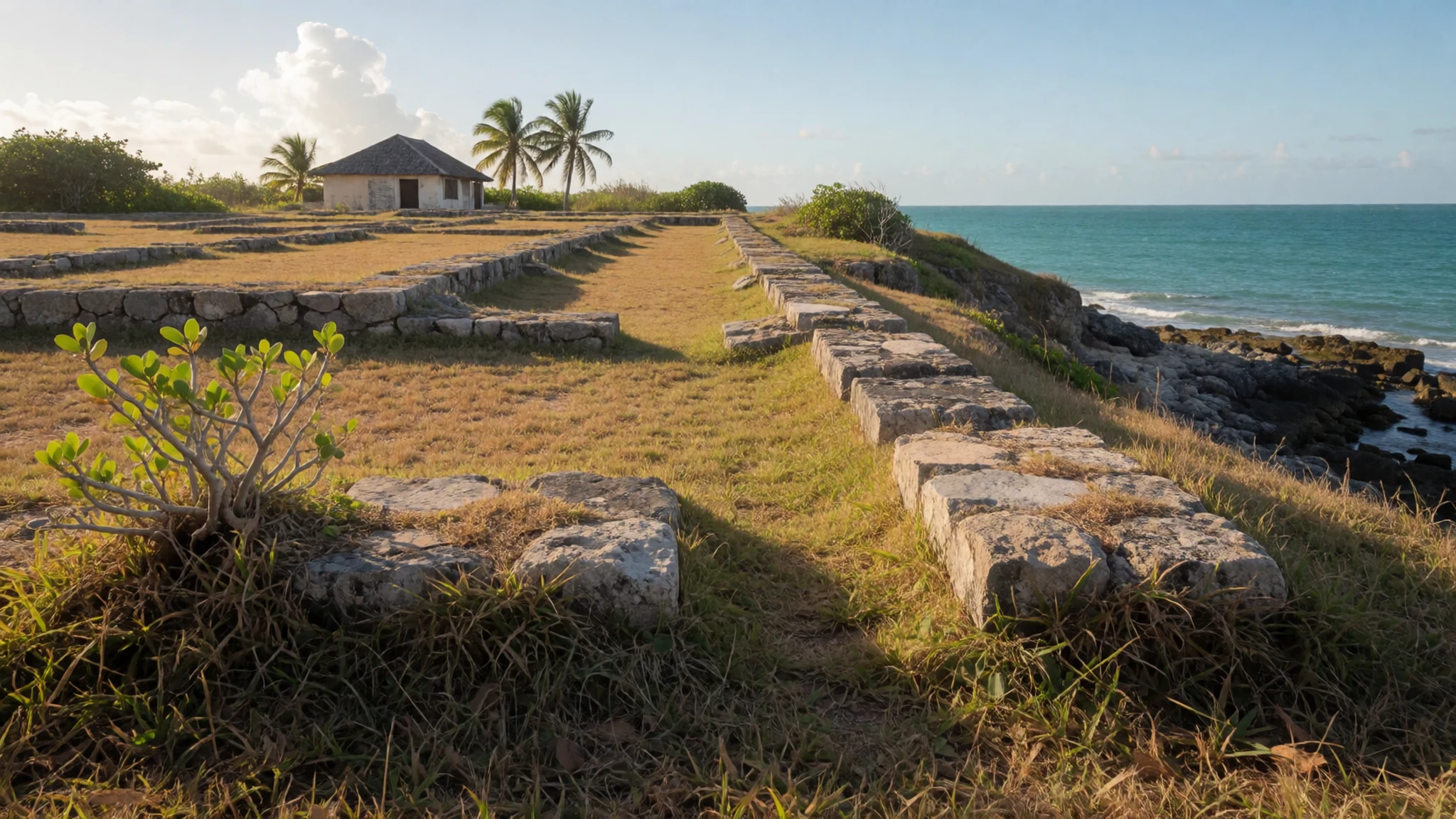
Culture
Hispaniola's culture is a layered mixture: Taíno roots, Spanish and French colonial inheritance, and the strong influence of African traditions brought by enslaved people. Each strand is still audible and visible, from place names and cassava bread to church bells and drumming.
On the Dominican side, Spanish is the everyday language, and Catholic festivals, patron-saint days and Carnival punctuate the year. Merengue and bachata are the music of colmados (corner shops), buses and weekend gatherings, and dominoes and baseball are serious pastimes. People are generally warm and talkative, and a greeting before any request goes a long way.
In Haiti, French and Haitian Creole share the stage, and Creole is the language most people speak at home. Painting, metal sculpture, music and a rich oral tradition are central to Haitian life, and vodou is a recognised religion with its own ceremonies, which deserve respect rather than curiosity-tourism. Haiti's circumstances today are difficult, and readers should follow current official travel advice.
Across the island, family, food and music bring people together, and long meals and late evenings are normal. Time can feel flexible, but greetings, courtesy and a little patience are valued almost everywhere.
When photographing people, at markets, ceremonies or in their homes, ask first and accept a refusal graciously.
What to wear
Hispaniola's traditional dress varies by country and is now mostly kept for festivals and performances. The Taíno wore little in the warm climate, using cotton and ornaments of shell and stone. In the Dominican Republic, folk costume for merengue and Carnival features wide, ruffled, brightly coloured skirts for women and white shirts with sashes and straw hats for men. In Haiti, madras-style checked cotton and head wraps appear in traditional and ceremonial dress, and bright cotton dresses are still seen at celebrations and in rural areas.
Everyday clothing is practical and fairly smart. In towns and cities, people usually wear light cotton shirts, jeans or trousers, and dresses, often well pressed and with clean shoes. Football and baseball shirts are common, and church or special occasions call for neater clothes. Beachwear stays on the beach in most places.
Visitors should pack for heat and humidity: loose cotton or linen, a sun hat, sunglasses and sandals for the coast. Add a light rain jacket for showers and a warm layer for the mountains, where nights are cold. Cover shoulders and knees when visiting churches, and carry a scarf or shawl. Closed shoes with grip suit old cobbled streets and cave visits, and proper walking boots are needed for any mountain trek. Swimwear is fine at resorts and beaches, but throw something over it in town.
What to eat
- Sancocho — family-run eateries and fondas across the Dominican Republic
A thick stew of several meats with root vegetables such as yuca and plantain, seasoned with herbs and often served with rice and avocado. It is a celebration dish in the Dominican Republic, cooked slowly for family gatherings and Sunday meals.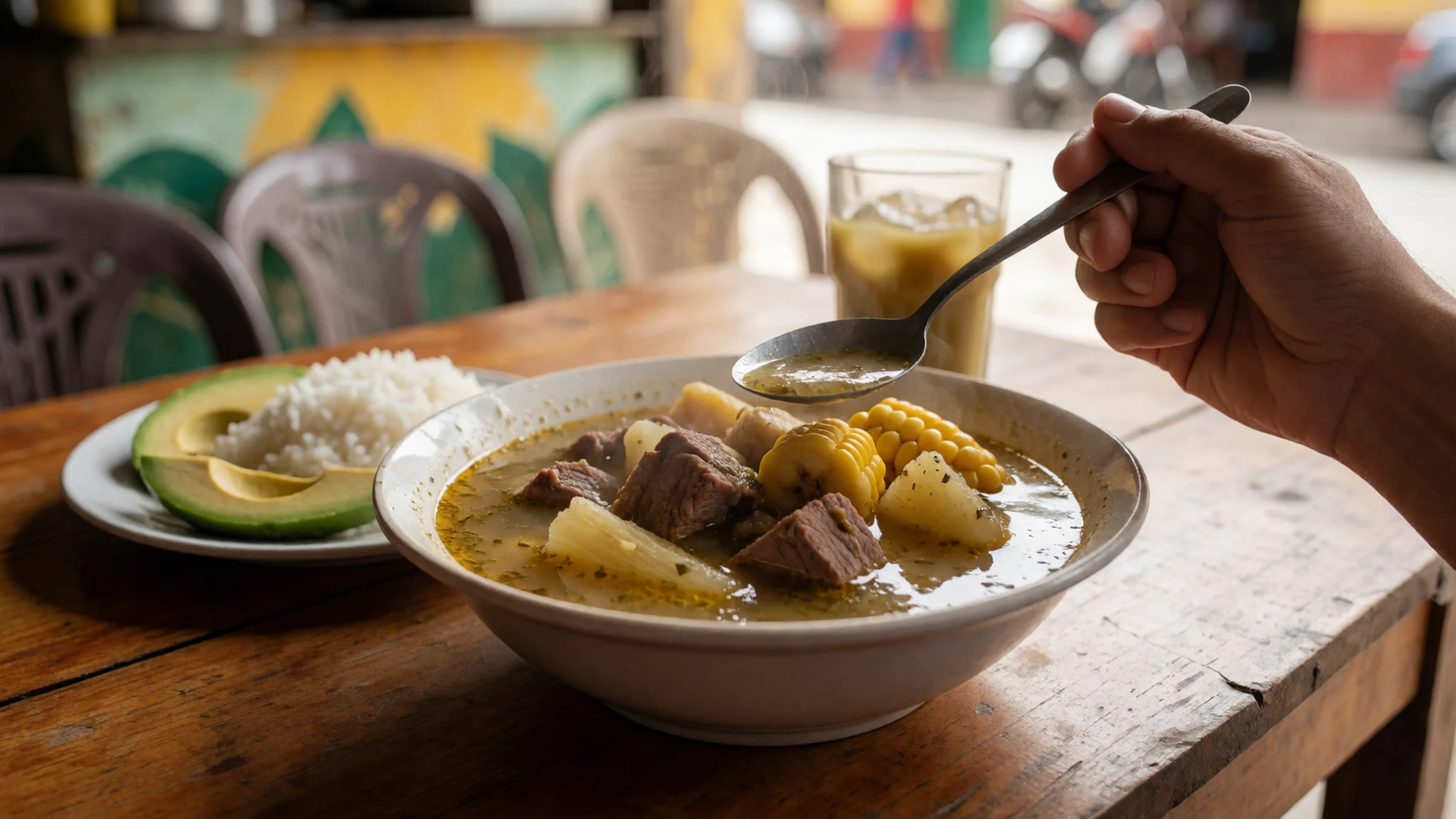
- Mangú — breakfast cafés and neighbourhood eateries in Santo Domingo
Boiled green plantain mashed to a smooth, soft mound and topped with pickled red onions. It is a classic Dominican breakfast, often served with fried cheese, eggs or salami, and filling enough to carry you through a morning of sightseeing.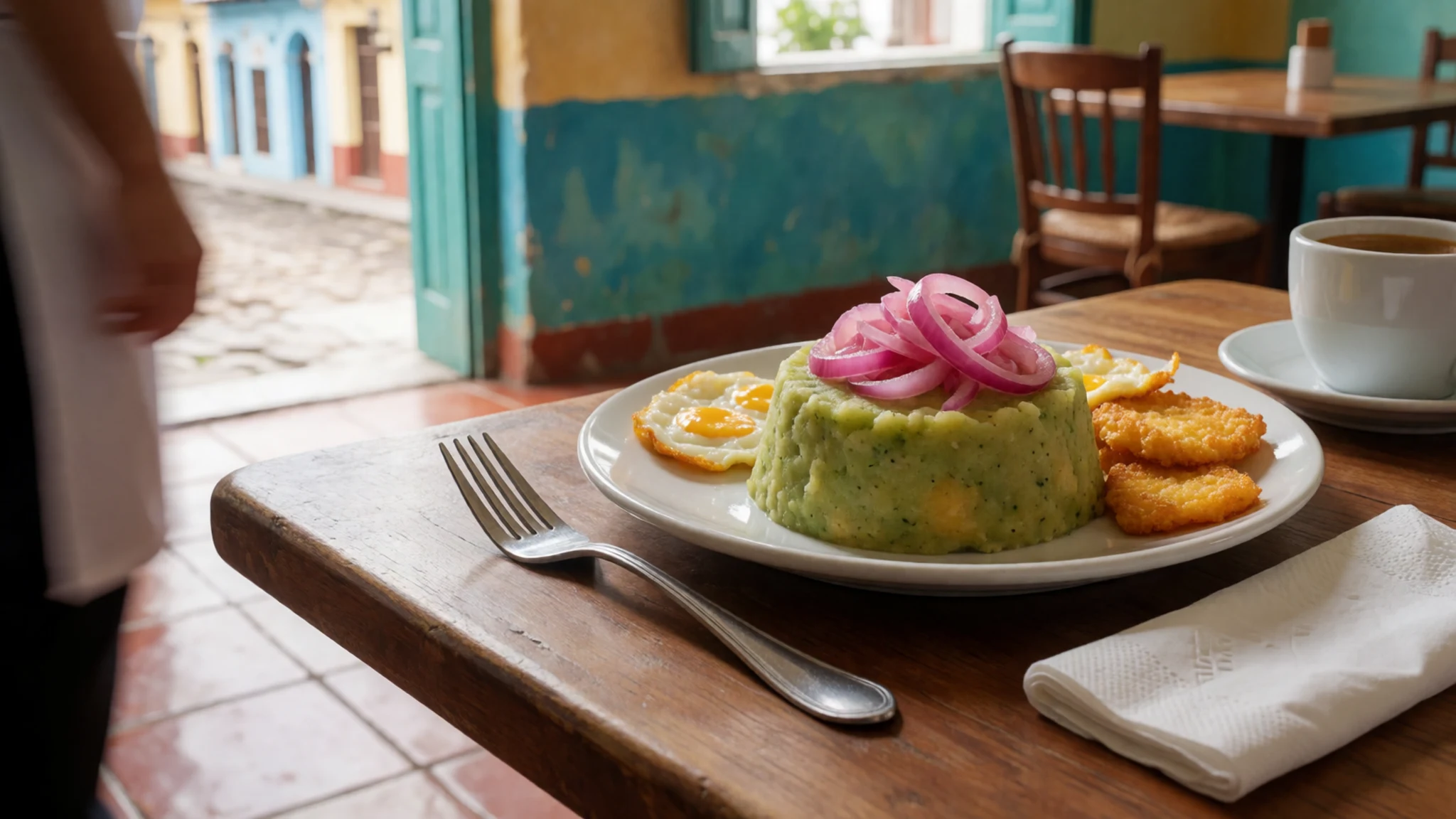
- Casabe — rural roadside stalls and markets in the Cibao region
A flat, crisp bread made from grated cassava, a food crop with Taíno roots on the island. It is dry, mild and good with garlic sauces, fish or cheese, and it keeps well, making it an easy edible souvenir. - Pescado con coco — beachside eateries around Samaná
Fresh fish cooked in a rich coconut sauce, a speciality of the Samaná coast. The sauce is creamy, lightly spiced and often served with fried plantain slices, rice and a squeeze of lime. - Griot with pikliz — street stalls and family-run eateries in Haiti
Chunks of pork marinated in citrus and herbs, then simmered and fried until crisp outside. It is served in Haiti with pikliz, a fiery pickled cabbage and chilli relish that cuts through the richness. Eat the relish in small portions.
Plan it
Best time. December to April is the drier, sunnier and less humid season, ideal for beaches and sightseeing. June to November is hotter and wetter, with hurricane risk peaking late in that period, so check forecasts and cover travel insurance. Mountains stay cool all year, with cold nights.
How long. 5–7
Getting there. Most visitors fly into Santo Domingo (the Dominican Republic's capital) or one of the Dominican resort-coast airports, then continue by road. Buses and shared taxis link towns, but a rented car or private transfer is easier for remote beaches and the north coast. For Haiti, check airline and government advice before booking anything.
Budget. mid
Tips
- Book flights and coastal stays early for December–April, when demand is highest
- Start sightseeing in the morning, before the midday heat and crowds
- Carry some cash for small eateries, markets and rural areas, as cards are not accepted everywhere
- Drink bottled or filtered water and use sun protection and insect repellent
- Check current government travel advice, especially for Haiti, before finalising plans
Etiquette
- Greet people politely before asking questions or making requests
- Ask before photographing people, and respect religious ceremonies
- Cover shoulders and knees when entering churches
Nearby
Sources
- Wikidata Q25277 (CC0)
- Wikipedia: Hispaniola (rev 1384773552) (CC BY-SA 4.0)
- Wikivoyage: Hispaniola (rev 4867815) (CC BY-SA 4.0)
- ISS-20 Caribbean island of Hispaniola from the ISS, NASA/Expedition 20 crew (Public domain)
- ISS027-E-17333 View of Dominican Republic, Earth Science and Remote Sensing Unit, Lyndon B. Johnson Space Center (Public domain)
- Hispaniola map, Rémi Kaupp and Claude Zygiel (CC BY-SA 4.0)
- Pictografia igneri, El Pomier (Espeleogrupo assumed) (CC BY 3.0)
- Cueva El Pomier, Tom crawshaw (CC0 1.0)
- Cacicazgos de la Hispaniola, República Dominicana (Public domain)
- Hispaniola Vinckeboons4, Johannes Vingboons (Public domain)
- Santo Domingo, Museo de las Casas Reales, Phyrexian (CC BY-SA 4.0)


