Los Haitises
Los Haitises, Dominican Republic
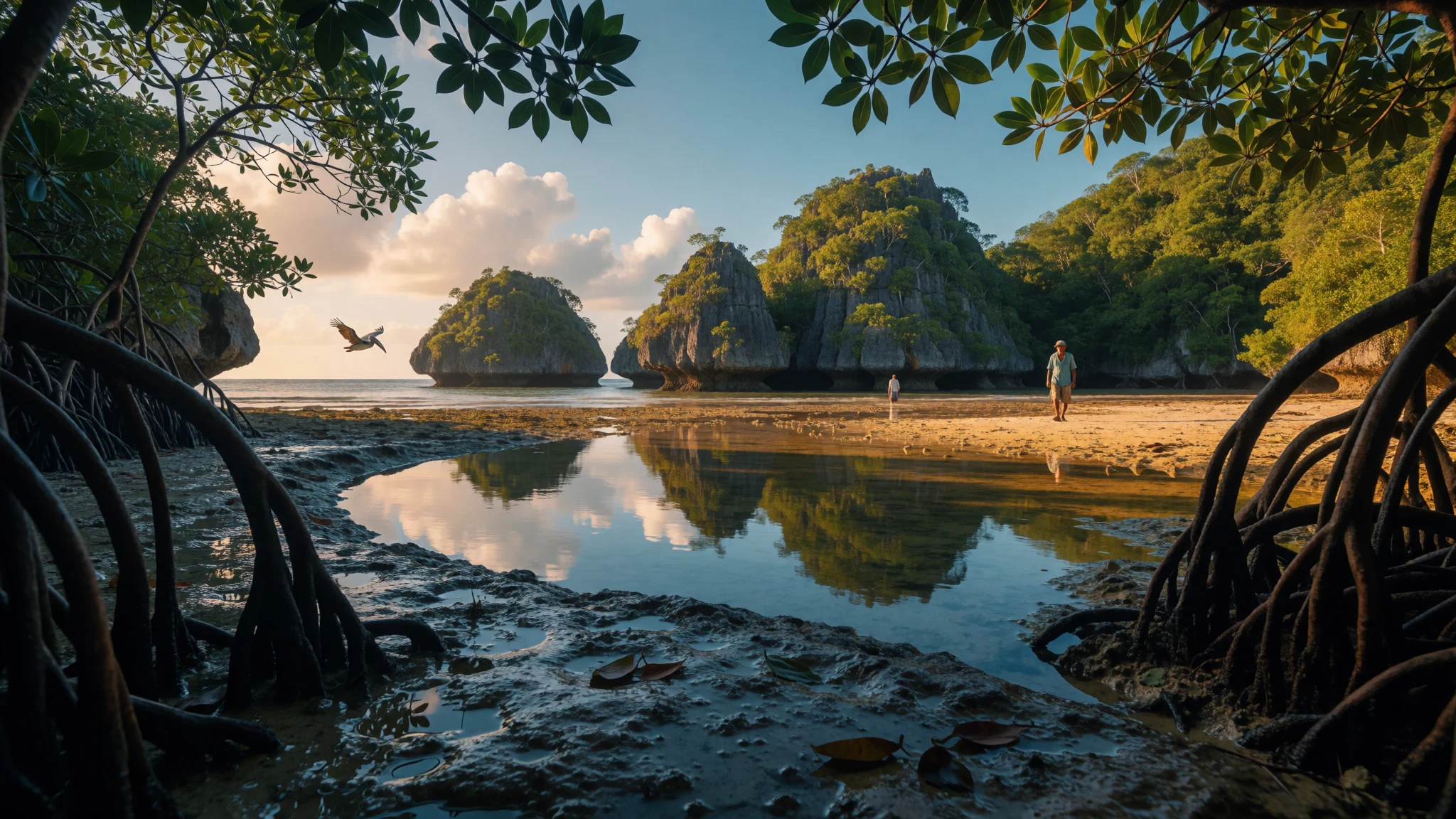
Los Haitises is a boat ride through mangroves and green limestone cones to caves with Taíno rock art and islets crowded with nesting seabirds.
The place
Los Haitises National Park sits on the remote north-east coast of the Dominican Republic, where a limestone plateau runs down into the shallow waters beside Samaná Bay. The ground is karst, rock that water has been dissolving for a very long time. The result is a crowd of rounded green cones, sinkholes in the gaps between them, and caves underneath. Rain falls here at about 2,000 mm a year, which keeps the vegetation thick and the hills green even where logging has thinned the forest. On the shore, mangroves form a tangled fringe that shelters fish, crabs and nesting seabirds. Further inland, humid subtropical forest covers much of the remaining ground. This mix of habitats supports a long list of mammals and birds, including a few rare species found only on the island of Hispaniola. Some caves hold pictograms and petroglyphs left by earlier peoples. The park's recorded elevation is 228 m, so the drama comes from the closeness of the hills rather than from height. It has become a popular ecotourism stop, but the number of visitors allowed in is limited, and most people see it from a boat leaving the small town of Sabana de la Mar. Expect heat, humidity and a good chance of a shower at any time of year. The reward is a landscape that looks quite unlike the beaches the country is better known for.
Its story
Los Haitises began its life as a protected area in the form of a forest reserve, the Zona Vedada de Los Haitises, a prohibited zone intended to hold back clearance of the land. It was upgraded to a national park in 1976. Its boundary has been redrawn several times since and is still described as uncertain, and a later decree enlarged the area considerably. Most of it falls within the municipality of Sabana de la Mar in Hato Mayor province, with the rest in Monte Plata and Samaná, and the visitor centre is in Sabana de la Mar. The landscape itself is far older than any law. It took shape in the Miocene, when a block of limestone formed a platform that rain and groundwater slowly carved into clustered hills with sinkholes between them. The islets scattered across Samaná Bay share that origin with the hills inland. People arrived long before the park did. The Taíno, the island's Indigenous inhabitants, left drawings in caves, and their rain deity Boinayel is part of the country's cultural memory; the name is attached to cave art elsewhere on the island. Deforestation has been serious, yet rainfall remains heavy, and the area ranks near the top in the Dominican Republic for both total rain and the number of rainy days. The forest that is left is therefore well watered, and the park's protection matters mainly for the mangroves, caves and birdlife.
What to see
- San Lorenzo Bay by boat — Sabana de la Mar
Most visits start with a boat from Sabana de la Mar across San Lorenzo Bay. The hills rise abruptly from the water as dark green cones, often with cloud snagged on top. The light is best in the morning, before haze and afternoon showers arrive, and the water is usually calm.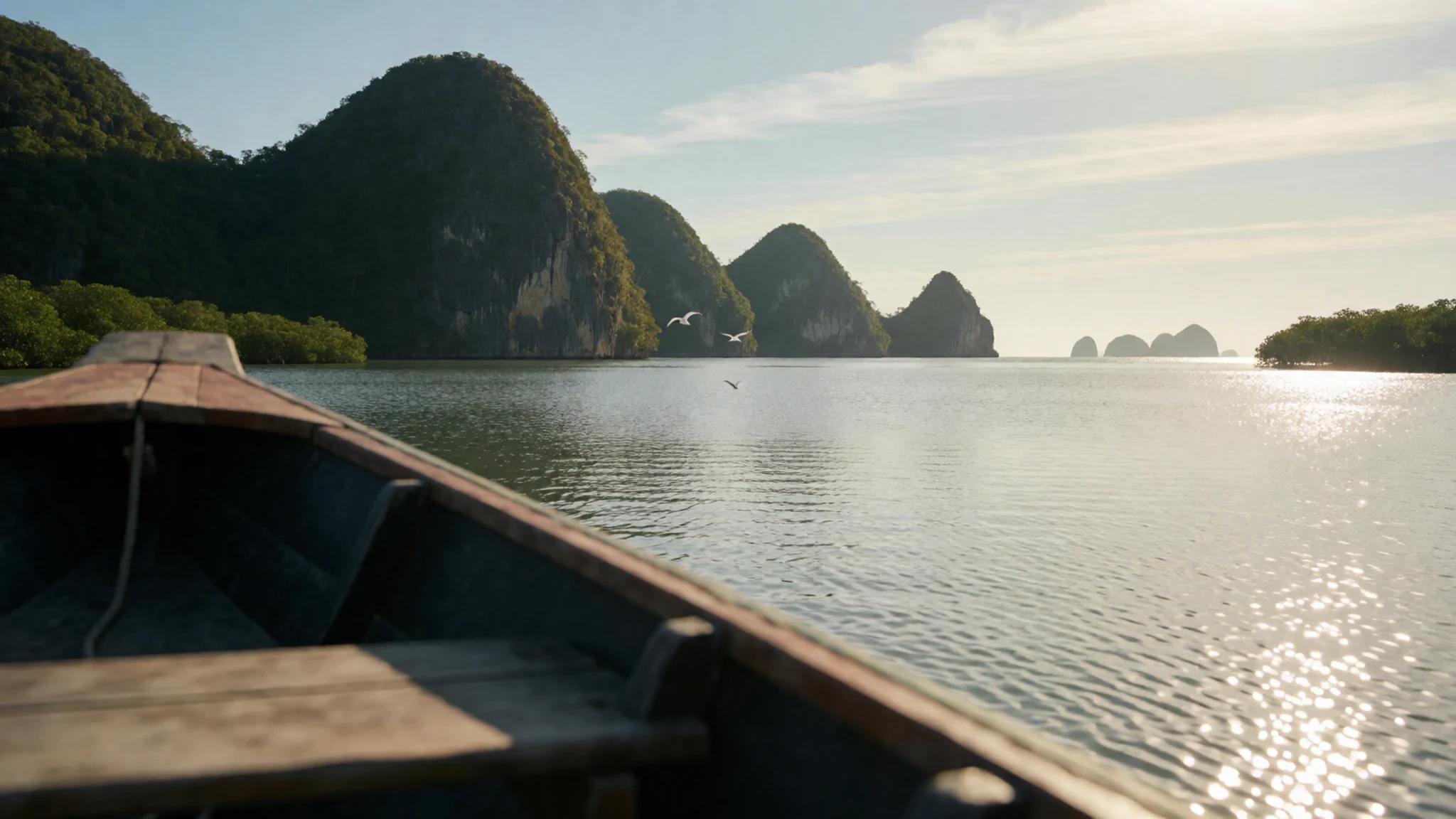
- Mangrove channels — Northern shore of the park
Boats slow down where the mangroves close in, their roots arching into brackish water. This is the nursery for fish and crabs, and a good place to watch herons and other waders. The air is still, humid and full of insects, so repellent is worth carrying.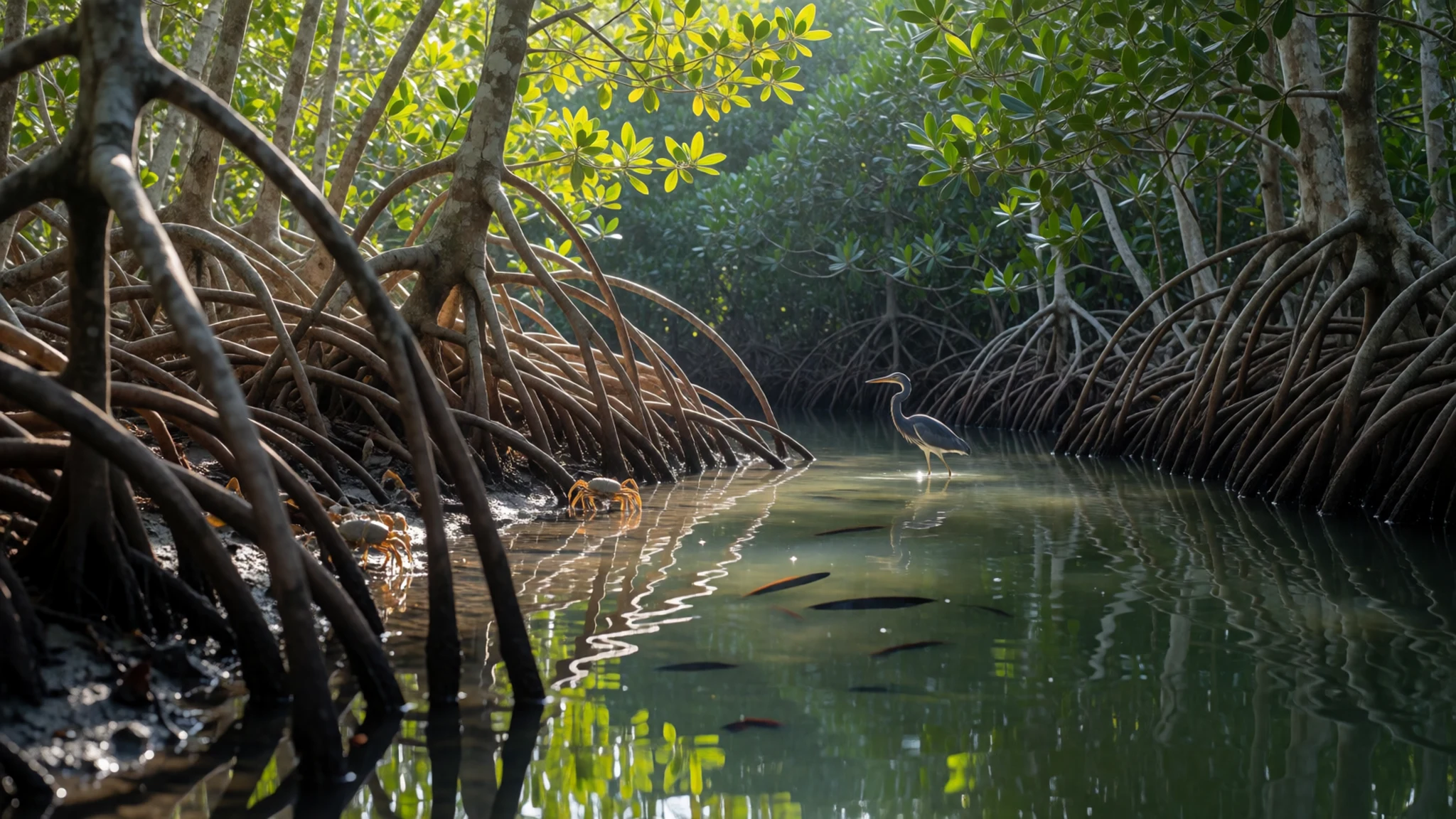
- Bird islets — San Lorenzo Bay
Small rocky islands in the bay are crowded with nesting seabirds, among them pelicans. Boats stay at a respectful distance so the nests are not disturbed. Binoculars help far more than a phone camera, and the nesting season changes how busy the islets look.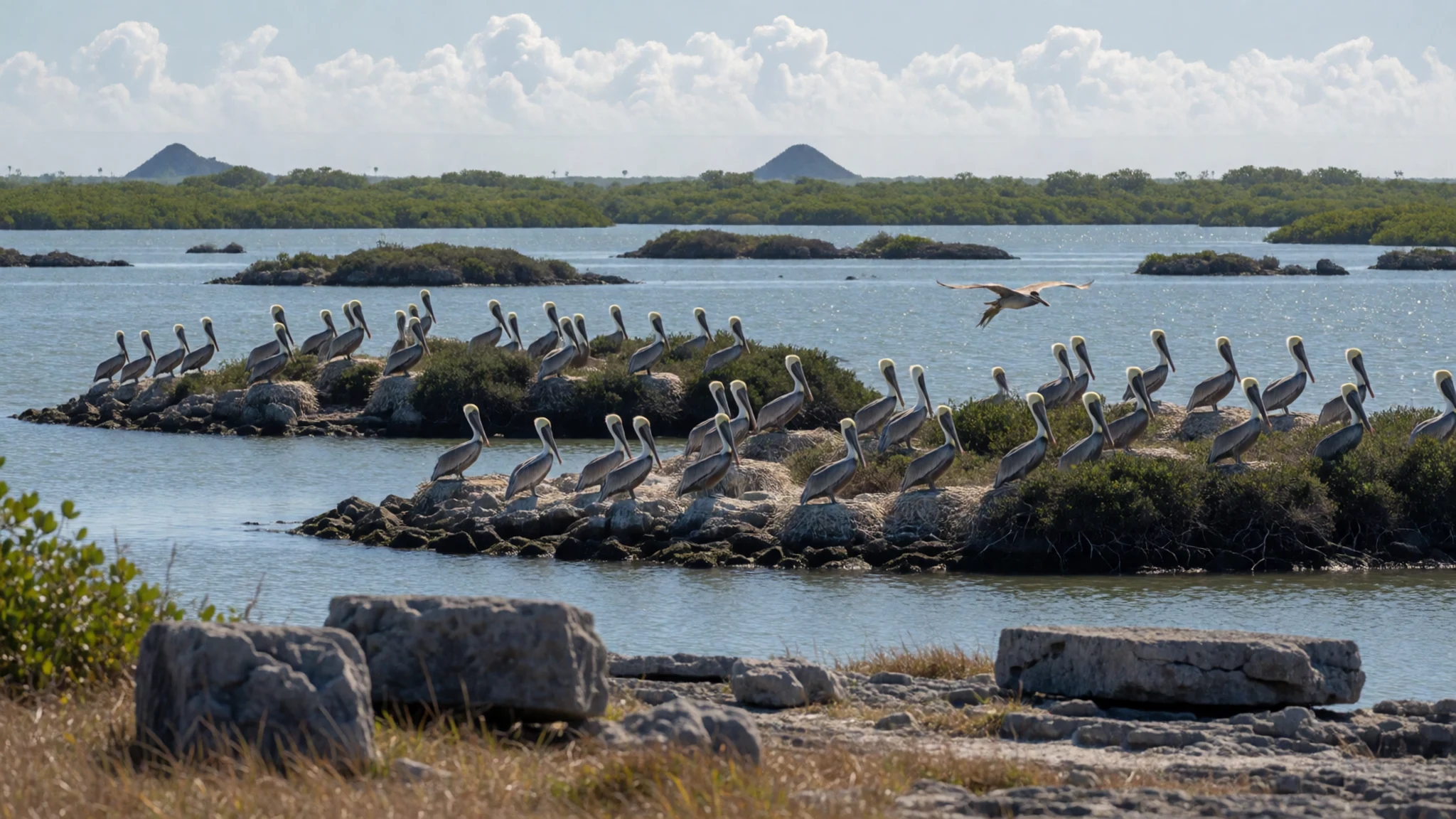
- Caves with rock art — Inland hills of the park
Several limestone caves hold pictograms and petroglyphs, such as those at La Arena. Guides lead short walks, point out the faces and symbols, and explain what is known of the Taíno who made them. Floors can be damp and slippery, so shoes with grip are needed.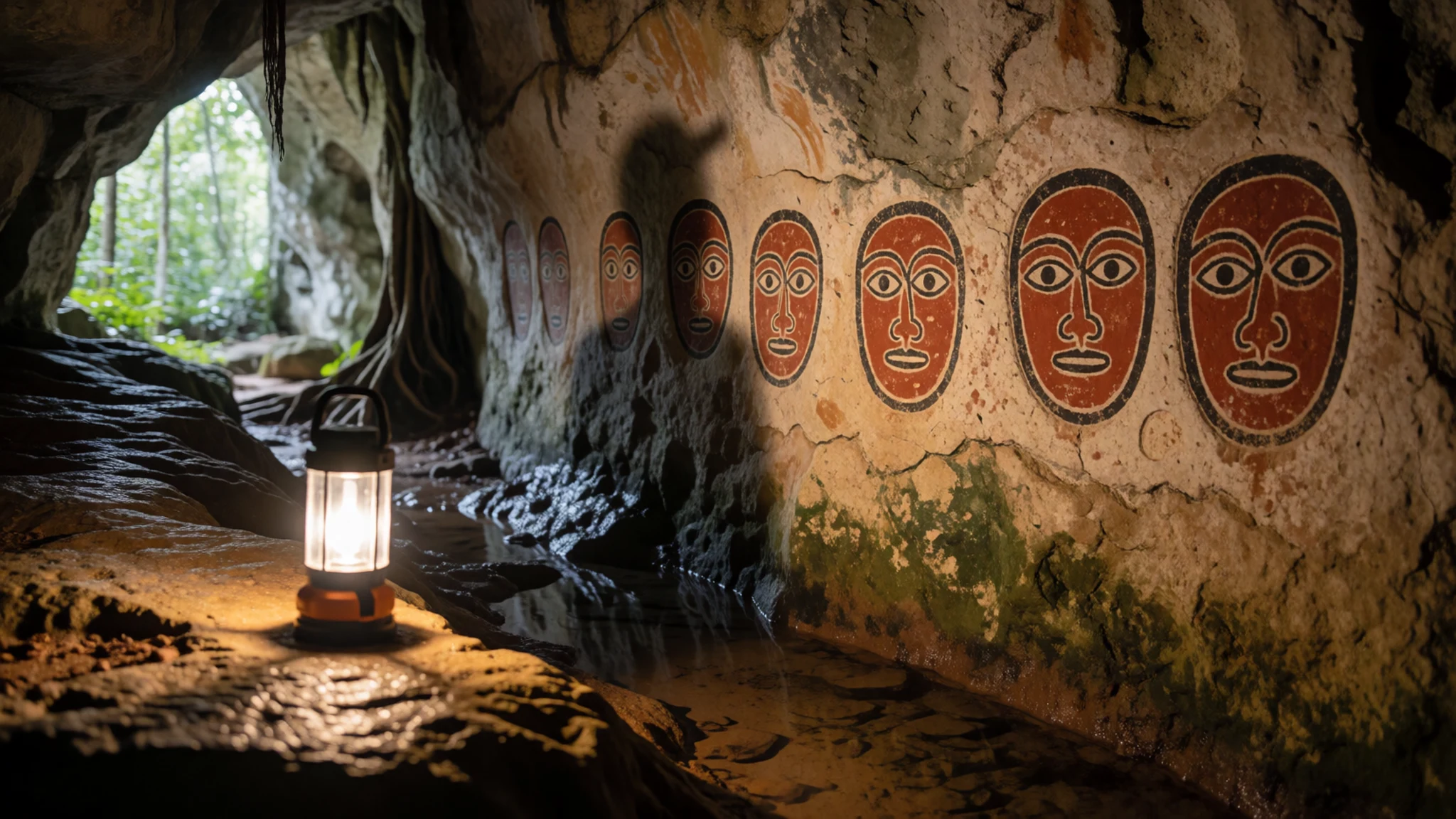
- Old railway remains — Shore of San Lorenzo Bay
Traces of an old railway line survive beside the bay, rusting and half swallowed by vegetation. It is a modest stop compared with the caves, but it shows how people once moved goods across this coast before the area was protected.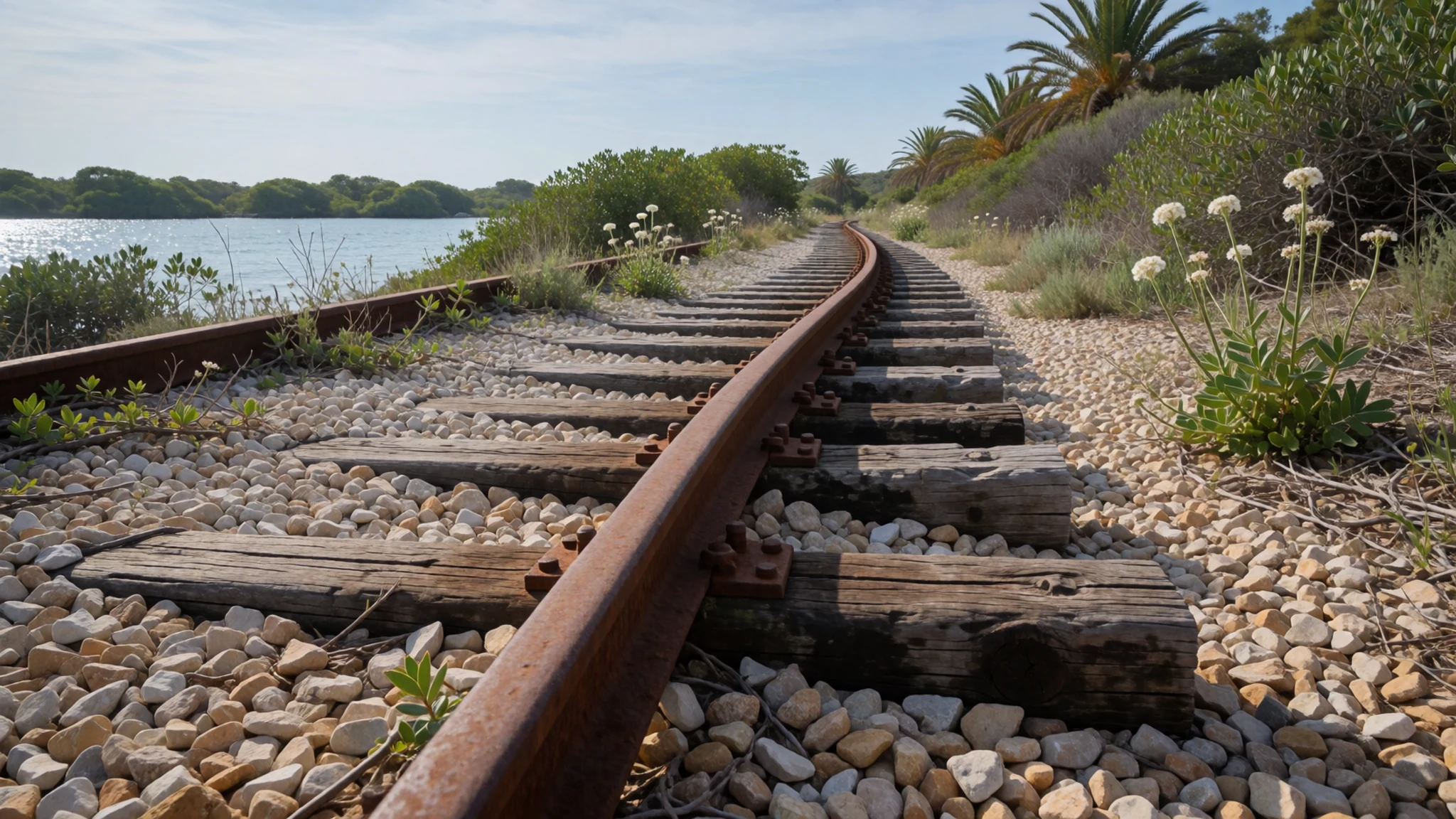
Culture
Around Los Haitises, daily life revolves around Sabana de la Mar, a small fishing and farming town where boat guides, cooks and families share the same few streets. Dominicans are generally warm and relaxed with visitors, and a few words of Spanish, even badly pronounced, are noticed and appreciated. Greetings matter: a "buenos días" when entering a shop or boarding a boat sets the tone for everything after. The country's cultural roots are a blend of Taíno, Spanish and African influences, and the Taíno strand is visible in the park itself, in cave drawings and in stories about Boinayel, the god of rain. That story fits a place where rain shapes everything. Music is part of ordinary life, with merengue and bachata drifting from colmados (corner shops) and car windows, and conversation tends to be loud, cheerful and full of jokes. Politics and the relationship with neighbouring Haiti are sensitive subjects with a painful history, and visitors are wise to let locals raise them rather than starting the conversation. At restaurants the bill usually includes tax and a service charge, and a small extra tip for good service is customary. Guides and boat crews depend on tips for much of their income, and carrying small notes makes that easy. Visitor etiquette: keep a respectful distance from nesting birds and do not touch, scratch or lean on the cave walls, because the rock art cannot be restored once it is damaged.
What to wear
Traditional dress in the Dominican Republic is mostly seen at festivals and in dance. Women performing folk dances and merengue wear full, ruffled skirts in bright cotton or satin that swirl with the steps, often with a flower in the hair. Men favour a white shirt and light trousers, often with a straw hat. The guayabera, a pleated shirt in cotton or linen, is the classic formal-casual garment for men. At carnival, makers build elaborate papier-mâché masks, such as the horned diablo cojuelo, and sew them to shiny, patterned costumes. Everyday clothing in towns near the park is practical and casual: shorts or light trousers, T-shirts and sandals, with smarter shirts and dresses for church and evenings out. Locals tend to dress neatly even in the heat. Visitors should dress for a hot, wet day on a boat. Quick-drying clothes, a light rain jacket or poncho, a hat and sunglasses will be more useful than anything fashionable. Wear sandals with a strap or water shoes that can get wet, and carry closed shoes with a good grip for the cave paths, which are often damp and muddy. Cover shoulders and knees when walking through the town, in churches and in the visitor centre, and pack a change of clothes for the ride home. Beachwear belongs on the water, not in restaurants.
What to eat
- Tres golpes — Small breakfast eateries and market stalls in Sabana de la Mar
The standard Dominican breakfast: mangú, mashed green plantain, served with fried cheese, salami and eggs. It is filling, a little salty and set up for a day outdoors. Go early, because a boat trip into the park often starts mid-morning.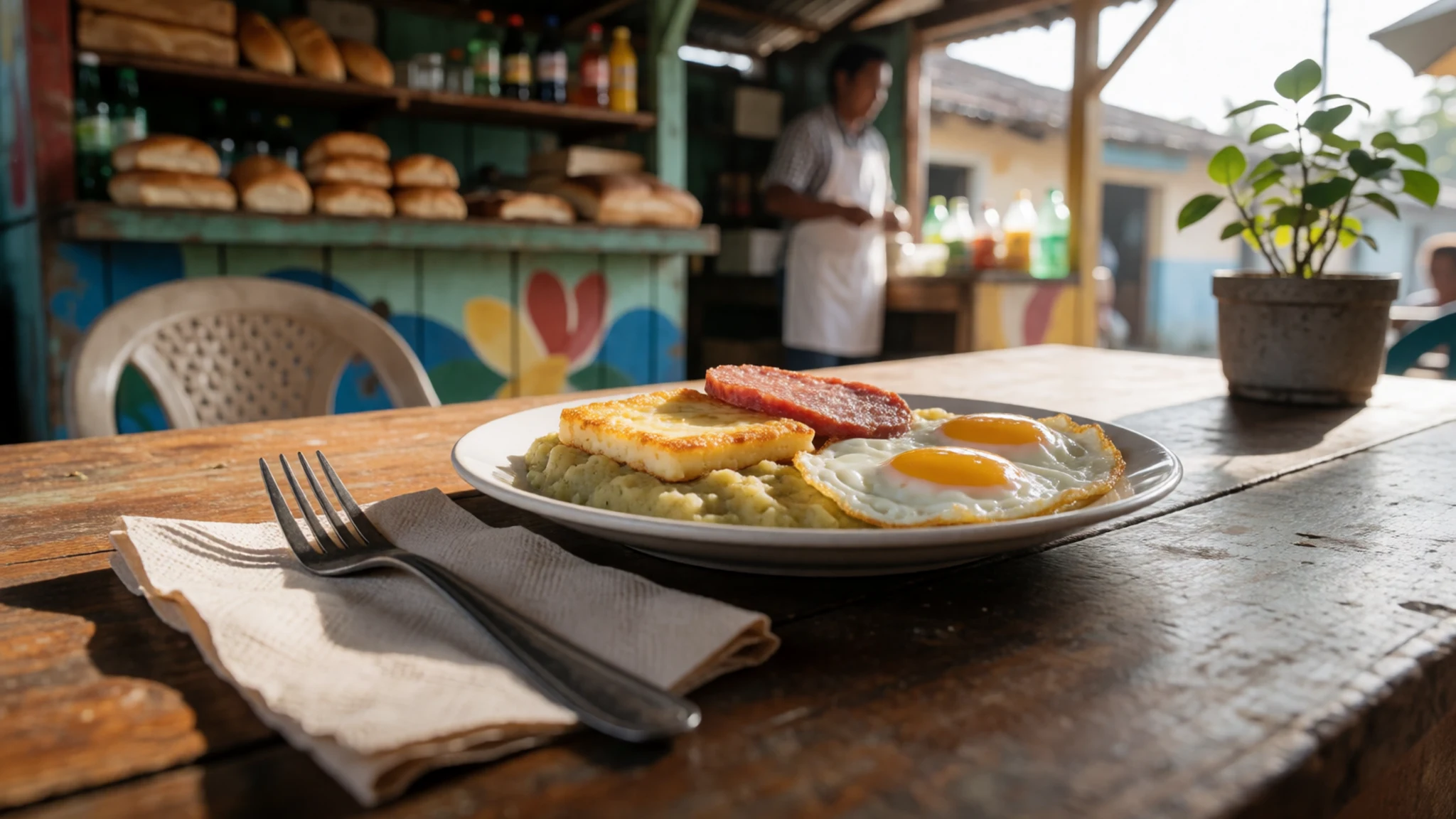
- La bandera — Local comedores and lunch counters
Known as the national dish, la bandera is rice, red beans and stewed meat, often with salad and fried plantain on the side. It is the usual midday meal in town. Portions are generous, so sharing is easy.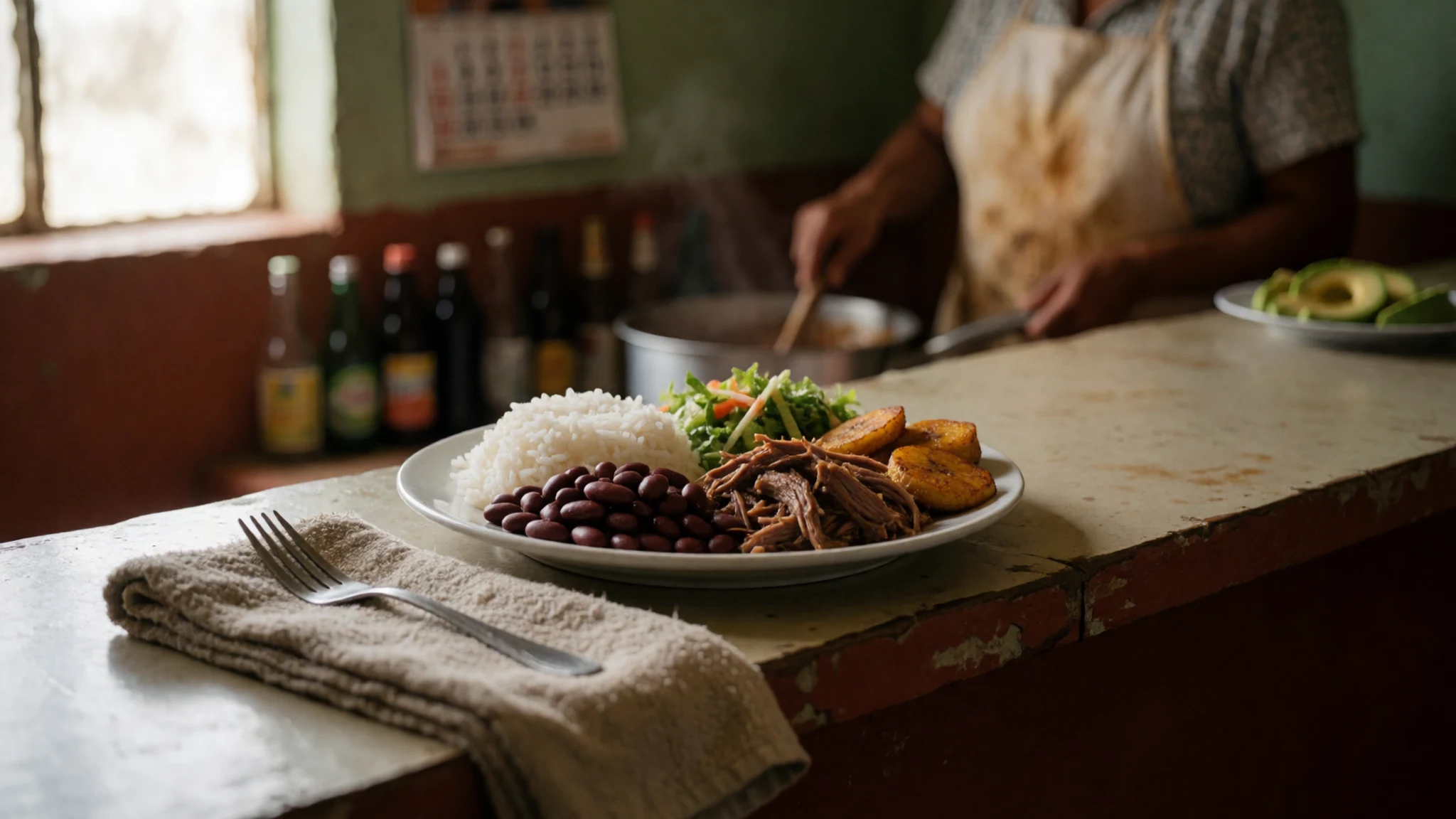
- Tostones — Roadside stalls and beachside eateries
Green plantain slices are fried, flattened and fried again until crisp outside and soft within. They are served salted as a side or snack, often next to fish. Eat them hot, since they turn leathery as they cool. - Fried fish and seafood — Waterfront eateries in Sabana de la Mar
With the bay on the doorstep, the town's cooks serve whole fried fish and other seafood, often with coconut sauce or garlic. Simple places near the quay serve the freshest plates. Point to what looks good, and ask for it cooked fresh. - Jugo de chinola — Fruit stalls and juice counters
Chinola is passion fruit, pressed into a sharp, sweet juice and often served over ice. It is a good antidote to humid afternoons. Ask for bottled or boiled water in the mix, as tap water is best avoided.
Plan it
Best time. January to April is usually the more comfortable stretch, with fewer showers, though rain can fall in any month. The park is among the wettest places in the country, so bring rain gear whenever you go.
How long. 1–2
Getting there. Fly into Santo Domingo or the Samaná airport, then take a road transfer or a bus to Sabana de la Mar, where the park's visitor centre is. The last leg is a short boat ride across San Lorenzo Bay. Check your passport's entry rules and complete the online eTicket before departing, as every arriving passenger must.
Budget. mid
Tips
- Book a licensed guide and boat through the visitor centre or your accommodation, and check the official park information for entrance rules and current arrangements.
- Go early in the day, when the water is calmer, the light is better and fewer boats are out.
- Carry small cash notes for entrance, guide and boat tips, because card machines are rare in small towns.
- Drink bottled or boiled water only, and pack insect repellent, sun cream and a waterproof bag for your phone and camera.
- Check weather and sea conditions on the morning, as boats may not run in heavy rain.
Etiquette
- Keep your distance from nesting birds and do not chase or feed wildlife.
- Do not touch the cave walls or carve anything into the rock.
- Take all your rubbish back with you.
Nearby
Sources
- Wikidata Q42090 (CC0)
- Wikipedia: Los Haitises National Park (rev 1362850989) (CC BY-SA 4.0)
- Wikivoyage: Dominican Republic (rev 5328097) (CC BY-SA 4.0)
- Photo: Los Haitises National Park as seen from San Lorenzo Bay, Anton Bielousov (CC BY 3.0)
- Photo: Dominican Republic relief location map, Alexrk2 (CC BY 3.0)
- Photo: Mangroves in Los Haitises National Park, Anton Bielousov (CC BY 3.0)
- Photo: Pelican in the nest, Anton Bielousov (CC BY 3.0)
- Photo: An island with nesting birds in San Lorenzo bay, Anton Bielousov (CC BY 3.0)
- Photo: Old railway in the Los Haitises Park, Starus (CC BY-SA 2.5)
- Photo: Los Haitises National Park (Antillean piculet), Ron Knight (CC BY 2.5)
- Photo: Cueva La Arena, Thetornado76 (CC BY-SA 4.0)


Wildlife
- Brown pelican (animal)
Imagine a bird that fishes by diving from the air with a built-in net under its beak: that is the brown pelican. Around Los Haitises, it gathers with other seabirds to nest on the little rocky islands in the bay. Ask a local guide when you are most likely to see it. Keep your boat well back, stay quiet so you do not disturb the nests, and never offer food.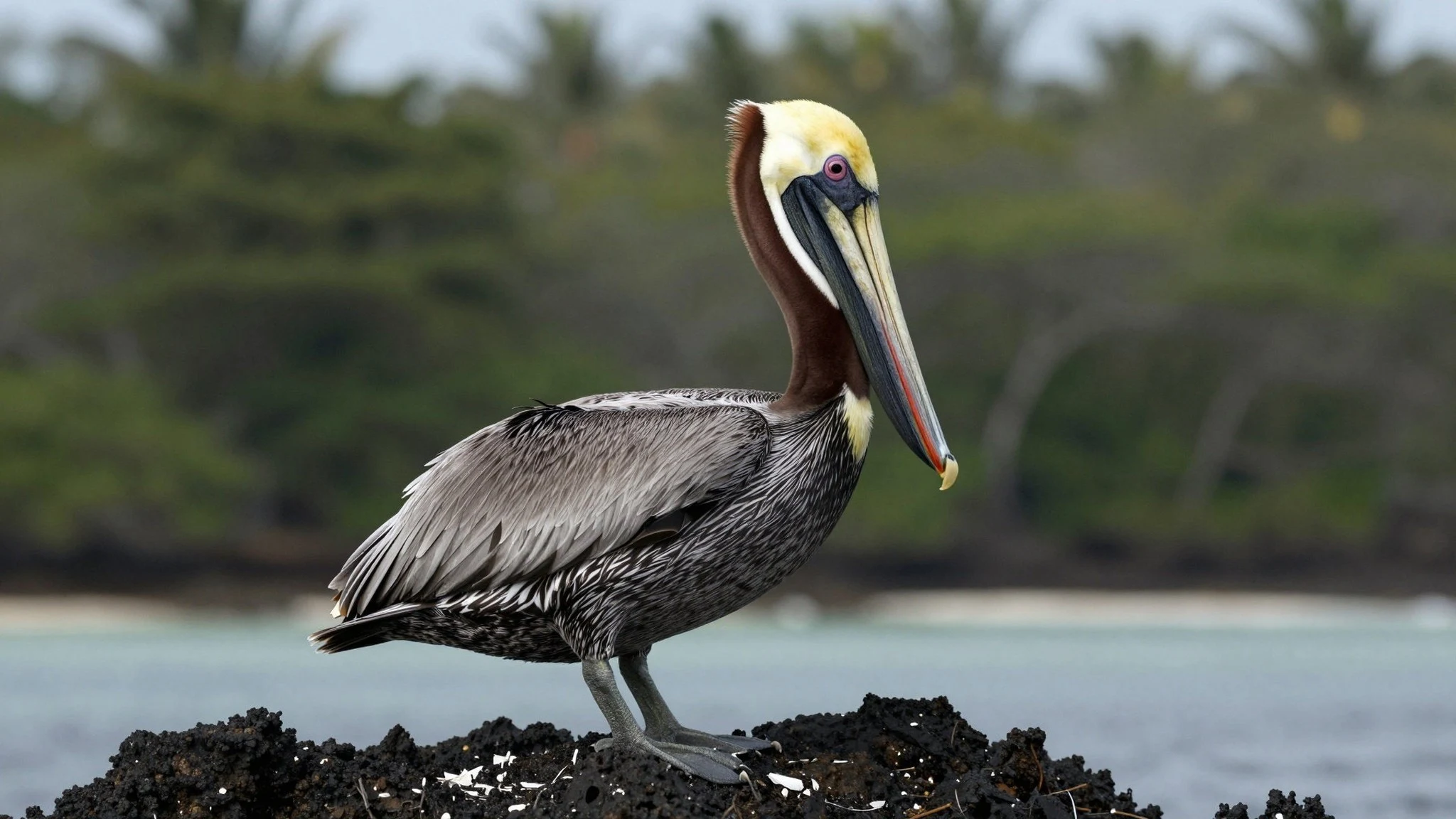
- Brown pelican (bird)
Imagine a bird that fishes by diving from the air with a built-in net under its beak: that is the brown pelican. Around Los Haitises, it gathers with other seabirds to nest on the little rocky islands in the bay. Ask a local guide when you are most likely to see it. Keep your boat well back, stay quiet so you do not disturb the nests, and never offer food.