Nukulaelae
Nukulaelae, Tuvalu
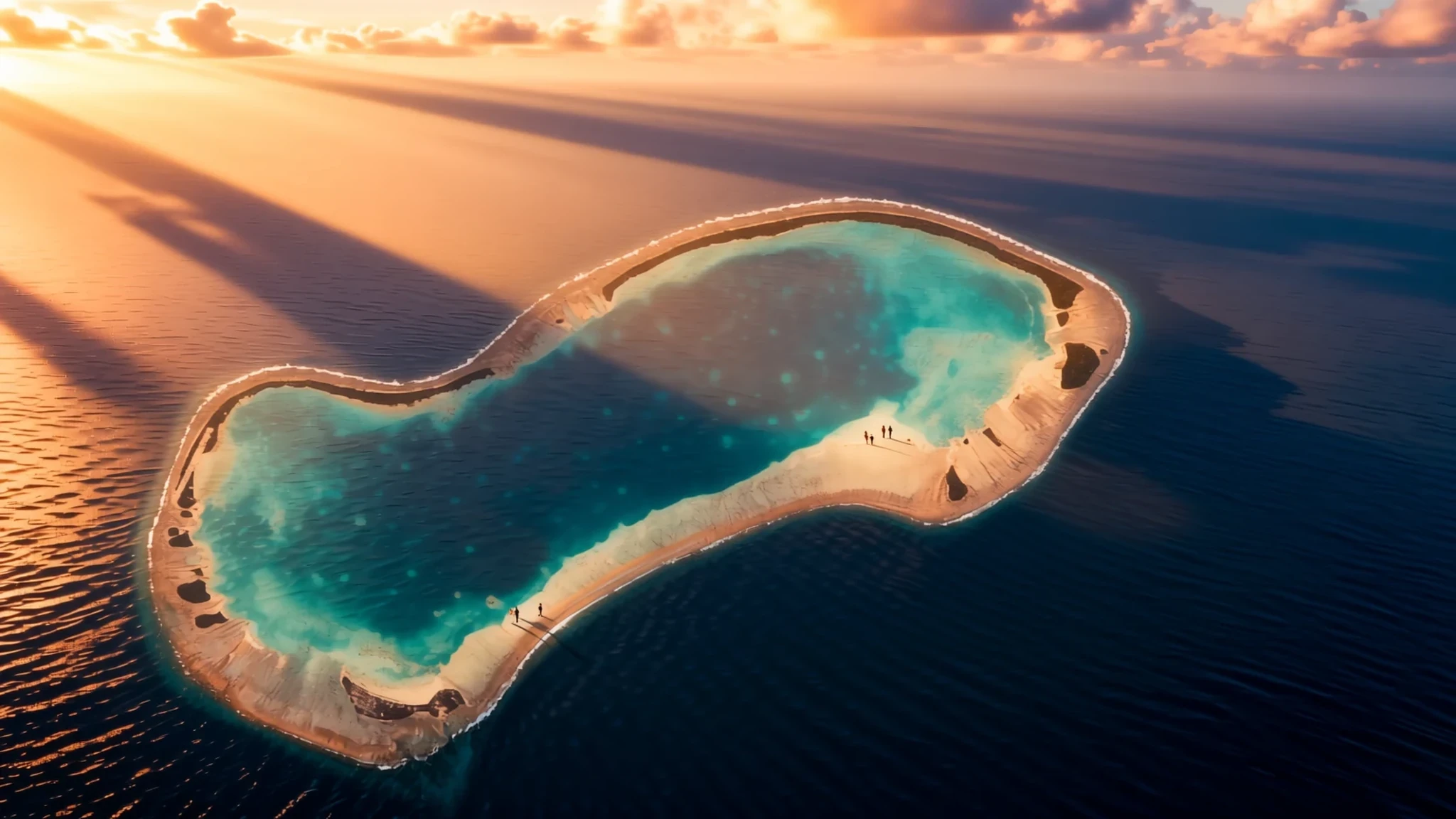
Nukulaelae offers a raw, uncommercialised encounter with Polynesian life on a remote coral atoll, far from resort tourism.
The place
Nukulaelae is a remote atoll in Tuvalu, situated in the central Pacific Ocean. It forms an oval ring composed of at least 15 small islets, surrounding a vast, shallow lagoon. The only inhabited islet is Fangaua, which stretches 1.5 kilometres in length and varies in width from 50 to 200 metres. This single landmass holds the community of Pepesala, the atoll’s largest settlement. The easternmost point of the entire nation of Tuvalu is Niuoko islet, located at the far edge of this ring. A protected zone extends across the lagoon’s eastern edge to safeguard the local marine ecosystem.
The landscape is low-lying coral, rising barely above sea level. There are no hills, rivers, or architectural landmarks in the conventional sense. Instead, the environment is defined by the interaction between the fringing reef, the lagoon, and the open ocean. The pace of life here is slow and leisurely, dictated by the tides and the sun rather than a commercial schedule. Visitors encounter simple guesthouses rather than hotels, and the seascapes remain fragile and largely pristine. This isolation means that Nukulaelae remains one of the least-visited places in the world, offering a glimpse of Tuvaluan identity that has been preserved by its distance from global tourism flows. The community relies on the ocean for sustenance and connection, maintaining traditional practices rooted in the rhythms of the sea.
Its story
Local tradition holds that a white-skinned man first sighted the sandy islets but did not settle due to the lack of trees. The name Nukulaelae translates to 'the land of sands'. According to oral history, Valoa from Vaitupu discovered the atoll during a fishing expedition. He returned to plant coconut trees and eventually settled there with his family, establishing the communities that exist today. Ancestral religious rites were once performed at a malae named Fagafale on the islet of Tumuiloto. On Niuoka islet, a large stone marks the site of Te Faleatua, meaning 'the house of the gods'.
European contact arrived in 1821 when Captain George Barrett, commanding the whaler Independence II, visited and named the atoll 'Mitchell’s Group'. The arrival of Christianity in 1861 was dramatic; Elekana, a deacon from the Cook Islands, drifted for eight weeks in a storm before landing in Nukulaelae. Within a decade, the social fabric was severely disrupted by the blackbirding trade. Peruvian ships arrived between 1862 and 1863 to recruit labour for guano mining. Approximately 200 people were taken from the atoll, reducing the population from around 300 to fewer than 100. This traumatic event followed earlier interactions with traders in the 1850s and 1860s, and a 25-year lease granted to a German trading firm in 1865, shaping a history of resilience against external exploitation.
What to see
- Fangaua Islet — Nukulaelae
The primary settlement on Nukulaelae, Fangaua offers a direct view into daily island life. Walk the sandy paths past the local meeting house and observe the integration of traditional and modern Tuvaluan culture. The low-rise terrain allows for easy exploration on foot, with the lagoon visible from most points on the islet. This is the heart of the community, where the daily rhythms of fishing and coastal work are visible to visitors.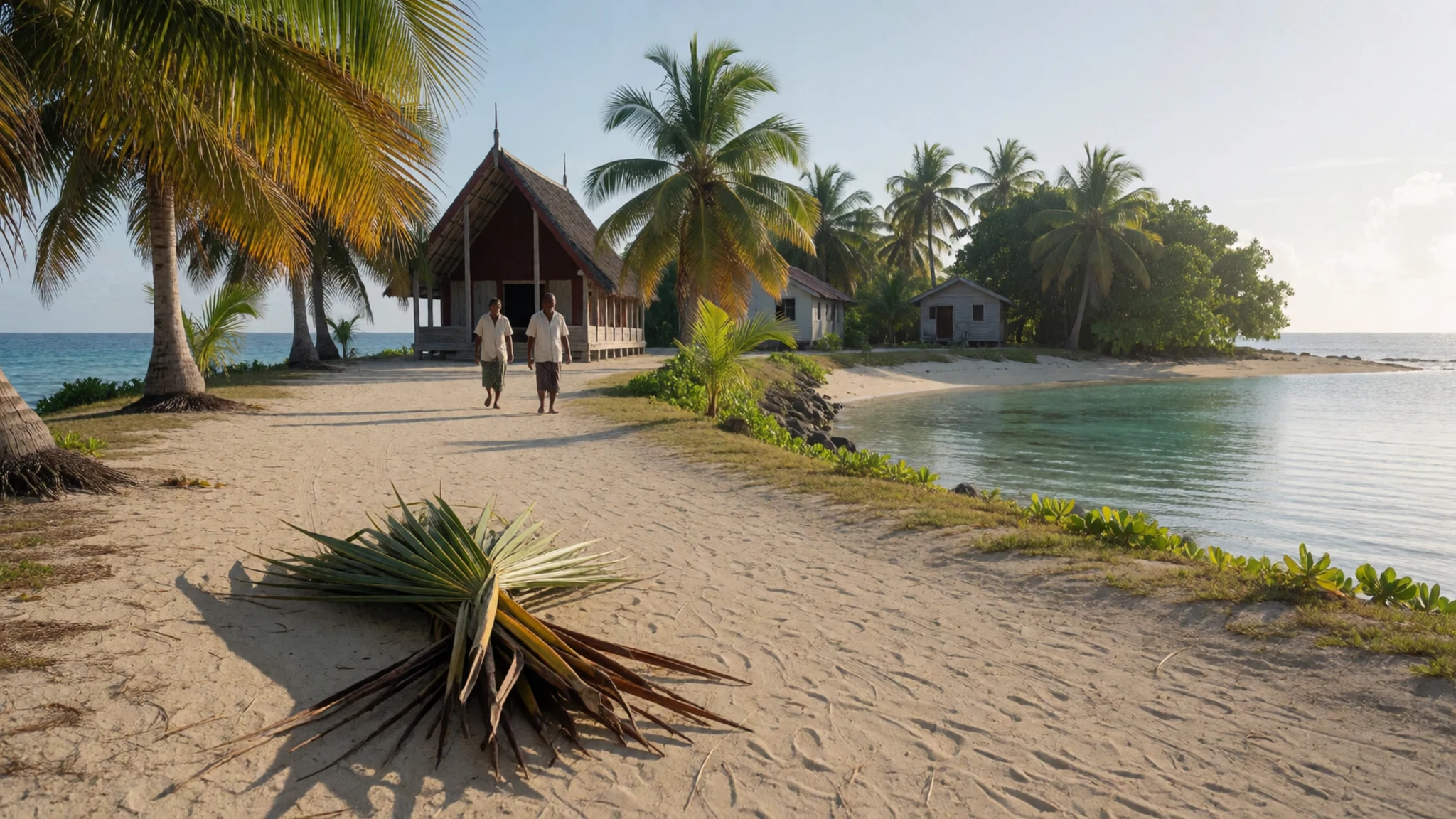
- Niuoko Islet — Eastern Nukulaelae
Located at the easternmost point of Tuvalu, Niuoko is a remote and quiet islet. It is the site of Te Faleatua, a traditional stone marker known as 'the house of the gods'. The landscape here is sparse, consisting of low coral sand and coconut palms. Accessing this site provides a sense of the atoll's full geographic scale and its historical significance in Polynesian spiritual traditions.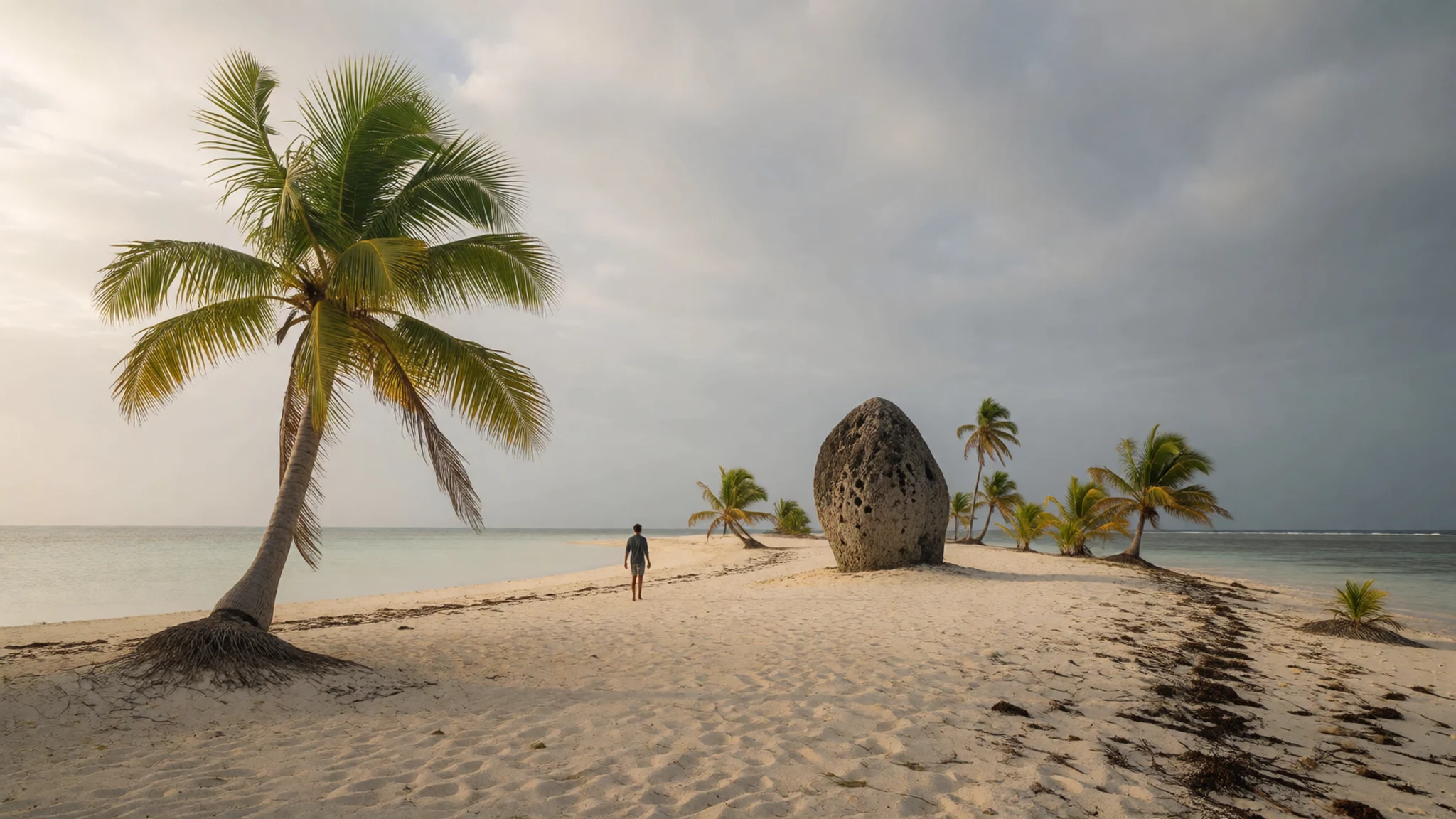
- Nukulaelae Conservation Area — Eastern Lagoon
This protected zone covers the eastern end of the lagoon, where marine life is abundant and healthy. The clear, shallow waters offer excellent opportunities for snorkelling to observe coral reefs and tropical fish. The conservation effort ensures that this part of the lagoon remains visually unspoiled, allowing visitors to witness the natural beauty of the lagoon ecosystem in its typical, uncommercialised state.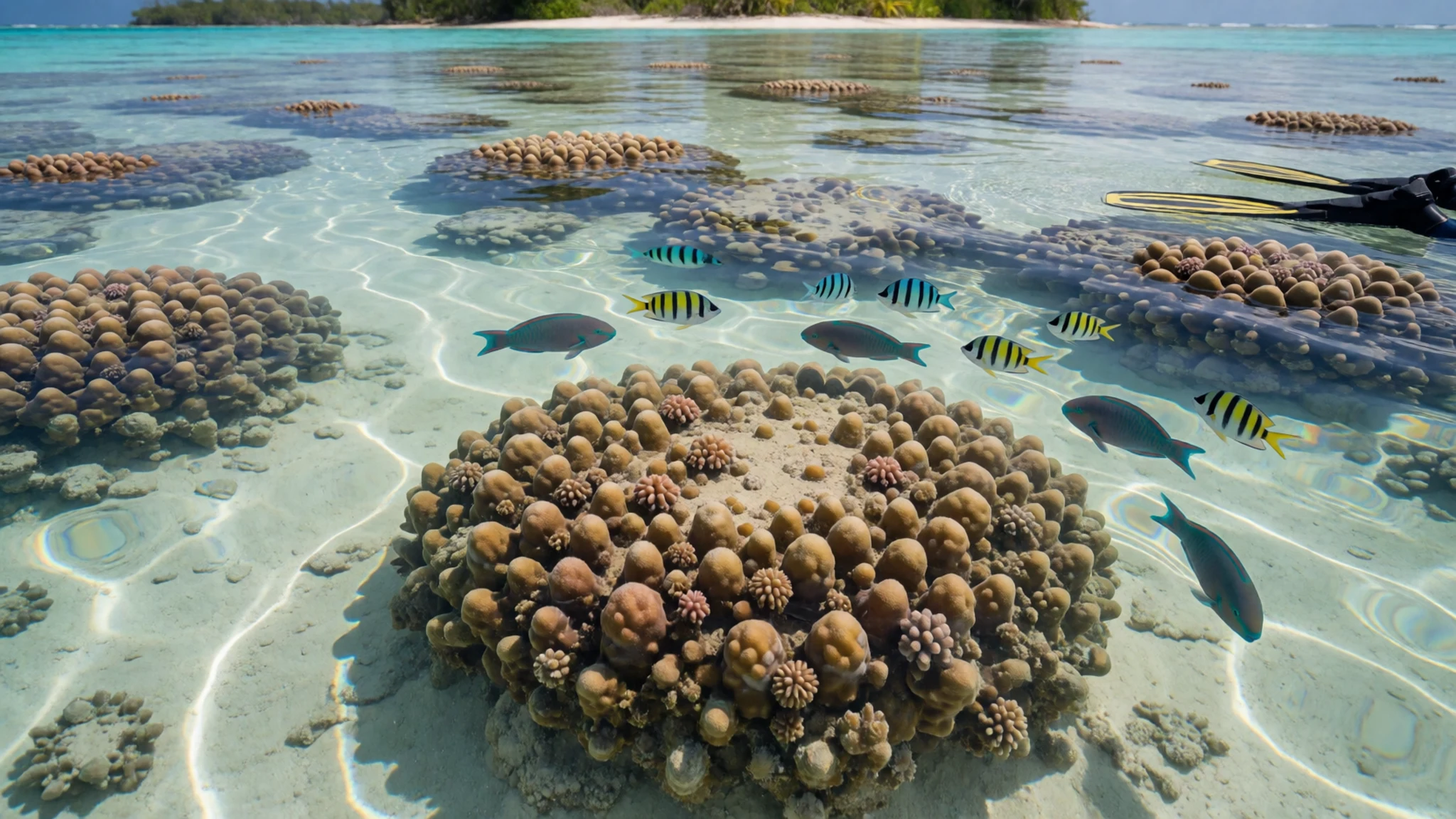
- Pepesala Settlement — Fangaua Islet
As the largest settlement on the atoll, Pepesala is a focal point for community activities. Here, visitors can experience local hospitality and witness the skills of residents in crafting mats, baskets, and other traditional goods. The settlement layout reflects the communal nature of Tuvaluan society, with spaces for gathering and social interaction central to daily life on the narrow islet.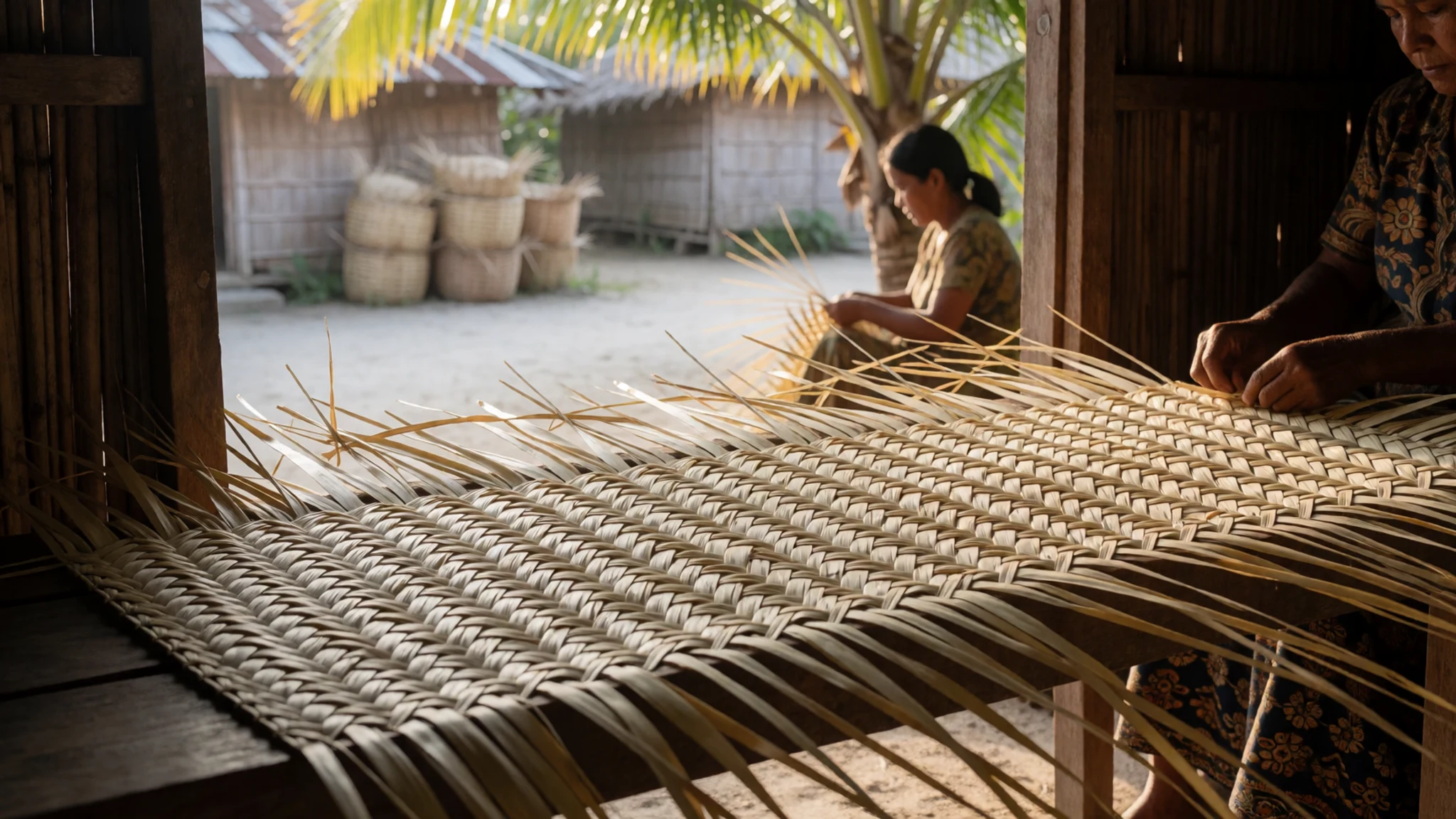
Culture
Tuvaluan culture is deeply rooted in the ocean, with social structures and oral histories developed over centuries of maritime navigation. The community on Nukulaelae maintains traditions linked to the rhythms of the sea, where the lagoon and reef are sources of both sustenance and spiritual meaning. Christianity, introduced in the 19th century, is a dominant faith that reshapes social life, blending with indigenous practices to form a unique cultural identity. The national game, te ano, resembles volleyball and is played by two teams facing each other, aiming to keep the ball in the air. Traditional dancing is performed on special occasions, often in the maneapa, or town hall, providing an insight into the performative arts of the island. Visitors to Nukulaelae engage with a culture that is resilient, communal, and distinctly different from the commercialised tourism found elsewhere in the Pacific. Respecting local customs is essential, as the community values privacy and traditional social norms. Visitors should always seek permission before photographing people or participating in local activities, ensuring that tourism remains a positive and respectful exchange rather than a disruption to daily life.
What to wear
Traditional Tuvaluan dress often features intricate textiles made from native materials, such as pandanus leaves and coconut fibre, used for mats and woven garments that reflect artistic skill and cultural heritage. These cloths are worn on ceremonial occasions, highlighting the connection to ancestral craft. In everyday life, modern clothing is common, with lightweight shirts, shorts, and wraps worn comfortably in the tropical heat. For visitors, practical attire is essential; loose, breathable fabrics in light colours help manage the intense sun and humidity. Coverage is appropriate for showing respect in religious contexts, so carrying a wrap or light jacket is advisable when visiting town halls or meeting houses. Footwear should be simple and easily removable, as shoes are taken off at the entrance to most homes and official buildings. The terrain is sandy and uneven, so open-toed sandals are more suitable than heavy boots for traversing the atoll's narrow strips of land.
What to eat
- Island Fish — Local guesthouses
Fresh fish is a staple of the Tuvaluan diet, caught daily from the lagoon or open ocean. It is often grilled whole or cooked in banana leaves, preserving its natural flavour. Dishes are typically served with local root vegetables like taro or cassava, providing a balanced and nutritious meal. Eating with your hands is a common and accepted practice, reflecting the communal nature of dining on the islands.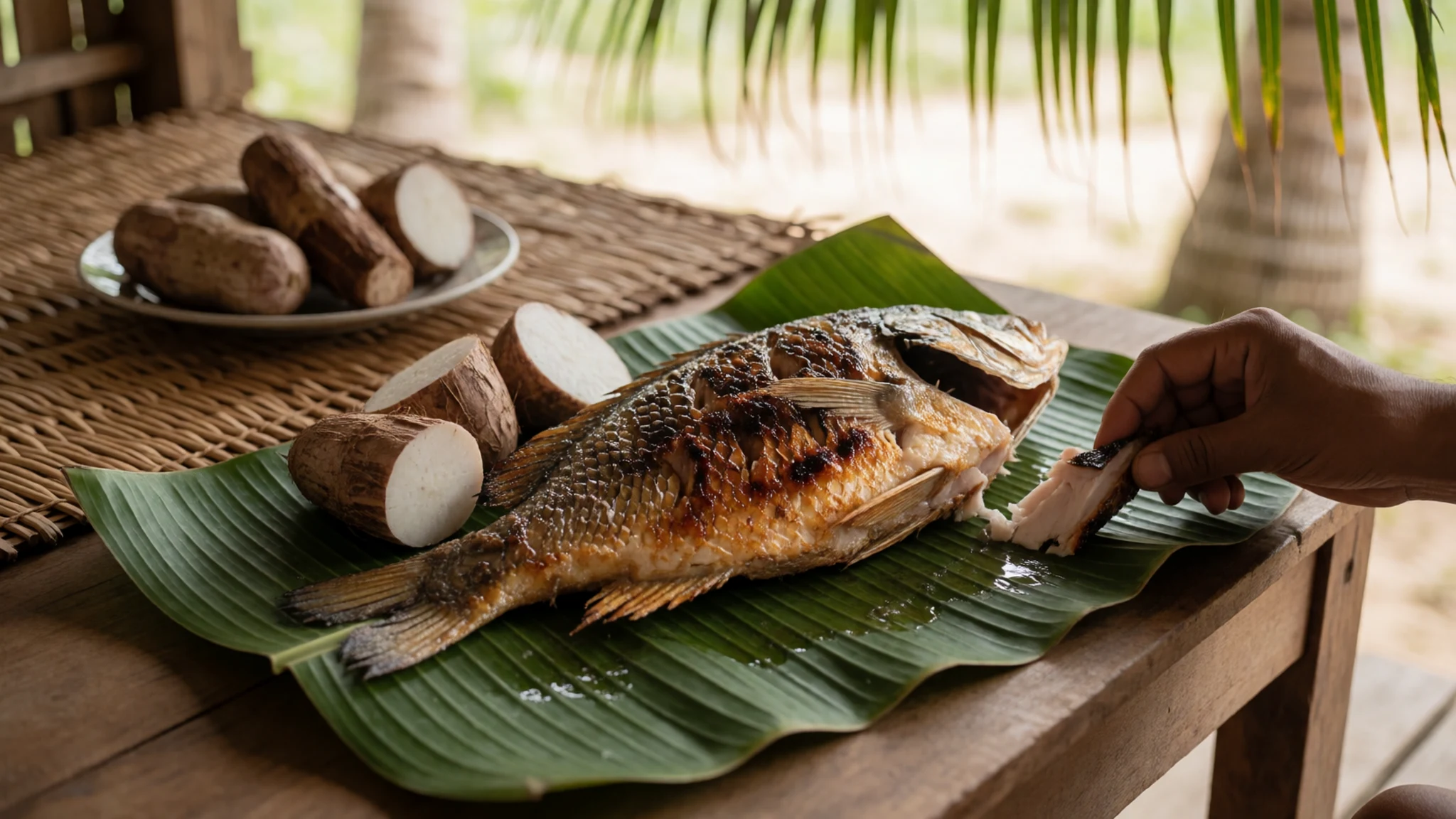
- Breadfruit — Home cooking
A versatile island staple, breadfruit can be roasted, boiled, or baked to create a hearty, flour-like texture. It serves as a carbohydrate foundation in many meals, often accompanied by fish or vegetable stews. Locals prepare it in various ways depending on seasonal availability and preference. Its earthy taste contrasts well with the fresh, briny flavours of the seafood available on the atoll.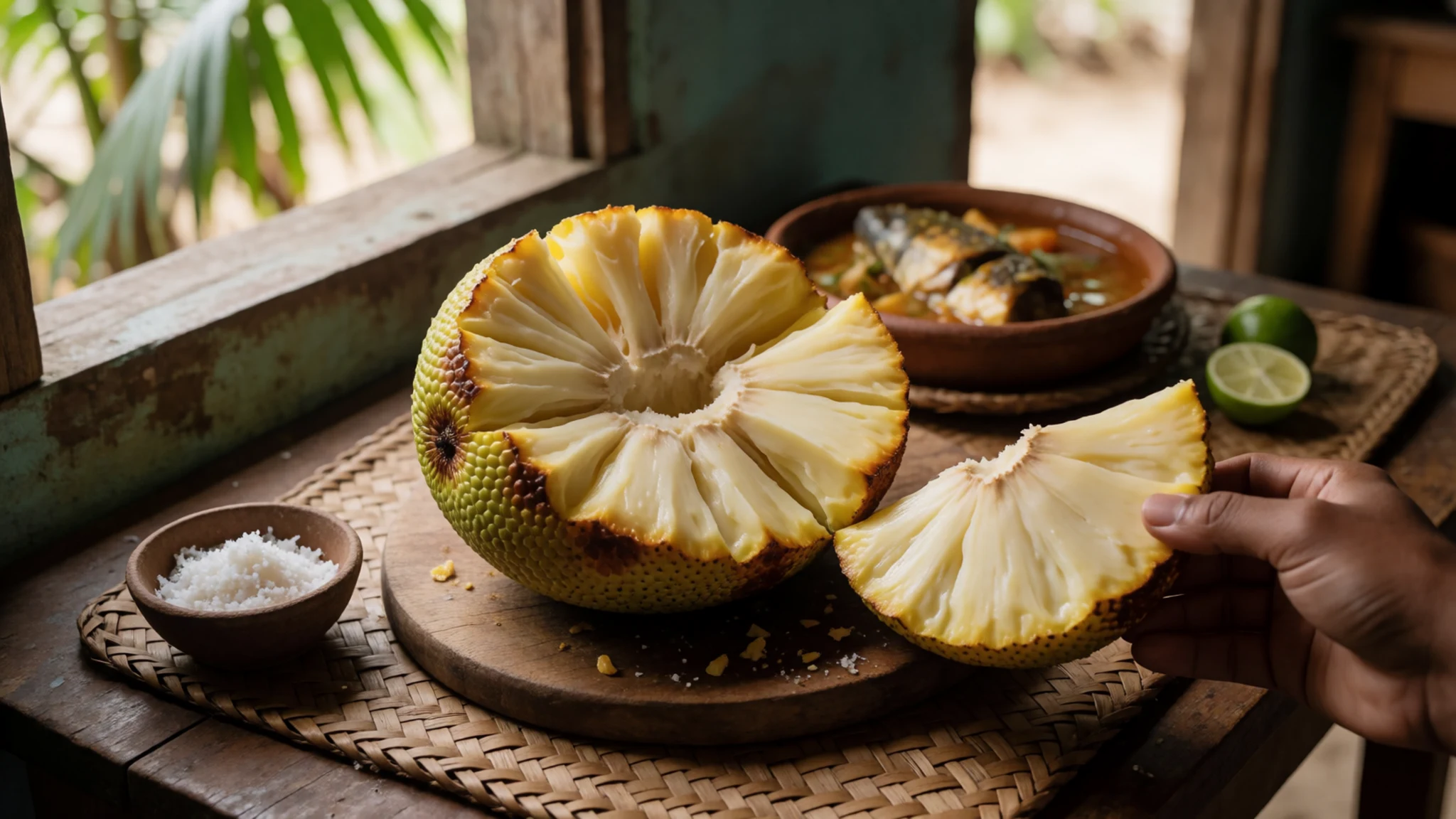
- Coconut Meat — Local households
Coconuts are ubiquitous in Nukulaelae, providing both flavour and nutrition. The fresh water is a common drink, while the meat is grated into curries or used to make traditional desserts. The versatility of the coconut makes it a central ingredient in local cuisine, supporting a diet adapted to the island environment. Visitors can observe the process of harvesting and preparing coconuts, which is a routine part of daily life on the atoll. - Pig and Fowl — Community events
On special occasions, pork and chicken are prepared for larger community gatherings. These meats are often slow-cooked or grilled, serving as a celebratory component of the meal. While not eaten daily due to limited resources, they play a significant role in festive and social events. The presence of these dishes signals a moment of plenty and communal bonding.
Plan it
Best time. April to October brings the lowest rainfall, and September–October are the most comfortable months overall thanks to cooler evenings and reduced rain, making it easier to access the lagoon and islets.
How long. 1–2
Getting there. Fly into Funafuti International Airport (FUN) from Nadi, Fiji, via Fiji Airways. Transfer to Nukulaelae by local boat or scheduled inter-island flight, depending on current operational schedules.
Budget. mid
Tips
- Check visa requirements in advance; free for UK and some Pacific citizens, otherwise A$100 on arrival.
- Cash is essential, as ATMs are unavailable on outer atolls; withdraw funds in Funafuti.
- Carry reef-safe sunscreen and insect repellent, as moustaque bites can be persistent.
- Confirm boat schedules with local operators in Funafuti, as weather can cause cancellations.
- Bring cash for guesthouse stays, as plastic cards are not widely accepted.
Etiquette
- Ask permission before photographing people, village activities, or sacred sites.
- Wear modest clothing when visiting the maneapa or entering homes.
- Remove shoes when entering homes or official buildings.
Nearby
Sources
- Wikidata Q128654 (CC0)
- Wikipedia (rev 1378957408) (CC BY-SA 4.0)
- Wikivoyage (rev 5324565) (CC BY-SA 4.0)
- Photo photos/01-nukulaelae.jpg (Public domain)
- Photo photos/02-nukulaelae-2022.png (CC BY 3.0)
- Photo photos/03-the-niuoku-islet-in-the-island-nation-of-tuvalu.jpg (Public domain)
- Photo photos/04-united-states-pacific-change-1978-10-01.png (CC BY-SA 1.0)


