Niutao
Niutao, Tuvalu
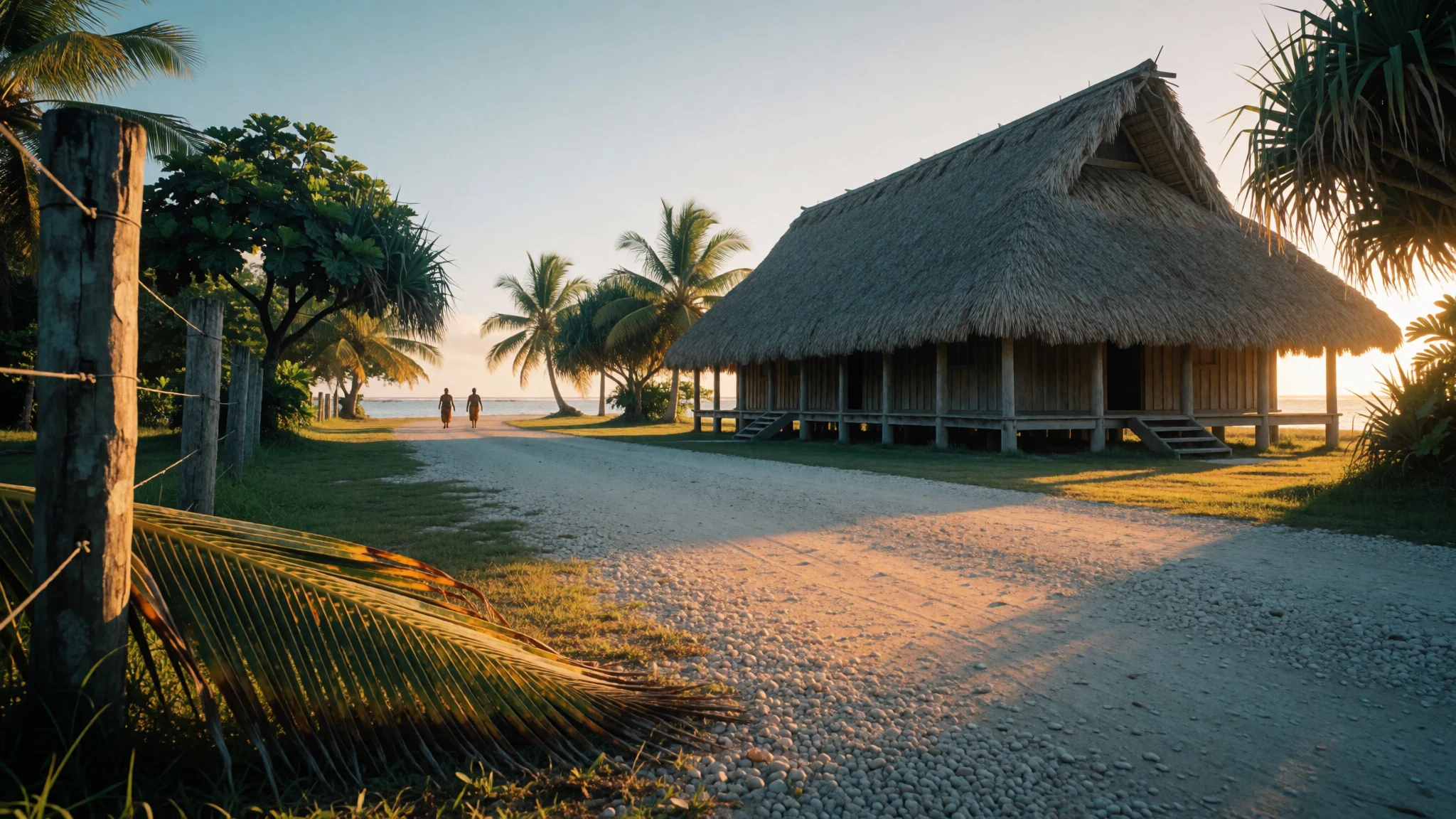
Niutao is a tiny coral island in northern Tuvalu where village life, reef and ocean set the pace, far from any tourist trail.
The place
Niutao is a low coral island in the north of Tuvalu, one of the country's island districts and one of the few made up of a single island. The facts list 606 residents, most of them in the main village, Kulia, with Teava as a second settlement. The island is a rough oval, short enough to cross on foot without noticing the time, and a gravel road loops around it past the hospital and the graveyard. Inland there are two ponds, brackish to salty, the larger holding small islets and a dam. Fresh water is scarce: the wells draw on a thin lens of fresher water that floats above the salt seeping up through the coral. The community hall, the maneapa, is the centre of village life, alongside the primary school, the Church of Tuvalu building named Tineifale and a post office. Vegetation is plentiful but not varied, mostly coconut, breadfruit and pandanus, with swamp taro grown in deep pits. A fringing reef rings the whole island, which makes fishing and, more to the point, landing people and cargo a matter of tides and skill. Cyclone Pam once sent storm surges over Niutao that damaged houses, crops and infrastructure, a reminder of how little height the island has above the sea. It is not a place of sights in the usual sense. It is a place to see how a small community lives on a coral rim in the Pacific.
Its story
Niutao's own tradition says its first people were half spirit and half human, living at a place called Mulitefao under a leader named Kulu, who took the form of a woman. The first human settlers, in the telling, came by canoe from Samoa under a captain called Mataika and made their home on the windward eastern side, where surf spray blows across the reef. Islanders today place that arrival around the twelfth or thirteenth century. Later centuries were violent. Tongan warriors came more than once and were beaten back on the reef, at places remembered as Tāga A Kaupapa and Tekamaitoga. Fighters from Kiribati followed in the seventeenth century, and the sacred spot Teititapalua marks where those reef battles took place. In these stories the reef is both battlefield and border. When rival leaders fought among themselves, the followers of the losers were sent away and allowed to settle on Nanumea, which is part of why the northern islands feel related. Niutao shares a distinct language area with Nanumea and Nanumaga. The first European known to have sailed past was the Spanish naval officer Francisco Mourelle de la Rúa, in the late eighteenth century, a sighting that researchers later pinned down after a long puzzle over a place once called Gran Cocal. Christianity arrived afterwards, and the church now sits at the heart of island life.
What to see
- Kulia village and the maneapa — Kulia, main village
The maneapa in Kulia is the island's meeting hall, used for feasts, speeches and official visits, and it has even hosted a state banquet. Traditional dancing is performed here on special occasions. Visitors should ask the island council before attending anything, since this is a working community space.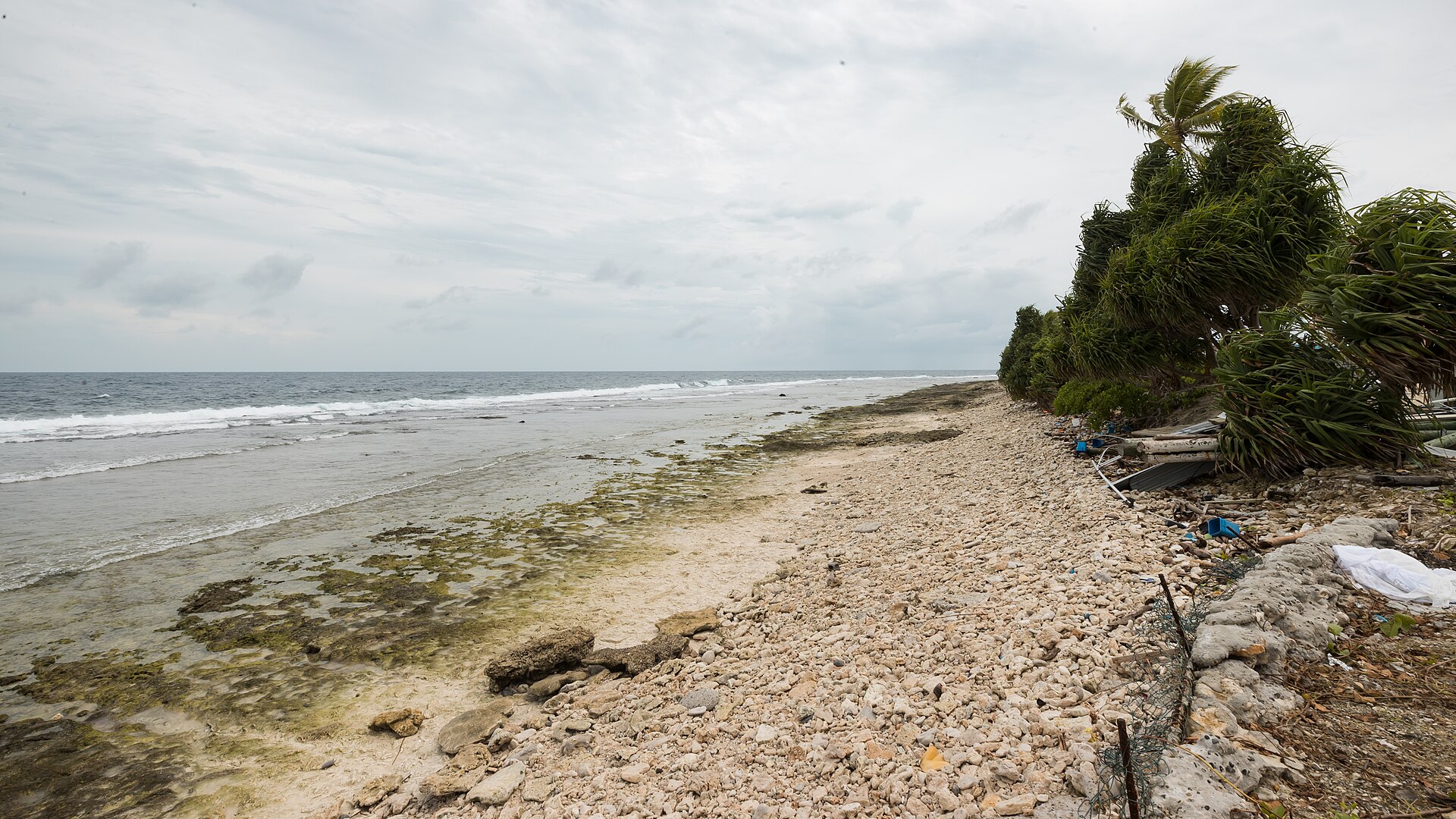
- The inland ponds — Island interior
Two brackish ponds lie inside the island, the larger with small islets and a dam. From the air they look like blue-green coins set in palm forest. On foot they are quiet places that explain how the island holds water, soil and food together.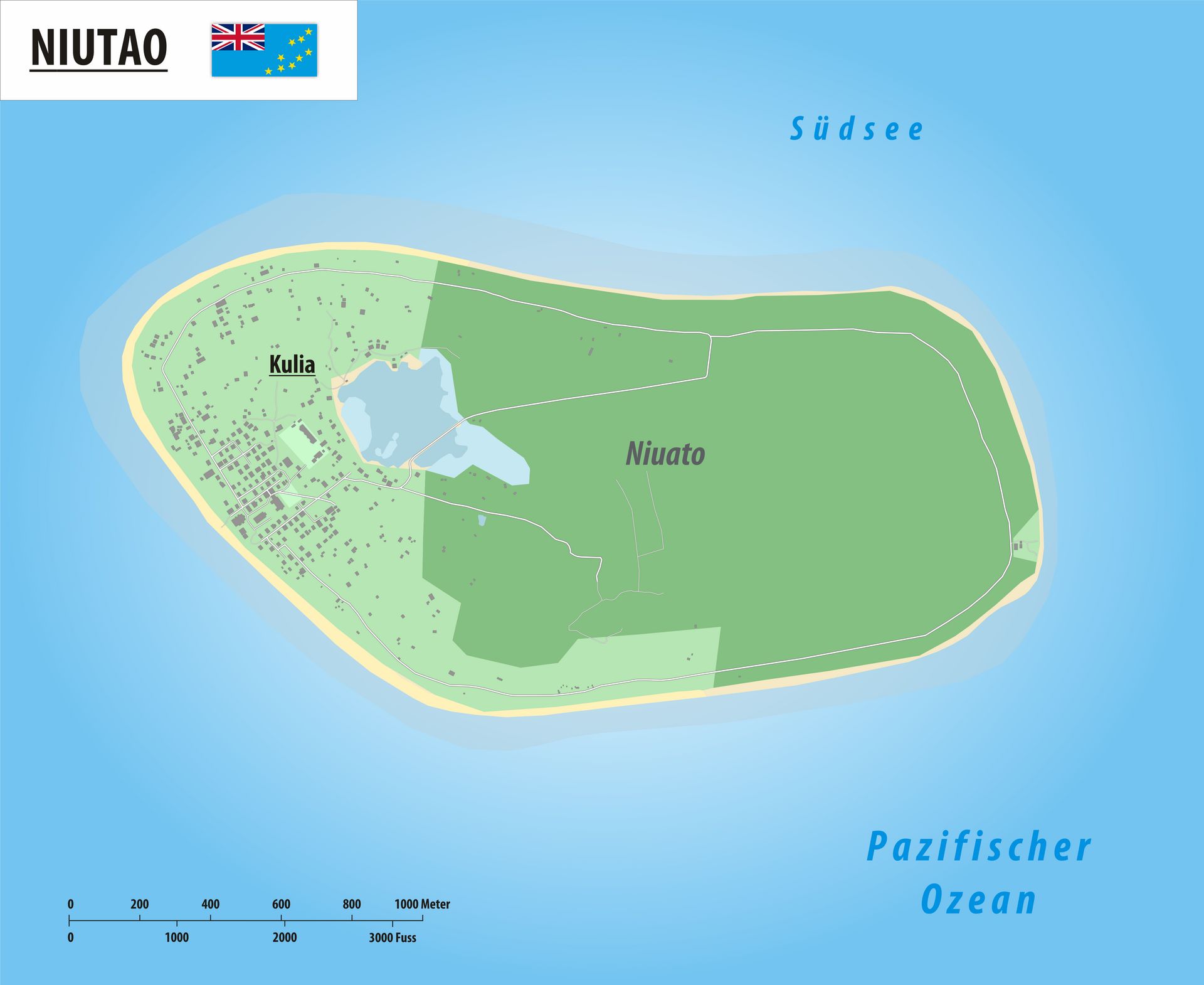
- The cargo landing — Reef edge, village side
Ferries cannot dock at Niutao, so passengers and cargo are moved ashore on small tenders across the reef. When a ship arrives, much of the village turns out to help. Watching it is the clearest lesson in why this island feels remote.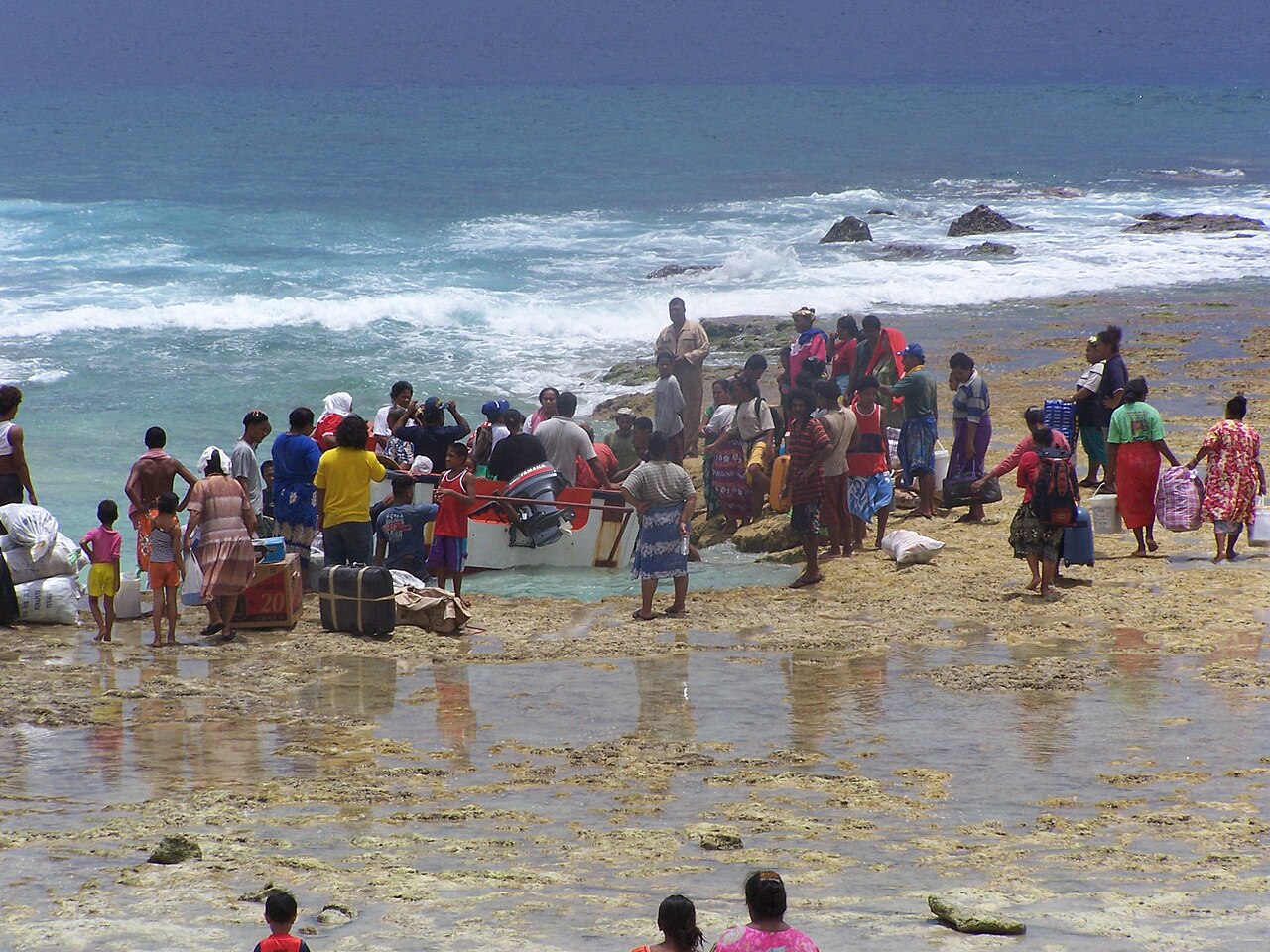
- Pulaka pits — Inland garden areas
Swamp taro, called pulaka, grows in pits dug down towards the freshwater lens, a method shaped by coral soil that would otherwise grow little. The pits are family property and working gardens, so they are best seen with a local guide from the edge of the path. - The ring road walk — Around the island
A gravel road circles Niutao, linking the village, the graveyard and the hospital. Walking it gives views of the ocean reef on one side and palms and gardens on the other. Go early or late, because there is almost no shade at midday.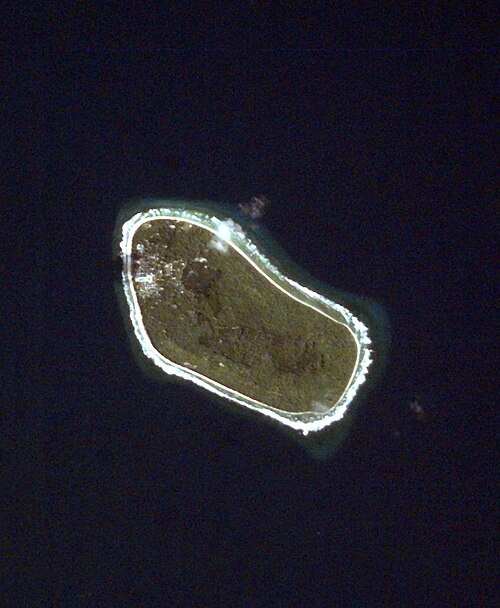
Culture
Niutao is a church-going island where community decisions are made together, and daily rhythm follows services, family duties and the tide. The maneapa is the place for gatherings, speeches, feasts and dance, and important visitors are received there with ceremony. Island identity is tied to the northern Tuvalu language group, shared with Nanumea and Nanumaga, and to stories of settlers from Samoa and of battles fought on the reef. Land and gardens belong to families, and pulaka pits in particular are inherited and carefully tended. Handicrafts such as mats, fans, baskets and ornaments are made from local leaves and fibre, and are a source of pride. Sundays are quiet. Fishing, ferry arrivals and shared work bring the village together, and children often gather to watch when a ship comes in. Because the community is small, news travels fast, and a visitor is noticed and remembered. Hospitality is real but stretched by supplies that arrive only by sea, so food and water are never taken for granted. Ask the island council or your host before wandering into the village, photographing people or attending a church service, and always wait to be invited into the maneapa.
What to wear
Niutao follows the wider Tuvaluan tradition of dress made from plant fibre and woven leaf. Traditional pieces include wrap skirts, mats and garlands of flowers and leaves, and pandanus is the main weaving material for mats, fans and baskets. Such dress is most often worn for dances, church festivals, weddings and official welcomes, when families may also wear matching fabrics. In everyday life people wear light cotton and synthetic clothes suited to heat and humidity: T-shirts, shorts, printed wraps and dresses for women, and sandals or bare feet. Sunday best is neat and covered, usually in white or bright colours. Visitors should wear light, loose, quick-drying clothing that covers the shoulders and knees, especially in the village and at church. Swimwear is fine on the beach and in the sea but should be covered up on the village paths. Bring a wide-brimmed hat, sunglasses and reef shoes, since the coral is sharp and the sun is strong on this treeless coast. A light rain jacket is useful for sudden showers, and sandals are enough for the gravel road.
What to eat
- Pulaka — Family kitchens and feasts in Kulia
Pulaka is swamp taro, grown in pits dug into the coral. It is boiled, baked or pounded and served with fish or coconut, and it is the island's most important staple. Eating it at a family meal or village feast is the best way to try it. - Fresh fish — Straight from fishers at the reef landing
Fish is abundant around Niutao, though the reef makes catching it hard. Typical meals feature grilled, fried or boiled fish, often with pulaka or breadfruit. The catch depends on tides and weather, so supply changes day to day. - Breadfruit — Home cooking around the village
Breadfruit trees grow around the houses and give a starchy, filling fruit. It is baked, boiled or roasted in an earth oven, and served as an alternative to pulaka. Ask a host how it is prepared on the day. - Coconut — Everywhere on the island
Coconut features in nearly every meal, as drinking nuts, grated flesh or cream stirred into root crops and fish. Young drinking coconuts are a safe, cooling refreshment in the heat, and they are often offered to visitors. - Pandanus fruit — Village gardens and family tables
Pandanus is grown for both leaves and fruit. The fruit can be eaten fresh or prepared into sweet preserved forms, and it is an old island food. It is best sampled when a family offers it, rather than sought out.
Plan it
Best time. Roughly May to October is the drier, calmer stretch for sea crossings and walking. Cyclone season runs from about November to April, and Niutao has been damaged by a cyclone in March, so avoid those months if you can.
How long. 3–5
Getting there. Fly to Funafuti International Airport (FUN), usually from Nadi in Fiji with Fiji Airways, then continue by inter-island ferry or boat to Niutao. Ships cannot dock, so tenders carry passengers and cargo across the reef for the last leg. Check the official Tuvalu sources for current schedules, which change often.
Budget. mid
Tips
- Confirm ferry and flight schedules before you commit, because they change frequently and weather can delay them
- Arrange a host or guesthouse in advance; there is no tourist infrastructure on the island
- Bring cash, medicines, sun protection and any special food, as supplies are limited and cards are unlikely to work
- Carry drinking water, as fresh water is scarce and wells depend on rainfall
- Check visa rules before travelling: a one-month visa is given on arrival, free for UK passport holders, and other nationalities should check the fee
Etiquette
- Ask before photographing people, and ask before entering the maneapa or a church
- Dress modestly in the village and keep swimwear for the beach
- Do not waste water or food, and take your rubbish with you
Nearby
Sources
- Wikidata Q475219 (CC0)
- Wikipedia: Niutao (rev 1381699839) (CC BY-SA 4.0)
- Wikivoyage: Tuvalu (rev 5324565) (CC BY-SA 4.0)
- Photo: NASA astronaut image of Niutao Island (Public domain)
- Photo: Niutao (Tschubby) (CC BY 3.0)
- Photo: Cargo landing on Niutao Island (Cesqld) (Public domain)
- Photo: Children of Niutao Island (Cesqld) (Public domain)
- Photo: President Lai at state banquet in Niutao Hall (總統府) (CC BY 2.5)


