North Luangwa
North Luangwa, Zambia
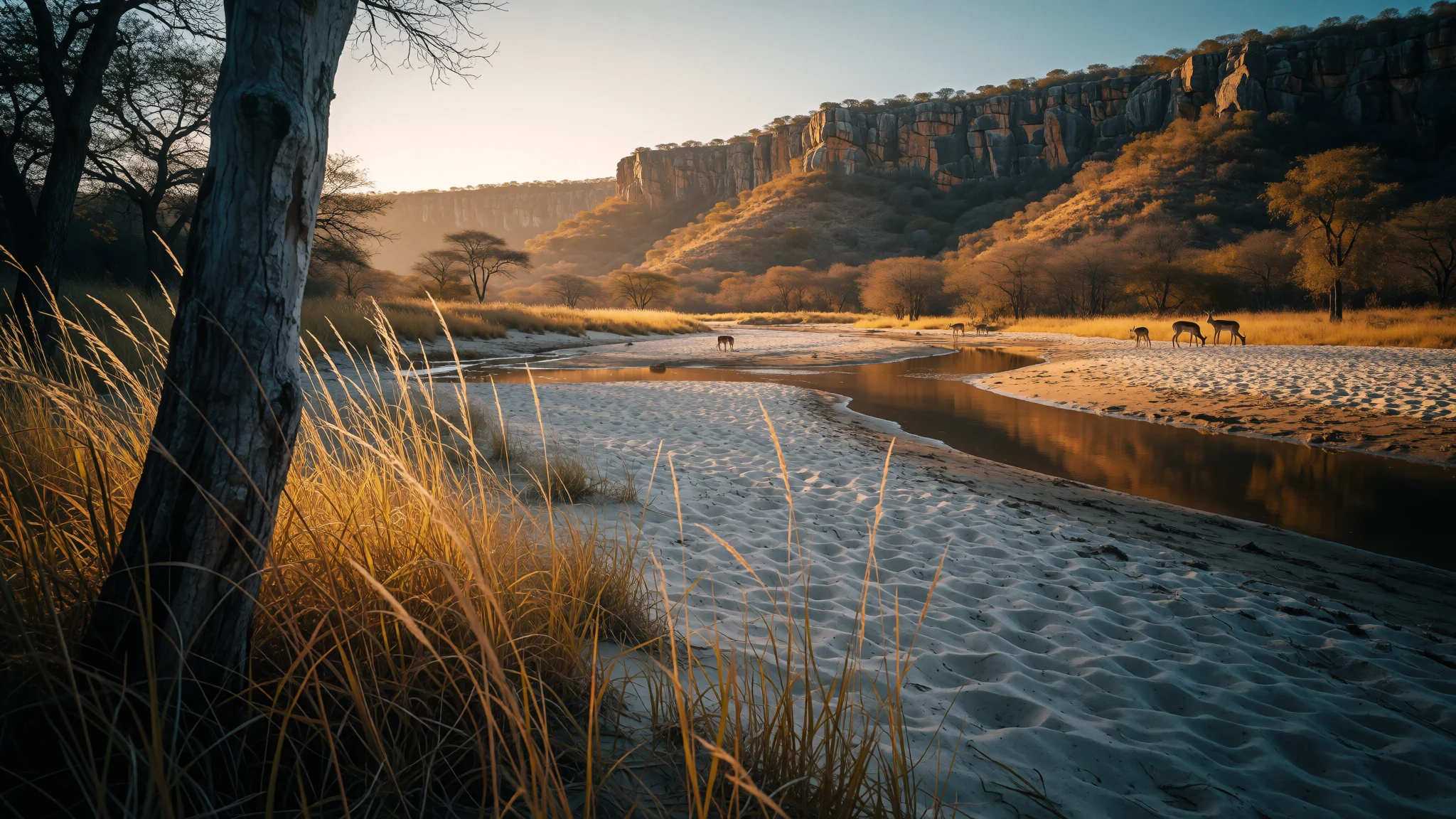
North Luangwa is a big, quiet Zambian wilderness where visitors explore on foot, with buffalo herds, lions and few other people for company.
The place
North Luangwa National Park lies in eastern Zambia, the northernmost of the national parks strung along the Luangwa valley. Its eastern edge is the Luangwa River itself. To the west the land climbs onto the Muchinga Escarpment, so the park rises from a valley floor at about 638 metres into broken hill country. The Mwaleshi River crosses the middle from west to east, and the ground south of it is kept as strict wilderness, with no casual driving. In all the park covers 4,636 km² of woodland, river flats and escarpment. Its plants and animals resemble those of South Luangwa, the better-known park to the south, but the experience is very different. There are far fewer visitors, almost no roads and only a handful of camps, and walking is the main way of seeing the place. Buffalo gather in big herds, lions live in large prides, and elephants, Crawshay's zebra, Cookson's wildebeest, many antelope and a long list of birds share the valley. Black rhinos were brought back in 2003. It is worth being honest about the downsides. Reaching the park means a charter flight or a long, rough drive, supplies must be planned carefully, and the heat before the rains can be heavy. Travellers who want comfort and easy sightings will be frustrated, while those who want to walk quietly through country with almost nobody else in it will find it rewarding.
Its story
North Luangwa began as a game reserve in 1938 and became a national park in 1972. For long stretches of its history it was protected more on paper than on the ground. Poaching in the late twentieth century hit the elephants hard, and rhinos were lost from the valley altogether. The struggle to stop the killing was told by Delia and Mark Owens in their book The Eye of the Elephant, which brought the park to a wide readership. Since then poaching has almost entirely stopped, and elephant numbers have recovered. The park has never attracted the money or crowds that South Luangwa draws, and that neglect cuts both ways. Roads, lodges and services stayed minimal, which keeps the place feeling untouched, but it also meant slow progress in funding rangers and monitoring. In 2003 black rhinoceroses were reintroduced, a sign that the park's recovery was judged secure enough to try restoring what had been lost. Visitors today are walking through a conservation project as much as a scenic landscape, and the small number of camps and the fees they bring are part of what keeps patrols going. The story is still unfinished: rhinos need constant guarding, and the park depends on steady attention from outside Zambia as well as from people living around its edges.
What to see
- Walking along the Mwaleshi River — Central North Luangwa, along the Mwaleshi River
The Mwaleshi River runs west to east through the middle of North Luangwa, and its banks make the best natural route for guided walks. Expect sandy channels, shady trees and tracks of everything that has drunk there overnight. Walking keeps the pace slow, so small details, from dung beetles to birdsong, become the main event.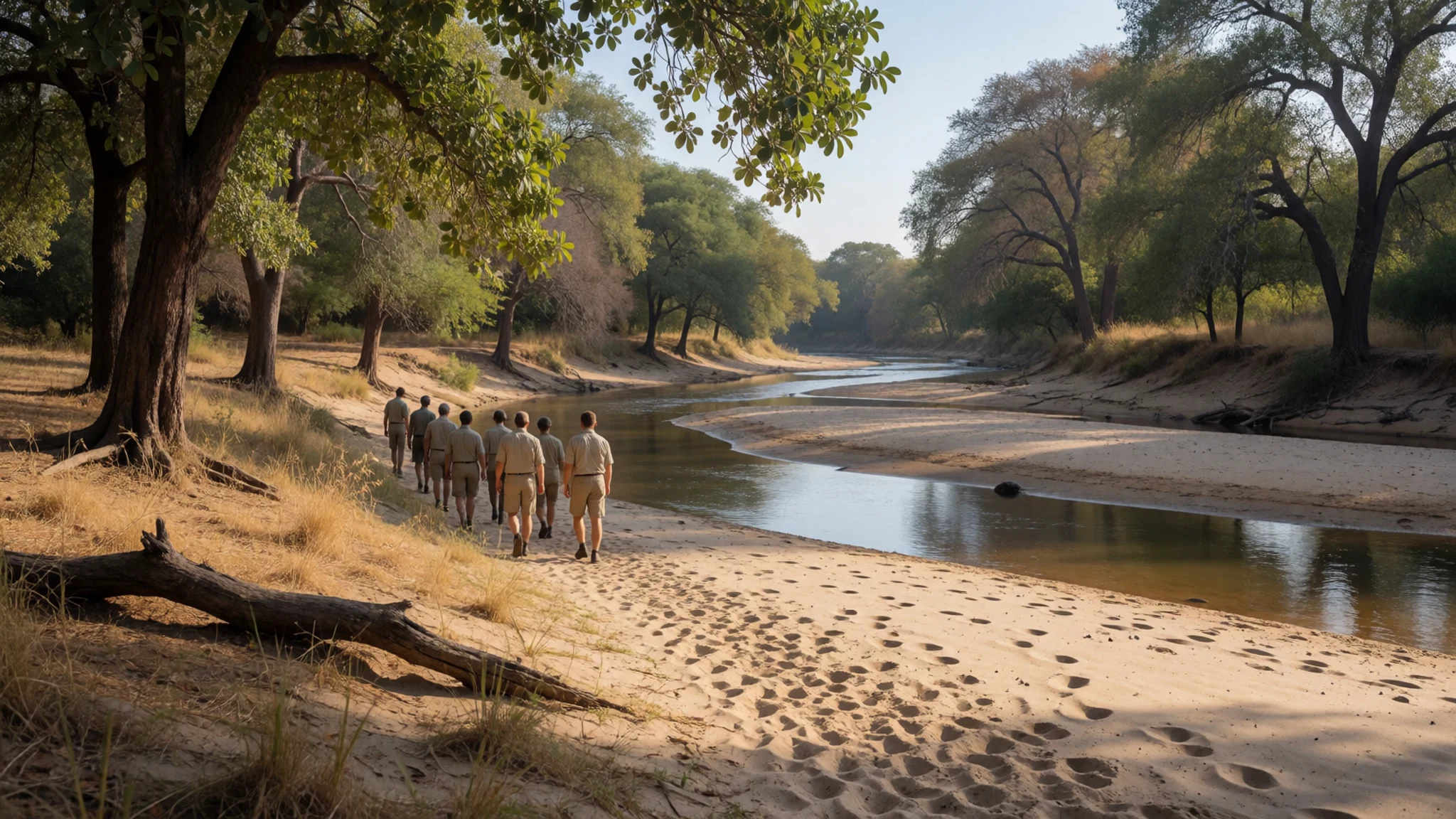
- Buffalo herds on the valley plains — Floodplain near the Luangwa River, eastern park
Big herds of buffalo move across the open ground near the Luangwa River, especially when the dry season pulls animals towards water. On foot, with a guide, the scale of a herd is humbling, and the guide's job is to read wind and distance so nobody gets closer than is sensible.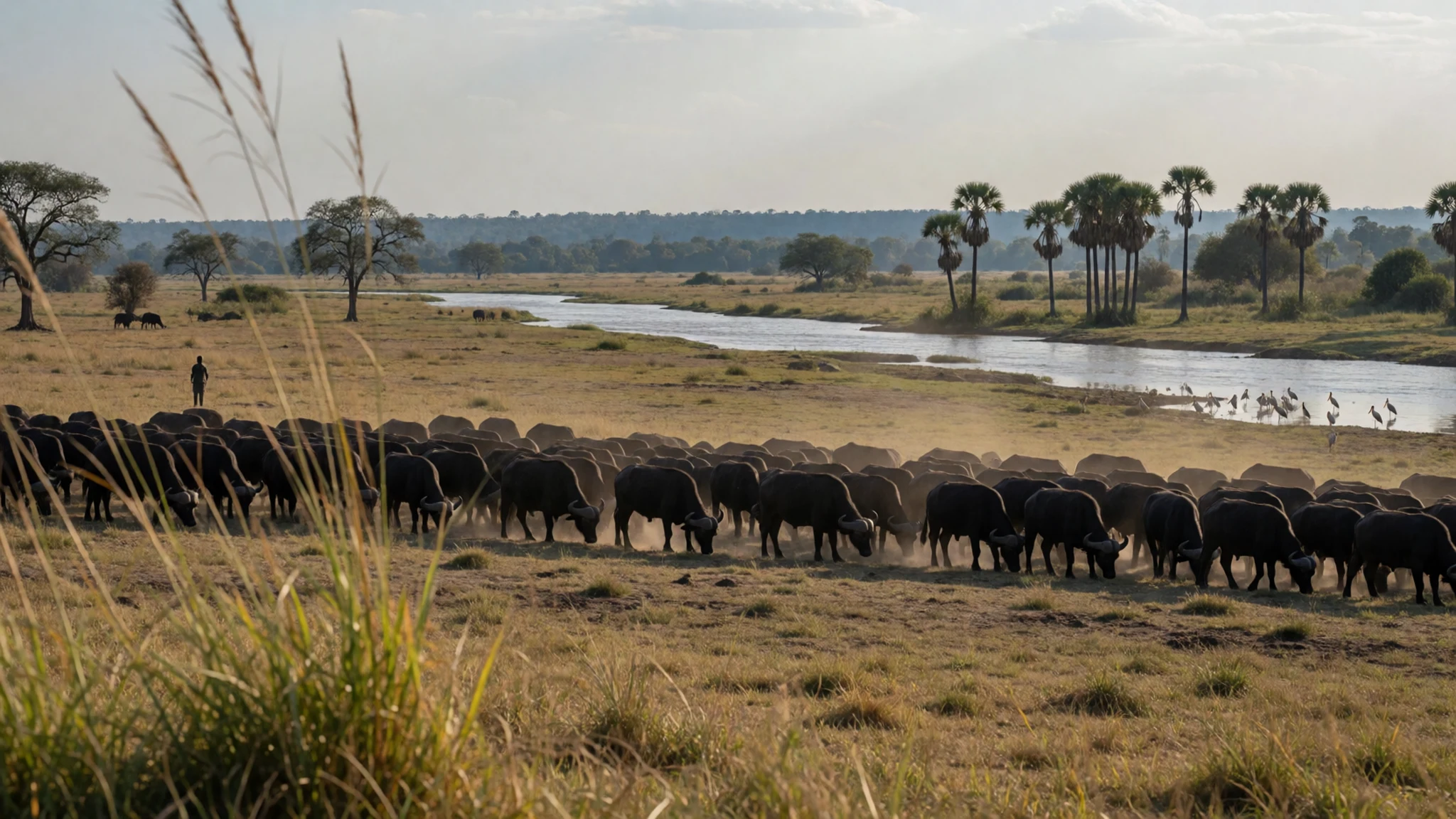
- Lion country — Open woodland and river flats, central and southern park
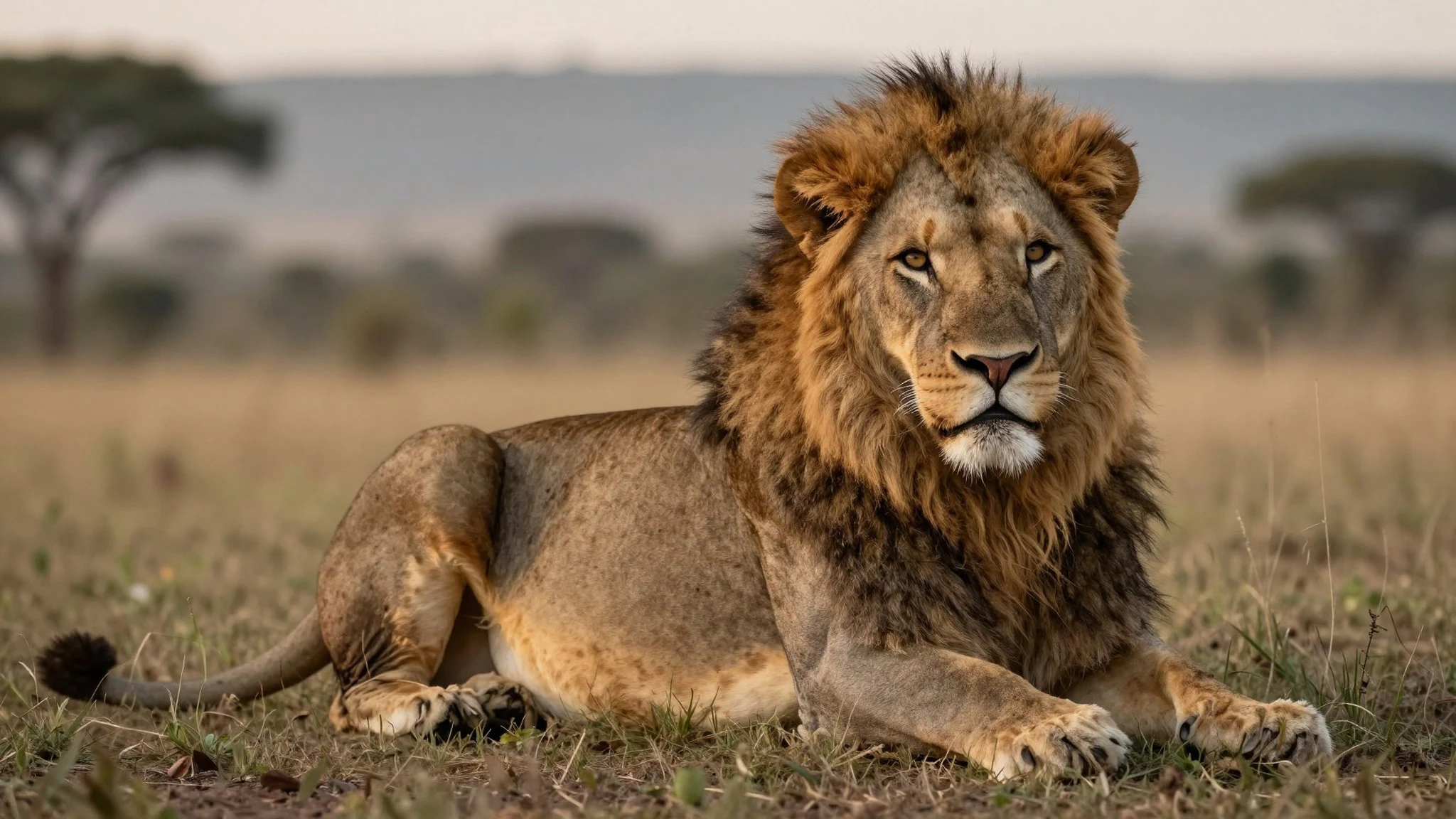
Lions here live in large prides, and the sound of them at night carries a long way across the valley. Sightings are never guaranteed, and the park is not set up for crowds around a kill. Guides track by spoor and alarm calls, which is often more absorbing than the cat itself.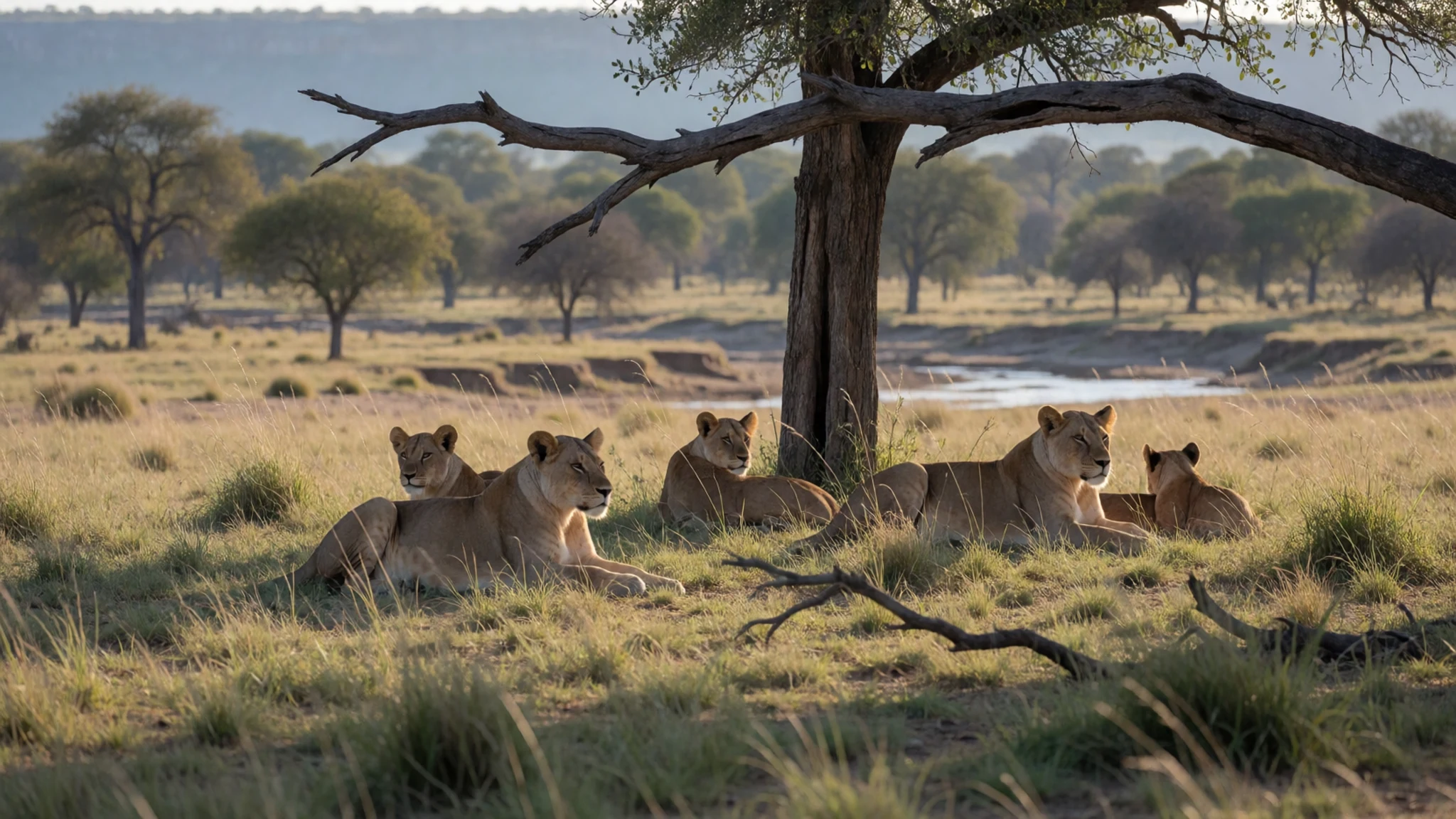
- Muchinga Escarpment — Western boundary of the park
The western edge of the park climbs onto the Muchinga Escarpment, a rugged wall of hills and gullies that feels very different from the valley floor. It is cooler and harder going, with wide views back over the woodland. Reaching it usually involves a long walk or a rough track.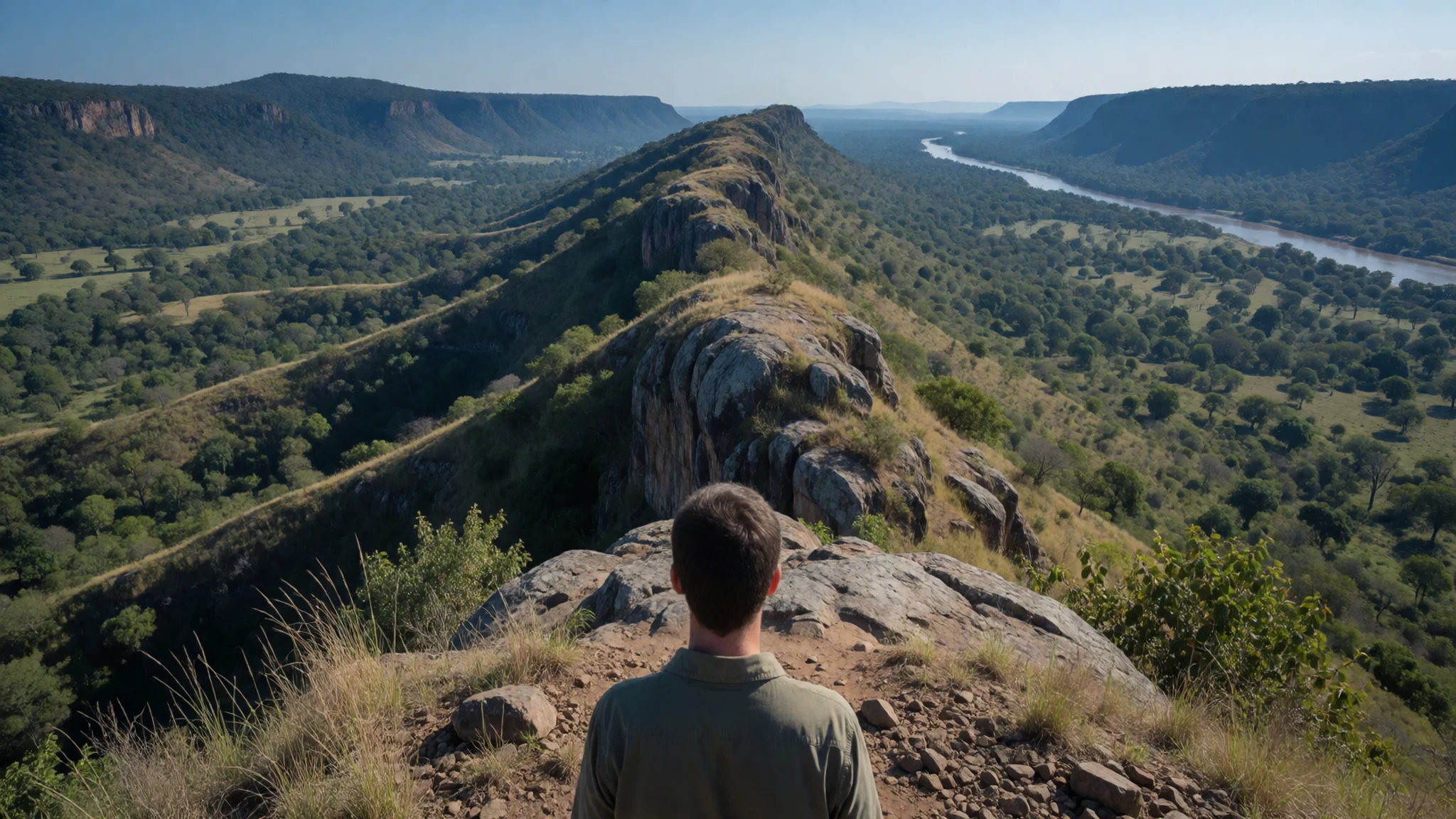
- Black rhino monitoring zone — Protected area within the park; details given by camps
Black rhinos were reintroduced in 2003 and are guarded closely, so sightings are rare and tightly managed. Visitors should not plan around seeing one. What can be seen is the protection effort itself, from ranger patrols to the careful rules that keep rhino locations quiet and the animals undisturbed.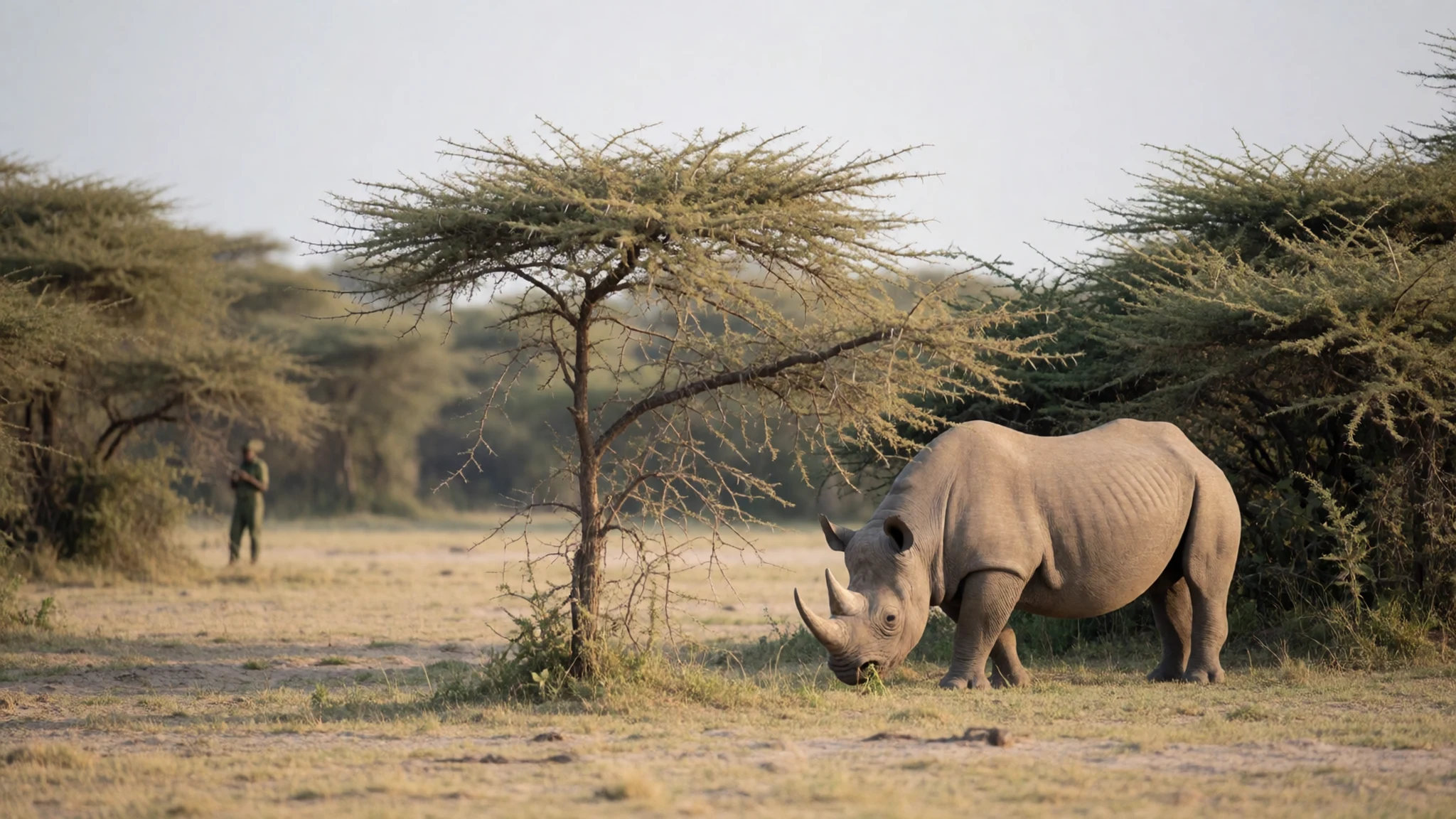
Culture
North Luangwa is a place where culture and conservation overlap, because the people living along its edges have a direct stake in whether the park does well. Two community-run camping areas, one near the western entrance at Natwange and another across the river at Chifunda, are managed locally, and money spent there stays in the area. That makes the way visitors behave more than a matter of manners. Guides and scouts here are trained for walking in the bush, and their authority on the ground is complete: when a guide stops, points or asks for silence, there is usually a reason. The park's history of poaching still shapes local conversations, and many people involved in tourism have seen the recovery first-hand. Visitors will find plenty of pride in that, and a warm willingness to talk about wildlife, farming and life in the valley. Meals and daily routines at camps follow a rhythm set by heat and daylight, with early starts, a long rest at midday and fires in the evening. Elephants sometimes wander into the unfenced campsite at Natwange at night, so the habit of staying calm and keeping food packed away is part of everyday camp life. Follow your guide's instructions at once and in silence when walking, never stepping ahead of the line or approaching animals for a better photograph.
What to wear
North Luangwa has no single local costume, but across Zambia the chitenge is the garment people reach for. It is a length of brightly printed cotton, wrapped round the waist as a skirt, tied over the shoulder, or used to carry a baby, and it is worn for work, church and celebrations alike. Women in villages around the park wear it daily, often with a simple top, while men favour trousers and shirts, and secondhand and football shirts are common. Fabric sellers in towns on the way to the park offer many patterns, and a chitenge makes a useful, affordable keepsake. Visitors dress for the bush rather than for local custom. Choose long trousers and long-sleeved shirts in khaki, olive, brown or grey, because bright colours and white stand out to wildlife and dark blue attracts tsetse flies. A wide-brimmed hat, sunglasses and sunscreen matter in the dry-season heat, while a warm layer helps on early-morning starts. Strong, broken-in walking boots or closed shoes with good grip are essential for long guided walks, together with socks that protect against grass seed. In the rains, add a light waterproof. In villages, cover shoulders and knees as a courtesy, and women may find a chitenge wrapped over trousers or shorts a graceful, practical gesture.
What to eat
- Nshima with relish — Village eateries and community campsites near the park
Nshima, a stiff maize porridge, is the staple of Zambian meals. It is eaten by hand, rolled into a ball and dipped into a relish of greens, beans, fish or meat. Expect it at community camps and local eateries, and sometimes at lodges.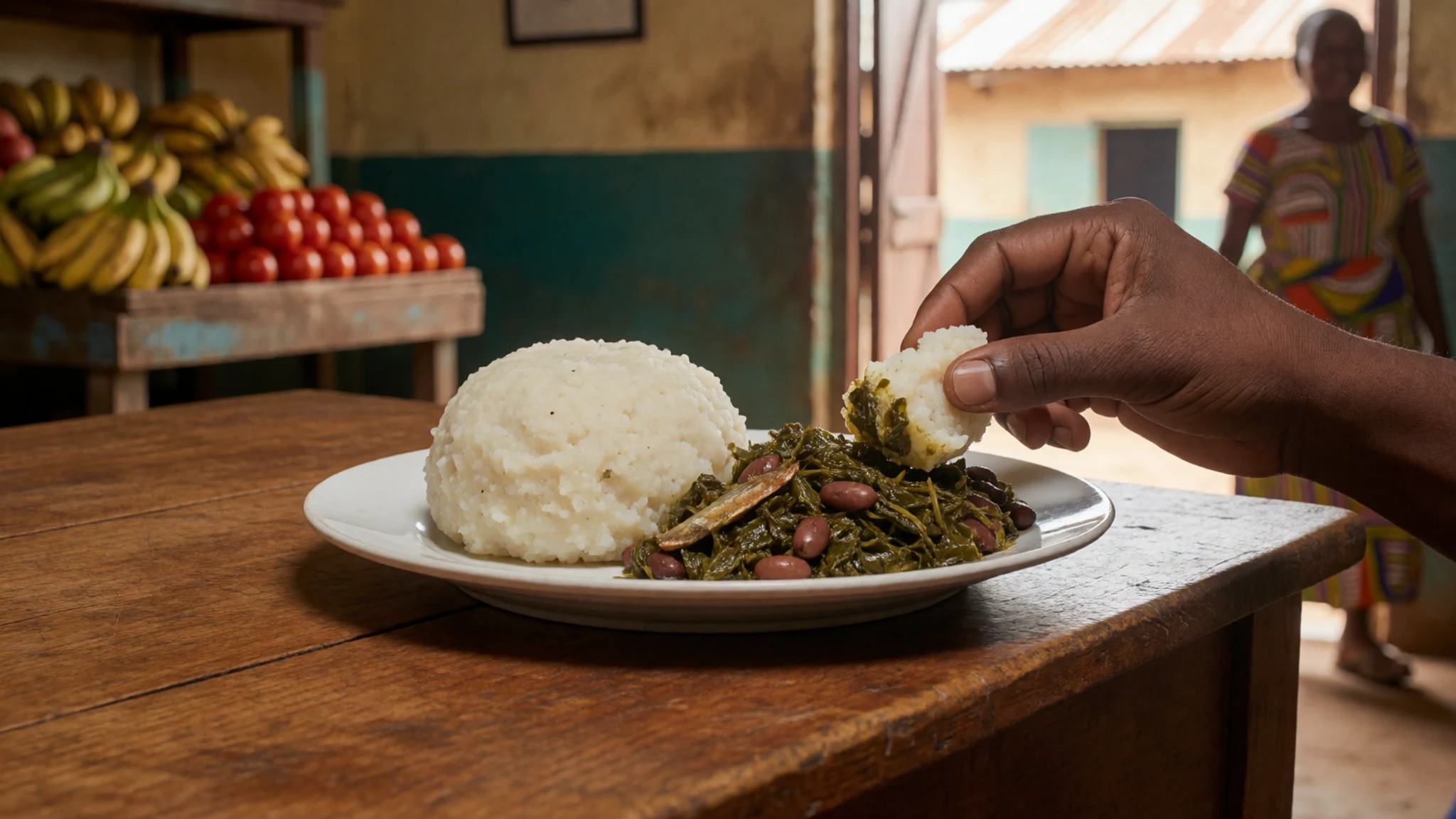
- Kapenta — Roadside markets in towns on the route to the park
Kapenta are tiny dried or fresh freshwater fish, fried with tomato and onion and eaten with nshima. They are salty, crisp and strongly flavoured, and are a cheap source of protein across Zambia.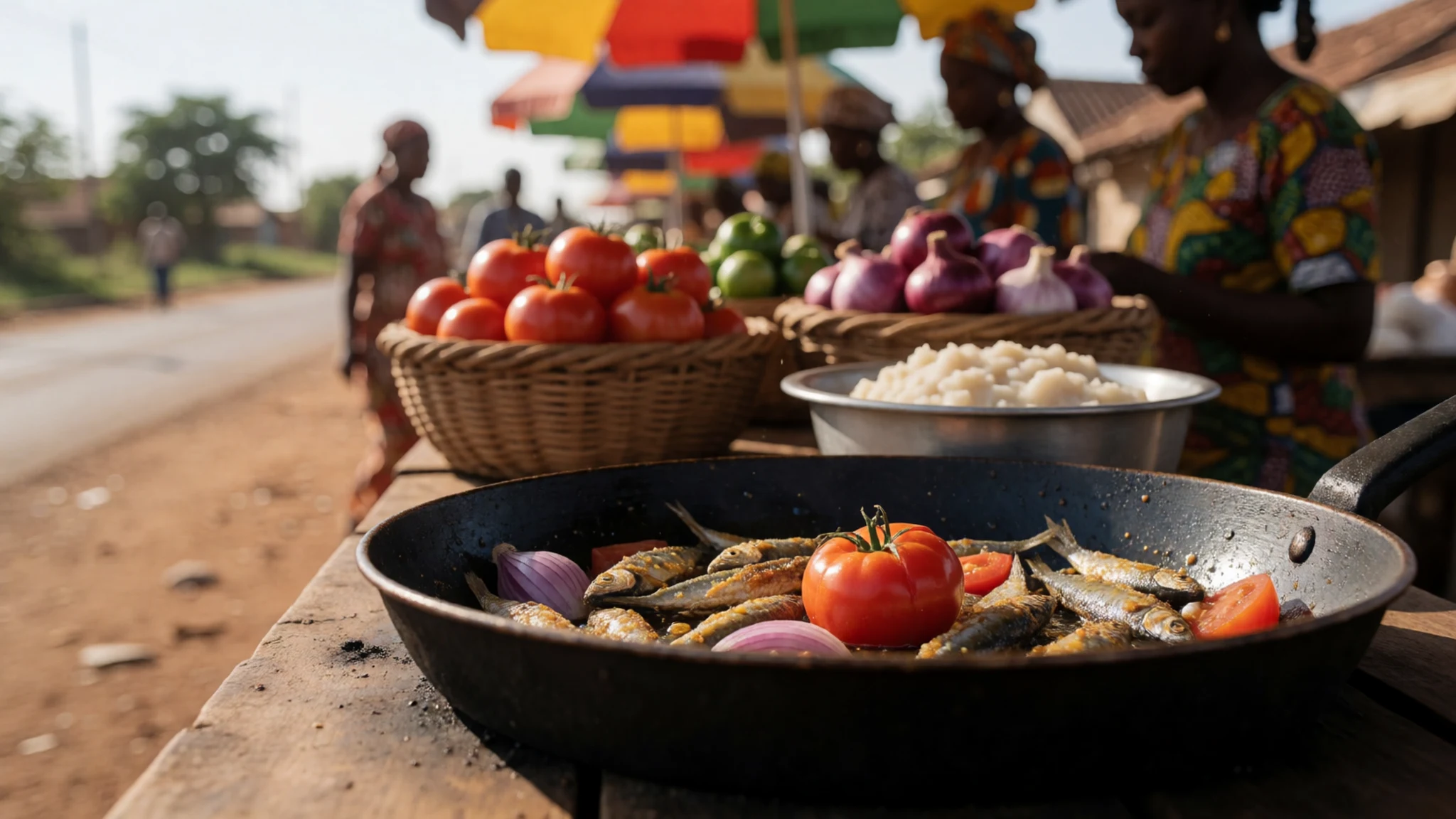
- Ifisashi — Home-style eateries and market stalls in nearby towns
Ifisashi is leafy greens, often pumpkin leaves, cooked slowly in a ground peanut sauce until rich and creamy. It is a common accompaniment to nshima and a good dish for vegetarians. - Village chicken — Local eateries and community-run camps
Free-range chicken is stewed or grilled and has a firmer, more flavourful texture than farmed birds. It is often served on special occasions and as a main dish alongside nshima and vegetables. - Roasted maize — Roadside stalls and markets on the approach roads
Fresh maize cobs are charred over open coals and sold by the roadside in the harvest season. Simple, smoky and filling, they make a good snack for a long drive.
Plan it
Best time. May to October, the dry season, when the grass is lower, animals stay near the rivers and tracks are passable; the most comfortable months are May to July. The rains from November to March turn tracks to mud and make access difficult, and the weeks before them in October are the hottest.
How long. 4–6
Getting there. Most visitors take a charter flight from Mfuwe, at the entrance to South Luangwa, to the Mwaleshi airstrip, which takes about 45 minutes. Overland, a slow four-wheel-drive track links the two parks, covering roughly 200 km in about 8 hours. Another rough track descends the escarpment from the highway between Lusaka and the Tanzanian coast, and few other vehicles use it.
Budget. high
Tips
- Book camps and charter flights well ahead, since the number of beds is small
- Bring all food and supplies if self-catering, as there are no shops in or near the park
- Carry plenty of drinking water and use sun protection even on cloudy days
- Expect little or no phone signal, so share your plans before leaving
- Take cash for community campsites and park fees, and check the official wildlife authority site for current rules
Etiquette
- Follow your guide's instructions at once during walks
- Keep food sealed and away from tents, as elephants may enter the unfenced campsite at Natwange at night
- Ask before photographing people, and respect local communities
Nearby
Sources
- Wikidata Q1998450 (CC0)
- Wikipedia: North Luangwa National Park (rev 1362882528) (CC BY-SA 4.0)
- Wikivoyage: North Luangwa National Park (rev 4283693) (CC BY-SA 4.0)
Wildlife
- African buffalo (animal)
The African buffalo is a heavy wild ox with a broad head, great horns and, in the males, a hard bony shield across the forehead. Its coat runs from rusty brown to black. In North Luangwa, large groups roam the open country beside the Luangwa River, most noticeably in the dry season, when the search for water draws animals in. Watch from a safe distance with a guide, stay quiet and still, and never feed them.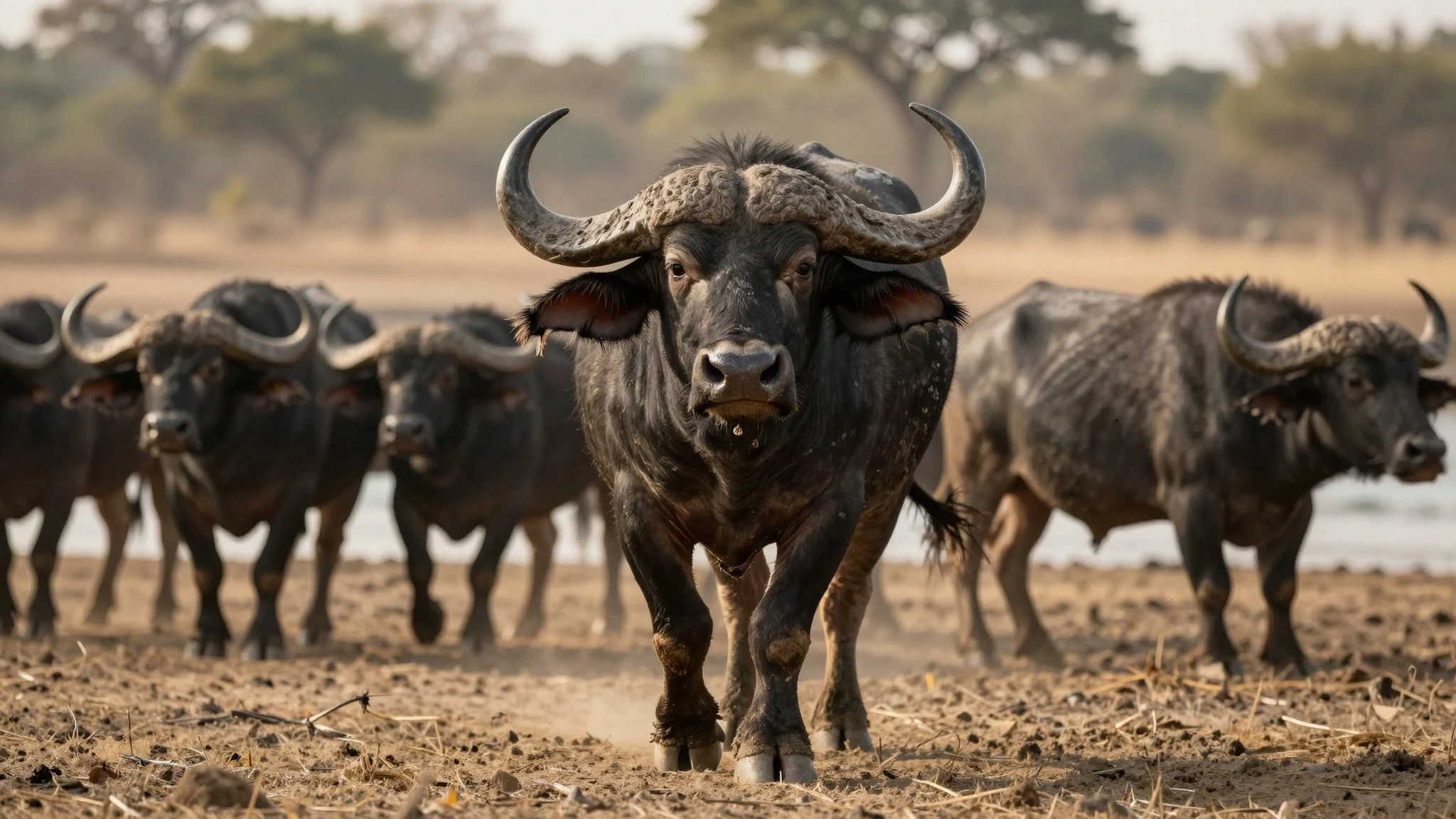
- Lion (animal)
The lion is the big, strong cat with a tufted tail, and the male wears a magnificent mane like a crown. In North Luangwa lions live in large prides, and at night their calls carry far across the valley, so you may well hear them before you ever see one. Watch from a safe distance with a guide, keep your voices low, and never feed them.