Lusaka
Lusaka, Zambia
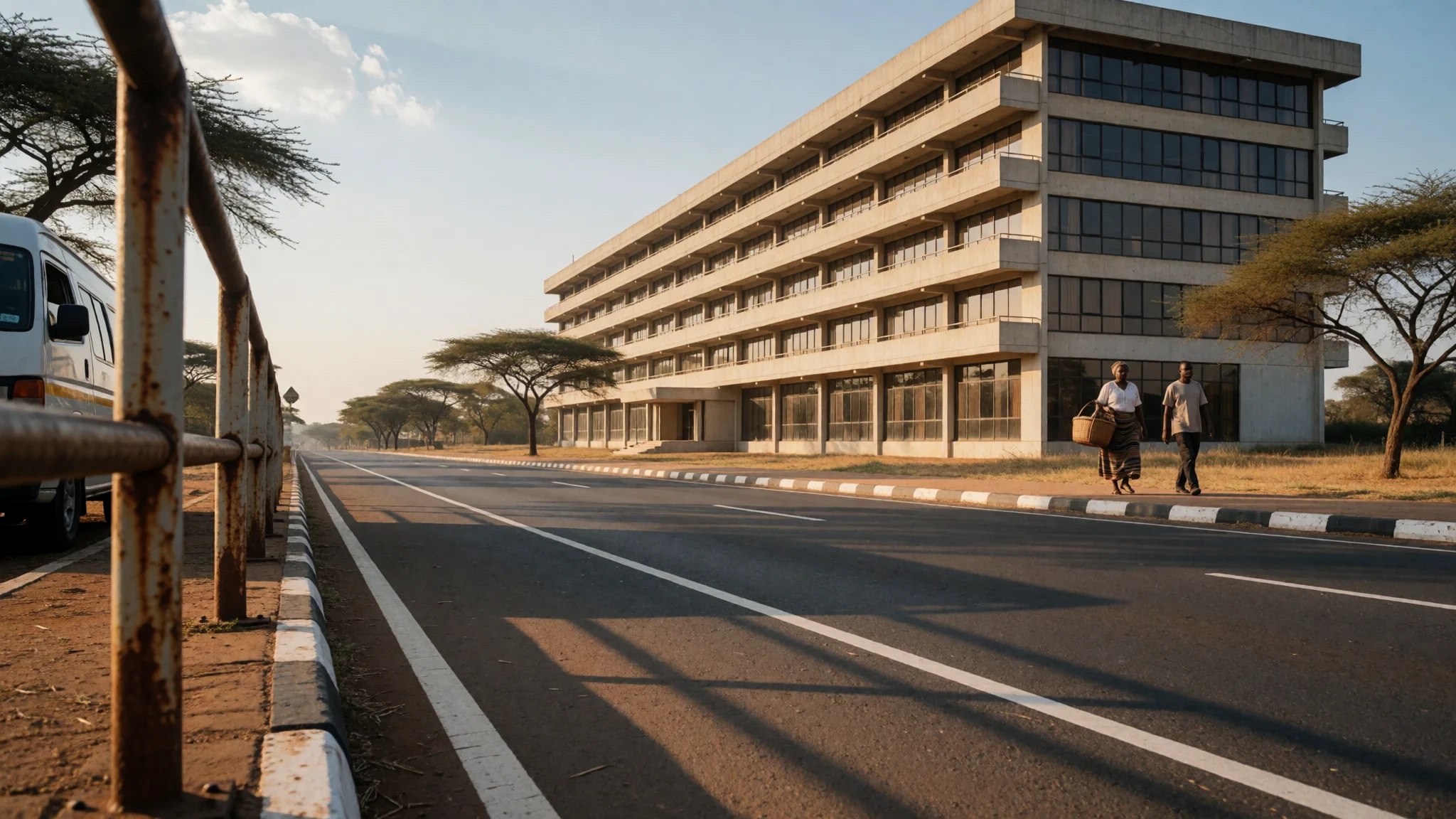
Lusaka is Zambia's busy, unpolished capital, a practical base for markets, galleries, wildlife ranches and a good meal before heading to the bush.
The place
Lusaka sits on the central plateau of Zambia, about 1,279 metres above sea level, and that height softens the heat of the tropics. It is both the seat of government and the main commercial hub, home to roughly 2.2 million people, and the main roads out of the city fan across the country, which is why so many journeys pass through it.
This is a working capital rather than a postcard. The centre is a grid of office blocks, banks, minibus ranks and pavement traders, with Cairo Road as its busy spine. Traffic is heavy at rush hour, pavements are crowded, and the dust of the dry months settles on everything. Further out, leafy suburbs hide behind high walls, and newer shopping malls have pulled a lot of everyday life away from the old centre.
English is used for official business and signs, while Bemba, Tonga and Chichewa are the languages most often heard in the street. A few words of greeting in any of them go down well.
Lusaka is not a city of grand monuments, and honest advice is to treat it as a place to spend a day or two: a small museum, a gallery, a cathedral, a wildlife park on the southern edge, and an unexpectedly varied set of restaurants. Many visitors then travel on towards national parks and the Zambezi.
Its story
Lusaka as a city is young, but the ground it stands on has been lived on for a long time. Archaeologists have found traces of a village of round huts near what is now the suburb of Olympia, and over the following centuries people came and went across the plateau. The Lenje and Soli peoples eventually settled here, and the modern city lies on the boundary between them, with Lenje territory to the north and Soli to the south.
The nineteenth century brought a darker chapter. Traders from the coastal regions, both African and European, raided the area and carried off Soli and Lenje people to be sold abroad.
The present city dates from 1905. Northern Rhodesia was then a British protectorate run by the British South African Company, which was laying a railway to link its Copperbelt mines with Cape Town. Lusaka began as a water stop on that line and took its name from a local Lenje chief, Lusaaka. Afrikaner farmers settled nearby, and the little halt grew into a trading town.
Its big change came when the British colonial government decided that Livingstone, in the far south, was an awkward place to run the country from. A more central site was wanted, and Lusaka was chosen as the new capital. The railway, the farms and the administration together shaped the town, and it has since grown into the national capital of Zambia.
What to see
- Cathedral of the Holy Cross — Central Lusaka
Lusaka's Anglican cathedral is a calm concrete building with tall stained-glass windows that throw colour across the interior in the morning. It is a pleasant place to sit out of the noise of the centre. Check service times locally, and dress modestly if a service is under way.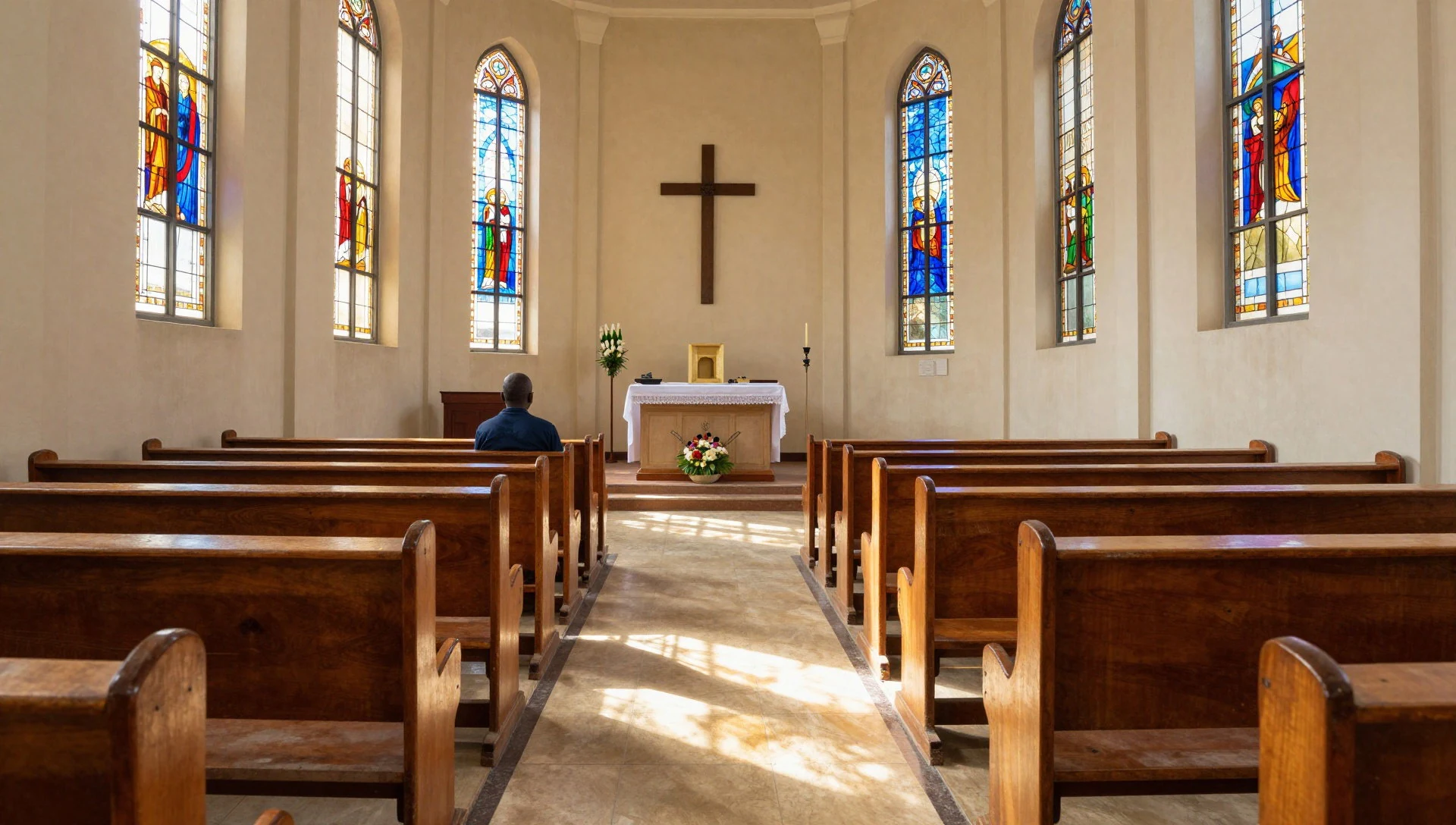
- Lusaka National Museum — Central Lusaka
A modest, old-fashioned museum that rewards low expectations. The ground floor holds a stark display of modern art, while the upper floor is more engaging, with material on the country's past and its peoples. Allow an hour, and go on a cooler morning.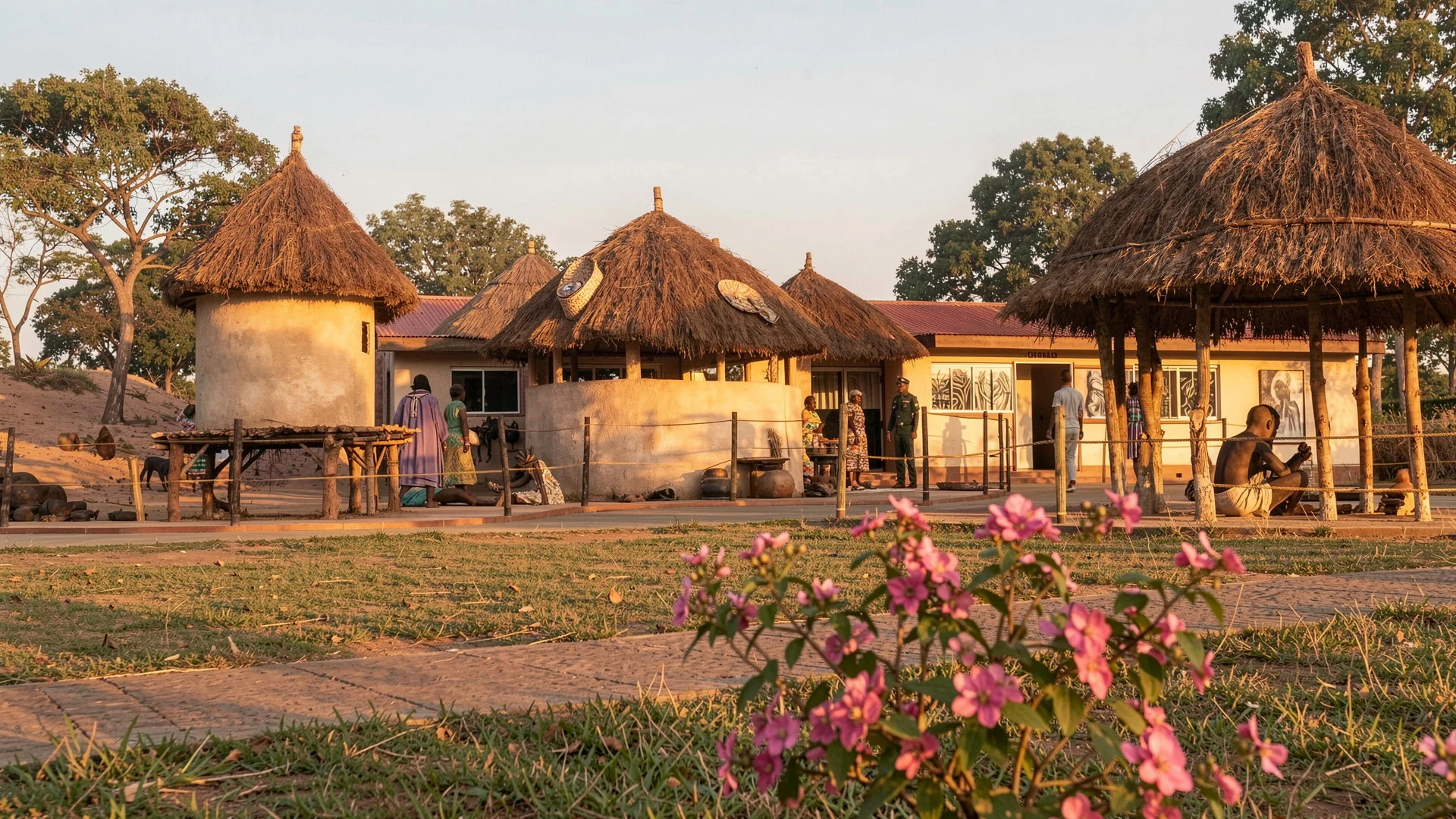
- Freedom Statue — Outside the National Museum
Standing outside the National Museum, this monument marks the end of colonial rule and the country's independence. It takes only a few minutes to see, so pair it with the museum visit. Photographs are easiest early in the day, before traffic and crowds build up around the roundabout.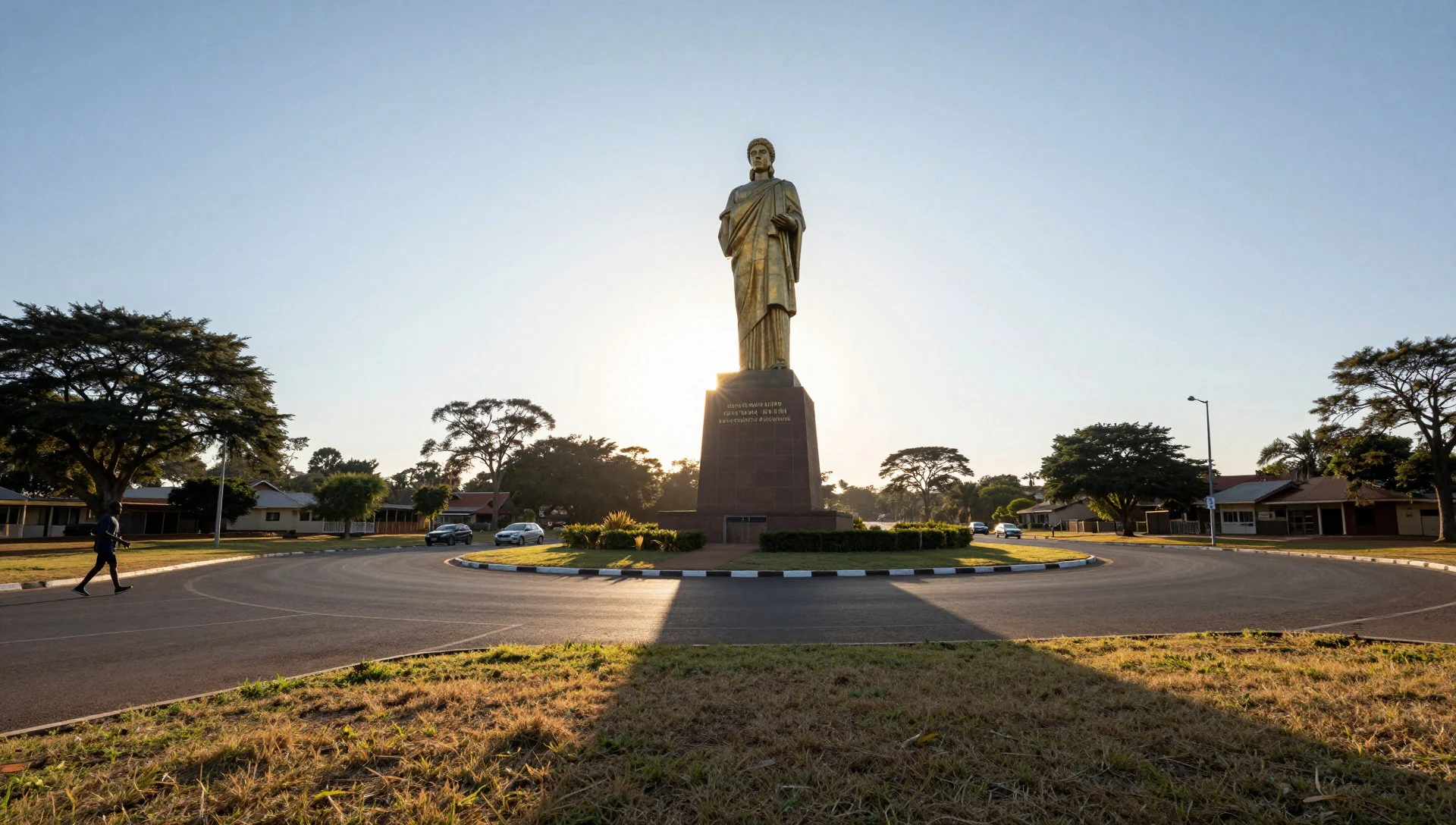
- Henry Tayali Gallery — Showgrounds, east of the centre
Located in the city showgrounds, this gallery shows work by Zambian artists, and pieces are on sale. Staff can pack purchases so they survive a flight home. It is a good stop for paintings, prints and sculpture that tell more about daily life than souvenir stalls do.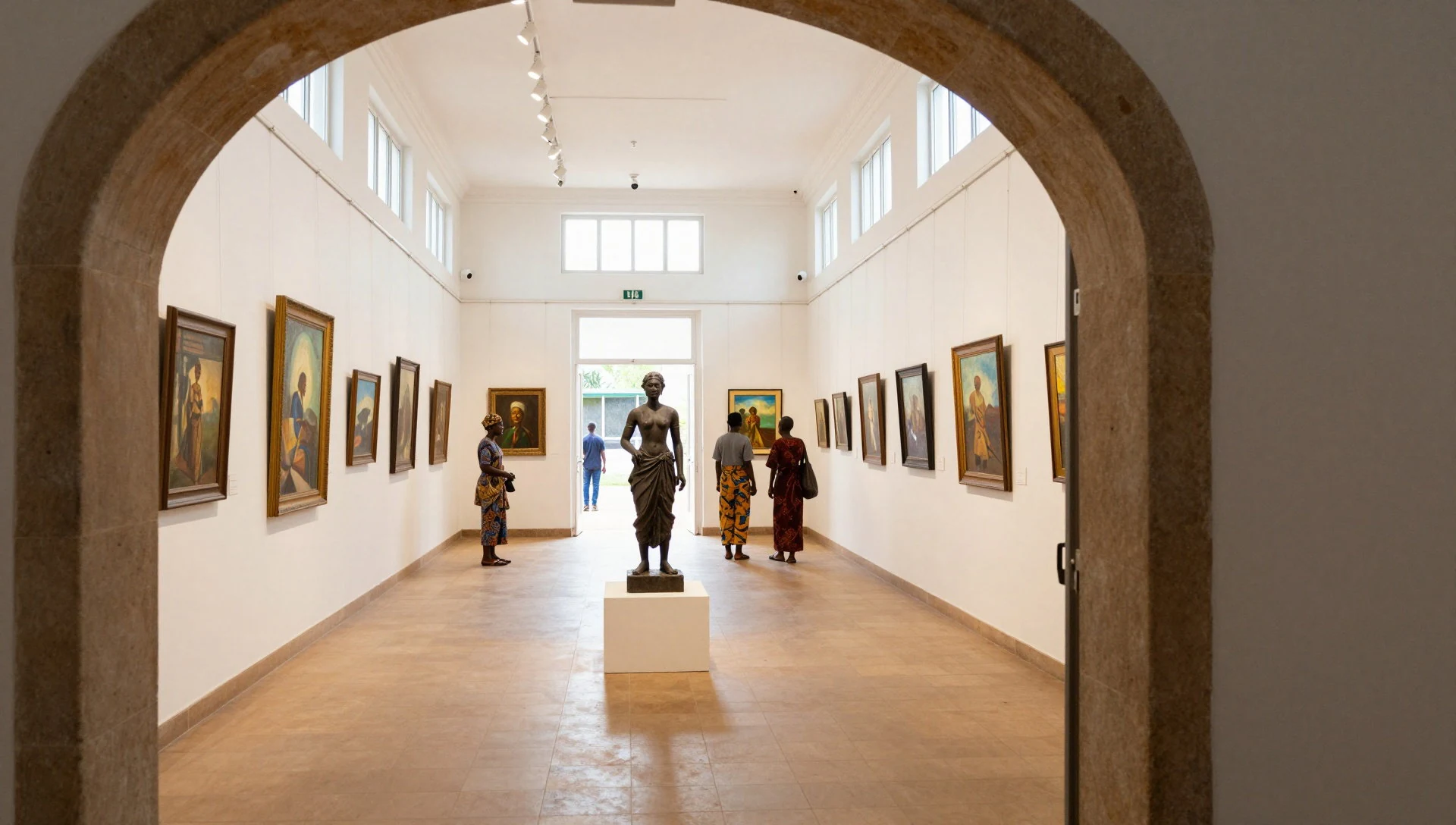
- Munda Wanga Environmental Park — Southern outskirts
On the southern edge of the city, Munda Wanga combines botanical gardens, a small wildlife sanctuary and a recreation area, and it began as a private garden. It works well for families, with shade and space to walk, and it is busiest at weekends.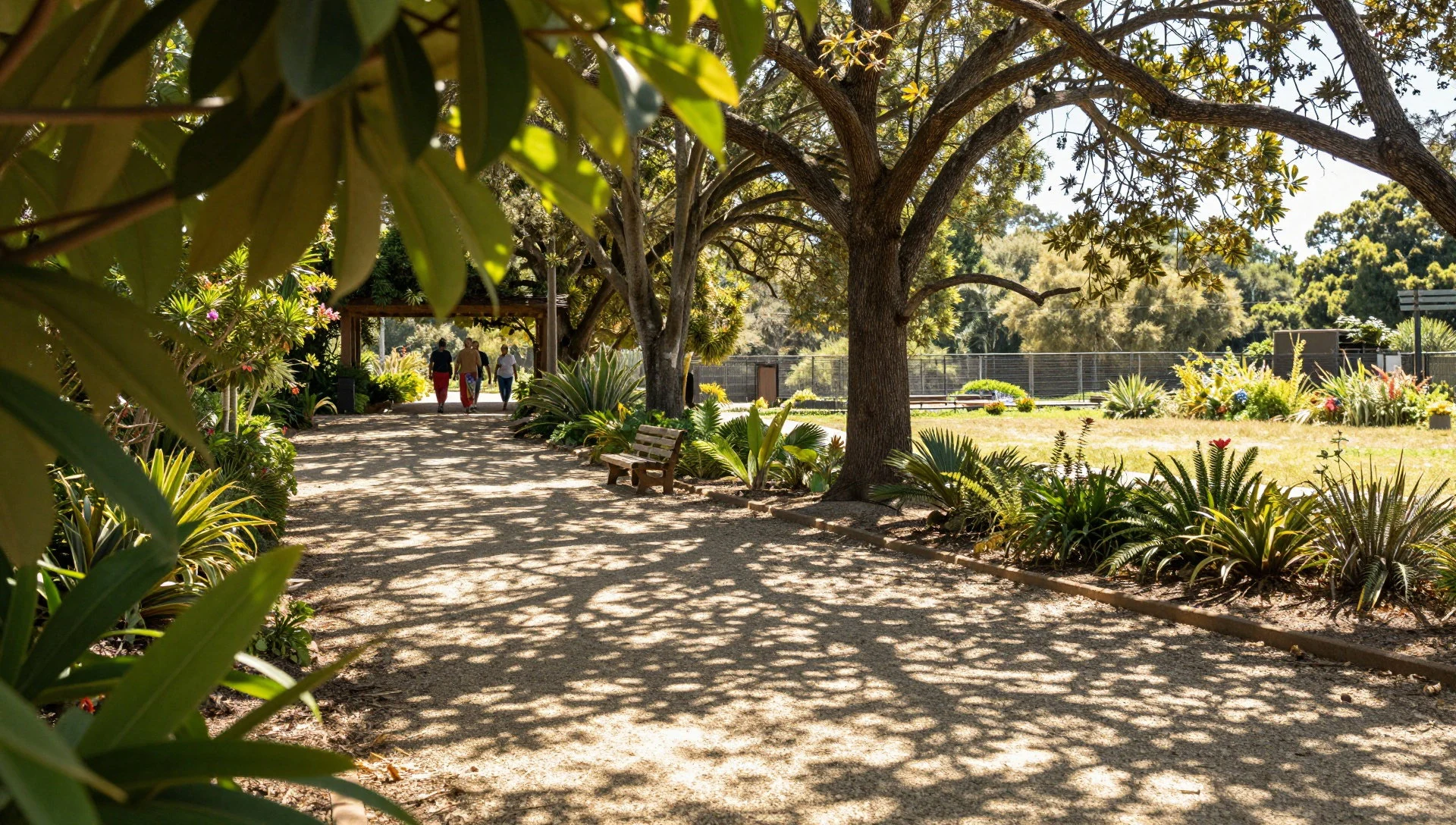
- Lilayi Lodge — South-east of the city
A wildlife ranch south-east of the centre where a game drive shows giraffe, antelope and other animals close to town. It is gentle introduction to Zambian wildlife for anyone not heading to a big park. The lodge also serves Sunday lunch beside its pool.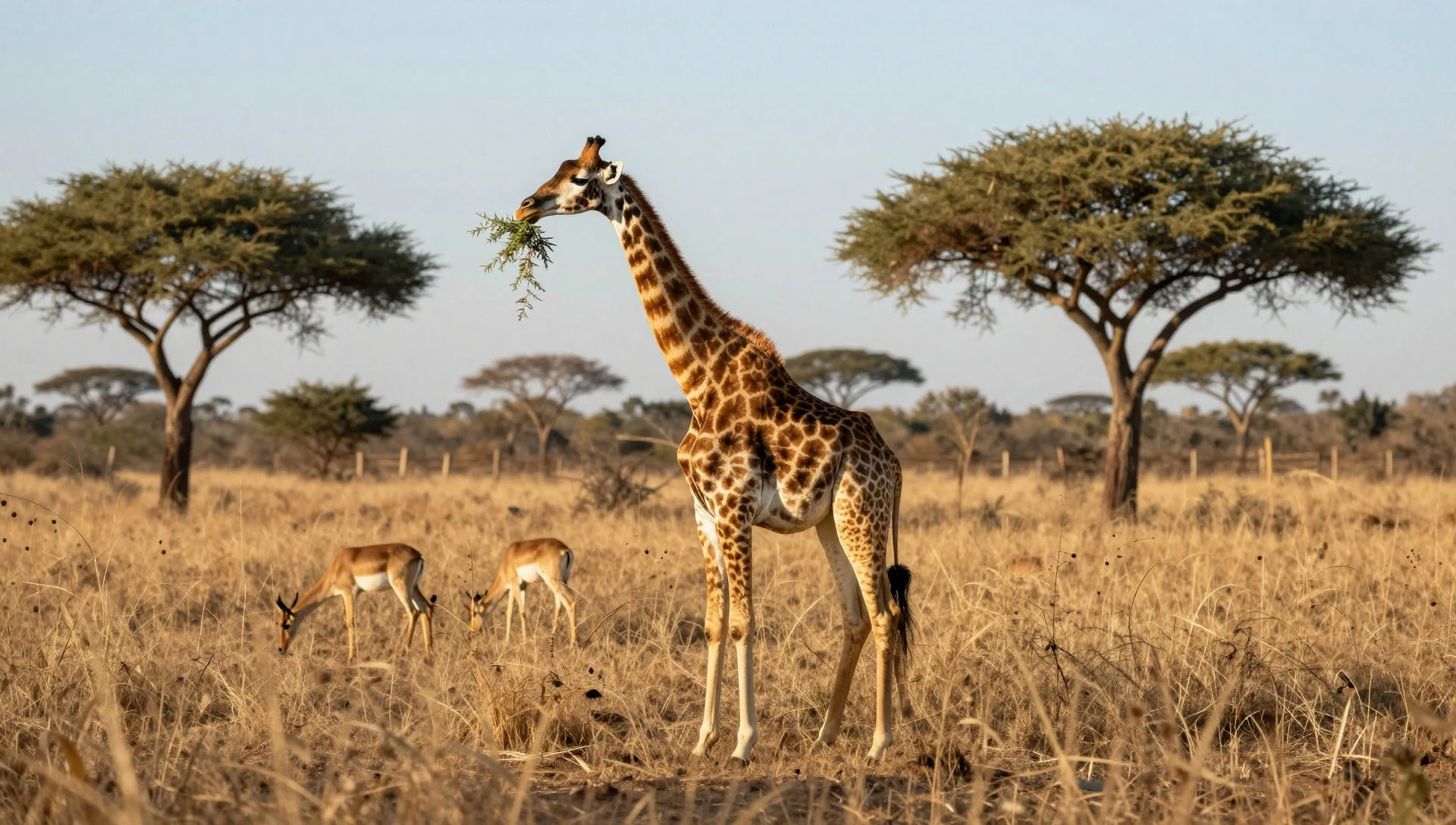
Culture
Lusaka draws people from every part of Zambia, so its culture is a mix rather than a single tradition. Bemba, Tonga and Chichewa are heard in markets and minibuses alongside English, and families often keep close ties with home villages, travelling back for funerals, weddings and harvest-time gatherings. Church life is strong, and Sunday mornings are given over to services, choirs and long family lunches.
The city has a lively cultural calendar for its size. Theatre is staged at the Lusaka Playhouse, galleries show contemporary Zambian art, and the Agricultural Society Showgrounds host the annual agricultural show, which doubles as a social event. Football matters a great deal, and a match at one of the big stadiums gives a quick sense of local passions. Smaller places such as the Oliver Tambo Heritage House and the Zintu Community Museum fill in other parts of the story.
People are generally courteous and expect greetings before business. A handshake, a question about how someone is, and a little patience for slower conversation are all part of everyday manners. Bargaining is normal at craft stalls but should stay good-humoured.
Always ask before photographing people, and avoid pointing a camera at government buildings, soldiers or police.
What to wear
Lusaka's most recognisable traditional textile is the chitenge, a printed cotton cloth in bold patterns that women wrap as a skirt, tie as a headscarf or use to carry a baby. Men wear chitenge shirts too, especially at celebrations. It appears at weddings, church events and funerals, and many families have tailors who turn lengths of it into dresses and suits. Colours and designs often carry messages or mark an occasion.
Day to day, the city dresses much like other African capitals. Office workers wear suits, smart dresses and polished shoes, students wear jeans and trainers, and school uniforms are everywhere on weekday mornings. Football shirts are common at weekends. Markets and minibus ranks are casual, with sandals and light cotton the norm.
Visitors should pack for sun and dust. Light cotton or linen, a hat, sunglasses and sunscreen suit the warm months, while an evening layer is useful in the cooler dry season when nights can be chilly. Sturdy closed shoes help on uneven pavements and at game ranches. Knees and shoulders are best covered in churches and when visiting rural communities, and women often feel more comfortable in a longer skirt or a chitenge wrap. Smart casual is fine in most restaurants.
What to eat
- Nshima with relish — Local eateries and market stalls across the city
Nshima is the white maize porridge that anchors most Zambian meals. It is shaped by hand, dipped into relish of greens, beans, chicken or stew, and eaten with the right hand. Look for it in local eateries and market food stalls.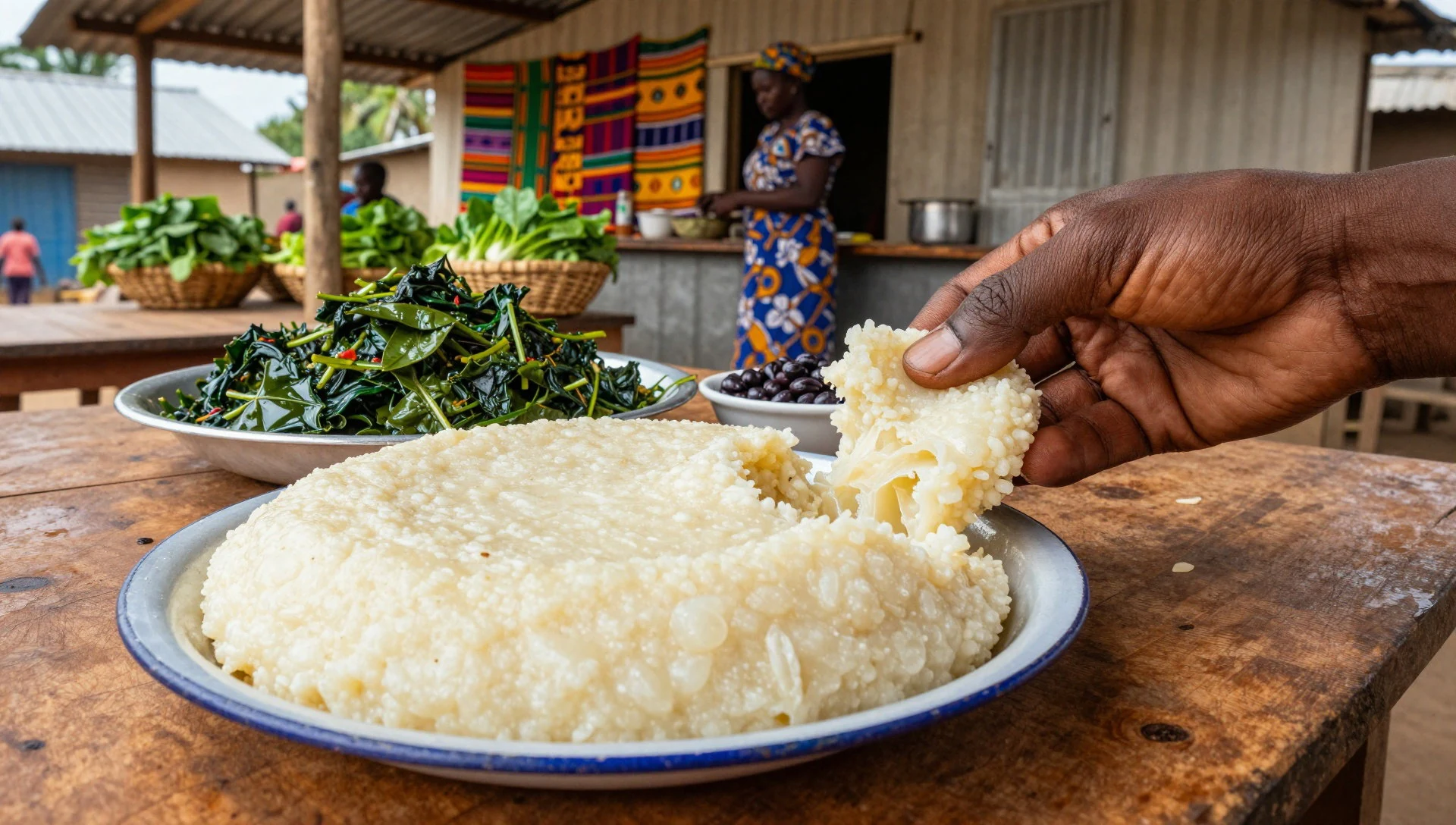
- Kapenta — Main markets and home-style eateries
Kapenta are tiny dried or fresh fish, usually fried or stewed with tomato and onion and served alongside nshima. Salty and crisp, they are an everyday protein. Markets sell them by the scoop, and many home-style restaurants have them on the menu.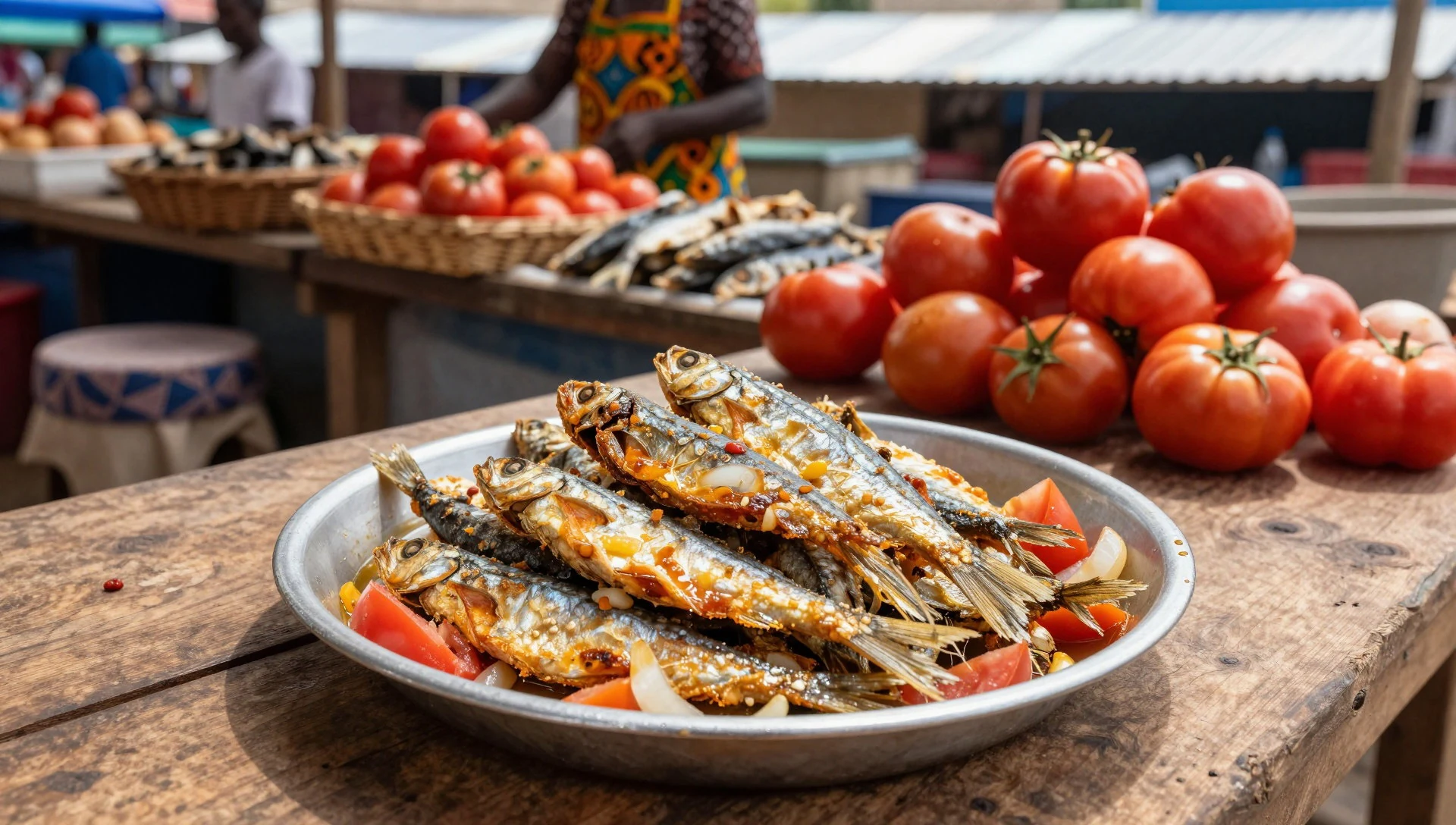
- Pepper steak — Steakhouses and members' clubs in the suburbs
Zambian beef is well regarded, and a pepper steak is a long-standing favourite in the city's clubs and grills. Korean barbecue places also cook it Korean style. Expect generous portions and sauces rather than delicacy. - Indian curries — Indian restaurants around Chindo Road and the malls
Lusaka has a notably good Indian food scene, with north Indian curries, tandoori and vegetarian thalis. Vegetarians and anyone craving spice will be well served. Prices are reasonable, though not the cheapest in town. - Ethiopian injera — Ethiopian-run lodges and restaurants near the centre
Ethiopian cooking has a foothold here, with spongy injera bread used to scoop up spiced lentils, vegetables and meat stews. It is a sociable, shared meal. Some lodge restaurants serve it, and the bar areas are the pleasant place to eat.
Plan it
Best time. April to August is the dry season, with sunny days and cooler nights, good for walking and game drives. September and October turn hot before the rains. From November to March the rains bring humidity, downpours and muddy roads, though the countryside turns green.
How long. 1–2
Getting there. Fly into Lusaka's international airport, which has connections from Johannesburg, Nairobi, Addis Ababa, Dubai and Istanbul. Agree a taxi fare before getting in, or arrange a lodge transfer. Long-distance buses and highways link the city to the rest of Zambia.
Budget. mid
Tips
- Use registered taxis or ride-hailing apps rather than hailing cars at random, and agree fares first
- Carry some cash for markets and small eateries, and use cards at malls and larger restaurants
- Drink bottled or filtered water, and carry sunscreen and a hat
- Avoid weekday rush hours for getting around, as traffic is heavy
- Keep valuables out of sight and avoid walking alone after dark
Etiquette
- Greet people before asking for anything
- Ask before photographing people, and avoid government buildings
- Dress modestly in churches and rural communities
Nearby
Sources
- Wikidata Q3881 (CC0)
- Wikipedia: Lusaka (CC BY-SA 4.0)
- Wikivoyage: Lusaka (CC BY-SA 4.0)
- Downtown Lusaka — Matthew Grollnek (CC BY-SA 4.0)
- Kafue round about — Mondoka Zambia (CC BY-SA 4.0)
- University students on the move — Duke Makangila (CC BY-SA 4.0)
- Cathedral of the Holy Cross, Lusaka — LittleT889 (CC BY-SA 4.0)
- Zambia National Commercial Bank — LittleT889 (CC BY-SA 4.0)
- The City of Lusaka 2022 — Icem4k (CC BY 3.0)
- Lusaka City Transport — Mondoka Zambia (CC BY-SA 4.0)
- National Museum in Lusaka — Ninara (CC BY 2.5)


