Musanze
Musanze, Rwanda
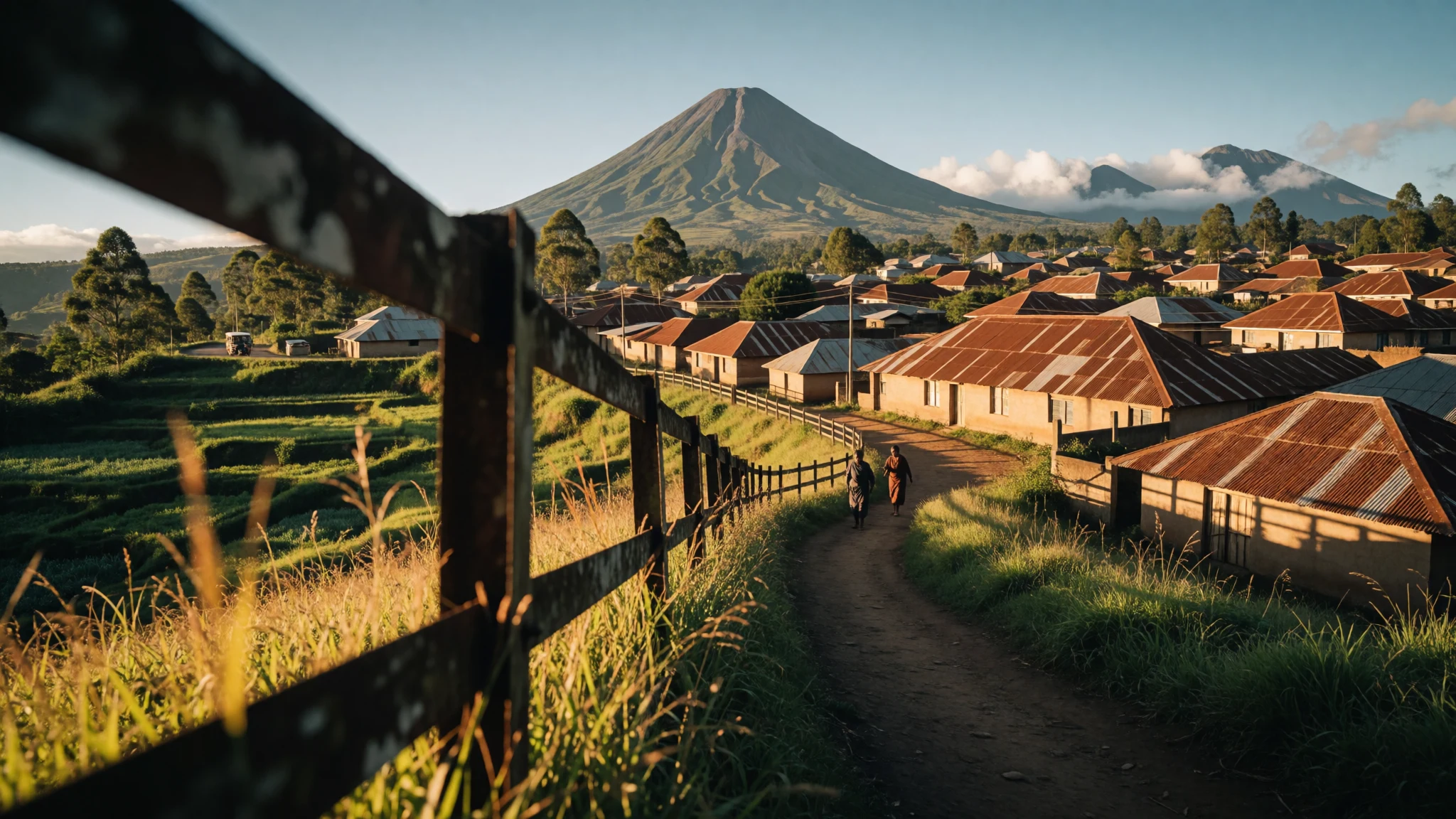
Musanze is a highland market town beneath the Virunga volcanoes, and the practical base for gorilla treks, crater hikes and lake days in northern Rwanda.
The place
Musanze, formerly and still often called Ruhengeri, is a town of about 48,000 people in Rwanda's Northern Province, standing 1,883 m above sea level. That height shapes daily life: mornings are cool, mist settles on the fields, and a brisk walk uphill leaves a visitor from the lowlands short of breath. Around the town the land rises into volcanic cones, and on a clear morning their outlines show above the rooftops at the end of almost every street. Musanze is the district capital, so beside the tourist trade it runs on ordinary regional business: markets, schools, bus stations, building sites and small workshops. The centre is compact enough to cross on foot, though most people use motorbike taxis for longer trips. Cafés and restaurants cluster along the main roads, and many are aimed at people heading to or from the national park, so English is widely spoken in those places. To the north-west lie the park gates and the forest where the gorillas live; to the east and south lie two lakes, Burera and Ruhondo, set among terraced hills. Most visitors treat Musanze as a base for a few nights rather than a destination in itself, and that suits the town. It is a practical, friendly place to sort out boots, rain gear and a good breakfast before a long day on a mountain. Evenings are quiet, and early nights are the norm because trekking starts at dawn.
Its story
Musanze carries two names, and much of the town's story sits in the gap between them. Ruhengeri was the name in use for decades and is still what many people say and what older maps show; Musanze is the name of the district and the one now found on road signs and official papers. The town grew as the administrative and market centre of a farming region where volcanic soil is dark and generous and the hillsides are cut into terraces. What changed its profile for outsiders was the forest to the north-west. Dian Fossey based her gorilla research in these mountains, and her tomb, high on the slopes, is now a destination for hikers. Her work and the conservation effort that followed turned mountain gorillas from a scientific subject into one of the main reasons people travel to Rwanda at all. The arrangement built around the park is worth understanding. Permits are limited, tourism income helps pay for protecting the forest, and a portion is set aside for projects in surrounding villages. That link between visitors and local benefit is not perfect, but it gives farmers on the park edge a reason to value the animals next door. The town has changed to match, with more guesthouses and cafés and new buildings climbing the hillsides. Musanze today feels like a place still building itself, shaped by farming, a long conservation project and a steady flow of people arriving to see the mountains.
What to see
- Volcanoes National Park — North-west of Musanze
Volcanoes National Park, just north-west of Musanze, protects the forested slopes where mountain gorillas live. Visits are by permit only, with a limited number each day, and they often sell out months ahead, so book before arriving through an operator or the official tourism authority. A gorilla visit lasts about an hour with the animals; golden monkey visits are an alternative.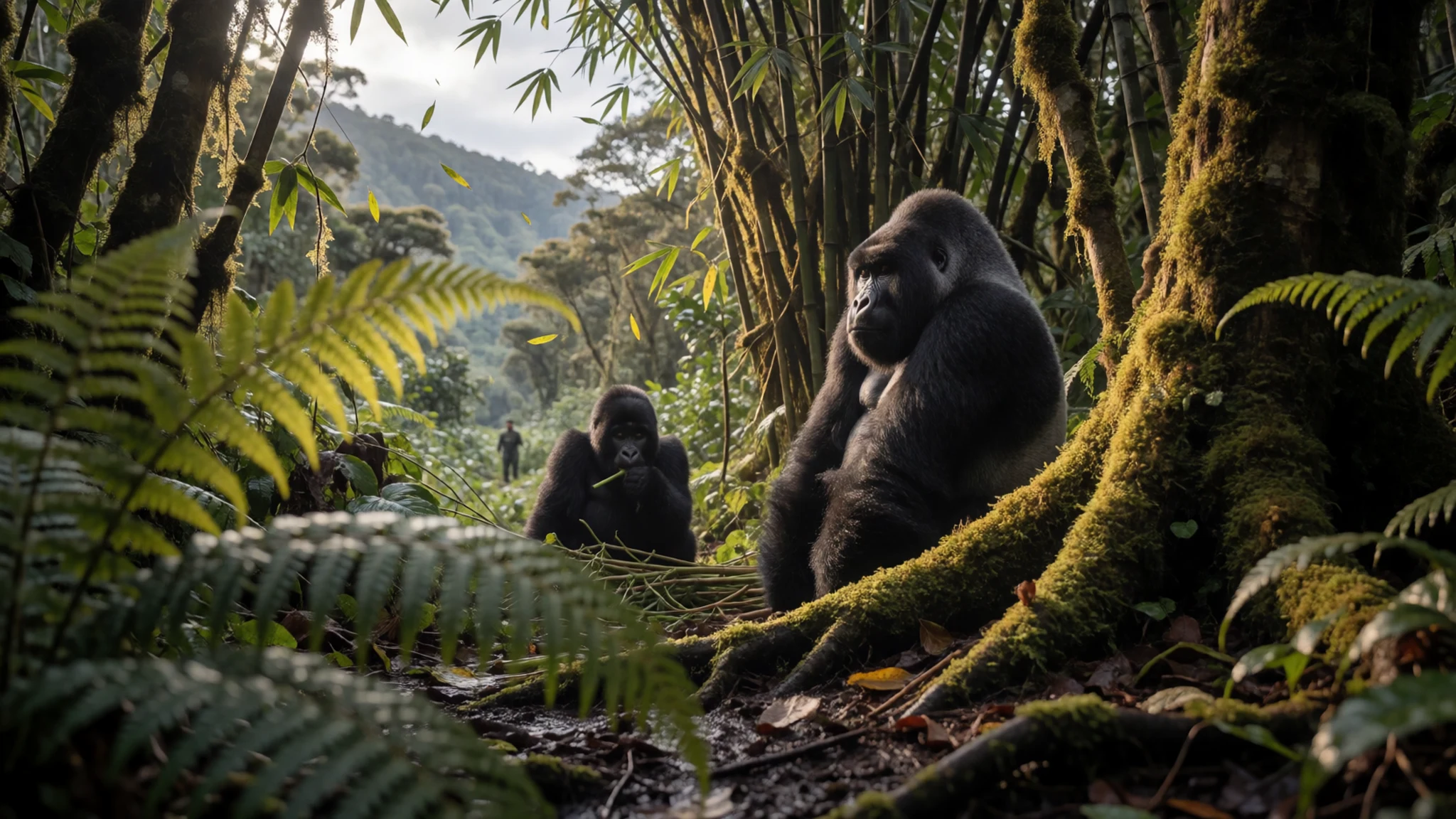
- Volcano hikes: Bisoke, Karisimbi and Muhabura — Volcanoes National Park
Musanze is the starting point for climbs on the Virunga volcanoes. Bisoke is a half-day outing of several hours that ends at a crater lake. Karisimbi is a two-day trek with a night of camping high on the mountain. Muhabura is another summit for strong walkers. Waterproofs and proper boots matter, as paths are steep and often muddy.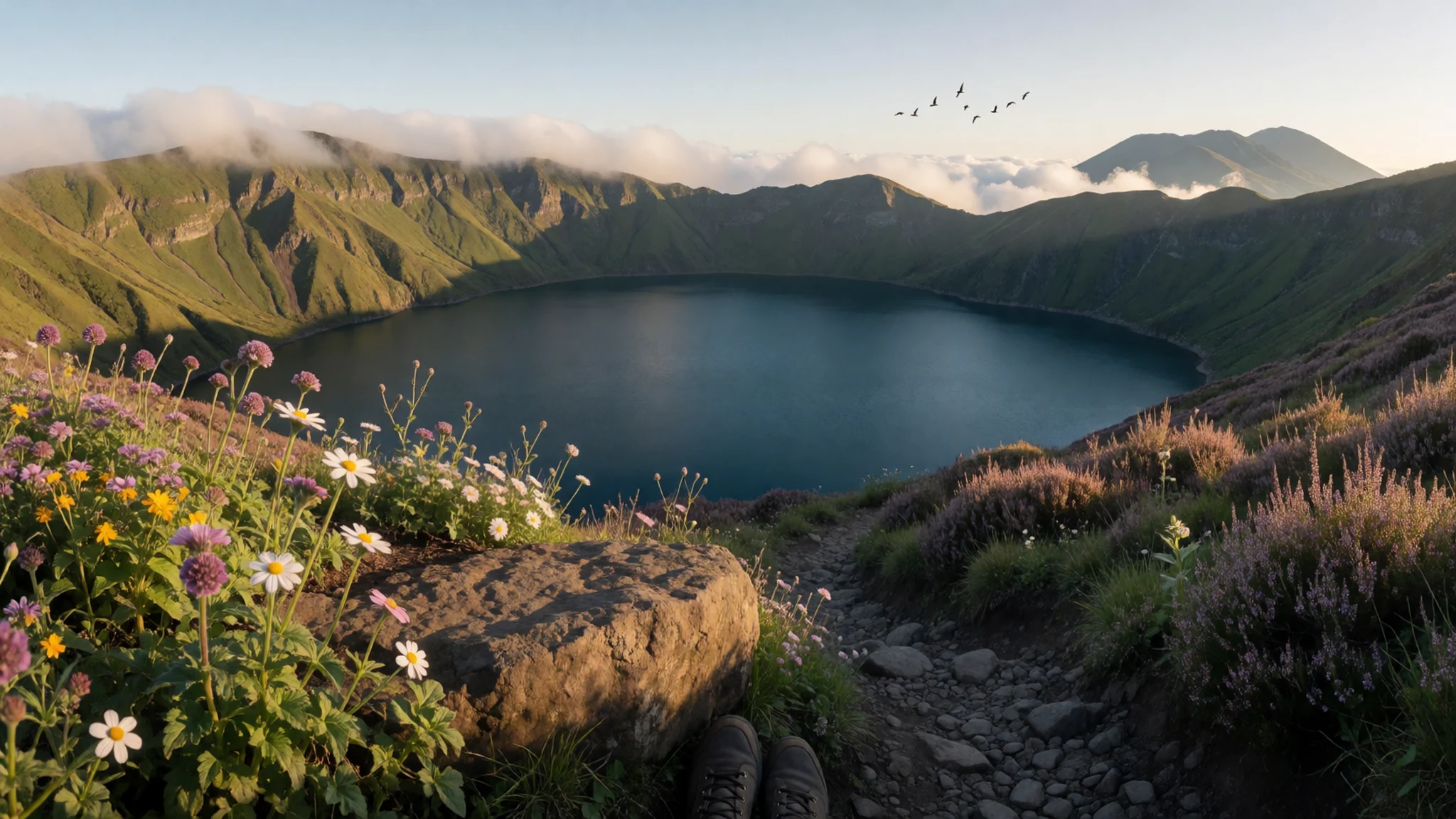
- Lakes Burera and Ruhondo — East and south-east of Musanze
Lakes Burera and Ruhondo lie a short drive from Musanze, in a landscape of terraced hillsides and small villages. They are quieter than the park and suit a slow day: a boat or canoe trip, a walk along the shore, and a stop in a village for tea. The volcanoes show on the skyline when the cloud lifts.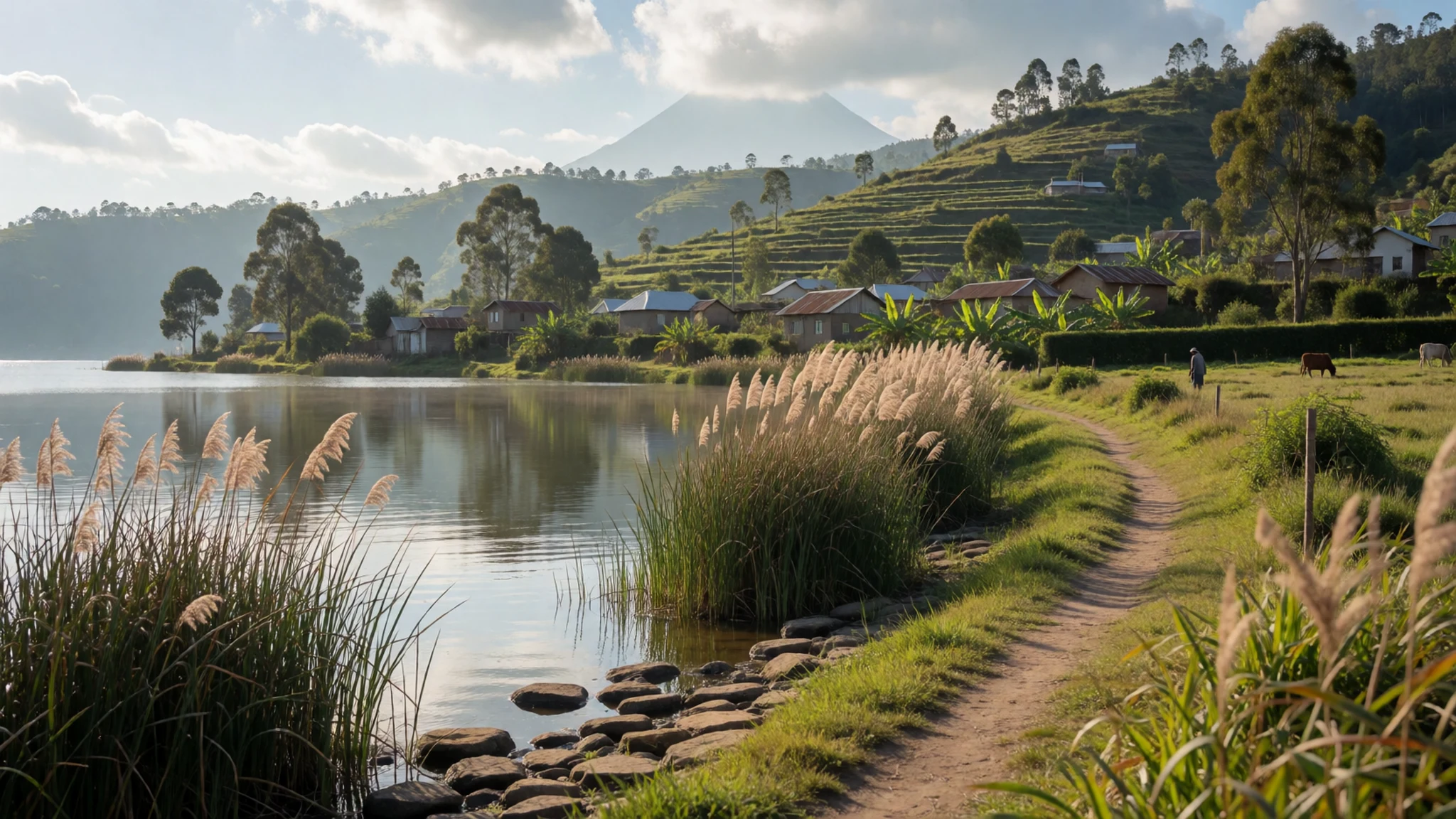
- Lava caves and tunnels — West of Musanze
The lava caves and tunnels near Musanze were formed by volcanic activity beneath the Virunga range. Guided visits go underground with helmets and torches, a cool contrast to a sunny day outside. Visitors should go with a local guide, wear shoes with good grip, and expect uneven, damp floors.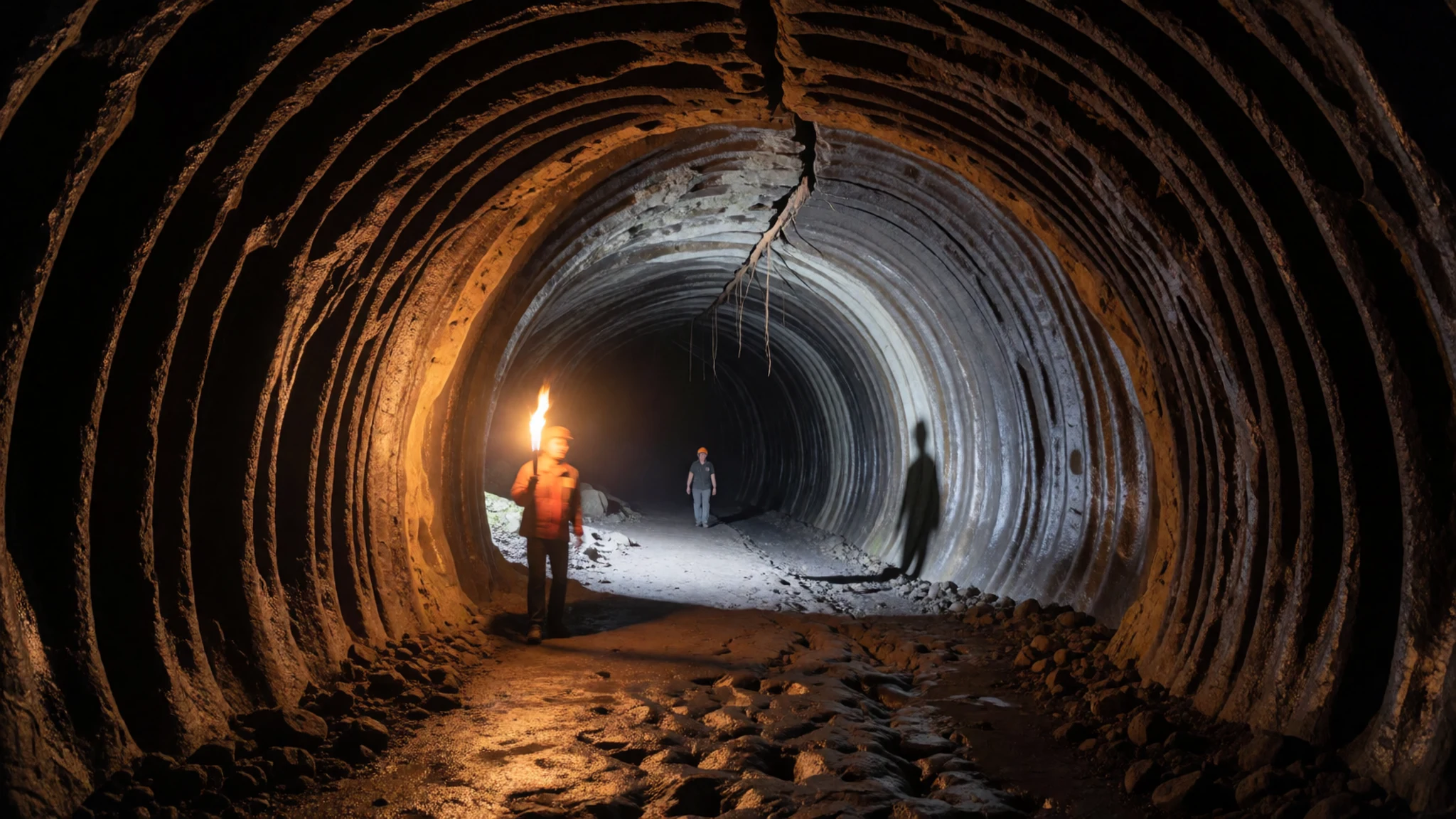
- Markets and the hill viewpoint — Town centre and south-west edge
Musanze's own streets repay an afternoon. Lively markets reward a slow stroll, with stalls of vegetables, clothing and household goods. A large church and amphitheatre stand in the north-west of town, and a hill at the south-western edge gives a panoramic view over the roofs to the volcanoes. Early morning often gives the clearest sky.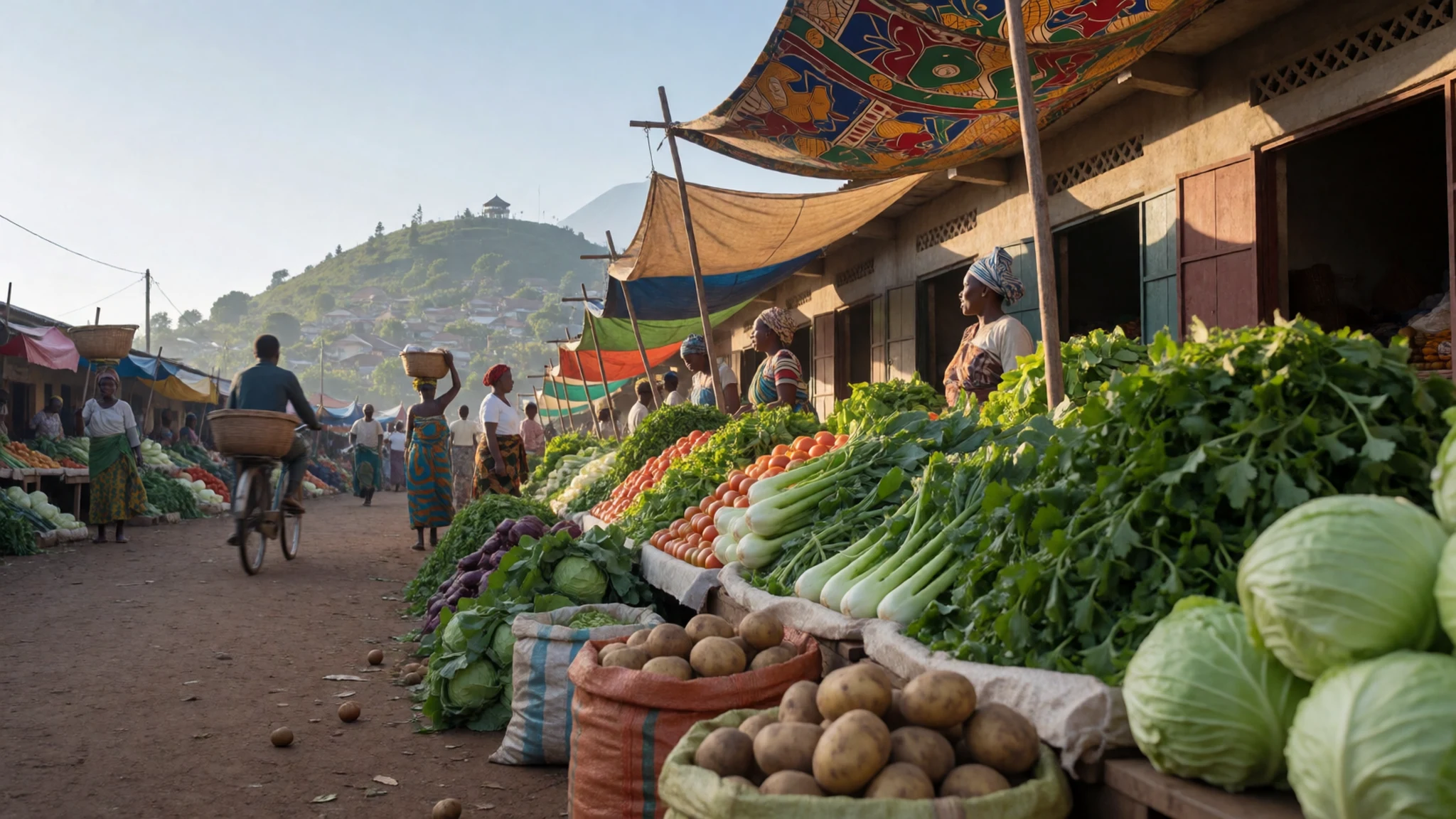
Culture
Musanze is a Kinyarwanda-speaking town, and greetings matter. A handshake and a few words, such as "Muraho" for hello, open conversations far better than going straight to a request. French and English are both heard, reflecting Rwanda's history, and Swahili turns up around transport and trade. Faith is visible: churches fill on Sundays, and the large cathedral in the north-west of town is a landmark. Community life runs through markets, football and umuganda, the national community work morning usually held on the last Saturday of the month, when traffic and shops can pause for a few hours. Near the park, cultural groups perform Intore dance and drumming, and watching one is a good way to see how the region presents itself. Rwanda bans plastic bags, so a cloth bag is more useful than a carrier, and the country takes cleanliness seriously, from tidy streets to the monthly clean-up. People are generally reserved but welcoming, and conversation tends to start with family, farming or football. Local guides and porters on the mountains are a main source of income for villages on the park edge, so treating them as the experts they are goes down well. When trekking, follow your guide's instructions on distance and voice levels around wildlife, and ask before photographing people, especially children and market sellers.
What to wear
Musanze, like the rest of Rwanda, has a traditional dress that mostly appears on special occasions. Women wear the umushanana, a draped, wrap-style garment with a sash over one shoulder, in light fabrics, for weddings and ceremonies. Intore dancers perform in headdresses of plant fibre, with bells at the ankles, and wraps in bright cloth. Kitenge, the printed cotton also loved across East and West Africa, is tailored into dresses and shirts for Sundays and celebrations. Day to day, people in Musanze dress practically for a cool, damp highland climate: jeans, shirts, jumpers, jackets and rubber boots for work in the fields, with school children in neat, colourful uniforms. Second-hand clothing is common, and smart clothes are put on for church. Visitors should dress for weather first. Layers work best, with a waterproof jacket, a warm fleece for early starts and a sun hat for the midday glare at altitude. For treks, sturdy waterproof boots, long trousers and long sleeves protect against mud, stinging nettles and thorny vegetation, and gloves help on steep, slippery sections. In town, adults rarely wear very short shorts or low tops, so keeping shoulders and knees covered fits in better, and neat clothes are appreciated at church services.
What to eat
- Brochettes — Bars and roadside grills in the town centre
Skewers of grilled meat, usually goat or beef, served with chips or boiled banana. They are the standard evening snack in Rwandan towns, eaten with a cold drink and plenty of chat. Musanze's bars and roadside grills do them well after a day of trekking.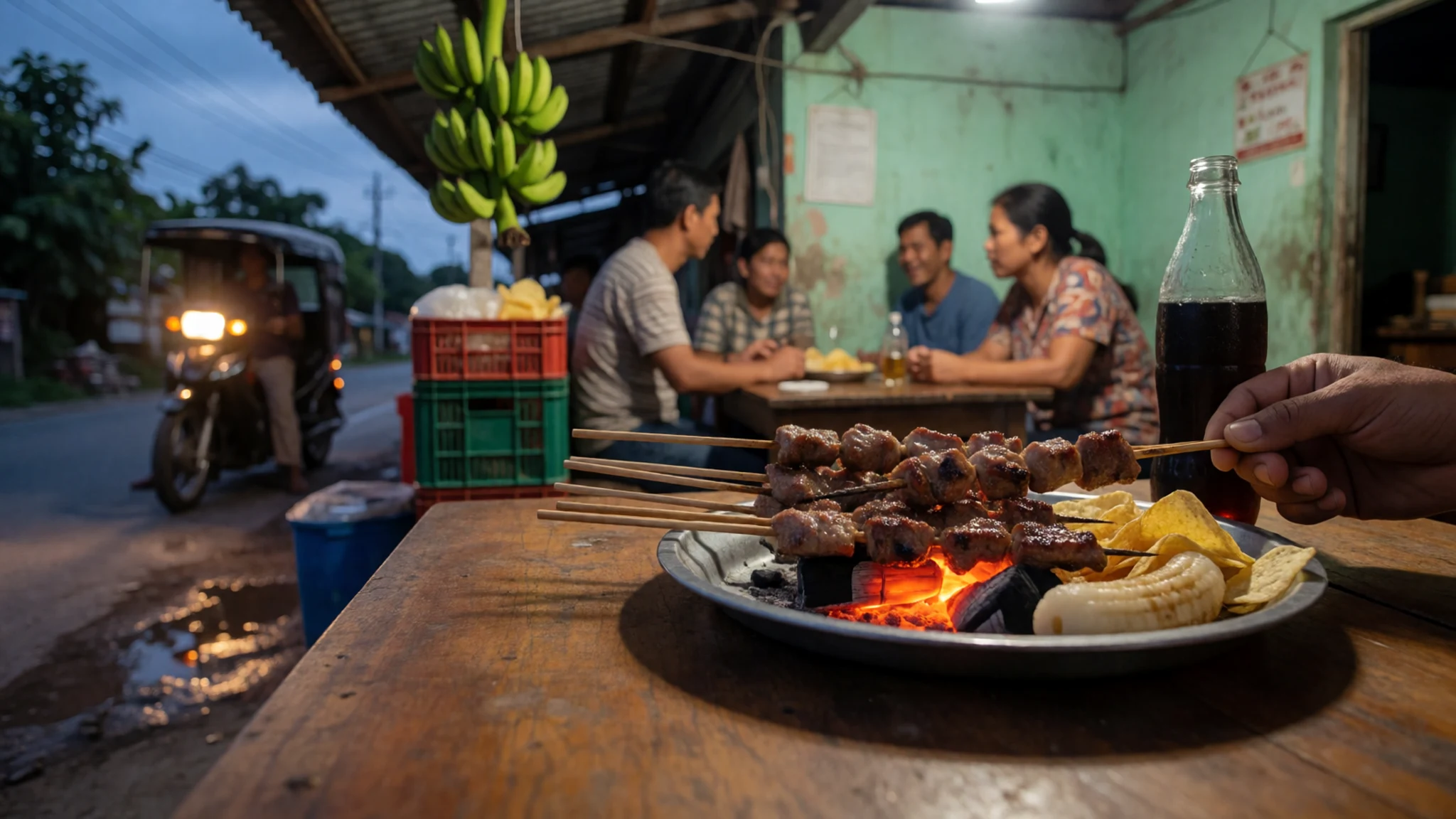
- Isombe with ubugali — Local eateries and canteens near the markets
Isombe is a stew of pounded cassava leaves, often cooked with aubergine, spinach and groundnut, with a deep green colour and earthy taste. It is eaten with ubugali, a firm cassava or maize porridge, and a good way to try home cooking.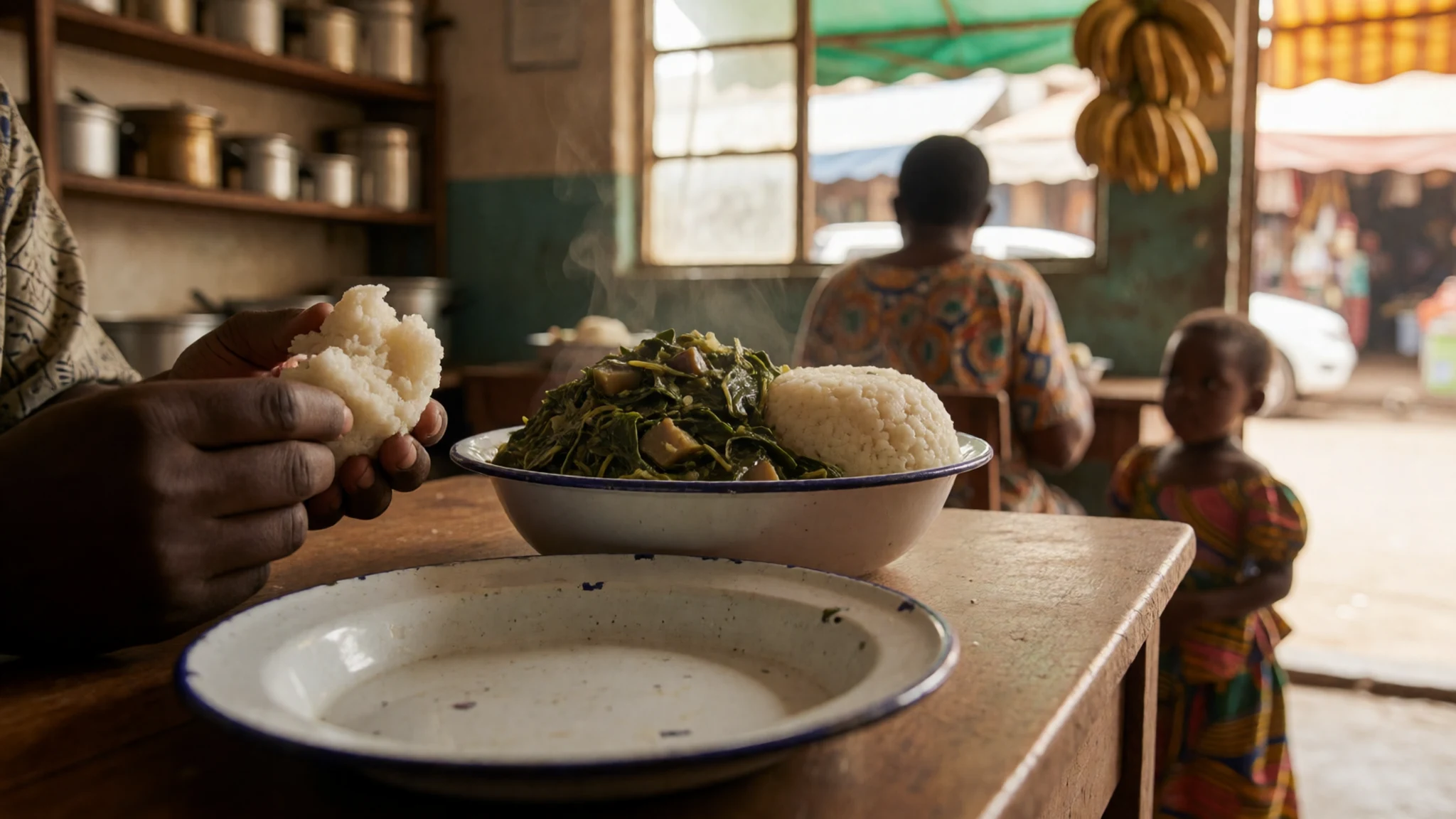
- Beans, potatoes and chips — Everyday canteens and market food stalls
Beans are a daily staple in Rwanda, and the volcanic soil around Musanze is well suited to potatoes. A plate of beans with boiled or fried potatoes is cheap, filling and often arrives with a simple tomato sauce on the side. - Rwandan coffee — Coffee shops along the main roads
Rwanda grows a lot of coffee on its hillsides, and Musanze's many coffee shops serve it black or with milk, often alongside breakfast bagels and pastries. It makes a good early start before a trek or a calm afternoon stop. - Indian dishes such as biryani — Indian and international restaurants near the town centre
Indian cooking has a place in the town, with biryani and rice dishes served at a few dedicated eateries. It is a welcome change after several days of brochettes and beans, and menus often sit alongside pizzas, burgers and pasta.
Plan it
Best time. June to August and December to January are the drier spells, when forest paths are less slippery and the volcanoes are more often clear; March to May and October to November are the main rainy periods, with muddy trails and frequent cloud.
How long. 2–3
Getting there. Fly into Kigali International Airport, then take a bus from the Nyabugogo station in Kigali to Musanze, a journey of about two hours, with services running regularly through the day. Goma in the Democratic Republic of the Congo is close, but check current government travel advice before any border crossing.
Budget. mid
Tips
- Book gorilla permits well ahead, as they often sell out months in advance; check the official Rwanda tourism site for current rules and fees
- Start treks early; mornings are clearer and cooler, and afternoons often bring rain
- Carry cash for markets and small eateries, as cards are not accepted everywhere
- At 1,883 m the air is thinner than many visitors are used to, so go gently on the first day and drink plenty of water
- Pack a waterproof jacket, boots and a warm layer whatever the month
Etiquette
- Greet people before asking a question or making a request
- Ask before photographing people, especially children
- Follow your guide's rules on distance, voice and food around wildlife
Nearby
Sources
- Wikidata Q246145 (CC0)
- Wikipedia: Ruhengeri (rev 1377043336) (CC BY-SA 4.0)
- Wikivoyage: Ruhengeri (rev 5416153) (CC BY-SA 4.0)
- Photo: Ruhengeri.jpg, Philip Kromer (CC BY-SA 2.0)
- Photo: The streets of Ruhengeri, Carine06 (CC BY-SA 2.0)
- Photo: Blue roofs in Musanze, Colleen Taugher (CC BY 2.5)
- Photo: Building Under Construction, Adam Jones, Ph.D. (CC BY 3.0)
- Photo: Variable Sunbird, Carine06 (CC BY-SA 2.0)
- Photo: Ruhengeri, Rwanda, Carine06 (CC BY-SA 2.0)
- Photo: Exodus trip photos 234, Joachim Huber (CC BY-SA 2.0)
- Photo: Exodus trip photos 235, Joachim Huber (CC BY-SA 2.0)


Wildlife
- Mountain gorilla (animal)
The mountain gorilla is a big, gentle forest ape, one of two kinds of eastern gorilla, and sadly it is endangered. Near Musanze, you look for it among the wooded hillsides of Volcanoes National Park, which lies to the north-west of the town. A visit with the gorillas lasts about an hour, so make it count. Go with a guide, keep a respectful distance, speak softly so you do not disturb the family, and never offer food.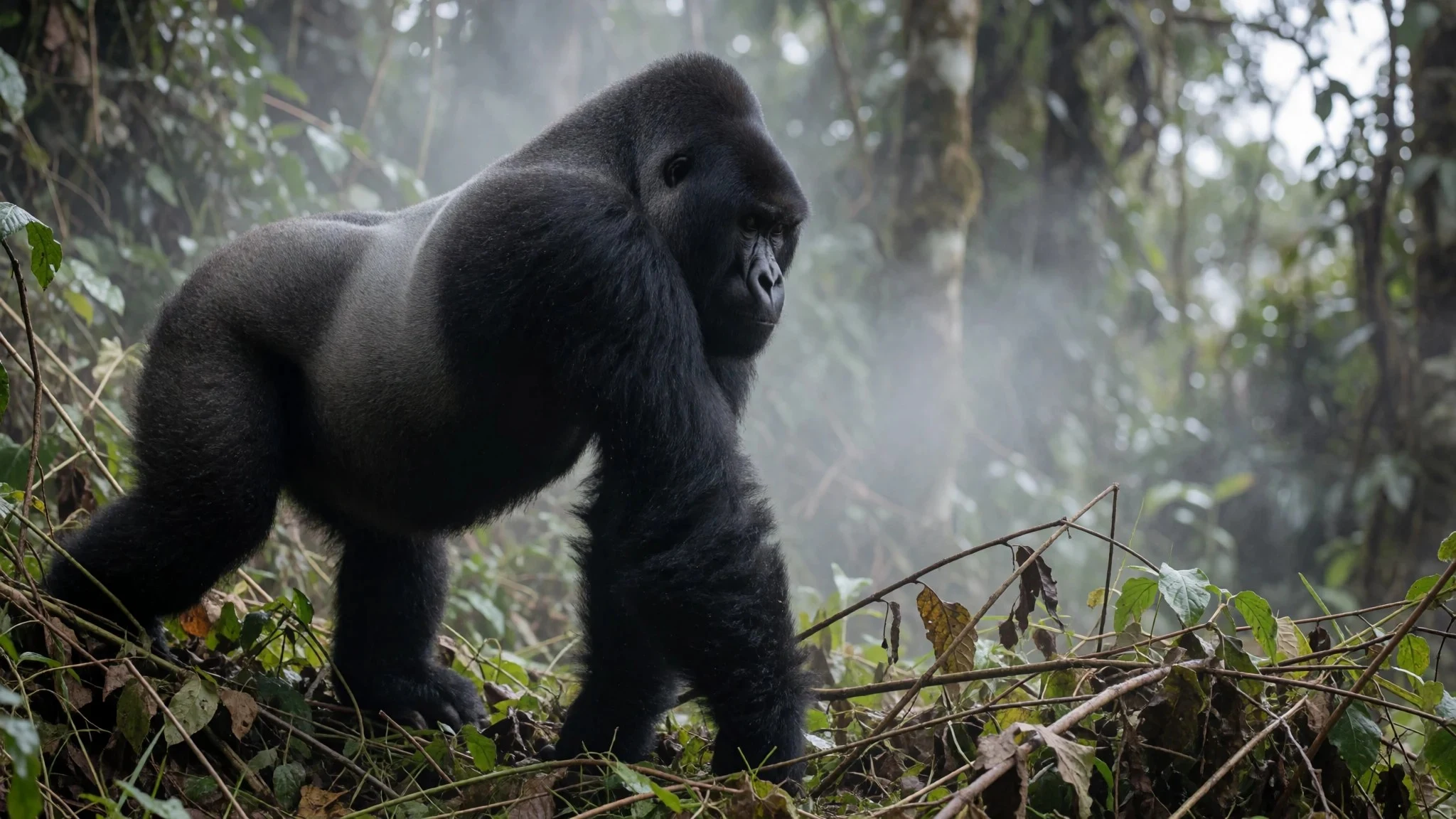
- Golden monkey (animal)
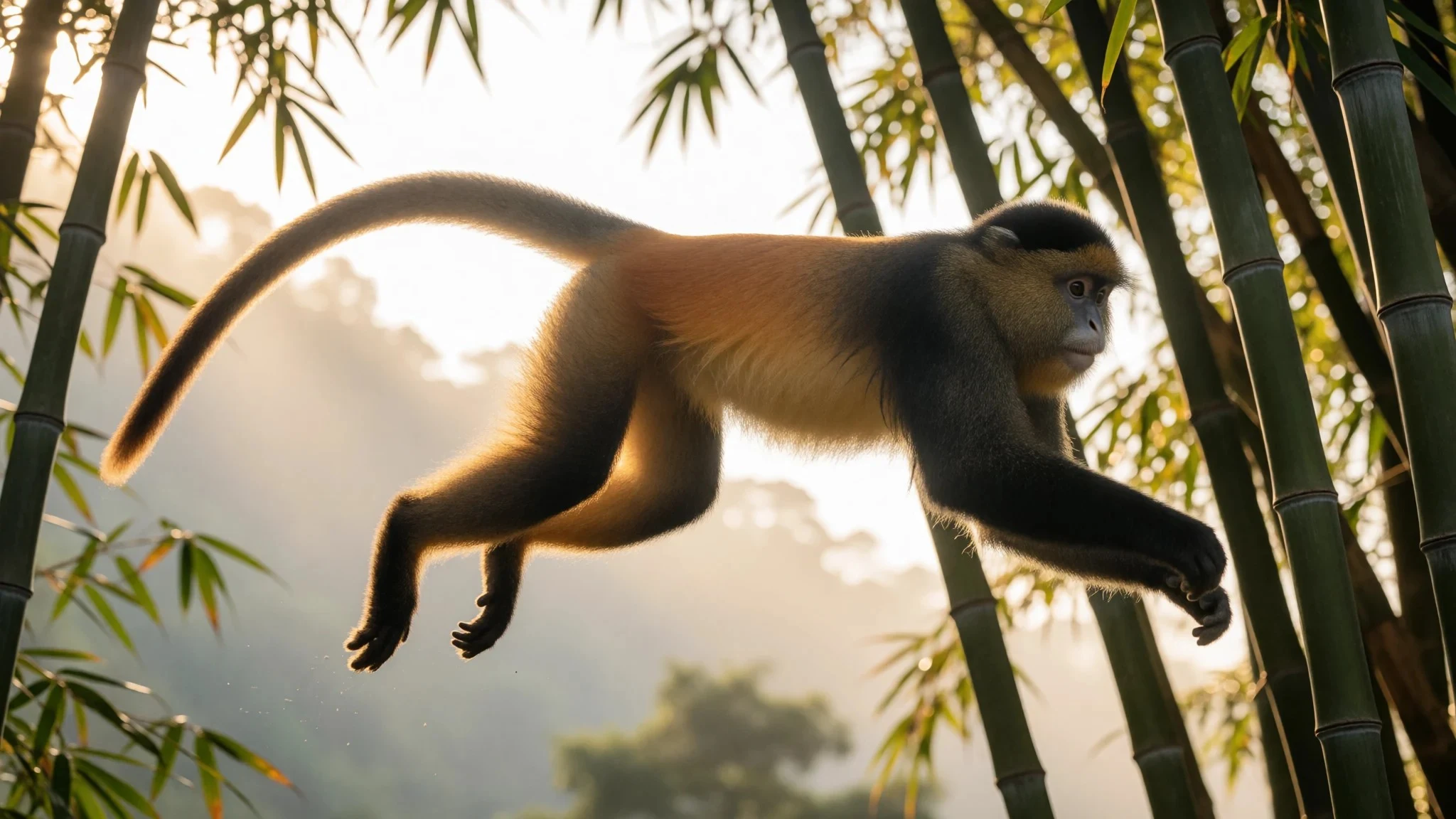
The golden monkey is a cousin of the blue monkey, and it is the one that loves bamboo. It stays in high forest, close to the bamboo, in the Virunga mountains, including Volcanoes National Park in north-west Rwanda, near Musanze. A visit to see it makes a lovely alternative to a gorilla trek. Watch with a guide, stay at a respectful distance, keep your voice low, and never feed it.