Akagera National Park
Akagera National Park, Rwanda
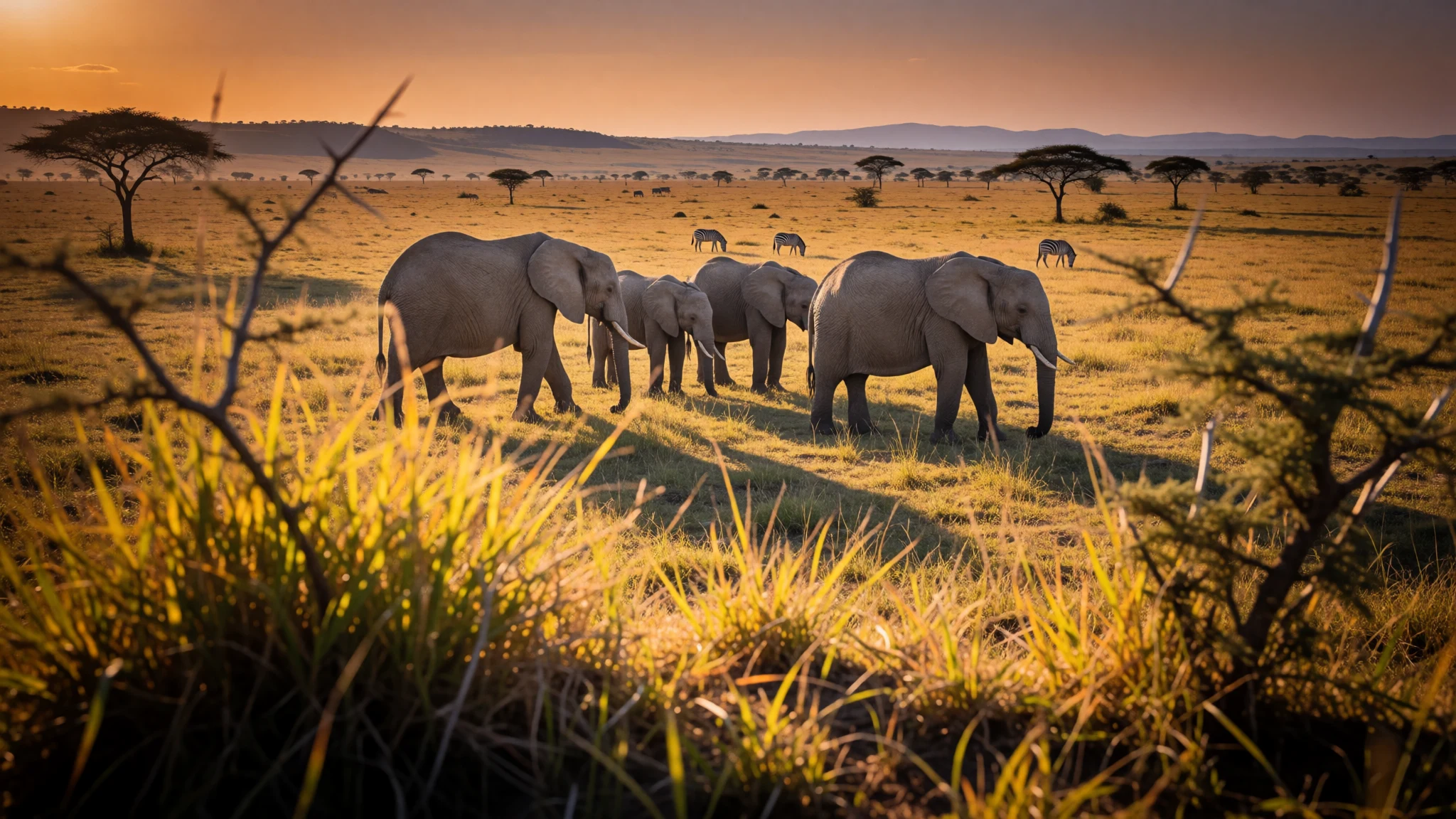
Akagera is Rwanda's last stretch of savannah, a rebuilt park of lakes, papyrus and open plains where lions and rhinos have returned.
The place
Akagera National Park lies in eastern Rwanda, pressed against the Tanzanian border. The Kagera River runs along its eastern edge and gives the park its name. The river feeds Lake Ihema and a chain of smaller lakes, and these are linked by papyrus swamps that cover a large part of the park. Away from the water the ground rises into rolling hills, then opens into acacia savannah and pockets of woodland, so one morning can take in wetland, grass plain and ridge. The park was founded in 1934, and it is now the one place in Rwanda where classic savannah wildlife survives: elephants, buffalo, giraffe, zebra, hippos and crocodiles, along with lions and rhinos that have been reintroduced. It is also an Important Bird Area, and the swamps hold herons, storks, kingfishers and, with luck, the shoebill that birders travel far to find. Honest expectations help. Akagera is smaller and quieter than the famous parks of Kenya and Tanzania, the animals are warier after years of persecution, and rhinos and leopards demand patience and a good guide. What the park offers instead is space, few vehicles on the tracks and the chance to watch a damaged landscape recover. Heat builds by mid-morning, so most wildlife is seen at dawn and in the late afternoon. Lodges and campsites sit close to the water, and the lakes are best explored by boat. From Kigali the park can be done in one very long day, but a night or two inside it is far more rewarding.
Its story
Akagera National Park began in 1934 under Belgian colonial administration, which set aside a far larger area than the park covers today. Its early nickname, Parc aux Lycaons, came from the African wild dogs, which were so common that the authorities treated them as vermin. An epidemic thinned the packs, and the last were recorded in 1984. The heavier blow came after 1994, when people who had fled Rwanda returned in great numbers and needed land. A large share of the park was handed over to farms and settlements. Conservation was hardly a priority then. Poachers took bushmeat, ivory and rhino horn, lions were killed to protect cattle, and the last rhino was seen in 1997. In 2010 the Rwanda Development Board entered a partnership with the conservation non-profit African Parks, which took over day-to-day management. Rangers were retrained and a canine anti-poaching unit was deployed in 2015. A long solar-powered fence along the western boundary now keeps wildlife and village herds apart, which has cut the conflict that once fuelled resentment. Neighbouring communities were drawn in as guides, staff and partners, so the park became a source of income rather than a rival for land. Lions and rhinos have since been brought back, and visitor revenue now covers most of the running costs. Akagera's story is less about untouched wilderness than about repair, and local guides tend to tell it that way.
What to see
- Boat trip on Lake Ihema — Southern Akagera, Lake Ihema
Lake Ihema is the park's main water and the best place to see hippos at close range, with crocodiles basking on the banks. The boat sits low and quiet, which suits birdwatching along the reedy shore. Departures run through the day; check the official site for current schedules and private charters.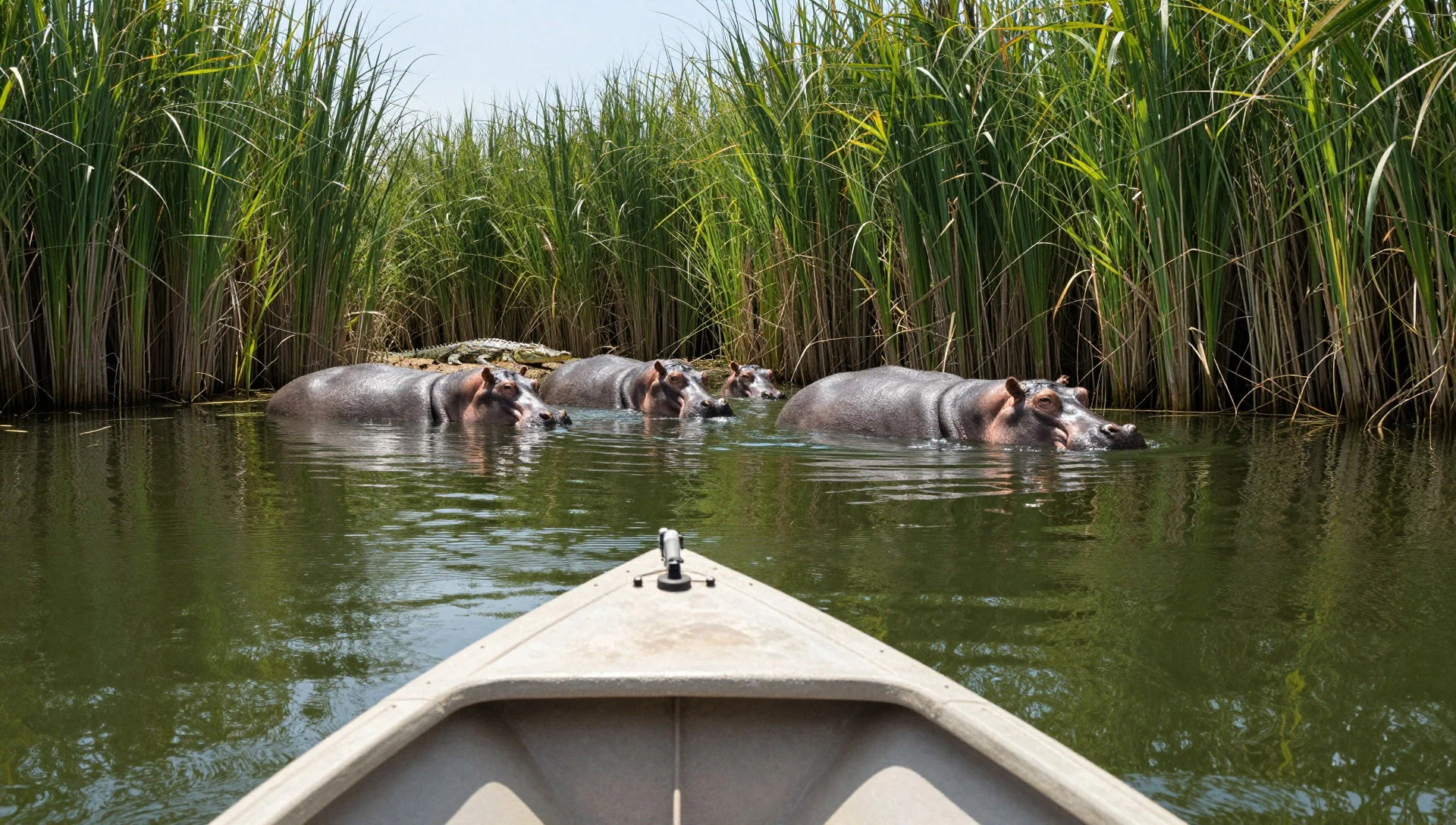
- Day drives across the savannah — Central and southern plains
The tracks wind through acacia and open grass where buffalo, elephants, giraffe, zebra and several antelope species graze. Early starts are rewarded, because animals move into cover as the heat builds. Self-drive is possible, but a ranger-guide improves the chances of finding lions or the more elusive rhinos.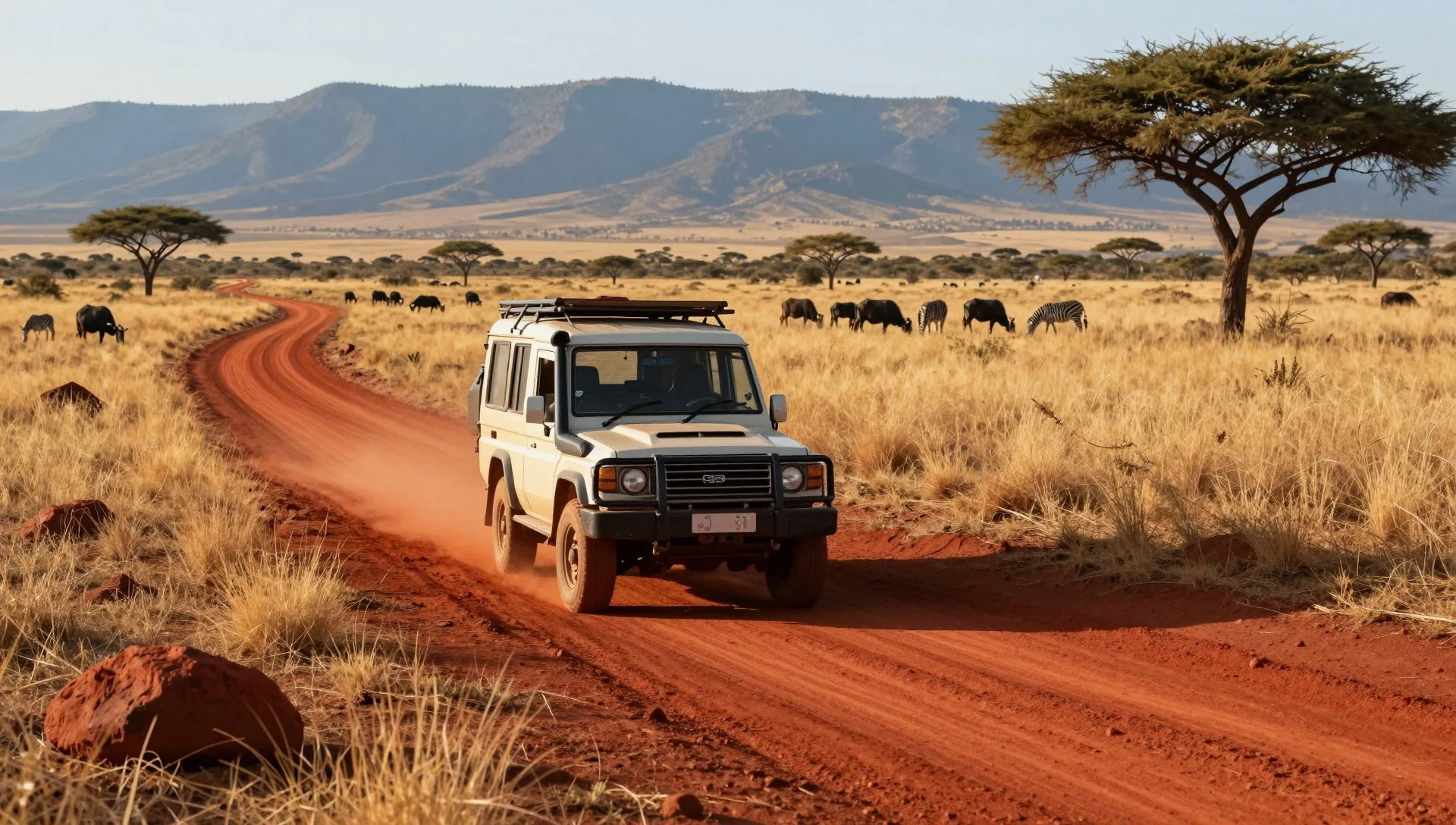
- Night drives — Park tracks, run from the main lodges
After dark the park changes. Hunters such as lions and leopards become more active, and spotlights pick out eyes in the grass along with smaller creatures that are rarely seen by day, such as genets and bushbabies. These drives are run by the park or a lodge and must be booked ahead.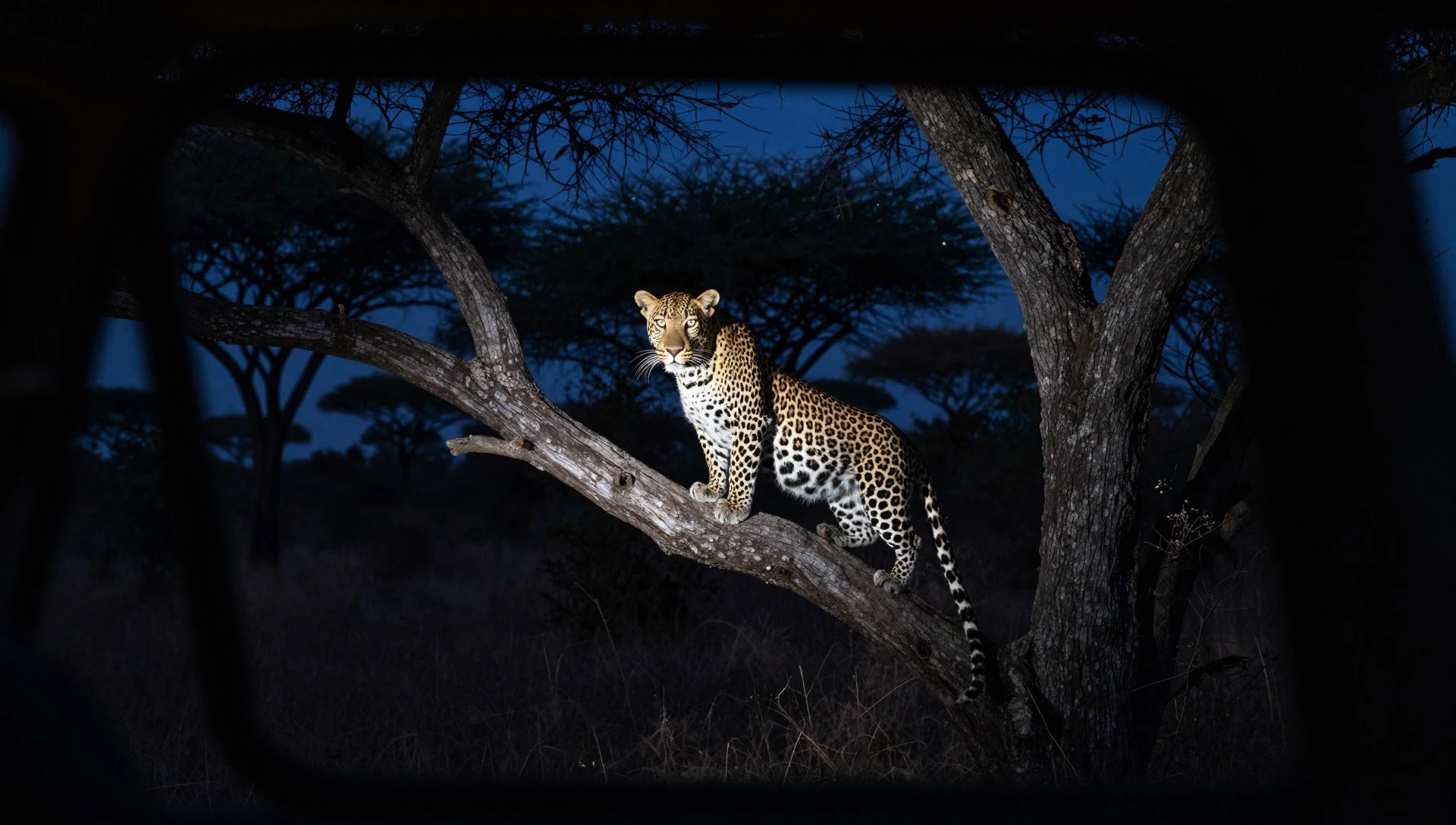
- Birding in the papyrus swamps — Lake shores and swamps
The wetlands make Akagera a serious birding stop, with herons, storks, kingfishers, fish eagles and papyrus specialists on the list. A boat or a slow drive along the lake edges works best. Bring binoculars, and ask a guide about the shoebill, which appears only now and then.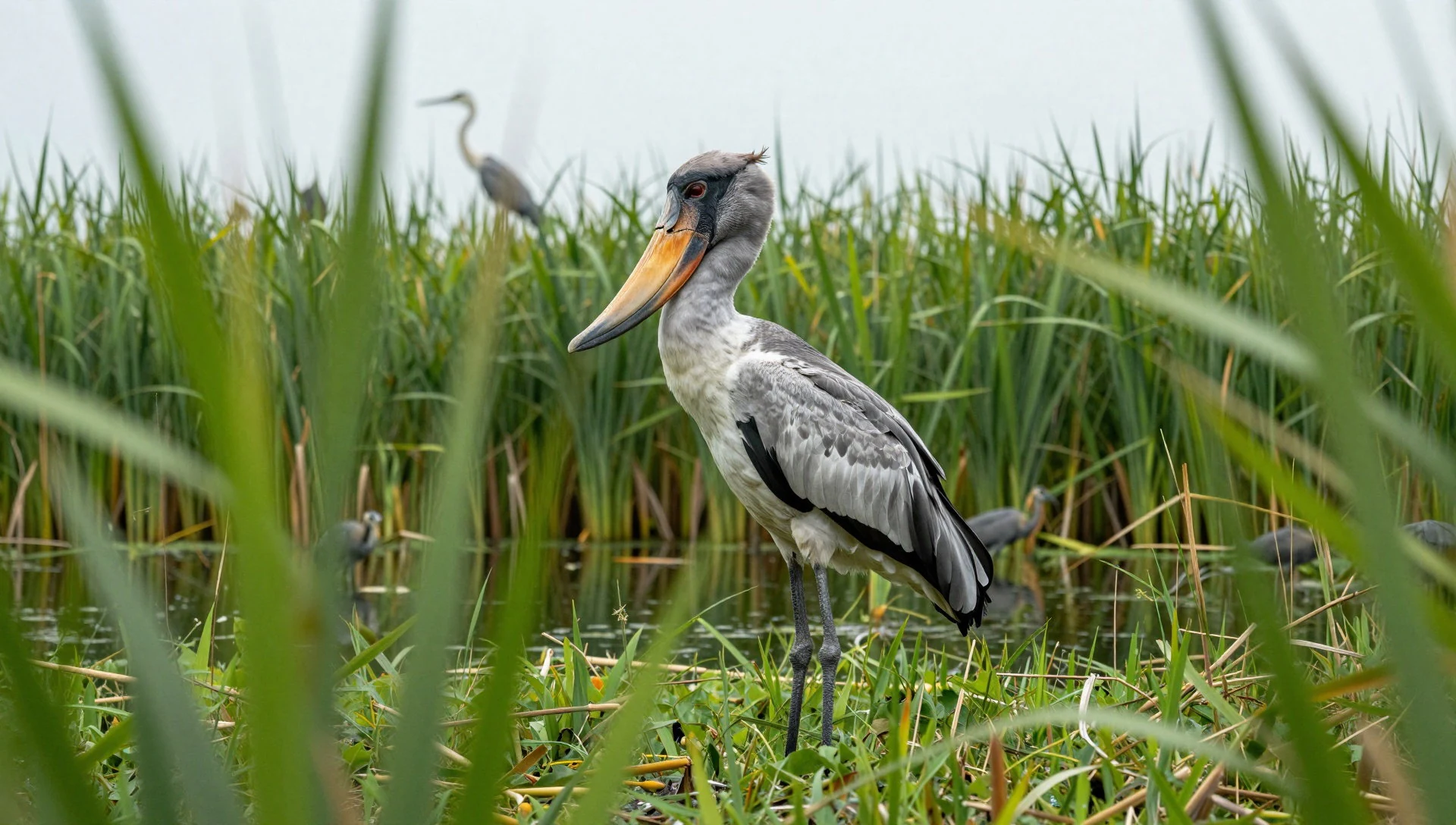
- Fence-line walk and community guides — Park headquarters and western boundary
African Parks offers a behind-the-scenes day for interested visitors, including a walk along a section of the boundary fence with a ranger and a chance to meet park managers. Freelance community guides also run cultural visits with people living beside the park. Book through the official site.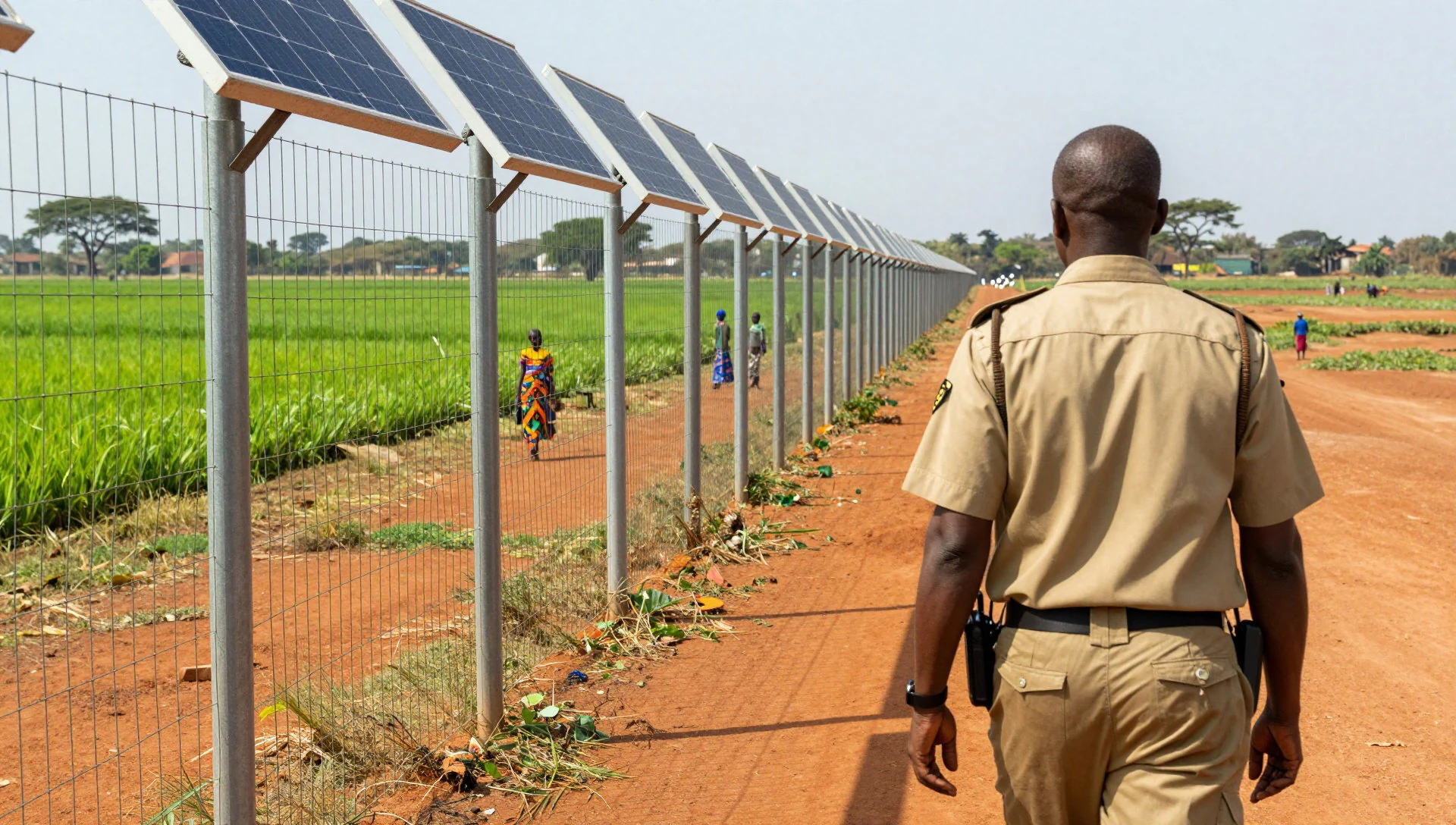
Culture
Akagera National Park sits in a part of Rwanda where farming, cattle-keeping and conservation share a tight border, and that shapes much of the culture around it. Kinyarwanda is spoken across the country, with French and English also used, and greetings matter: a warm hello and a handshake go a long way. Cattle have long carried social meaning in Rwanda, and the long-horned herds seen on the park's edges are valued beyond their milk and meat. Villages near the park depend on land that was once partly lost to it, so the community work run by the park, from freelance guiding to cultural visits, carries real weight. Visitors who take these experiences are paying people directly rather than watching from a vehicle. Rwandans also hold the memory of 1994 with great seriousness, and the return of refugees that year is part of Akagera's own history. Conversation about it is best left to the person who raises it. The country is known for tidy streets, communal work days and a strong sense of public order, and park staff take the same pride in the place. Guides are often keen to talk about the animals they have watched come back, and that enthusiasm is worth listening to. Ask before photographing any person, and keep your voice low and stay inside the vehicle during wildlife sightings.
What to wear
Akagera National Park is a safari destination, but the Rwandans living around it have their own dress traditions. The best known is the umushanana, a long, flowing women's garment draped from the waist with a piece of fabric across one shoulder, worn at weddings, formal ceremonies and cultural festivals. Cotton and printed wax cloth are common, and tailors in towns make bright kitenge outfits to order. Men wear matching shirts and trousers on formal days, sometimes with a wrapped cloth over one shoulder. Day to day, people near the park wear what suits farm work and heat: T-shirts, long skirts, trousers, rubber boots in the wet season and secondhand clothes that have travelled widely. Smart, tidy dress is valued in towns, and shorts on adults are less usual than visitors might expect. Visitors should dress for the savannah. Choose neutral khaki, olive or brown clothes, since bright colours stand out and dark blue and black attract tsetse flies. Lightweight long sleeves and trousers help against sun, flies and mosquitoes. Closed shoes with grip suit rough tracks and the fence-line walk. Bring a wide-brimmed hat, sunglasses and a fleece or windproof layer for cool dawn drives and boat trips. When visiting villages or towns, covered shoulders and knees are a courteous choice, especially for women.
What to eat
- Brochettes — Roadside grills in towns on the way to the park
Grilled skewers, usually of goat and sometimes beef or pork, served with roasted banana or chips and a sharp chilli sauce. Rwandans eat them in the evening with a cold drink, and they are the easiest local meal to find.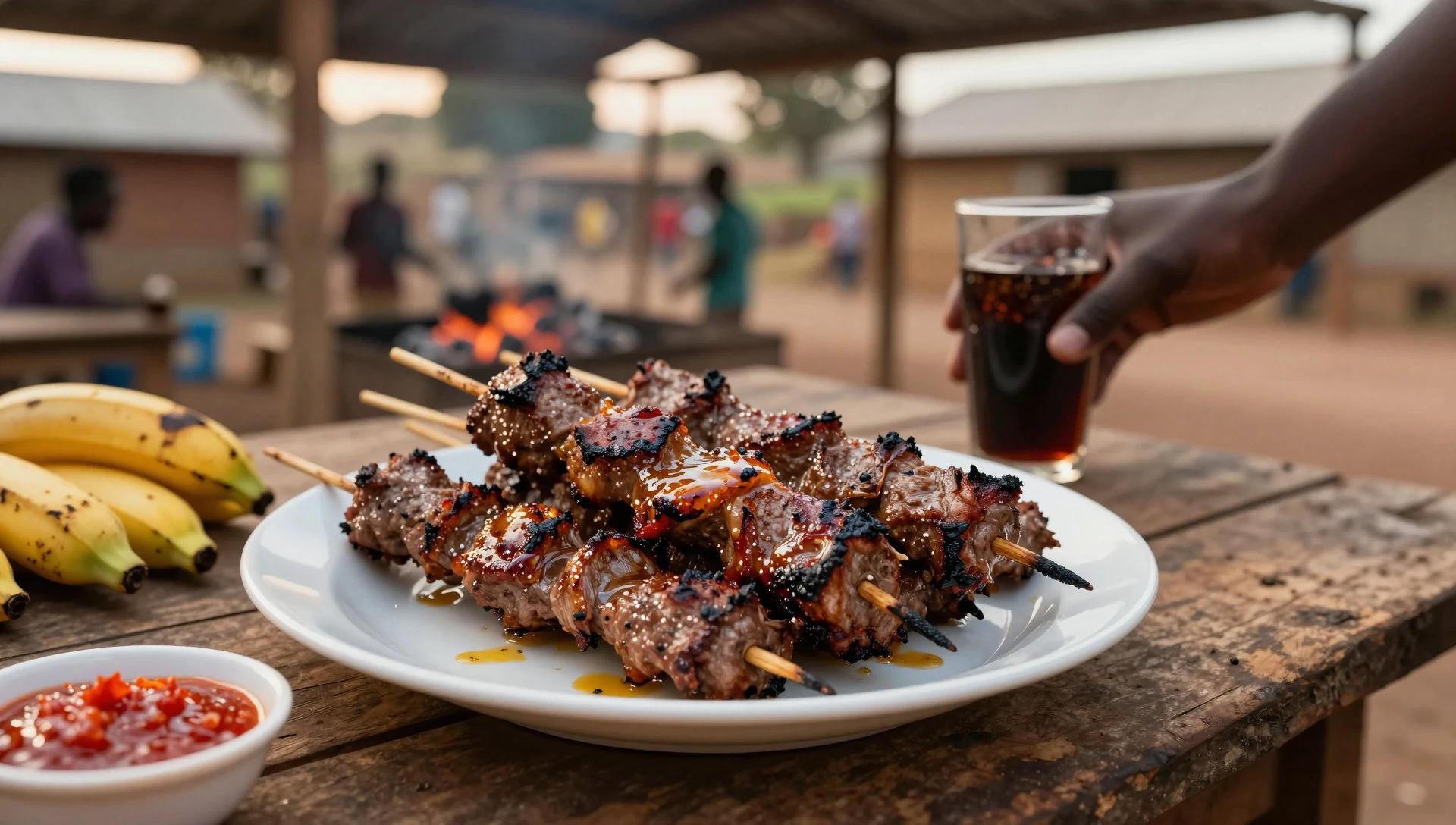
- Isombe — Local eateries and lodge restaurants serving Rwandan food
Pounded cassava leaves slow-cooked with spinach or aubergine, often thickened with groundnut paste. It is earthy and filling, and works as a vegetarian main when served with rice or a starchy side.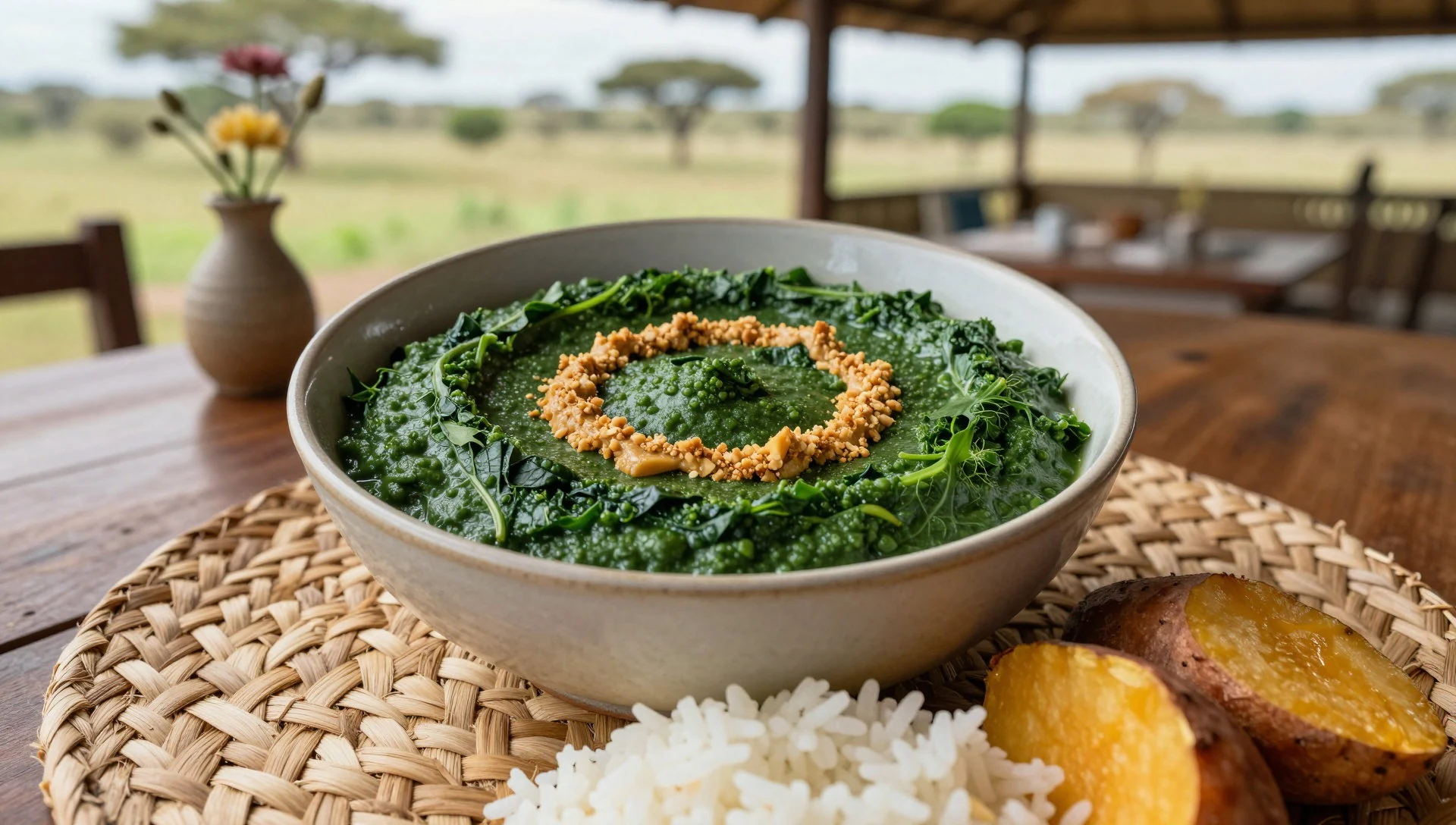
- Grilled tilapia — Lakeside eateries and lodge dining rooms
Freshwater tilapia is grilled whole until the skin crisps, then served with potatoes or plantain and a tomato-onion relish. It is a regional favourite in lake country, and it pairs well with a cold local beer. - Ibihaza and beans — Market food stalls and simple canteens in nearby villages
Rwandan cooking leans on beans, pumpkin and plantain. Stewed beans served with boiled or mashed pumpkin make a cheap, filling meal that many families eat daily, and the flavours are mild and comforting. - Igitoki (plantain stew) — Local eateries and the weekly village markets
Green plantains are peeled and stewed until soft, often with beans, meat or a tomato base. The result is a mild, starchy dish, close to the matoke of neighbouring Uganda and Tanzania.
Plan it
Best time. June to September is the main dry season, when grass is shorter, animals gather near water and tracks are in good condition. December to February is a shorter dry spell. March to May brings heavy rain and muddy tracks, and October and November have shorter rains, though game viewing is still possible.
How long. 2–3
Getting there. Fly to Kigali International Airport, then travel east by road to the park, which takes several hours depending on the entrance and lodge. Arrange a driver, a hired car or a lodge transfer, and fill the fuel tank in Kigali before leaving.
Budget. mid
Tips
- Book lodges, boat trips and night drives well ahead through the official site, https://www.akagerasafari.com, and check current fees and times there
- Start game drives at dawn and again late in the afternoon, since midday heat sends animals into the shade
- A yellow fever certificate is needed to enter Rwanda, and malaria is present, so ask a doctor about prophylaxis before travelling
- Drink bottled water rather than tap water, and carry plenty for long drives
- Bring binoculars, insect repellent and some cash, and confirm card acceptance at your lodge
Etiquette
- Stay inside the vehicle during wildlife sightings and keep your voice low
- Ask before photographing local people, especially children
- Never feed or approach animals, and take all litter with you
Nearby
Sources
- Wikidata Q116715 (CC0)
- Wikipedia: Akagera National Park (rev 1362690210) (CC BY-SA 4.0)
- Wikivoyage: Akagera National Park (rev 5363140) (CC BY-SA 4.0)
- Photo: Images taken by a drone at the Kakum National Park, daSupremo (CC BY-SA 4.0)
- Photo: A view of the Parc National d'Akagera, Rwanda, Louis Dewame (CC BY 3.0)
- Photo: buffaloes in Akagera National park, Rodrigue250 (CC BY-SA 4.0)
- Photo: Akagera National Park in Rwanda, Emery045 (CC BY-SA 4.0)
- Photo: Big elephant in Akagera National Park, Laeliza23 (CC BY-SA 4.0)
- Photo: Akagera National Park, Feb. 1978, tree with birds, R.P. Braun (CC BY-SA 4.0)
- Photo: Akagera national park, Rodrigue250 (CC BY-SA 4.0)
- Photo: Akagera national park, Nkurunziza jean eric (CC BY-SA 4.0)


