Kigali
Kigali, Rwanda
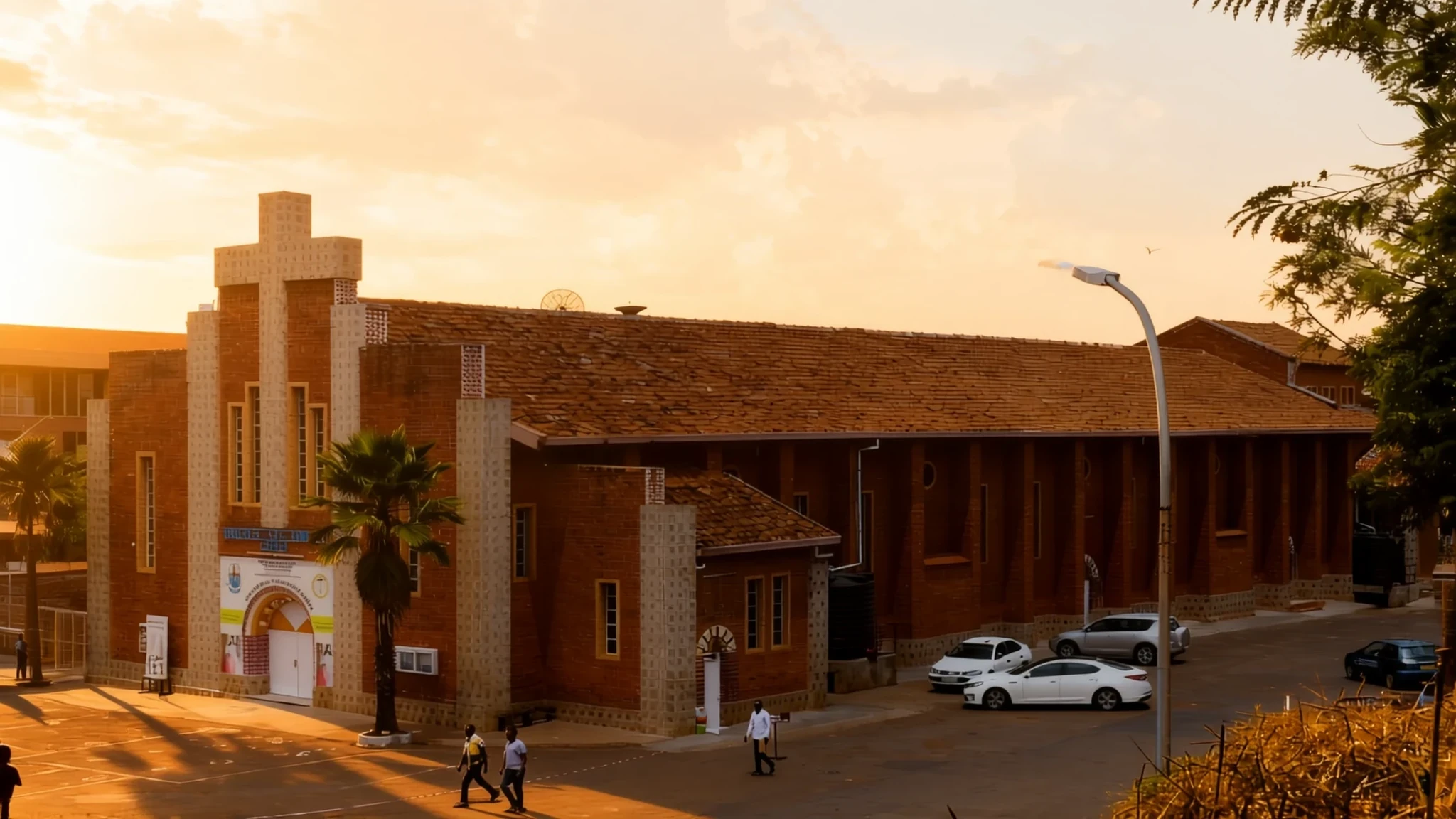
A young, orderly capital where memory and modern life sit side by side, and where a slow stay rewards the visitor.
The place
Kigali is the capital of Rwanda and its largest city, home to about 1.7 million people. It sits close to the middle of the country at roughly 1,570 metres above sea level, which keeps the air cooler than many tropical capitals. The city spreads across a set of hills, with neighbourhoods climbing and dropping along steep slopes, so most walks involve a climb and the views from the ridges are often the best part of the day.
The city is young by African capital standards. It began in 1907 as a small German administrative post and stayed modest for decades. It only became the national capital at independence in 1962. Today the centre has office blocks, government buildings and wide roads, while older residential streets run along the slopes, with houses set back behind walls and gardens.
Kigali feels orderly compared with many capitals. Streets are generally clean, and motorcycle taxis, known locally as moto, are the quickest way to cover a steep route. Walking is pleasant in the cooler mornings, though the hills tire people quickly in the midday heat. Daytime highs usually reach about 29 to 34 °C, with little variation across the year, so a light layer is useful for the cooler evenings.
History shapes many of the city's sites, and the memorials are central to understanding modern Kigali. Kigali is also a natural base for trips to the national parks and to Lake Kivu, which lie within reach by road.
Its story
The land now holding Kigali was first settled by Twa hunter-gatherers, the region's earliest known inhabitants, who were later joined by Bantu-speaking farmers. Oral tradition dates the founding of the kingdom of Rwanda to the 14th century, on the shores of Lake Muhazi, some way east of the present city. The area around Kigali was then a small state, overshadowed by stronger neighbours. Its rulers faced repeated struggles: a king was killed by a rival from a neighbouring dynasty, his son recovered lost ground with outside help, and a later invasion from the north drove the royal line westward and left the east in other hands.
The modern city was born under German rule. In 1907 an administrative outpost was set up here, and it stayed a minor centre for decades. Kigali only became the national capital at independence in 1962, moving government work away from Huye, formerly called Astrida. Growth followed, and the city became Rwanda's dominant urban centre.
The defining chapter of recent history is the 1994 genocide against the Tutsi. The killing reached deep into the city, and the death of President Habyarimana in a plane crash that year is widely understood as its trigger. The Kigali Genocide Memorial Centre, opened in April 2004 on the tenth anniversary, holds more than 250,000 burials and presents the story through its museum. Other memorials, including one to ten Belgian peacekeepers, also mark that period, and they shape how the city is visited today.
What to see
- Kigali Genocide Memorial Centre — Gisozi hillside, north of the centre
Opened in April 2004 on the tenth anniversary of the genocide, this memorial anchors any visit to Kigali's recent history. Its museum sets out the events of 1994 in clear, careful detail, and the gardens hold the remains of more than 250,000 people. Allow most of a morning, move slowly through the exhibits and treat the site as a place of mourning.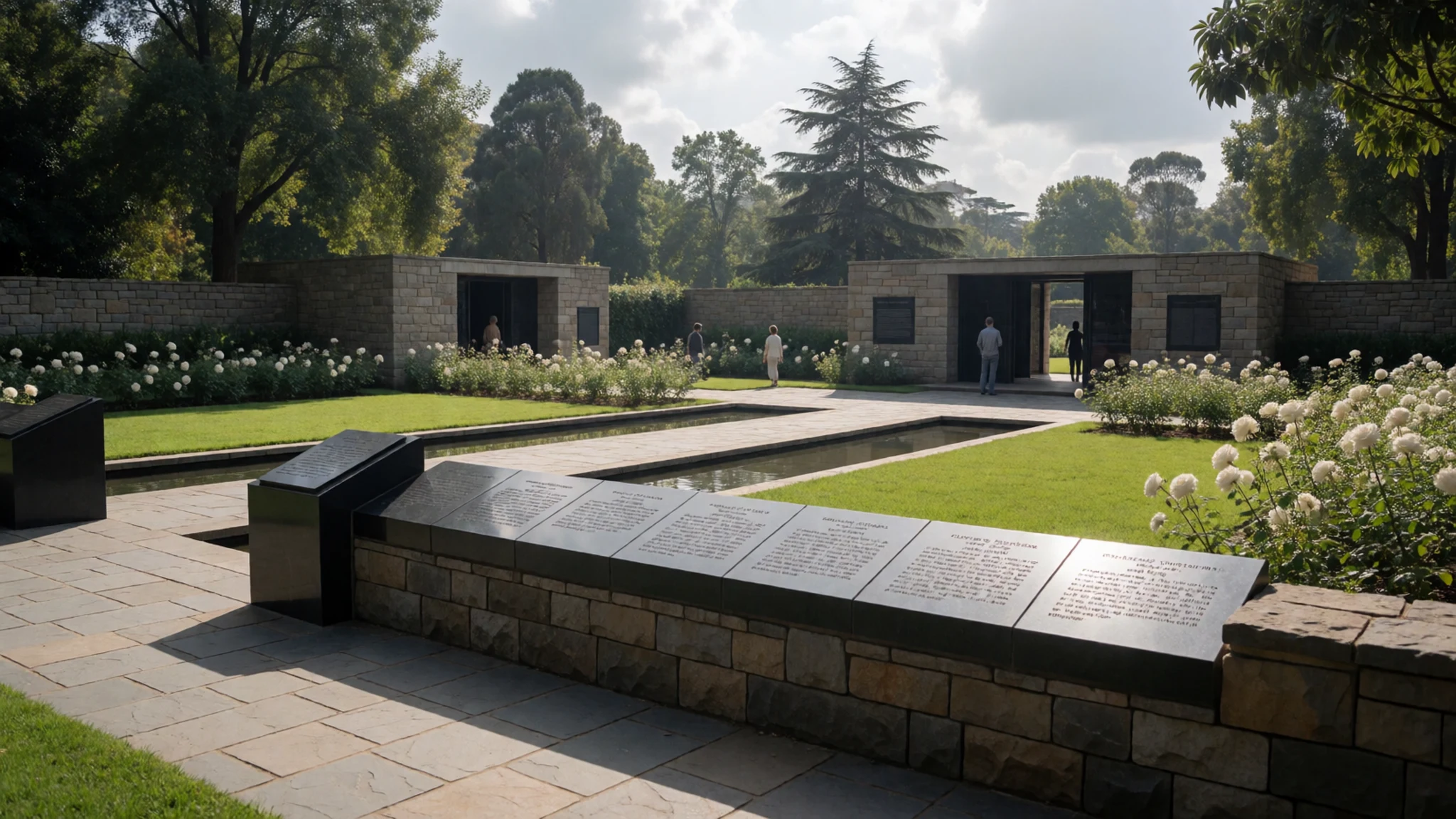
- Presidential Palace Museum — Kimihurura
This was the home of former president Habyarimana, whose death in a plane crash in 1994 sparked the genocide that followed. The house is now a museum, and visiting it gives a sharp sense of how close the political events of that year were to everyday city life. Check the official site for opening times before you go, since they change.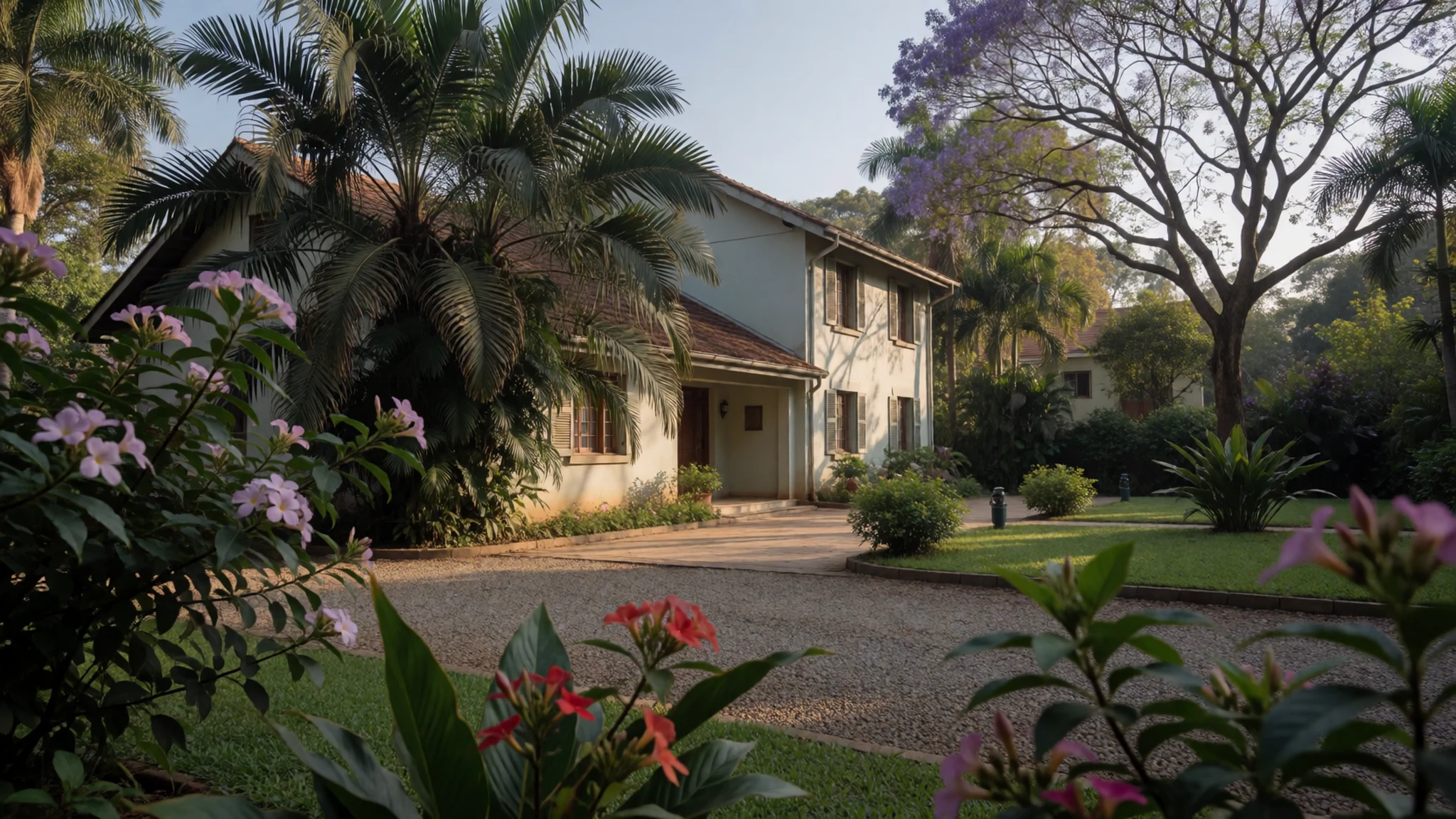
- Inema Arts Centre — city centre, arts district
Inema Arts Centre shows artwork from across Rwanda under one roof. Displays change over time, so each visit can reveal different painting, sculpture and craft. It makes a calmer afternoon between heavier memorial visits, and it offers a useful introduction to local art before exploring further.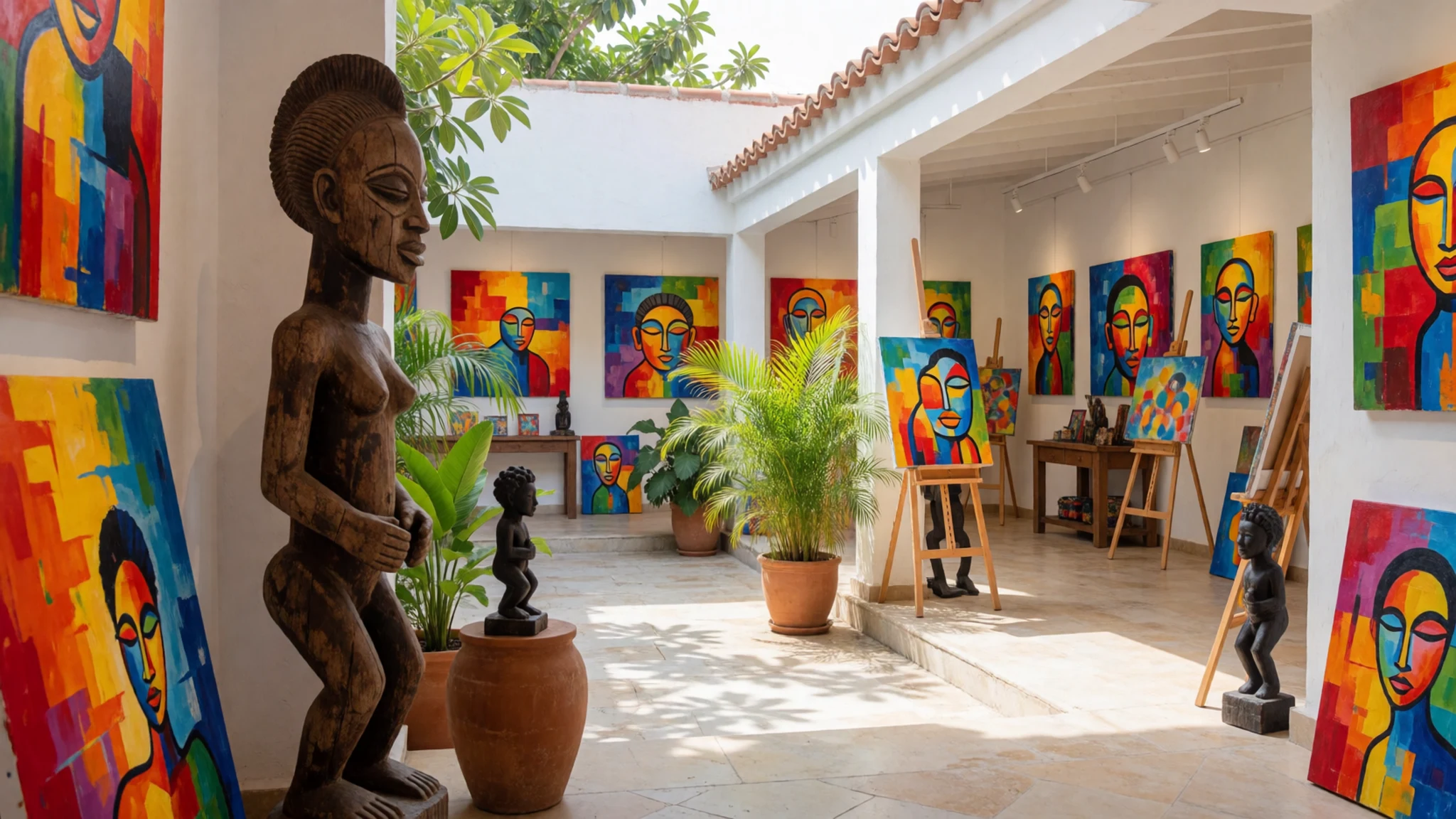
- Kandt House Museum — hillside above the city centre
This natural history museum occupies the former home of Richard Kandt, a German whose house now shows Rwanda's plants and animals. The displays are modest but informative. The garden is also a good place to view the city skyline, so combine a museum visit with a slow look at the view.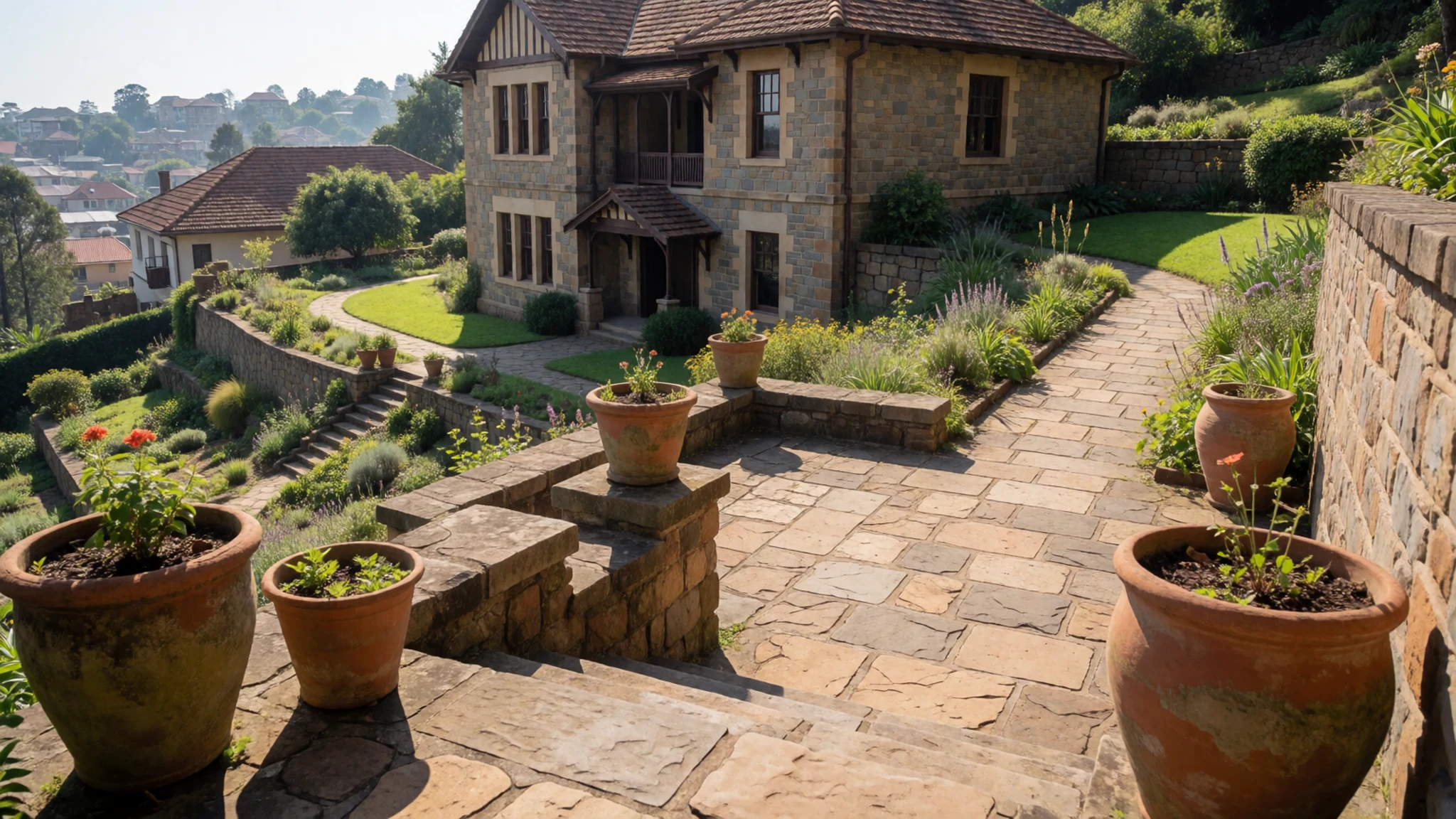
- Belgian Peacekeepers Memorial — city centre
This memorial honours ten Belgian peacekeepers who were killed on the first day of the 1994 crisis while trying to protect the Rwandan Prime Minister. It is a short, sober stop, and it helps explain how the violence began in the capital. Allow time to read the inscriptions carefully.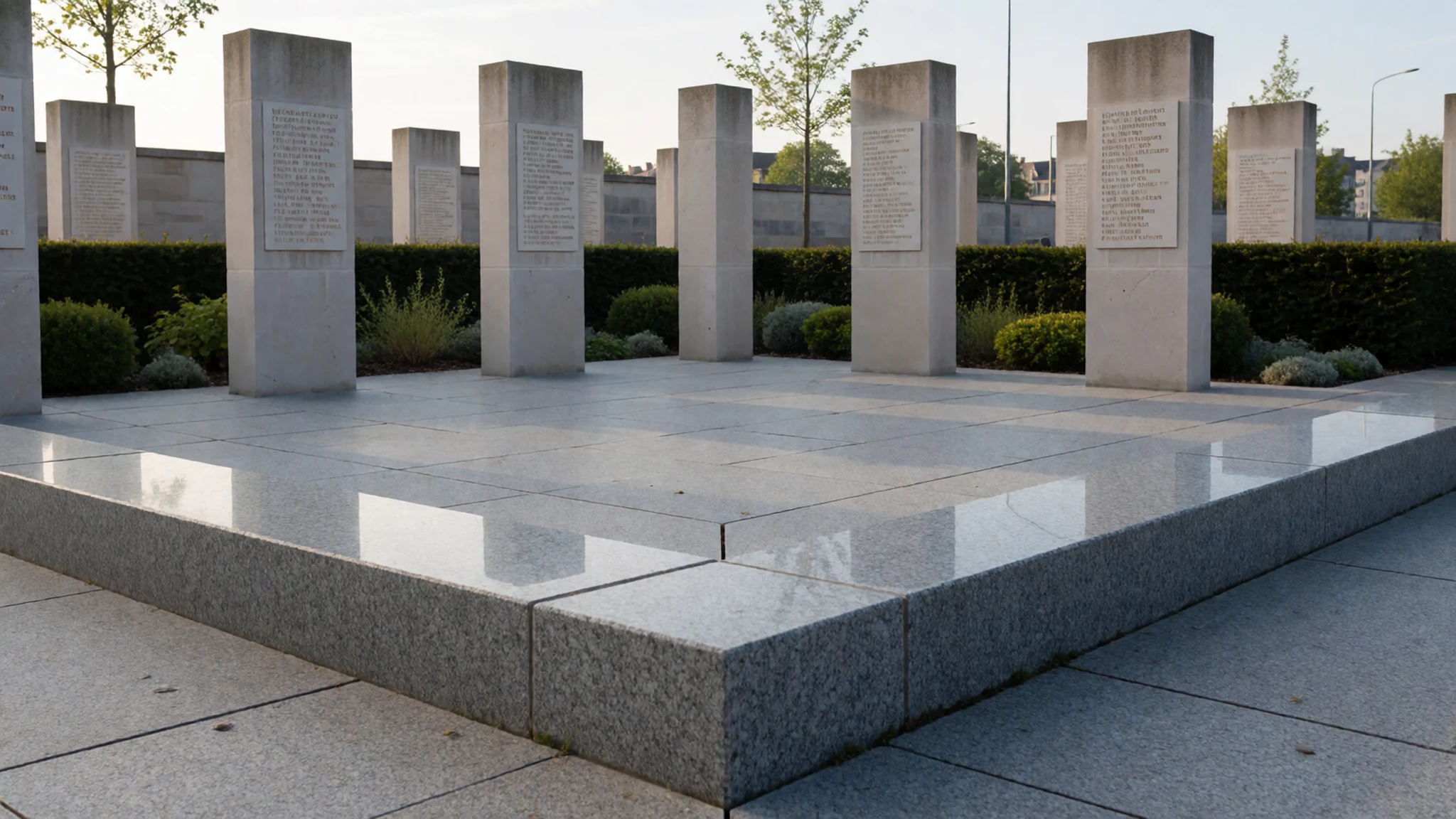
Culture
Music and dance in Kigali owe much to the royal court. The traditional dance, a choreographed routine with three distinct parts, began at the royal court at Nyanza, and the capital's groups now carry it on. LEAF, a community arts group founded by eighteen homeless orphans, performs with Indatirwabahizi, a troupe connected to the city government. Drums remain central to traditional music. Royal drummers once held high status at the mwami's court, and drummers still play in groups of seven to nine. Massamba Intore leads the Gakondo Group, one of the bands performing traditional songs at venues throughout the city. Alongside these, a popular music scene has grown, drawing on Great Lakes, Congolese and American influences. At the memorial sites, keep your voice low and ask permission before photographing anyone, including staff and other visitors.
What to wear
Traditional dress in Kigali centres on wrapped cloth and the woven craft of the countryside. Women have long worn the imishanana, a long dress of printed or plain cloth, often paired with a wrap called an agatenge. Woven baskets, known as agaseke, are the best-known textile craft and are still made by hand. Men's traditional dress is less visible in daily life today. In the city, what people wear now is mostly Western-style: tailored trousers, dresses, shirts and jackets for work, with African print fabrics appearing at weddings, church services and formal events. Many people choose bright colours and patterns for celebrations, and smart, neat clothes for offices and government buildings. A visitor should dress modestly, particularly at memorial sites and churches, where covered shoulders and knees are sensible. The city is hilly, so sturdy closed shoes with good grip suit the steep streets better than flimsy sandals. Light cotton or linen layers work through the warm days, a light jacket helps in the cooler evenings, and a rain layer is worth packing for the wetter months.
What to eat
- Brochettes — roadside grills near bus stops and the bigger local markets
Brochettes are skewers of beef or goat, grilled over charcoal and seasoned simply with salt and chilli. Locals eat them as a snack or a quick supper. Find them at roadside grills in the evening, especially near bus stops and the bigger local markets, where the meat turns over fast.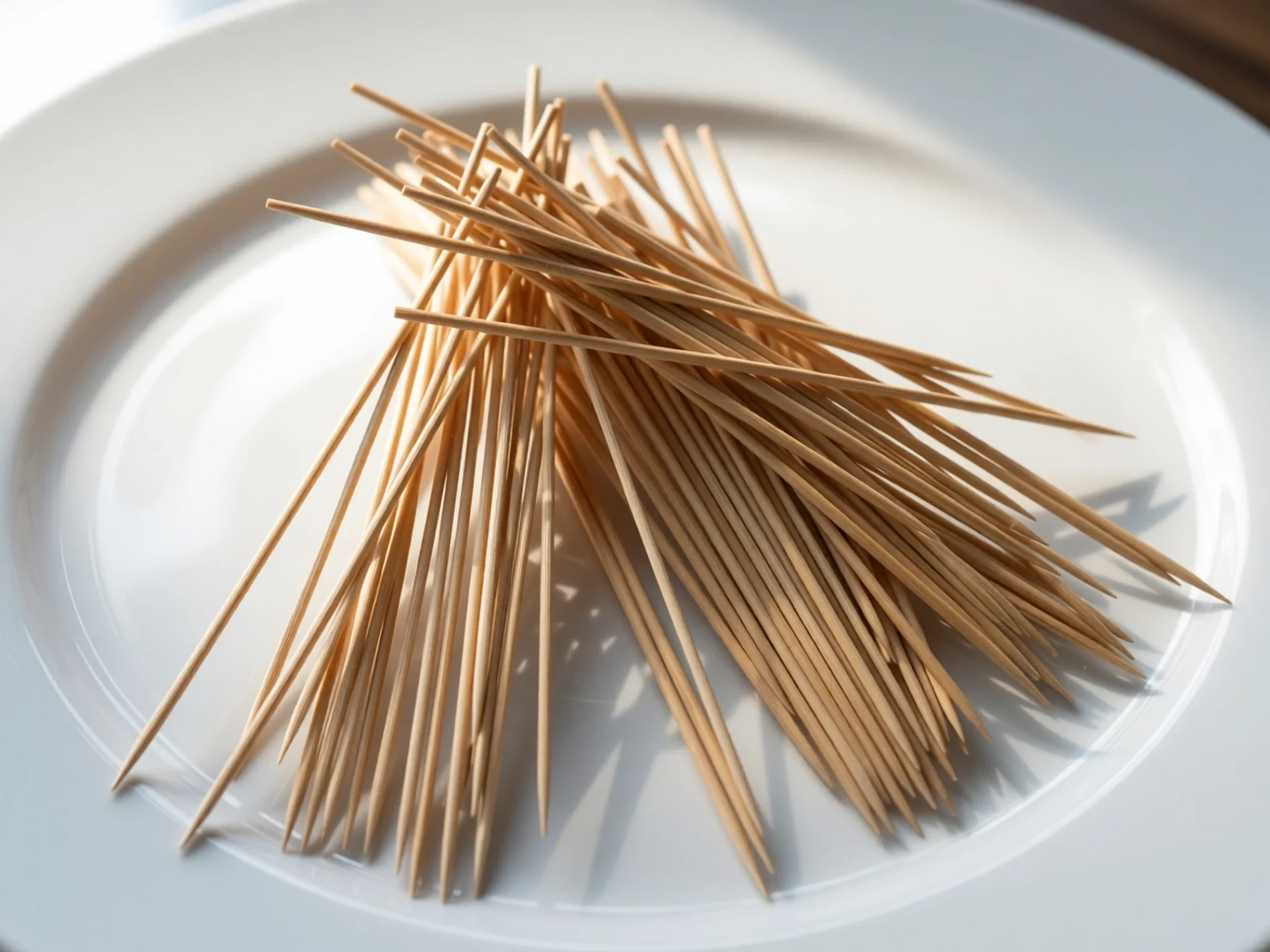
- Isombe — home-style eateries, usually at lunchtime
Isombe is a stew of pounded cassava leaves, cooked with tomatoes, onion and palm oil or groundnut paste. It is a green, earthy dish, usually eaten with starch or beans. Ask for it at home-style eateries, where the pot is cooked in the morning and served through lunch.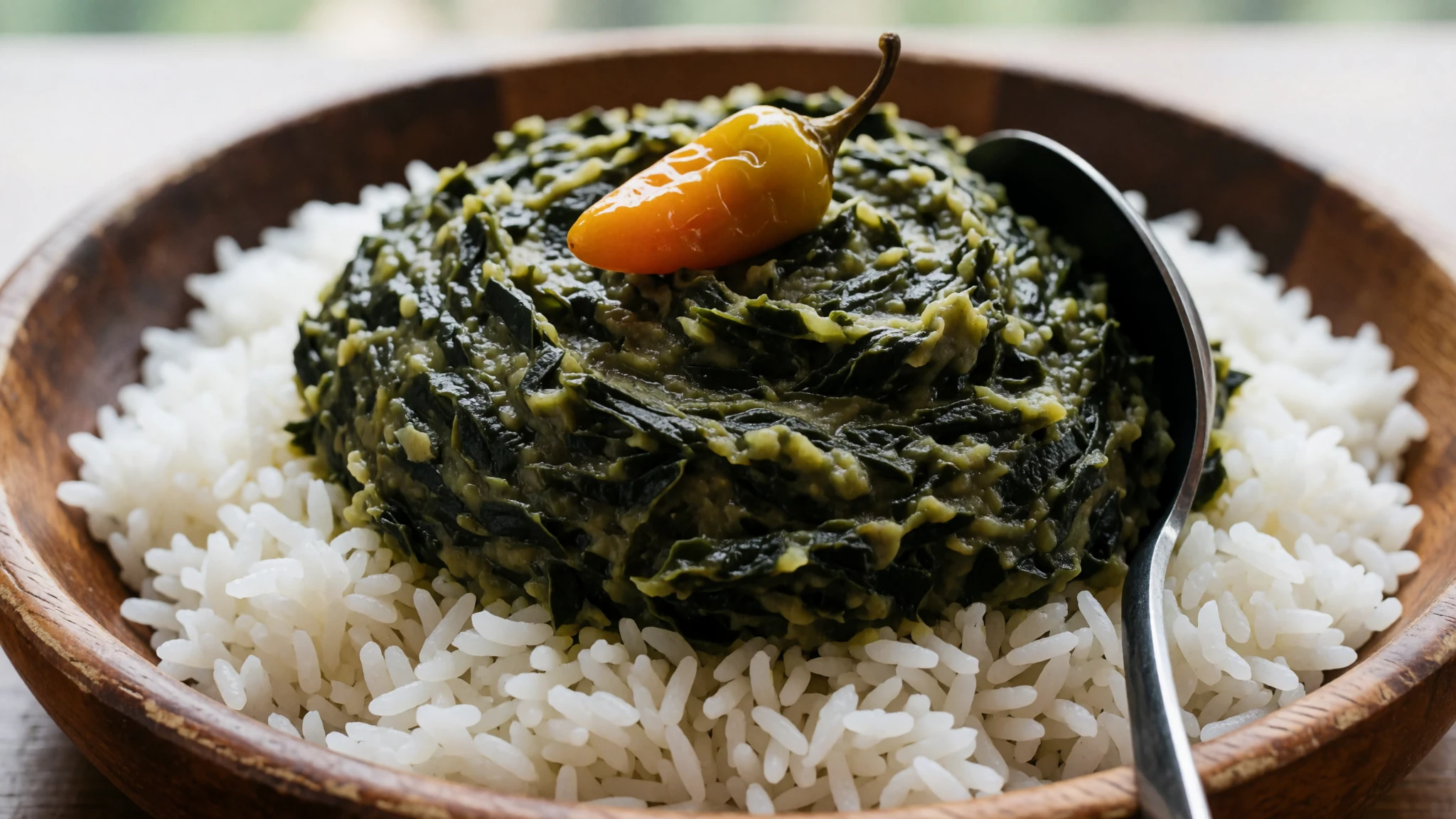
- Ubugali — busy local restaurants near the markets
Ubugali is a firm porridge made from maize or cassava flour. Tear off a small piece, press a dent in it with a thumb and scoop up the sauce. It goes with beans, greens or meat stews. Find it at lunchtime in busy local restaurants near the markets. - Ibiharage — neighbourhood eateries and family lunch spots
Ibiharage are red beans simmered slowly with onion, tomato and a little oil until thick. They are a staple, often served beside ubugali or rice. Look for them in any neighbourhood eatery, and at family lunch spots where the pot is always on the stove. - Injera with stews — Ethiopian and Eritrean restaurants, including rooftop restaurant bars
Injera is a sour, spongy flatbread made from teff, used as both plate and spoon. Kigali has a number of Ethiopian and Eritrean restaurants, where it arrives with stews and spiced meat or lentils. Groups tend to share a large platter.
Plan it
Best time. June to August is the main dry season, with little or no rain and comfortable days for walking the hills. December to February brings a shorter, milder spell with fewer downpours than the peak months. April is the wettest month, and the rainy seasons can bring heavy downpours at other times too.
How long. 2–3
Getting there. Kigali International Airport, then a taxi into the city centre. Buses and roads connect the city with neighbouring countries and the national parks.
Budget. mid
Tips
- Visit the memorial sites in the morning, when there is time to take in the exhibits without rushing
- Choose June to August for the clearest views over the hills
- Carry some cash for small eateries and motorcycle taxis, and check whether cards are accepted before ordering
- Allow extra time between sights, since the steep streets make short distances feel longer
- Pack a light layer, because evenings can be cool at this altitude
- Use taxis or motorcycle taxis after dark rather than walking long distances on quiet roads
Etiquette
- Dress modestly at memorial sites and churches
- Ask before photographing people, especially at memorial sites
- Take photographs only where the site allows them
Nearby
Sources
- Wikidata Q3859 (CC0)
- Wikipedia (rev 1377206149) (CC BY-SA 4.0)
- Wikivoyage (rev 5407145) (CC BY-SA 4.0)
- Photo 01-kigali2018cropped.jpg (CC BY 2.5)
- Photo 02-high-angle-view-of-kigali-city-street-on-november-29-2018-em.jpg (CC BY-SA 4.0)
- Photo 03-rw-kigali-79-17073005440.jpg (CC BY-SA 2.0)
- Photo 04-cok-gorilla-monument-1.jpg (CC BY-SA 4.0)
- Photo 05-urugamba-rwo-guhagarika-genocide.jpg (CC BY-SA 4.0)
- Photo 06-an-aerial-view-of-new-look-of-rwanda-parliament-building-in-.jpg (CC BY-SA 4.0)
- Photo 07-sealofkigali.png (CC0 1.0)
- Photo 08-kigali-metal-word.jpg (CC BY-SA 4.0)


