Nyungwe Forest
Nyungwe Forest, Rwanda
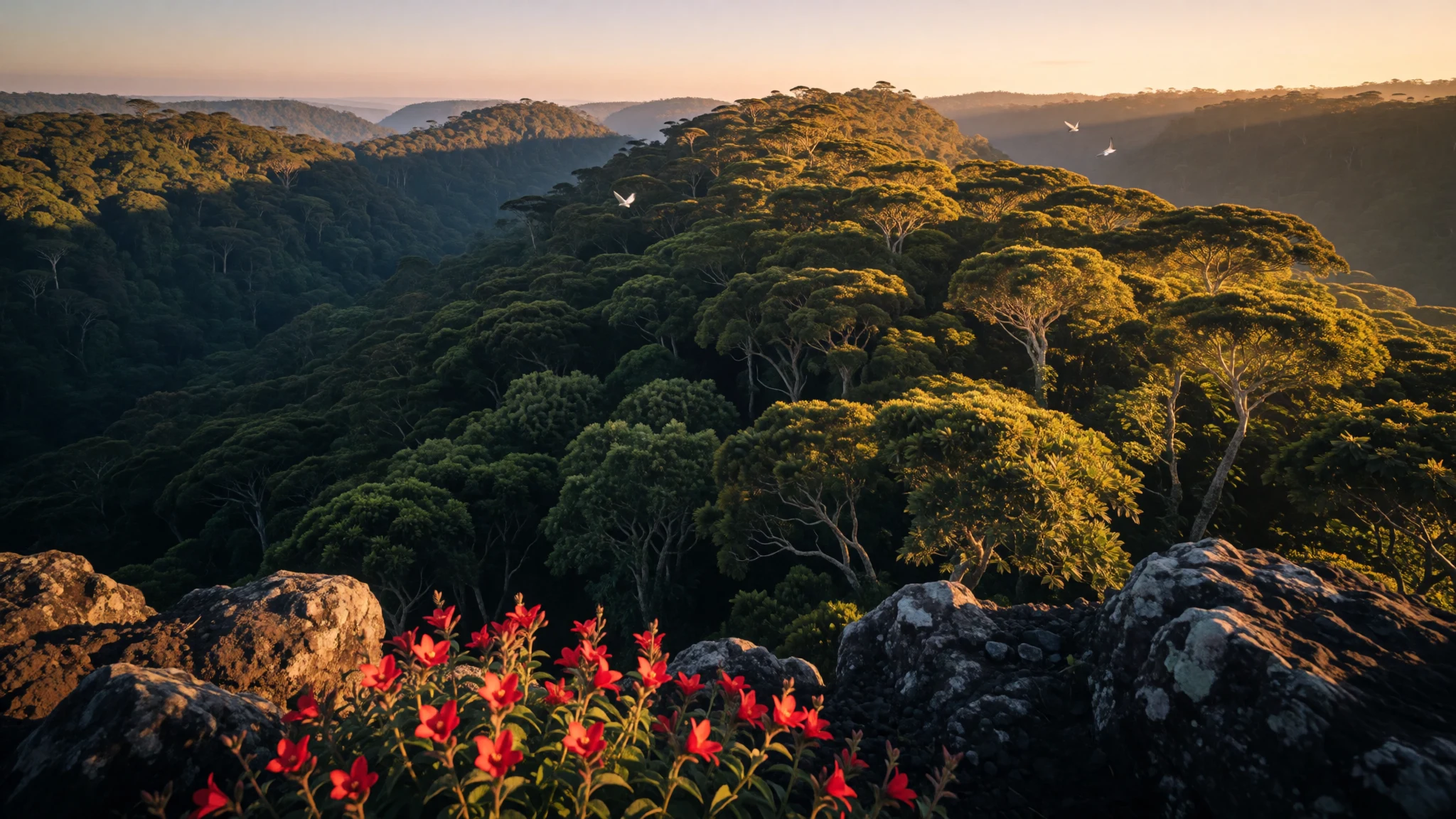
Nyungwe Forest is a rain-soaked montane woodland where primates, birds and canopy views make early starts feel worth it.
The place
Nyungwe Forest sits in southwestern Rwanda, on the edge of Burundi, with Kibira National Park continuing to the south. Nyungwe is on the watershed between the Congo Basin and the Nile system, in a border region that includes the Lake Kivu area and the Democratic Republic of the Congo to the west and Burundi to the south.
This is a forest of layers. Expect rainforest stretches, bamboo pockets, grassland clearings and wetter zones like swamps and bogs, all under the kind of greenery that clings to the air. Mount Bigugu, at 2,921 m, is inside the park boundaries, which helps explain why the light can look different from one hour to the next—cooler under trees, brighter on ridgelines.
Nyungwe became a national park in 2005. Its management has evolved over time, including a shift in how the park is run in recent years, and it was listed as UNESCO World Heritage in 2023. The practical side is simple: most visitors come for time on foot, guided walks for wildlife viewing, and a chance to see forest from above.
The main access is through Uwinka, and the nearest towns—either Kamembe or Cyangugu, depending on which road you’re using—are your reality-check for supplies, fuel and transport. On the ground, the atmosphere is humid and green rather than “dry and scenic”, so pack for damp trails, not dusty lookouts.
Its story
Nyungwe Forest has a history that’s as layered as the trees. What started as a forest reserve goes back to the Belgian colonial period, when authorities were worried about forests being converted into pasture. Laws existed that limited clearing for agriculture, but day-to-day enforcement was weak, and local people continued to rely on the forest for survival—collecting firewood, hunting, taking honey, cutting timber and other activities.
After Rwanda gained independence in 1962, control shifted into the hands of the Ministry of Agriculture, and Nyungwe faced major setbacks. Between 1958 and 1973, the forest was reduced significantly by fires and by continuing pressure such as woodcutting, hunting and small-scale farming. The damage wasn’t only about forests shrinking; it also affected wildlife and the ability of the area to support long-term research and tourism.
Later, Rwanda developed a more structured approach, including buffer-zone ideas that still show up in how the landscape is managed today. By the 1980s, surveys documented unusual social structures among primates. Trail development began at Uwinka in 1987, creating the walking routes that visitors still use.
Then came the 1994 war and genocide, which disrupted research and damaged many facilities used for visitors. The modern park experience is built on that recovery: guided tracking, protected habitats and visitor infrastructure designed to let people see wildlife without pushing the ecosystem too hard.
What to see
- Primate and bird viewing on the forest trails — Uwinka and forest tracks
Nyungwe Forest is known for a wide range of primates, plus an impressive variety of birds and plants. Trails change character as you move through rainforest, bamboo and open patches, so sightings can feel like they happen in different “rooms” of the same forest.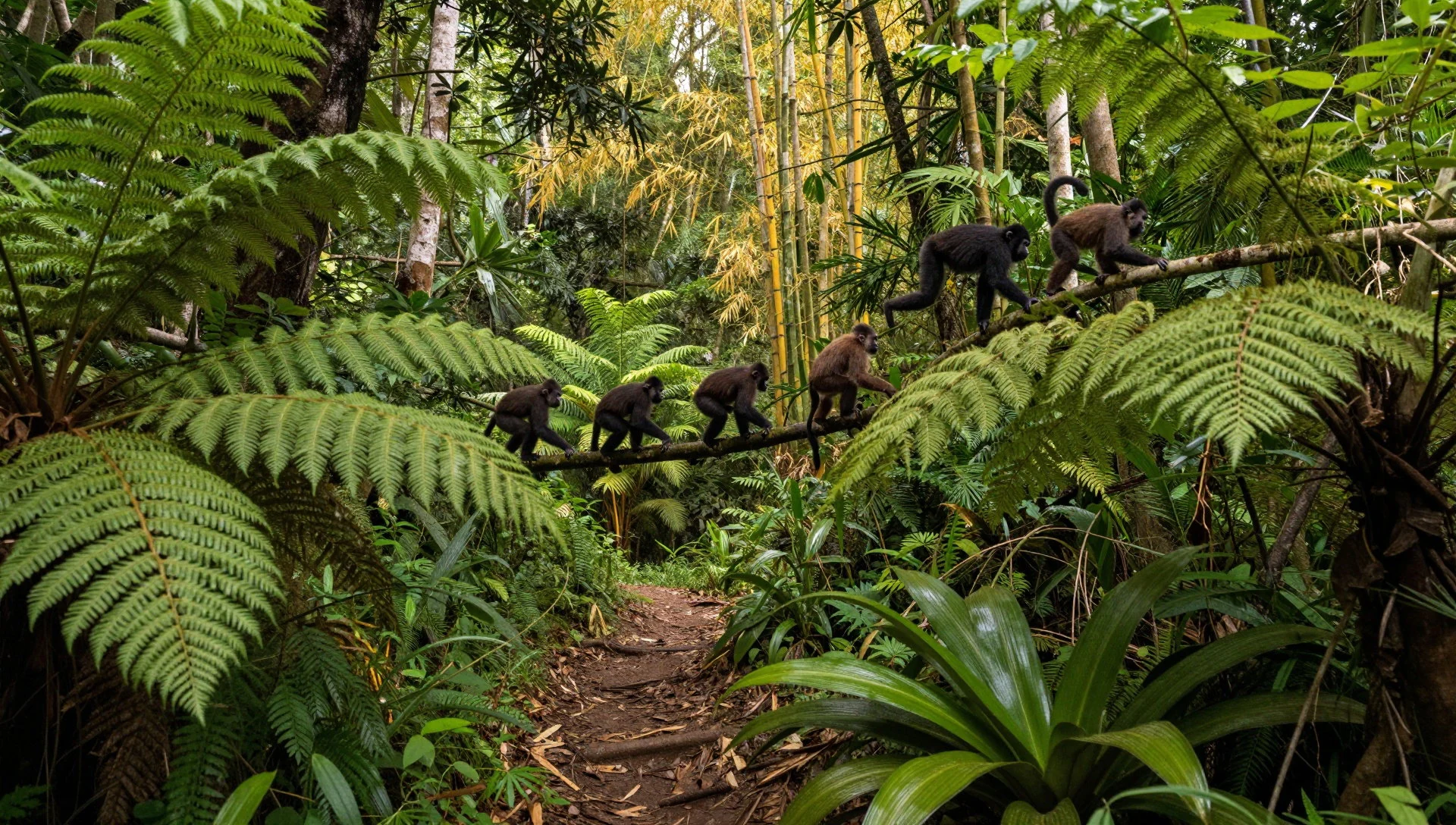
- Canopy Walk (hanging platform) — Nyungwe National Park
Nyungwe’s Canopy Walk rises above the forest floor, letting you look across a deep valley and the upper levels of the woodland. It’s designed for wildlife watching, with views that can include butterflies, birds and monkeys moving through the canopy.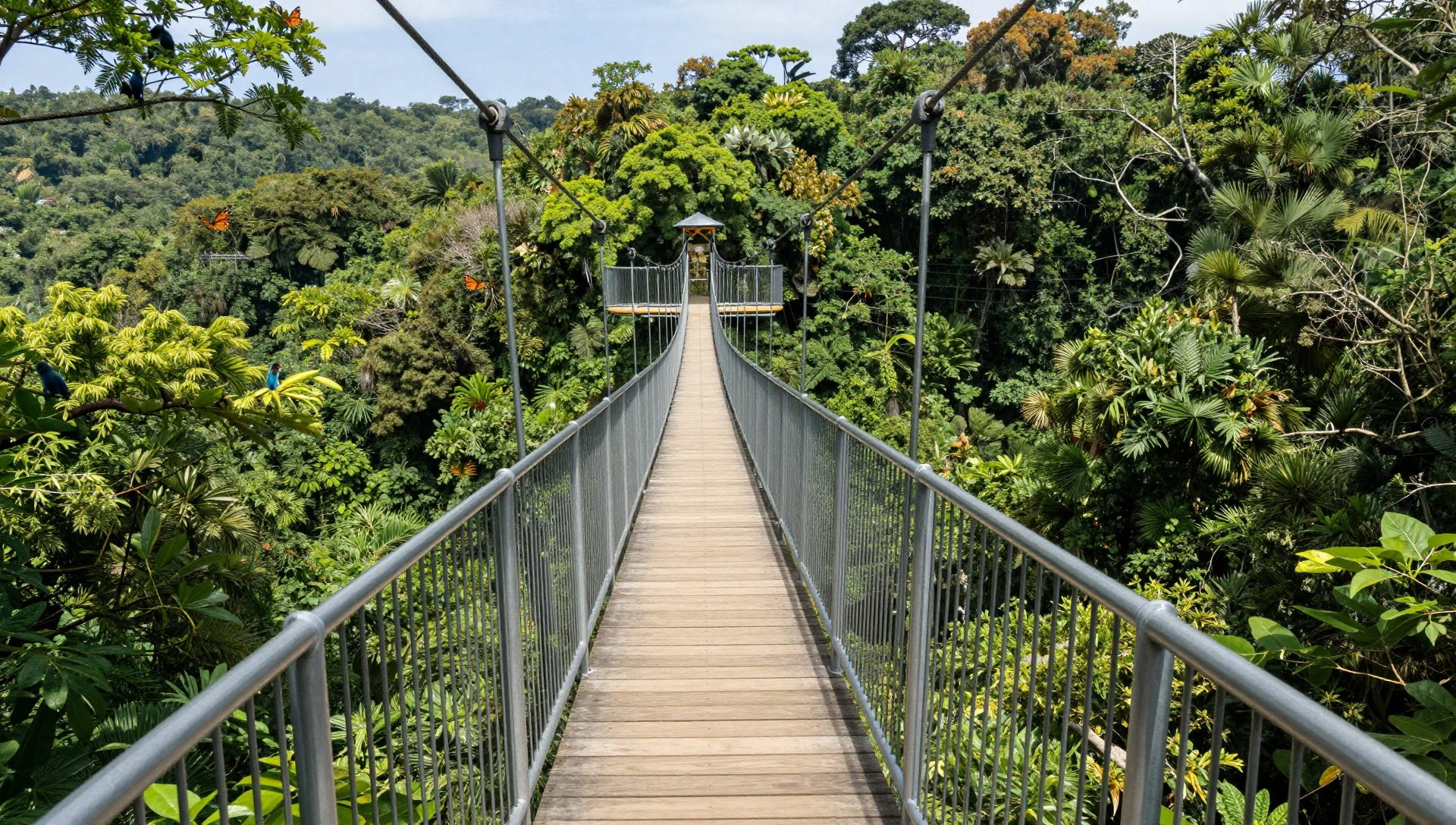
- Rainforest and bamboo understory — Forest interior
Nyungwe’s rainforest and bamboo create a thick understory where light drops fast and the air feels cooler. The forest mix means your route can shift from dense green shade to brighter openings, all while keeping that humid “living wall” effect around you.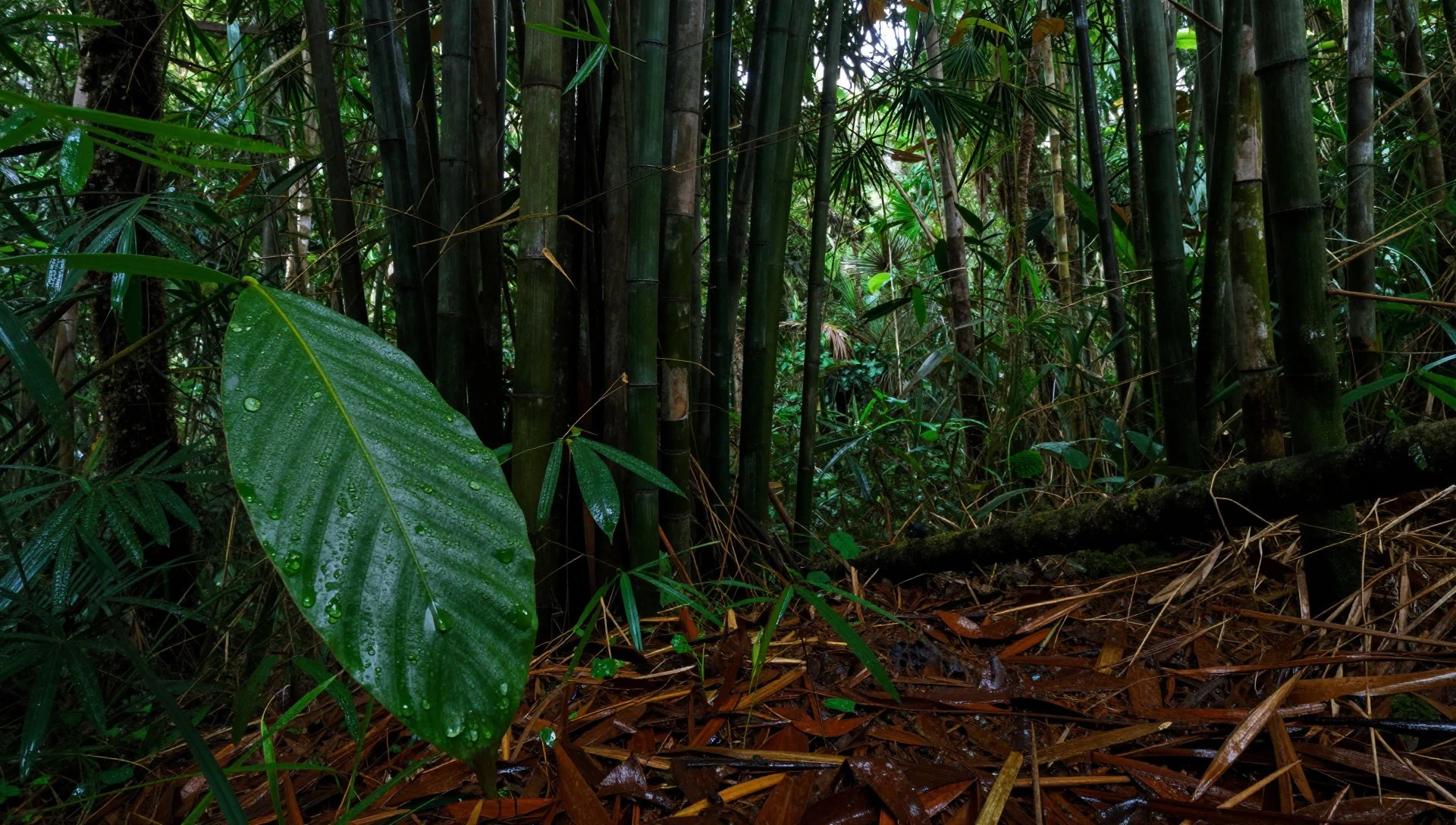
- Wetland pockets, swamps and boggy ground — Wetter sections of the park
Nyungwe includes swamps and bogs alongside forest and grassland. These wetter pockets can make trails softer and slower, and the sights are different too—more ground-level plants, darker waterlogged patches and that persistent damp smell even after short rain.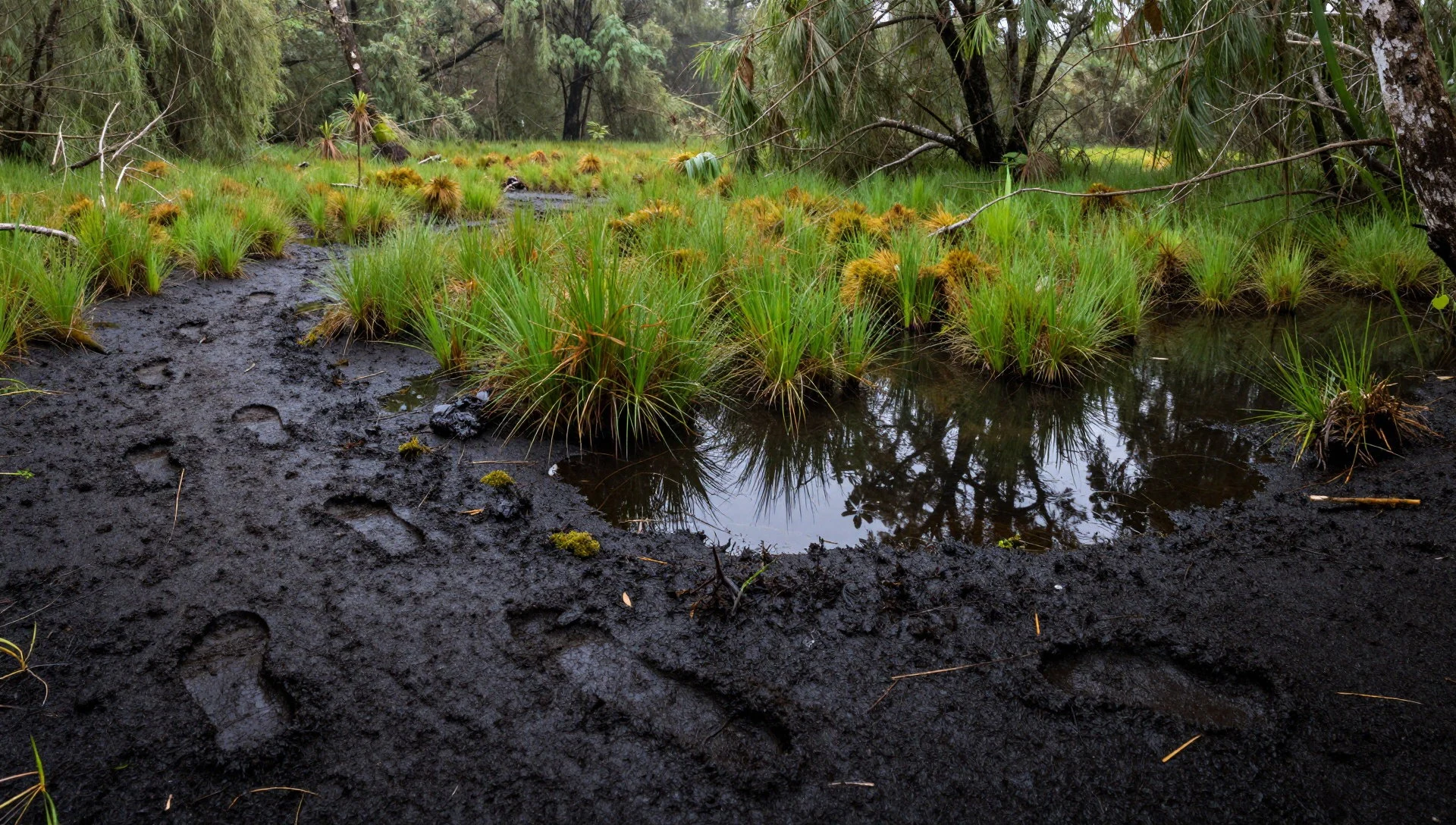
- Colobus groups (multi-level canopy life) — Canopy and upper forest zones
A big part of visiting Nyungwe is watching animals interact through the forest layers. Colobus live in upper levels and can appear as moving “shapes” high in the canopy, giving you a different kind of tracking compared with ground mammals.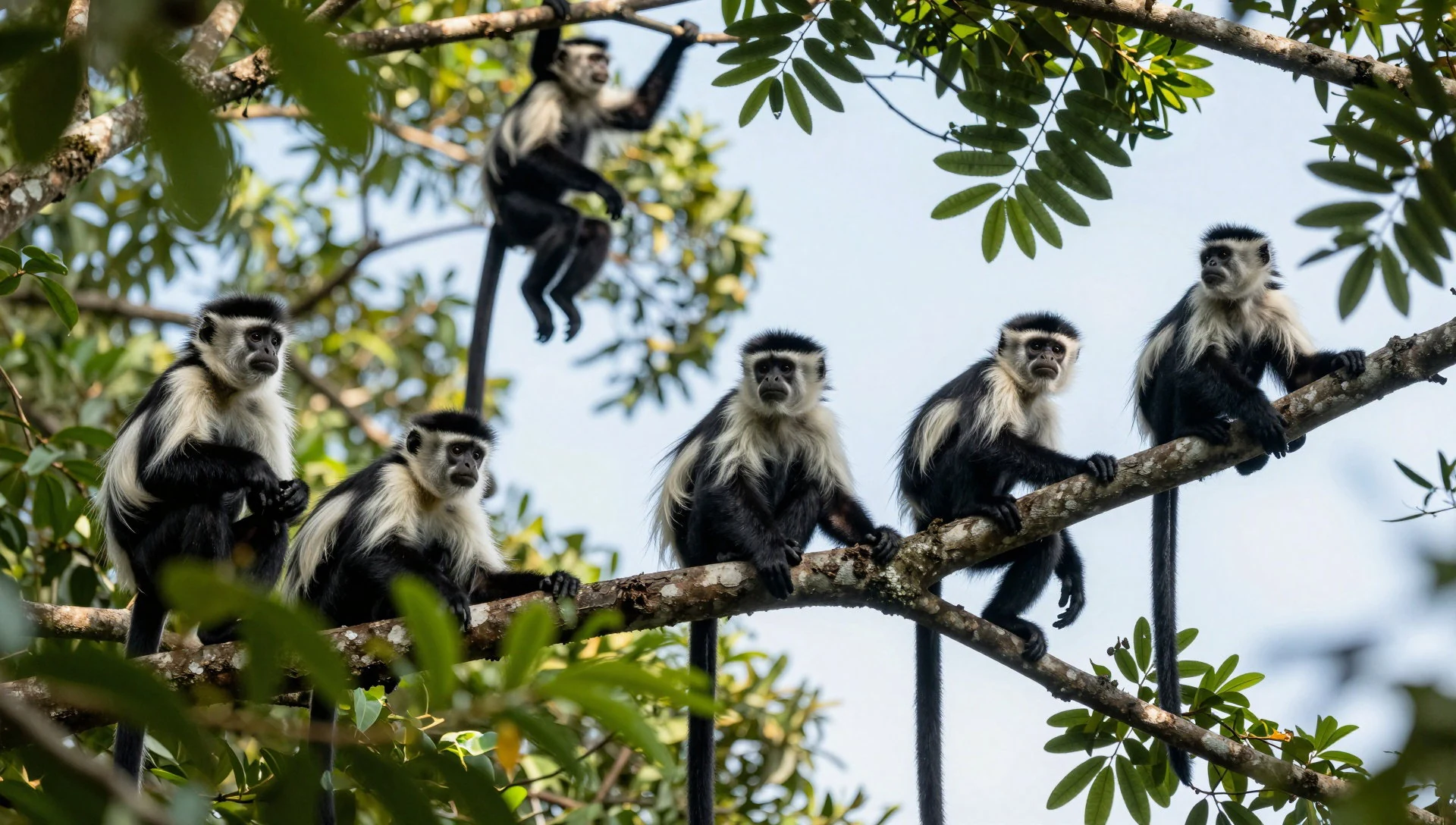
Culture
Nyungwe Forest is a place where guides matter. The park’s trails range from easier routes to more demanding ones, and wildlife sightings depend on timing and patience more than luck. In practice, that means listening to your guide’s pace, staying quiet in the understory and learning what “normal” looks like for the forest—bird calls, rustling movement and how primates respond to the presence of people.
Rwanda’s park experience also has a community edge. Areas around the park have long relied on the forest for everyday needs, even when regulations limited what could be done. Today, visitor rules exist to protect habitat and reduce disturbance, so expect guidance on where you can walk, how long you’ll stay and how close you can get.
Off the trails, plan for a low-tech reality. Some facilities are basic, and you’ll feel it most on the roads and around guest houses. Bring what you need—water and simple snacks—because “quick stops” aren’t always guaranteed once you’re in the park approach roads.
Visitor etiquette: keep voices low, follow your guide’s instructions on trail discipline, and don’t step off the route into wet ground.
What to wear
Nyungwe Forest doesn’t dress like a tropical beach—think damp, shaded woodland and long walks where your feet take the blame. Traditional clothing in Rwanda varies by context, but in everyday life you’ll mainly see modern garments; for visitors, the key is to dress practically while still respecting modesty norms common around public spaces.
If you’re attending anything cultural beyond the forest tracks, Rwanda’s textile heritage often shows up in patterned fabrics and wrap-style clothing. You might see locally made cloth used as garments or accents, with bold colour and design patterns that can be worn in everyday settings.
For the forest: wear breathable layers that can handle mist or drizzle, plus long trousers to protect against plants and insects. Proper hiking shoes with grip are essential because some areas can be boggy or muddy. A light rain jacket helps, and a cap or hat protects in sudden sun when you reach brighter clearings. For the canopy walk and primate tracking, comfortable clothes you can move in matter more than “outfit photos”.
Visitor footwear and modesty: bring closed-toe hiking shoes and keep shoulders and legs covered enough for damp trails and respectful visits.
What to eat
- Simple kiosk supplies near the park — Near Nyungwe entrance areas
Near the park approach you can usually pick up basics for a trek—snacks and small essentials—especially if you’re making day hikes rather than long camp-style stays. It’s also where you’ll likely grab water while you’re sorting logistics.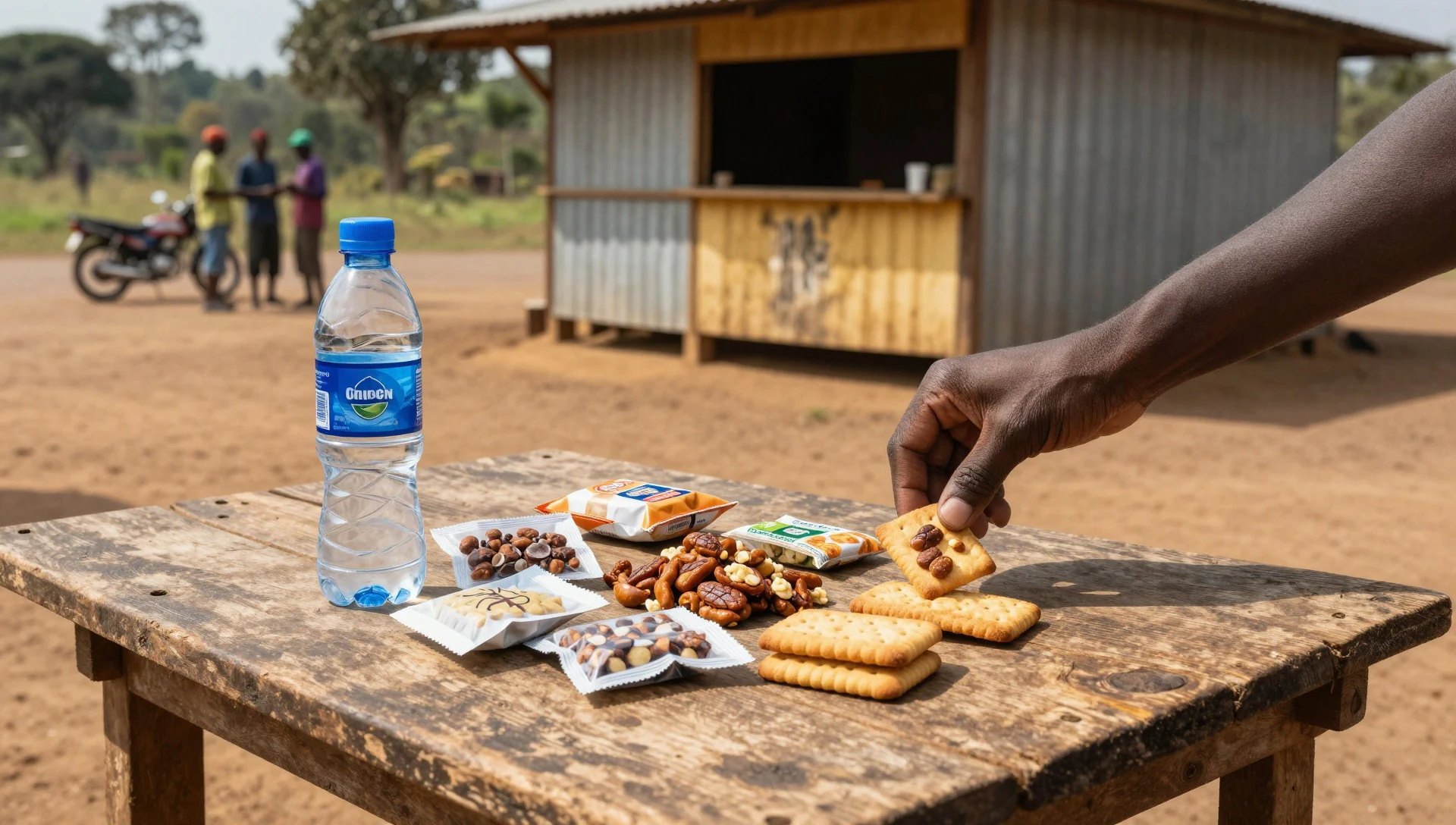
- Forest-stay picnic-style food (camp provisions) — Bring-from-town camp supplies
Camping visitors often bring the food they’ll need because in-park options can be limited. Build a simple “day pack” with dry snacks and easy-to-share items, then adjust based on what’s available at the nearby roadside kiosk.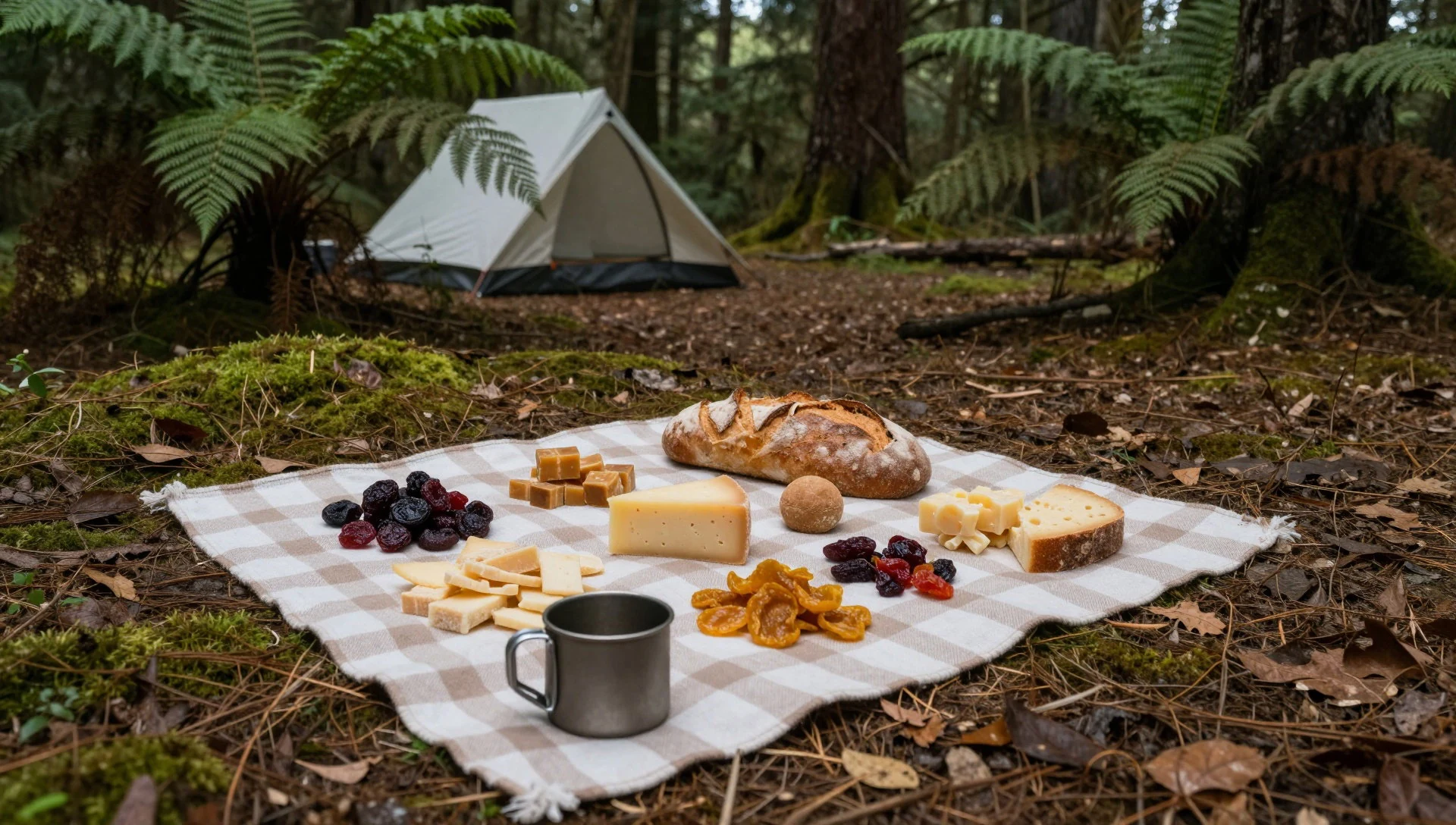
- Primus and soft drinks (where sold) — Visitor supply points around Nyungwe
Soft drinks and Primus beer are available in the area described for visitor supplies. Look for it at the basics kiosks or local supply points close to where travellers gather before heading into the trails. - Local beer and drinks sold with basic provisions — Roadside shops and kiosk setups
Along the park road, travellers sometimes find small drink options when they top up supplies. If you want something specific, it’s wise to buy it during your approach rather than assuming you can always source it later.
Plan it
Best time. For the most comfortable hiking, aim for June to September, when temperatures are coolest and rain is lighter; the wettest months are November through March, with the heaviest downpours around November and March, and the warmest period is around September to October.
How long. 3–4
Getting there. The main entrance is at Uwinka on the Cyangugu–Huye road. From Cyangugu, roads are mostly in good condition, but expect buses to be full by the time they reach the area; plan your connection carefully and use the last road leg via the main entrance directions rather than small off-route signs.
Budget. mid
Tips
- Start early for the best chance of wildlife movement in the forest.
- Use your guide to choose routes; “strenuous” doesn’t mean you need to be an expert walker, but it does mean you’ll be moving.
- If you’re travelling by bus on approach days, consider booking in advance because seats can sell out by the time buses reach the area.
- Carry water and basic trek snacks, since options can be limited once you’re on the approach roads.
- Bring cash for small purchases at roadside basics points.
Etiquette
- Stay on the trail and avoid stepping into wet ground and boggy edges.
- Keep your voice down in the forest understory so animals keep feeding and moving normally.
- Listen closely to your guide for how close you should get during wildlife tracking.
Nearby
Sources
- Wikidata Q1356828 (CC0)
- Wikipedia (rev 1365738215) (CC BY-SA 4.0)
- Wikivoyage (rev 5247911) (CC BY-SA 4.0)
- Photo photos/01-sunrisenyungwe.jpg (CC BY-SA 4.0)
- Photo photos/02-rwandanyungwe.jpg (CC BY 3.0)
- Photo photos/03-rwa-4492-review-1-rwanda-chimp-baby.jpg (CC BY-SA 4.0)
- Photo photos/04-ibiti-birebire-bya-nyungwe.jpg (CC BY-SA 4.0)
- Photo photos/05-multi-male-unit-of-rwenzori-colobus-in-nyungwe.jpg (CC BY-SA 4.0)
- Photo photos/06-nyungwe-rahvuspark-landsat-19jul86.jpg (Public domain)
- Photo photos/07-a-cote-de-la-foret-de-nyungwe-at-cyangugu-cfrt-0783095816.jpg (CC BY-SA 4.0)
- Photo photos/08-a-guide-leading-a-hike-through-nyungwe-national-park.jpg (CC BY 2.5)


