Montego Bay
Montego Bay, Jamaica
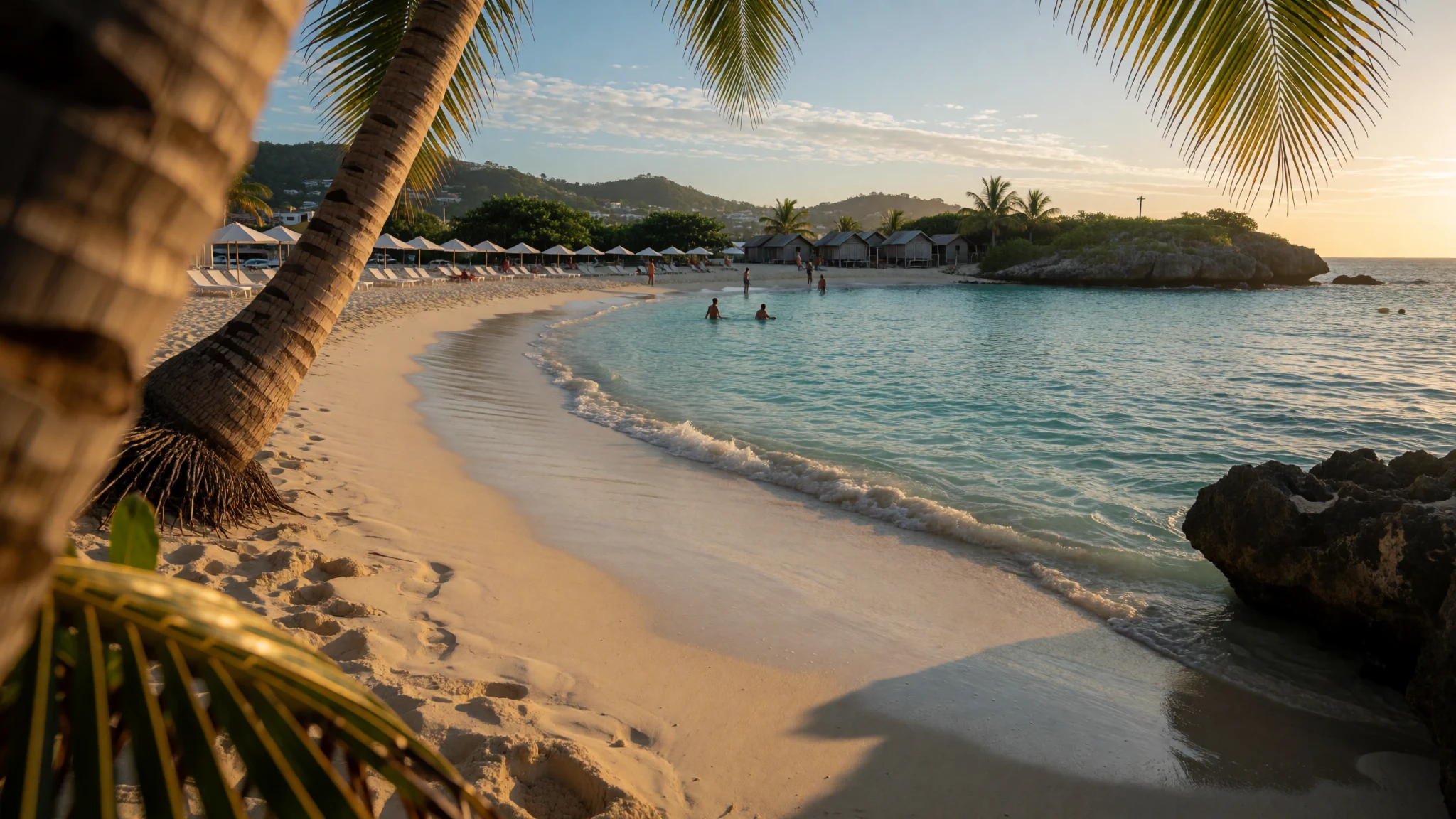
Montego Bay pairs warm Caribbean water and easy beach days with plantation history, waterfalls inland and a proper Jamaican jerk lunch.
The place
Montego Bay, called Mobay by most Jamaicans, is the capital of St James parish on the island's northwest coast, home to 123,994 people. Kingston lies roughly ninety minutes' drive east. The town sits where a broad valley runs down to the sea from steep limestone hills, so the flat coastal strip is narrow and everything is squeezed between water and slope. Rivers drain the surrounding watershed, the Montego River among them, and mangroves have grown along stretches of shore that the offshore coral reefs protect. The white-sand beaches lie mostly on the eastern side of the bay, with reefs lying out to the north and south.
The city works as Jamaica's main resort gateway. The international airport is inside the city limits, a cruise terminal sits at the Freeport just south of the centre, and duty-free shopping, beach clubs and resorts line the coast. Locals also call the town the Second City, a nod to Kingston's role as the first. The result is a place that feels two things at once: a working Jamaican town with courts, churches, banks and markets, and a holiday strip around Gloucester Avenue, known as the hip strip, where visitors cluster. Crowds peak when cruise ships are in port, so beaches and the strip feel busier on those days. Humidity is high all year, which shapes the pace of the day: mornings are for doing things, afternoons for shade and water.
Its story
Montego Bay's recorded history starts with the Arawak people, Jamaica's first known inhabitants, who were living on the island when Columbus arrived. Spain held Jamaica for well over a century before an English expedition sent by Cromwell took it in the mid-seventeenth century. The new colonial government created St James parish, and the fertile land around the bay was turned over to sugar cane. Under British rule the area became a leading cane-growing district on the island, and the town grew mainly as a port from which sugar left for Europe.
That wealth rested on enslaved labour, which shaped the town for generations after the trade in sugar began. The best-known challenge to it came at the end of the era, when a Baptist deacon, Samuel Sharpe, helped organise a mass strike that spread into the uprising known as the Christmas Rebellion or Baptist War. Estates burned across the hills behind the town. The authorities answered with fierce reprisals and many people were hanged, Sharpe among them, in Montego Bay itself. The revolt is widely seen as having hastened the move towards emancipation, and Sharpe is honoured today as a national hero.
In the twentieth century the port turned from cane to other cargoes, and bananas were loaded onto small boats called lighters to reach ships anchored offshore. Later, a modern freeport and an airport pointed the town firmly towards visitors, and tourism replaced plantation crops as the main engine of local life.
What to see
- Doctor's Cave Beach — Gloucester Avenue, north of the town centre
Doctor's Cave Beach is the classic Montego Bay swim: clear, sheltered water and good snorkelling just off the sand. It gets crowded in the busy season, so go early on a weekday morning, take a mask if you own one, and expect to pay a small entry fee, which you should check locally.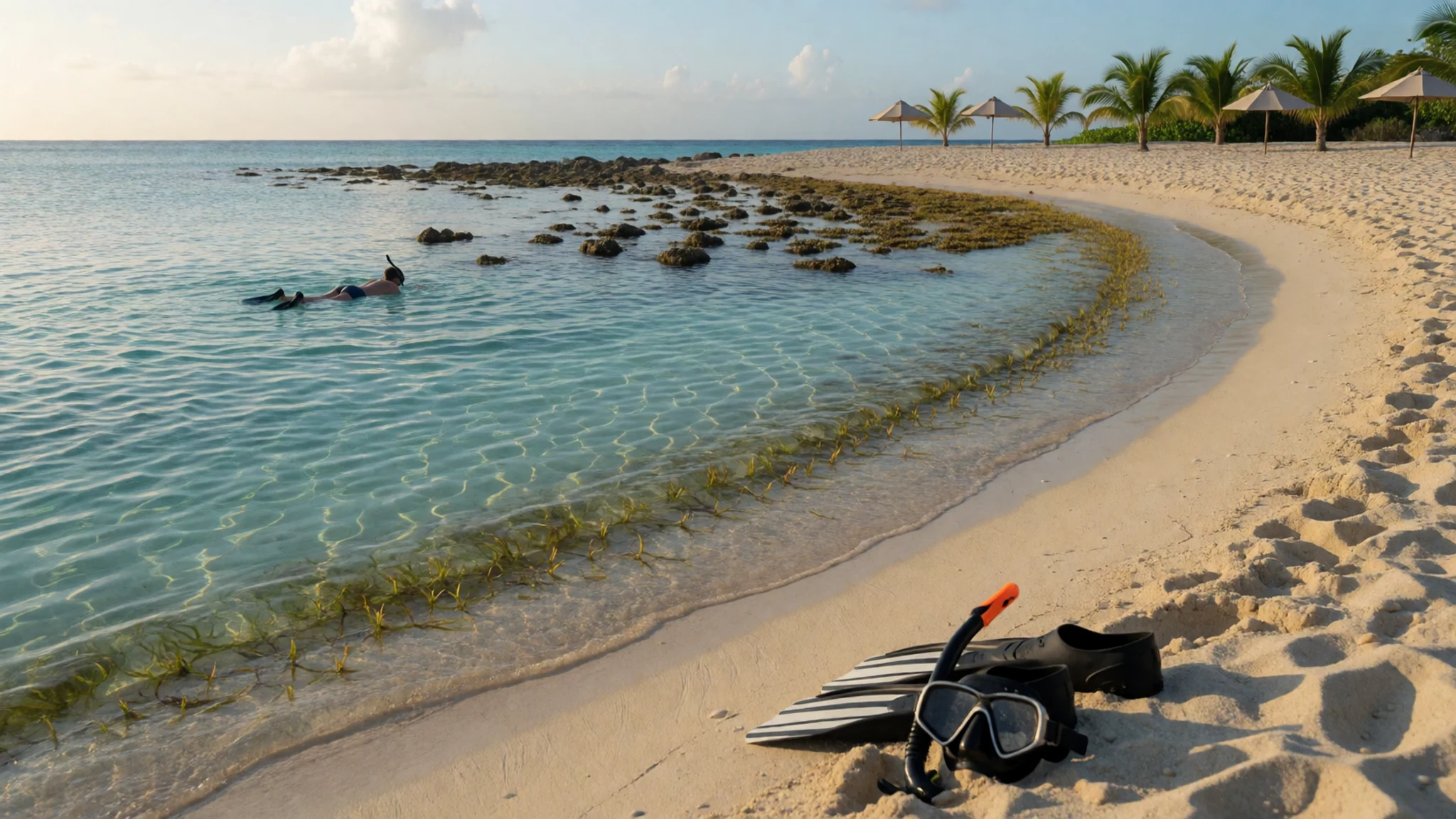
- Rose Hall Great House — Hillside east of Montego Bay, St James
Rose Hall is a Georgian plantation house on a hill east of town, restored as a museum with long views over the sea. It gives a direct look at the sugar economy and the lives of the enslaved. Tour times and fees change, so check the official site before heading out.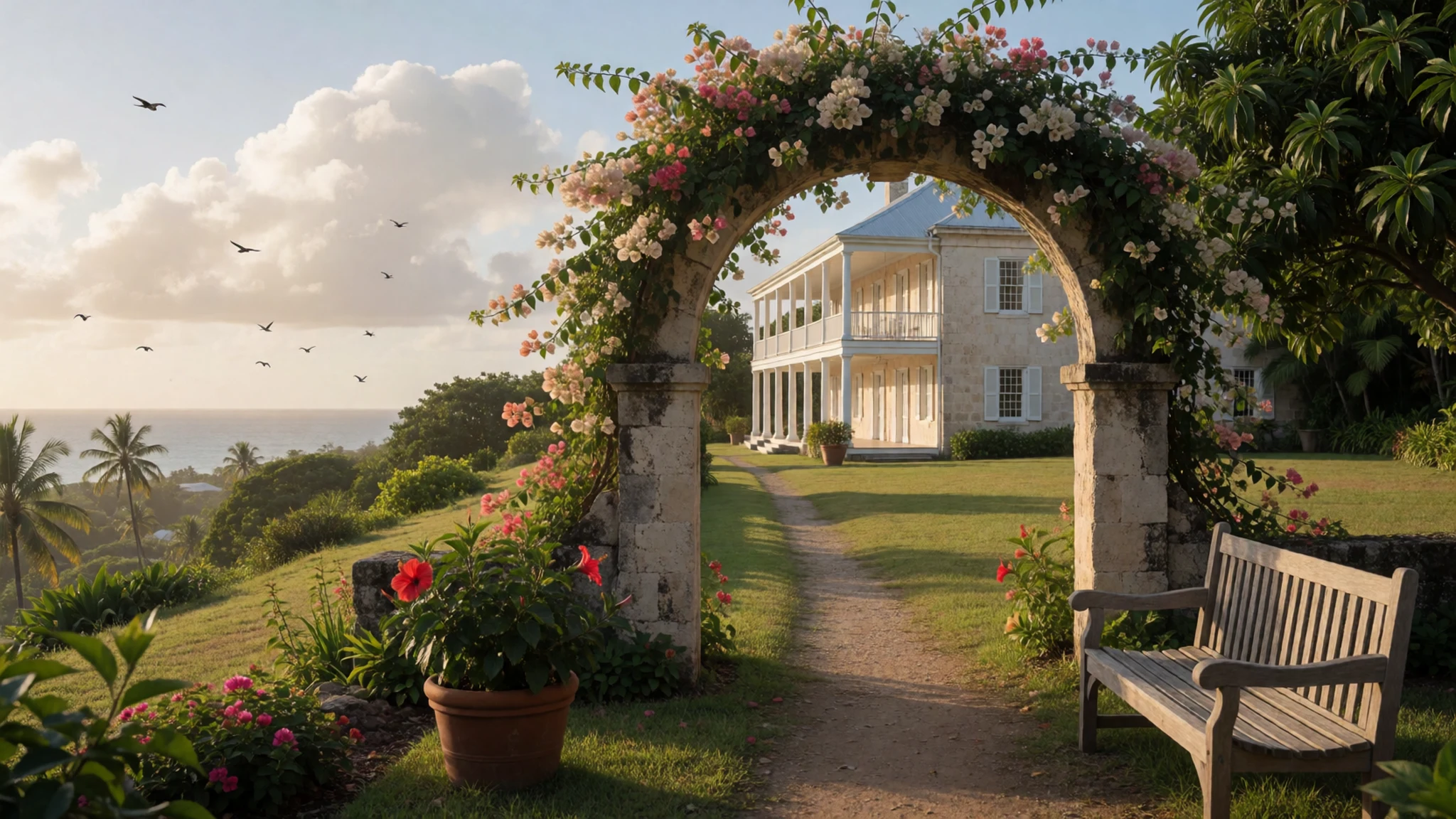
- Walter Fletcher and Cornwall beaches — Along the bay close to the town centre
These two public beaches give a more local, less polished day by the water than the big resort stretches. Swimming is easy, there are boat trips on offer, and families settle in for the afternoon. They are good places to meet Jamaicans on holiday, and weekends are the liveliest.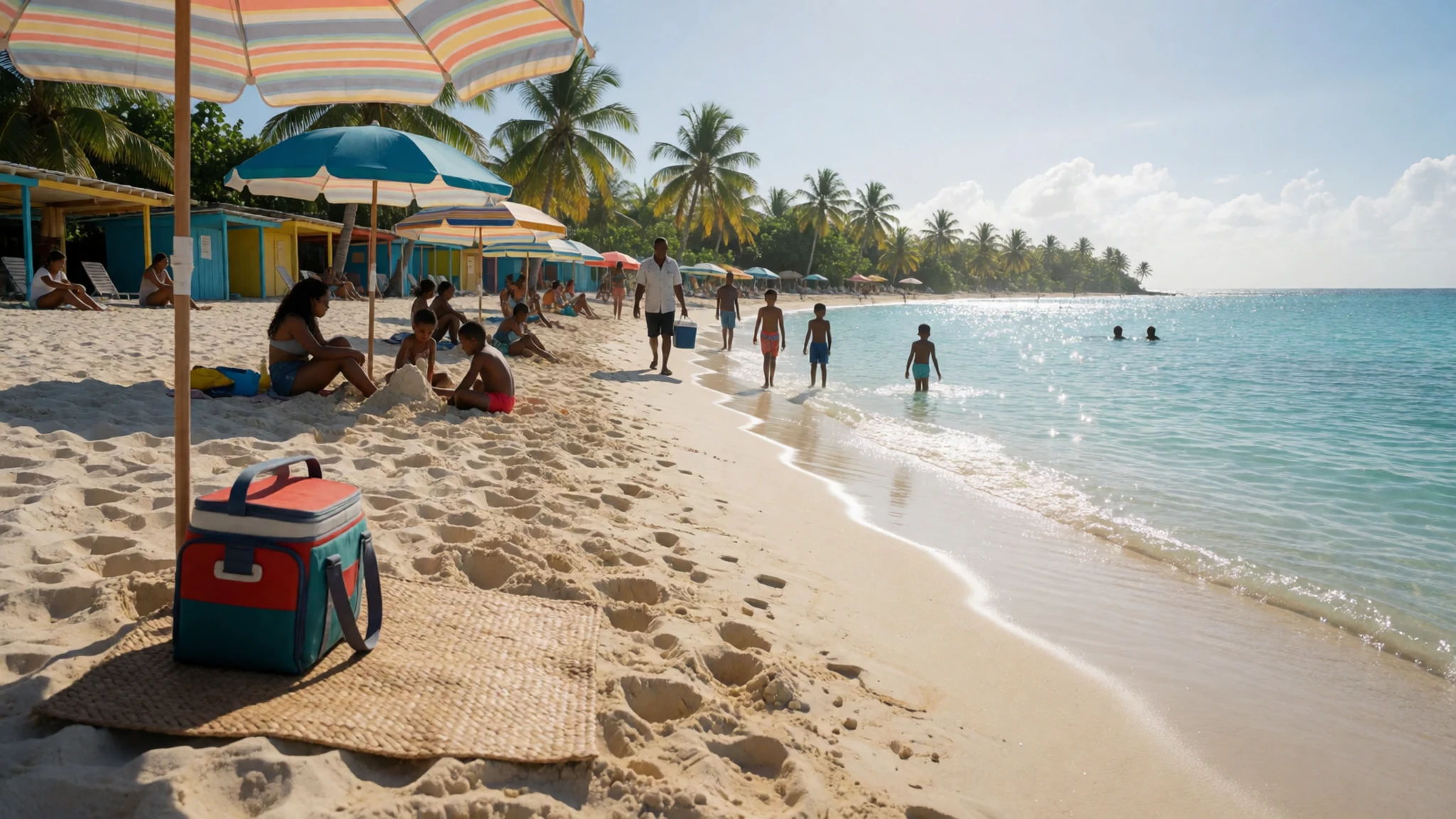
- Mayfield Falls — Inland near Westmoreland, southwest of Montego Bay
Mayfield Falls is a calm series of pools and small cascades reached by a river walk, a quieter alternative to the better-known falls along the north coast. Wear shoes that grip wet rock and bring a change of clothes. It sits a fair drive from Montego Bay, so most people join a tour or hire a driver.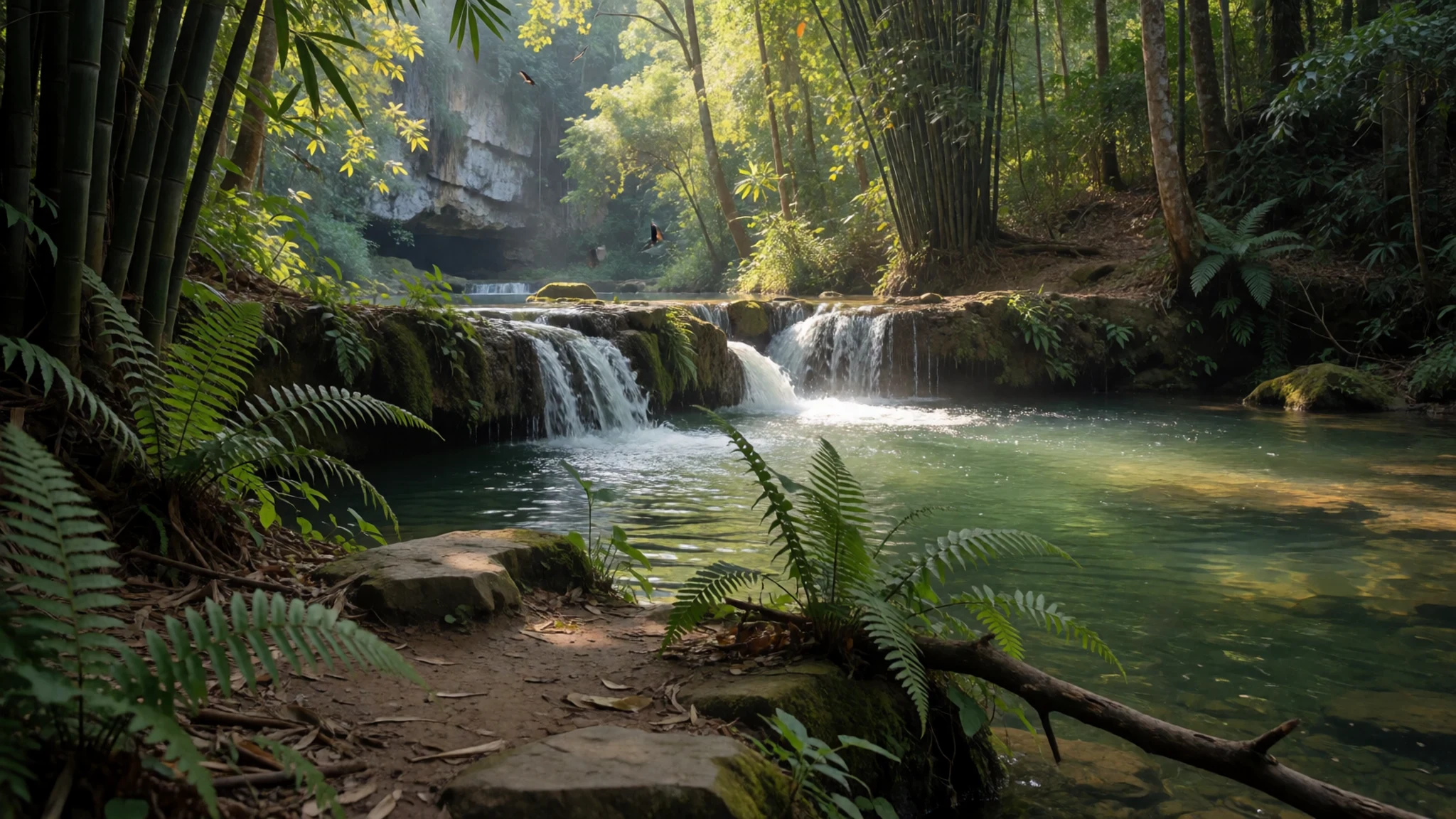
- Dunn's River Falls — Ocho Rios, on the north coast
Dunn's River Falls, near Ocho Rios, is a famous climb up a terraced waterfall and a long taxi ride east of Montego Bay. It is crowded when cruise visitors arrive, so aim for early in the day, wear water shoes and check the park's official site for opening details.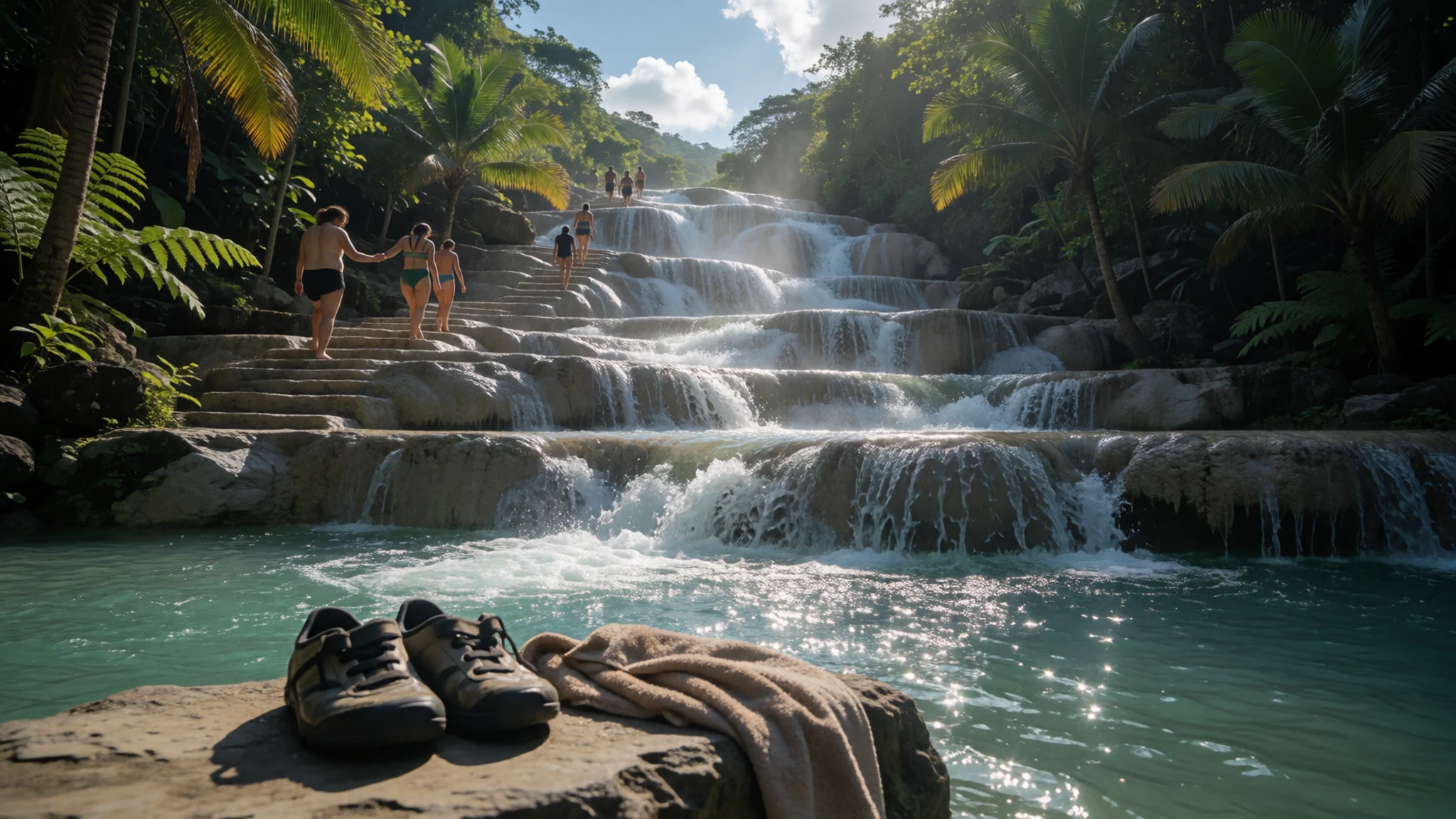
Culture
Montego Bay is a church-going town. Most congregations are Protestant, a legacy of British rule, and Baptist, Anglican, Methodist, Church of God, Seventh-day Adventist and Pentecostal churches all have a strong presence, alongside Roman Catholic parishes. Afro-Christian traditions and the Rastafari movement also have a significant following, and smaller Buddhist, Hindu and Muslim communities live in the city. On Sundays the streets fill with families in their best clothes, and hymns carry out of open church doors.
Baptist history runs deep here, because Sharpe's revolt grew from Baptist congregations, so faith and freedom are tied together in local memory. The town's everyday language is Jamaican Patois, mixed with English, and a few friendly words go a long way. People greet one another in shops, taxis and on the street, and rushing past without a hello can come across as cold. Reggae and dancehall drift from bars, taxis and beach shacks, and Jamaican food and music are points of national pride.
Rastafari matters beyond music. Its colours of red, gold and green appear on caps, stalls and murals, and many followers keep to an ital diet of plain, plant-based food. Visitors who want to talk about it will find most people glad to share, if asked with real interest rather than as a photo opportunity.
Always ask before photographing someone, especially vendors and people at church, and dress modestly when you step off the beach into town or into a place of worship.
What to wear
Montego Bay's traditional dress belongs to Jamaica as a whole. The best-known national style is the bandana or madras: checked cotton cut into wide skirts, head wraps, aprons and shirts, usually in bright plaids. Women wear it with white blouses and a headtie, and it appears on Independence Day, at folk festivals, at school concerts and on dancers who perform for visitors. The cloth is light cotton, well suited to the climate, and its patterns once signalled the wearer's status and mood.
Day to day, what people wear in town is practical and quick-drying: light cotton shirts, linen, shorts, sundresses, trainers and sandals. Football shirts are common, and Rastafari colours appear on caps, bags and knitted tams. Church is another matter, with suits, hats and carefully pressed dresses on Sundays, and office workers dress neatly even in the heat.
Visitors should pack for sun and humidity. Light, breathable cotton or linen works best, with a wide-brimmed hat, sunglasses and reef-friendly sunscreen. Swimwear is fine on the beach and at the resort pool but looks out of place in shops, banks and restaurants, so carry a shirt or sarong to cover up. For churches, a dress below the knee or long trousers and covered shoulders are respectful. Bring water shoes with a good grip for waterfalls and rocky river walks, plus a light rain jacket for the wetter months.
What to eat
- Jerk chicken and pork — Roadside jerk centres along the main streets and the hip strip
Jerk is meat rubbed with pimento, scotch bonnet pepper and thyme, then cooked slowly over wood or coals until smoky and fiery. Montego Bay people argue happily over who does it best. Look for roadside jerk centres and smoking oil-drum grills along the main strip, with festival or bread on the side.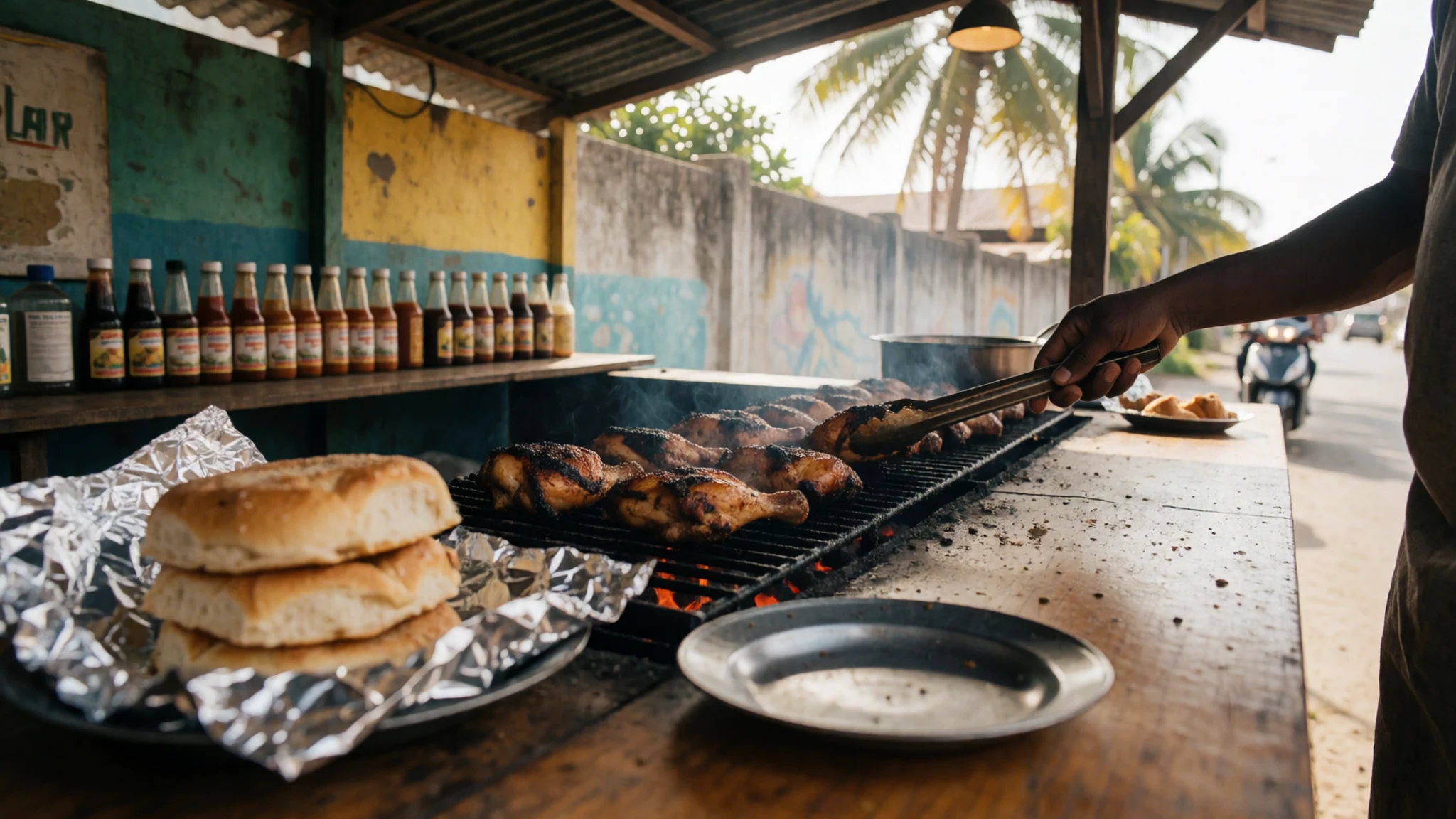
- Curry goat and curry chicken — Local cookshops and restaurants in town, and along Gloucester Avenue
Jamaican curry is mellow, turmeric-gold and rich, usually served with white rice and sometimes roti, a flatbread brought by Indian workers who came to the island. Goat is the traditional choice for celebrations, and chicken is the easy everyday version.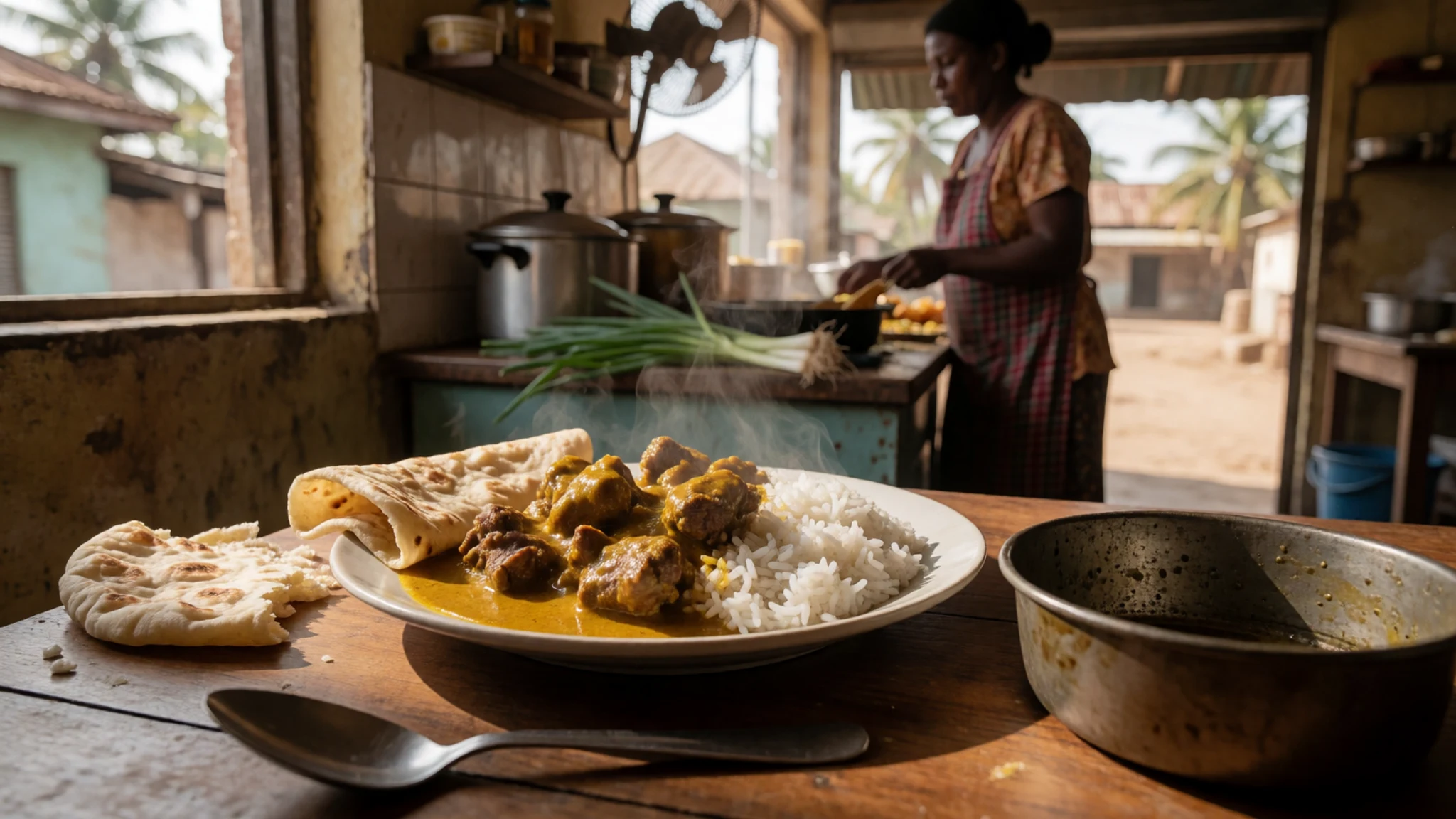
- Ackee and saltfish — Breakfast at local eateries and cookshops in the town centre
Ackee and saltfish is the national breakfast, a soft, creamy fruit scrambled with salted cod, onions and peppers, often with fried dumplings, boiled banana or breadfruit. It tastes savoury and mild. Ripe, correctly prepared ackee is essential, so eat it from reliable cooks. - Escovitch fish — Open-air seafood restaurants and beach shacks by the bay
Escovitch fish is a whole fried fish, often snapper, topped with a sharp, spicy pickle of onions, carrot and scotch bonnet in vinegar. The tang cuts through the richness of the frying, and it is best eaten at a table facing the water. - Festival and bammy — Beside any jerk stand, and at beach-side fish places
Festival is a sweet-ish fried cornmeal dumpling, crisp outside and soft inside, usually served beside jerk or fish. Bammy is a flat cassava bread with Arawak roots, often fried or steamed. Both mop up spicy sauce well.
Plan it
Best time. December to April is the drier, slightly cooler stretch, with the least rain and comfortable days on the beach. June to September is the hottest period, with high humidity, while October is the wettest month and falls in hurricane season. Hurricane season typically peaks in autumn, so check current conditions before booking.
How long. 3–4
Getting there. Donald Sangster International Airport lies within the city limits, so the last leg into the hotel zone or town is a short taxi ride. Cruise ships dock at Montego Freeport, just south of the centre, where the Jamaica Tourist Board runs an information booth and taxis wait outside the terminal.
Budget. mid
Tips
- Visit Doctor's Cave and Dunn's River Falls early, before cruise crowds arrive
- Use licensed taxis or arrange a driver through your accommodation, and agree the fare before the ride
- Carry some cash for beaches, markets and small cookshops, though larger places take cards
- Drink bottled or filtered water and use sun protection, since humidity and heat are constant
- Check the official sites of Rose Hall and the waterfalls for current opening times and fees
Etiquette
- Greet people before asking for anything, as a friendly hello is expected
- Ask before photographing people, vendors and anyone at church
- Cover up with a shirt or sarong when leaving the beach for town
Nearby
Sources
- Wikidata Q637555 (CC0)
- Wikipedia: Montego Bay (rev 1384633366) (CC BY-SA 4.0)
- Wikivoyage: Montego Bay (rev 5419110) (CC BY-SA 4.0)
- Photo 01: cruise ship, Montego Bay (Grahampurse) (CC BY-SA 4.0)
- Photo 02: Montego Bay Photo (Don Ramey Logan) (CC BY 3.0)
- Photo 03: Montego Bay, from Reading Hill (James Hakewill) (Public domain)
- Photo 04: Doctor's Cave Beach Club (en:User:Op. Deo) (Public domain)
- Photo 05: Montego Bay, Nationalmuseum (Balou46) (CC BY-SA 4.0)
- Photo 06: Panorama Montego Bay (Trevor Cameron) (CC BY 2.5)
- Photo 07: Bank im Stadtzentrum (Balou46) (CC BY-SA 4.0)
- Photo 08: Loading Bananas on Lighters, Montego Bay (unknown author) (Public domain)


