Kingston
Kingston, Jamaica
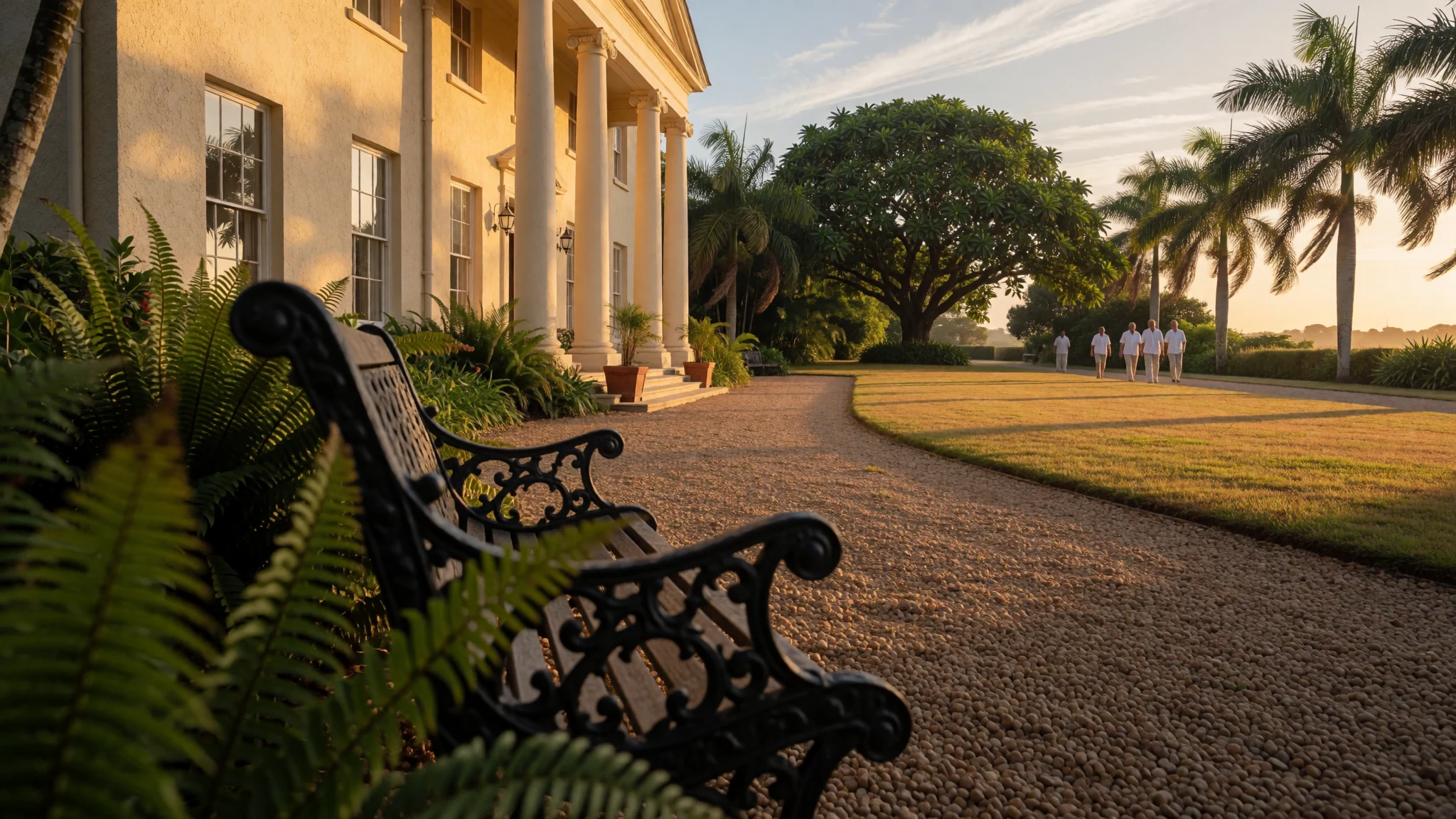
Kingston is Jamaica's working capital, where reggae, art, church life and cooking are part of the daily street scene rather than staged for visitors.
The place
Jamaica's capital and biggest city, Kingston, sits on the island's southeastern coast, right where the Liguanea Plain meets a deep natural harbour. The harbour is sheltered by the Palisadoes, a long sand spit that carries the road to Port Royal and Norman Manley International Airport. Behind the city the land climbs towards the mountains, so the waterfront is hot and flat, at only about 9 metres above sea level, while the upper suburbs catch a little more breeze.
The name covers less than most people assume. The parish of Kingston is just the old downtown and Port Royal, while the wider urban area, usually called the Corporate Area, folds in the neighbouring parish of St Andrew, where most of the suburbs, the university and many restaurants sit. Counted together, the city is home to just under a million people.
For a visitor this means two different moods. Downtown is a gridded district of government buildings, markets, churches and old warehouses, busy on weekdays and quiet at night. Midtown, around New Kingston and Half Way Tree, is where offices, hotels, galleries and nightlife cluster. The two are linked by roads that can be slow at rush hour, so planning each day around one area saves a good deal of patience.
Kingston is a working capital rather than a resort. It suits people who like music, food, history and conversation more than lying on a beach, and the best sand on the island is found elsewhere.
Its story
Kingston was founded in 1692, in the aftermath of the earthquake that destroyed much of Port Royal across the harbour. Port Royal had been the main port of the island, and the survivors needed somewhere to live. They first camped on the waterfront, on land that had been a farm, and disease claimed many lives in those early months. At that point Kingston was little more than agricultural land, with no real role as a town.
What turned the camp into a city was another disaster. A fire at Port Royal in 1703 pushed more people and business towards the new settlement. A surveyor, John Goffe, drew up a plan based on a grid, bounded by North, East, West and Harbour Streets. The wide main thoroughfares were meant to ease the movement of goods between the wharves and the plantations inland, and the layout still shapes downtown today. Land was sold with conditions tied to what buyers had owned at Port Royal, and only waterfront plots were offered at first.
Within a few decades the trading town had overtaken its older neighbour, and by 1716 it was the commercial centre of Jamaica. That wealth rested on plantation agriculture and the trade in enslaved people, a part of the story that Jamaican museums and historians treat plainly. Fires returned later, and photographs of the ruins after the blaze of 1882 survive. The city has been rebuilt more than once, which is why old and new buildings stand so close together.
What to see
- Devon House — Uptown, St Andrew
Devon House is a mansion in the uptown suburbs, built by George Stiebel, remembered as the nation's first black millionaire. It shows Jamaican architecture of its period, and the grounds are a pleasant place to cool off between sights. Opening times and tour arrangements change, so check before going.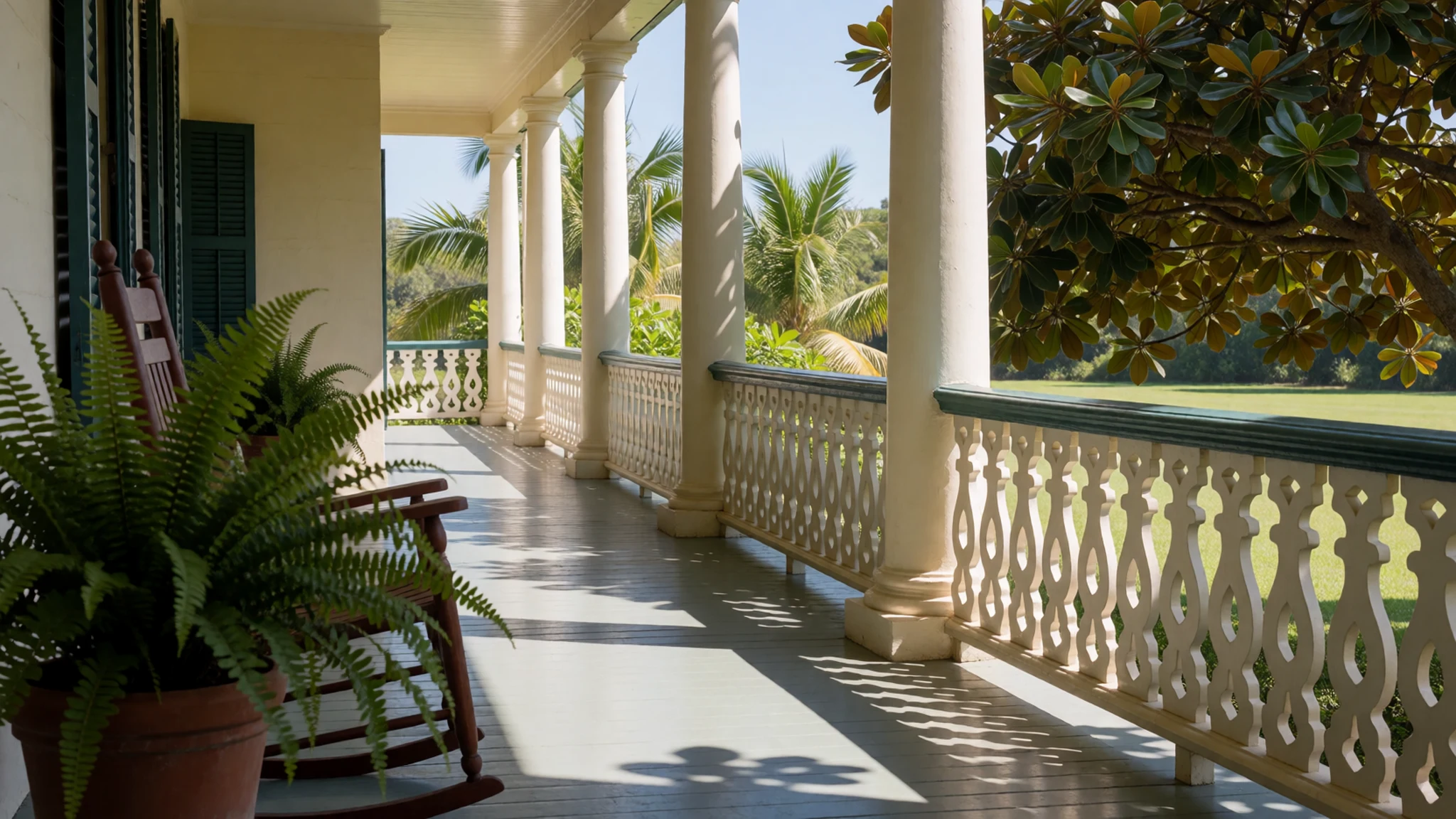
- National Gallery of Jamaica — Downtown waterfront
The National Gallery of Jamaica follows the island's art from the Taino people through the colonial period to modern painters and sculptors. It is a good first stop for understanding how Jamaicans picture themselves and their history. Check the gallery's own channels for current exhibitions and opening days.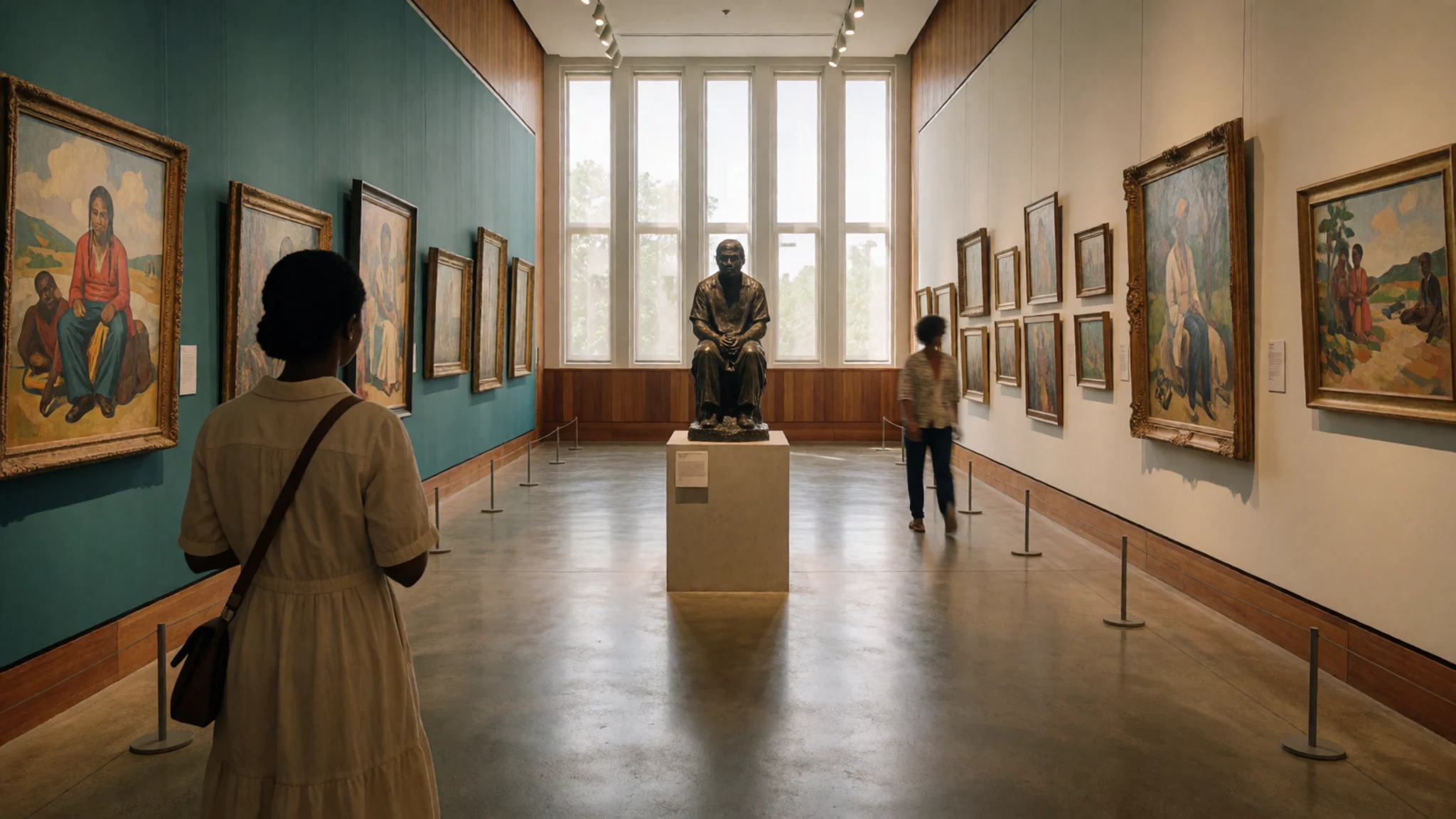
- Ward Theatre — Downtown
The Ward Theatre is a large white and blue neoclassical building on the north side of St William Grant Park. It is the third theatre to stand on its site and was a gift to the city. Even when no performance is on, the façade is worth a look from the park.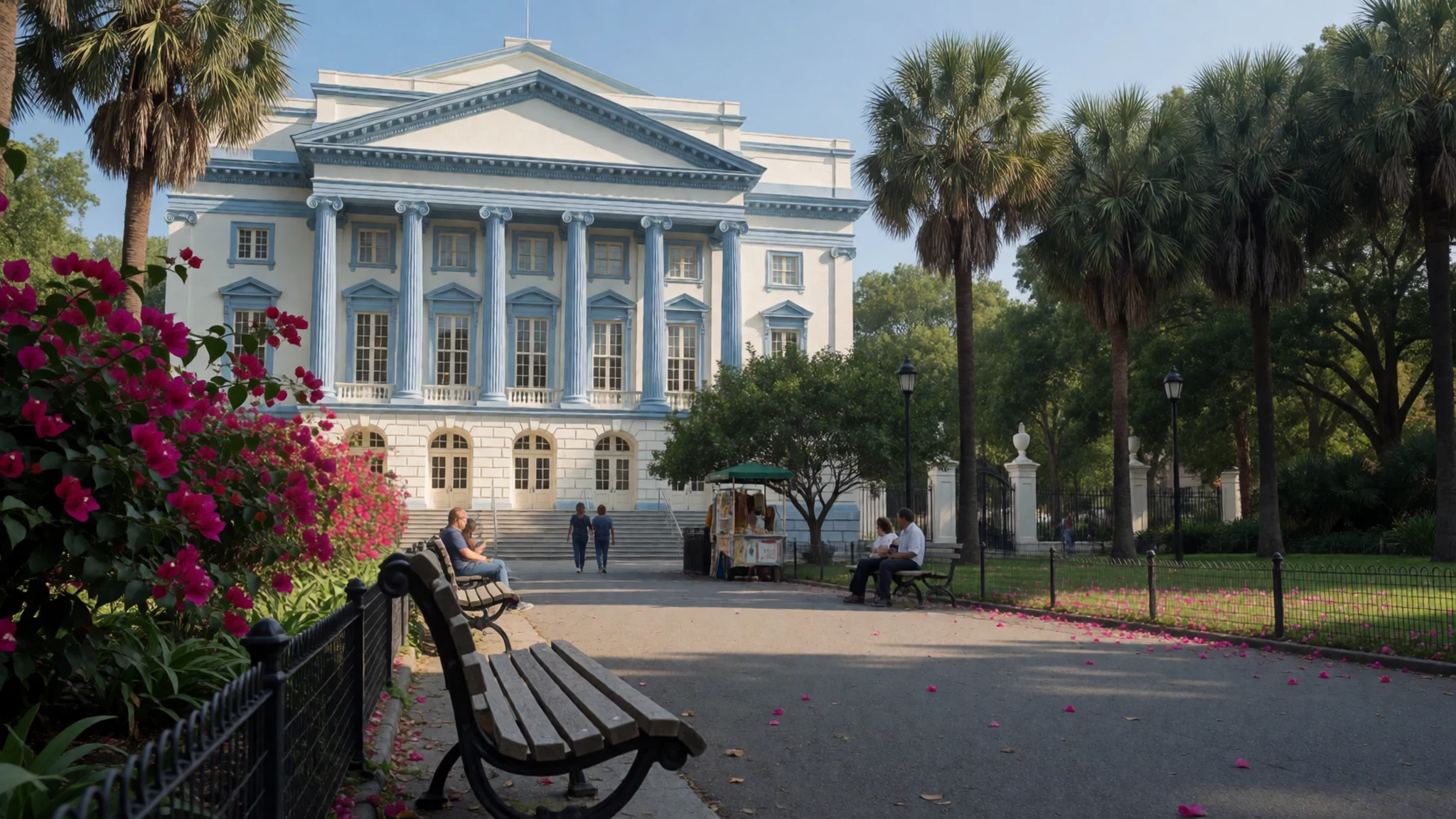
- Port Royal — Palisadoes peninsula
Port Royal lies at the far end of the Palisadoes, a short drive or bus ride from downtown. This was the port wrecked by the 1692 earthquake. Today it is a quiet fishing village with a fort whose old and replica cannons line the walls. Leave time for a seafood lunch and the view across the harbour.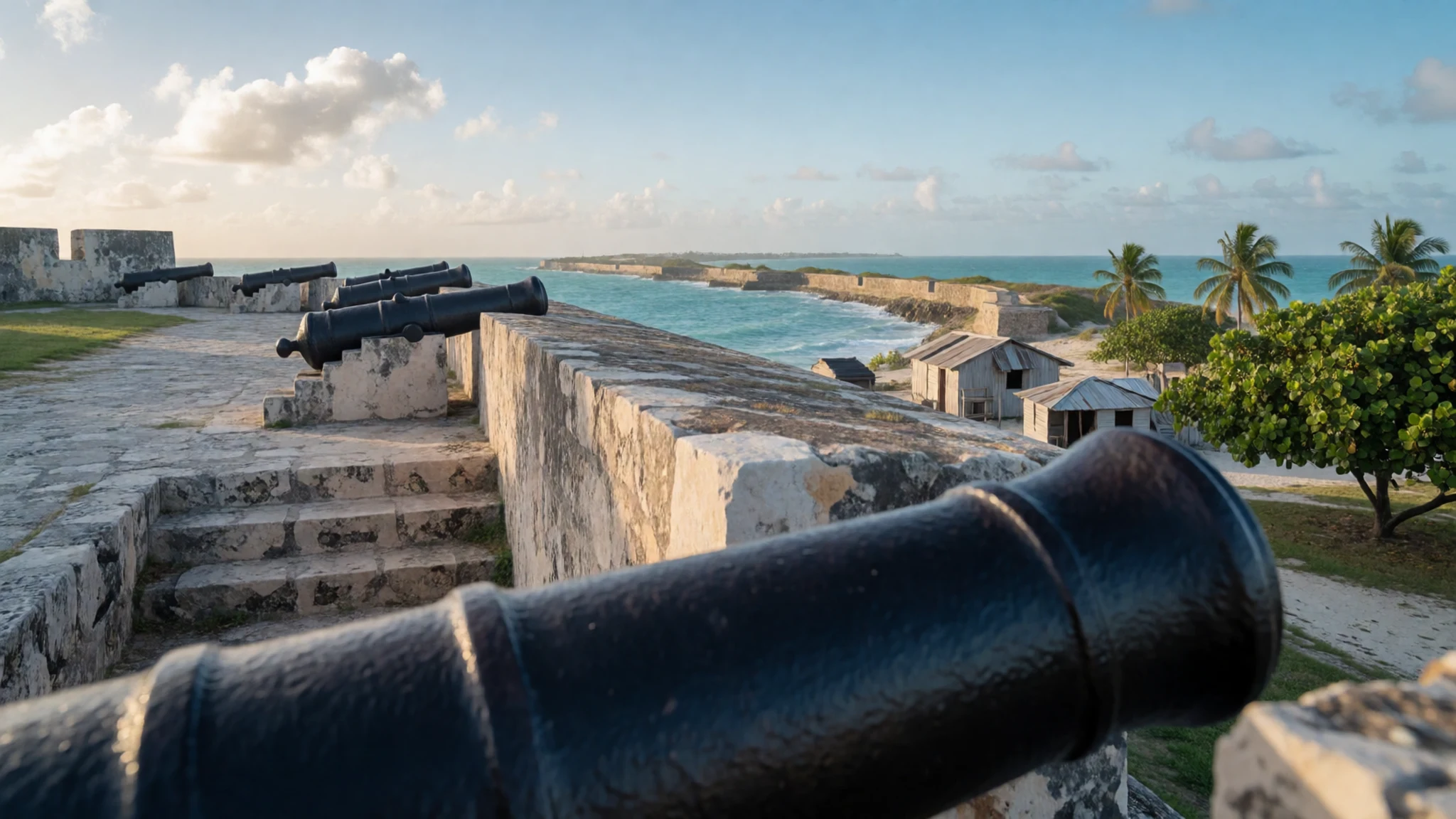
- Bob Marley statue — Uptown, near the National Stadium
The statue of Bob Marley, made by the sculptor Alvin Marriott, stands in the uptown area close to the national stadium. It is a favourite meeting point and photo stop for reggae fans. Marley's former home, now a museum, is nearby; check its official site for visiting arrangements.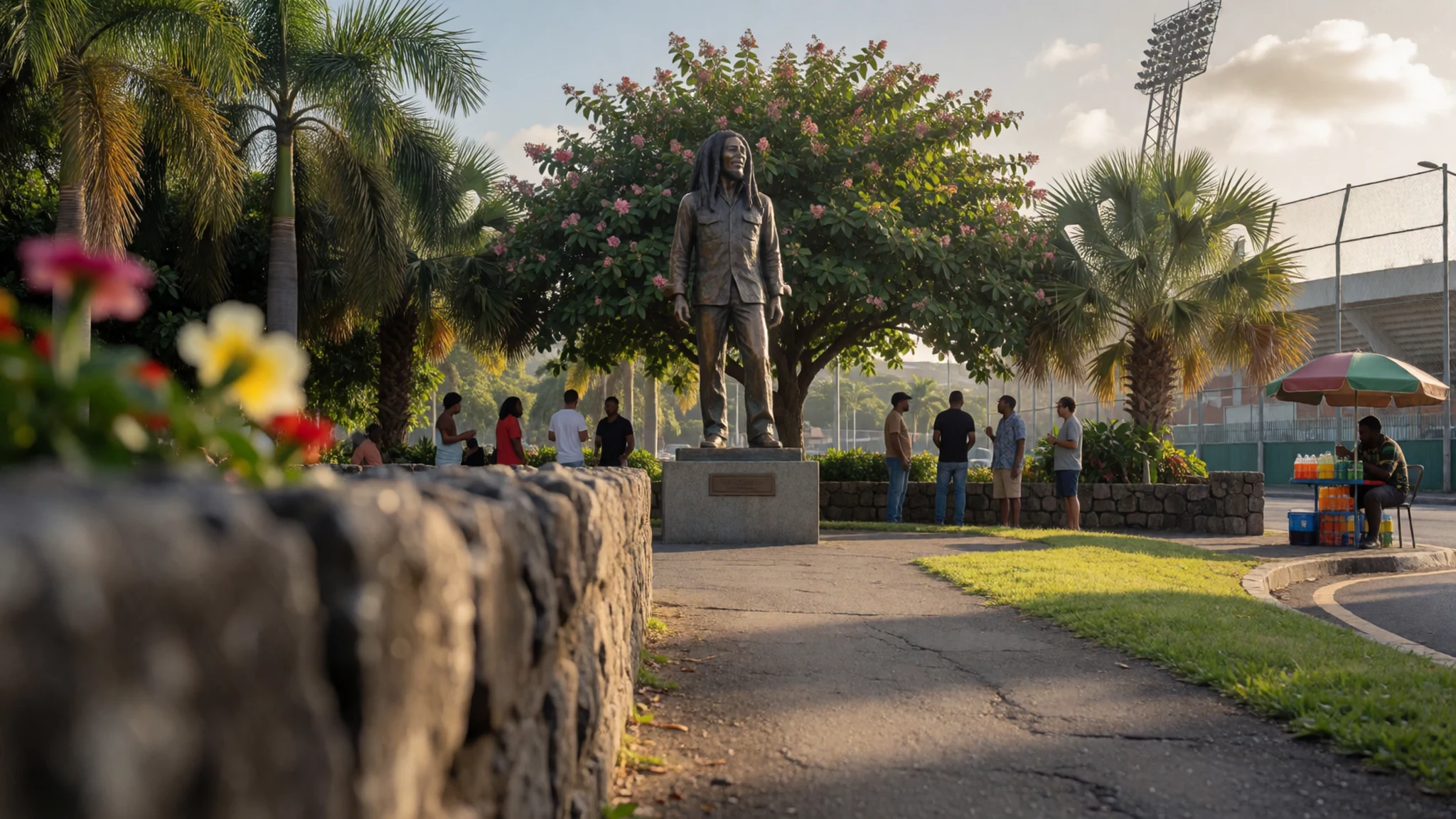
Culture
Kingston is a city where faith, music and speech are all out in the open. Most congregations are Protestant, among them Baptist, Anglican, Methodist, Pentecostal, Church of God and Seventh-day Adventist, and there is a sizeable Roman Catholic community centred on Holy Trinity Cathedral. Afro-Christian traditions and the Rastafari movement have a significant following, and the Shaare Shalom Synagogue serves the Jewish community, alongside smaller Hindu, Buddhist and Muslim groups. On Sundays, church clothes and hymn-singing spill out of buildings across the city.
Music is the other great thread. Reggae, ska and dancehall grew up in Kingston's neighbourhoods and around its sound systems, and they are heard from cars, shops and yards as much as in venues. Everyday speech moves between English and Jamaican Patois, often within a single sentence, and greetings matter: a warm good morning before asking for anything is expected.
Locals are proud of the city's creative reputation and are usually happy to talk about it, though downtown life is a working life and not a show. Humour, directness and strong opinions about cricket, football and politics are all part of the conversation. Visitors who listen first tend to be offered directions, stories and recommendations freely.
Ask before photographing people or market stalls, and dress modestly and keep quiet when you step into a church, synagogue or any religious service.
What to wear
Kingston's traditional dress draws on the island's Afro-Caribbean heritage. The best-known form is the bandana or madras costume: cotton in bright checks and prints, worn as full skirts, shirts and head-wraps. It appears mainly at national celebrations, folk performances, school events and around Independence time rather than on ordinary days. Rastafari dress has its own language of red, gold and green, knitted tams and head-wraps, and locks worn with pride.
Everyday clothing is practical for the heat. Office workers dress smartly in light fabrics, with neat shirts and tailored trousers or dresses, and people dress up for church on Sundays. Younger Kingstonians wear sportswear, denim and trainers, and dancehall culture is known for confident, colourful and playful style, especially at parties and street events. Gold jewellery, sunglasses and well-kept shoes are common.
Visitors should dress for a hot, humid coastal city. Choose light cotton or linen, a hat, sunscreen and sunglasses, and carry a thin layer for air-conditioned buildings and for evenings in the hills. Closed, comfortable shoes suit downtown pavements, which can be uneven. Beachwear belongs on the beach: in town, in churches and in government buildings, cover your shoulders and knees. Rain can arrive suddenly, so a light waterproof is useful in the wetter months.
What to eat
- Ackee and saltfish — Local cookshops and breakfast eateries
Ackee and saltfish is Jamaica's best-known breakfast: soft, buttery ackee fruit cooked with salted cod, onions and peppers. It is usually served with fried dumplings, boiled banana or breadfruit. Look for it at local breakfast spots and cookshops in both downtown and uptown.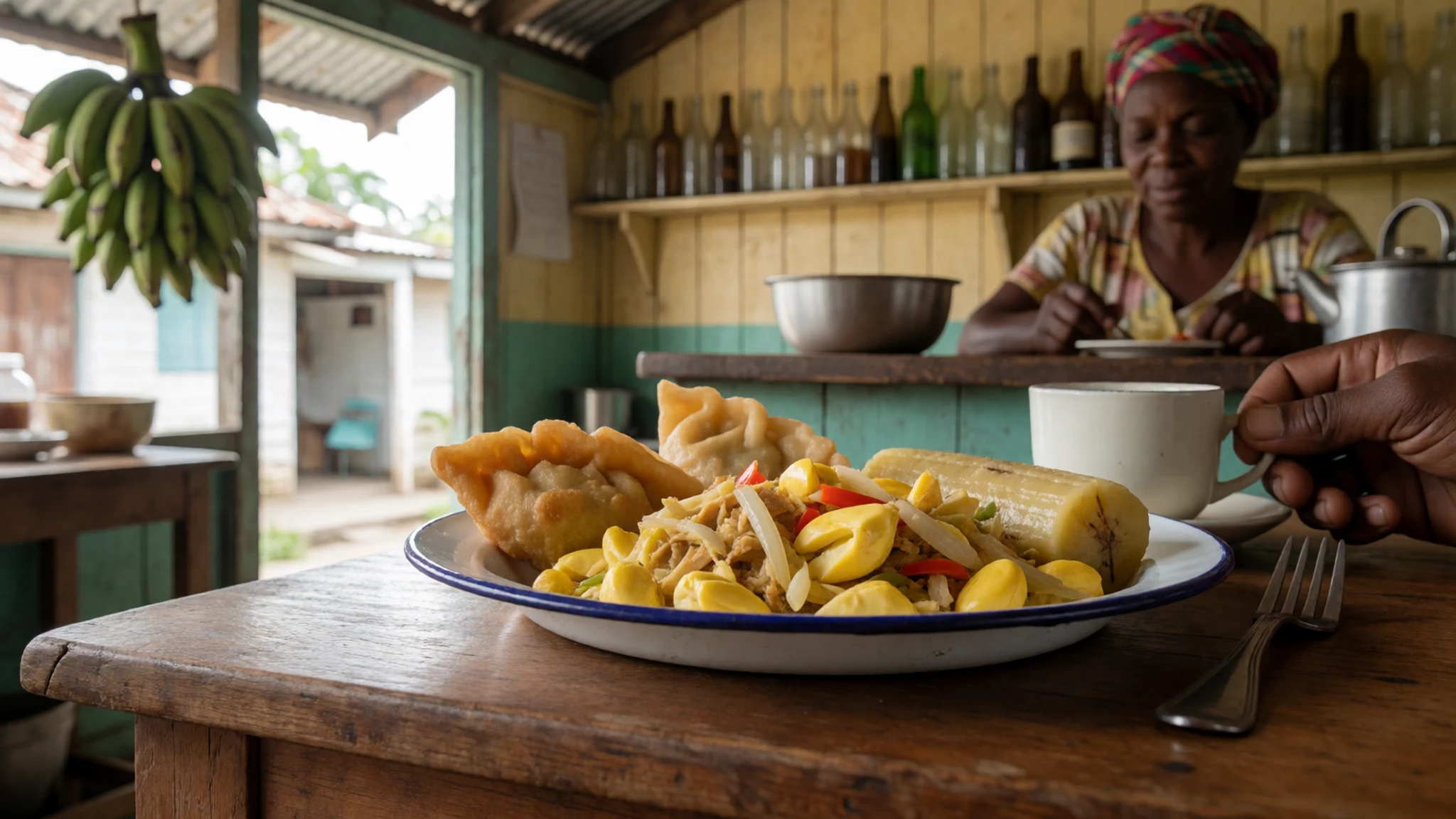
- Jerk chicken or pork — Roadside jerk stands and open-air grills
Jerk meat is marinated in pimento and hot pepper, then grilled slowly over wood until smoky and charred. It comes chopped, with bread or festival, a sweet fried dumpling. Roadside jerk stands and open-air grills across the city are the usual places, especially in the evening.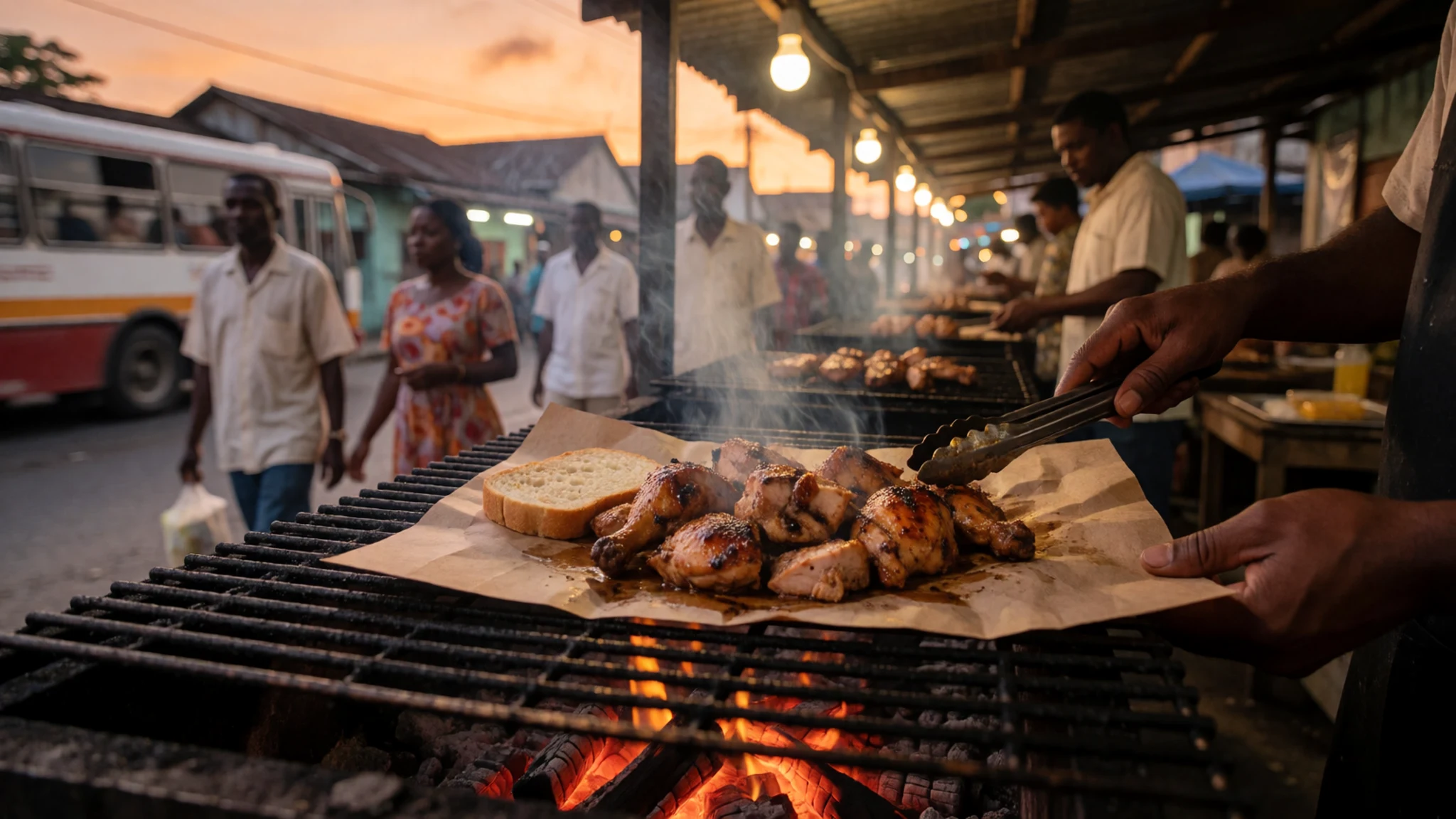
- Patties — Bakeries and patty shops on main roads
A Jamaican patty is a flaky, golden pastry filled with spiced beef, chicken or vegetables. It is a quick, filling snack, often eaten in a soft bread roll called coco bread. Bakeries and patty shops are found on almost every main road. - Curry goat — Neighbourhood eateries and lunch spots
Curry goat is slow-cooked meat in a warm, turmeric-yellow curry, a legacy of the Indian workers who came to the island. It comes with white rice or rice and peas. Many neighbourhood eateries serve it as a Sunday or lunchtime dish. - Escovitch fish — Fish eateries at Port Royal and on the Palisadoes
Escovitch fish is fried whole fish topped with a sharp, peppery pickle of onions, carrots and scotch bonnet. It is often eaten with bammy, a flat cassava bread. The fishing community at Port Royal, along the Palisadoes, is a classic place to try it.
Plan it
Best time. December to March is the drier, slightly cooler part of the year and the most comfortable for walking around. Kingston is hot and humid year-round, and the Atlantic hurricane season runs from June to November, with heavy rain possible in the later months.
How long. 2–3
Getting there. Norman Manley International Airport sits on the Palisadoes, a short run from the city by taxi or local bus into downtown; check current fares locally. There is no passenger rail, so arrivals from elsewhere on the island come by road: intercity buses run in from Spanish Town and Morant Bay. If you hire a car, drive on the left.
Budget. mid
Tips
- Go to downtown sights in the morning, when it is cooler and the streets are busiest and safest
- Use licensed taxis or trusted drivers, especially after dark, and ask your accommodation for advice on which areas to avoid
- Carry some cash for markets and small eateries, and drink plenty of bottled or filtered water
- Check the opening days of museums, Devon House and the National Gallery, which can change, before you set out
- Allow extra time for traffic when crossing between downtown and uptown
Etiquette
- Greet people before asking a question or making a request
- Ask permission before photographing people, stalls or religious services
- Dress modestly in churches, synagogues and government buildings
Nearby
Sources
- Wikidata Q34692 (CC0)
- Wikipedia: Kingston, Jamaica (rev 1380196167) (CC BY-SA 4.0)
- Wikivoyage: Kingston (Jamaica) (rev 5407294) (CC BY-SA 4.0)
- Photo: Devonhouse.jpg (CC BY 3.0)
- Photo: Bob Marley statue, Kingston (Avda) (CC BY 3.0)
- Photo: Port Royal Fort defenses (Raychristofer) (CC BY-SA 4.0)
- Photo: 1882 Kingston Fire by Thomas Sulman (Public domain)
- Photo: Map of Kingston 1897 (Public domain)
- Photo: Kingston, King Street, looking south (Public domain)
- Photo: Kingston from the masthead of HMAS Melbourne, 1915 (Public domain)
- Photo: Air Jamaica building from the west (SamBlob) (CC BY 3.0)


