Playa Rincón
Playa Rincón, Dominican Republic
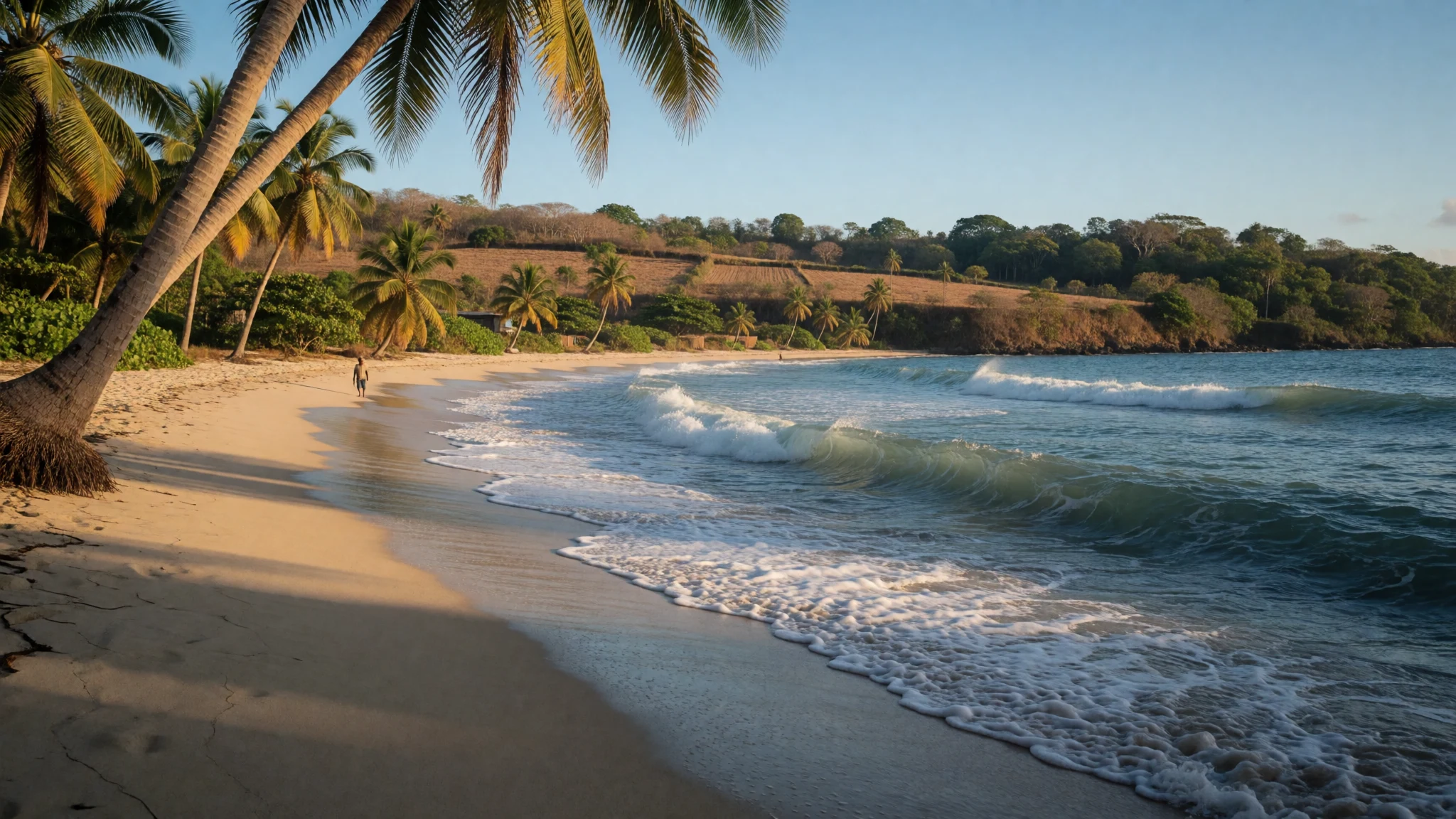
Playa Rincón is a long palm-backed Atlantic beach on the Samaná Peninsula, quiet by Dominican standards and reached by boat or a bumpy road.
The place
Playa Rincón sits near the north-eastern tip of the Samaná Peninsula in the Dominican Republic, a long arc of pale sand at an elevation of just 4 m. Coconut palms lean over the back of the beach, and the Atlantic arrives as rolling swells rather than the flat calm of a sheltered Caribbean cove. Behind the palms the land turns to scrub, small farms and forest, and there is no wall of resorts along the shore. The nearest village is Las Galeras, a modest fishing and tourism settlement along the coast, and most visitors arrive either by road or by boat. The sand is soft and wide, and the water shifts from turquoise to deep blue with the light and the tide. A few beach shacks serve fish and cold drinks, loungers appear in some stretches, and much of the beach is simply open. Weekends and holiday periods bring day-trippers and tour boats, and the area near the main access points can feel crowded around midday, yet a short walk along the sand usually brings quiet. The sun is strong, shade is scarce away from the palms, and the sea can pull hard when swell is up, so swimming calls for care. What the beach offers is a stretch of coast that still feels like part of a local landscape rather than a managed attraction.
Its story
Playa Rincón owes its quietness to geography as much as to planning. The Samaná Peninsula was long cut off from the rest of the island by marshy ground and poor tracks, and for generations the usual way in was by water. Before Europeans arrived, Indigenous communities lived on the peninsula, and the nearby bay is linked to an early clash between Columbus's crew and local people that gave the Gulf of Arrows its name. Later the area drew a different set of settlers: free African Americans who came to Samaná under Haitian rule, whose descendants kept an English-speaking, Protestant tradition alive in a few communities. Coconut growing and fishing shaped the coast for much of the period that followed, and the palms framing the beach today are a reminder of that working landscape. Tourism came late and unevenly. Whales drew visitors to Samaná Bay, and surfers, divers and walkers began pushing along the northern coast towards Las Galeras and beyond. Better roads and a regional airport have since made access easier, and development pressure has followed, with ongoing argument about how much building the coast can take. So far Rincón has kept a lower profile than the big resort strips elsewhere in the country. Its present calm is best treated as a snapshot, because it depends on local planning decisions rather than on any guarantee.
What to see
- Playa Rincón itself — Samaná Peninsula, north-east coast
Playa Rincón is the main event: a broad curve of sand with palms behind and open Atlantic in front. Walk the full length in the early morning, when the light is soft and the sand is nearly empty. Bring water and a hat, because shade is patchy and the midday sun is fierce.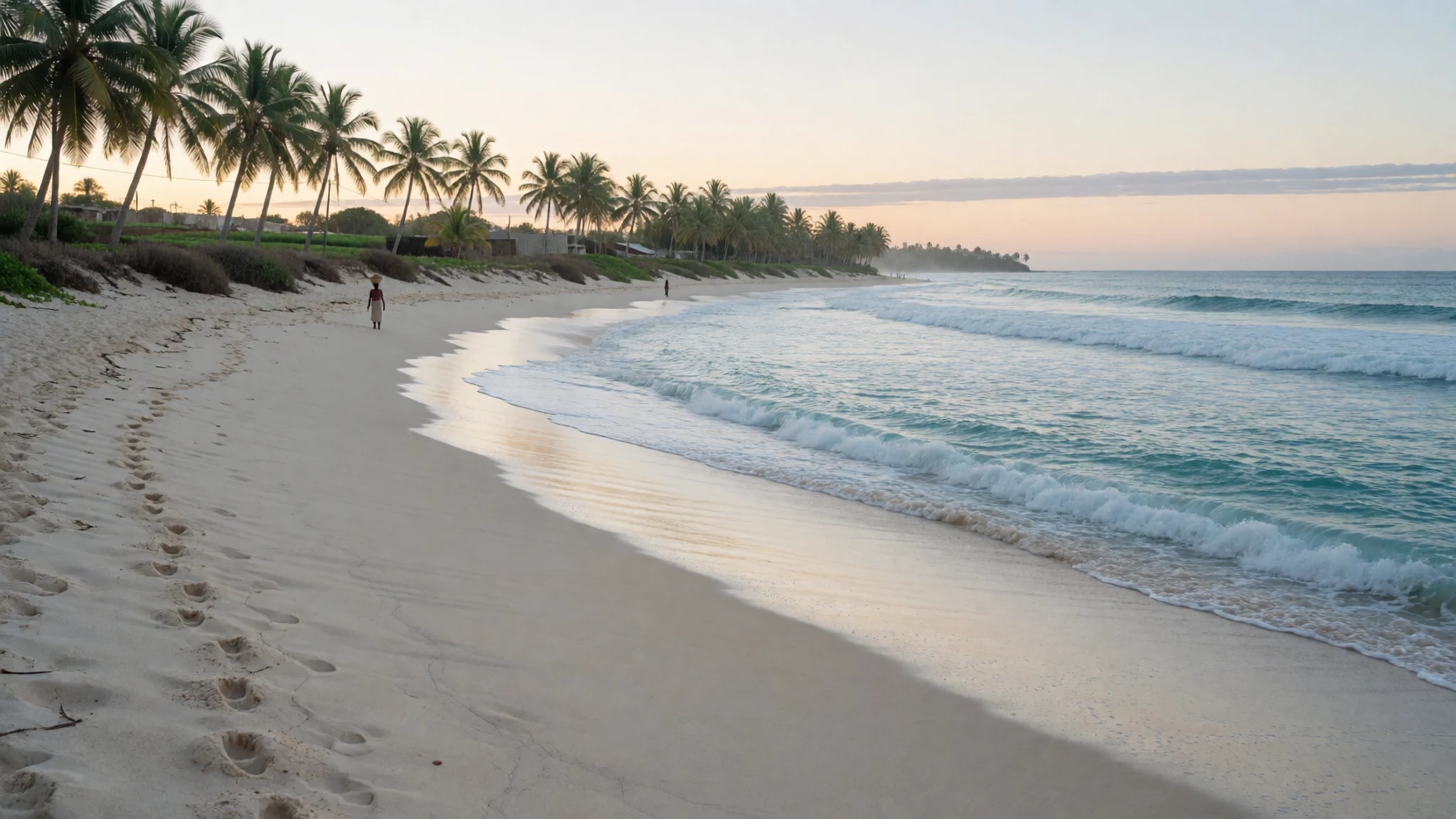
- Las Galeras — North-east Samaná Peninsula
Las Galeras is the small village closest to Playa Rincón and the usual base for visits. Its bay is calmer than the open beaches, boats set off from the shore, and the main street has simple eateries, dive operators and guesthouses. It is a good place to arrange transport and ask about sea conditions.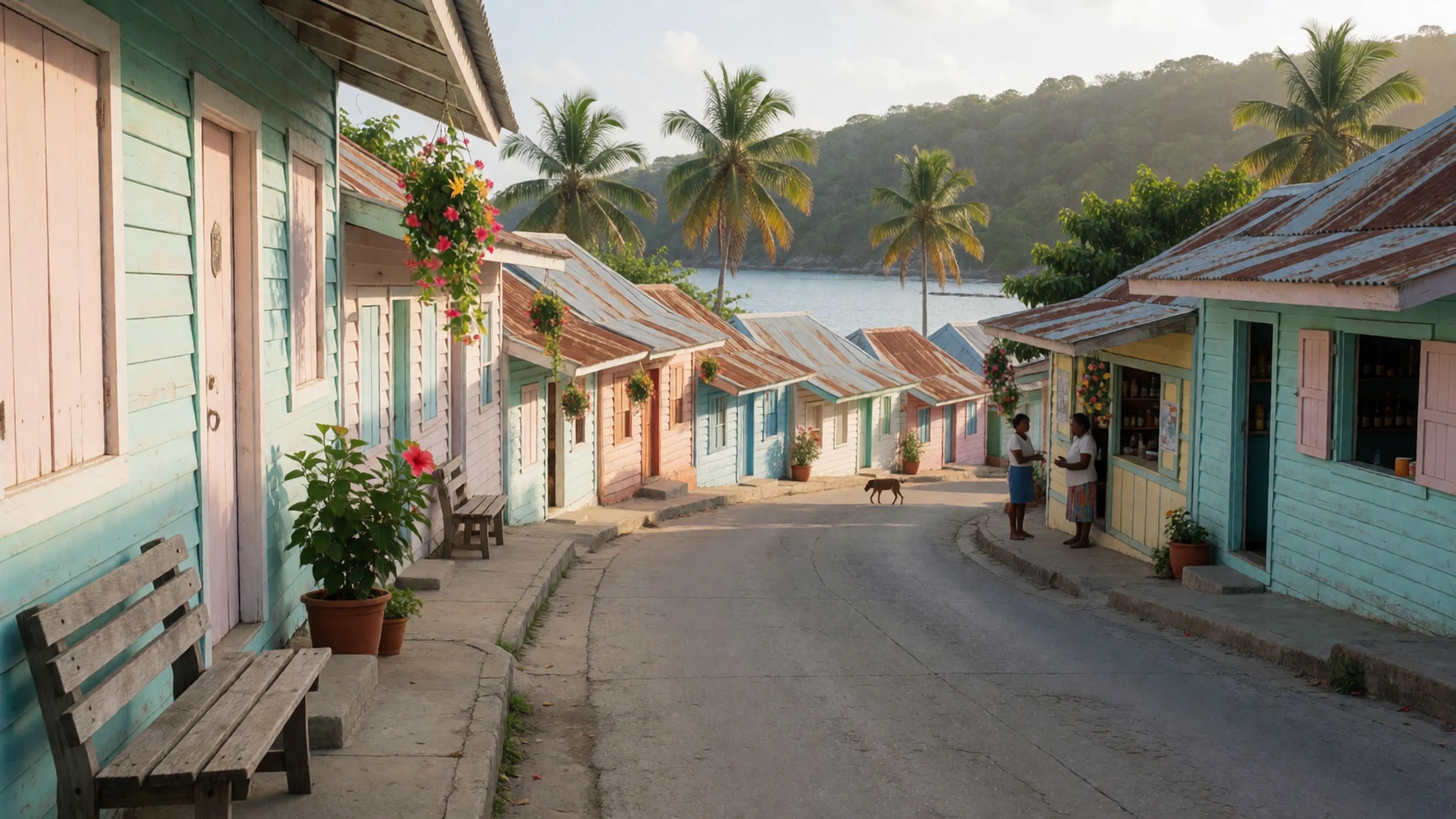
- Playa Frontón — Coast beyond Las Galeras
Playa Frontón lies further along the coast beneath a high cliff and is usually reached by boat or a rough hike from Las Galeras. It is wilder and more exposed than Rincón, with a reputation for strong waves. Local guides can judge whether conditions are safe on the day.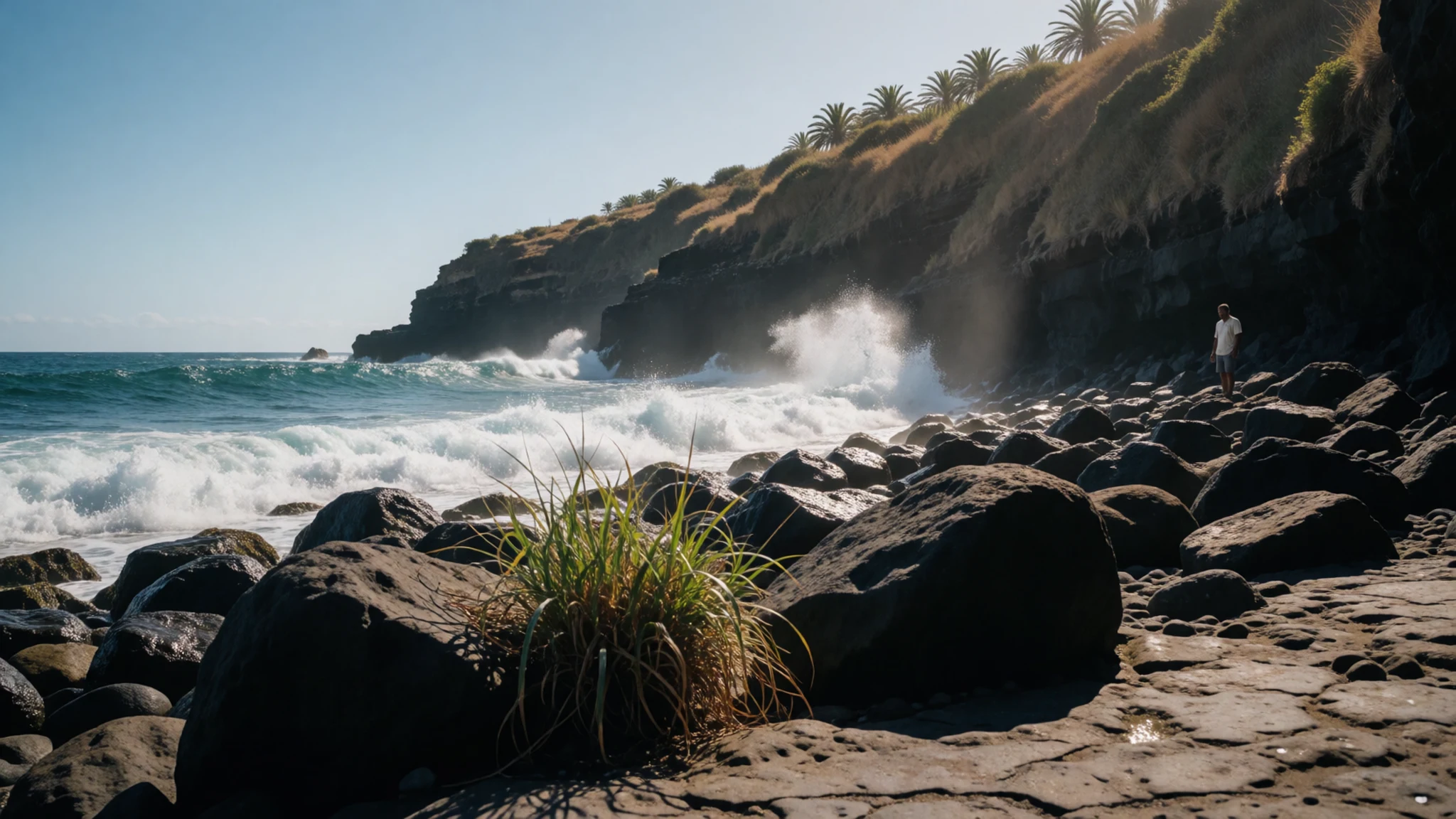
- Samaná Bay whale watching — Samaná town and bay
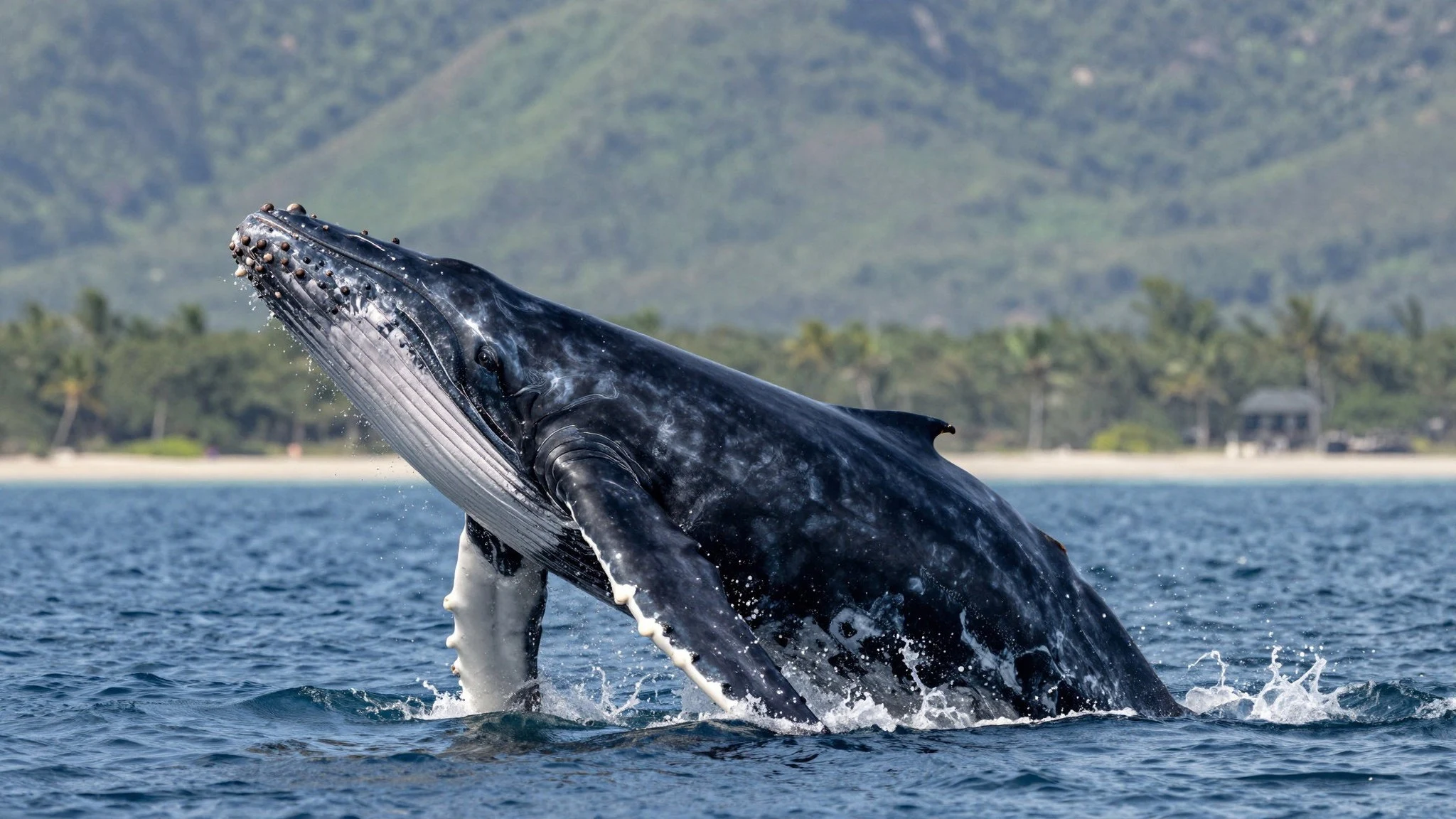
Samaná Bay is known as a gathering place for humpback whales in the cooler months, and boat trips run from Samaná town. Sightings are likely but never certain, and weather can cancel departures. Choose an operator that keeps a respectful distance from the animals and follows the local rules.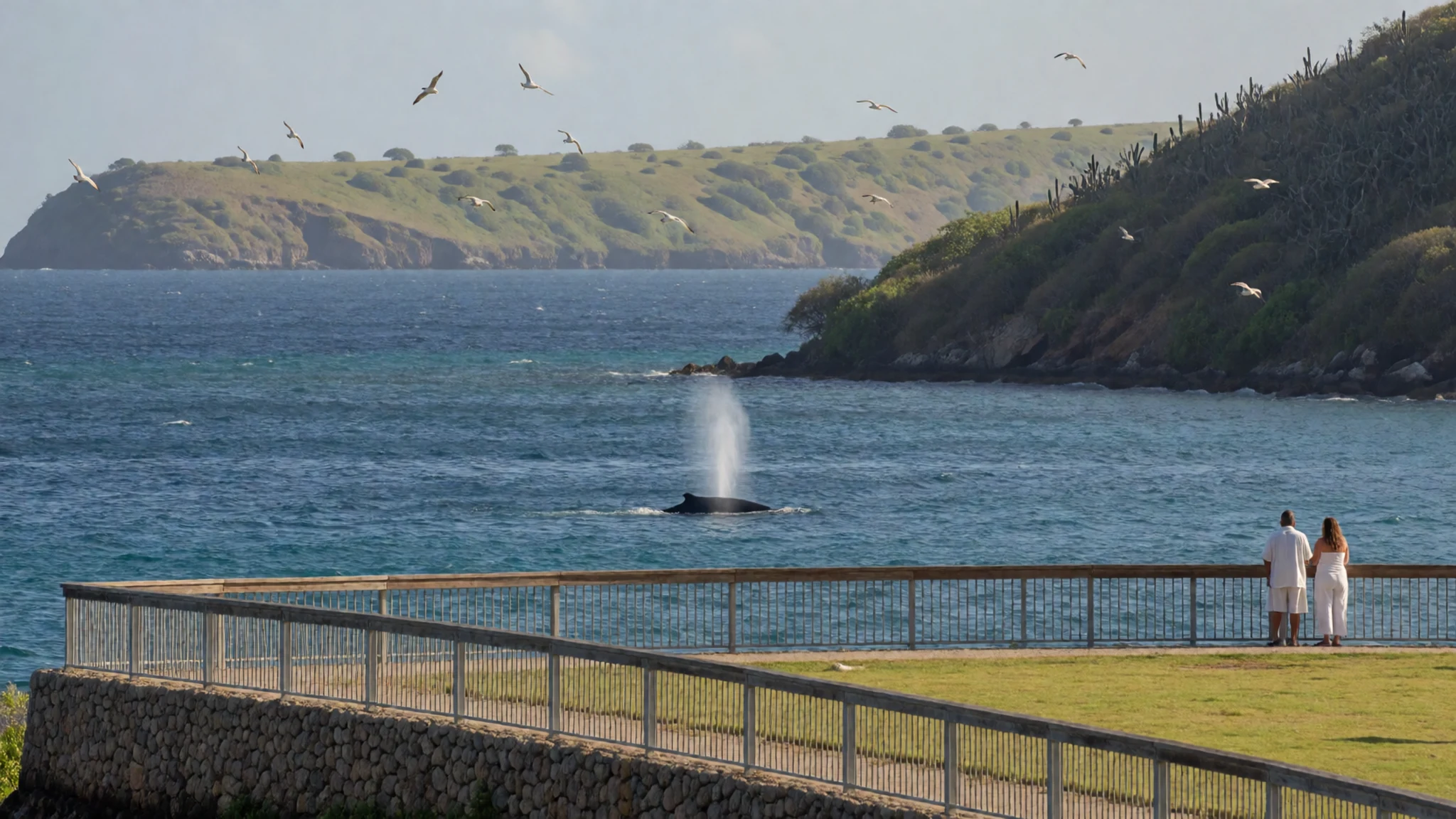
- Boat trips and snorkelling from Las Galeras — Las Galeras bay
Small boats from Las Galeras head along the coast to quieter coves and reefs, and some combine a beach stop with snorkelling. Water clarity varies with swell and wind, so it pays to ask local boatmen which side of the point is calmest. Agree the route and return time before setting off.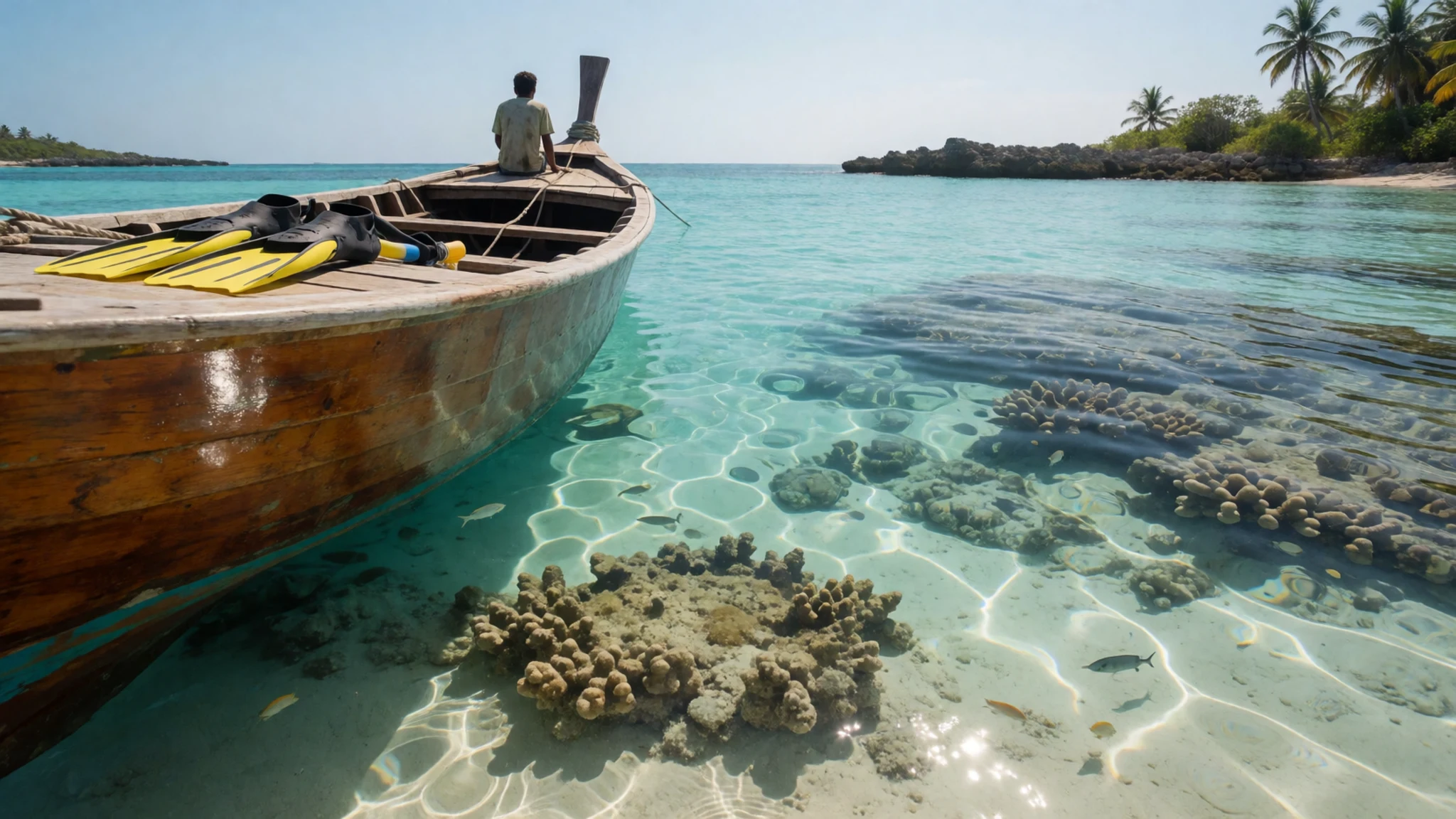
Culture
Playa Rincón sits in a part of the Dominican Republic where beach life is social, loud in a friendly way and built around family. At weekends, Dominican families arrive with coolers, speakers and children, and the shoreline turns into a place for long lunches, dominoes and music, usually merengue, bachata or dembow. Fishing remains part of daily life around Las Galeras, with small boats pulled up on the sand and catches sold directly to anyone who asks. Spanish is the everyday language, though the Samaná area carries its own history, including communities with English-speaking roots and a strong Afro-Caribbean thread in music, drumming and church life. Greetings matter more than speed: a cheerful 'buenos días' goes a long way with a boat captain, a stallholder or a neighbour on the track. Bargaining is normal for boat trips and souvenirs, but it stays good-humoured and is not a contest. Pressure on the coast is a live local issue, so guides and residents often ask visitors to carry out their rubbish and keep off dune plants and any marked nesting areas. Before you photograph local people or their boats, greet them and ask permission, and take every scrap of your own rubbish back with you when you leave the beach.
What to wear
Playa Rincón has no costume of its own, so the clothing story here is the wider Dominican one, seen through a beach lens. Traditional dress appears at festivals, folklore shows and Carnival: women in full, ruffled skirts and bright cotton blouses, men in a crisp cotton guayabera shirt and a straw hat, and Carnival masks of papier-mâché, often horned and painted in bold colours. Day to day, people on this coast wear light cotton and linen, football shirts, caps, flip-flops and quick-drying swimwear, with smarter, brighter outfits kept for church, town evenings and weekend parties. Visitors should dress for strong sun and humid heat: breathable long sleeves or a rash vest, a wide-brimmed hat, sunglasses and a high-factor, reef-safe sunscreen. Swimwear is fine on the sand, but a shirt or wrap over it is polite in Las Galeras and Samaná, where people dress more modestly away from the water. Sturdy sandals or water shoes help on rough tracks, rocky coves and boat landings, and a light rain jacket is useful in the wetter months.
What to eat
- Pescado con coco — Family eateries in Las Galeras and Samaná town
Fish simmered in a coconut sauce is the dish most tied to Samaná, usually served with rice and fried plantain. Look for it in family-run eateries in Las Galeras and Samaná town, where the fish depends on the morning's catch.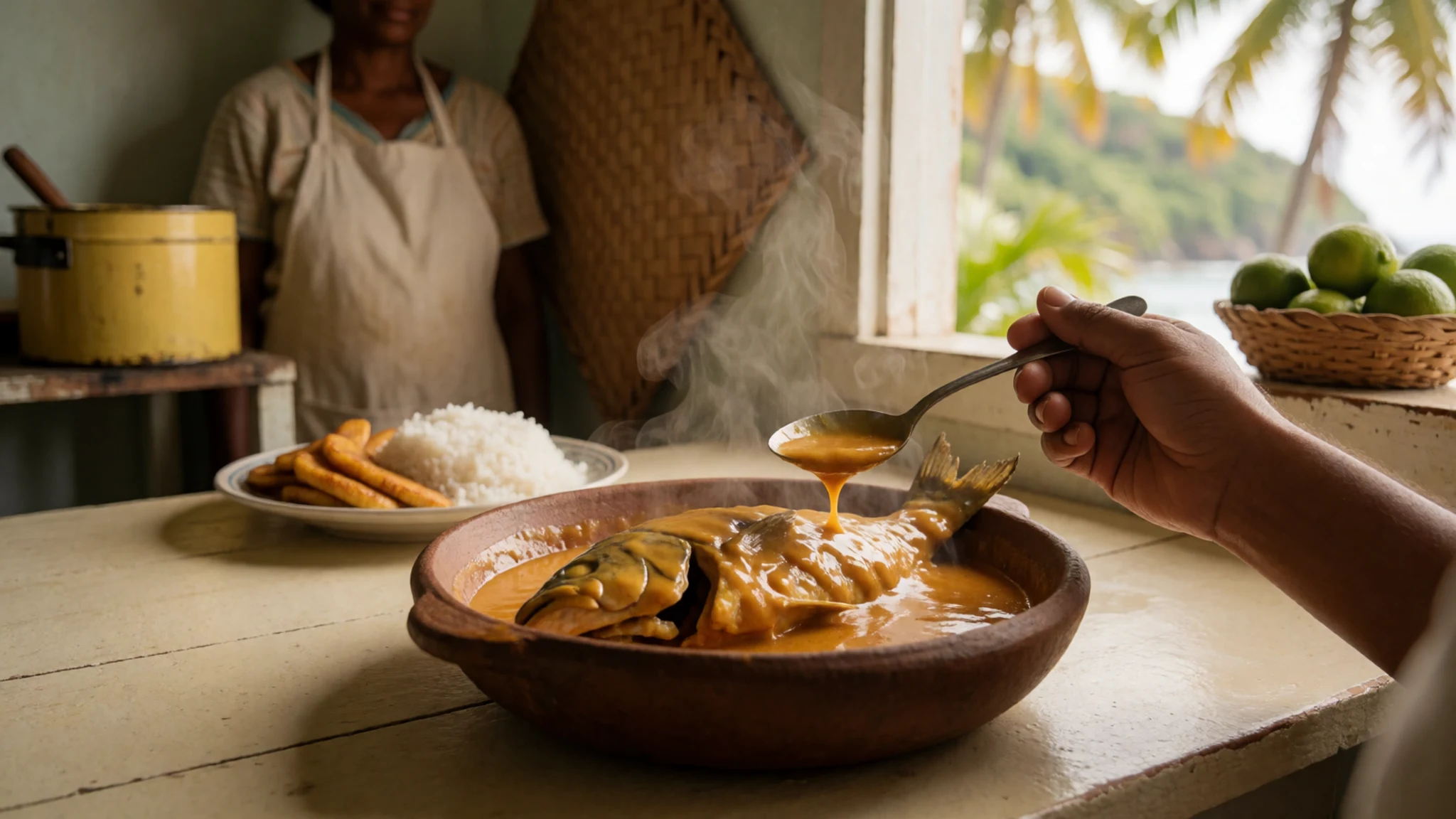
- Pescado frito con tostones — Beach shacks along Playa Rincón and Las Galeras
Whole fried fish with twice-fried green plantain slices is the standard beach lunch. It comes with a squeeze of lime and often a simple salad. Choose a busy shack, where the turnover keeps the fish fresh.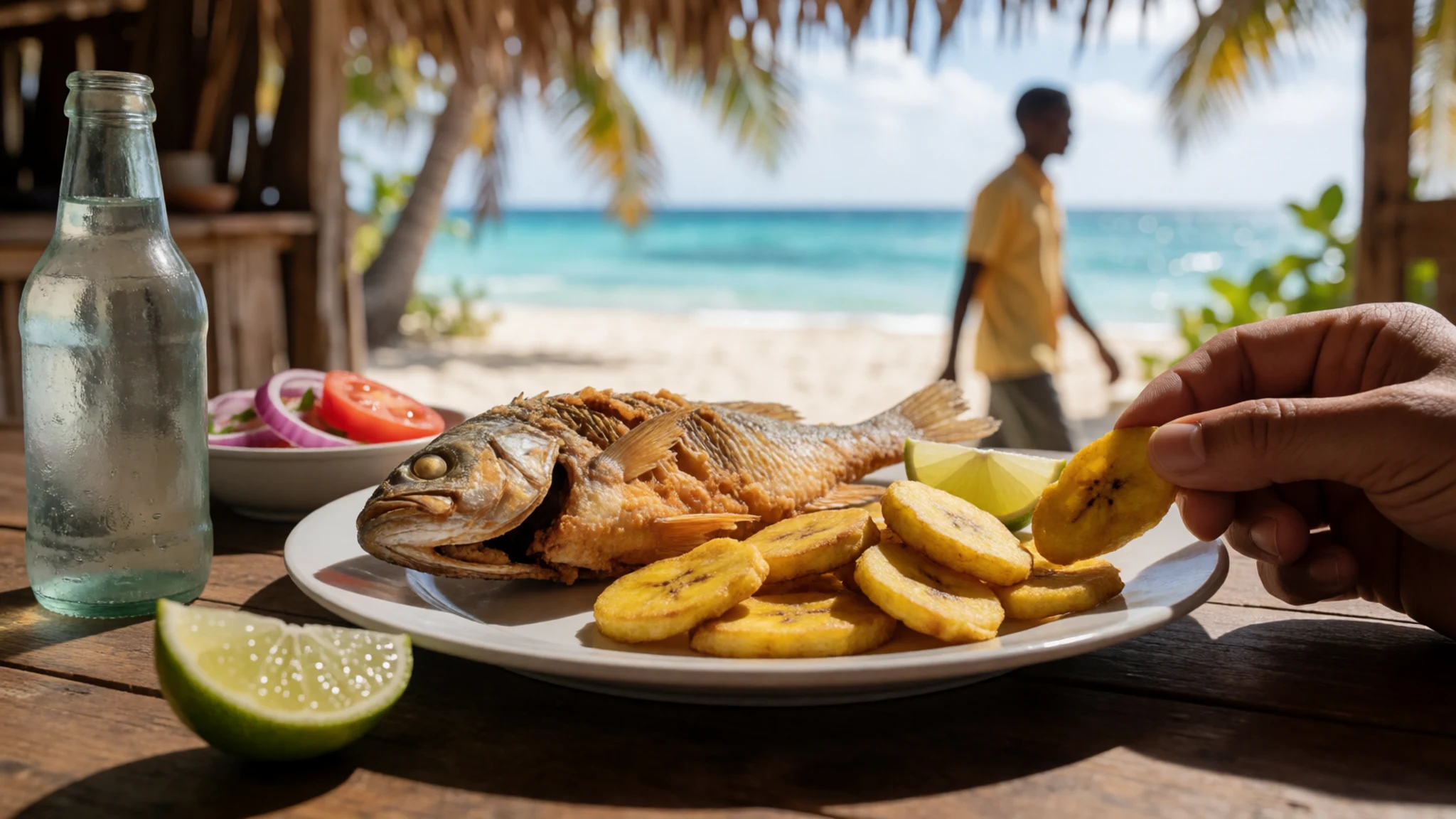
- La bandera — Local comedores, the small lunch counters of Las Galeras
The everyday Dominican plate of white rice, stewed red beans and a portion of meat or chicken, often with salad or fried plantain. It is filling, inexpensive and reliably homely, a good choice after a long day in the sun. - Agua de coco — Roadside and beach vendors near the main beach access
Fresh coconut water, drunk straight from a chopped green nut, is the obvious refreshment on a palm-lined beach. The vendor cuts the top with a machete and often splits the shell afterwards so the soft flesh can be scooped out. - Dulce de coco — Small shops and street sellers in Samaná town and Las Galeras
Sweet coconut confections, cooked slowly with sugar and sometimes ginger or cinnamon, are sold as cakes or small cut pieces. They are a traditional treat on the peninsula and travel well as a modest gift or snack.
Plan it
Best time. December to April is the drier, sunnier stretch and the most comfortable for beach days, and humpback whales visit Samaná Bay in the cooler months, roughly January to March. Summer and autumn are hotter and more humid, with more rain and hurricane risk, so check forecasts if travelling then.
How long. 2–3
Getting there. Fly to Samaná El Catey International Airport, or to Santo Domingo and continue by road across the peninsula. Base yourself in Las Galeras, then reach Playa Rincón by road or by boat; ask locally about road conditions and sea state on the day.
Budget. mid
Tips
- Arrive early in the morning, before day-trippers and tour boats fill the main access points
- Carry cash in small notes, because beach shacks and boatmen often do not take cards
- Bring plenty of drinking water and reef-safe sunscreen, as shade and shops are scarce on the beach
- Ask a local boatman or guide about swell and currents before swimming, especially on open stretches
- Book transport and boat trips through your accommodation in busy holiday periods
Etiquette
- Greet people with a friendly 'buenos días' before asking for help or prices
- Ask permission before photographing local people, children or fishing crews
- Take all rubbish with you and keep off dune vegetation and nesting areas
Nearby
Sources
- Wikidata Q23763428 (CC0)
- Photo: Playa Rincón December 2020, Danu Widjajanto (CC BY-SA 4.0)
- Wikipedia, Playa Rincón (CC BY-SA 4.0)
- Wikivoyage, Dominican Republic (CC BY-SA 4.0)

Wildlife
- Humpback whale (animal)
The humpback whale is a giant of the sea that filters its food through plates in its mouth, with enormous flippers like wings, and it loves to leap out of the water. Samaná Bay is a famous meeting place for them in the cooler months, and boat trips set off from Samaná town. Choose a boat with a guide, keep your voice low, let the whales decide how close to come, and never try to feed them. Males sing long, complex songs.