Lopburi
Lopburi, Thailand
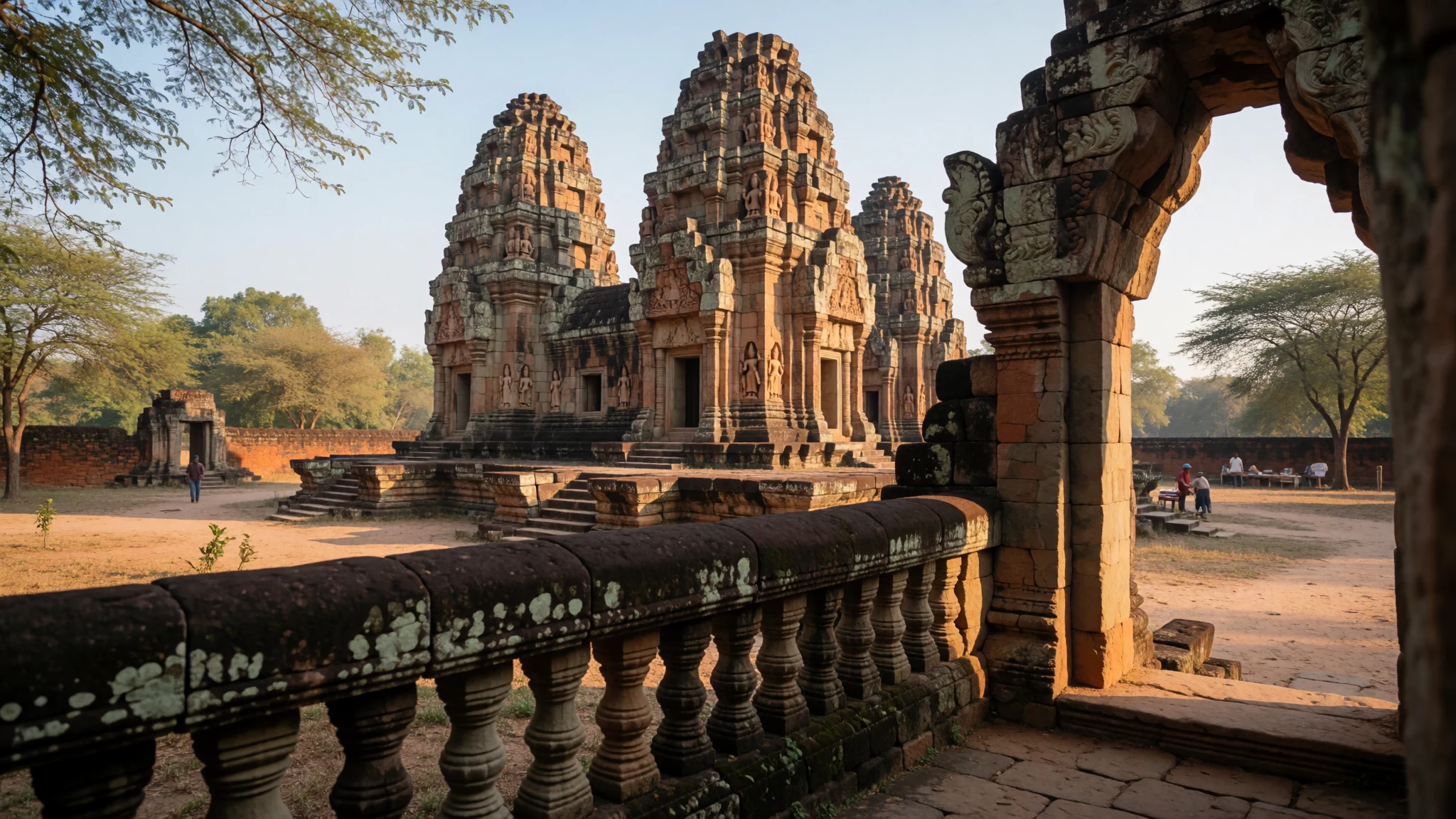
Lopburi offers travellers an extraordinary journey through central Thai history, ancient Khmer architecture, and vibrant provincial life away from the main tourist paths.
The place
Lopburi sits in the central region of Thailand, functioning as the administrative capital of its province with a population of over seven hundred thousand people. Geographically, the province occupies a fascinating position on the eastern edge of the Chao Praya River valley. It stretches between the Lopburi and Pa Sak rivers, creating a landscape defined by water and fertility. Approximately thirty percent of the provincial territory consists of low alluvial plains, particularly around Tha Wung and parts of Mueang Lopburi and Ban Mi districts. The remaining seventy percent transitions into mixed plains and undulating hills, with the rugged Phetchabun Mountains marking the eastern boundary as the terrain climbs toward the Khorat Plateau. This varied topography has shaped human settlement here for millennia, supporting ancient river communities, agricultural expanses, and fortified towns. Travellers arriving in the provincial capital find a destination where modern daily routines unfold directly beside crumbling brick sanctuaries, overgrown palace walls, and ancient stone carvings. The urban atmosphere carries a distinctive character, blending provincial Thai commerce with deep archaeological layers that span multiple regional kingdoms and architectural eras.
Its story
Lopburi carries a rich historical tapestry that stretches far back into prehistoric times, long before its emergence as a major regional power known historically as Lavo. The settlement originally served as the capital of the ancient Mon Lavo kingdom during the Dvaravati period, which flourished from the sixth to the eleventh century. When the expanding Khmer Empire pushed its influence westward, its builders left an indelible architectural mark on the town by constructing impressive laterite sanctuaries that still define the skyline today. During the twelfth century, the kingdom asserted its autonomy enough to dispatch independent diplomatic embassies to China in eleven fifteen and eleven fifty-five, followed by another mission in twelve eighty-nine before eventually being absorbed into the Sukhothai and Ayutthaya kingdoms. In the fourteenth century, King Ramathibodi I sent Phra Ramesuan to govern the settlement as a royal viceroy. Centuries later, in sixteen sixty-six, King Narai the Great ordered the construction of a grand new palace on the eastern bank of the Lopburi River, establishing Lopburi as the secondary capital of the realm when Ayutthaya faced threats from Dutch naval forces. Following the death of King Narai, the royal court abandoned the settlement, leaving its grand halls to fall into quiet ruin until King Mongkut of the Chakri dynasty ordered a careful renovation in eighteen fifty-six, breathing new architectural life into the historic city walls.
What to see
- Lopburi City Gate — Mueang Lopburi District
Lopburi City Gate stands as a remarkable physical reminder of the historic fortifications that once protected the provincial capital, offering visitors a tangible connection to the ancient defensive layout of the old royal town during past centuries of regional conflict and trade. - Prang Sam Yod — Mueang Lopburi District
Prang Sam Yod is Lopburi's most iconic archaeological treasure, featuring three distinct laterite towers built during the Khmer Empire era that showcase magnificent classical stone carvings, corbelled arches, and a deep historical connection to the ancient Hindu and Buddhist periods of central Thailand. - Narai Ratcha Nivet Palace — Mueang Lopburi District
Narai Ratcha Nivet Palace serves as a sprawling historical compound commissioned in the seventeenth century by King Narai the Great, combining European architectural influences with traditional Thai design across grand throne halls, royal brick courtyards, and museum galleries housing regional antiquities. - Pasak Chonlasit Dam — Pattana Nikhom District
Pasak Chonlasit Dam stretches across the landscape as Thailand's longest earth-filled embankment, creating a vast reservoir in Pattana Nikhom district that supports local agriculture, provides scenic lakeside viewpoints, and offers boat excursions across the tranquil waters during the cooler months of the year. - Lam Narai Market — Chai Badan District
Lam Narai Market sits right by the railway tracks in the northern reaches of the province, providing visitors with an authentic slice of daily provincial commerce where local vendors sell fresh produce, regional snacks, household goods, and traditional street food specialities.
Culture
Lopburi shares the warm and polite social customs found throughout central Thailand, where daily interactions are shaped by a deep cultural emphasis on harmony, respect for seniority, and the avoidance of interpersonal confrontation. People here value indirect communication, often maintaining a cheerful demeanour in conversation to preserve social grace and ensure that neither party loses face. Visitors quickly notice that a polite smile or an agreeable nod does not always indicate full agreement, requiring a gentle and patient approach to truly understand how local residents feel. Openness and transparency are genuinely appreciated by the community, provided they are expressed with kindness and humility rather than bluntness. Traditional Buddhist practices and community festivals remain central to civic life, influencing everything from local gatherings to seasonal celebrations at historic shrines. When visiting active temples or sacred ruins across Lopburi, remember to dress respectfully with covered shoulders and knees, and always remove your footwear before entering any sacred interior space.
What to wear
Lopburi residents wear comfortable, practical everyday clothing suited for the warm tropical savanna climate, typically choosing lightweight cotton shirts, breathable trousers, and sturdy sandals for navigating the bustling provincial markets and dusty historical grounds. Traditional Thai attire, featuring fine silk textiles and intricately woven regional fabrics, is reserved for important cultural ceremonies, royal commemorations, and traditional festivals held at historic monuments across the province. For visitors exploring Lopburi, packing lightweight and loose-fitting clothes made from natural fibres is essential to stay comfortable through the afternoon heat. When planning visits to local temples, palaces, or sacred archaeological sites, modesty is required: ensure your shoulders and knees remain fully covered, and choose slip-on footwear that can be easily removed when stepping inside sacred halls or ancient shrines.
What to eat
- Hotpot Suki — Provincial shopping plazas and commercial centres in Mueang Lopburi
Hotpot Suki is a popular communal dining choice across popular Thai dining chains where diners simmer fresh vegetables, meats, and seafood in a boiling broth at their table, accompanied by a savoury dipping sauce flavoured with chilli, garlic, and fermented tofu. - Thai Salads (Yam) — Local roadside eateries and night market stalls throughout the province
Thai Salads (Yam) offer a refreshing balance of spicy, sour, and sweet notes, combining crisp local vegetables, herbs, and lime juice with glass noodles, seafood, or grilled meats to create a light and invigorating dish perfect for warm afternoons. - Thai Curries and Stir-fries — Traditional morning markets and neighbourhood food stalls across the districts
Thai Curries and Stir-fries represent the foundation of local cuisine, featuring fragrant coconut milk bases infused with lemongrass, galangal, and fresh chillies paired with chicken, pork, or river fish alongside steaming portions of jasmine rice. - Shaved Ice Desserts (Bingsoo and Local Sweets) — Dessert cafés and dessert stalls near the central market areas
Shaved Ice Desserts offer a sweet and cooling conclusion to a spicy meal, featuring finely milled ice topped with sweet condensed milk, tropical fruit slices, coconut jelly, and traditional Thai syrup flavours.
Plan it
Best time. November to February brings cooler and drier winter weather, making it the most comfortable time of year to explore the historical sights and outdoor markets.
How long. 2–3
Getting there. Take a direct train from Bangkok's Hua Lamphong or Krung Thep Aphiwat stations directly to Lopburi railway station, which takes roughly two hours.
Budget. low
Tips
- Arrive at major archaeological sites in the early morning to avoid the strongest afternoon heat
- Keep a secure grip on bags and belongings around historical ruins where local macaque populations roam freely
- Carry small denomination Thai baht banknotes for street food stalls, markets, and local transport
- Complete the required digital entry documentation online prior to your arrival in Thailand
Etiquette
- Always remove your shoes before entering temple buildings or indoor sacred spaces
- Dress modestly with covered shoulders and knees when visiting religious monuments
Nearby
Sources
- Wikidata Q336122 (CC0)
- Wikipedia (rev 1381570748) (CC-BY-SA 4.0)
- Wikivoyage (rev 5399396) (CC-BY-SA 4.0)