Lake Ahémé
Lake Ahémé, Benin
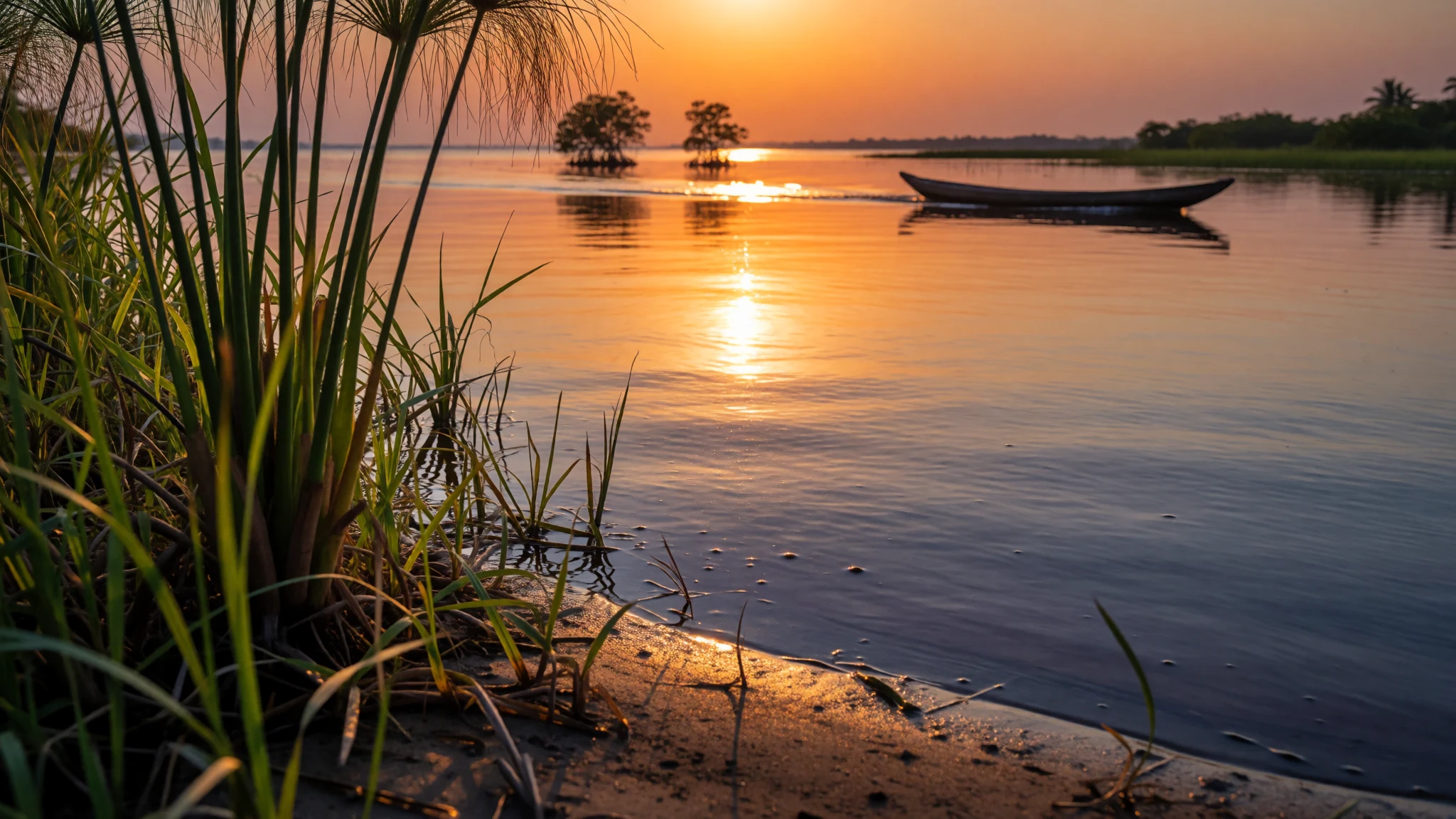
Lake Ahémé is a working fishing lake in southern Benin, where pirogues, mangrove islands and stilted villages show daily life on the water.
The place
Lake Ahémé lies in south-western Benin, in the department of Mono, a short distance inland from the Atlantic coast. It is Benin's second largest lake. In the dry season it covers about 78 square kilometres, and in the rains it swells to about 100 square kilometres. It is long and narrow, around 24 kilometres from end to end and roughly 3.6 kilometres wide on average.
The water system is unusual. The Couffo River empties into a swampy northern end, while a channel about 10 kilometres long, the Aho Channel, links the southern end to the Grand-Popo Lagoon beside the sea. In the wet season the channel carries water towards the coast. In the dry season the flow reverses and brackish water pushes back in, so the southern end becomes saltier. That shifting balance shapes what lives in the lake and what the fishers catch.
Two peoples, the Pedah and the Ayizo, live along the shores. Fishing and farming are the main livelihoods. Recorded fish species number 71. The lower Couffo marshes, the lake, the Aho Channel and the neighbouring coastal lagoon together cover 47,500 hectares and are a Ramsar wetland and an Important Bird Area. This is a place of reeds, open water and small settlements rather than sights in the usual sense, and the pace is set by boats.
Its story
The story of Lake Ahémé is the story of people making a living from water that changes with the season. The Pedah and the Ayizo have long settled around its shores, and fishing and agriculture remain the backbone of the local economy. Families fish from the lake, farm the land beside it, and trade between villages by boat as much as by road.
The lake's odd plumbing explains much of this. Because the Aho Channel changes direction between wet and dry seasons, salinity at the southern end rises when the channel reverses. Fishers learn to read that rhythm, and the mix of fish they find follows it. The 71 recorded species give the lake real variety, which is why it feeds so many households.
Around Guézin, in the commune of Comé, life is organised around crossings. A bridge links parts of the shore, and elsewhere pirogues do the work of school buses and market vans, with children travelling to class by canoe. Mangrove-covered islands such as the Houédo island sit in the water near Guézin and show how settlement here has adapted to a wetland.
The protected status of the wider marsh and lagoon system, a Ramsar site and Important Bird Area, reflects a second value of the lake: it is habitat for birds as well as a larder for people. The two uses sit side by side, and visiting responsibly means respecting both.
What to see
- Guézin and the lake bridge — Guézin, Comé
Guézin, in the commune of Comé, is the most practical base on the lake. The bridge here lets you watch crossings, loaded canoes and fishing activity from one spot. Come early, when the water is calmer and boats are setting out, and ask permission before photographing people.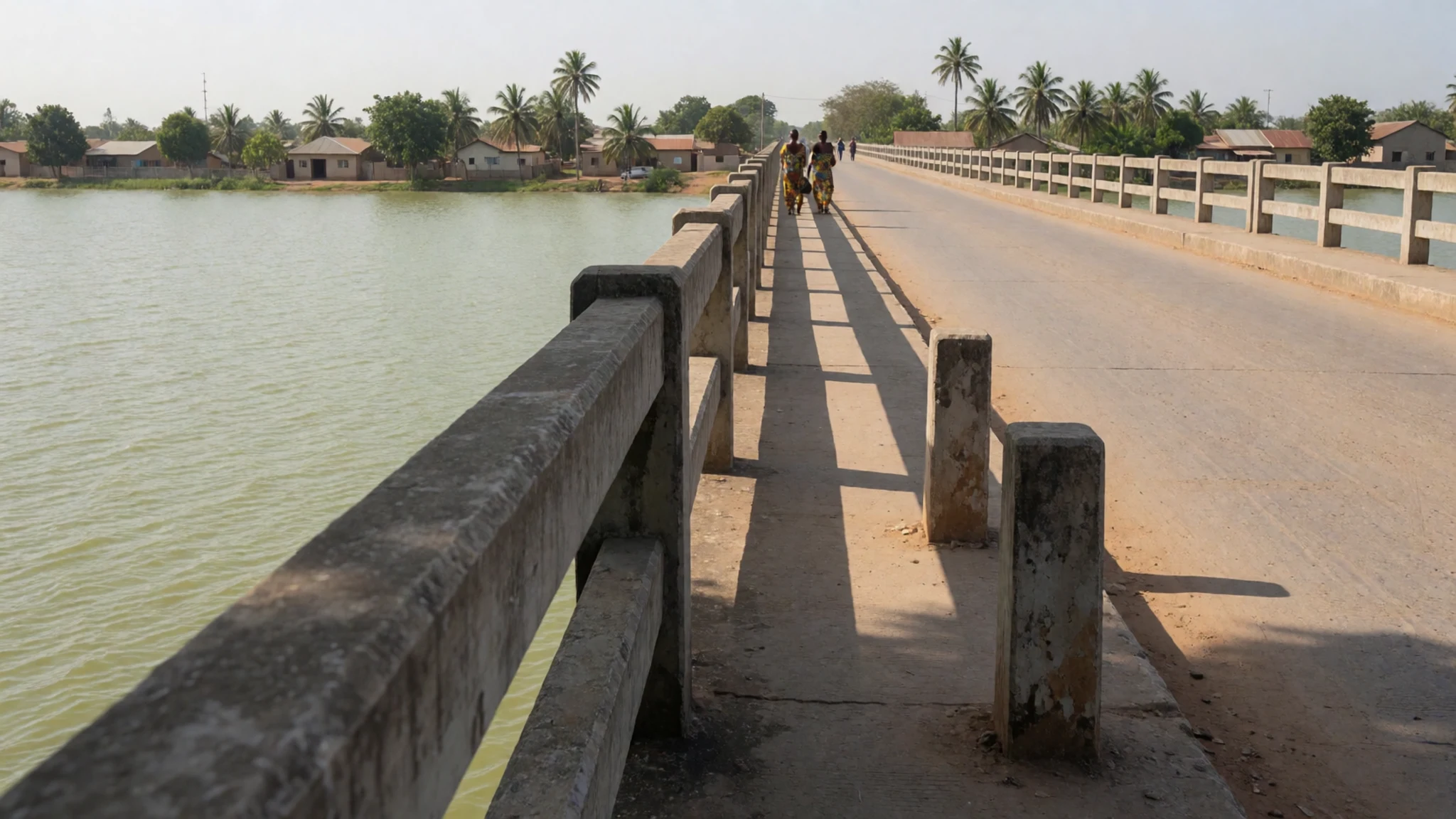
- Houédo island — Off Guézin
This island near Guézin is covered in mangrove and reached by boat. The trip shows how the lake edge works as both habitat and home. Agree the route and the cost with your boatman before setting off, and keep to channels rather than pushing into the roots.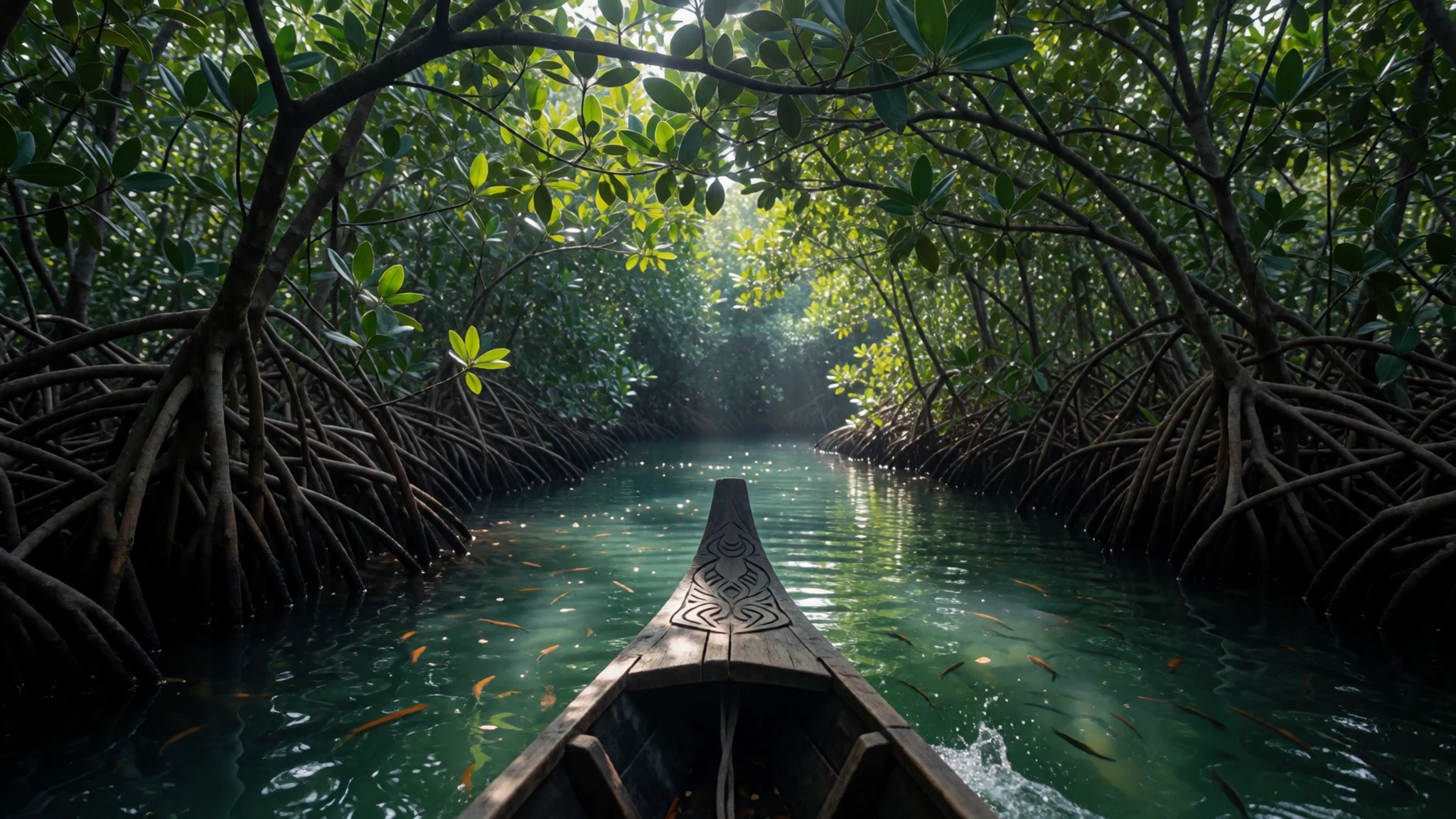
- A pirogue trip on the open water — Lake shore landings
A paddled or motorised canoe is the best way to understand the lake's size, around 24 kilometres long. Ask local guides about routes that match the season, since levels and salinity shift. Expect a slow, quiet ride past reeds, nets and wading birds.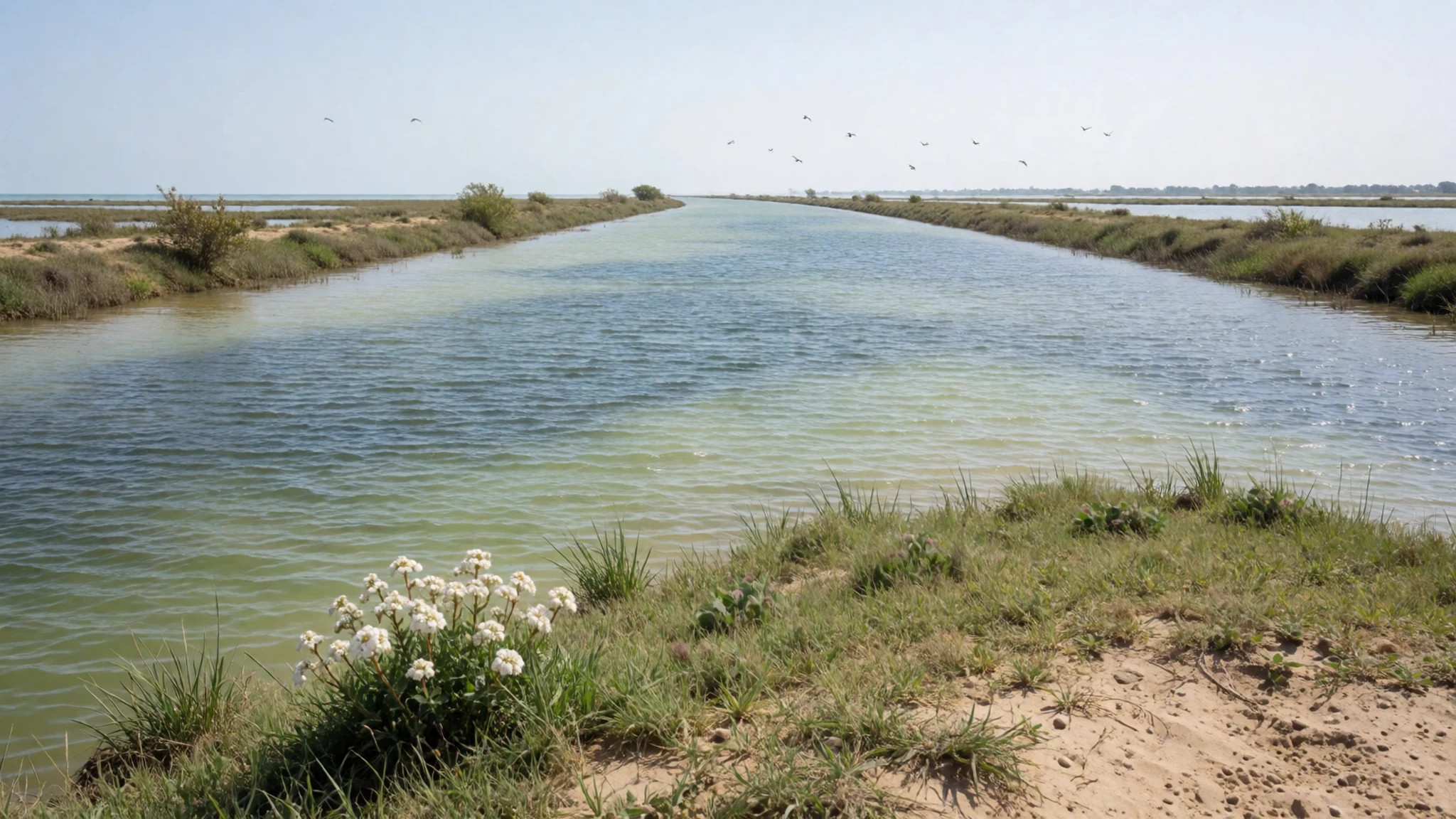
- Birdwatching in the Couffo marshes — Northern end of the lake
The swampy northern end, where the Couffo River enters, belongs to a Ramsar wetland and Important Bird Area. Early morning is best for waders and waterbirds. Bring binoculars and ask a local guide to take you in by boat, as paths on foot can be boggy.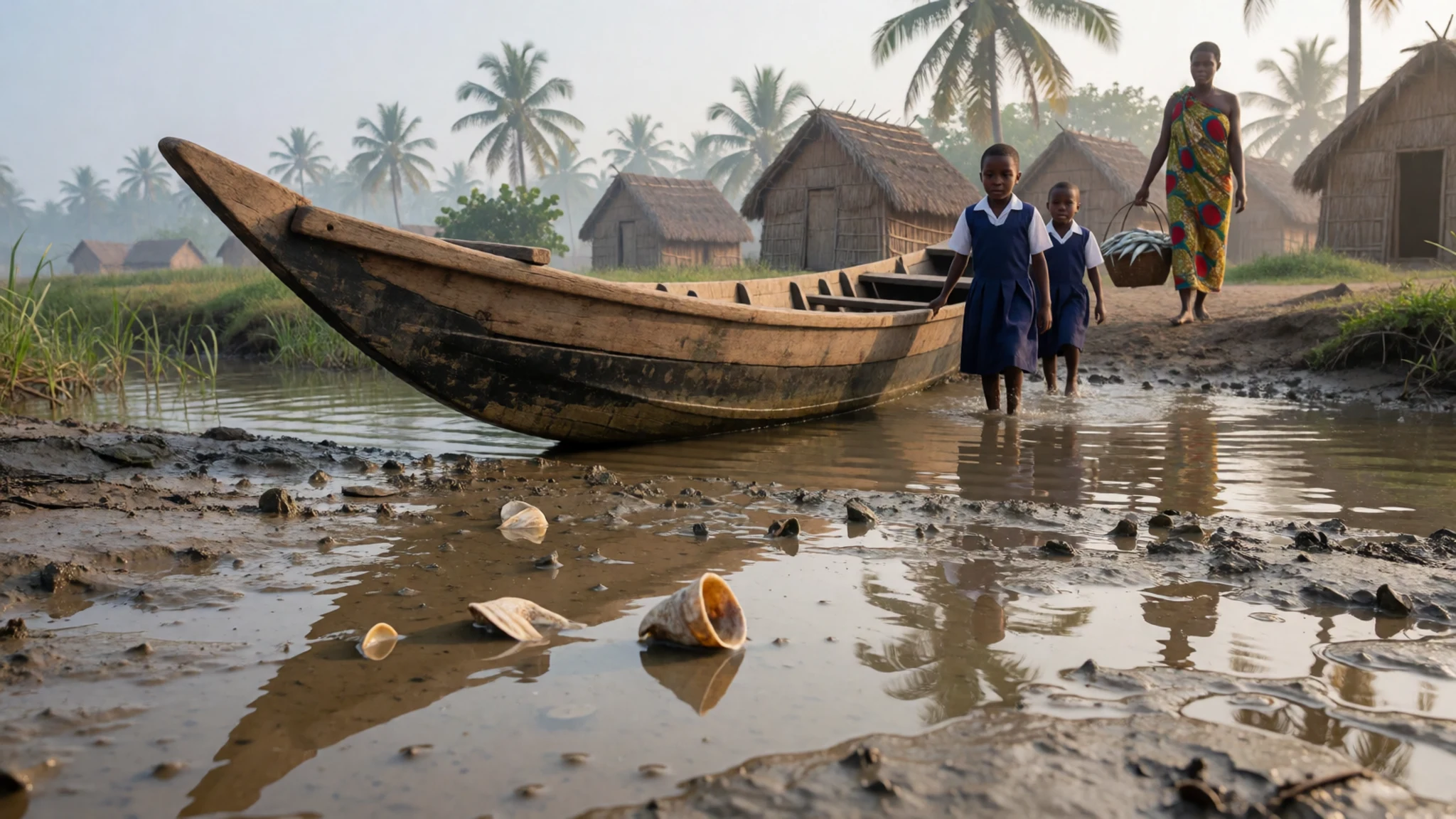
- School and market crossings — Villages along the shore
Watching the daily traffic is a sight in itself: children heading to school by pirogue, fishers landing catches and traders loading goods. Stay at the water's edge, keep out of the way of working boats, and treat it as ordinary life rather than a show.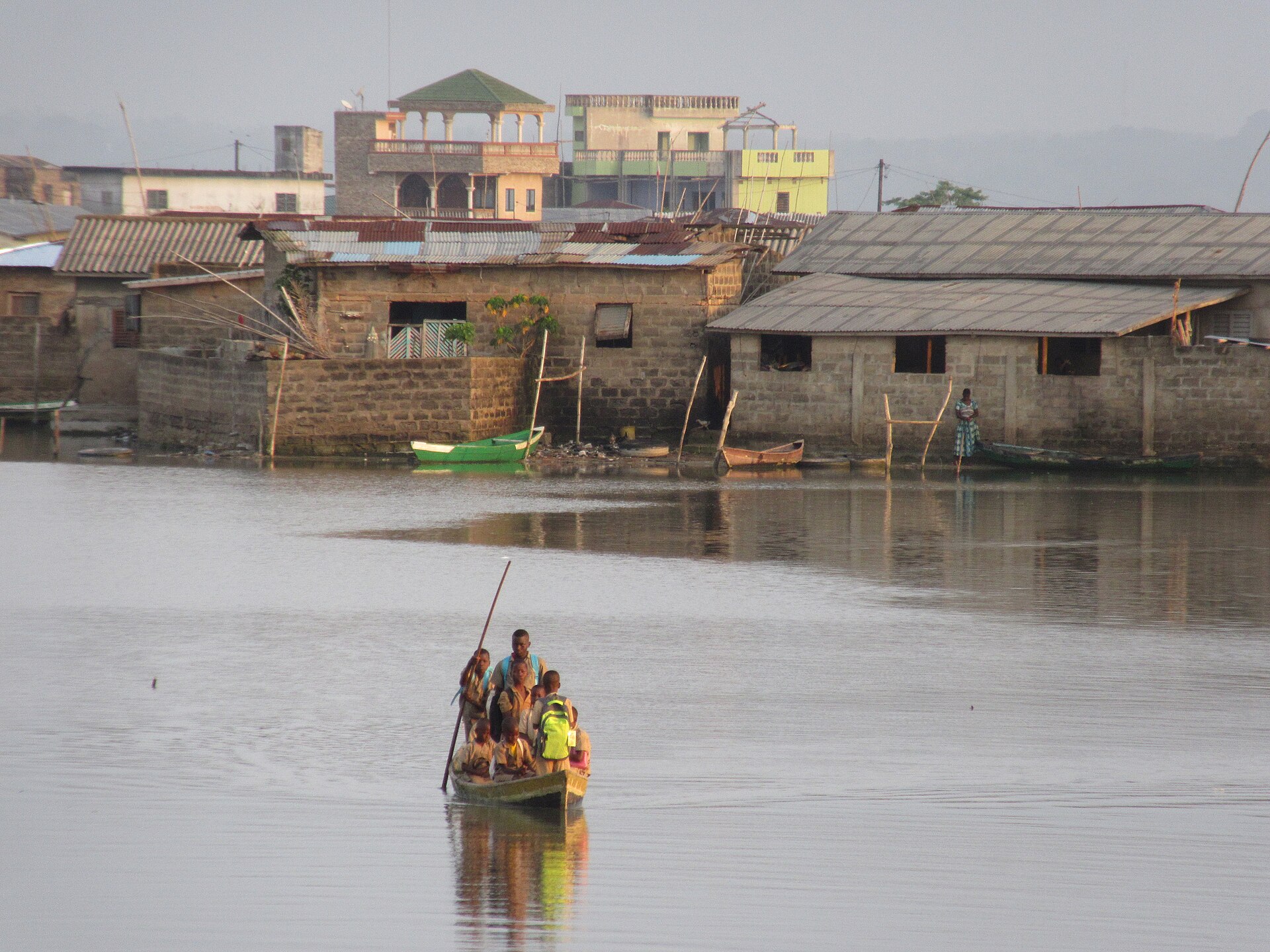
Culture
Lake Ahémé is home to the Pedah and the Ayizo, and its culture is a water culture. Fishing and farming shape the week: boats go out early, catches are sorted and sold on the shore, and fields behind the villages are tended in between. Much of the social life happens at landing places, where families, buyers and neighbours meet.
The lake is also a workplace and, for many, a route to school and market, so boats are never just scenery. A canoe, a net or a fish trap represents someone's income, and it is polite to treat them that way. Children crossing the water to class, women selling fish and men mending nets are people going about their day, not exhibits.
French is widely used in Benin, and a greeting in French is always welcome, as is any effort at a local-language greeting that your guide can teach you. Take time over introductions; a quick hello and straight to business can seem abrupt. Villages usually have a chief or elder, and a guide from the community will often handle the courtesies for you.
Always ask before photographing anyone, and ask a boatman's permission before touching or stepping into his canoe.
What to wear
Traditional dress around Lake Ahémé follows wider southern Beninese custom rather than anything specific to the lake that I can cite here. Festive and ceremonial clothing is typically made from printed and woven cotton, cut as wrappers, tunics and loose robes, and worn at weddings, funerals and community events. Specific textile names and patterns vary by community, so ask locally rather than assuming.
Day to day, people on the lake dress for work and heat. Fishers wear shorts or light trousers and simple shirts, often barefoot or in sandals in the boats. Farmers and traders wear light cotton, and women often wear wrapped cloth skirts with a top and sometimes a headscarf against the sun. In town, clothes are neat and colourful, and many people wear tailored outfits for church, mosque or celebrations.
For visitors, think hot, humid and wet. Wear light, quick-drying clothes that cover shoulders and knees, which is respectful in villages and also protects from sun and insects. A wide-brimmed hat, sunglasses and a light long-sleeved shirt help on open water. Choose sandals that grip when wet or closed shoes you do not mind soaking, as landings are muddy. Carry a light rain jacket in the wet season, and avoid revealing or military-style clothing.
What to eat
- Fresh lake fish, grilled — Lakeside eateries around Guézin
With 71 species recorded in the lake, grilled fish is the obvious order. It is usually cooked over charcoal and served with pepper sauce, and the choice depends on the day's catch. Look for it at lakeside eateries and landing places in the morning.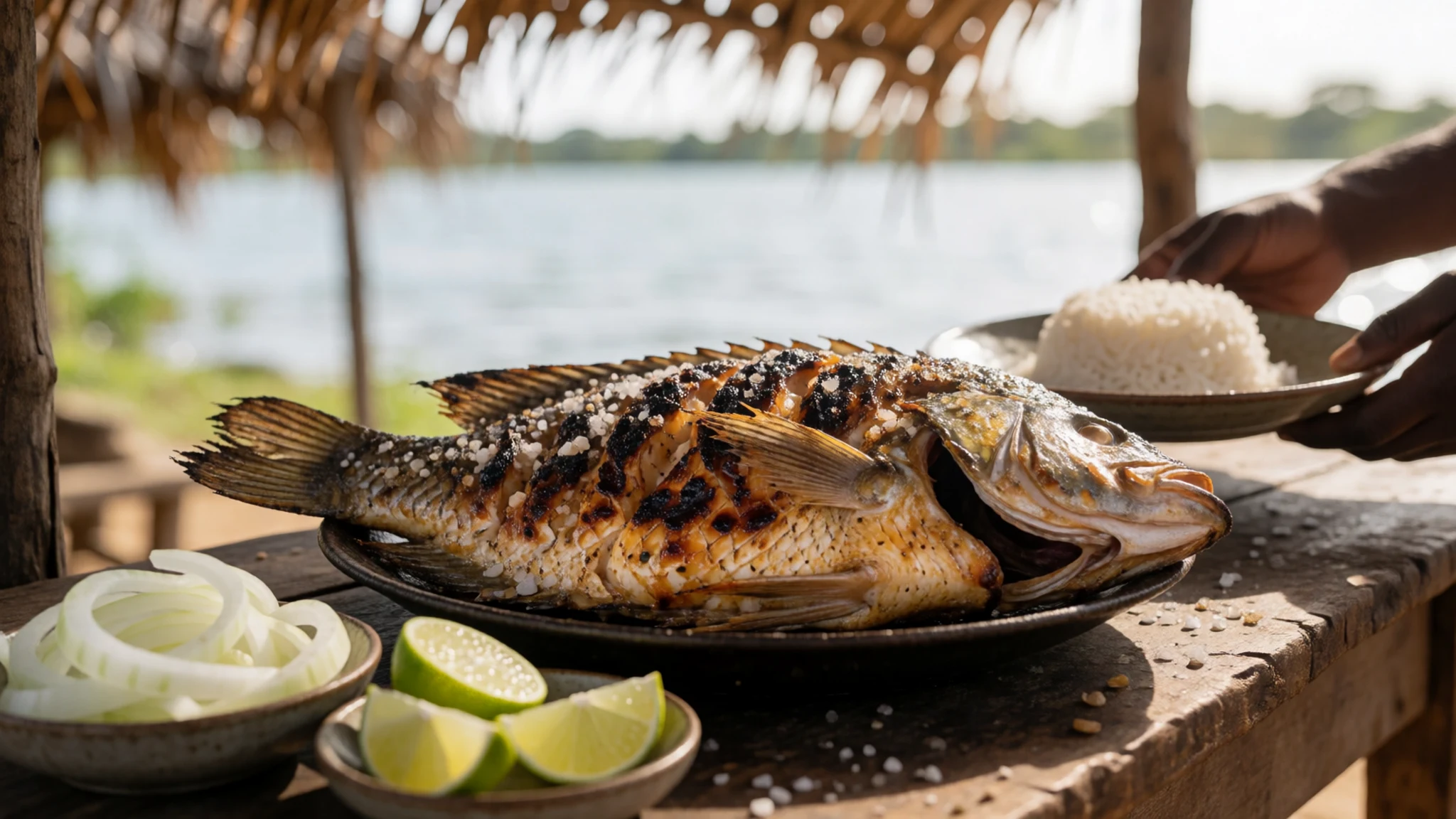
- Smoked fish — Village landing places and local markets
Smoking preserves the catch for sale well beyond the shore. You will see racks and smoking ovens in many villages. It is used to flavour sauces and stews, and it is a good thing to buy as a snack or gift.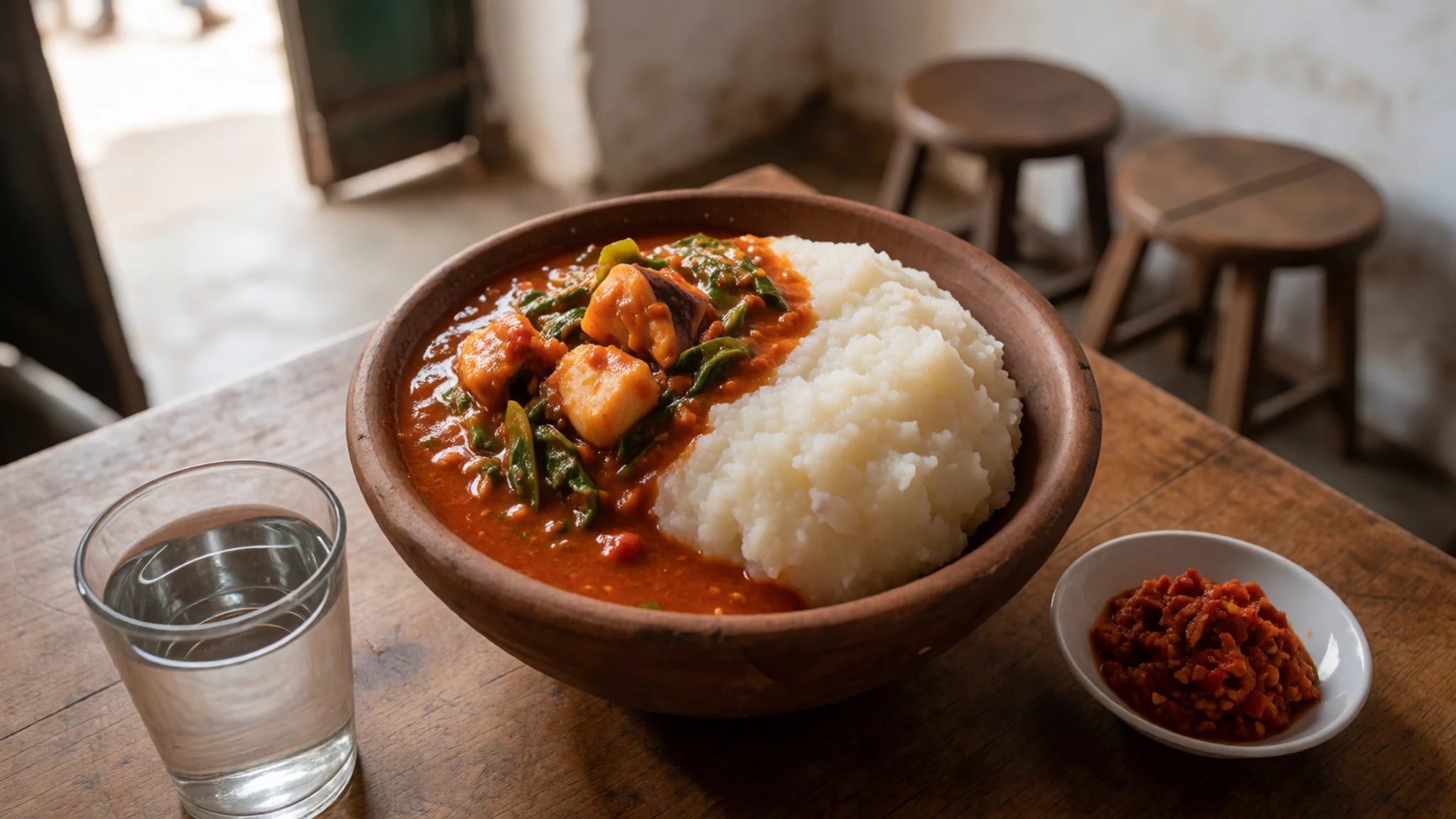
- Pâte with sauce — Local eateries in Comé and nearby towns
A stiff maize or cassava paste, eaten with the hand, is a staple across southern Benin. It comes with a tomato, okra or fish sauce. Eat it at simple local eateries, where it is typically a filling midday meal. - Fried fish with pimento — Street stalls and market corners
Small fried fish served with a fiery pepper relish is a common street snack and light meal. It is quick, cheap by the standards of a restaurant meal, and easy to find. Ask for the pepper on the side if you are cautious. - Palm-based drinks and fresh fruit — Morning markets in lakeside towns
Regional markets sell bananas, pineapples and other seasonal fruit, and local drinks are often made from palm. Choose sealed bottled water for drinking, and wash or peel fruit. Markets are best in the morning, when stock is freshest.
Plan it
Best time. November to February, in the drier months, when roads and landings are easier and the weather is a little less oppressive. The rainy season swells the lake to about 100 square kilometres and can make travel muddy, though the water is fuller.
How long. 1–2
Getting there. Fly to Cotonou, the usual gateway, then travel west by road towards Comé and Grand-Popo, a half-day journey depending on traffic. The last leg to the shore at Guézin is by local road, and from there by boat. Check current transport options locally.
Budget. low
Tips
- Arrange a local guide and boatman through your accommodation in Comé or Grand-Popo, and agree the price before leaving shore
- Start early, when the water is calmer and the heat is lower
- Carry cash in small notes, as cards are rarely accepted in villages
- Bring sun protection, insect repellent and bottled water
- Check with your doctor about vaccinations and malaria prevention before travelling
Etiquette
- Ask before photographing people, boats or nets
- Greet people before asking questions, and let your guide handle introductions
- Do not leave rubbish on the shore or in the water
Nearby
Sources
- Wikidata Q21787689 (CC0)
- Wikipedia: Lake Ahémé (rev 1366075816) (CC BY-SA 4.0)
- Photo 01, Adoscam (CC BY-SA 4.0)
- Photo 02, Adoscam (CC BY-SA 4.0)
- Photo 03, JulianGrayscales (CC BY-SA 4.0)
- Photo 04, Rachad sanoussi (CC BY-SA 4.0)
- Photo 05, Afolabi LADIKPO (CC BY-SA 4.0)
- Photo 06, Afolabi LADIKPO (CC BY-SA 4.0)
- Photo 07, Afolabi LADIKPO (CC BY-SA 4.0)
- Photo 08, Rachad sanoussi (CC BY-SA 4.0)
- Wikivoyage (CC BY-SA 4.0)


