Porto-Novo
Porto-Novo, Benin
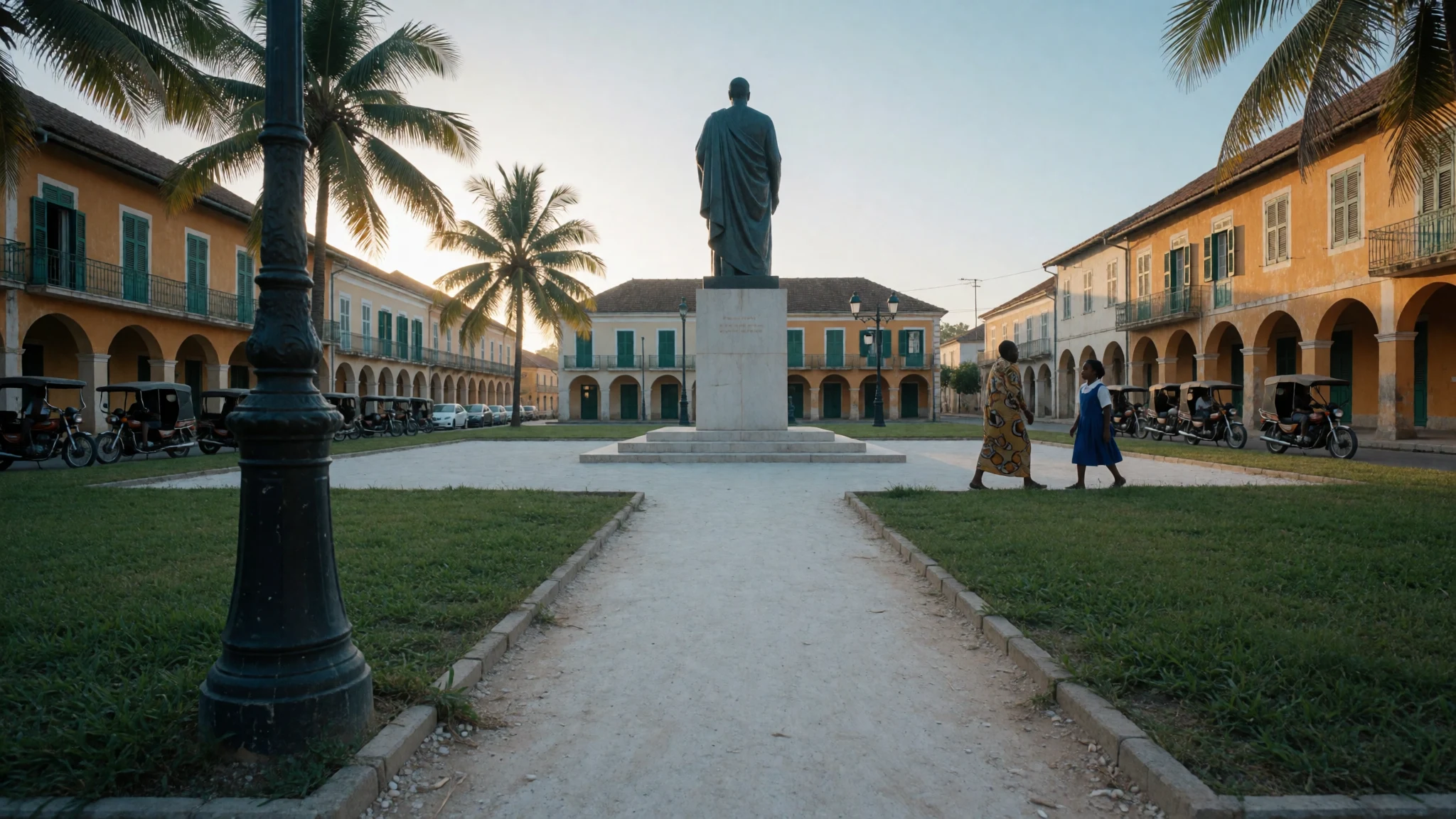
Porto-Novo is Benin's quiet official capital, where Yoruba, Gun, Afro-Brazilian and French pasts sit side by side in small museums, shrines and markets.
The place
Porto-Novo is the official capital of Benin, yet much of the government works from Cotonou on the coast, and that split gives the city its character: slower, lower-rise and more drawn to museums and old family compounds than to traffic and trade. About 234,000 people live here, on land only 38 m above sea level, behind a lagoon that keeps the town apart from the Atlantic. Cotonou lies to the west and the Nigerian border not far to the east, so Yoruba, Gun and French are all heard in everyday talk. The city carries several names: Hogbonu in Gun, Àjàṣẹ́ in Yoruba, and Porto-Novo in Portuguese and French. The centre mixes colonial administrative buildings, Afro-Brazilian houses with painted plasterwork, a large mosque, a cathedral, royal compounds and busy markets. Heat and humidity are constant, and motorbike taxis, known locally as zemidjans, fill the roads. Walking between the central sights is possible in the cool of the morning, though distances add up quickly under the sun. In the wet months the red earth streets turn to mud. The lagoon edge shows another side of the city, with fishing boats, pirogues and small settlements that rarely feature in a capital's usual story. Visitors expecting a polished government quarter may be surprised. Those who enjoy details, such as carved doors, shrine houses, mask collections and market stalls, will find plenty to look at, and a good sense of how Benin's layers of history overlap.
Its story
Porto-Novo began as a Yoruba-speaking settlement called Àjàṣẹ́, and for a long period it owed tribute to the Oyo Empire, whose protection kept the expanding Fon of Dahomey at a distance. Later, migrants from the Allada area to the west arrived under a leader named Te-Agbalin, and the Gun name Hogbonu comes from that layering of peoples. The Portuguese name dates from 1730, when a Portuguese captain, Eucaristo de Campos, thought the site recalled the city of Porto. The port grew as an outlet for the transatlantic slave trade, a painful fact that underlies the town's later prosperity. Some formerly enslaved people returned from Brazil in later years, bringing building styles, Catholic and Muslim practice, and surnames such as da Silva, and their influence is still easy to spot in the streets. British naval guns shelled the town, and in 1863 the king chose a French protectorate as the safer course. Dahomey objected strongly, and fighting followed. French control deepened over the following decades, and by 1900 Porto-Novo served as the administrative seat of the colony. When independence came in 1960 the city kept the title of capital, while Cotonou took over most commercial and government work. That long arrangement explains why a modest town holds the national assembly, royal palaces and a set of museums that record the region's many stories.
What to see
- Honmé Museum (King Toffa's palace) — Central Porto-Novo
The former residence of King Toffa is plain and low, built around courtyards, and it gives a clear sense of how Beninese royalty lived and governed. Rooms hold royal objects and records of the treaty with the French. Allow time for a guide, since the stories matter more than the architecture.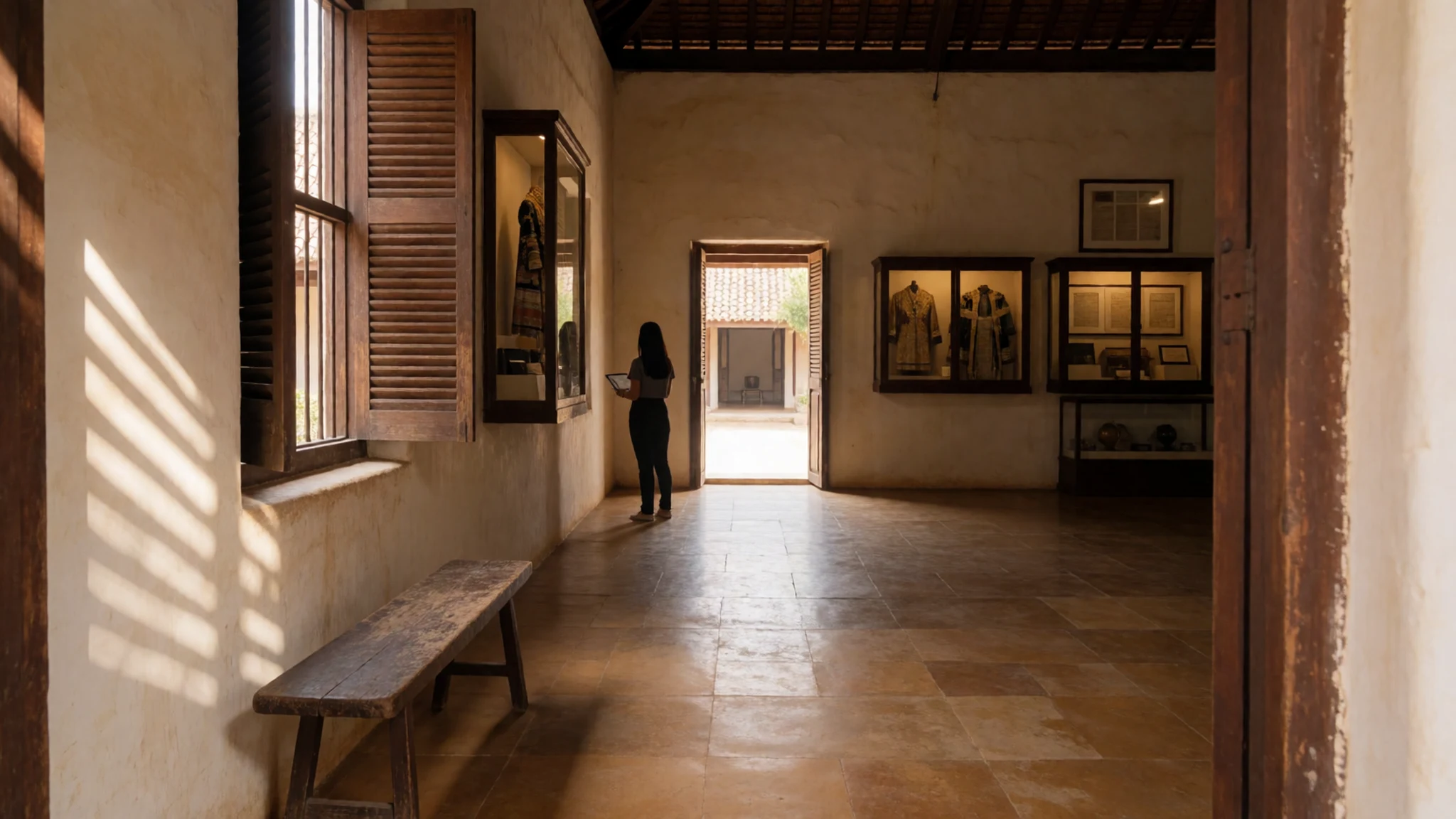
- Ethnographic Museum — Central Porto-Novo
Named after Alexandre Sènou Adandé, this museum gathers Yoruba masks, costumes, musical instruments and objects of the royal courts. It is a useful first stop, because the labels and displays explain the groups and beliefs that shaped the city before the visits to shrines and palaces.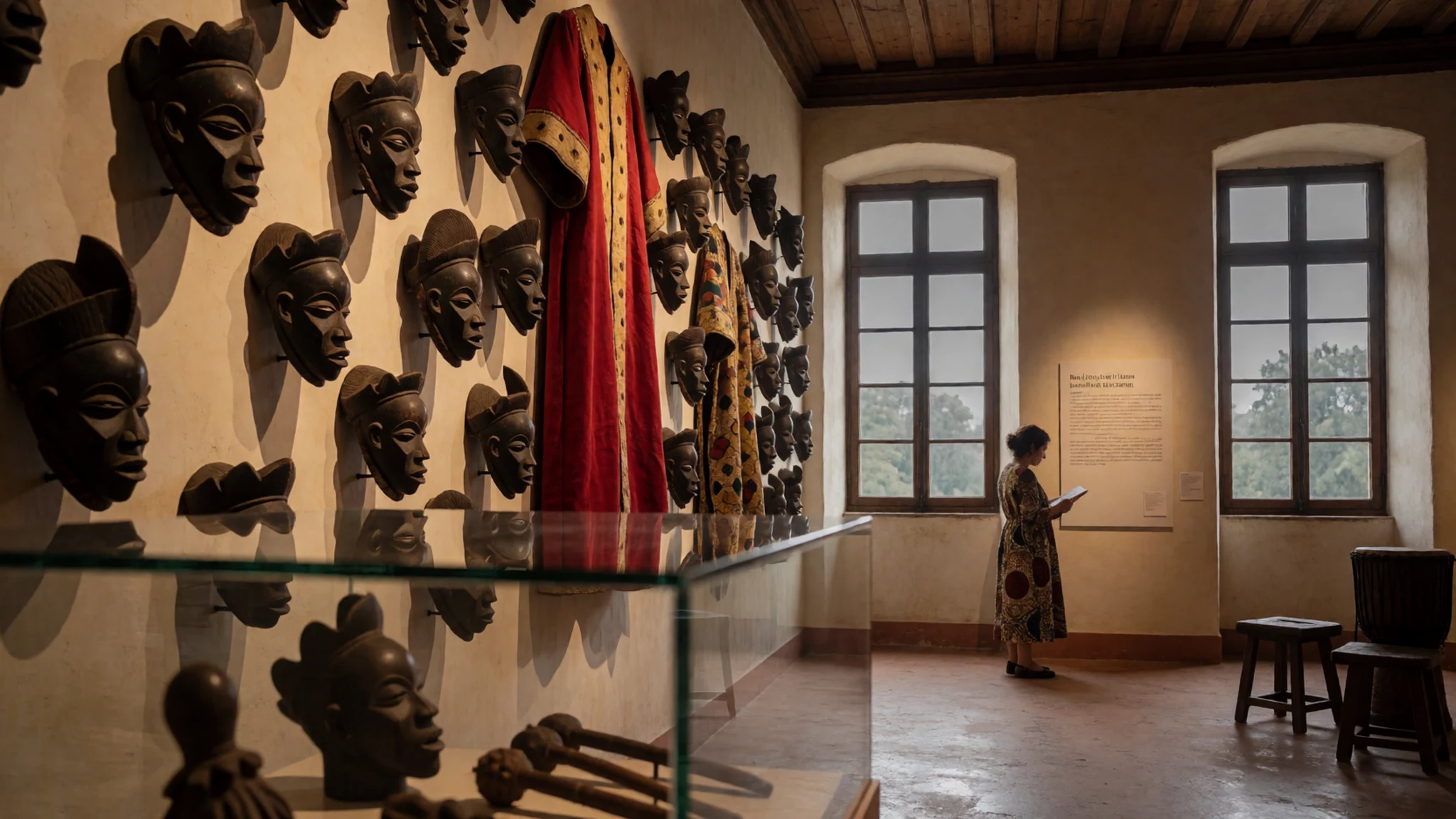
- Musée da Silva — Near the town centre
This museum tells the story of Afro-Brazilian families who came back to the Bight of Benin and rebuilt their lives here. The grounds include a traditional house, a small library and an open-air screen. It explains the colourful façades seen around town and the Brazilian echoes in names, faith and cooking.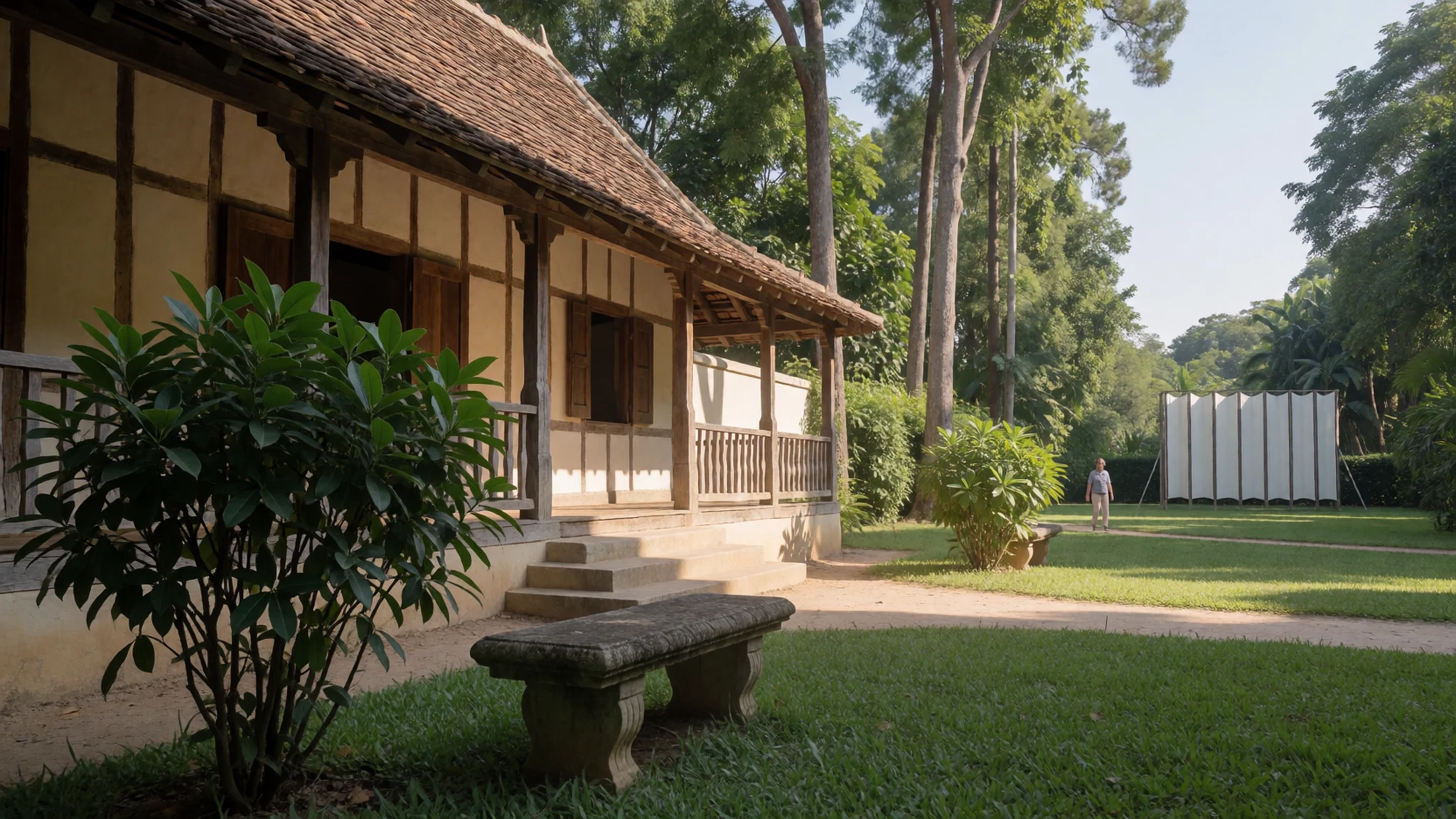
- Grande Mosquée — Central Porto-Novo
Originally a nineteenth-century church in Brazilian style, the building was later converted into a mosque, and its arched openings and pale, ornamented walls still look more like a colonial church than a minaret-dominated mosque. It is best admired from outside, and visitors should ask before entering or photographing worshippers.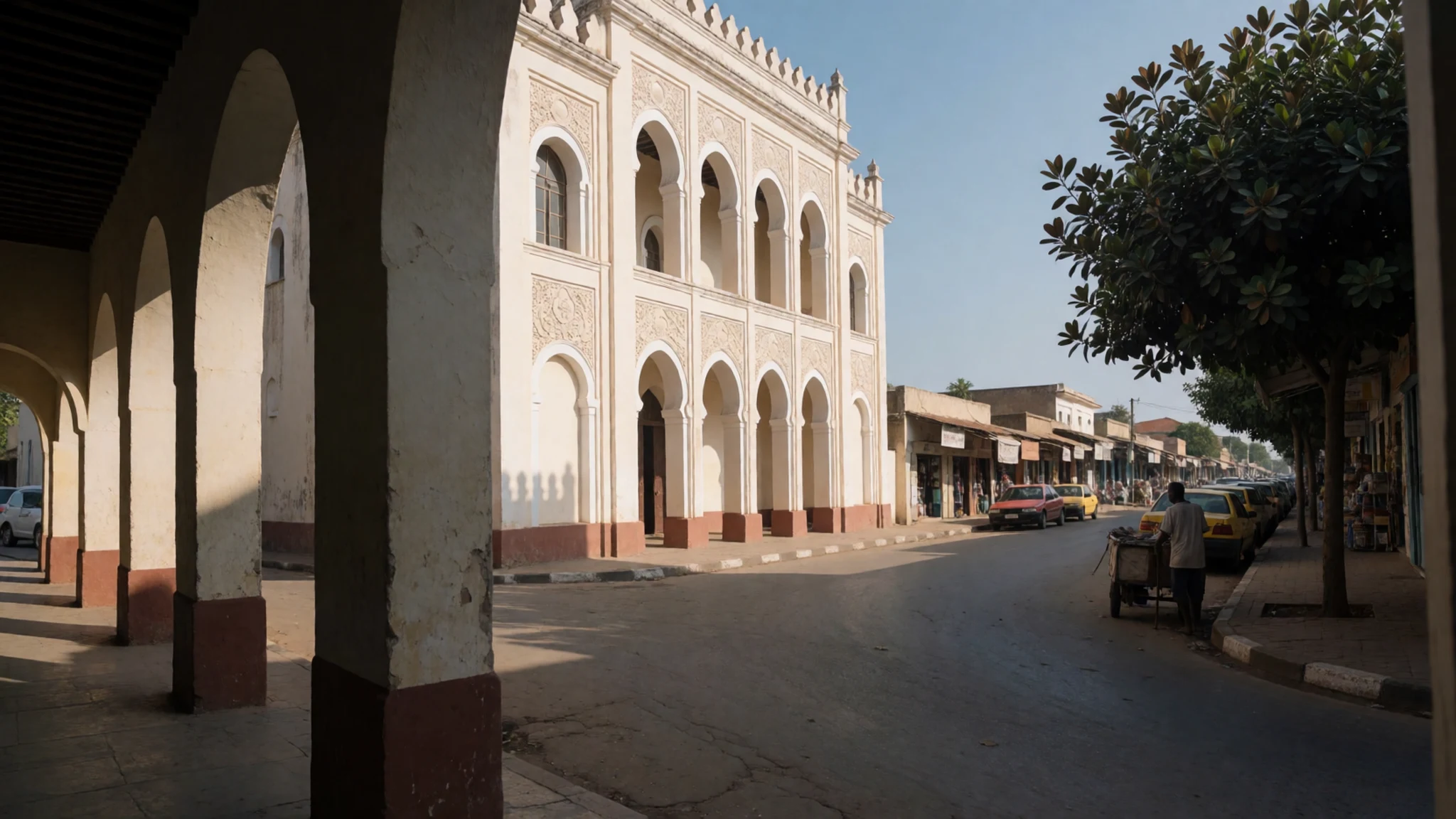
- Place Toffa and Jardin Place Jean Bayol — City centre
A statue of King Toffa stands in the open plaza at the heart of town, where residents meet, shelter from the sun and cross between offices, schools and markets. It is an easy place to orient oneself and to watch the zemidjans, schoolchildren and traders pass.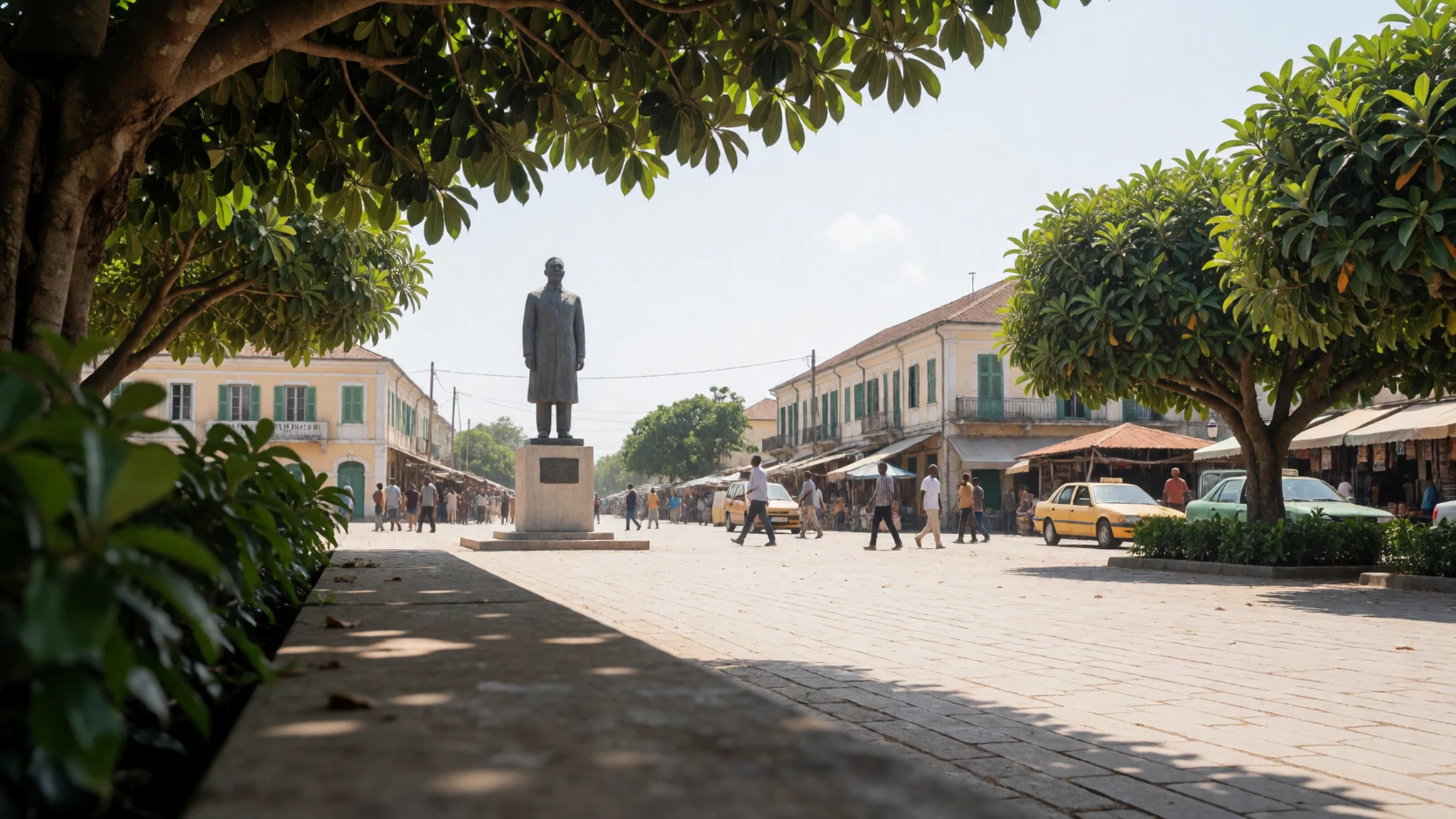
- Ouando Market — Ouando district
Ouando Market is the city's main trading ground, a loud, crowded mix of cloth, produce, household goods, fish and spices. Mornings are best, before the heat peaks. Go with small notes, keep bags close, and expect bargaining to be cheerful but persistent.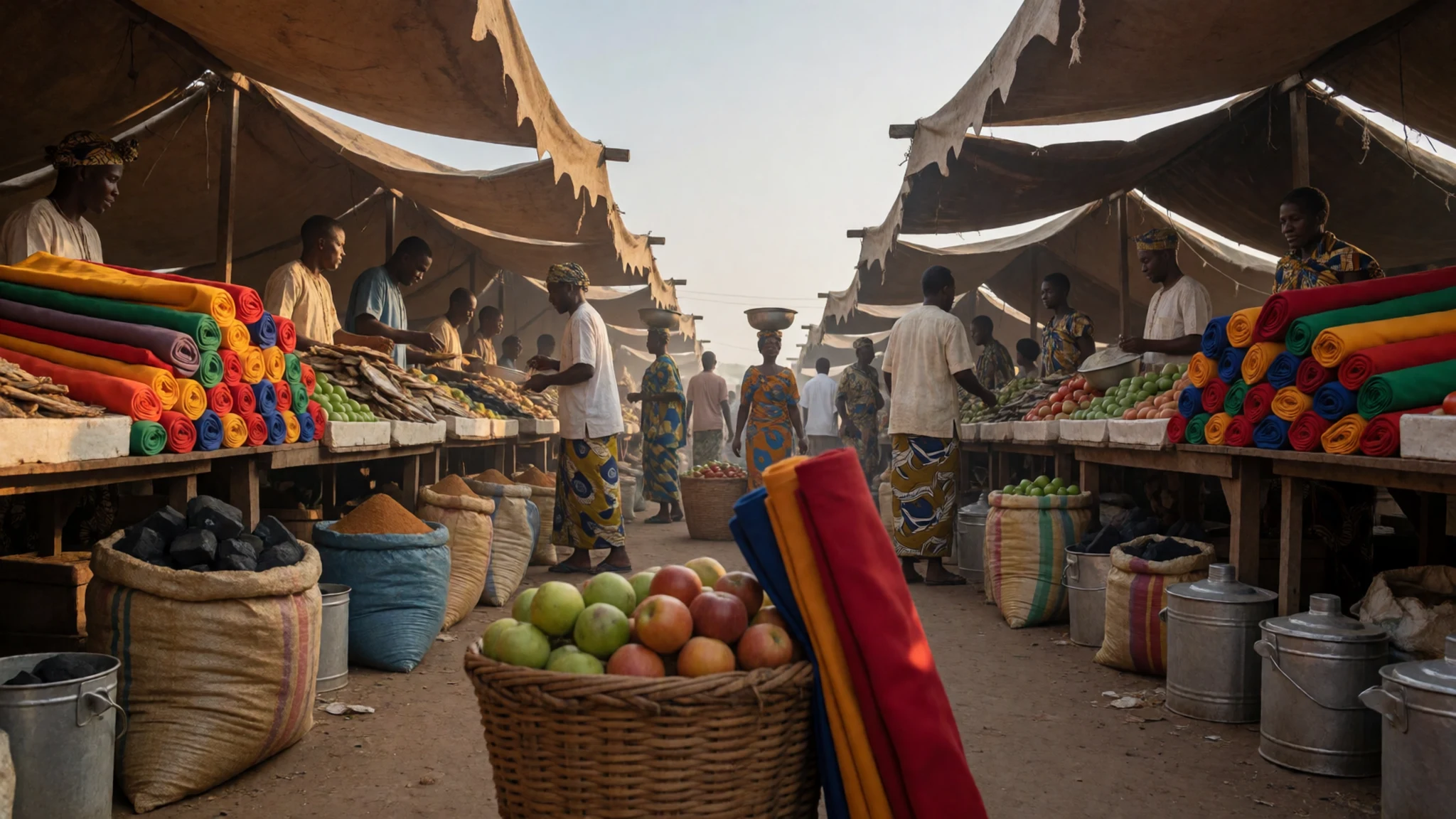
Culture
Porto-Novo's culture grows from the meeting of Yoruba and Gun traditions with Afro-Brazilian and French influences. Vodun, the religion associated with this part of West Africa, is practised openly here, and the Isèbayé Foundation is a museum devoted to it and to Beninese history. Shrine houses and temples appear in several neighbourhoods, among them those for the Zangbeto, masked night guardians whose cone-shaped costumes of raffia or straw are said to hide a spirit rather than a person. Egungun masquerades, belonging to Yoruba tradition, also appear at festivals and funerals. The royal heritage is just as present: King Toffa's palace is a museum, and the wider palace district sits on Benin's tentative list for World Heritage. Christianity and Islam are both strong, which is why a cathedral, a large mosque and the headquarters of the Celestial Church of Christ, a church founded in Benin, share a small city. Mask collections and memorials in the museums show how art, rank and belief were once tied together. Most people are open to questions, and greeting properly at the start of any exchange counts for more than hurrying to the point. Festivals follow the religious calendars of each community, so dates change from year to year. Ask permission before photographing people, shrines or masked figures, and follow your guide's instructions about where to stand and what not to touch.
What to wear
Dress in Porto-Novo draws on Yoruba, Gun and wider West African traditions. Ceremonial clothing includes the agbada, a wide flowing robe worn over matching trousers and tunic, and the buba and iro for women, a fitted top with a wrapped cloth, often finished with a gele headtie. Cotton wax-print fabric, brightly patterned and sold by the length in markets, is the everyday favourite for tailored outfits, while stiffer woven cloth and lace appear at weddings, funerals and church or mosque occasions. Today people mix these with practical modern clothes. Office workers and students often wear shirts, trousers and skirts, many women have outfits sewn by neighbourhood tailors, and men wear shirts over trousers or a simple boubou on Fridays and festival days. Visitors should dress for heat and humidity: light cotton or linen, breathable layers, a hat and sunscreen. Modest clothing suits the town better than beachwear, so covered shoulders and knees are sensible, especially at the mosque, churches, shrines and the palace museum. A scarf is useful for covering the head where asked. Closed shoes or sturdy sandals are best, as pavements are uneven, gutters are open and unpaved lanes turn muddy in the rains. A light waterproof is worth carrying in the wet months, and a tailor can run up a wax-print shirt within a few days as a souvenir.
What to eat
- Pâte with sauce — Neighbourhood eateries and market food stalls
A smooth maize or cassava paste, shaped into a ball and eaten by hand with a tomato, okra or peanut sauce, often with fish or meat. It is the standard family meal in southern Benin and filling enough for a long day.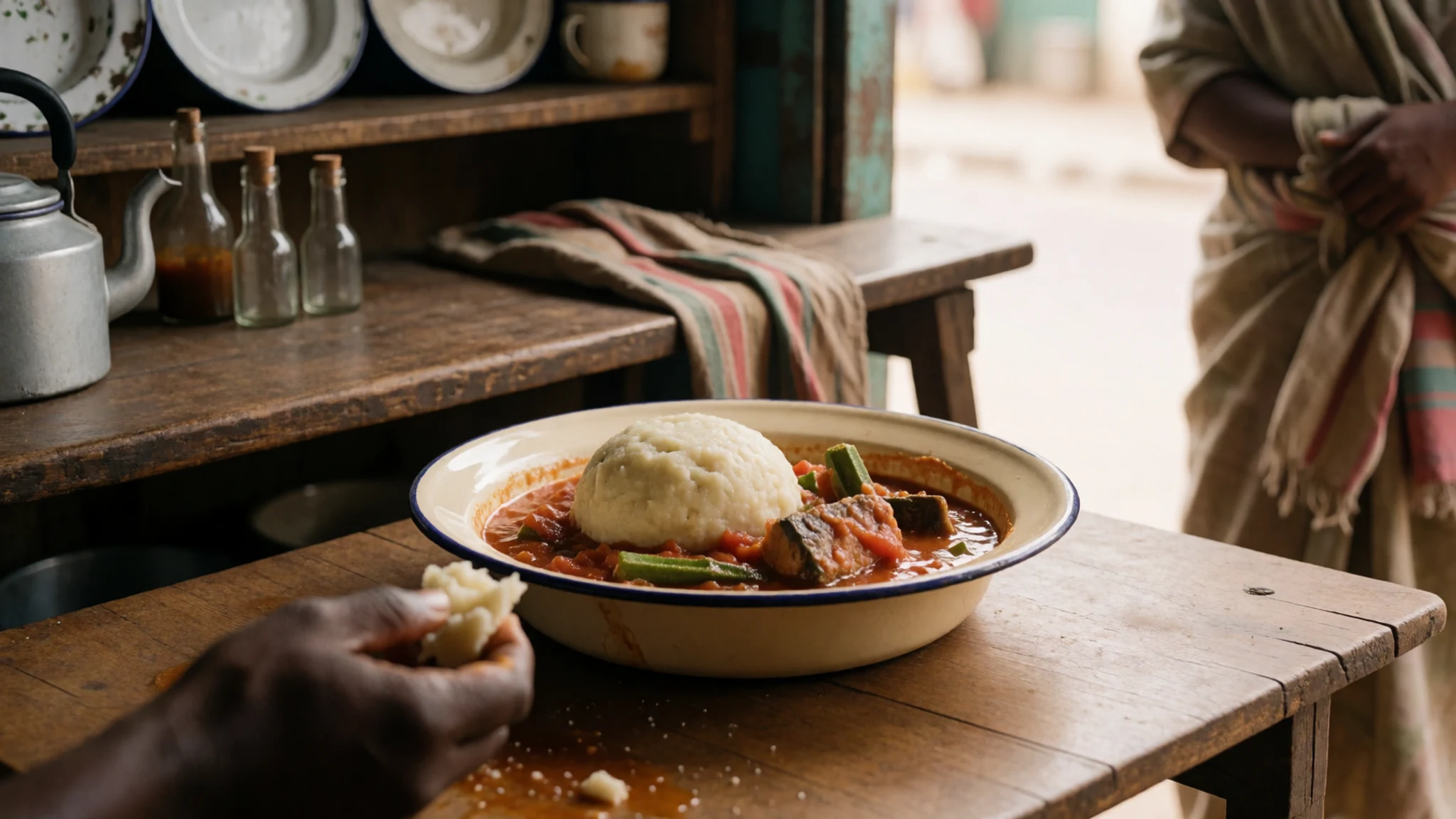
- Amiwo — Local canteens around the markets
Red maize paste cooked in a tomato and palm oil base, with a rich flavour and a deep orange colour. It is usually served with chicken, fish or a boiled egg, and suits those who like a heartier, spiced plate.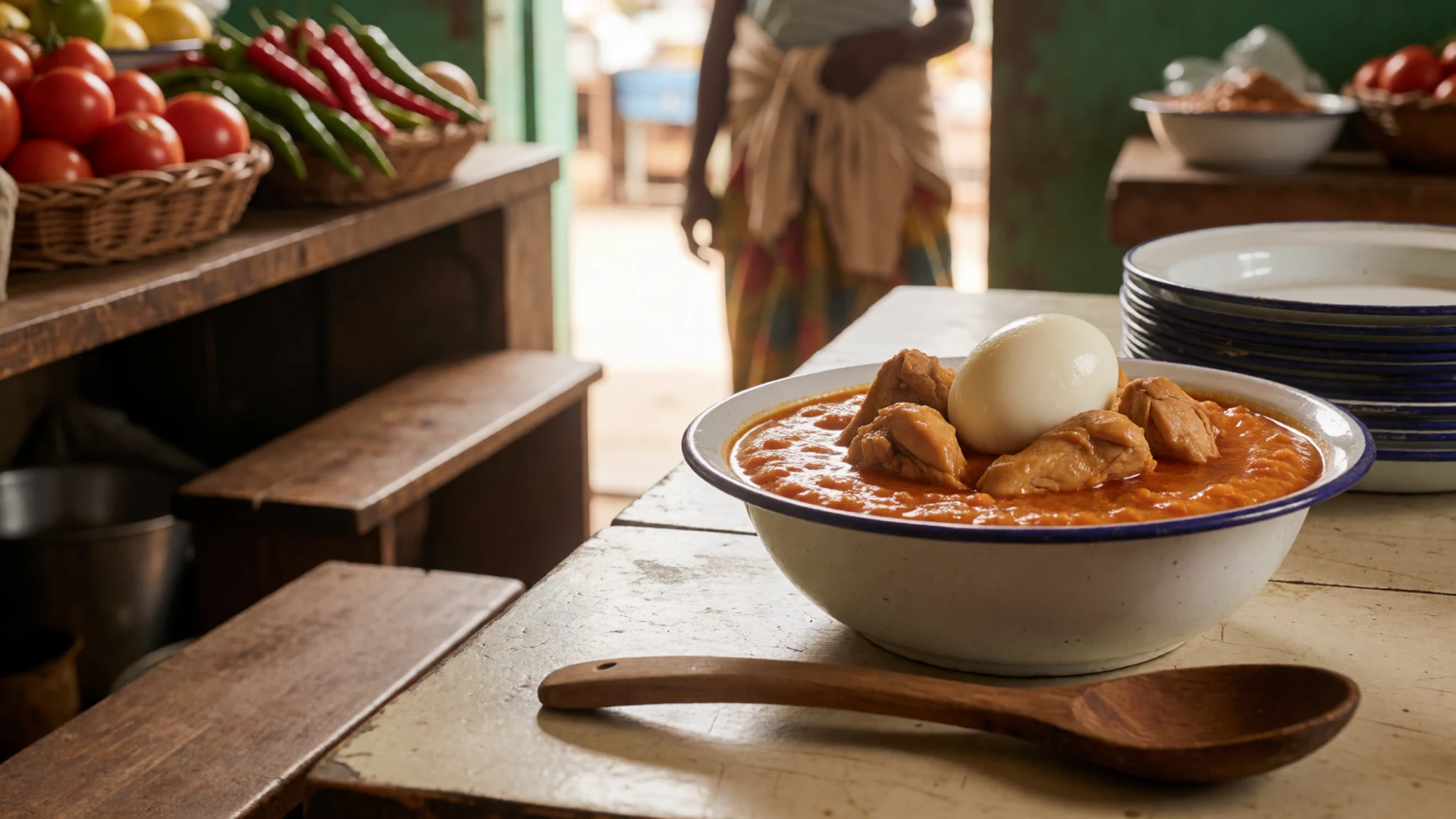
- Grilled fish — Lagoon-side stalls and open-air grills in the evening
Freshwater and lagoon fish, grilled over charcoal and served with pepper sauce, onions and tomato. The smoky flavour is the point, and it is usually eaten with fried plantain or a ball of pâte. - Aloko — Roadside sellers and street corners, especially afternoons
Ripe plantain cut into pieces and fried until caramelised outside and soft inside, often served with a hot chilli relish. It is a popular snack, easy to eat on the move. - Wagashi — Ouando Market and other busy market lanes
A soft cheese made from cow's milk, fried or grilled and sold in orange-coloured pieces, often with a spicy dip. It is associated with Fulani cooks and appears in sauces, sandwiches and by itself.
Plan it
Best time. November to February is the most comfortable stretch, with the long dry season bringing less rain and lower humidity, though the dusty harmattan wind can haze the sky in December and January. March and April grow hotter and heavier, and the rains from April to July, peaking in June, are followed by a second wet spell in September and October that again makes roads muddy.
How long. 1–2
Getting there. Fly into Cotonou, the nearest main airport, then take a taxi or shared minibus east to Porto-Novo; in normal traffic the road trip takes under an hour. Shared taxis also run from Porto-Novo's main taxi park to Abomey and to Lagos in Nigeria.
Budget. low
Tips
- Take care on arrival at Cotonou's busy motor parks, where helpers may grab bags; settle the fare and keep hold of your luggage
- Start museum and market visits early, before the heat and the midday traffic
- Carry small notes in cash, as cards are rarely used outside the larger restaurants and lodgings
- Check opening times for museums on the city's official site, https://www.villedeportonovo.com, or ask locally
- Carry bottled water and sun protection, and arrange a guide for palace and shrine visits
Etiquette
- Greet people before asking questions or starting a bargain
- Ask permission before photographing people, shrines or masked figures
- Dress modestly at mosques, churches and shrines, and take off shoes where others do
Nearby
Sources
- Wikidata Q3799 (CC0)
- Wikipedia: Porto-Novo (rev 1383284487) (CC BY-SA 4.0)
- Wikivoyage: Porto-Novo (rev 5423256) (CC BY-SA 4.0)
- Porto-Novo, Élisée.Adad (CC BY-SA 4.0)
- Grande Mosquée, Joseph Hervé Ahissou (CC BY-SA 4.0)
- Porto Novo Cathedral, Kulttuurinavigaattori (CC BY-SA 4.0)
- Statue of King Toffa I, Rachad sanoussi (CC BY-SA 4.0)
- Ouando Market, Babylas (CC BY 3.0)
- Charcoal transportation in Porto-Novo, Joseph Hervé Ahissou (CC BY-SA 4.0)
- Temple du monstre à 9 têtes, Adoscam (CC BY-SA 4.0)
- Temple des Zangbeto, Adoscam (CC BY-SA 4.0)


