Cotonou
Cotonou, Benin
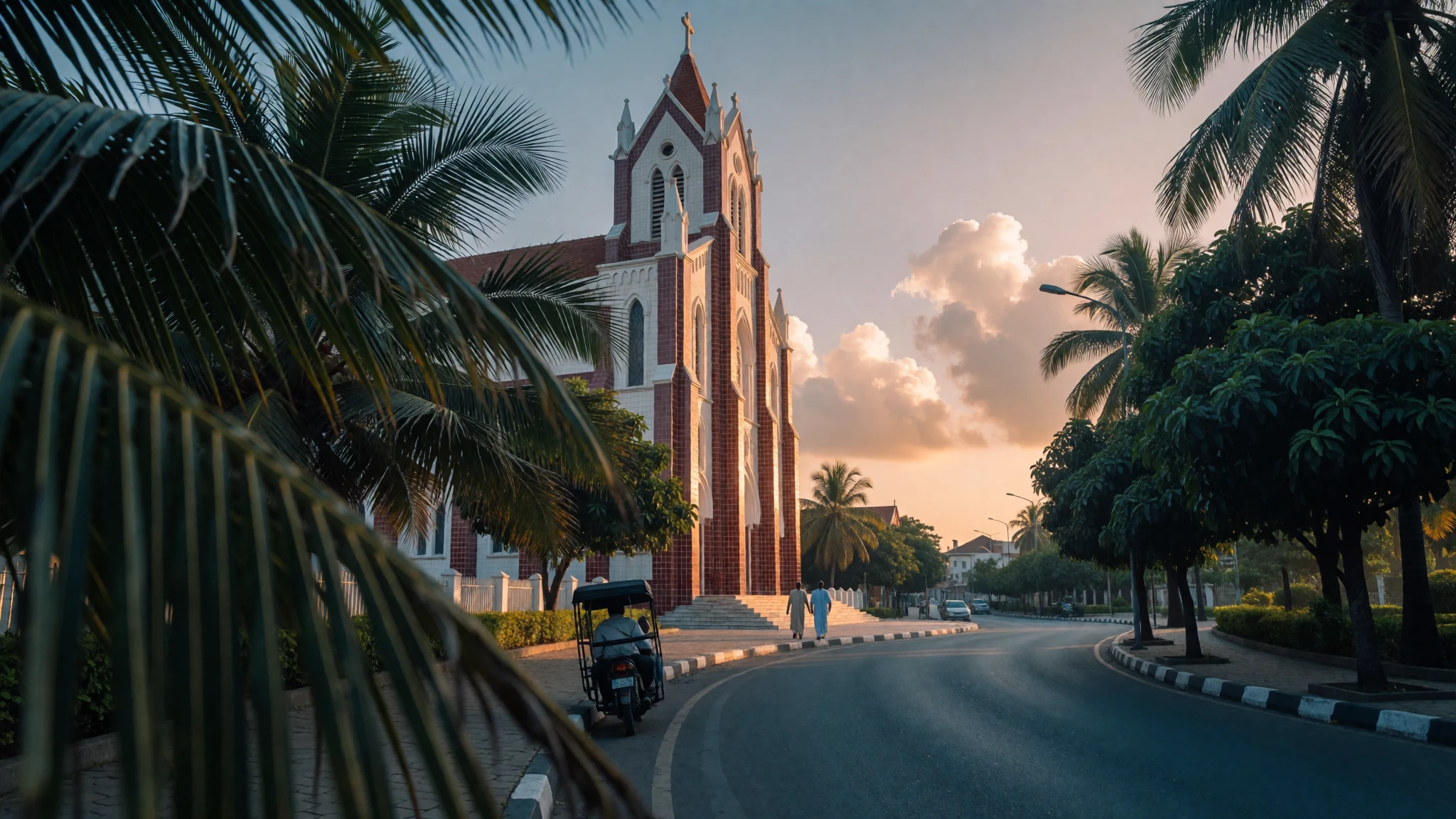
Cotonou is a hot, loud, working Atlantic port city where Benin's history, markets, grilled pork and contemporary art sit within a short ride.
The place
Cotonou is the working heart of Benin, the place where ministries, embassies and most of the country's commerce are concentrated, even though the official capital, home to the national legislature, is the smaller Porto-Novo. About 780,000 people live in the city proper, and the built-up area reaches well beyond that, pushing steadily westward. The site is a narrow coastal strip, squeezed between the Atlantic on one side and Lake Nokoué on the other, at an elevation of about 3 metres. A canal cut by the French in 1855 divides the city into two parts, joined by three bridges, and the Ouémé river empties into the sea here. The port and the roads make Cotonou the gateway for goods heading to Nigeria, Niger, Burkina Faso and Togo, which explains the lorries and the constant hum. Day to day, the city is humid, loud and fast, with swarms of motorbike taxis, known locally as zémidjan, threading between cars. Neighbourhoods such as Cadjèhoun, with its newer towers, feel quite different from the older districts near the canal and the mosque quarter of Zongo. There are beaches, but erosion and strong currents make the sea better for watching than for swimming. Cotonou rewards visitors who treat it as a base for markets, food, art and conversation rather than a checklist of monuments.
Its story
Cotonou's name comes from the Fon language and is usually glossed as "by the river of death". In the early 19th century it was a small fishing village known as Kutonou, and King Ghezo of Dahomey is thought to have formally founded it in 1830. The settlement grew as a trading point, first in people sold into the slave trade and later in palm oil and cotton. France arrived in 1851, when a treaty with Ghezo allowed a trading post to be set up. Under his successor Glele, the territory was handed over to France by a treaty of 1878, and in 1883 the French navy occupied the town to head off a British claim. After Glele died in 1889, King Béhanzin tried to overturn the arrangement but failed. The real turning point came with the building of the harbour in 1908, which turned a modest coastal town into an economic hub and set the pattern of growth that continues today. The same port carries a cost. Coastal erosion has been recorded for decades and worsened in 1961, following construction of the Nangbeto Dam and the deep-water port. A pilot project backed by the United Nations Environment Programme found that the shore east of Cotonou had retreated by 400 metres over 40 years. The city's story is therefore bound up with trade, colonial rivalry and a shoreline that keeps moving.
What to see
- Cotonou Cathedral — Central Cotonou
The cathedral of Cotonou is easy to spot because its tiled walls are striped in burgundy and white. It is the seat of the Catholic archdiocese, so services bring a steady stream of worshippers. Visit outside Mass if the aim is photographs, and keep voices low inside.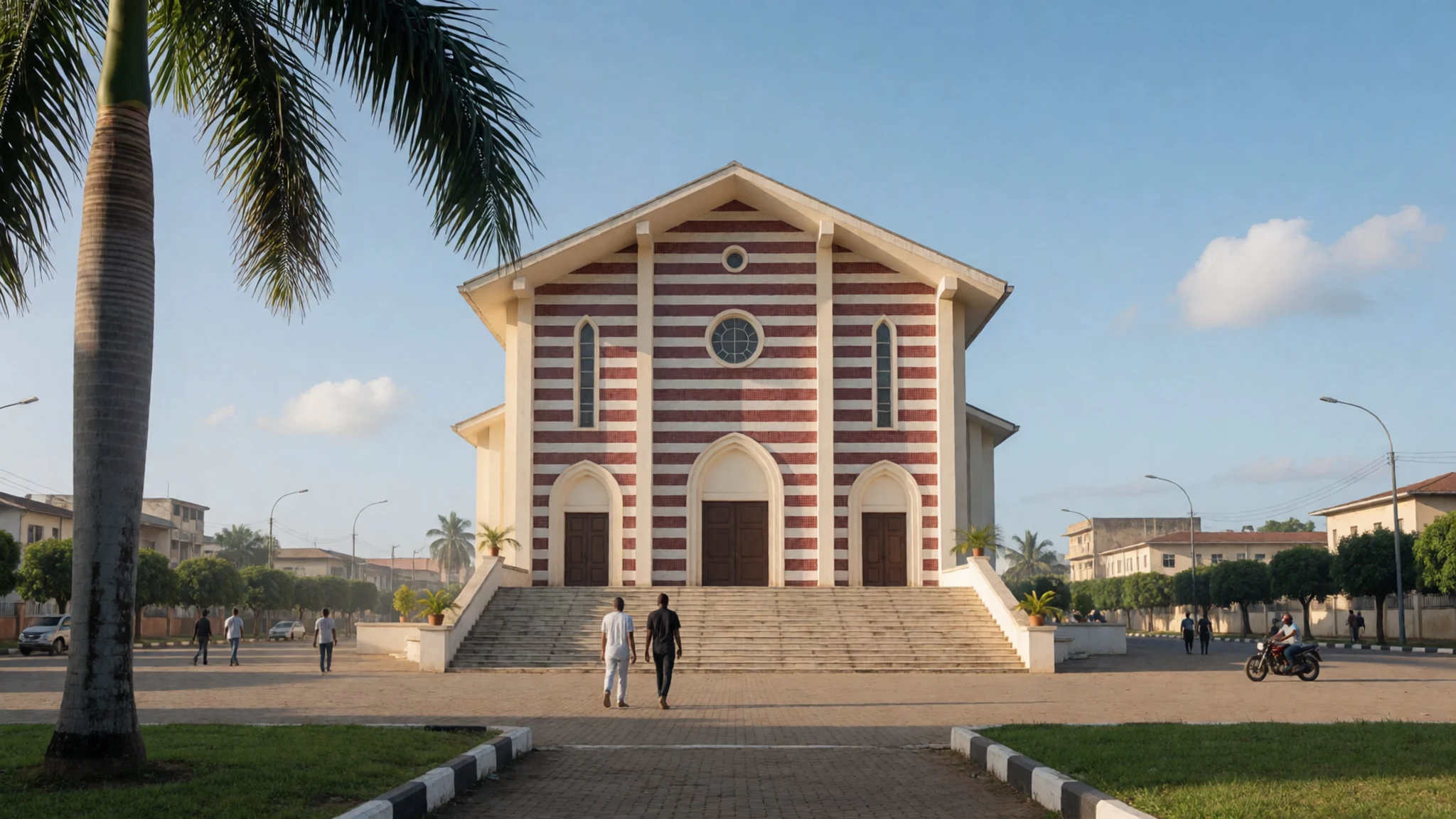
- Grande Mosquée de Zongo — Zongo district
The great mosque at Zongo anchors a district whose name comes from a Hausa word for foreigner, and the neighbourhood reflects that mix of traders and families from across West Africa. Come for the street life around it, and ask before going inside or photographing worshippers.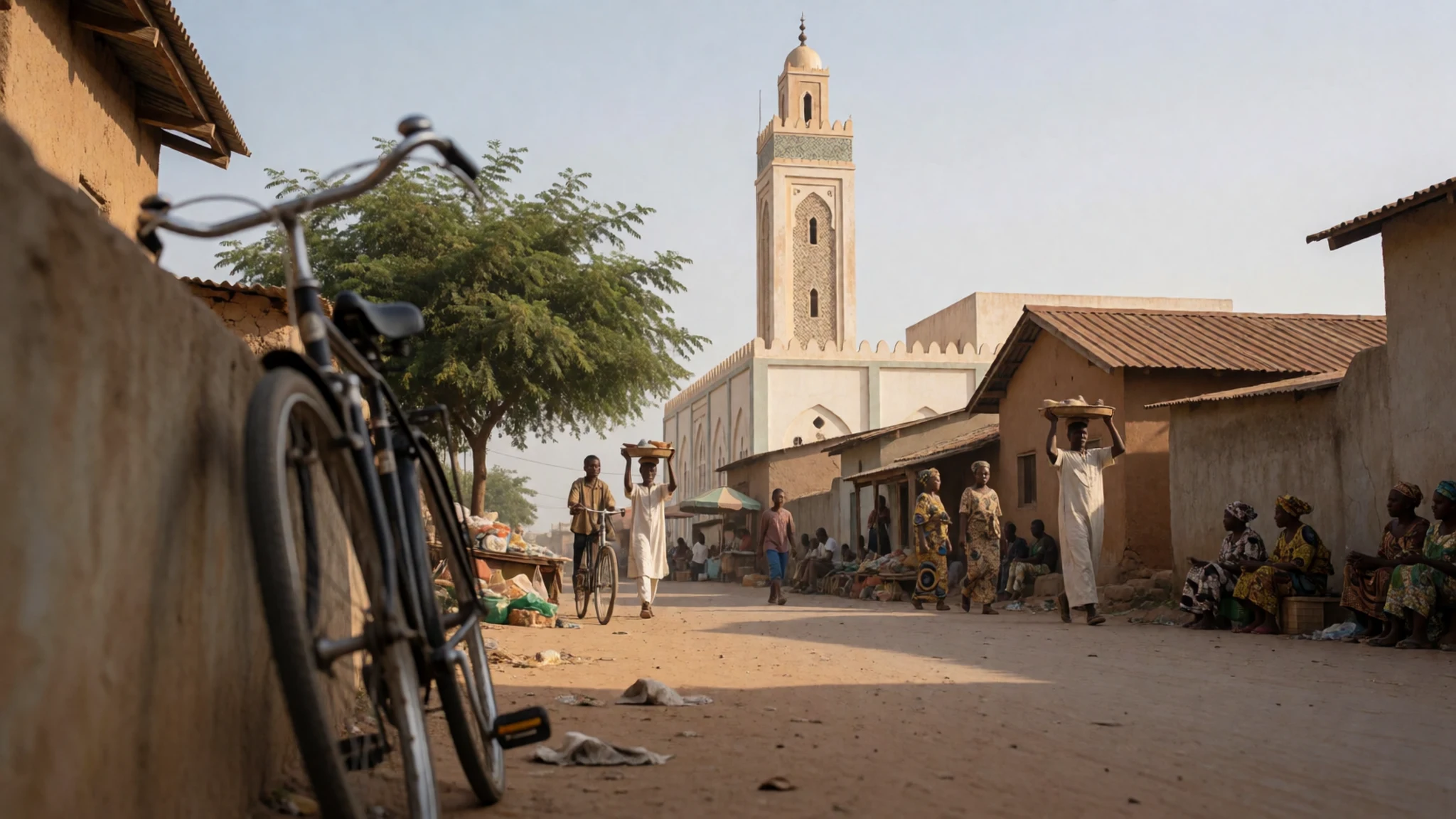
- Place des Martyrs — Near the seafront
This large monument, built by North Korean contractors, honours people who died resisting colonial rule. The scale is striking against the low surrounding streets, and the open space makes it a calm stop. Treat it as a memorial rather than a backdrop for posed photographs.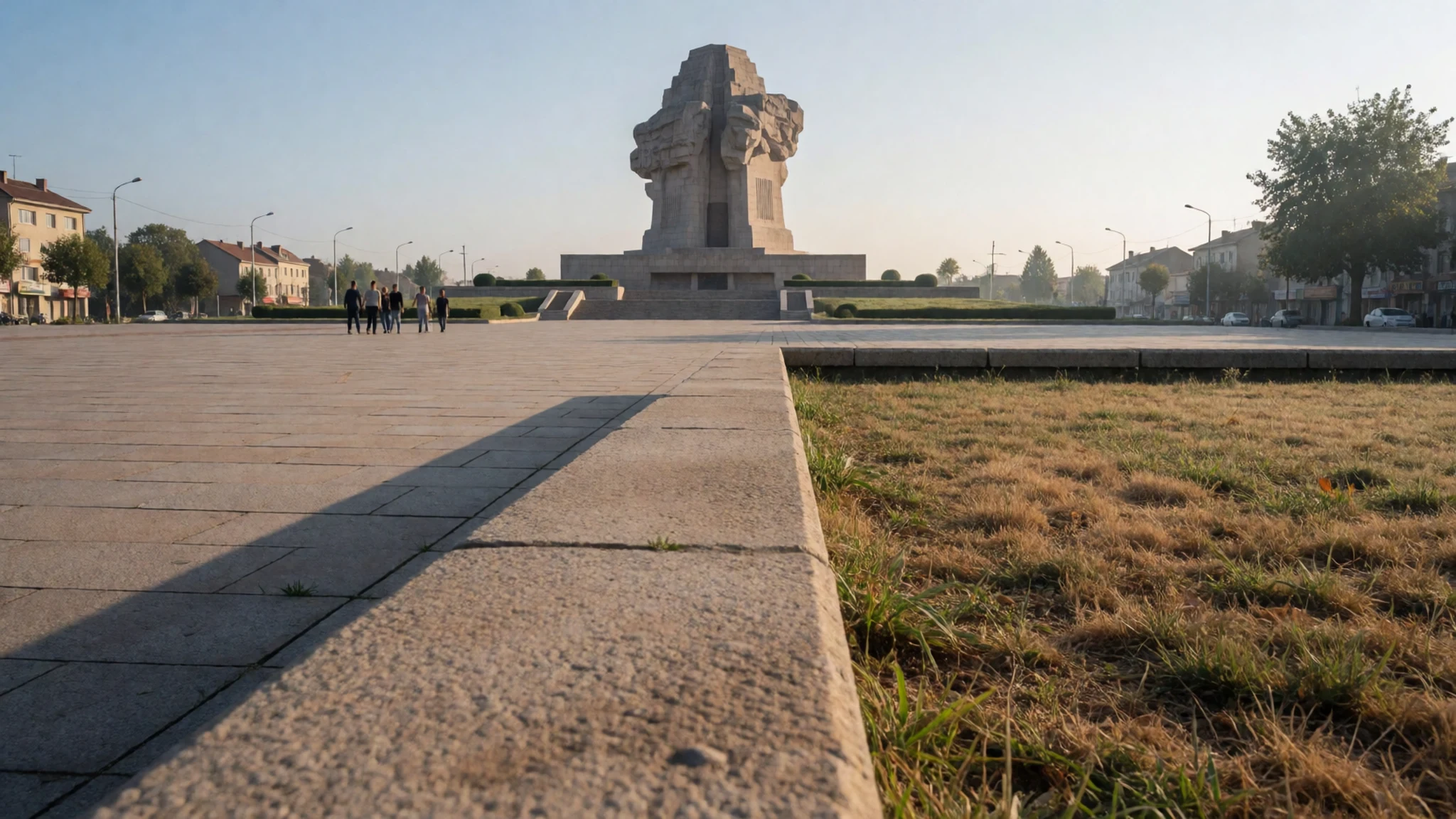
- Place de la Bulgarie — Central Cotonou
A traffic circle holds a statue of Georgi Dimitrov, Bulgaria's first Communist leader, a curious leftover of Cold War friendships that looks oddly out of place among motorbikes and market traffic. It is a quick photo stop from a taxi rather than a destination of its own.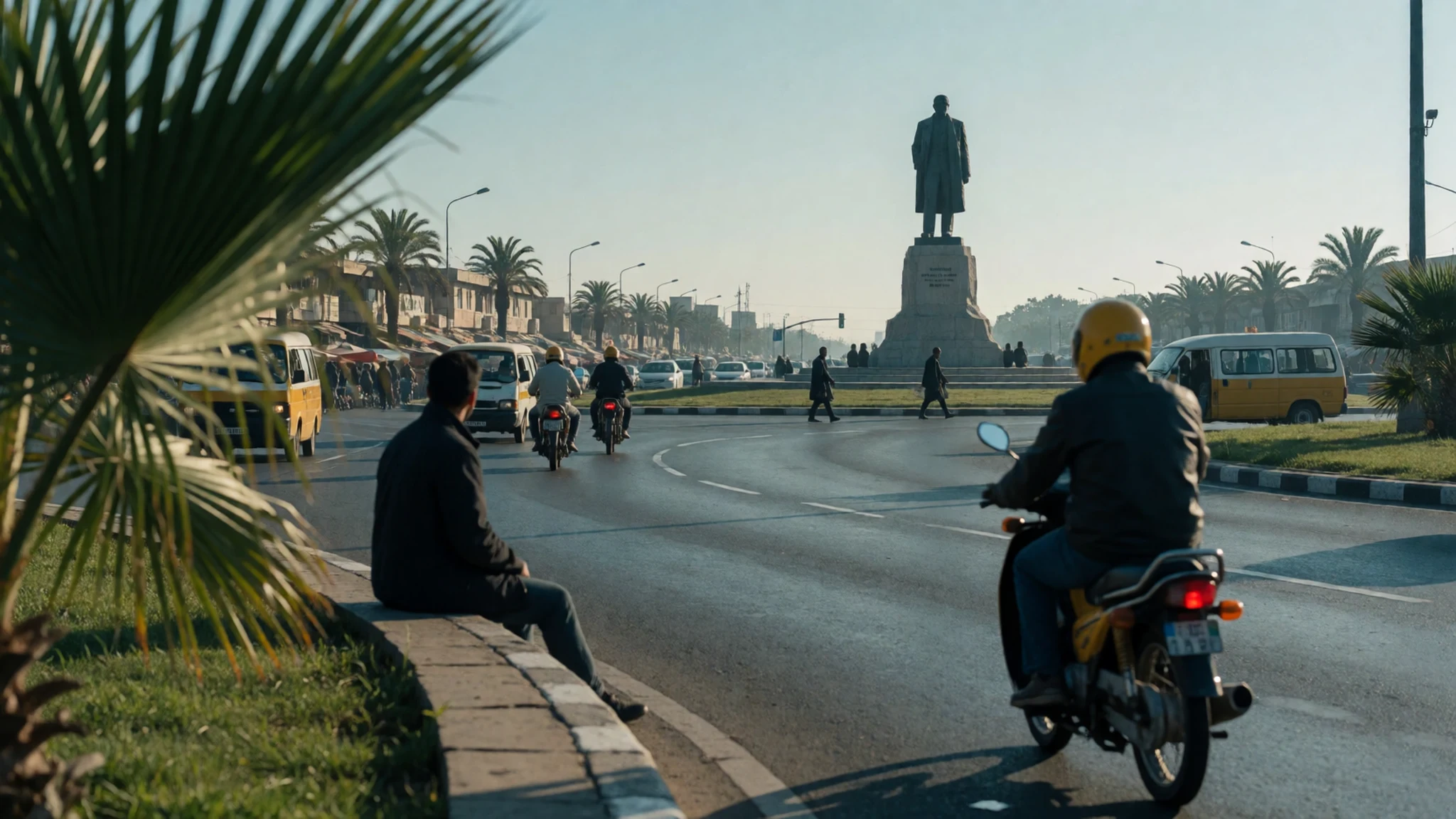
- Fondation Zinsou — Central Cotonou
The Fondation Zinsou shows contemporary art from Benin and elsewhere in Africa, and runs education programmes for local children. It is a quiet, air-conditioned contrast to the street outside and a good way to meet the country's current creative scene. Check the foundation's own channels for exhibitions and opening days.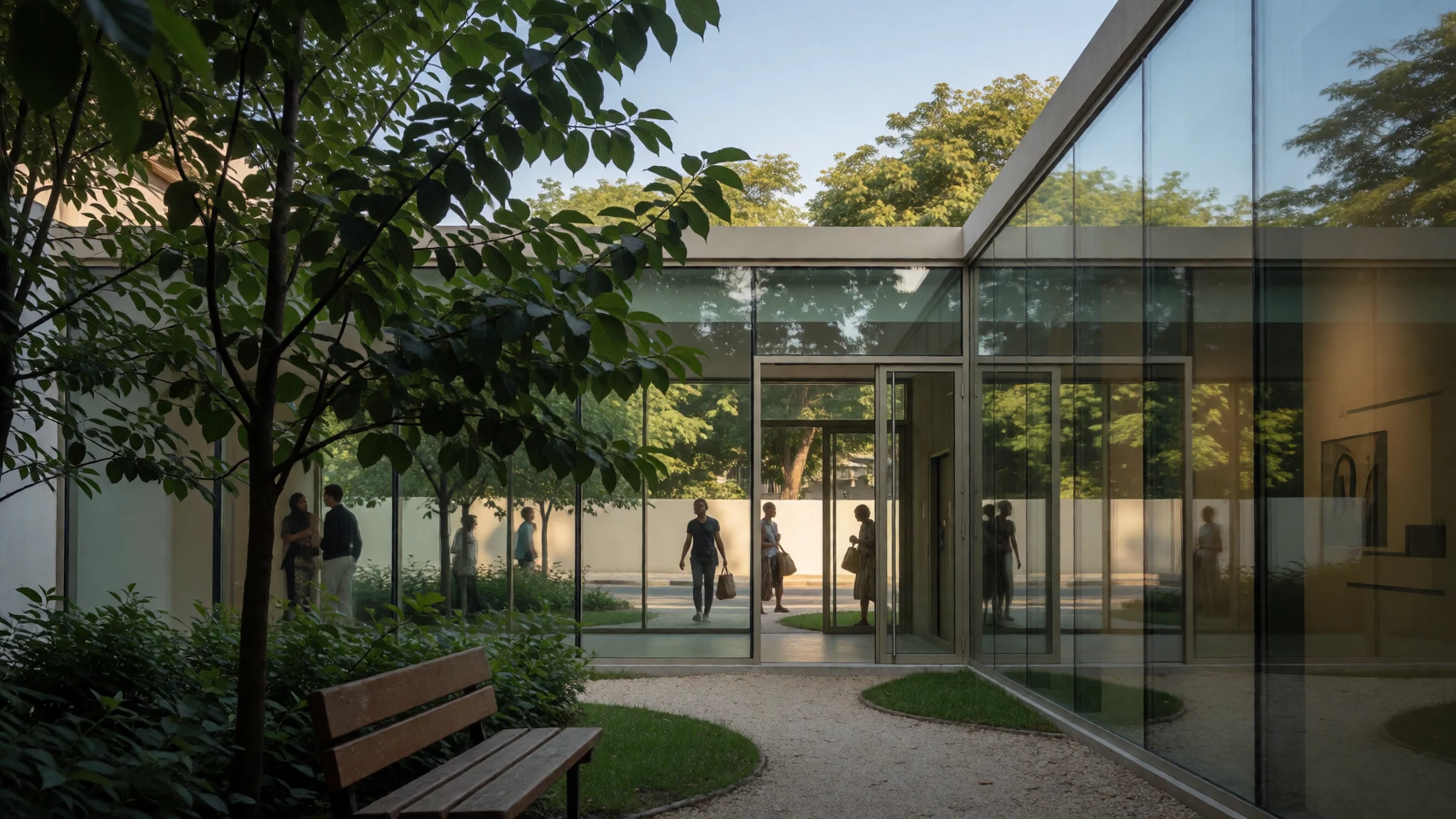
Culture
Cotonou is a meeting point of Fon, Yoruba and many other communities, and the city carries several faiths side by side. Catholic churches, mosques and Vodun, the traditional religion practised widely across Benin, all belong to everyday life, and it is common for one family to include members of more than one. French is the language of government and schooling, while Fon and Yoruba are heard constantly in markets and homes. The kingdom of Dahomey remains a source of pride, and the statue of Tassi Hangbe, remembered as a leader of the women warriors of Dahomey, reflects that. Contemporary art is part of the picture too, with galleries and the Fondation Zinsou showing how artists reinterpret that heritage. Social life runs on greetings. People expect a proper hello, a question about family and health, and some patience before business begins, and rushing past this can feel rude. Music plays everywhere, from buses to bars, and weekends bring weddings, funerals and church or mosque gatherings that spill into the street. Humour and bargaining are part of market exchange, and are friendly rather than hostile. Visitors usually find that curiosity and a few words of French open doors faster than anything else. Always greet people first and ask permission before photographing individuals, market traders, religious ceremonies or anyone in front of a place of worship.
What to wear
In Cotonou, traditional dress is built on colourful cloth. The best known is wax-print fabric, called pagne, which tailors turn into wrapped skirts, fitted tops, head ties and loose long robes, usually for weddings, funerals, church and festivals. Men wear boubous, wide flowing robes, and matching shirt-and-trouser sets, often in cotton or in the stiffer, glossy damask-style fabrics popular across West Africa. Dahomey is also known for appliqué cloth, with figures cut and stitched onto a base. Day to day, many people dress in a mix: jeans, shirts and trainers for work, and tailored African prints for occasions, with tailors in every neighbourhood copying styles from a photograph in a few days. Women often wear their best cloth to church and mosque, and smart dress is the norm for government offices and banks. Visitors should dress for heat and humidity, in light cotton or linen, with breathable fabric and a hat or sunglasses. Shoulders and knees covered is a sensible default in the city and a requirement for mosques, churches and Vodun settings, where women may also be asked to cover their hair. Sandals work on paved streets, but closed shoes help on sandy or flooded lanes in the rains, and a light rain layer is useful from March to July.
What to eat
- Pâte with sauce — Local eateries and market stalls across the city
Pâte is a thick, smooth dough of maize, eaten by hand with a rich sauce, often tomato, okra or peanut, and fish or meat. Red pâte, sometimes called amiwo, is cooked in tomato and oil. Order it at a local eatery at lunch.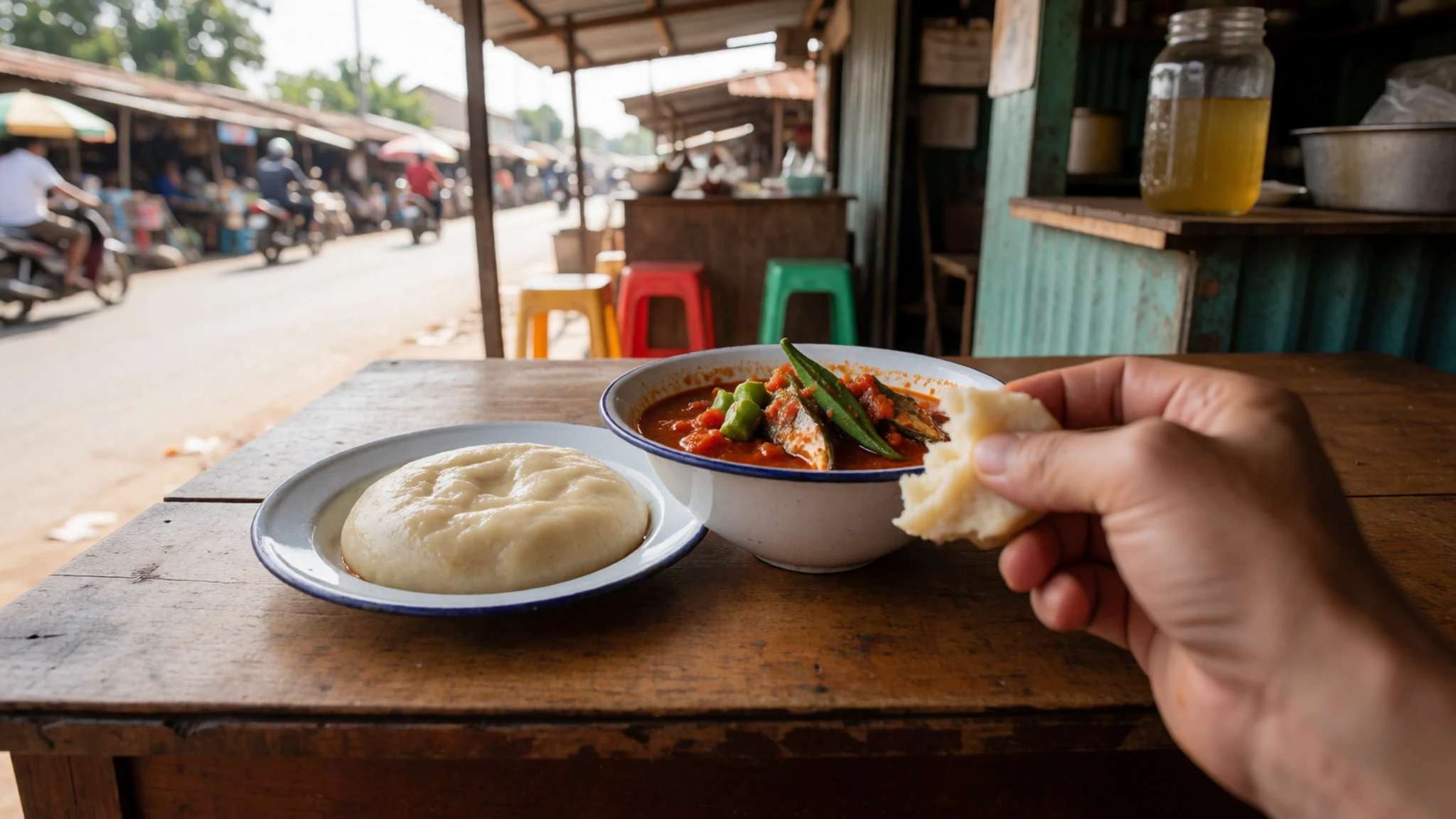
- Grilled pork from a maquis — Maquis in neighbourhoods such as Fifadji
A maquis is a casual open-air restaurant, and the pork grilled there, sometimes on a barrel made into a grill, comes with onions, hot pepper and fried yam or plantain. Look for the grillmaster and a crowd of locals at the roadside.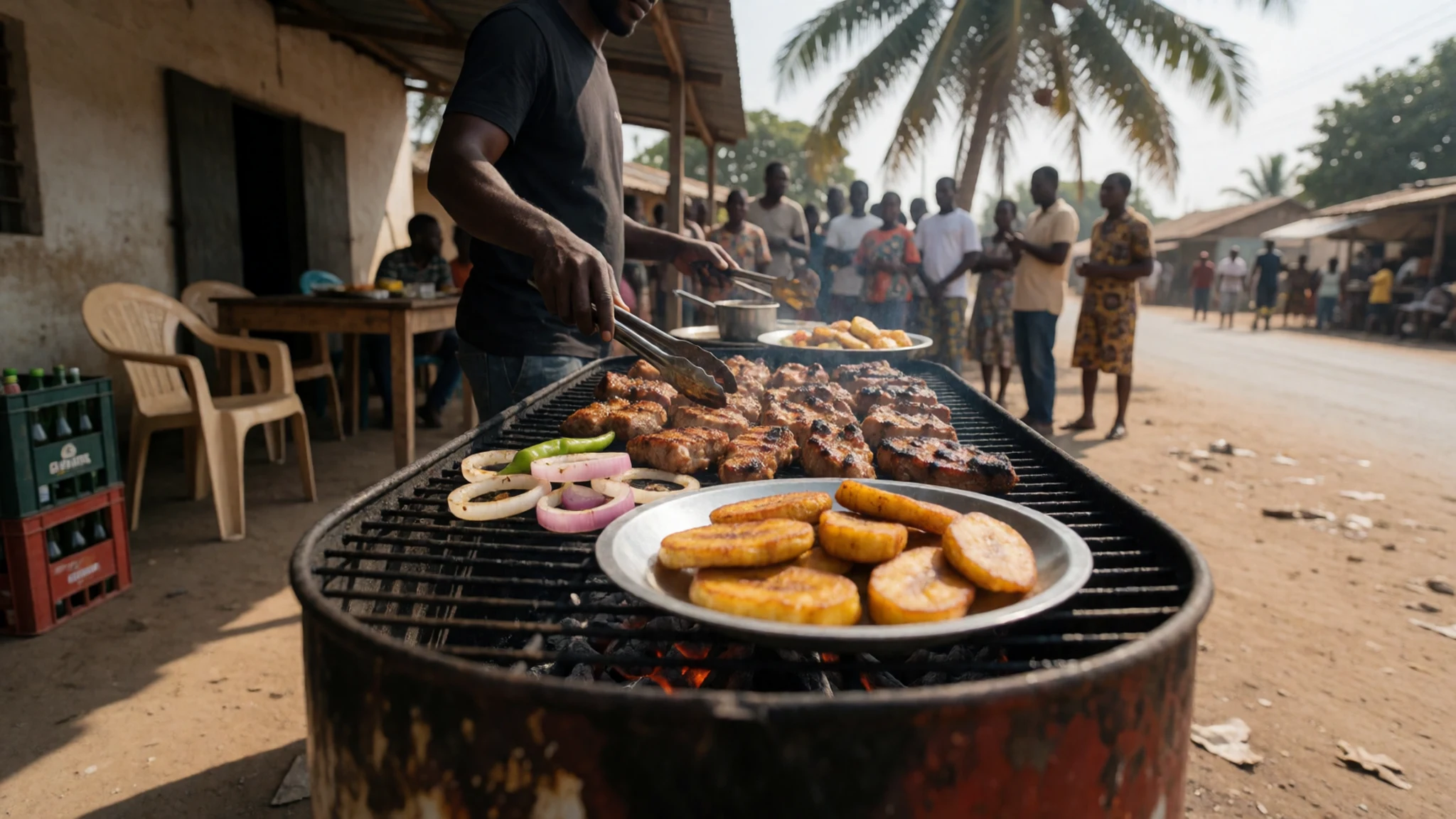
- Aloko — Roadside frying stalls and markets
Aloko is ripe plantain cut and fried until caramelised at the edges, served hot with pepper sauce or alongside fried fish and eggs. It makes an easy snack at any time of day and is usually the safest first taste of local street food. - Wagashi — Dantokpa market and neighbourhood markets
Wagashi is a firm local cheese made from cow's milk, often fried or grilled and added to sauces and stews. Its mild, chewy bite goes well with pepper and tomato, and vendors sell it from bowls in the market or beside the road. - Poulet bicyclette with rice — Maquis and family-run eateries
Poulet bicyclette is a lean, free-ranging chicken, usually grilled or stewed and served with rice, pâte or fried plantain. It is chewier than farm chicken and carries much more flavour, so it is worth ordering from a busy, popular spot. - Lebanese shawarma — Lebanese snack bars in central districts
Cotonou has a long-established Lebanese community, and shawarma, burgers and mezze from Lebanese eateries are a popular fast-food option. They are a handy alternative when the heat makes a heavy pâte unappealing.
Plan it
Best time. November to February is the dry season, and the most comfortable time for visiting, though December and January bring dusty harmattan winds and hazy skies. Temperatures stay warm all year, with daytime highs hovering around 30 °C. Rain falls from March to July and again in September and October, when streets can flood.
How long. 2–3
Getting there. Fly into Cotonou's international airport, which sits close to the city. Taxis wait at the car park, but it is better to arrange a pick-up or hotel shuttle in advance. Overland, Lomé in Togo is a few hours' drive away, and Lagos is possible but not an easy or particularly safe route.
Budget. mid
Tips
- Arrange airport transport in advance, and be wary when changing money or buying a SIM card at the airport
- Carry cash in small notes, as many stalls, taxis and eateries do not take cards
- Agree the fare with a zémidjan or taxi driver before setting off
- Drink bottled or filtered water, and use mosquito repellent in the evenings
- Do errands early in the morning, before the humidity and traffic peak
Etiquette
- Greet people before asking for anything
- Ask before photographing people, markets or religious ceremonies
- Dress modestly when visiting mosques, churches and Vodun sites
Nearby
Sources
- Wikidata Q43595 (CC0)
- Wikipedia: Cotonou (CC BY-SA 4.0)
- Wikivoyage: Cotonou (CC BY-SA 4.0)
- Photo: Vue panoramique quartier cadjéhoun-Cotonou au Bénin (Adoscam) (CC BY-SA 4.0)
- Photo: Vue panoramique quartier cadjéhoun-Cotonou au Bénin, from the eighth floor (Adoscam) (CC BY-SA 4.0)
- Photo: Central Mosque of Cotonou Jonquet (Adoscam) (CC BY-SA 4.0)
- Photo: Cathédrale Notre-Dame-de-Miséricorde de Cotonou (Rachad sanoussi) (CC BY-SA 4.0)
- Photo: Tassi Hangbe statue (Yemi festus) (CC BY-SA 4.0)
- Photo: Monument de Bio Guera (Yendifa) (CC BY-SA 4.0)
- Photo: Palais de la Marina ou Présidence de la République du Bénin (Adoscam) (CC BY-SA 4.0)
- Photo: Africa Endeavor 2025, Cotonou (US Africa Command) (CC BY 4.0)


