Pendjari National Park
Pendjari National Park, Benin
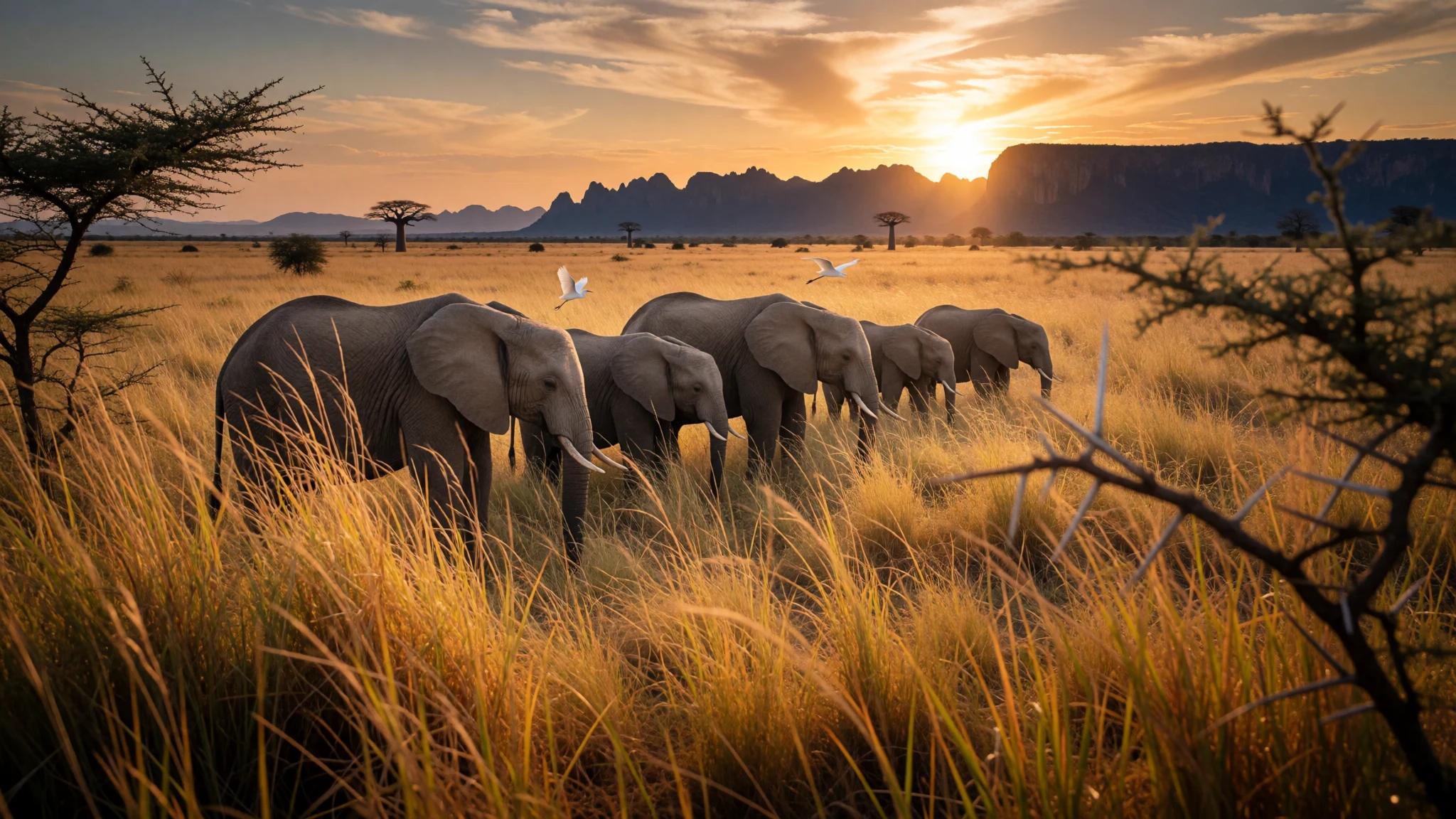
Pendjari National Park is a wildlife-focused trip in Benin’s far north-west, with big animals and birdlife framed by Atakora country.
The place
Pendjari National Park (Parc National de la Pendjari) sits in north-western Benin and borders Arli National Park in Burkina Faso. The park takes its name from the Pendjari River, and much of the scenery and animal activity revolves around water and the habitats it supports. This is a place to travel for sightings: elephants, lion, hippopotamus, African buffalo, and a range of antelope, plus strong birdlife that rewards patient, early starts.
Land and viewpoint structure matter here. Hills and cliffs in the Atakora range create a rugged backdrop that makes the landscape feel less like a flat savannah and more like a mosaic of woodland, grass edges, and river-linked pockets. In the wider region, Pendjari forms part of the W-Arli-Pendjari protected area across Benin and Burkina Faso, which helps explain why the park can still feel like real country rather than a fenced-off zoo.
Logistically, treat Pendjari as a guided wilderness outing. Roads, timing, and where vehicles can go are part of the experience, and sightings depend on the day’s conditions. Crowds are usually nowhere near the scale of safari staples, but you’ll still want to plan for dust, heat, and the simple fact that animals move when they choose.
If wildlife is the draw, the season is the steering wheel. The best months listed for the park are October and November—when rainfall is lowest and the air is more comfortable; March and April can be warmer and wetter, and June to September is also very hot with heavier rains that can limit access.
Its story
Pendjari National Park feels like West Africa’s big-game country without the manic safari treadmill you sometimes find elsewhere. The days tend to run on wildlife time: light changes, tracks appear, the air cools slightly at dawn, and then you’re watching for movement in the scrub and grass rather than chasing it on a map.
A common rhythm is to begin early, when animals are more likely to be active and visibility is easier. The river-linked parts of the park can pull attention back and forth—one day the focus is water and the animals drawn to it, another day it’s woodland edges where grazing makes quiet patterns in the landscape. When game is around, it can be intense in a small space: a distant shape becomes a herd, a pause becomes a decision, and you realise how quickly a routine drive turns into a memory.
Wildlife watching here also teaches humility. Big animals aren’t always in the mood to show off, and the bush can hide everything from the impatient eye. That’s where good guiding matters—knowing where to look, how to read the ground, and when to slow down. Birdlife adds another layer: the same tracks and clearings that host larger mammals can also carry constant, alert movement from smaller species.
The wider protected landscape across borders means the park’s story isn’t confined to one fence line. Pendjari’s appeal is the blend: rugged Atakora views, the sense of space, and the chance—never a guarantee—of seeing the kinds of animals that people travel to West Africa for.
What to see
- Park entrance and approach — Porte d’entrée (entrance zone) of Pendjari National Park
Start at the park’s entrance area, where you transition from normal road country into managed wilderness. It’s a simple threshold moment, but it sets expectations: dust, heat, and the pace shifting to safari time.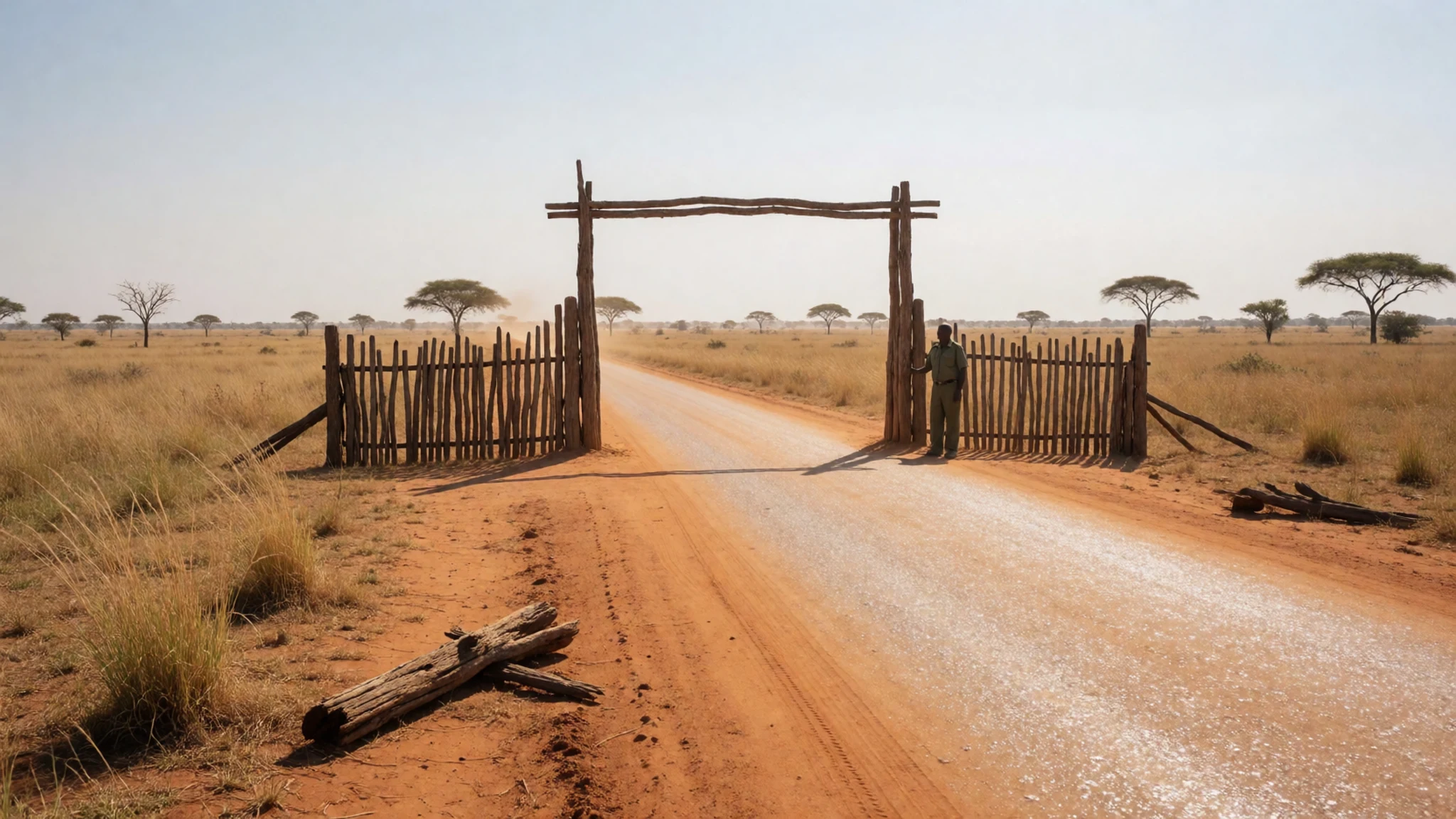
- Pendjari River habitats — Pendjari River corridor (river-linked habitats)
Look for the Pendjari River (also linked with the Oti) and the habitats that gather around it. Even when the landscape looks dry, river corridors can concentrate life—tracks, birds, and animals moving along waterlines.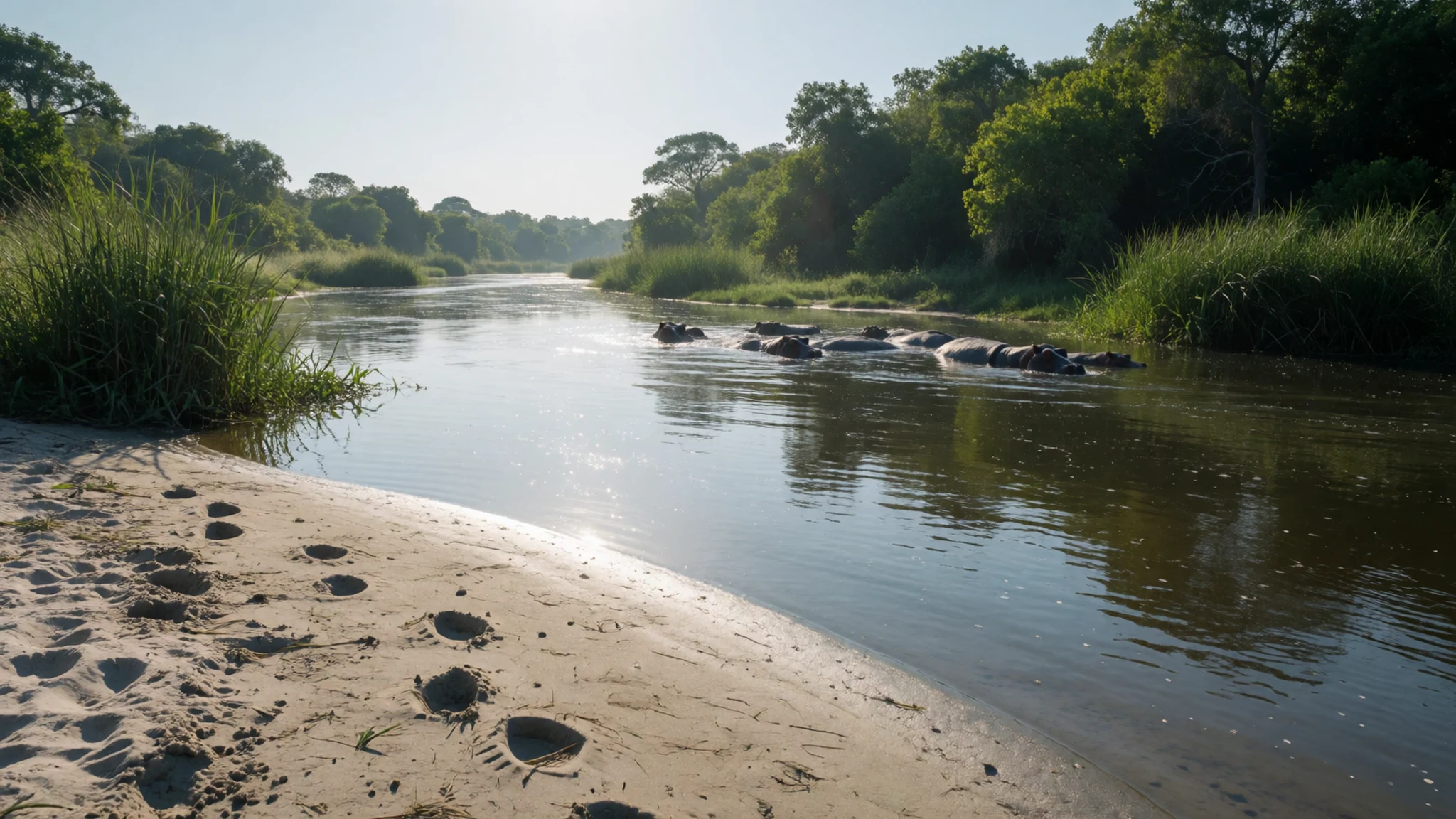
- Wooded savannah and viewpoints — Wooded savannah areas with Atakora views
Pendjari’s mix of woodland and open savannah gives you places where animals pause to browse and graze. From slightly higher ground, the scenery opens to the Atakora backdrop, making it easier to spot movement.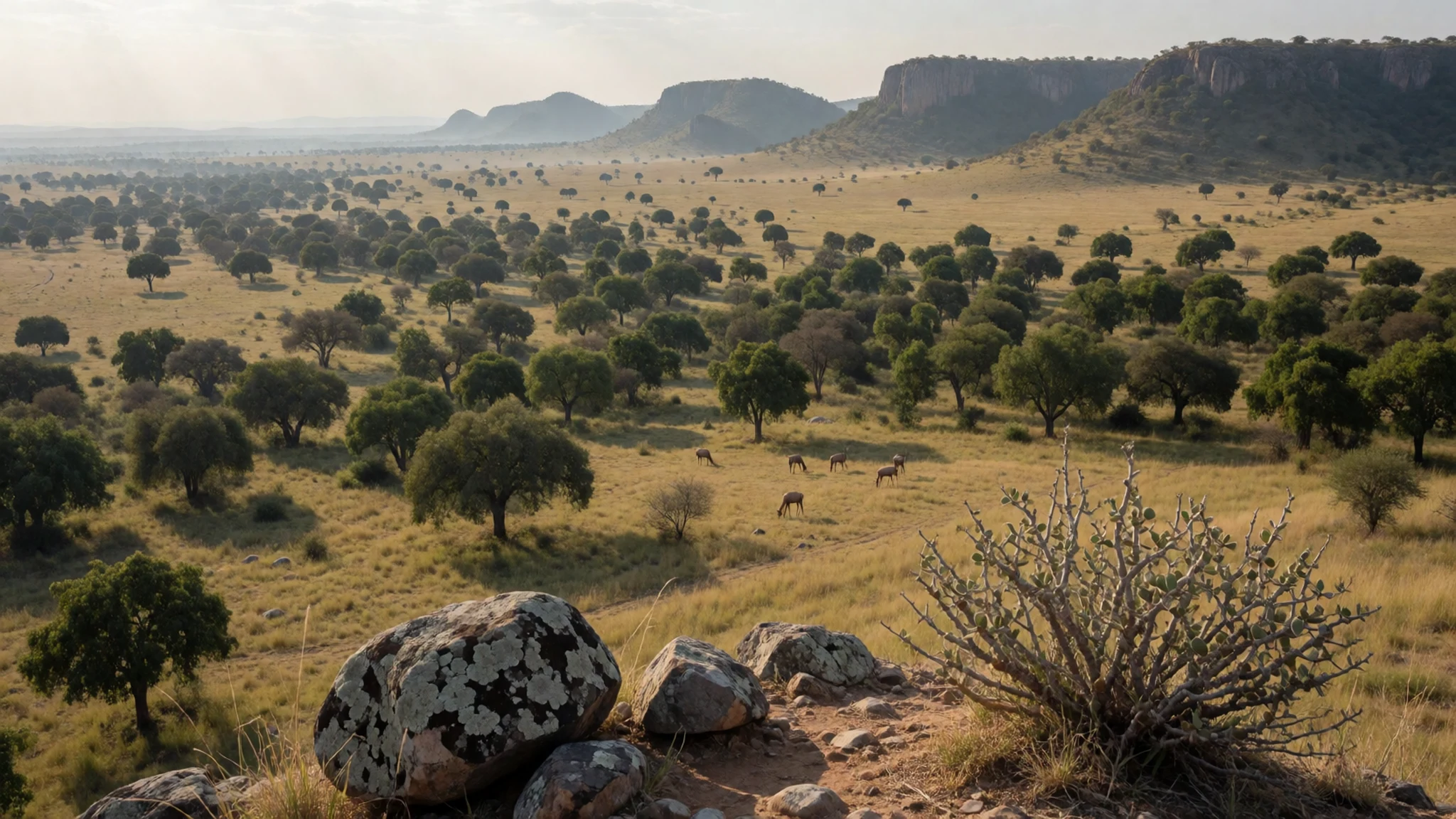
- Elephant country — Areas where browse and water overlap (elephant range zones)
When elephant activity is happening, it usually shows up first as signs—paths through vegetation, feeding impressions, and disturbed ground. Then the herd becomes part of the landscape: slow, heavy, and surprisingly quiet until it isn’t.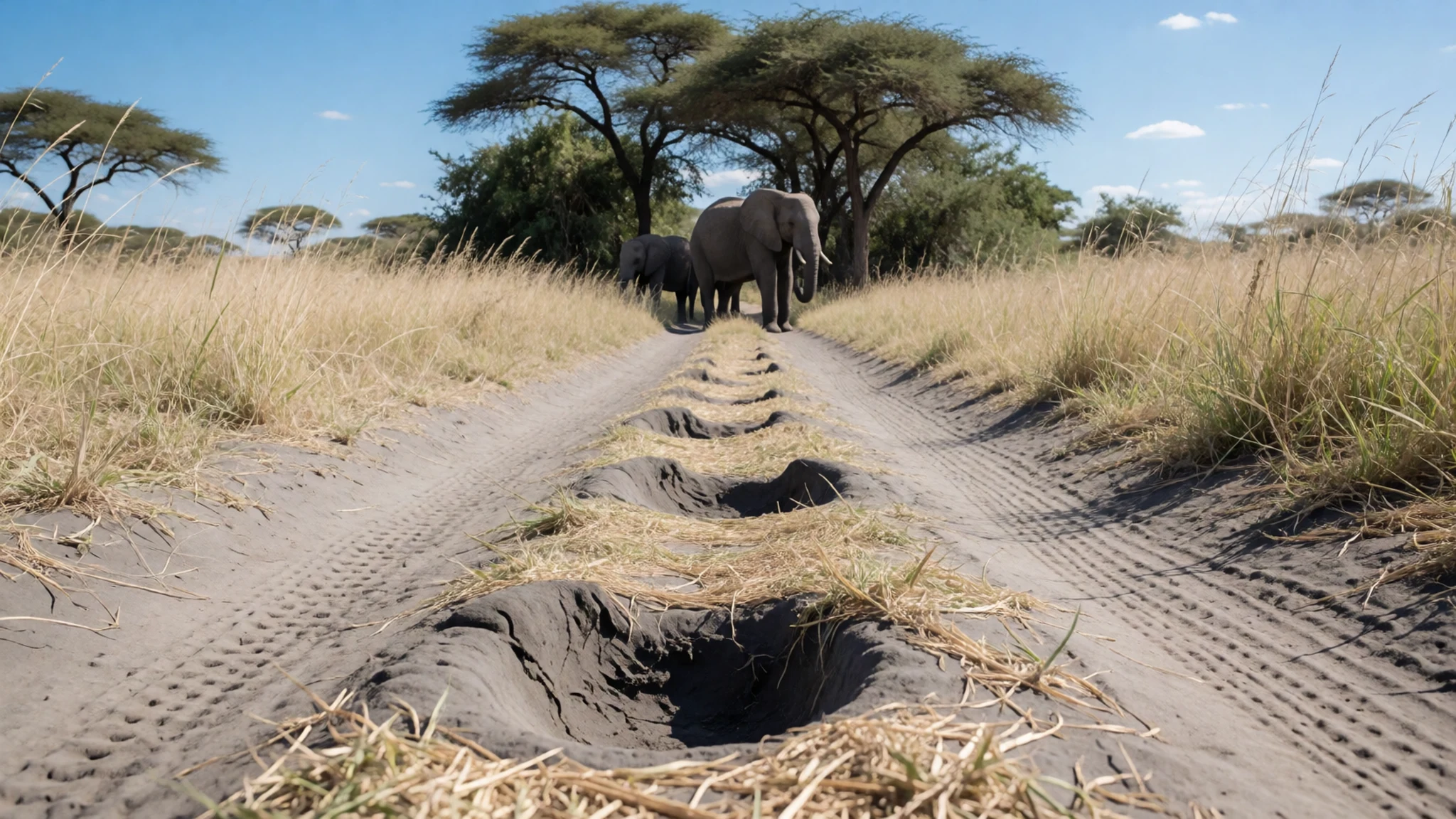
- Buffalo and antelope signs — Grass edges and woodland clearings (tracking routes)
Buffalo and antelope movement often reveals itself through tracks, droppings, and well-worn routes across grass edges. It’s the kind of wildlife clue that makes you slow down, scan carefully, and notice the smaller details.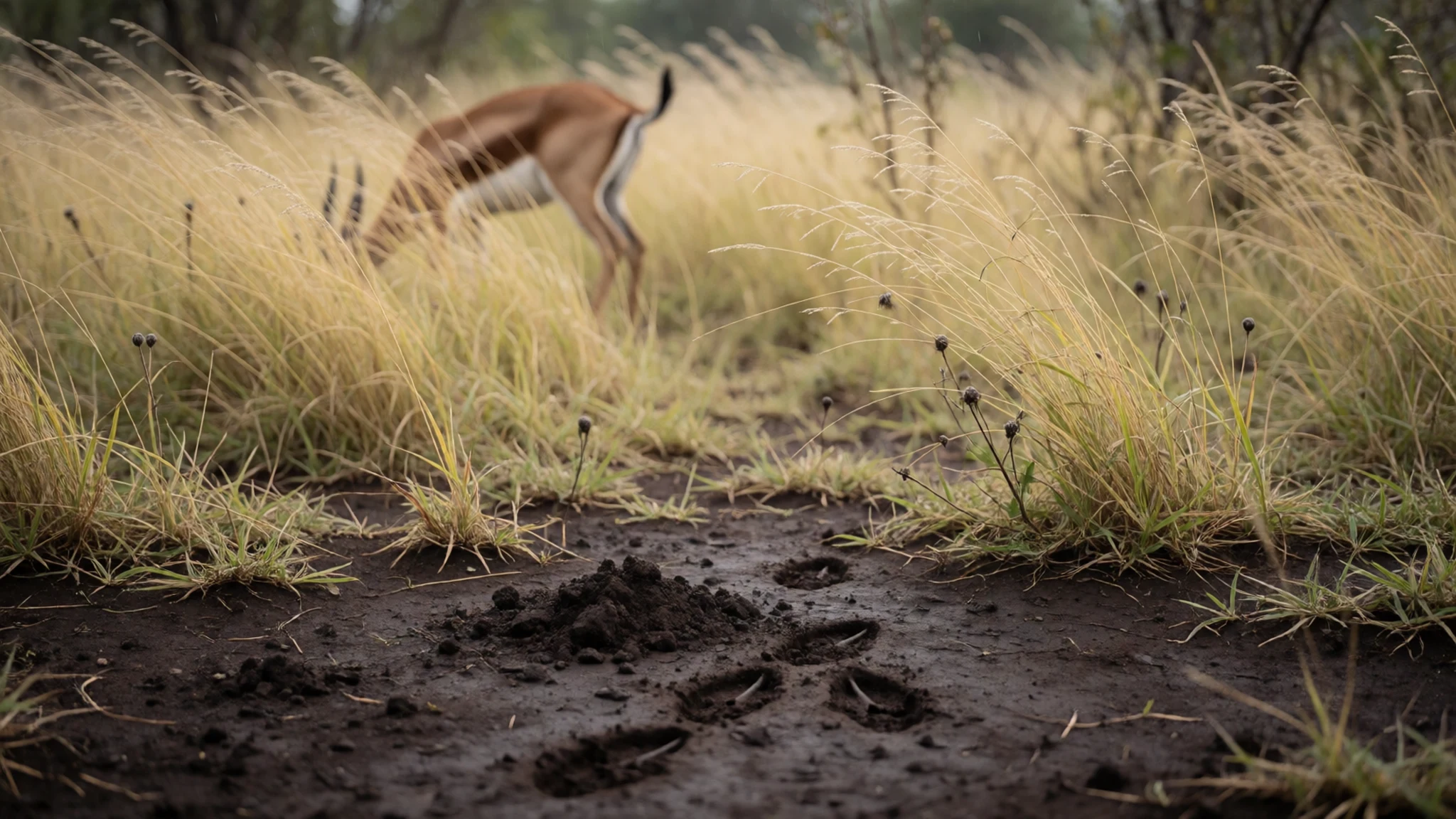
- Lion chances at ground level — Open areas and cover edges (predator hunting zones)
Lion sightings depend on patience and timing, because predators use cover and read distance. Scan for resting shapes, listen for changes in animal behaviour, and keep watching the edges where stalking starts.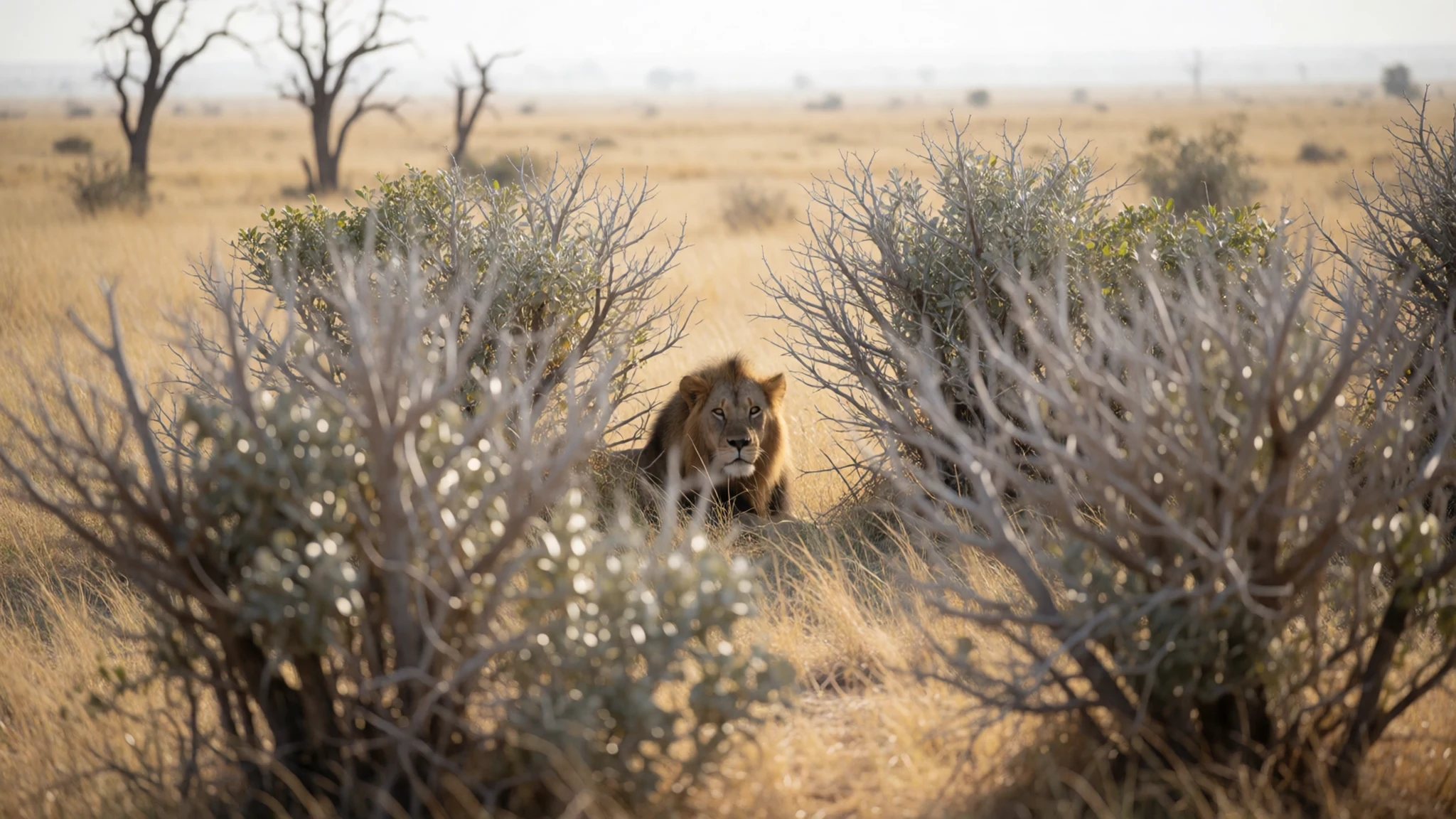
Culture
Pendjari National Park is not just a backdrop for wildlife; it sits inside everyday Benin and the wider WAP conservation story. Your guides and the communities connected to the park help manage access and interpret what you’re seeing—from river-linked animal behaviour to the safer rhythm of driving and stopping.
Because this is wilderness, “culture” here is mostly about how people work around the park: keeping routines practical, respecting local knowledge, and understanding that wildlife doesn’t care about guest timetables. That also means sharing space politely with other visitors when vehicles meet or when animals gather.
If you’re there in the hotter months, prepare for the physical side of the experience: long sitting in open vehicles, sun exposure, and the small annoyances that come with dust. Comfortable logistics—water, protection for eyes and skin, and simple clothing—becomes part of your respect for the day.
Photography is where etiquette really matters. Avoid pushing closer for a shot, and remember that animals and people may both be dealing with heat, attention, and distance.
Visitor etiquette: keep vehicle distance, avoid blocking roads or stalking animals for photos, and follow your guide’s instructions before photographing people or wildlife.
What to wear
In Pendjari National Park, dressing is about practicality first, because the terrain and the sun do not slow down for fashion. Traditional dress in Benin is varied by region, but you’ll commonly see clothing that uses patterned cottons and bright wraps—often worn for daily life, markets, and community events rather than as safari “uniform”. When visitors do wear traditional-inspired outfits, light, breathable fabric is the key.
What people wear now around the park is generally simple and functional: loose shirts or tops, long trousers or wrap-style bottoms where comfortable, and sandals or sturdy shoes depending on the day’s footing. Colours matter less than fabric and coverage, especially for sun and insect bite prevention.
For visitors, wear long, breathable layers (to handle heat and protect skin), a hat, and sunscreen. Closed-toe shoes are sensible for dusty tracks and uneven ground near stops. If there’s an opportunity to visit community areas or any place with religious practice, choose more modest coverage (shoulders and knees) and remove hats if asked—then you’ll feel comfortable in any setting.
What to eat
- Grilled meats at roadside eateries — Roadside eateries outside the park areas
Look for grilled meat options at informal roadside stops and small eateries outside the main park circuit. Order what’s available that day—simple, smoky flavours often arrive with basic sides that won’t take long.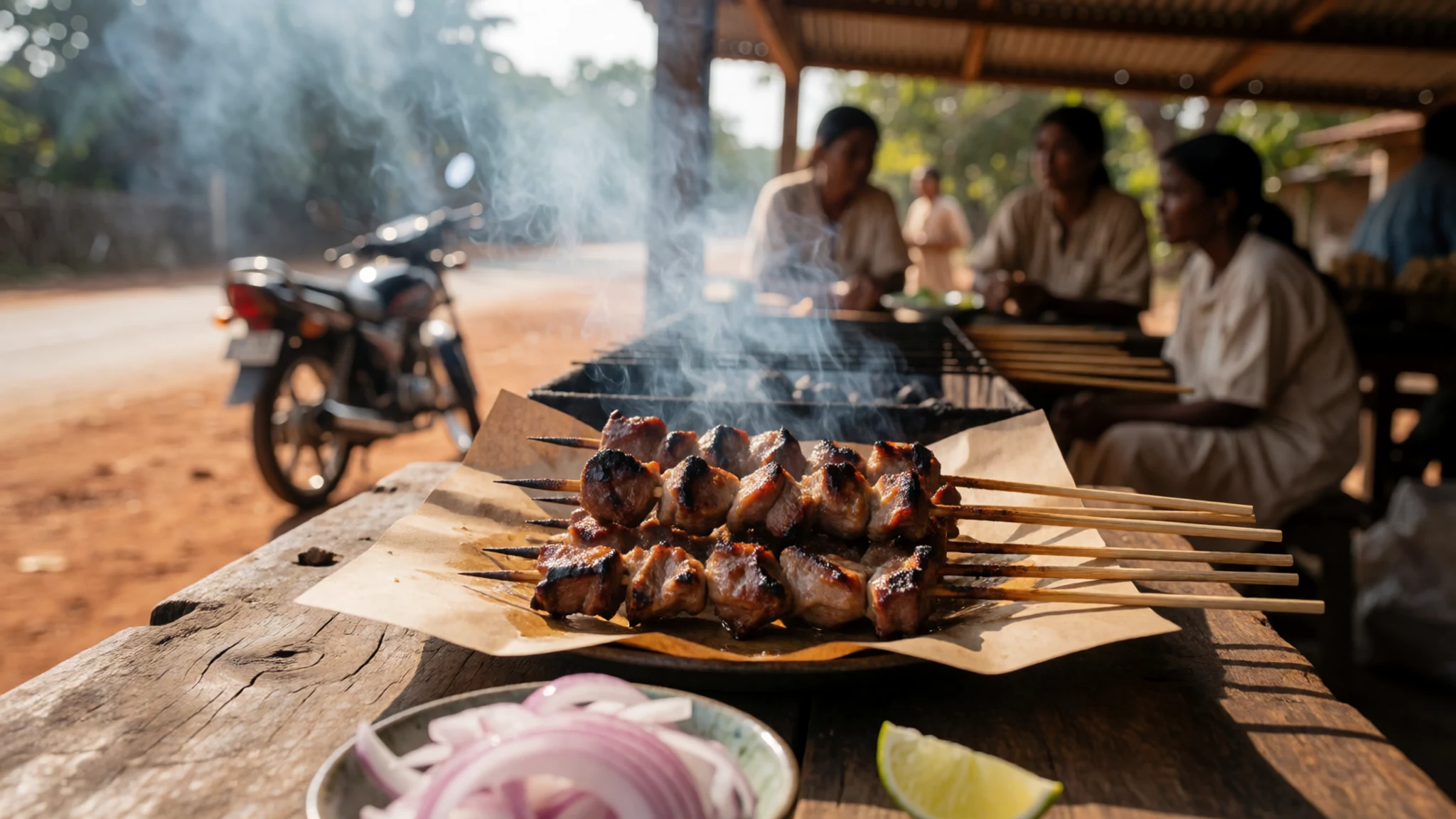
- Rice and stew with vegetables — Local restaurants and meal stops in nearby towns
A dependable choice is rice served with a vegetable-rich stew. It’s filling after long, dusty drives, and it tends to be easy to find at local places where travellers stop for lunch.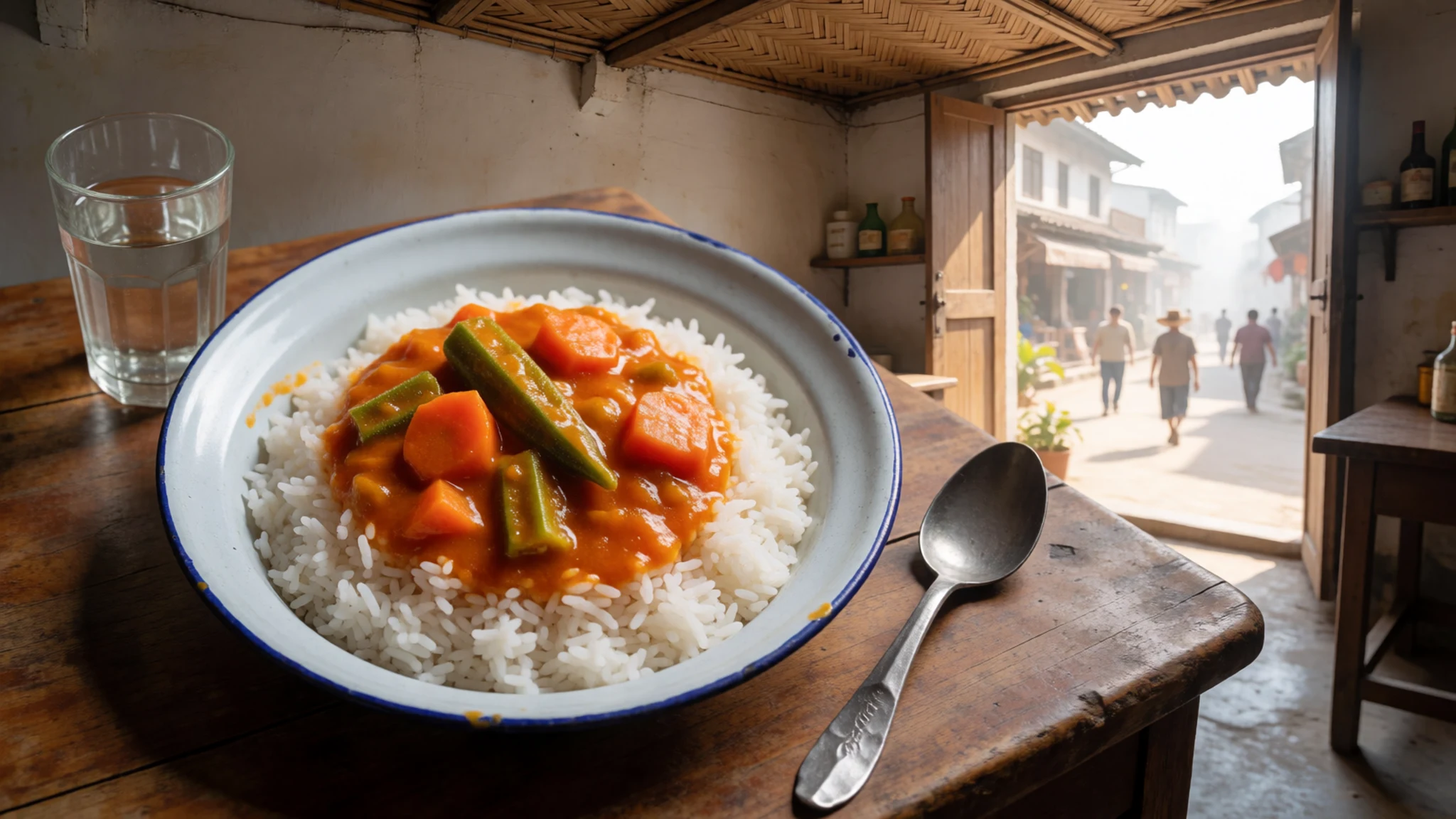
- Simmered legume stews — Local eateries near transport routes and market areas
Stews based on simmered legumes show up often on local menus. They’re comforting in the midday heat and work well if hunting for big-game photos has made the schedule feel long. - Fresh fruit and sweet drinks from stalls — Morning market stalls and simple drink stands
Between drives, fruit and sweet drinks from market stalls can be the easiest way to reset. Choose fresh, well-prepared options and keep hydration in mind if the day feels especially hot or dusty. - Bread and simple breakfasts — Guesthouses and nearby eateries catering to early departures
Early starts make simple breakfasts useful: bread with basic spreads, eggs if available, and hot drinks. It’s a straightforward way to get moving again before the day’s longer safari rhythm begins.
Plan it
Best time. October–November, for more comfortable conditions and better chances of enjoying long viewing sessions; June to September is the hottest and wettest period, when heavier rainfall can make some areas harder to reach and travel days more challenging.
How long. 2–3
Getting there. Fly into Cotonou (then continue by road into the far north-west of Benin) and finish with the final road leg to the park entrance; for exact routing and current conditions, coordinate via the park’s website.
Budget. mid
Tips
- Use the park’s official site to line up logistics and confirm what’s currently running: http://www.pendjari.net/en/
- Plan an early morning start for wildlife watching—animals are often easier to read when visibility is good.
- Bring cash for small purchases along the route, as cards may not be reliable everywhere outside larger towns.
- Pack plenty of water and sun protection; even a “short” outing can mean hours in the open vehicle.
- Expect dust—keep a spare layer and consider eye protection for bumpy roads.
Etiquette
- Stay with your guide’s vehicle and instructions; don’t ask to drive off-route in pursuit of sightings.
- Keep a respectful distance from wildlife and never block approaches or trails used by animals.
- If other vehicles arrive near game, avoid crowding the same viewing angle and let your guide manage spacing.
Nearby
Sources
- Wikidata Q1474363 (CC0)
- Wikipedia (rev 1357020015) (CC BY-SA 4.0)
- Wikivoyage (rev 5065715) (CC BY-SA 4.0)
- Photo photos/01-parc-national-de-la-pendjari.jpg (CC BY 3.0)
- Photo photos/02-pendjari.jpg (CC BY 3.0)
- Photo photos/03-pendjari-fluss.jpg (CC BY-SA 4.0)
- Photo photos/04-elephants-pendjari.jpg (CC BY 2.5)
- Photo photos/05-pendjari-b-ffel.jpg (CC BY-SA 4.0)
- Photo photos/06-pendjari-kuhantilopen.jpg (CC BY-SA 4.0)
- Photo photos/07-bubale-roux-au-parc-national-pendjari.jpg (CC BY-SA 4.0)
- Photo photos/08-west-african-male-lion.jpg (CC BY 3.0)


