Royal Palaces of Abomey
Royal Palaces of Abomey, Benin
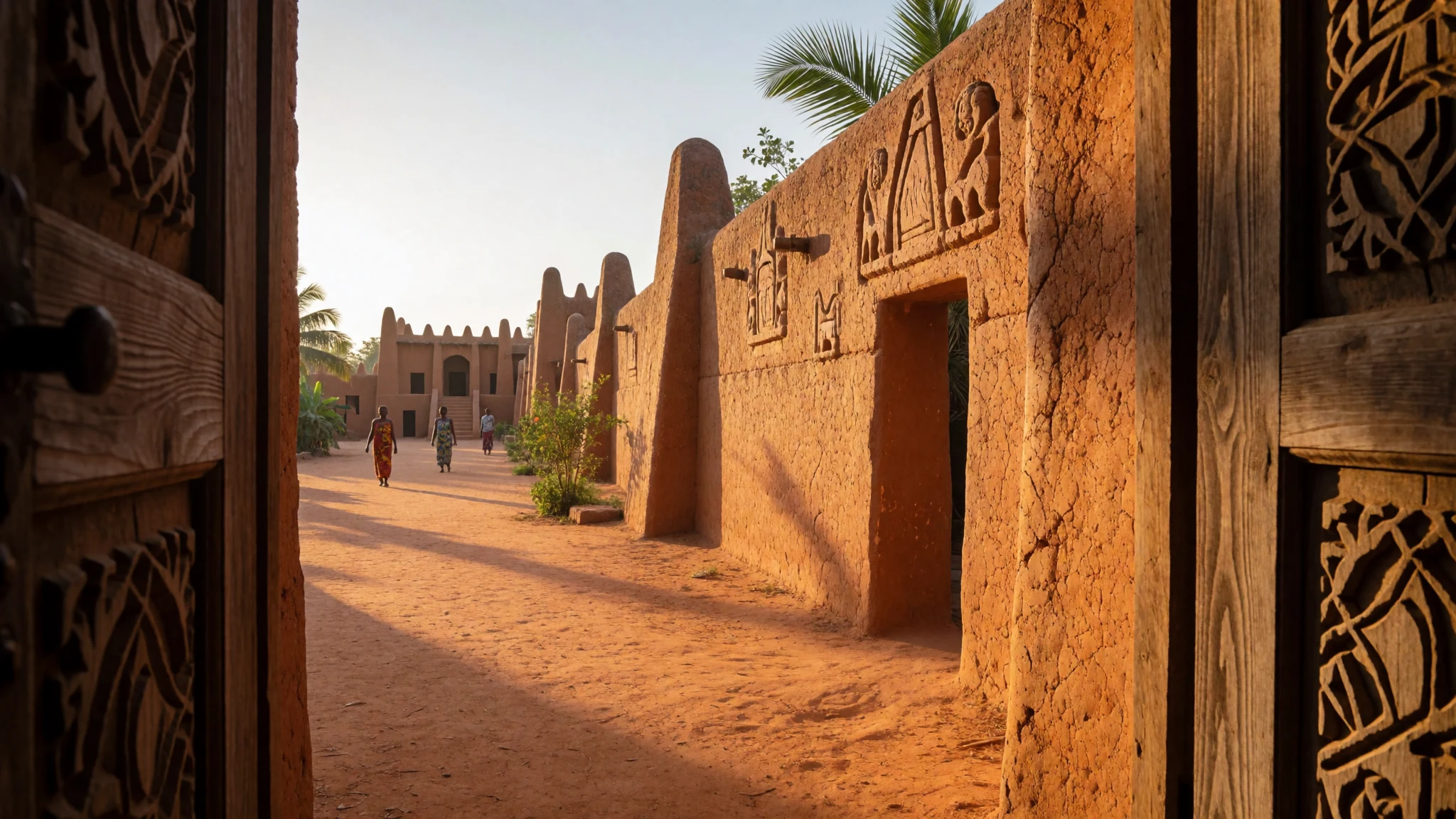
Royal Palaces of Abomey is a living-feeling UNESCO site where earthen palaces and reliefs tell the story of the Dahomey kingdom.
The place
Royal Palaces of Abomey sits right in the middle of Abomey town in Benin, a compact UNESCO-listed royal enclosure made up of multiple palaces. It’s an unusual “heritage” experience because you’re not looking at one monument: you’re walking through a whole palace geography, built from earthen structures by the Fon rulers of the Dahomey Kingdom.
What stands out is the way the site reads like a record. Each king built and used his own palace within the enclosure, and the walls and courtyards are packed with bas-reliefs and artworks that show daily life, power, and conflict in the kingdom’s world. Even before you dive into the details, the scale of the collection of buildings gives you a sense that Abomey wasn’t just an administrative centre—it was the cultural hub.
It also has the kind of history that makes the ground feel heavier. The palaces were shaped by the kingdom’s long run of rule, and later suffered damage from a tornado in 1984, with restoration and renovation helping the site recover. That mix of grandeur and interruption is part of why visiting feels so grounded: the place carries memory, and it carries repair.
Depending on where your entry point is and how long you spend inside, you can focus on the courtyards and reliefs, or pair the visit with the nearby historical museum for artefacts connected to the same royal era. Either way, plan for heat, slow walking over uneven earth, and time to pause—this is a site that rewards attention, not speed.
Its story
Royal Palaces of Abomey grew out of Dahomey’s rise and the way its rulers anchored identity in place. The palaces were built by the Fon kings within a cloistered enclosure in Abomey, and the site functioned as the kingdom’s traditional cultural centre for generations. That means the buildings weren’t “background” to history; they were part of how authority was staged and remembered.
The founding story is tied to King Houegbadja, who initiated both the kingdom’s development and the city’s early direction. Later rulers continued the pattern: each successive king established a new palace for himself inside the same royal grounds, reinforcing continuity while also marking a new reign. The architecture and decoration worked like a visual language—showing roles, rituals, and the lived texture of court life.
Folklore adds a symbolic layer. In local stories, the royal line connected back to Princess Aligbonon of Tado and a panther, making the origin of the dynasty both human and mythic. Recorded history, though, is traced to the seventeenth century, where key early rulers are linked to the legal and political structure of the kingdom.
When Dahomey expanded through conflict, the palace complex remained the cultural core even as warfare changed what the kingdom faced. That’s why the reliefs and artworks can feel confronting: they reflect the realities of power, including war and punitive practices that were part of the era.
In the twentieth century, the site faced a major setback from a tornado, damaging royal structures and museum spaces. Restoration support from international agencies helped the palaces re-emerge for visitors. Walking there now, it’s hard not to feel both the authority of the rulers and the resilience of the place itself.
What to see
- Musée Historique d'Abomey
Royal Palaces of Abomey pairs well with Musée Historique d'Abomey, a nearby museum context for what you’ll see on the palace walls. It holds artefacts linked to the Abomey area, including a throne display associated with King Ghezo and the palace world around it.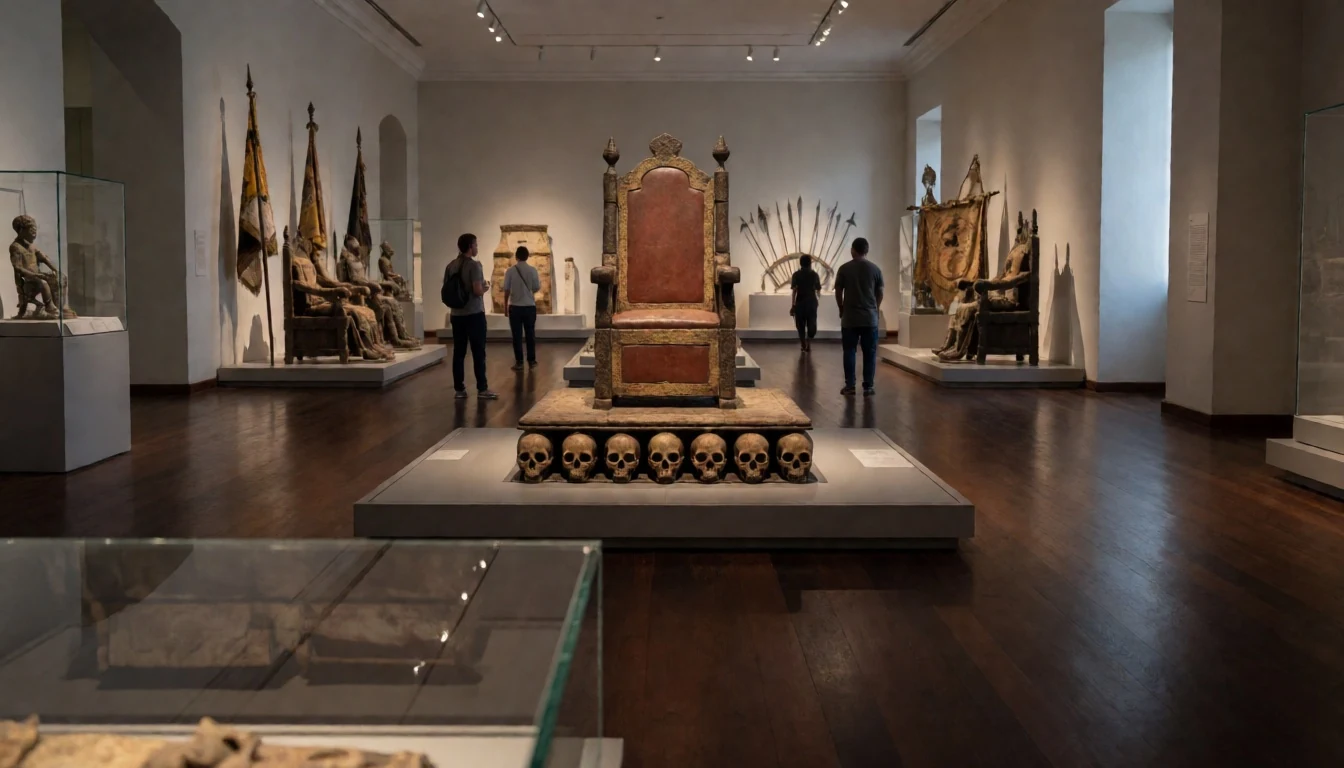
- Earthen palace courtyards and bas-reliefs
Royal Palaces of Abomey is made of earthen structures, and the courtyards are where the site feels most “alive”. Look closely at bas-reliefs and wall artwork: they depict everyday life and power, including scenes that connect to war and ritual practice.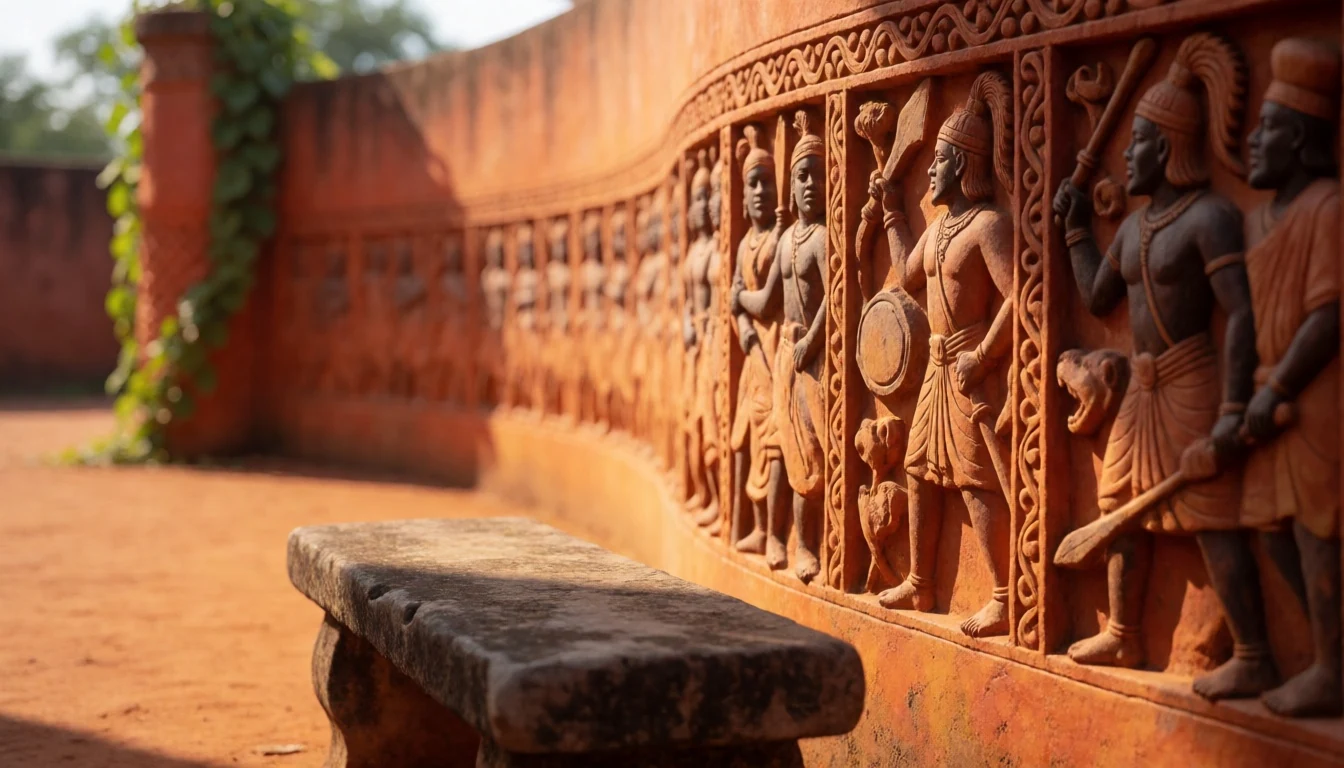
- Royal palace layout across the enclosure
Royal Palaces of Abomey is not one building, but a set of palaces spread through the enclosure in Abomey. Each palace is tied to a king’s reign, so moving between areas gives a timeline effect—how one ruler’s setting followed another’s.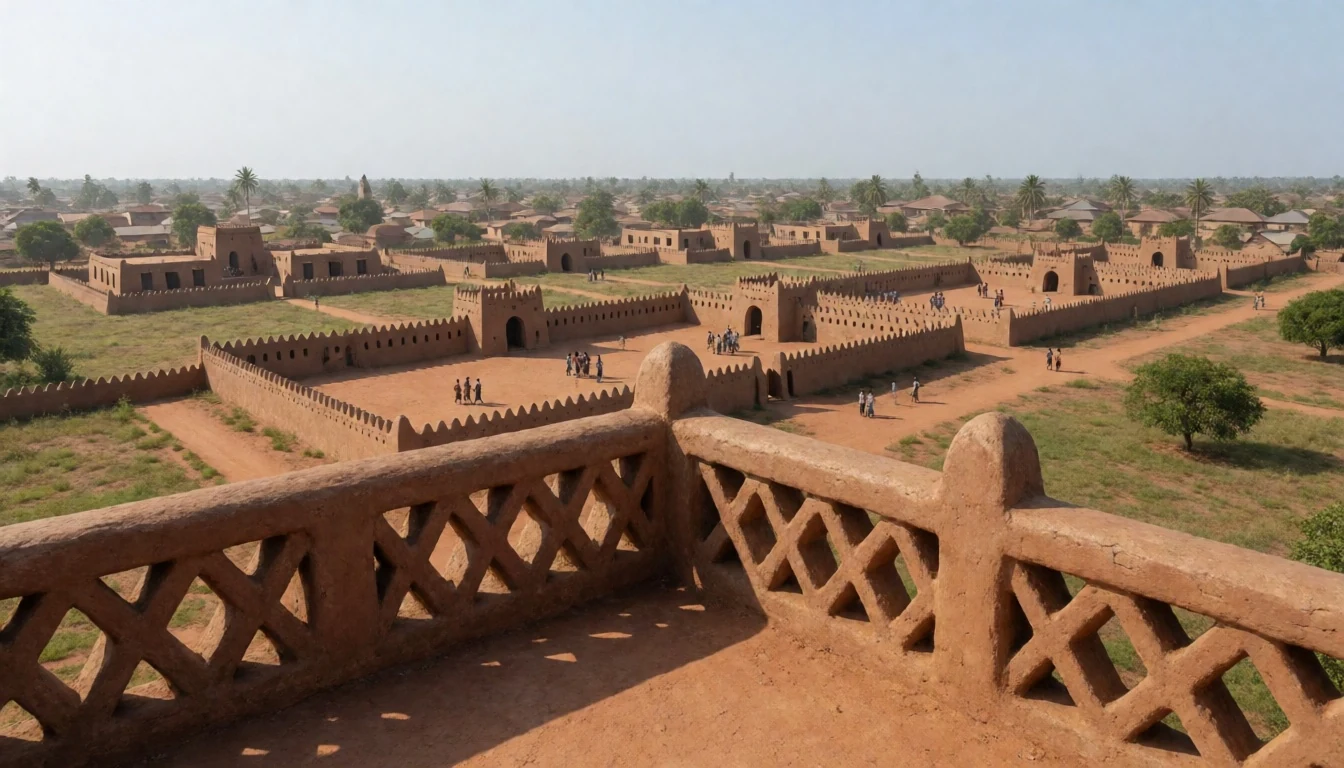
- Courts, symbols and ceremonial displays
Royal Palaces of Abomey includes spaces where royal symbolism and ceremony make sense. You’ll notice design elements that point to the way kings were represented, and how ceremonies formed part of cultural practice in the Dahomey kingdom’s court life.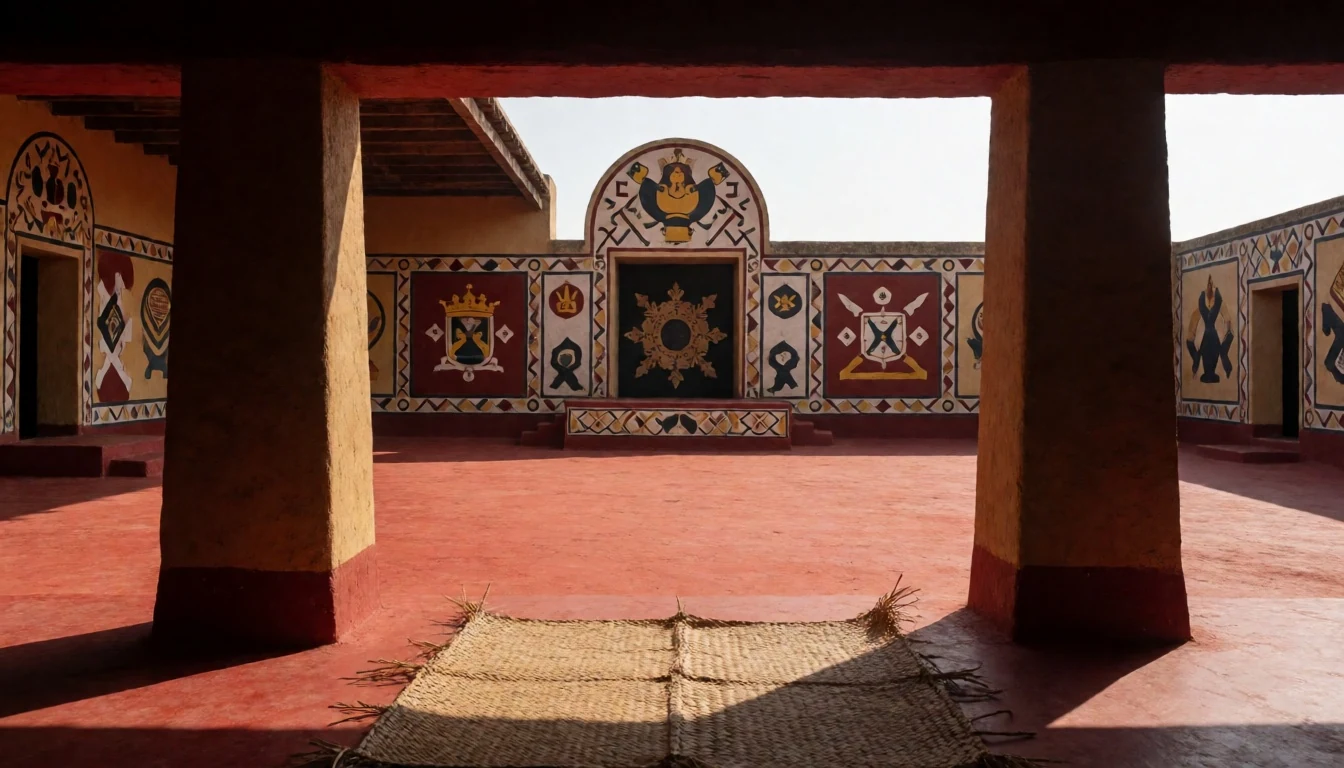
- Voodoo altar influences
Royal Palaces of Abomey sits inside a religious world where vodun beliefs shaped daily meaning and royal reverence. Even if you focus on architecture, the symbolism around shrines and ceremonial life is hard to miss, including the influence of voodoo altar traditions.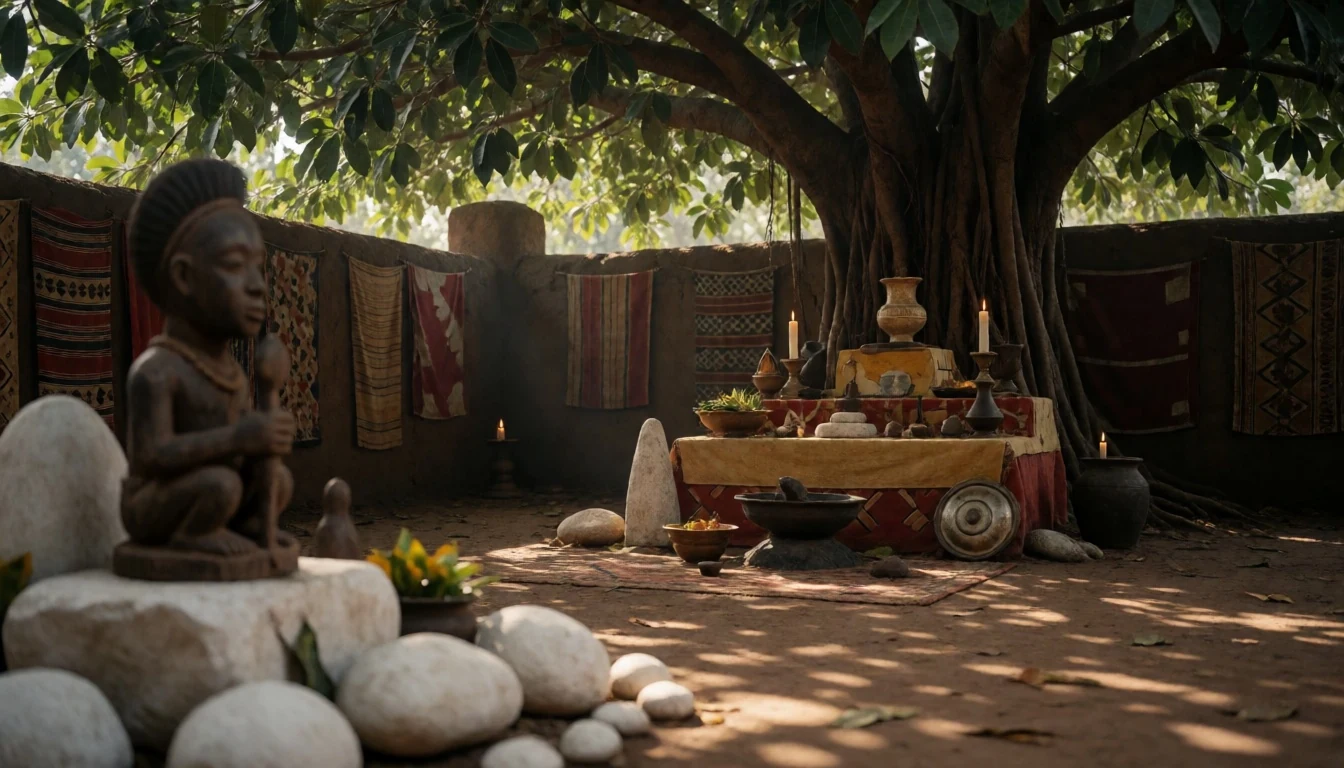
Culture
Royal Palaces of Abomey is inseparable from Dahomean cultural and religious life, especially the intense reverence for the kings of the kingdom. In the palace world, kings weren’t just political figures; they were also central to ritual imagination. Each king was associated with symbolism that could appear in textile-like forms, and ceremonies formed a regular part of cultural practice.
This matters for visitors because the site doesn’t feel neutral. Some of the artwork and historical context points toward practices that can be disturbing to modern eyes, including accounts connected to sacrifice and punitive methods. The best approach is to take time, read what’s explained on site, and accept that the palaces were built inside a system where religion, authority, and theatre blended together.
Photography and movement also shift how you “enter” the place. It’s not a quick photo stop; the enclosure works like a memory space, and people who live around it may see it as part of their cultural inheritance rather than a backdrop for tourism.
Visitor etiquette: Dress modestly for a religious-historical site and keep your voice low, especially around altars and ceremonial areas, following any staff guidance on photography.
What to wear
Royal Palaces of Abomey doesn’t have one single “temple outfit” rule, but the visit is tied to a religious and royal cultural setting, so dressing for respect helps. Traditionally, Dahomean royal identity is linked with symbolic textiles and ceremonial display; you’ll see references to richly worked, appliquéd quilt-like forms in the cultural story around the kings.
What people wear day to day in Abomey is more practical and varied—think breathable fabrics suited to warm conditions and streets where you might walk for a while. Visitors will usually be comfortable in light cotton or linen, with an outer layer for shade if the sun drops or clouds roll in.
For a visitor, the key is modesty and comfort on earthen ground. Choose clothing that covers shoulders and knees, especially if you’re moving near ceremonial spaces. Wear closed-toe shoes or sturdy sandals with grip, because the ground can be uneven and dusty. Bring a hat and something to cover your arms if you’re sensitive to strong sun. If a guide or staff member suggests a particular area is more sensitive, adjust your clothing and posture accordingly.
What to eat
- International meals at Auberge d'Abomey — In Abomey
Royal Palaces of Abomey visitors often choose a straightforward sit-down meal at Auberge d'Abomey to recharge after walking the enclosure. It’s a good option when you want something familiar and airier than street food.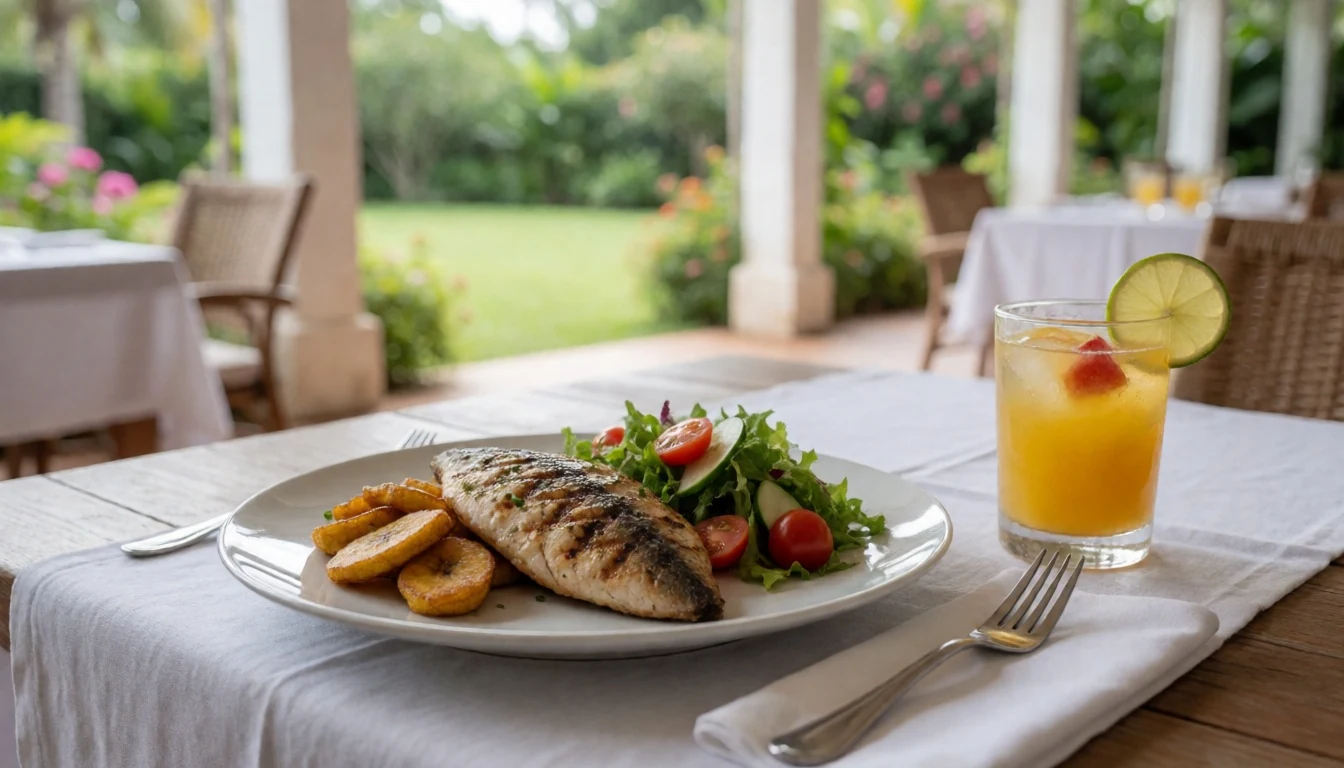
- Local dishes at Abomey eateries — Town centre eateries in Abomey
Royal Palaces of Abomey is in Abomey, where you’ll find small eateries offering Beninese home-style cooking. Look for plates served hot and simple—rice with sauces or stews—served in casual settings close to the town centre.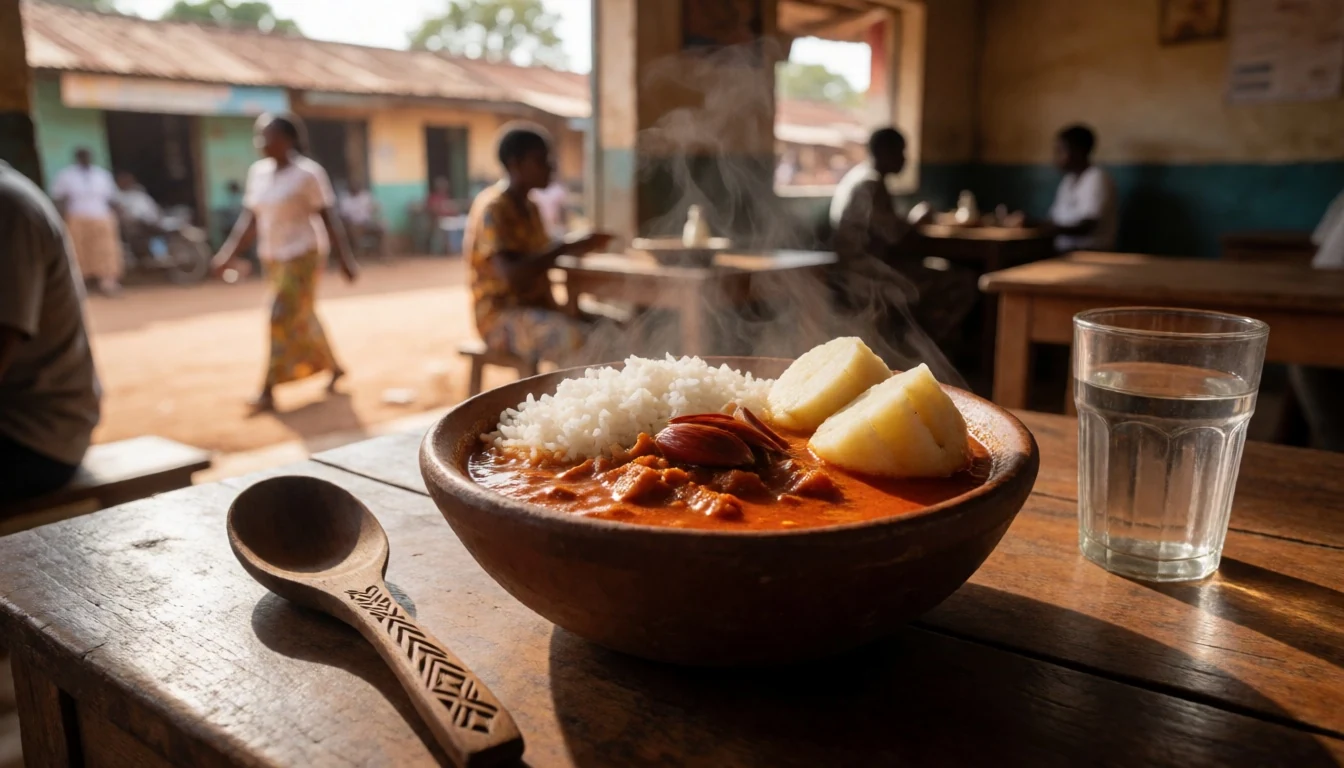
- Market snacks and drinks — Abomey markets
Royal Palaces of Abomey days can stretch long in the heat, and markets are where you’ll often get quick snacks and cold drinks. Expect basic bites and refreshers sold by vendors in busy market lanes, good for topping up energy. - Beninese stews and sauces — Everyday eateries around Abomey
Royal Palaces of Abomey is a convenient base to eat classic Beninese flavours: stews and thick sauces served over staple bases like rice or swallow-style accompaniments. These are best when cooked fresh and eaten with plain staples. - Simple grilled items — Street-side stalls in Abomey
Royal Palaces of Abomey evenings can be an opportunity to eat grilled food from casual sellers, especially when the day has been hot. Choose places where food looks covered and fresh, and eat soon after it’s served.
Plan it
Best time. March–April and October–November are the easiest months for a Royal Palaces of Abomey visit, with more comfortable conditions for walking. June tends to bring rain, while August is typically hot and humid, so midday plans should be lighter.
How long. 2–3
Getting there. Fly into Cotonou and travel onward by road to Abomey, then use short local transfers for the final approach to the royal enclosure and nearby museum areas. If you’re already in the region, Bohicon is a useful rail-linked base, followed by a short bus or taxi leg to Abomey.
Budget. mid
Tips
- Start your palace walk earlier in the day to avoid the hottest light on earthen surfaces
- Pair the royal enclosure with the Musée Historique d'Abomey so the artefacts and context land together
- Carry cash for small purchases around town, and keep water handy for slower pace walking
- Wear closed-toe shoes with grip for uneven paths within the enclosure
Etiquette
- Keep voices low and follow any guidance near altars and ceremonial areas
- Ask before photographing people or ceremonial acts, and avoid blocking walkways
- Dress modestly, especially around religious-historical spaces
Nearby
Sources
- Wikidata Q2425839 (CC0)
- Wikipedia (rev 1365739667) (CC BY-SA 4.0)
- Wikivoyage (rev 5423505) (CC BY-SA 4.0)
- Photo photos/01-abomey-2006-1.jpg (CC BY-SA 2.0)
- Photo photos/02-abomey-k-nigspalast3.jpg (CC BY-SA 1.0)
- Photo photos/03-royal-palaces-of-abomey-133471.jpg (CC BY-SA 3.0 igo)
- Photo photos/04-the-c-l-bration-at-abomey-1908-the-veteran-amazones-ahosi-of.jpg (Public domain)
- Photo photos/05-voodoo-altar.jpg (CC BY-SA 1.0)


._-_The_veteran_amazones_(AHOSI) _of_the_Fon_king_B%C3%A9hanzin,_Son_of_Roi_G%C3%A9l%C3%A9.jpg)
