Kumana National Park
Kumana National Park, Sri Lanka
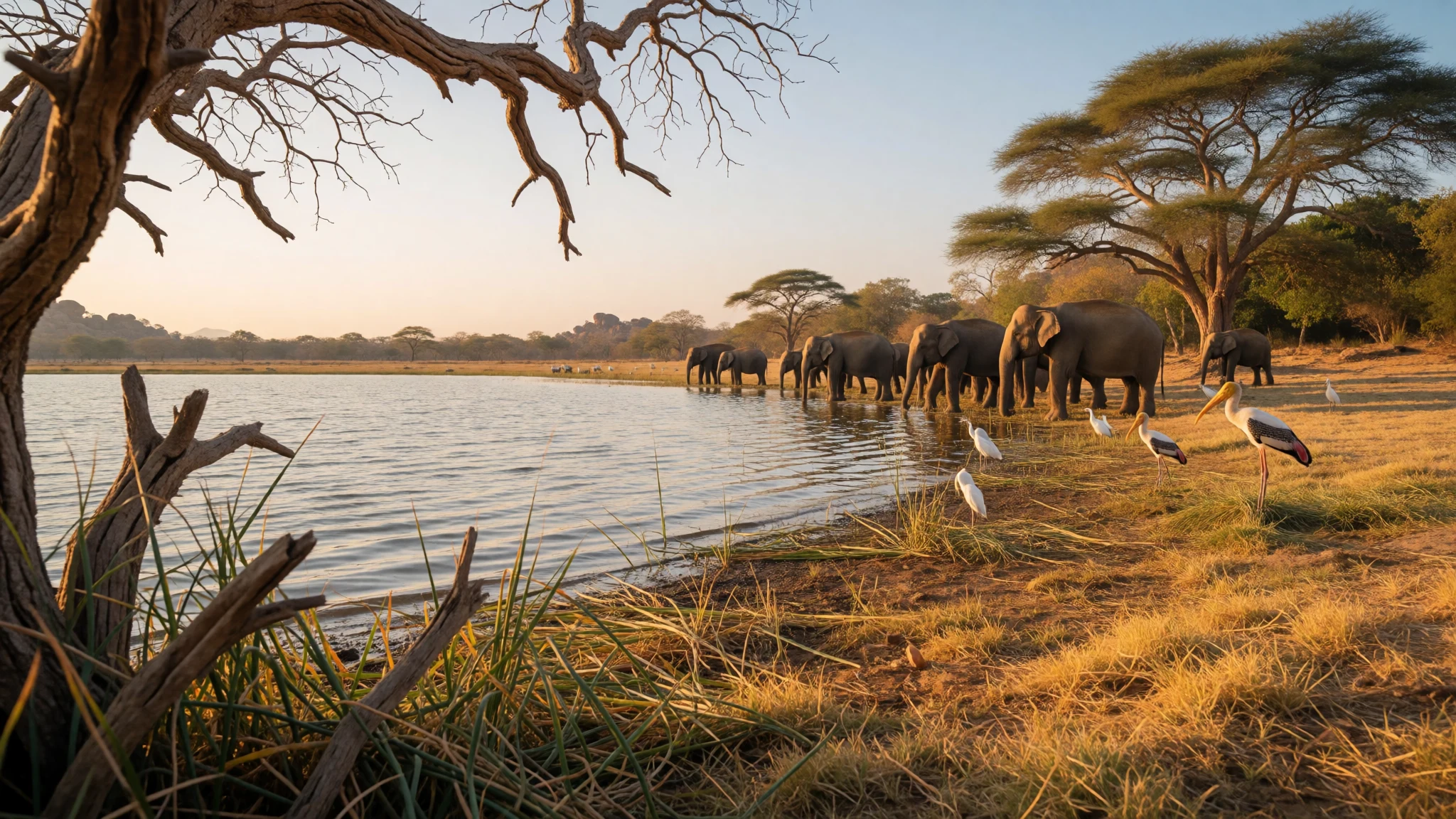
Visit Kumana National Park for its immense bird diversity and raw, undeveloped landscapes on Sri Lanka's southeastern coast.
The place
Kumana National Park is a wild, expansive wilderness located on the southeastern coast of Sri Lanka. Once known as Yala East, the park was renamed in 2006 and remains far less developed than its famous neighbour, Yala. The landscape is a rugged mix of wide plains, thick forests, and dry tropical thorn forests, dominated by the Palu tree. It is particularly celebrated for its water bodies, with more than twenty tanks that serve as vital hubs for wildlife in the dry zone. This makes the area one of the most significant breeding and migration grounds for birds in the country, attracting massive flocks of waterfowl and waders. Beyond the birds, the park is a sanctuary for wild elephants and crocodiles, who frequent the water edges. The area has a somber modern history, having been closed for nearly two decades due to conflict and later suffering damage from the 2004 tsunami, but it has since returned to a state of natural serenity. Visitors experience a sense of true isolation here, as there are few human encroachments and the infrastructure is minimal. The air is often thick with the sounds of hundreds of bird species, and the lack of crowds makes it a preferred spot for those seeking a quiet, authentic encounter with the Sri Lankan wild.
Its story
Kumana National Park is a place where nature and ancient mysticism overlap. Local folklore speaks of the Nittaewo, a race of legendary dwarves who are said to have inhabited these lands in antiquity, adding a layer of myth to the scrubland. This sense of history is physically etched into the landscape through ancient cave drawings. These prehistoric artworks, believed to be the work of the indigenous Vedda people, depict scenes of hunters and wild elephants, serving as a timeless record of the relationship between humans and the animals that still roam the park today. The park also plays a role in living spiritual traditions. Every year, the Pada Yatra, a massive Hindu pilgrimage, winds its way through the wilderness. Thousands of devotees trek from the north, passing through the park on their way to the sacred town of Kataragama. This journey transforms the quiet park into a corridor of faith, with pilgrims stopping at small roadside kovils to pray and rest. From the prehistoric sketches of the Veddas to the rhythmic chanting of the pilgrims and the seasonal arrival of thousands of migratory birds, Kumana National Park acts as a crossroads where the natural world, ancient history, and enduring spiritual devotion meet in a quiet, sun-drenched corner of the island.
What to see
- Kudumbigala Sanctuary
Kudumbigala Sanctuary within Kumana National Park is a serene area located near an ancient monastery complex. It offers a peaceful environment for observing wildlife and exploring the intersection of natural beauty and early monastic ruins, providing a quiet retreat from the more active safari tracks.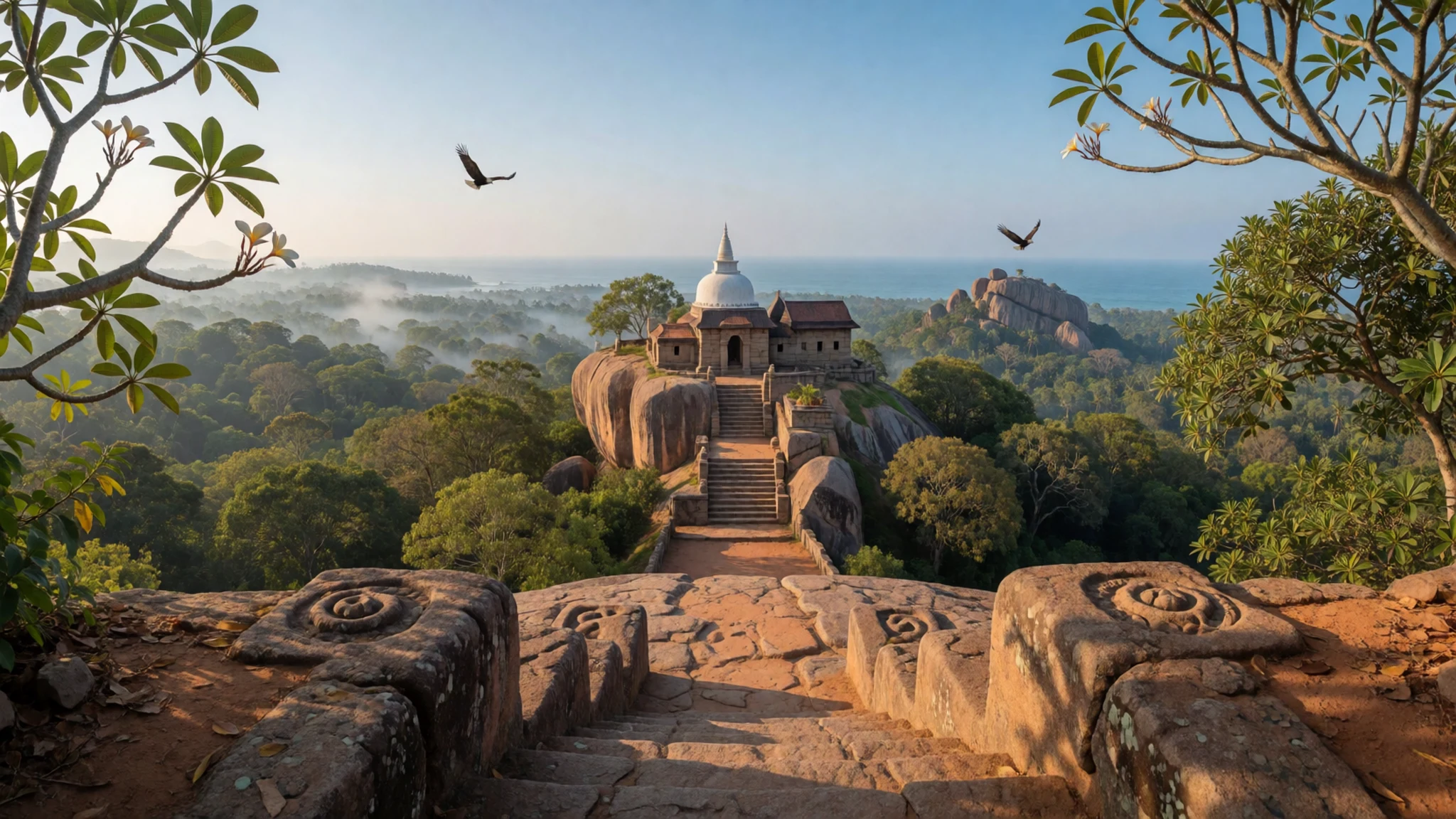
- Uganthai Malai Murugan Kovil
Uganthai Malai Murugan Kovil is a small Hindu temple situated near the park's edge. It serves as a vital resting point for pilgrims during the Pada Yatra journey, offering a glimpse into the deep spiritual connection the local people maintain with this wild landscape.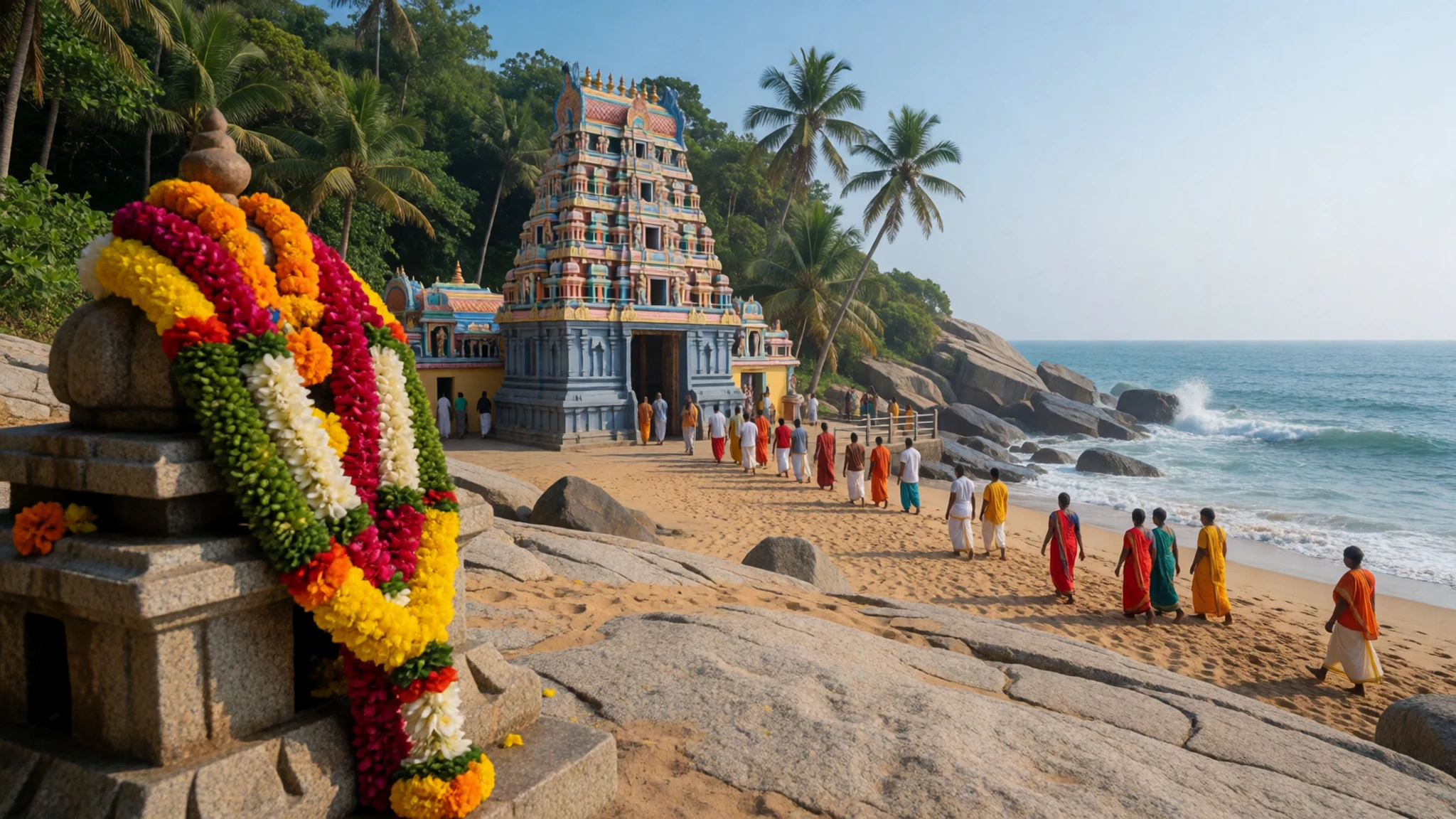
- The Water Tanks
The more than twenty tanks scattered across Kumana National Park are the lifeblood of the region. These water bodies are prime spots for spotting giant crocodiles basking on the banks and huge congregations of wading birds fishing in the shallows during the dry season.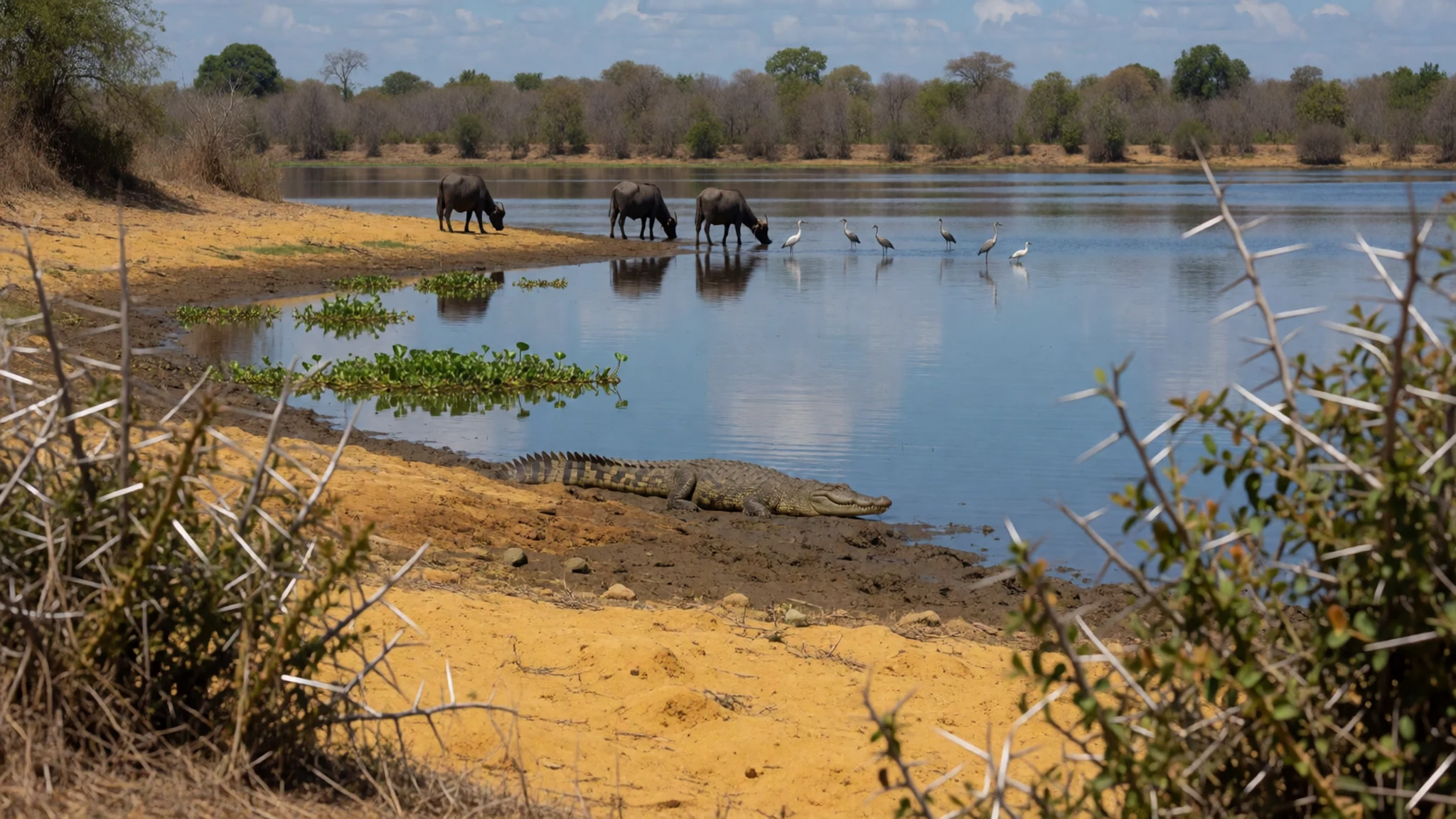
- Ancient Cave Drawings
Found in secluded parts of Kumana National Park, these cave drawings by the indigenous Vedda people depict hunters and elephants. They provide a fascinating, concrete link to the prehistoric inhabitants of the region and their observations of the surrounding wildlife over millennia.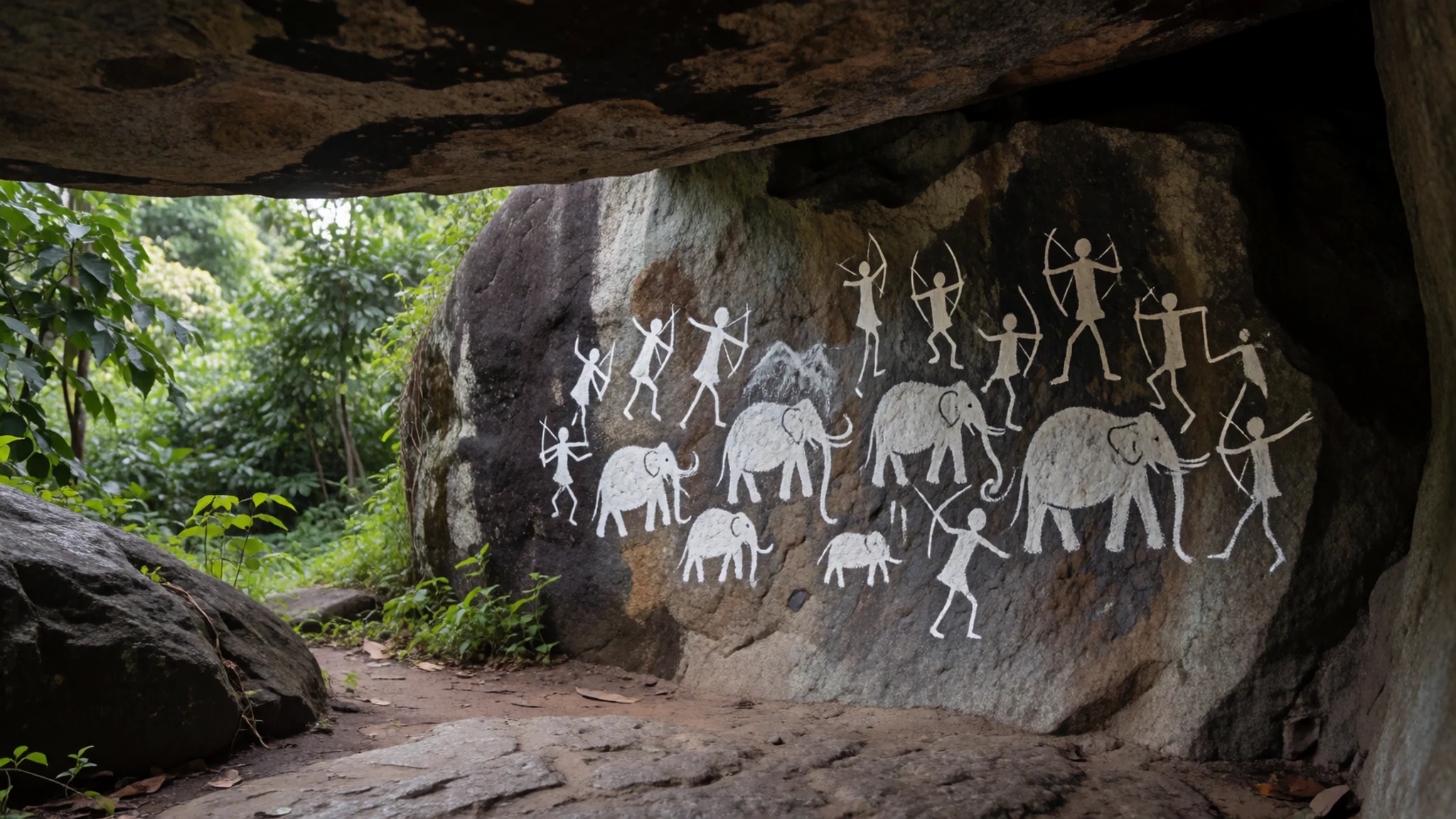
- The Bird Sanctuary
The Kumana Bird Sanctuary is the heart of the park's avian attraction. Between April and July, it becomes an incredibly active breeding ground where thousands of migratory birds gather, making it one of the most important bird-watching sites in all of Sri Lanka.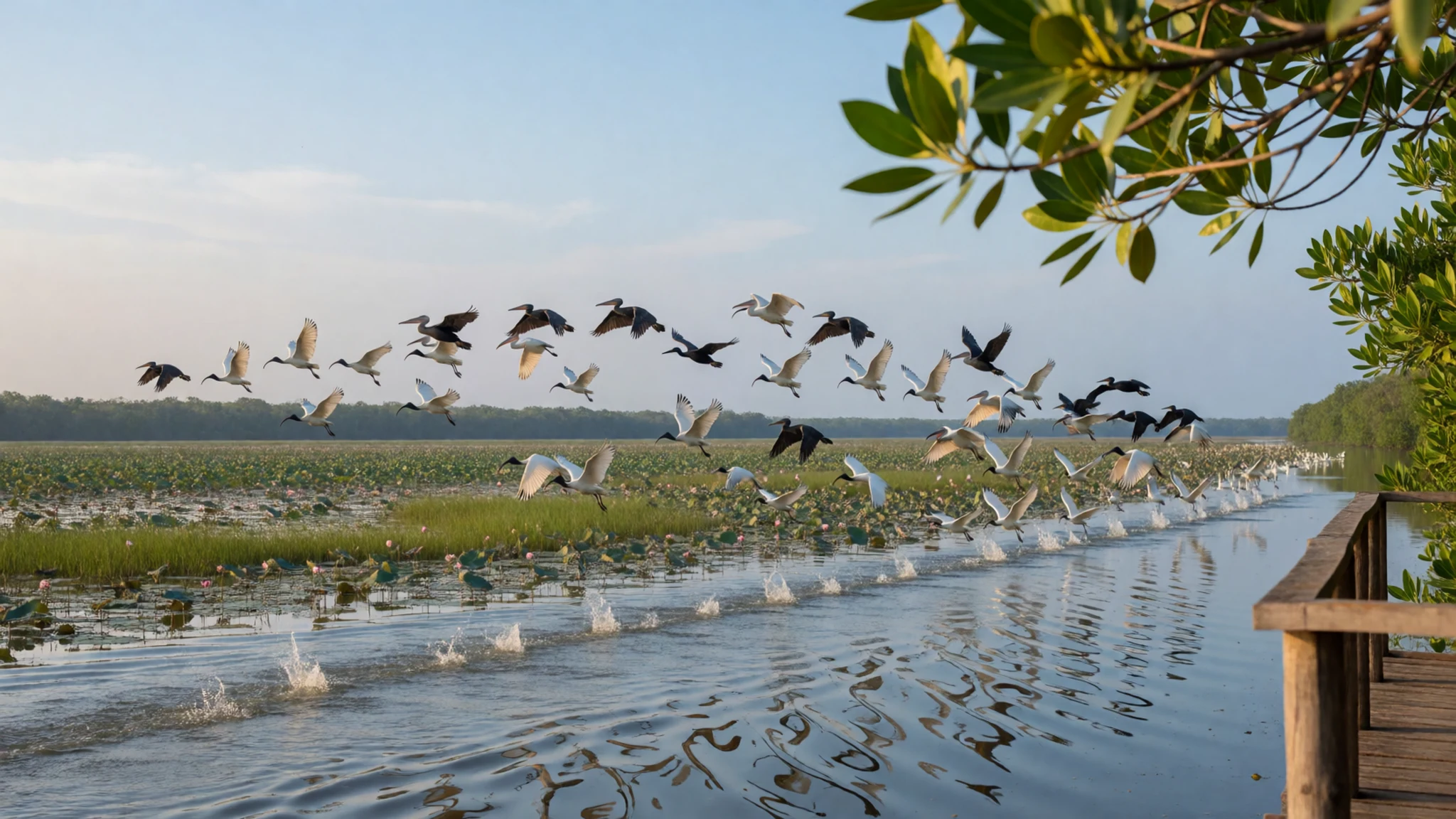
Culture
Culture in Kumana National Park is defined by a blend of indigenous heritage and Hindu devotion. The presence of the Vedda people's legacy is felt in the ancient cave art, reminding visitors of a time when humans lived in total harmony with the forest. Today, the park's cultural rhythm is most visible during the Pada Yatra pilgrimage, where the landscape becomes a sacred path for devotees travelling to Kataragama. This pilgrimage is not just a religious act but a social event that brings together people from across the country in a shared journey of endurance and faith. The local community near the park, including those in Kumana Village, maintains a traditional way of life closely tied to the seasons and the wildlife. Respect for the animals is paramount here, as the local people view the elephants and birds as integral parts of their environment. When visiting the small kovils or interacting with locals, a quiet and humble approach is appreciated. Please ensure you keep your voice low and do not disturb the wildlife or pilgrims during their rituals.
What to wear
Fashion in Kumana National Park is dictated by the harsh, dry climate and the rugged terrain. Traditionally, the people of this southeastern region wear light, breathable cotton fabrics to cope with the tropical heat, with many men wearing the sarong and women opting for simple cotton sarees or dresses in muted tones. In modern times, locals and guides typically wear functional clothing, such as durable trousers and short-sleeved shirts, often paired with sturdy sandals. For visitors, the priority should be protection from the sun and insects. Lightweight, long-sleeved shirts and trousers in neutral colours like khaki, olive, or beige are highly recommended; bright colours can startle wildlife and attract more insects. A wide-brimmed hat and high-quality sunglasses are essential for the open plains. Footwear should be sturdy and closed-toe, such as hiking shoes or boots, to protect against thorns and insects when stepping out of the vehicle. Given the remote nature of the park, avoid fancy attire and opt for moisture-wicking fabrics that dry quickly in the humid air.
What to eat
- Packed Rice and Curry — local guesthouses in Arugam Bay
A staple for safari-goers, consisting of steamed rice with several vegetable curries and a spicy sambol, typically packed in foil or plastic containers from guesthouses in Arugam Bay.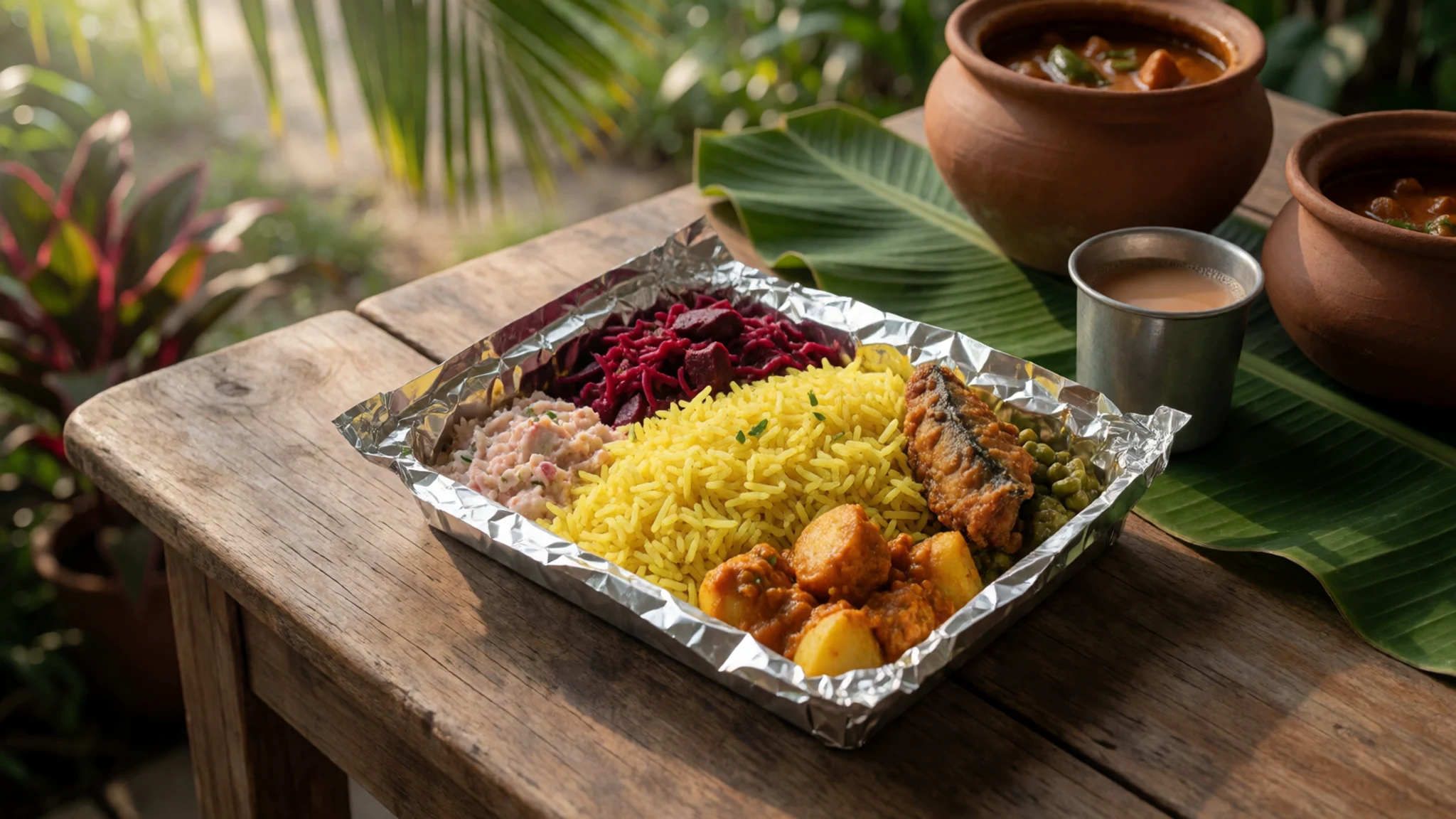
- Fresh Tropical Fruits — Kumana Village shops
Sliced mangoes, bananas, and papaya provide a refreshing energy boost. Visitors should buy these from village vendors before entering the park, as picking fruit from trees inside is prohibited.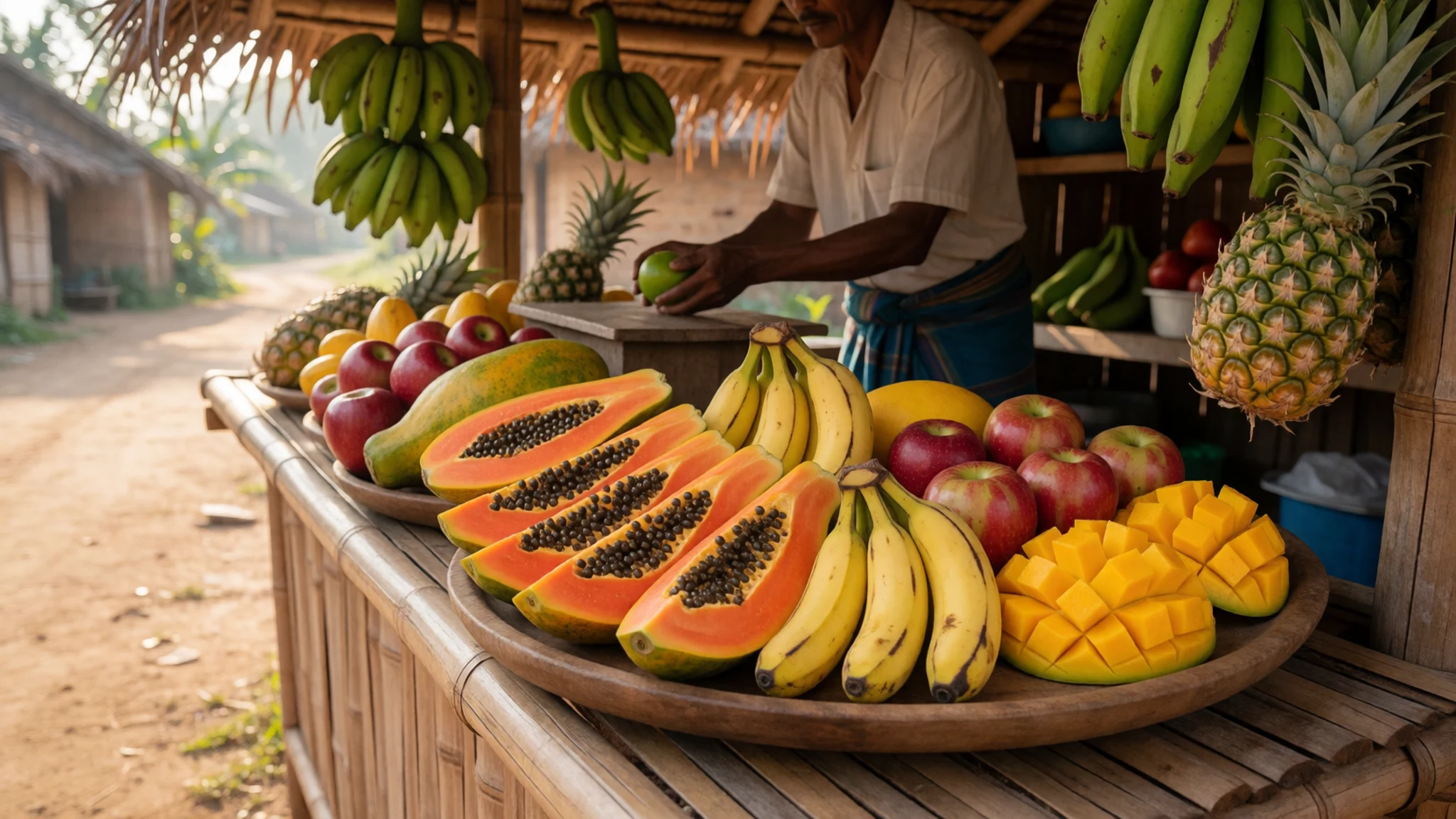
- Bottled Water and Isotonic Drinks — the entrance shop
Essential for hydration in the dry zone heat. These are the only drinks available at the entrance, though bringing a large reusable bottle is better for the environment. - Local Short-Eats — small eateries in Kumana Village
Savoury snacks like vegetable rolls or cutlets, often fried and spicy, which are convenient for eating during short breaks on the bumpy safari road.
Plan it
Best time. April to July is the peak for bird-watching as migratory species breed; however, the dry zone is hot year-round.
How long. 1–2
Getting there. By car from Colombo (about 8 hours via the Southern Expressway) or by bus to Pottuvil and then a taxi to the park entrance.
Budget. mid
Tips
- The 16 km entrance road is extremely bumpy; ensure your vehicle is in good condition
- Carry all your own food and water as there are no facilities inside the park
- Start your safari at dawn to increase sightings of leopards and elephants
- Take all rubbish back with you to keep the sanctuary pristine
- Stay in Arugam Bay for better hotel facilities and hot water showers
Etiquette
- Stay inside your vehicle at all times unless an elephant is over 60 m away
- Do not feed any wildlife, including monkeys or birds
- Keep noise levels to a minimum to avoid stressing the animals
Sources
- Wikidata Q6443439 (CC0)
- Wikipedia (CC BY-SA 4.0)
- Wikivoyage (CC BY-SA 4.0)
Wildlife
- Asian elephant (animal)
The Asian elephant is the biggest land animal in Asia, a grey giant with a long trunk, wrinkled skin, big folded ears and a very clever mind. In Kumana National Park, wild elephants come down to the edges of the water, so watch there. Keep a respectful distance, stay quiet, and let your guide read the herd's mood. Never feed them: a wild elephant should stay wild, and calm, patient watching is the kindest way to enjoy it.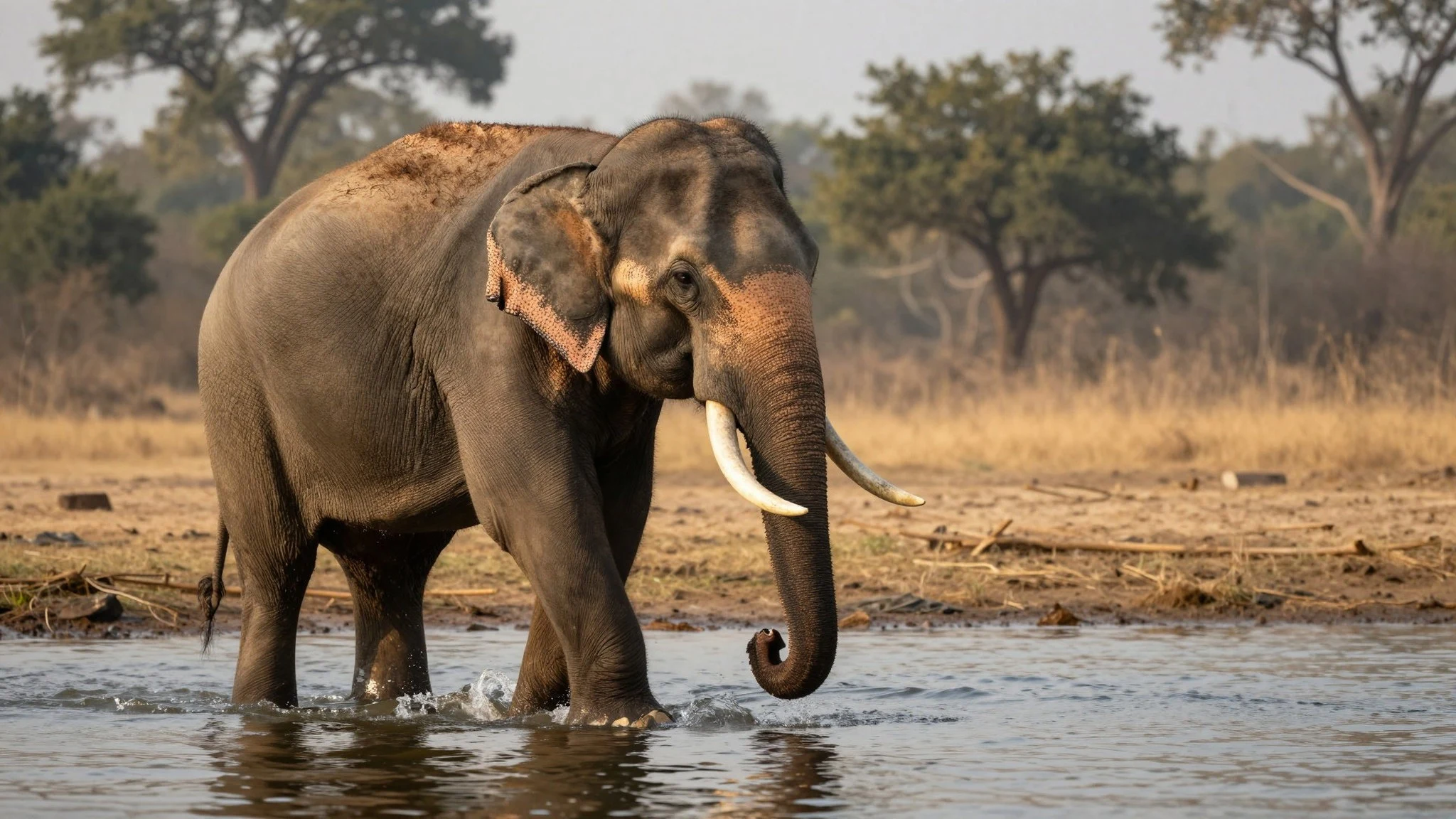
- Mugger crocodile (animal)
The mugger crocodile is a broad-snouted, powerful swimmer, a patient reptile that looks like a log until it moves. In Kumana National Park, the lakes and pools are good places to find big crocodiles sunning themselves on the banks, especially in the dry season, when wading birds crowd the shallows nearby. Watch from a safe distance with a guide, keep your voice low and stay back from the water's edge. Never feed them; a crocodile that links people with food becomes dangerous.