Île d'Orléans
Île d'Orléans, Canada
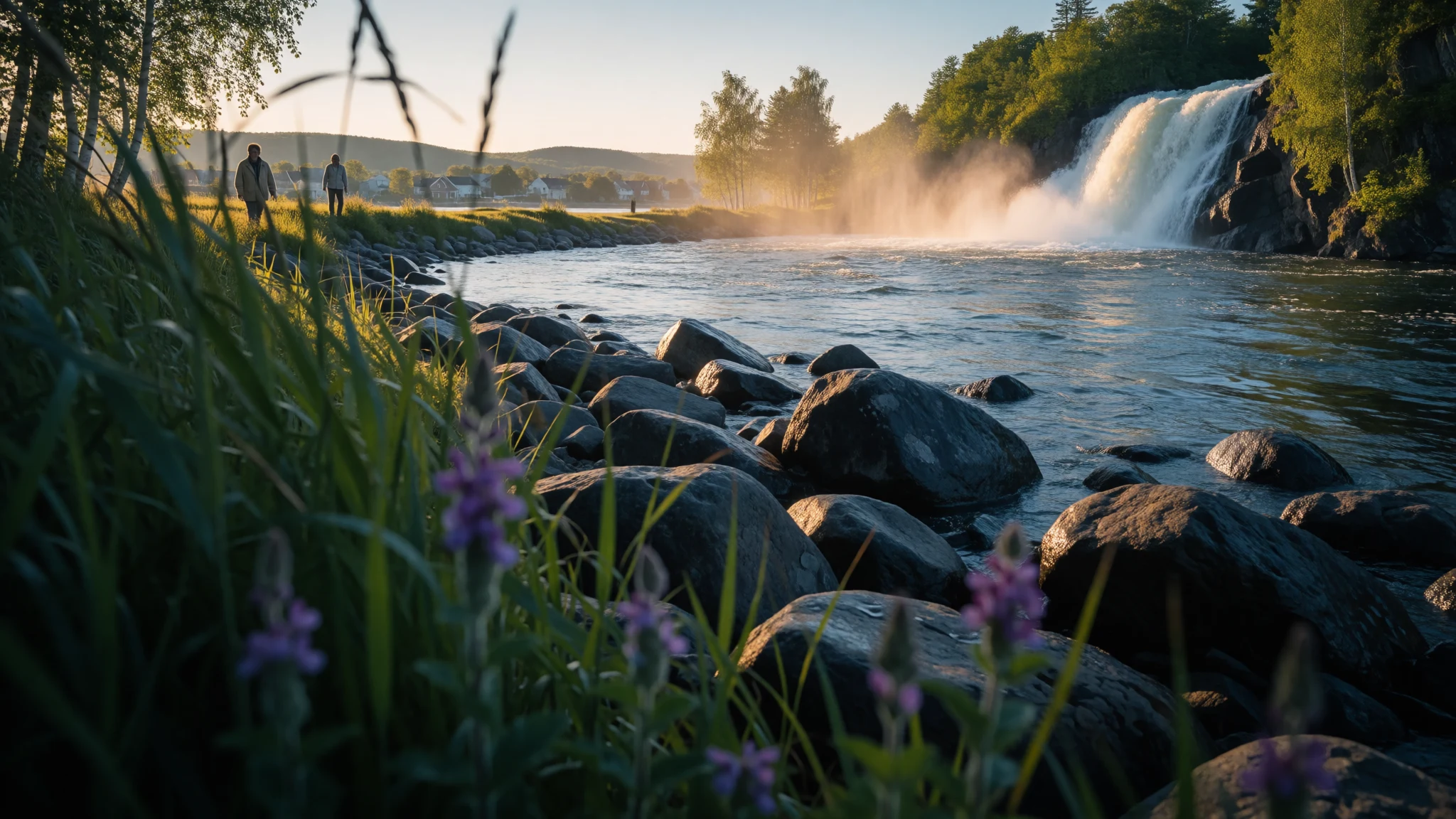
Île d'Orléans is a farming island beside Quebec City, with orchards, cider, old parish villages and a roadside view of Montmorency Falls.
The place
Île d'Orléans lies in the Saint Lawrence River just east of Quebec City, about 5 km from the downtown core, and the city's skyline shows from the island's western end. It is roughly 34 km long, with jagged coves and capes rather than a tidy outline. About 7,000 people live here, spread over six villages, and the character is farming rather than resort: strawberry fields, apple orchards, potato rows, sugar maple stands, a few vineyards and cheesemakers. The nickname is the Garden of Quebec, and the roadside stalls back it up. Geologically the island sits between the Canadian Shield to the north and the Appalachians to the south. At its north-eastern tip the river's fresh water begins to mix with salt, marking the start of the middle estuary. Two channels separate it from the mainland, and a single bridge from Beauport carries traffic across. One provincial road then circles the whole perimeter, so finding the way is easy: keep the water on one side and keep going. The waterfall connection is at Sainte-Pétronille, near the western end, where a viewpoint looks across to Montmorency Falls, the river and Quebec City. Fishing and boatbuilding have faded, and tourism now carries much of the local economy. Day-trippers and cyclists are the usual visitors, so summer weekends bring traffic on that one road and busy farm stands, while weekdays and the shoulder seasons feel calmer.
Its story
Île d'Orléans has a long history that predates any French arrival. Indigenous peoples lived on and used the island for generations, and the Hurons called it Minigo, usually translated as Enchantress, a nod to its charm. Jacques Cartier came ashore in 1535 near what is now Saint-François. Struck by the wild grapes growing there, he named it after Bacchus, the Roman god of wine. Later officials replaced that name with Île d'Orléans, honouring Henri, Duke of Orléans, the second son of Francis I, and the island carried other names, including Sainte-Marie and Saint-Laurent, during the colonial centuries. Settlers came mostly from Normandy and other north-western French provinces, drawn by fertile soil. They laid out the land under the seigneurial system of New France: houses grouped close together, with long narrow fields running away behind them. That pattern can still be read in the landscape today. The first parish, Sainte-Famille, was founded in 1661, and four more followed soon after. In 1744 the colonists finished the Chemin Royal, the Royal Road, which rings the entire island. A surgeon to the king, Jean Mauvide, had built his own manor house here in 1734. Because so many early families settled on the island, a large share of French Canadians can trace their ancestry back to it, and it has been described as the birthplace of francophones in North America.
What to see
- Sainte-Pétronille viewpoint — Sainte-Pétronille, western end of the island
Near the western tip, this village has a viewpoint that takes in Montmorency Falls, the broad river and the Quebec City waterfront in one sweep. It is the clearest reason the island belongs among waterfall places. The falls look small from this distance, so binoculars help, and clear mornings give the sharpest view.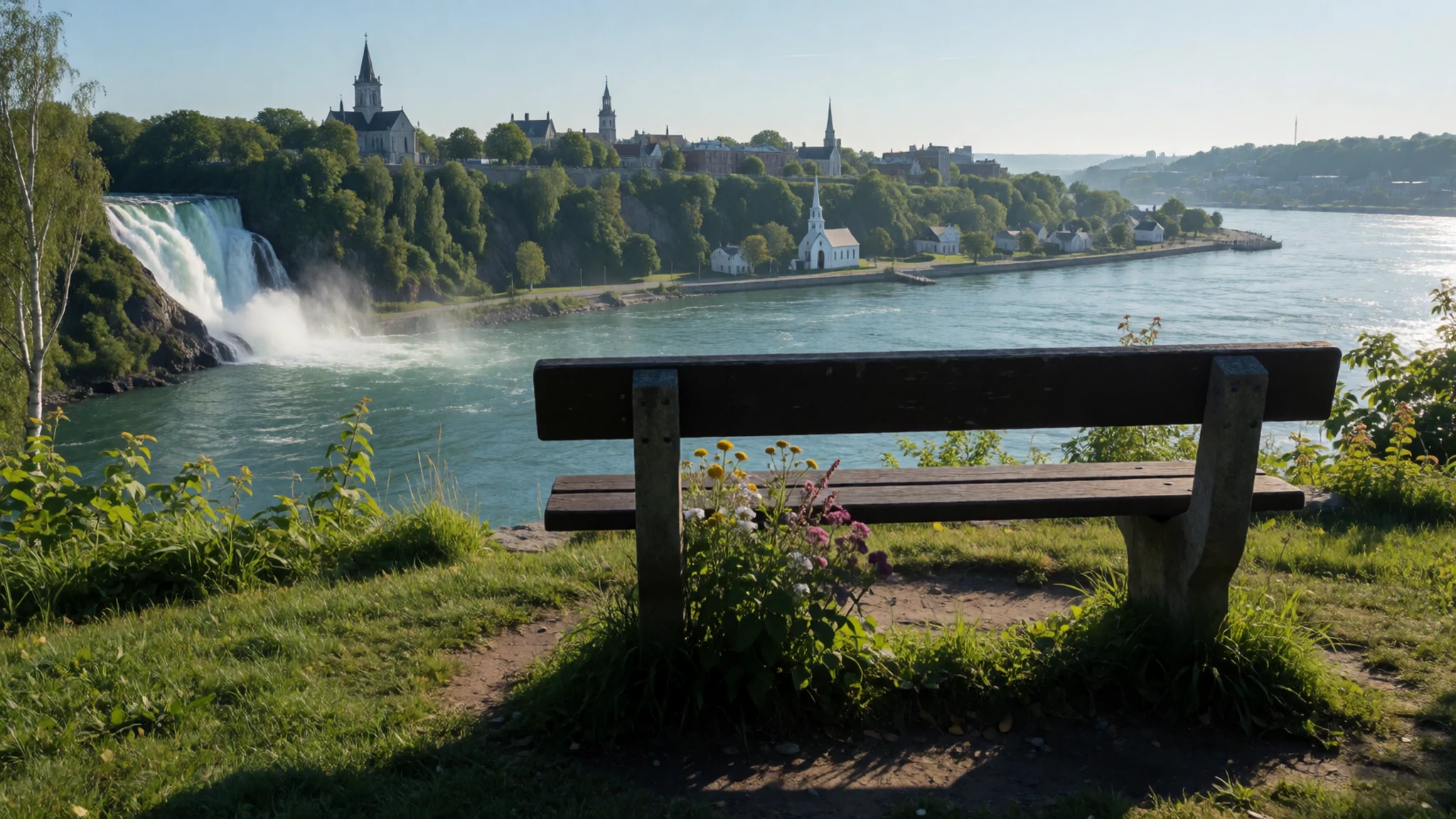
- Manoir Mauvide-Genest — Saint-Jean
Jean Mauvide, a surgeon to the King of France, built this manor in 1734 as his residence. It is a solid reminder of how the landowning families of New France lived on the island. Check the official site for opening times and tour details before making the trip.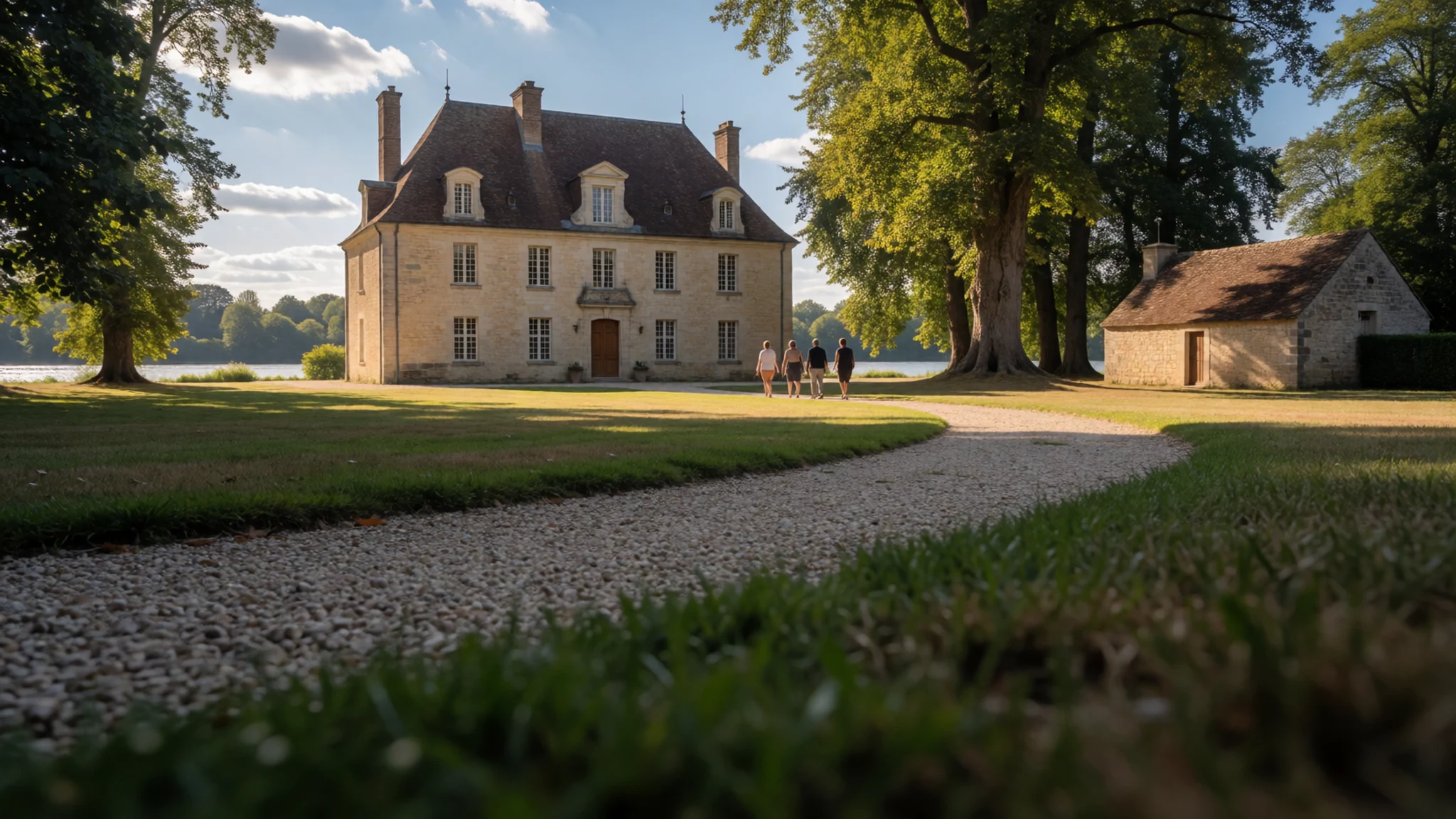
- Sainte-Famille and the old farmhouses — Sainte-Famille, north shore
Sainte-Famille was the island's first parish, founded in 1661, and its farmhouses show the rural Quebec building tradition. The Drouin house is one example. Walking or cycling the quiet stretches between church and fields makes the long, narrow seigneurial plots easy to understand.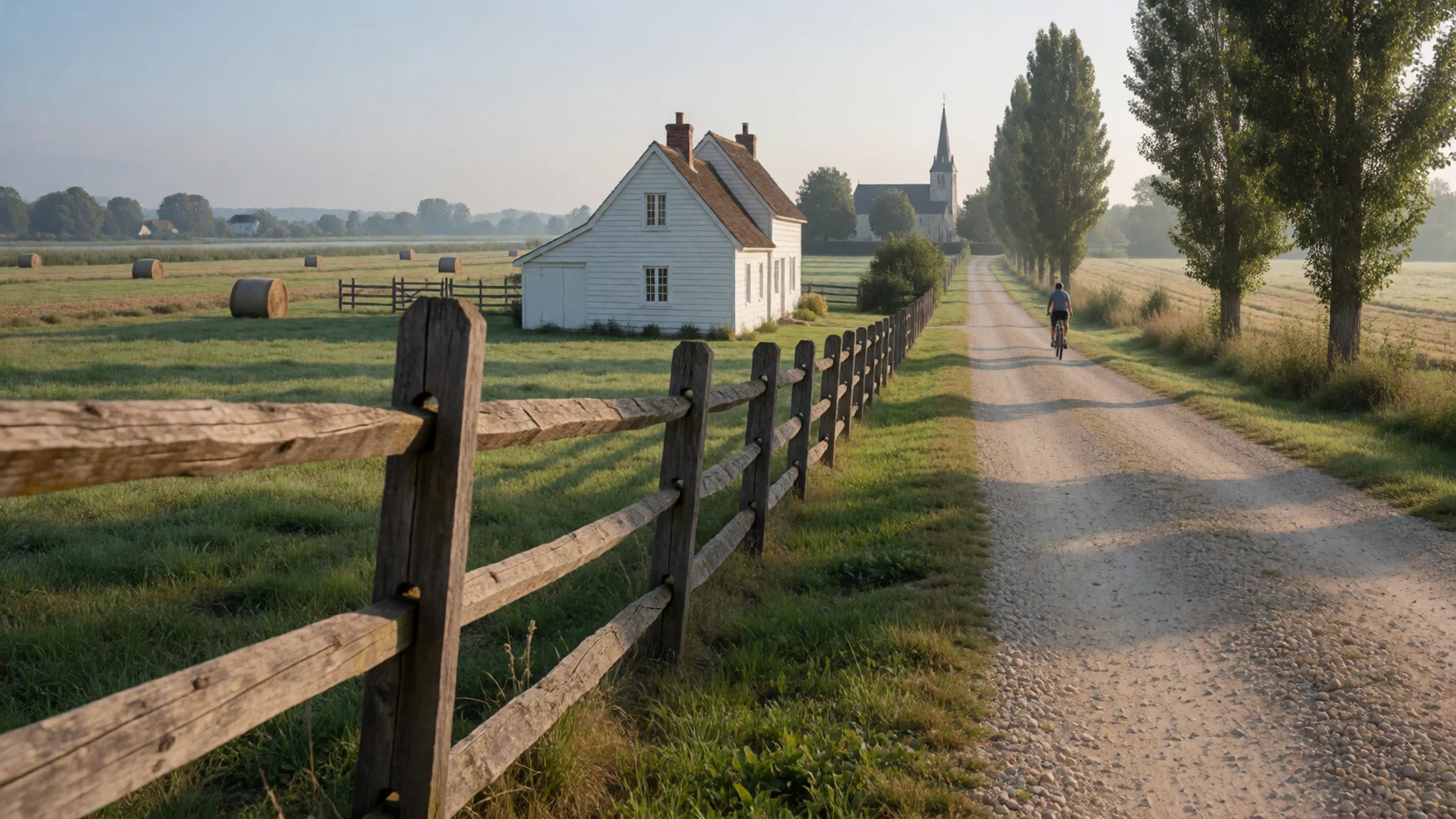
- Parc maritime de Saint-Laurent — Saint-Laurent
A historic shipyard and museum that recalls the island's boatbuilding past, now faded as a trade. Set on the river's edge, it explains how the Saint Lawrence shaped daily life here before tourism took over. Check the official site for seasons and opening arrangements.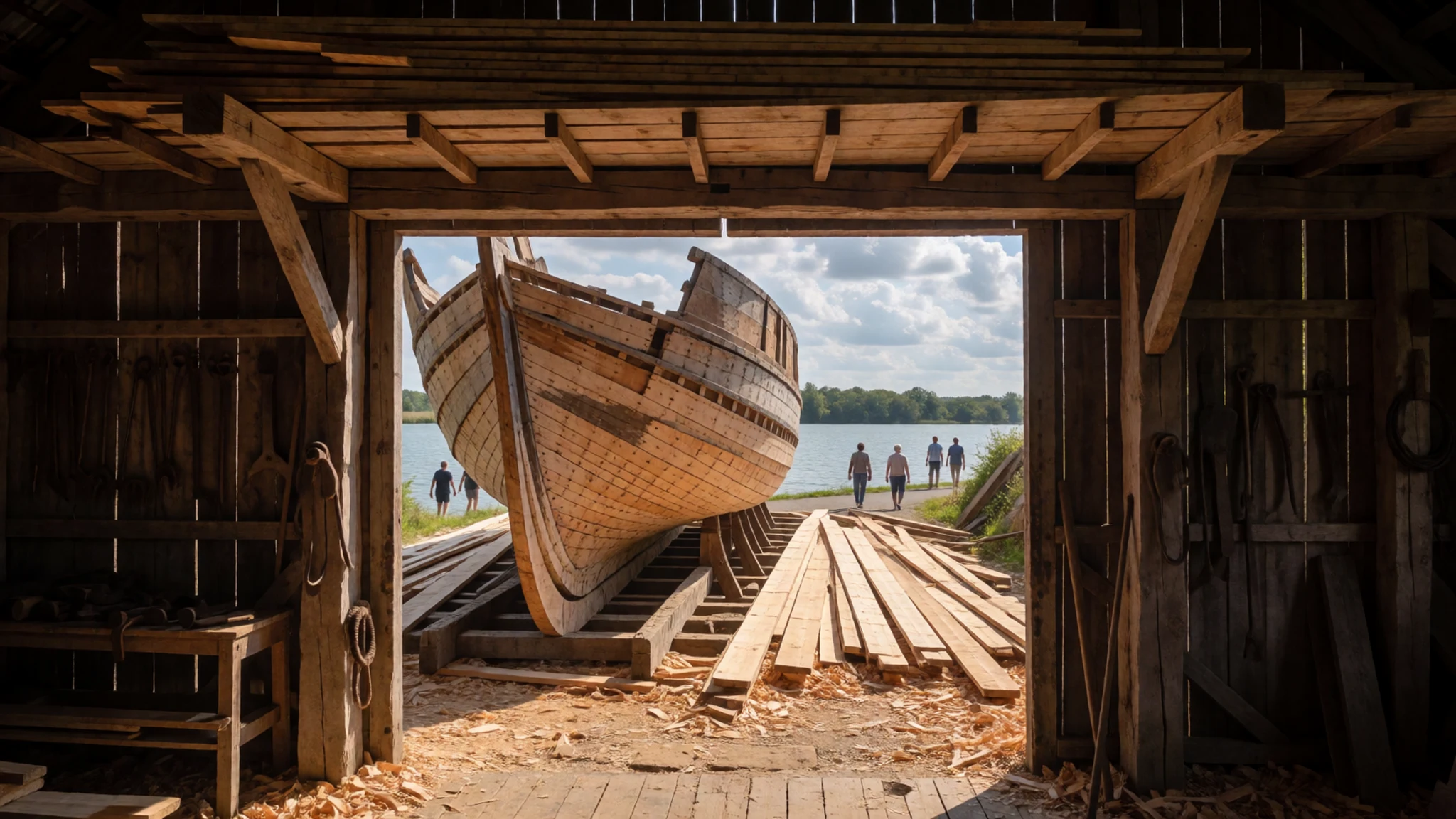
- Cidrerie Verger Bilodeau — Saint-Pierre area, south shore
A cider house and orchard making ice cider, sparkling wine, mistelle and maple cider. Free tastings are offered, and the grounds have pick-your-own apples, a petting zoo and a gift shop. It suits families and anyone curious about how apples become ice cider.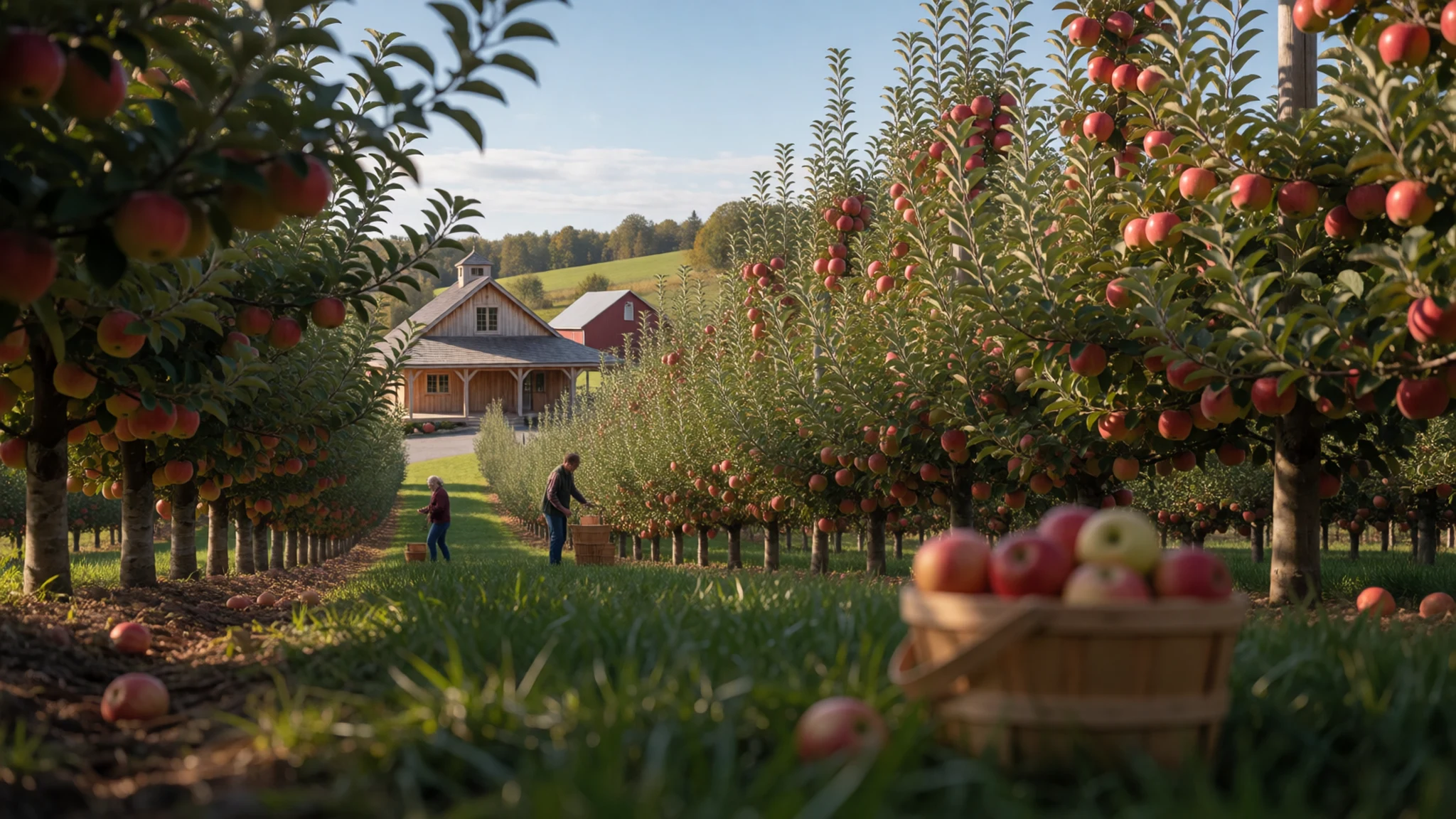
- Vignoble Isle de Bacchus — Saint-Pierre area, south shore
The first vines here were planted in the 1990s, and the vineyard has since grown into a sizeable operation. The name recalls Cartier's first label for the island, inspired by wild grapes. Visit for a tasting and a look at how a cold-climate vineyard works.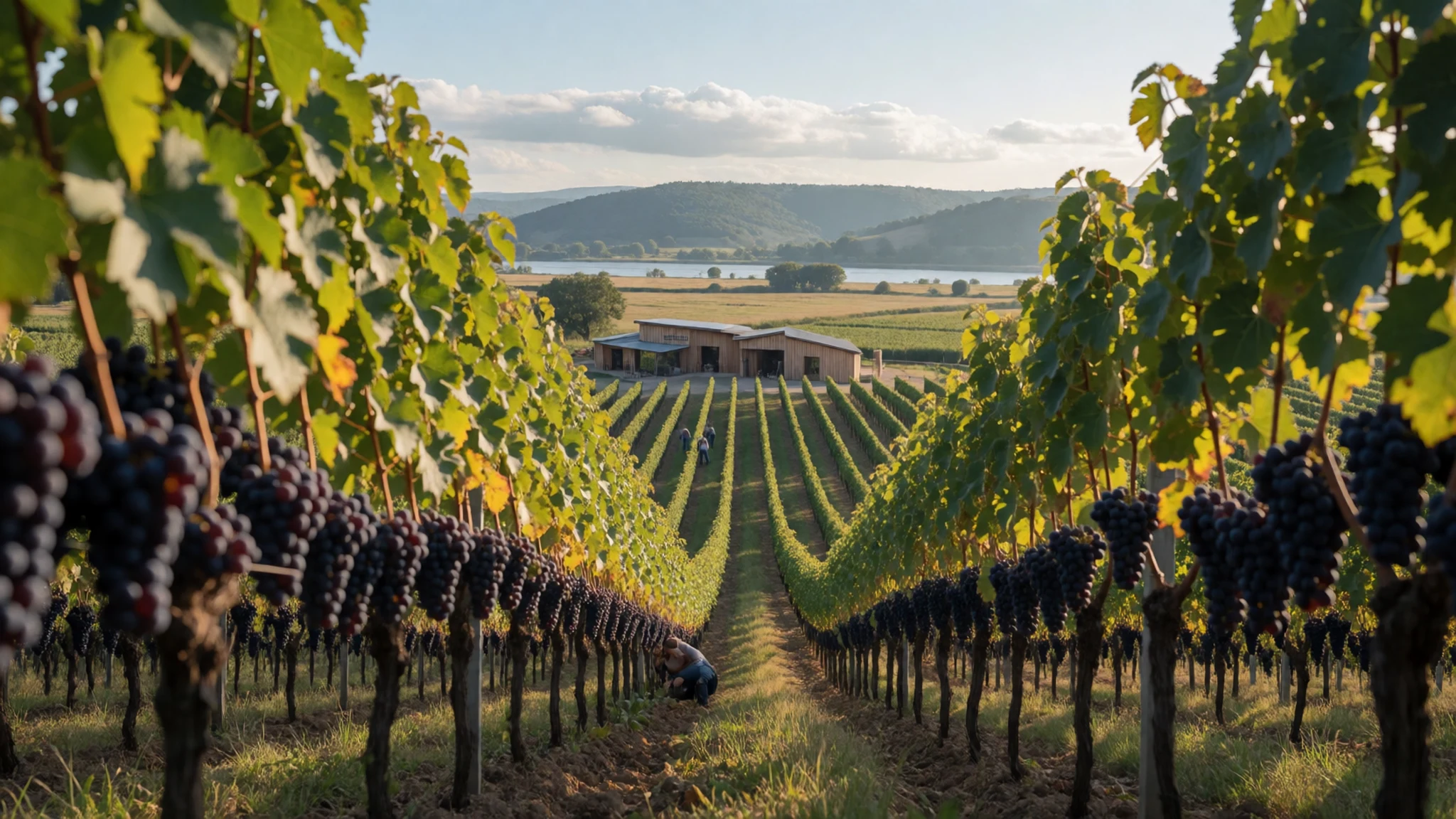
Culture
Île d'Orléans is French-speaking Quebec in concentrated form, and local identity rests on farming, parish life and a long memory of settlement. The villages grew around their churches, and the old farms keep their traditional rural character. Many families trace their roots to the first settlers, so genealogy and heritage are an everyday interest rather than something kept in a museum. Food culture follows the seasons: strawberries in early summer, apples in autumn, maple in the spring sugaring time. Farm stands, cider houses and vineyards are where residents and visitors meet, and conversation tends to be unhurried. French is the language of daily life, though staff at busy visitor spots generally manage English too. The island is also a working landscape: tractors and harvest traffic share the single road with cyclists, and farmers earn their living from the same land that visitors photograph. Winters are long and the pace changes, with some seasonal businesses closing for the cold months, so the island feels most animated between late spring and autumn. Greet people with a friendly "bonjour" before switching to English, and ask before stepping into a farmer's field or orchard.
What to wear
Traditional dress on Île d'Orléans belongs to wider Quebec rural heritage. The best-known piece is the ceinture fléchée, the woven arrow sash, made of coloured wool and tied at the waist over a heavy coat. Alongside it come homespun wool garments and the knitted tuque, a warm cap. These are mostly seen now at winter festivals, heritage events and in craft shops, rather than in daily life. What people actually wear is practical and casual: plaid shirts, jeans, rain jackets, sturdy boots on farms, and cycling kit in summer. Residents dress for weather first, and nobody expects smart clothes at a cider house or vineyard tasting. Visitors should plan for changeable conditions on an open river island. In summer, bring light layers, a sun hat, sunscreen and comfortable shoes for walking or cycling, plus a thin waterproof for sudden showers. Shoulder seasons call for a warm jacket, as the wind off the water can feel cooler than on the mainland. In the cold months a proper winter coat, hat, gloves and insulated boots are necessary. Village churches are not strict, but covering bare shoulders and removing hats on entry is a courteous choice. Closed shoes help if you walk through orchards or fields.
What to eat
- Ice cider — Cider houses and orchards along the perimeter road
Ice cider is a sweet, concentrated apple drink made from fruit pressed after freezing. Island cider houses pour free samples, often beside sparkling cider, mistelle and maple cider, and a small bottle makes a practical gift to take home.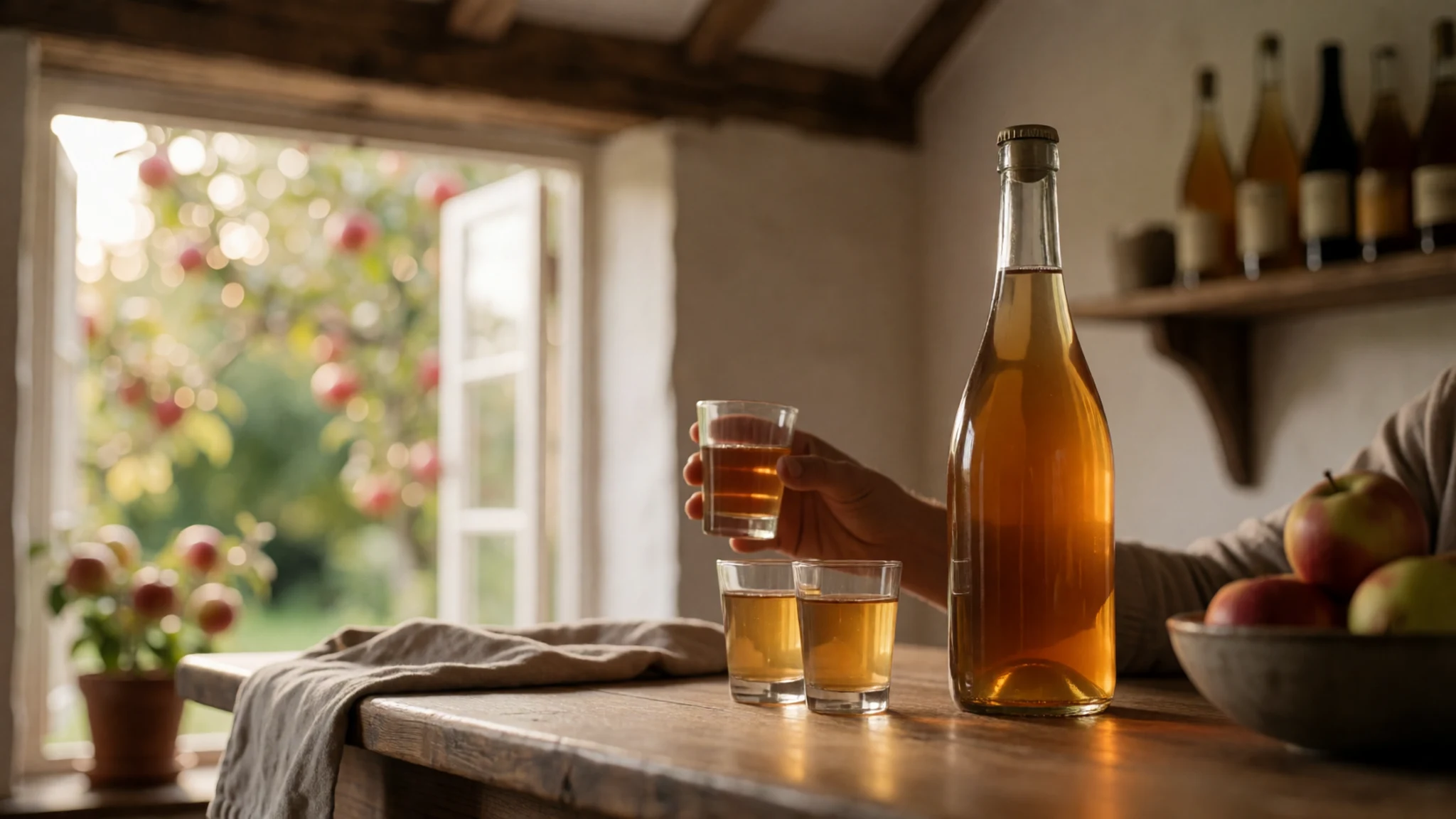
- Island wines — Vineyards on the north and south shores
Cool-climate vineyards produce white, rosé and red wines, plus fortified, ice and late-harvest styles. Tasting rooms are the best place to try them, and a few welcome walks among the rows in season.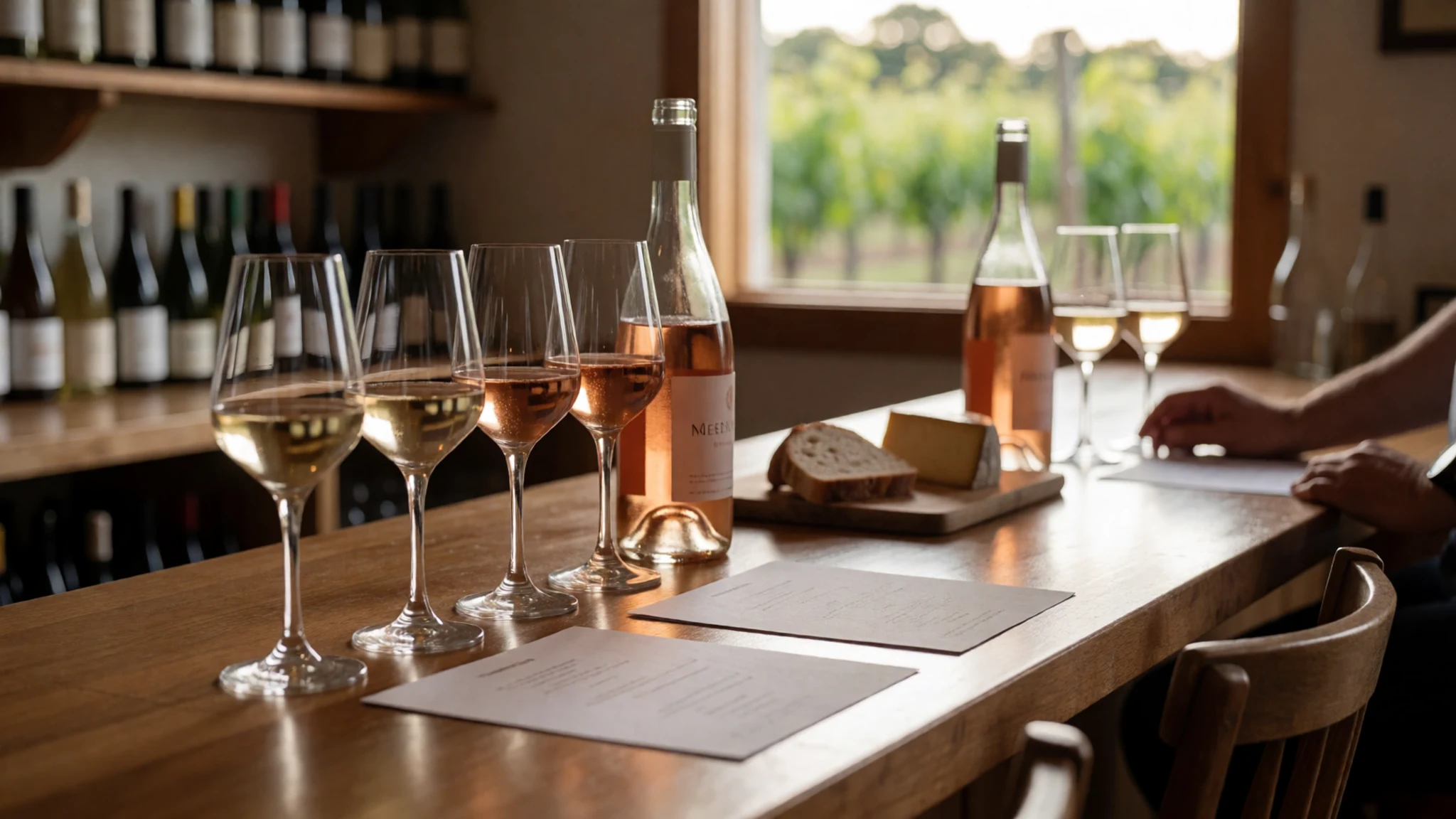
- Strawberries and pick-your-own fruit — Roadside farm stands and farm fields
Strawberries are a signature crop, alongside apples, raspberries and blueberries. Farm stands sell punnets by the road, and some farms let visitors pick their own. Early summer is the usual time for strawberries, autumn for apples. - Maple products — Sugar shacks and farm shops
Sugar maple stands across the island supply syrup and other maple products. Look for them in farm shops and gift boutiques, and at cider houses where maple cider shares the shelf with syrup. - Blackcurrant (cassis) liqueur — A blackcurrant boutique and restaurant in the villages
Blackcurrant is an island speciality, turned into liqueurs, jams and sauces. A local restaurant-boutique built around cassis offers tastings and gifts, and is a good stop for something different from apples. - Poutine and local craft beer — Village pubs and bakeries
Village pubs serve poutine, steaks, pizzas and pastas beside local microbrewery beers and Belgian imports. A bakery-cafe offers sandwiches, soup and pastries, handy for picnic supplies before cycling the loop.
Plan it
Best time. June to early July for strawberries and long daylight, and September to October for apples and autumn colour. Summer weekends are busiest. Winters are cold and some seasonal businesses close, so check before travelling.
How long. 1–2
Getting there. Fly to Quebec City, then drive or cycle east across the Île d'Orléans Bridge from Beauport. A weekday commuter bus (PLUMobile) runs between Quebec City and the island a few times a day, and many tour buses from the city also visit; check current timetables on the official sites.
Budget. mid
Tips
- Go midweek or early in the morning in summer to avoid traffic and crowded farm stands.
- Cycle the perimeter road if you are fit, but ride single file and watch for farm vehicles.
- Carry some cash as well as a card, since small stalls may not take cards.
- Bring water, sun protection and a rain layer, as there is little shelter on the open road.
Etiquette
- Greet people in French first, with a simple bonjour.
- Stay on the roadside and ask before entering any orchard or field.
- Drive or ride slowly through villages and give way to farm vehicles.
Nearby
Sources
- Wikidata Q128172 (CC0)
- Wikipedia: Île d'Orléans (rev 1364347689) (CC BY-SA 4.0)
- Wikivoyage: Île d'Orléans (rev 5433331) (CC BY-SA 4.0)
- Photo: Saint-Pierre-de-l'Île-d'Orléans (P199) (CC BY 3.0)
- Photo: Île d'Orléans map (Kelisi) (CC BY-SA 4.0)
- Photo: IledorleansQuebec.png (Public domain)
- Photo: Saint-Pierre-de-l'Île-d'Orléans (giggel) (CC BY 3.0)
- Photo: Map of Beaupré and Orléans Island (Jean Bourdon, 1641) (Public domain)
- Photo: Carte du gouvernement de Québec, 1709 (detail) (Public domain)
- Photo: Manoir Mauvide-Genest (Richard Coté) (CC BY-SA 4.0)
- Photo: Drouin House, Sainte-Famille (Selbymay) (CC BY 3.0)


